Bird Dogging Real Estate: The Low-Cost Entry Point That Opens Doors for New Investors

Bird Dogging Real Estate: The Low-Cost Entry Point That Opens Doors for New Investors
TL;DR: Bird dogging real estate means finding off-market deals and passing them to wholesalers or investors for a $1,000 to $5,000 referral fee. No license, no capital, and no closing table. The work is driving for dollars, calling expired listings, and building relationships with agents who see what you see. Start this week with five hours and a target zip code.

The most common question from someone who wants to break into real estate investing but has no money is what do I actually do.
The answer is not a course. It is not a YouTube channel. It is not a mentorship costing $3,000. It is bird dogging real estate. Find a deal nobody else is marketing, confirm it qualifies, and hand it to someone with capital to close. Earn $1,000 to $5,000 for an afternoon of phone calls and a drive-by. No license required. No closing table. No deposit.
What Is Bird Dogging in Real Estate
Bird dogging is the practice of scouting distressed or off-market properties on behalf of an investor or wholesaler. The bird dog locates the opportunity. The investor takes it from there.
The analogy holds: a bird dog points hunters toward game without doing the killing. A real estate bird dog points investors toward deals without handling the closing.
Bird dogs work inbound or outbound. Inbound means responding to motivated sellers who are already advertising (FSBO listings, expired MLS listings, craigslist posts). Outbound means actively driving neighborhoods, calling directly, or working public records to surface properties that are not yet on the market. Outbound bird dogs consistently find better deals because the competition is lower.
The Five-Step Bird Dogging Workflow
Step 1: Build a target list. Before you call anyone or drive anywhere, you need addresses. The highest-value sources are expired MLS listings, FSBOs, and public records for tax delinquencies, code violations, or pre-foreclosure filings. In markets with significant distressed inventory, county assessor records are the single most reliable source of off-market motivated sellers.
Step 2: Contact the owner. One phone call, three minutes. You are confirming three things: the property is still available, the owner has a genuine reason to sell, and the asking price is within a range the end investor would consider. You are not asking them to take your offer. You are asking if they would be open to an all-cash offer from an investor you work with.
Step 3: Do a drive-by assessment. Before handing the lead to anyone, you drive by. You are confirming the property exists, getting a visual read on condition, noting whether it is vacant, and estimating repair costs. You are not going inside. You are building a short report that lets your investor buyer decide whether it is worth their time.
Step 4: Pass the lead with a summary. Email the investor your short report: address, owner name if known, asking price, property condition notes, estimated ARV, and repair estimate. The easier you make it for the investor to act, the faster they will move and the more they will trust your judgment.
Step 5: Collect the fee when the deal closes. Standard bird dog fees range from $1,000 to $5,000 per deal, paid at closing. Some investors offer flat fees for specific markets. Payment structured around the close protects both parties: you earn nothing unless the deal happens.
Where to Find Off-Market Deals When You Are Starting From Zero
The biggest misconception about bird dogging is that you need expensive software or data subscriptions. You do not.
The highest-value source for new bird dogs is the expired MLS worksheet. When a homeowner's listing expires without selling, that homeowner is frustrated, motivated, and open to alternatives. Their agent already tried the traditional route and failed.
To access expired listings, build a relationship with one or two active buyer's agents in your target market. You do not need a license to call expired listings. You need an agent who will share the list.
Expand from there into FSBOs on Craigslist and Facebook Marketplace, public records for tax delinquencies and pre-foreclosure filings at your county assessor website, and direct mail to the 30 most recent expired listings in your zip code.
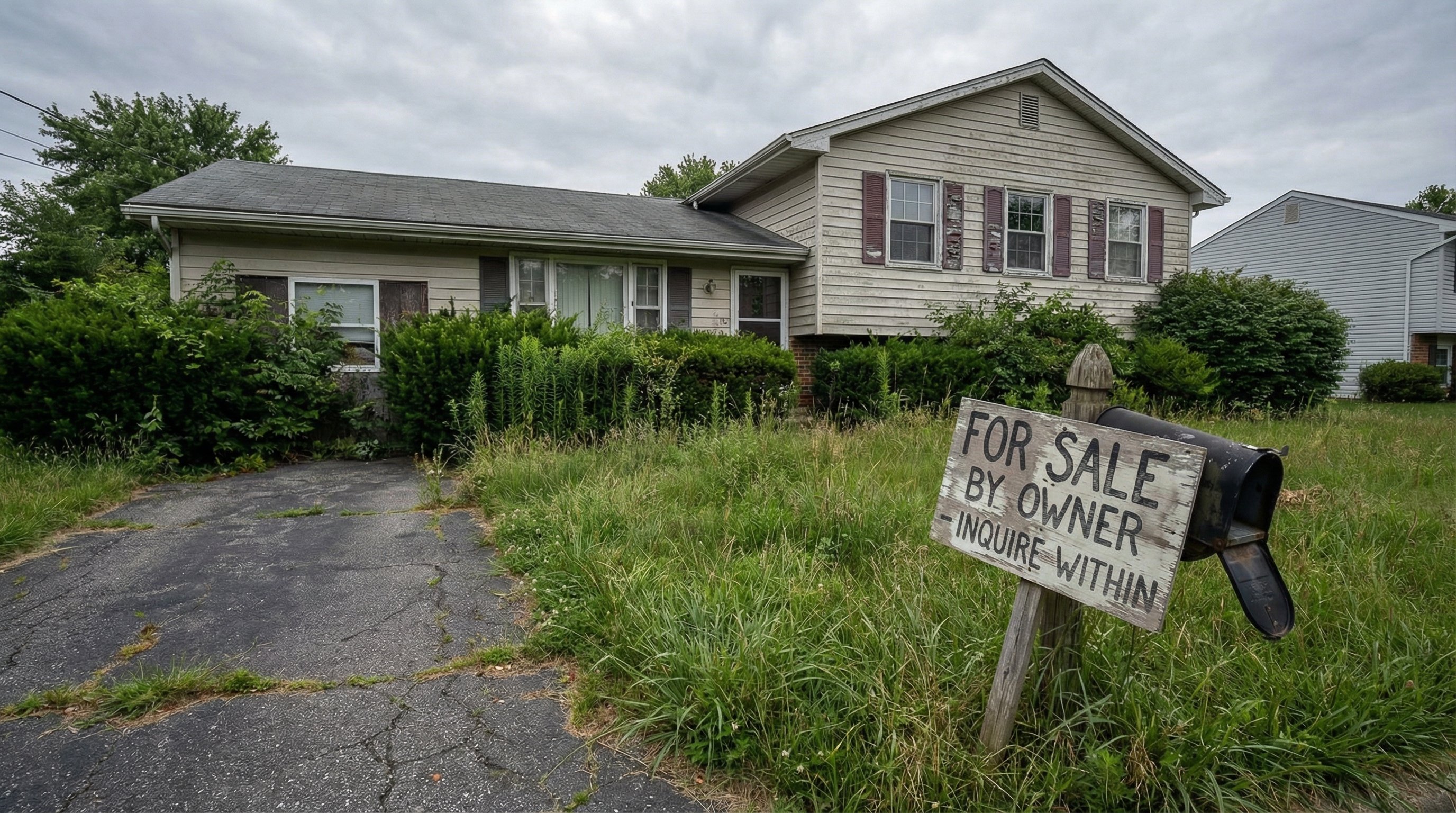
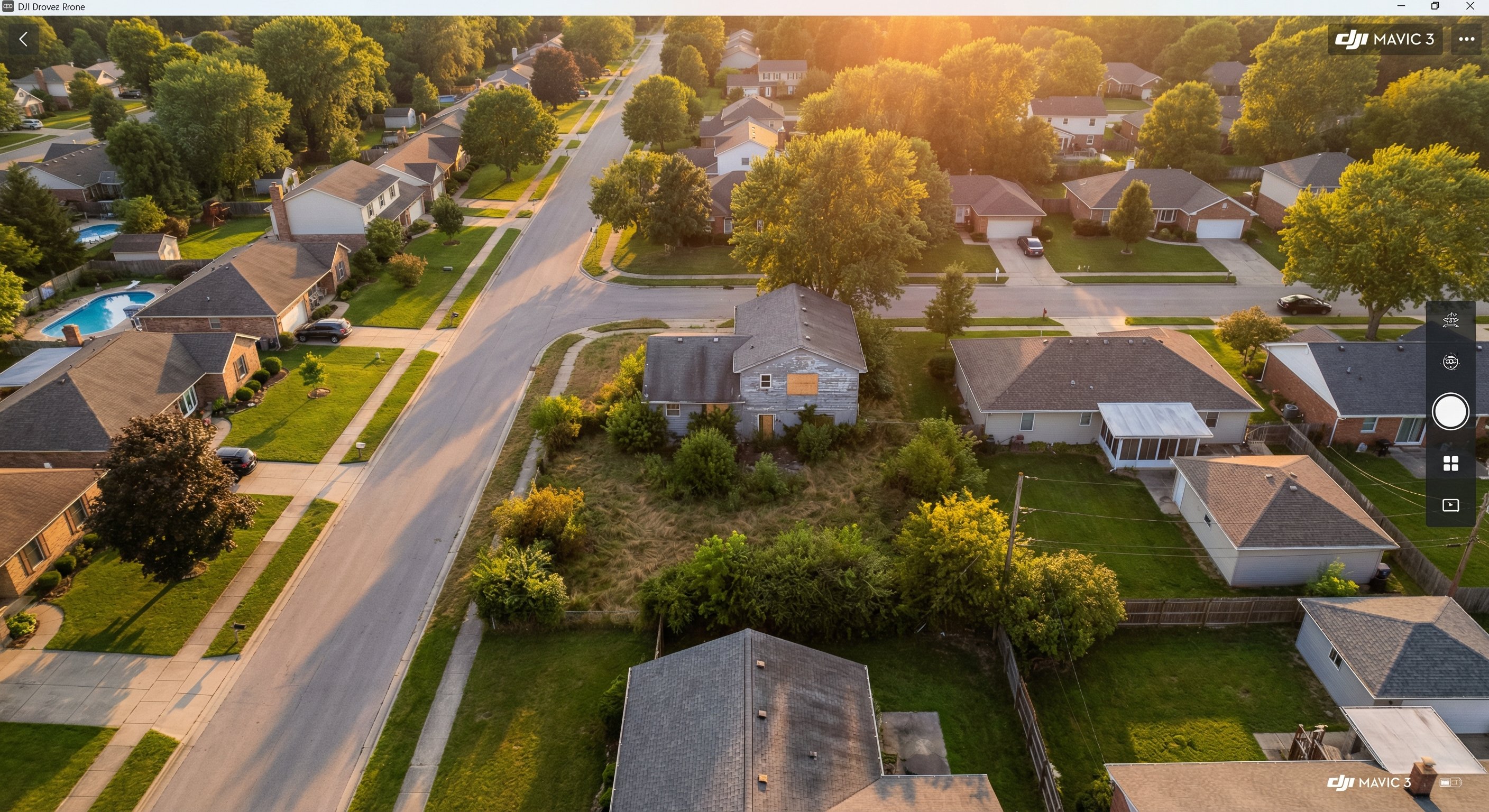
For driving for dollars, look for overgrown yards, boarded windows, and visible code violations. Photograph the property, look up the owner through county assessor records, and call them directly. DistressIQ tracks distressed signals across every US county, updated daily, making it straightforward to identify motivated sellers before your competitors find them.
Free Weekly Alerts
See What's Distressed in Your Market
Get free weekly alerts — new distressed properties, motivation scores, and hot neighborhoods in your area. Addresses and contact info available inside DistressIQ.
Free forever · No credit card · Unsubscribe anytime
Building the Investor Relationships That Actually Pay
Finding a deal is the easy part. Finding an investor who will pay you is the skill.
Most new bird dogs make the wrong call: they send leads to whoever will take them. That results in slow or no payment because you have no leverage and no relationship depth.
Start with wholesalers. They need a constant flow of off-market deals to assign or double-close. A good wholesaler pays $1,000 to $3,000 for a qualified bird dog lead. To find them, search "we buy houses [your city]" on Google, call three or four, and ask if they pay referral fees. Pick one or two who pay consistently and communicate clearly.
Build toward buy-and-hold investors over time. Long-term rental investors pay better referral fees ($2,000 to $5,000) but are more selective. They want properties where the purchase price is 70 percent or less of ARV, repairs are under $30,000, and the deal cash flows at target rent levels.
The bird dogs investors keep working with are the ones who pre-qualify aggressively. Do not send 20 leads a week. Send two or three that you have already vetted for condition, motivation, and price. Quality signals matter more than quantity.
The Math: What Bird Dogging Actually Earns
One deal every other month at $2,000 per bird dog fee is $12,000 a year on a part-time basis. Most bird dogs operating with consistent outbound activity can generate 10 to 20 leads per month. With a 5 to 10 percent conversion rate on pre-qualified leads, that is one to two deals per month.
The risk is near zero. There is no capital at risk. The only investment is your time and, optionally, a few hundred dollars monthly on direct mail or a data subscription. Compare that to the $20,000 to $40,000 needed to close a wholesale deal yourself.
Bird Dogging vs Wholesaling: Which Path Is Right for You
Bird dogging and wholesaling are distinct. A bird dog finds deals and hands them off. A wholesaler contracts a deal under their name and assigns or double-closes it to an end buyer. Wholesalers have higher income potential but need capital and deal analysis skills. Bird dogs operate with zero capital and learn the business incrementally.
Most people start as bird dogs and transition to wholesaling once they have accumulated capital and built investor relationships. The bird dog phase teaches you how to analyze deals, qualify sellers, and present to investors without risking your own money. Those skills transfer directly.
Common Mistakes That Kill Bird Dog Earnings
The most expensive mistake is not pre-qualifying sellers. Sending leads with wrong prices, unmotivated owners, or properties no investor will touch burns your relationship with the investor. After two or three failed leads, the calls stop coming.
Second mistake: not following up. The seller who does not answer the first call often answers the third. Call expired listings three times across two weeks before moving on.
Third mistake: working without a written fee agreement. A simple email confirming the referral fee terms protects you. Specify the property address, your flat fee, and the payment trigger (at closing).
How to Get Started This Week
Day 1: Identify your target zip codes and find a buyer's agent who will share expired MLS listings with you.

Day 2: Build a list of 20 expired listings in your target area.
Day 3: Call all 20. Confirm who is motivated, get the asking price, and note condition signals.
Day 4: Drive by the five most promising properties. Photograph the exterior. Note repair estimate and whether it appears vacant.
Day 5: Contact two wholesalers in your market. Ask about their preferred lead format and fee structure.
Day 6: Send your best qualified lead with a short summary to one wholesaler and follow up by phone.
Day 7: If they want to see the property, arrange the introduction and confirm the referral fee in writing.
One deal done correctly teaches you more than any course.

Frequently Asked Questions
Q: How much does a bird dog make per deal?
Most bird dog fees run $1,000 to $5,000 per transaction, paid at closing. Experienced bird dogs working with buy-and-hold investors or high-volume wholesalers earn $2,000 to $5,000 consistently. Volume depends on how aggressively you prospect and pre-qualify.
Q: Do you need a real estate license to bird dog?
No. Bird dogging is not regulated in most states because you are not handling transactions, contracts, or money. You are finding and referring leads. However, some states require licensing when you represent yourself as assisting with real estate transactions. Check your state regulations before operating.
Q: What is the difference between a bird dog and a wholesaler?
A bird dog finds off-market deals and earns a referral fee from the investor who closes. A wholesaler contracts the deal, then assigns or double-closes it to an end buyer for a markup. Wholesalers need capital and deal analysis skills. Bird dogs can operate with zero capital and learn incrementally.
Q: How do you find bird dog clients?
Search "we buy houses" in your target market and call three to five companies. Ask if they pay referral fees for off-market deals. Join local REIA chapters or real estate investor meetups. Build one or two strong relationships with wholesalers who pay reliably before expanding your network.
Q: Is bird dogging legal in all states?
Bird dogging is legal in most states as a passive referral activity. The line between bird dogging and unlicensed real estate activity is defined by what you do. If you are only finding and referring leads, licensing is typically not required. If you are negotiating contracts or collecting earnest money, licensing requirements may apply.
Q: Can bird dogging lead to a full-time real estate investing career?
Yes. Many successful wholesalers and investors started as bird dogs. The income funds your operating capital while you learn deal analysis, seller negotiations, and investor relationship management. The transition from bird dog to wholesaler typically takes six to eighteen months of consistent deal flow.
The barrier to entry in real estate investing is lower than the industry wants you to believe. You do not need $30,000 for a course or a partner. You need a phone, a target market, and the willingness to make thirty calls a week. Bird dogging puts real money in your pocket while you build the skills that unlock every other real estate strategy. Browse distressed property leads in your market on DistressIQ to see what opportunities look like before you start prospecting.
Related Articles:
- Wholesale Real Estate Leads: The Complete Investor's Guide — Build the deal flow that wholesalers need
- How to Find Off-Market Properties: Complete Guide for Investors — Expanded strategies for sourcing deals outside the MLS
- Cash Home Buyers: How to Build a Buyer List That Actually Closes — The other half of the wholesale equation
The data behind this article
DistressIQ Monitors These Signals in Real Time
Pre-Foreclosures
NOD + NTS filings
Tax Delinquency
County treasurer records
Code Violations
Municipal inspection filings
Probate Filings
Superior Court records
Every lead is scored 0–100 for seller motivation based on signal type, duration, severity, and stacking. Nationwide coverage — every US county, updated daily.
Ready to find deals in your market?
See Live Distress Signals in Your County
Stop calling dead leads. Every lead in DistressIQ is scored 0–100 for seller motivation, with verified contact info included. Browse the free tier to see what's active in your market right now.
Browse Free Leads — No Credit Card