How to Wholesale Real Estate: The Strategy That Runs Deals Without Your Own Capital
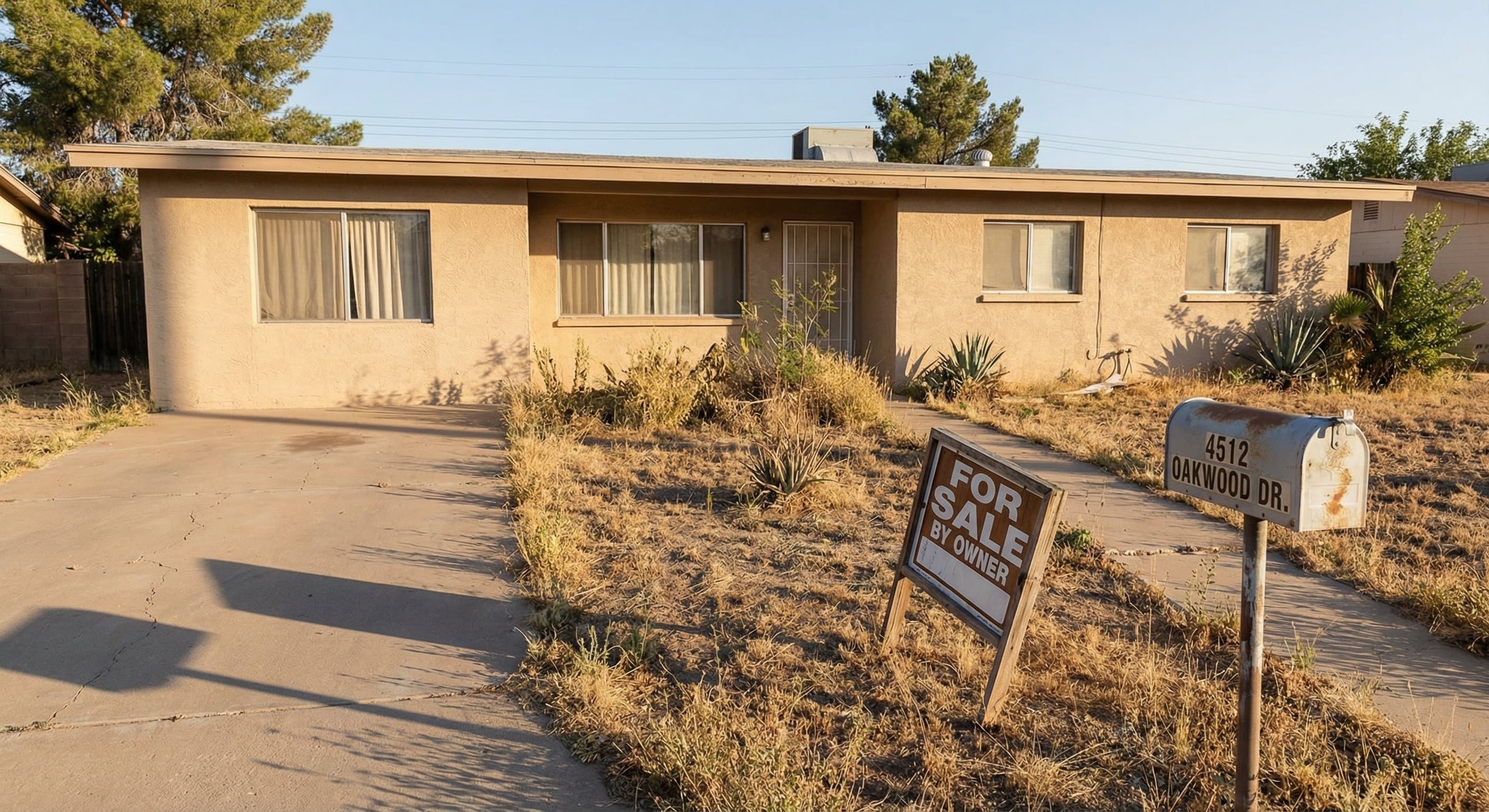
TL;DR: Wholesaling real estate is a strategy where you locate deeply discounted property, put it under contract, and assign that contract to a cash buyer for a fee. You never buy the property, you never hold title, and you don't need capital for the deal itself. What you need is a motivated seller, a clean contract, and a pre-qualified buyer list. The entire business model runs on one skill: finding sellers who genuinely need to sell before the market finds them.
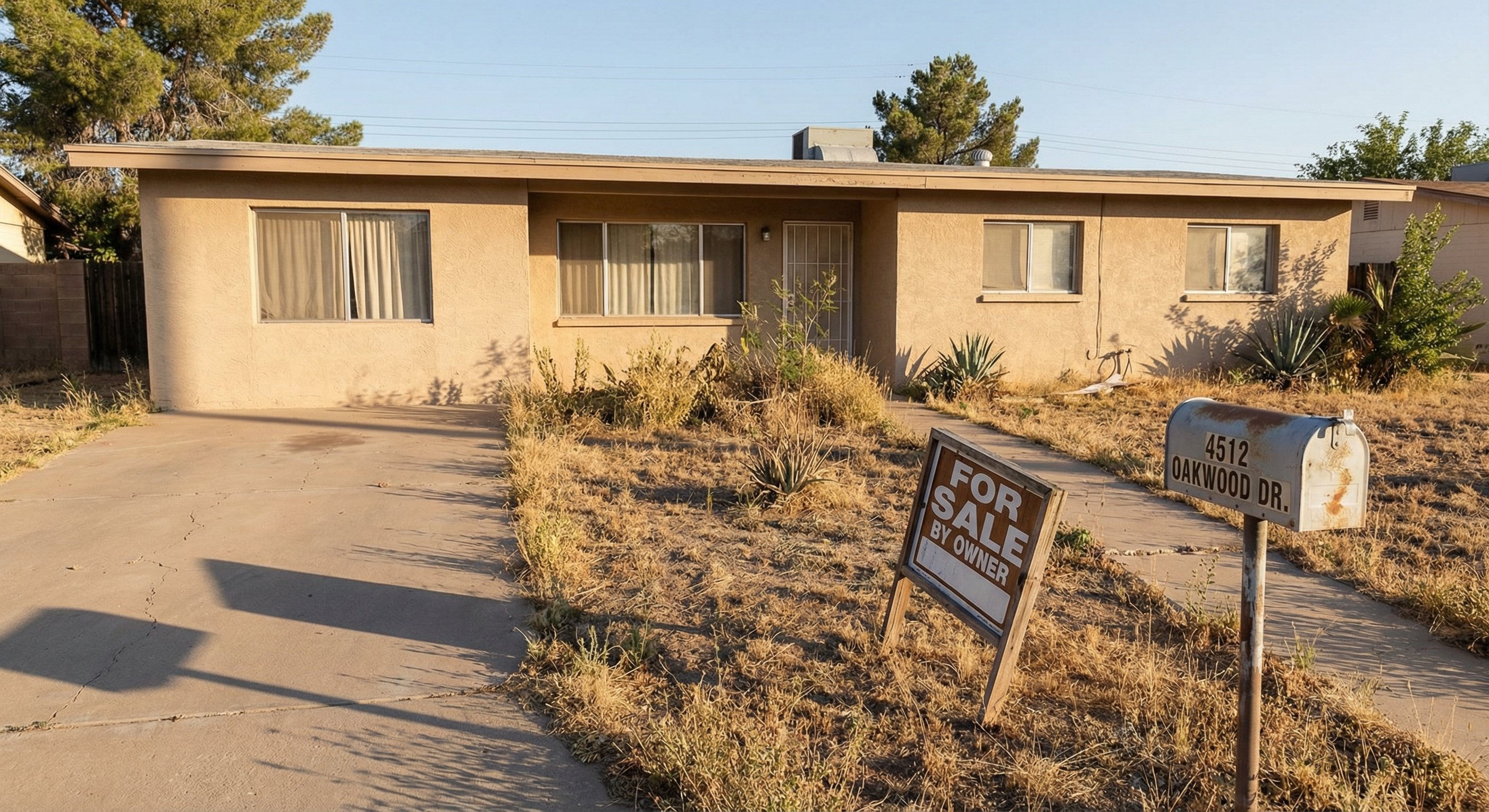
The Capital Question That Stops Most People
Every week someone asks whether they need money to wholesale real estate. The honest answer: not for the deal itself. You need an earnest money deposit, typically $100-$500, and you need to honor that deposit if you can't perform. Beyond that, the property purchase never hits your bank account.
What you can't skip is the work. Finding motivated sellers, running accurate numbers, structuring legally clean contracts, maintaining an active buyer list, and following up relentlessly. None of that costs capital. All of it costs time and attention.
The investors who fail at wholesaling almost always fail because they ran out of patience or capital chasing the wrong leads. They were marketing to everyone instead of filtering for genuine distress. They were looking for deals instead of building a system that consistently produces them.
Wholesaling real estate works as a business model when you treat it like one. Here is what that actually looks like in 2026.
How the Transaction Structure Actually Works
Most explanations of wholesaling bury the mechanics under definitions. Let's be direct.
You find a property with a motivated seller who needs to sell fast, typically at 60-75% of market value because of their situation, not because the property is cheap. You sign a purchase and sale agreement with that seller. That agreement gives you an equitable interest in the property, even though title hasn't transferred.
You then find a cash buyer (a fix-and-flip investor, landlord, or portfolio buyer) who wants that property. You execute an assignment agreement that transfers your contractual rights to your end buyer. At closing, the end buyer pays the seller directly, and your assignment fee is paid from the transaction proceeds. You walk away with $5,000-$30,000 depending on the property value and how motivated the seller was.
The legal mechanism that makes this work is the assignment clause. Without it, you cannot legally transfer your position in the contract. Every purchase agreement you sign as a wholesaler should contain:
"Buyer reserves the right to assign this agreement to another buyer prior to closing without the seller's written consent."
This is non-negotiable. If you're not working with an attorney who understands wholesaling, find one before you sign your first contract.
Why Most Wholesale Failures Start at the Lead Source
The failure pattern looks like this: marketer buys a list of "motivated sellers" from a data company. They send 3,000 postcards. They skip trace the list, spend $600 in credits, and get two callbacks. Both callbacks are wrong numbers or homeowners who are "thinking about selling someday."
That is not bad luck. That is a bad lead source. The data was filtered for nothing.
Genuinely motivated sellers in 2026 are almost always in a specific distress situation. Pre-foreclosure (notice of default filed, auction date approaching). Tax delinquency (county has filed or is about to file a tax lien). Probate (estate needs to liquidate an inherited property). Code violations (city has fined the owner, they need to remediate or sell). Divorce (marital settlement requires a fast sale). Absentee landlord (out-of-state owner tired of managing a problem property).
These situations create urgency that a generic "motivated seller" list cannot approximate. When a homeowner receives a notice of default and their auction date is 60 days out, they have a deadline. When an heir inherits a property in another state and the taxes are six months behind, they need out now.
DistressIQ is built on this premise. Every lead has at least one verified distress signal from county records. Pre-foreclosures, tax liens, probate filings, code violations, lis pendens. You see the signal type and a motivation score that ranks urgency across the entire county database. You are not guessing who is motivated. You have data.
Find distressed properties with verified signals — see pre-foreclosures, tax liens, probates, and code violations scored by motivation across every US county. Browse distressed properties free on DistressIQ →
Free Weekly Alerts
See What's Distressed in Your Market
Get free weekly alerts — new distressed properties, motivation scores, and hot neighborhoods in your area. Addresses and contact info available inside DistressIQ.
Free forever · No credit card · Unsubscribe anytime
Running Numbers That Actually Work
Before you make an offer, you need to know whether the deal pencils for the buyers you are going to call. Most new wholesalers get this backwards. They fall in love with the property first and run the math second. Professional wholesalers run the math before they ever call the seller.
The three numbers that determine whether a wholesale deal works:
After Repair Value (ARV): What will this property sell for after all repairs are completed? Pull closed comparables from the past 90 days within a half mile. Adjust for condition, size, lot position, and bedroom/bathroom count. Only closed sales count. Asking prices are fiction.
Repair Estimate: What does the property actually need? Roof, HVAC, kitchen, bathrooms, flooring, paint, landscaping. Add a 15-20% contingency on top of any contractor estimate. Underestimating repairs kills deals at the closing table. It is the most common wholesale mistake.
Maximum Allowable Offer (MAO): The formula that keeps you safe:
MAO = (ARV × 70%) – Estimated Repairs
You are looking for properties you can contract at or below this number. In competitive markets with thin margins, 65% is more realistic. In rural markets where comparable sales are sparse, you might have room to go to 75%.
The end buyer's margin is your wholesale fee. If the MAO is $140,000 and the property needs $30,000 in repairs, your end buyer (a fix-and-flip investor) needs to sell at roughly $200,000 ARV to make their target margin. They can pay you $140,000. You contracted at $125,000. Your assignment fee is $15,000. That is the math.
Building a Buyer List Before You Need One
The wholesalers who close the most deals do not scramble for buyers after they contract a property. They pre-qualify their buyers first, then only contract properties that fit the buyer's exact criteria.
Build a simple profile for every cash buyer in your network:
| Buyer | ARV Range | Max Repair | Buy Box | Close Timeline |
|---|---|---|---|---|
| Marcus (flipper) | $80K-$200K | $40K | Single-family, decent neighborhoods | 30 days |
| Sarah (landlord) | Under $120K | $20K | Any, needs to cash flow | 45 days |
| Danny (BRRRR) | $60K-$180K | $50K | Structurally sound, 2+ units | 60 days |
Call your buyers before you market new deals. Text them: "I am seeing a lot of pre-foreclosures in Harris County right now, $100K-$150K ARV, $20K-$40K in repairs. You still looking in that range?" That keeps your name top of mind when you are trying to assign a contract.
When you find a deal, you already know which buyer(s) to call. Not the other way around.
The Contract Stage: Where You Earn Your Fee
Once you have found a motivated seller and confirmed the numbers work, move fast. Other wholesalers are marketing to the same FSBO listings. The seller field is competitive.
The purchase agreement is where you set up the assignment. Key terms:
- Assignment clause as noted above
- Inspection period (your exit if the property does not pass physical inspection)
- Title contingency (your exit if there are liens you cannot clear)
- Financing contingency (harmless to include even for cash buyers)
- Specific closing date (typically 14-30 days for wholesale transactions)
Your earnest money deposit (EMD) signals seriousness to the seller. Most wholesalers put $100-$500 down, refundable within the inspection period. The amount matters less than your reputation with the title company. If you have done three clean wholesale closings at a particular title company, they know your paperwork and they will close fast.
The Assignment Stage: Closing the Deal
You have contracted the property and found your buyer. Now you execute the assignment.
The assignment agreement is a one-page addendum to the original purchase agreement. It states that you (the original buyer) are assigning your contractual rights to the end buyer, and specifies the assignment fee amount.
At closing, the title company handles the funds. The original seller receives their proceeds. Your end buyer pays their purchase price to the title company. Your assignment fee is distributed from the proceeds. Title companies in investor-friendly markets handle these transactions regularly.
The double close is an alternative structure where you actually buy the property in Transaction A and immediately resell to your end buyer in Transaction B. Same day or within hours. Your buyer never sees what you paid the seller. Use this when your fee is large or you want privacy. It requires transactional funding or the buyer's funds in advance.
Most starter wholesalers should use straight assignment until they have the capital and volume to justify double closing.
State-Specific Rules That Actually Matter
Wholesaling is legal in all 50 states. But some states have specific requirements that affect how you operate:
Illinois: Requires a Wholesale Transaction Disclosure. You must disclose the nature of the transaction and your role to the seller. Penalties for failure to disclose can be severe.
Florida: Recent legislation requires documented proof of contract before marketing a property as a wholesale assignment. You need to have the contract in hand before you can market the deal to buyers. This targets marketers advertising properties they do not actually control.
Texas: Requires a Notice of Survivorship in certain probate-related transactions. Probate transactions in Texas have specific disclosure requirements that differ from standard residential sales.
Nevada: Has a five-day right of rescission period for certain types of seller financing situations. Know the timeline before you contract.
Work with a real estate attorney in your state who has handled wholesale transactions before. The structure is standard; the state-specific rules vary. One conversation with the right attorney saves you from one expensive mistake.
The Finder Fee Path: Lower Risk, Lower Reward
Not every wholesaler starts by putting property under contract. The finder fee model is a lower-capital alternative:
You locate a deal and connect the motivated seller directly to a cash buyer for a flat fee or percentage. You never put the property under contract yourself. You never post an EMD. You never appear on title. The fee is typically $2,000-$10,000 per deal rather than $5,000-$30,000, but the structure is much simpler.
The finder fee model is the right starting point when you are new and building relationships before you are ready to run full wholesale transactions, have no capital for EMD, or are still learning to run the numbers and evaluate deals.
As you build a track record and develop relationships with title companies and cash buyers, migrate toward full assignment contracts. The fee difference is significant.

Building the Pipeline
The difference between wholesaling as a one-time experiment and a sustainable business is a pipeline. A repeatable system that produces deals every week without you having to start from scratch each time.
A functional wholesale pipeline has four stages running simultaneously:
Lead sourcing. Filter for verified distress signals: lis pendens filings, tax delinquent status, probate activity, code enforcement records. Not "motivated sellers" as a category. Specific signals that create genuine urgency. DistressIQ tracks these across 3,200+ US counties, updated daily from county sources.
Buyer pre-qualification. Maintain an active list of cash buyers with buy box criteria, contact info, and preferred close timelines. Update monthly. Call buyers before you market new deals.
Deal review. When a lead comes in, run ARV and repair estimates within 24 hours. If the MAO does not work, skip it immediately. Do not fall in love with a deal that does not pencil.
Follow-up. Not every deal that does not close today closes next month. Sellers in pre-foreclosure get extension notices. Tax delinquent owners may wait until the last minute. Maintain a follow-up cadence with a CRM. Re-engage sellers who did not transact within 30-60 days.
Frequently Asked Questions
Q: How do you find motivated sellers for wholesale deals?
The most efficient lead sources are county records filtered for verified distress signals: pre-foreclosure filings, tax delinquent status, probate cases, code violations, and lis pendens. These indicate a genuine legal or financial pressure that creates real urgency to sell. Generic "motivated seller" lists are almost always too broad and contain too many homeowners who are curious about selling rather than committed to it. Direct mail to tax delinquent owners and pre-foreclosure filers consistently outperforms cold calling generic lists. DistressIQ aggregates these signals across every US county so you can filter by signal type and motivation score without manually pulling county records.
Q: How much can you make wholesaling real estate?
Wholesale fees typically range from $5,000 to $30,000 per deal depending on property value and the seller's level of urgency. On a $150,000 property where you contract at $100,000 and assign to an end buyer at $115,000, your fee is $15,000. Volume matters more than fee size. Wholesalers running five to ten deals per month generate $25,000-$150,000 in monthly assignment fees. The business scales with your lead generation system and buyer network. The limiting factor is almost always lead quality, not deal flow.
Q: Do you need a real estate license to wholesale real estate?
No. Wholesaling is legal in all 50 states without a license when structured as a contract assignment. You are not acting as a real estate agent; you are buying and assigning a contract as an investor. Several states (notably Florida, California, and Texas) have enacted specific disclosure requirements for wholesale transactions. A real estate attorney can ensure your purchase agreements and assignment contracts meet state requirements. The structure is legal; bad paperwork is not. Before you sign your first contract, spend $500 on a conversation with an attorney who has handled wholesale assignments in your state.
Q: What is the difference between wholesaling and flipping?
Wholesalers never own the property. They locate a deal, contract it, and assign the contract to an end buyer for a fee. Flippers buy the property, renovate it, and sell it on the open market. Flipping requires capital for the purchase, renovation costs, carrying costs, and a longer timeline to close. Wholesaling requires no capital for the property and closes faster, typically 14-45 days from contract to assignment. Flipping has higher profit potential per deal but also higher capital requirements and risk. Wholesaling has lower per-deal profit but near-zero capital risk. Most investors who start wholesaling eventually flip some properties and wholesale others depending on the deal.
Q: How long does it take to close a wholesale deal?
Most wholesale transactions close in 14-45 days. The critical path is title clearance. Liens, judgments, or encumbrances that need to be cleared extend the timeline. Cash buyers close faster than financed buyers. A motivated seller with clean title and a pre-qualified cash buyer can often close in two weeks. The most common delay: the end buyer's inspection reveals something that changes their position. Maintain clear communication with your buyer throughout the inspection period to avoid surprises at the closing table. Buyers who feel informed are buyers who close.
The data behind this article
DistressIQ Monitors These Signals in Real Time
Pre-Foreclosures
NOD + NTS filings
Tax Delinquency
County treasurer records
Code Violations
Municipal inspection filings
Probate Filings
Superior Court records
Every lead is scored 0–100 for seller motivation based on signal type, duration, severity, and stacking. Nationwide coverage — every US county, updated daily.
Ready to find deals in your market?
See Live Distress Signals in Your County
Stop calling dead leads. Every lead in DistressIQ is scored 0–100 for seller motivation, with verified contact info included. Browse the free tier to see what's active in your market right now.
Browse Free Leads — No Credit Card