BRRRR Strategy in 2026: Why the Deal Hunt Matters More Than the Mortgage Rate
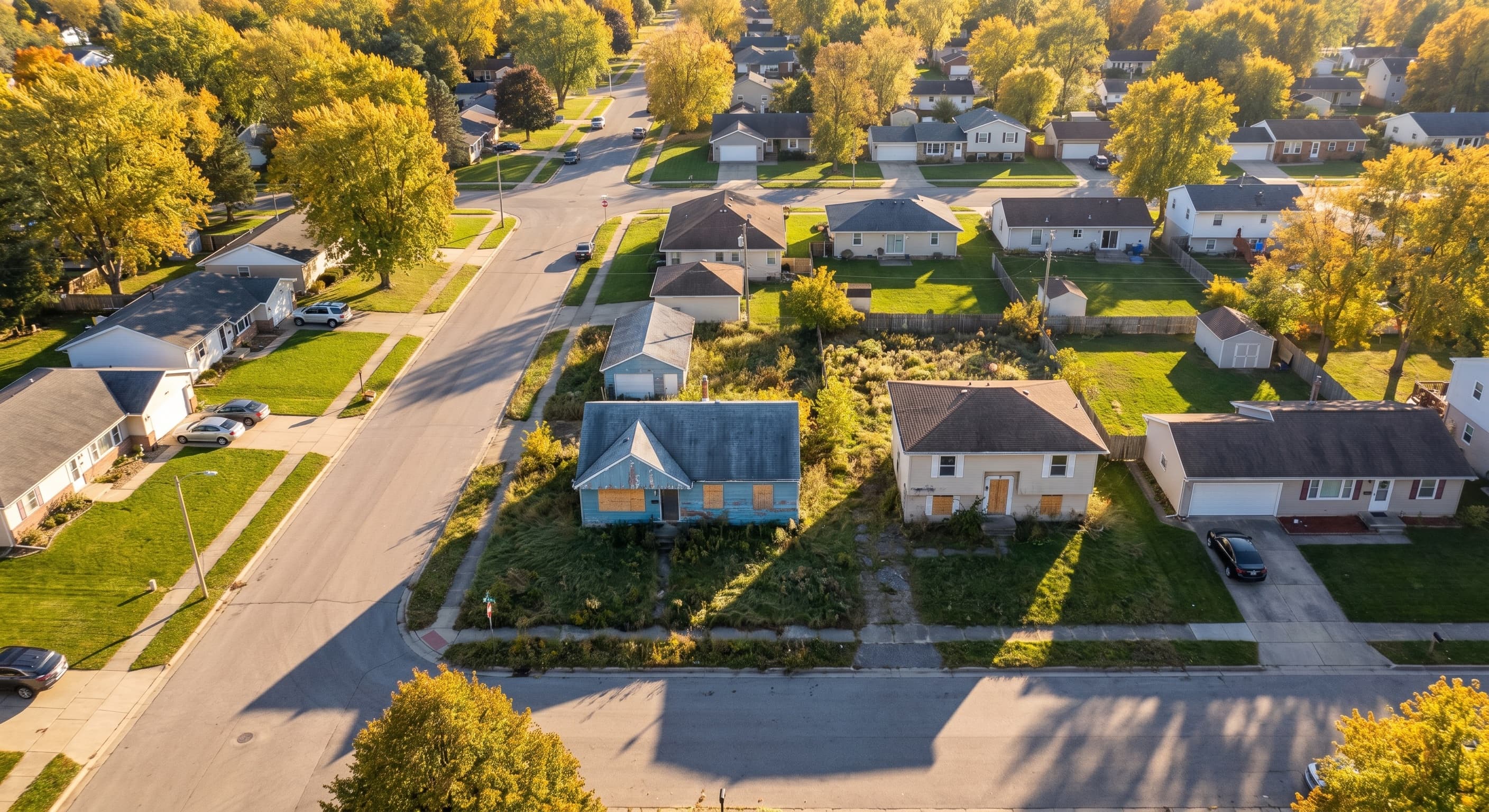
TL;DR: The BRRRR strategy (Buy, Rehab, Rent, Refinance, Repeat) still works in 2026, but only for investors who buy at 60-65% of after-repair value. At 7-8% DSCR refinance rates, sloppy purchase prices destroy cash flow. Distressed properties — pre-foreclosures, tax delinquencies, code violations — are the primary source of the deep discounts BRRRR requires. The refinance step has become a commodity; the deal hunt is the actual skill.
Core rule: Your all-in cost (purchase + rehab + carrying costs) must stay at or below 72-75% of after-repair value. In a $300,000 ARV market, that means buying at $45,000-$60,000 below market before renovation costs. Those deals do not exist on Zillow. They exist in county court records and tax assessor files — the same data DistressIQ tracks across every US county.
The BRRRR Math Has Changed. The Deal Hunt Has Not.
Every real estate investor has heard of BRRRR. Buy a distressed property, renovate it, rent it out, refinance to pull your capital back, repeat. Simple acronym, hard execution. And in 2026, the execution has gotten sharper — because the interest rate environment made the math less forgiving.
The refinance step used to be automatic. Buy at 70% of ARV, put 20% renovation in, refi at 75% LTV after seasoning, walk away with most of your capital. That was 2021. Rates at 4.5% made almost any deal work.
Rates at 7-8% change the equation. A DSCR loan on a $300,000 ARV property at 75% LTV runs roughly $1,800/month at 7.5% on a 30-year fixed. If rent in your submarket tops out at $2,100, your cash flow is $300/month before maintenance, vacancy, and insurance. That's not a portfolio-building strategy — that's a part-time job with a 7.5% mortgage on the liability side.
The investors who are still winning with BRRRR in 2026 have figured out the same thing the smarter ones always knew: the refinance is a rounding error. The purchase price is everything.
Three credible sources published nearly identical analysis in early 2026: the BRRRR strategy is not dead, but the margin of error is razor thin at current rates. Sinai Capital's analysis put it plainly — deals that worked at 4-5% rates with sloppy numbers will destroy cash flow at 7-8%.
What BRRRR Stands For (And Why Each Step Is a Deal Filter)
The acronym oversimplifies a surprisingly complex capital-recycling system. Here is what each step actually requires.
Buy. Not just any property — a BRRRR-grade property. It must have enough distress to sell meaningfully below market. Cosmetic damage is fine. Structural issues require deeper analysis. Pre-foreclosure, tax delinquency, and code violation properties are the most reliable sources. The rule: total project cost must stay below 72-75% of ARV.
Rehab. The renovation step forces appreciation — the engine of the entire strategy. BRRRR works because you are buying undervalued and creating value through work. Budget conservatively. In 2026, material costs have stabilized but labor remains tight in most markets. Get three contractor bids. Do not lowball your rehab estimate — blowing your budget is how BRRRR deals die.
Rent. The property must qualify for a DSCR (Debt Service Coverage Ratio) loan after renovation. Most DSCR lenders want rent at or above 0.80% of the appraised value per month. On a $300,000 ARV property, that is $2,400/month minimum rent. Know your submarket rents before you buy. Running BRRRR numbers on projected rents that do not exist in your market is a common beginner mistake.
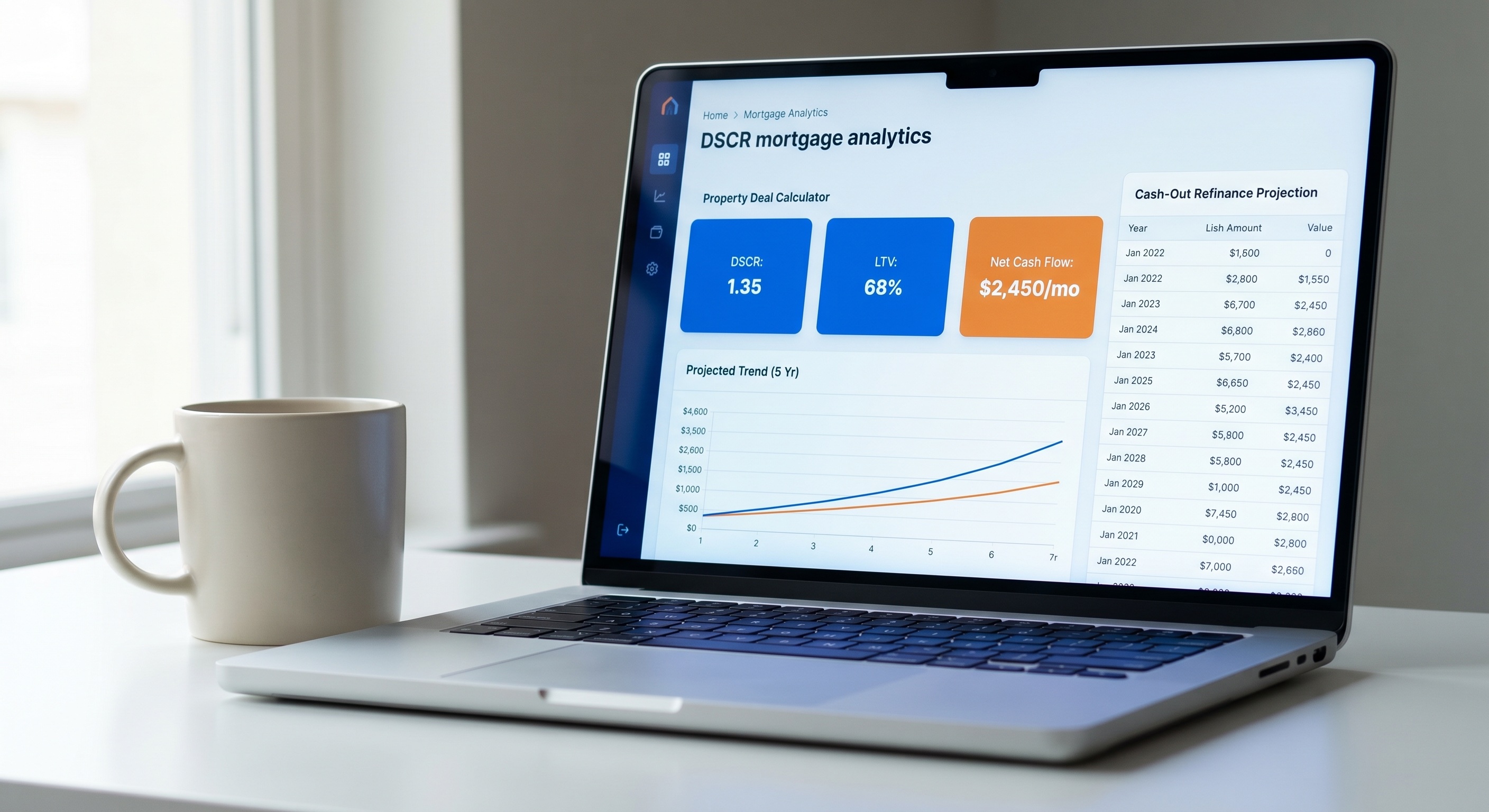
Refinance. The step most investors underestimate. DSCR loans in 2026 run 7-9% depending on credit, LTV, and property type. Maximum cash-out LTV is typically 75% for DSCR programs, though some allow up to 80% with a stronger credit profile. Seasoning requirements range from zero to six months depending on the lender and loan structure. Map your exit financing before you close on the purchase.
Repeat. The capital you recover at refi funds the next deal. The faster and deeper you buy, the faster you scale. This step is where BRRRR outperforms fix-and-flip long-term — you are not starting from zero each time, you are recycling.
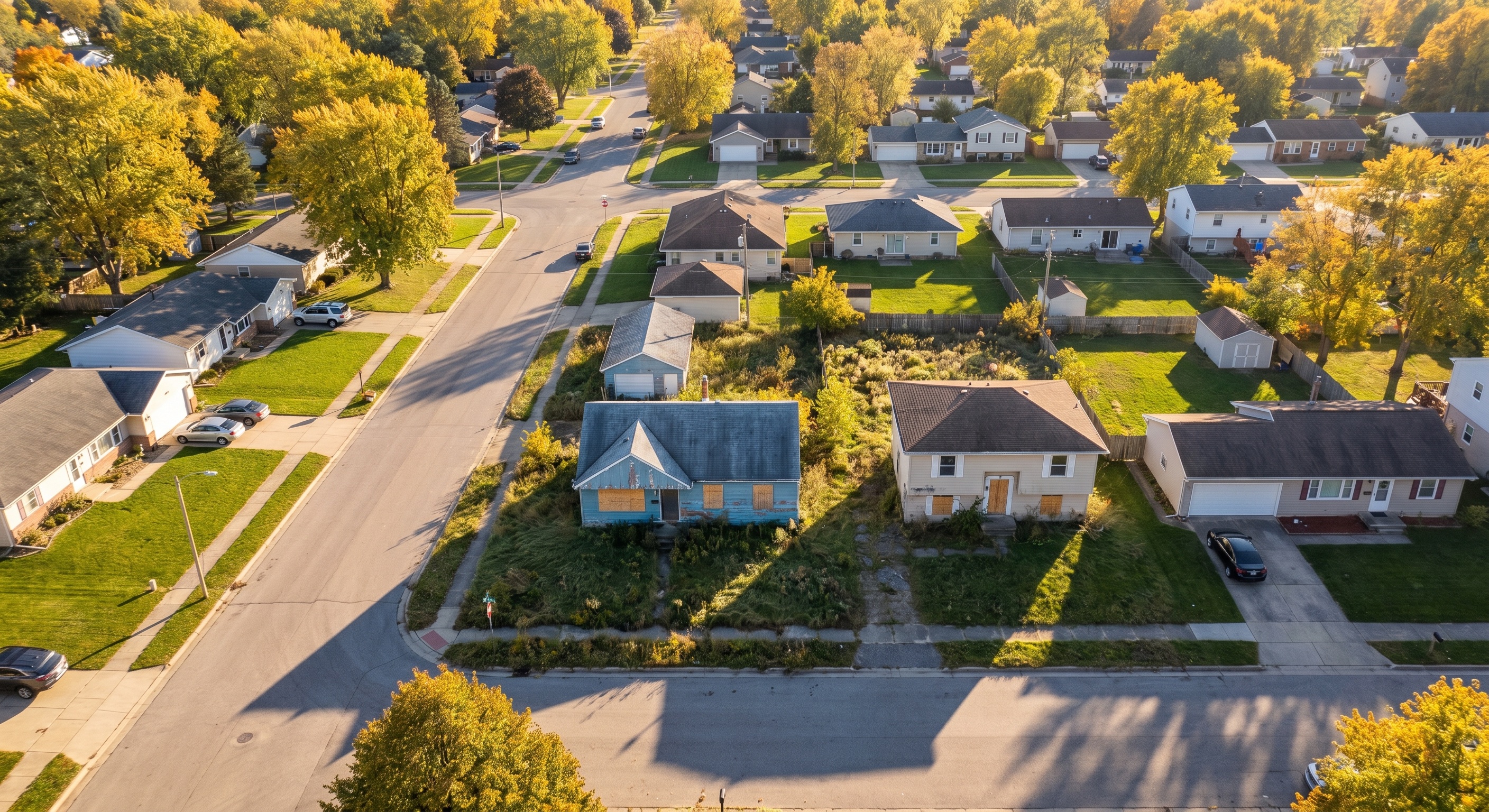
The 2026 Rate Reality: Why the Purchase Discount Is Non-Negotiable
When you buy at 50% of ARV instead of 70%, your equity cushion at the refi table is $60,000 larger on that same $300,000 property. You recover more capital. You hold a lower-balance loan relative to the property value. Your cash flow improves because your debt service is smaller relative to the rent the property can generate. That deeper discount does not happen by accident — it happens in county court records and tax assessor files where motivated sellers are already present.
Here is the specific math. Target buying at 60-65% of ARV, renovating at 10-15% of ARV, and recovering your capital at 75% LTV through a DSCR cash-out refinance. In that scenario, on a $300,000 ARV property:
- Purchase at 62% ARV: $186,000
- Rehab at 12% ARV: $36,000
- All-in cost: $222,000 (74% of ARV)
- Cash-out refi at 75% LTV: $225,000
- Capital recovered: approximately $222,000 (minus closing costs)
You walk away with your capital back and a cash-flowing rental. That is a successful BRRRR.
Now run the same math at 75% ARV purchase price — a deal that "felt cheap" but is not BRRRR-grade:
- Purchase at 75% ARV: $225,000
- Rehab at 12% ARV: $36,000
- All-in cost: $261,000 (87% of ARV)
- Cash-out refi at 75% LTV: $225,000
- You need $36,000 of additional capital to close the gap — and that is before closing costs.
At 87% of ARV all-in, you cannot recover your capital at the refinance table without the property appreciating or you bringing additional funds. The strategy breaks. And in 2026, appreciation is not guaranteed — markets are mixed, and appraisers are conservative.
The 70% rule that fix-and-flippers use is not strict enough for BRRRR in this environment. BRRRR investors in 2026 need to buy at 60-65% of ARV to create enough equity cushion for the refinance to return their capital cleanly. That discount level is only reliably available through distressed properties.
Free Weekly Alerts
See What's Distressed in Your Market
Get free weekly alerts — new distressed properties, motivation scores, and hot neighborhoods in your area. Addresses and contact info available inside DistressIQ.
Free forever · No credit card · Unsubscribe anytime
Where to Find BRRRR-Grade Deals in 2026
This is the part most BRRRR content skips. They tell you the formula. They do not tell you where the numbers work. The answer is not the MLS, not Zillow, and not off-market list services that charge $500/month for the same distressed property other investors already have access to.
The deals that BRRRR requires come from three primary distressed property sources. Business Insider's 2026 BRRRR analysis and PropStream's market review both confirm that distressed inventory — not market timing — is what separates working BRRRR investors from those still waiting to find a deal that pencils.
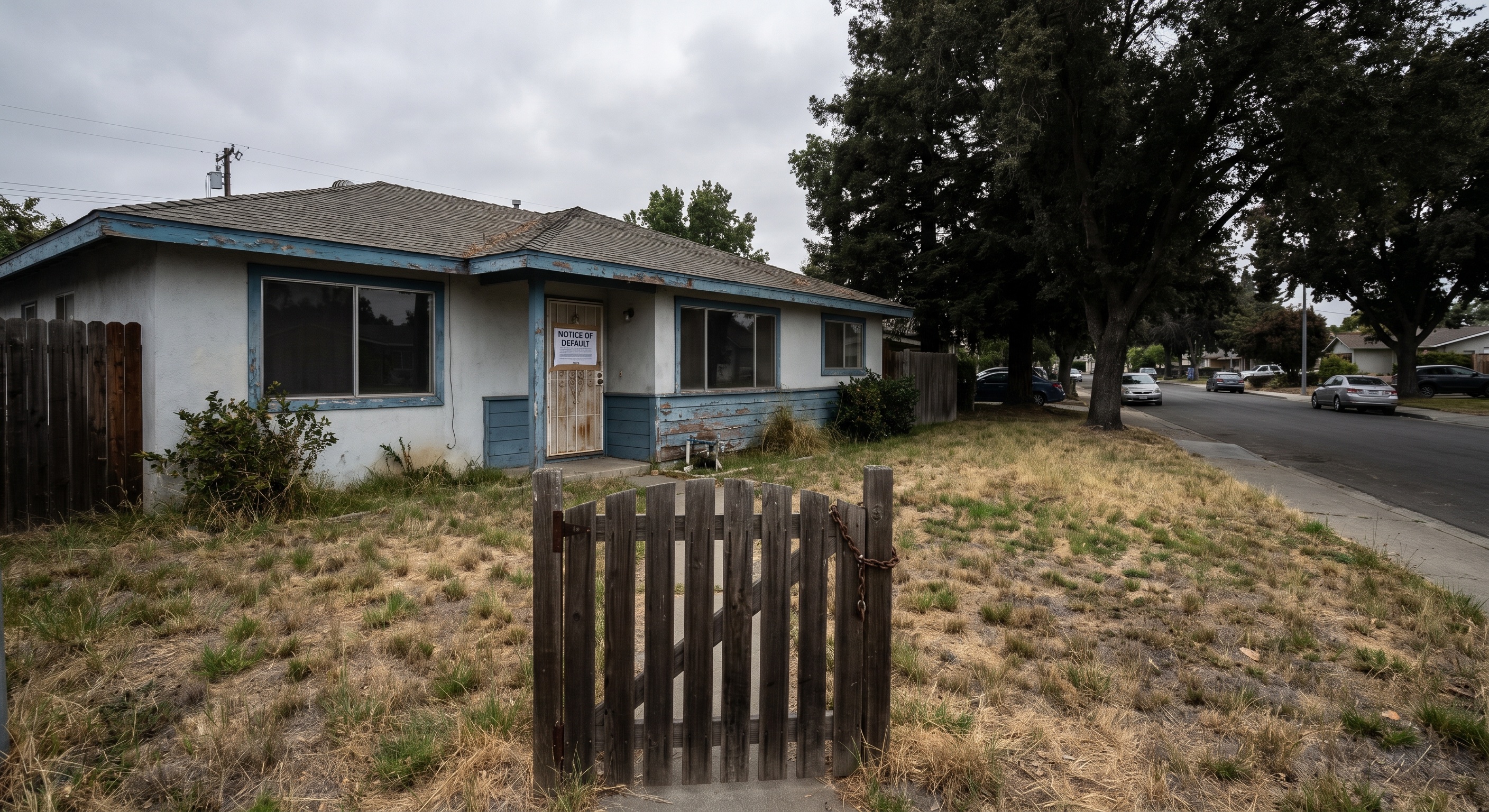
Pre-foreclosure properties. A homeowner who has received a Notice of Default or lis pendens filing has a window — typically 90 to 180 days — to sell before the property goes to auction. The filing is public record. In many states, the homeowner is actively motivated to avoid foreclosure because a completed foreclosure wipeout their credit for seven years and they lose any equity position. Pre-foreclosure properties in many markets trade at 10-25% below fair market value, with the deepest discounts on homes closer to the auction date. County court records are the primary source.
Tax delinquent properties. Property owners who have fallen behind on taxes — sometimes by just one year — create another BRRRR opportunity. Tax delinquent properties often carry other problems: code violations, deferred maintenance, and in some cases, owners who cannot afford to maintain the property. County assessor records show which properties have unpaid tax bills. The discount at a tax sale can be significant, though investors need to understand redemption periods and their state is a tax lien or tax deed state before bidding.
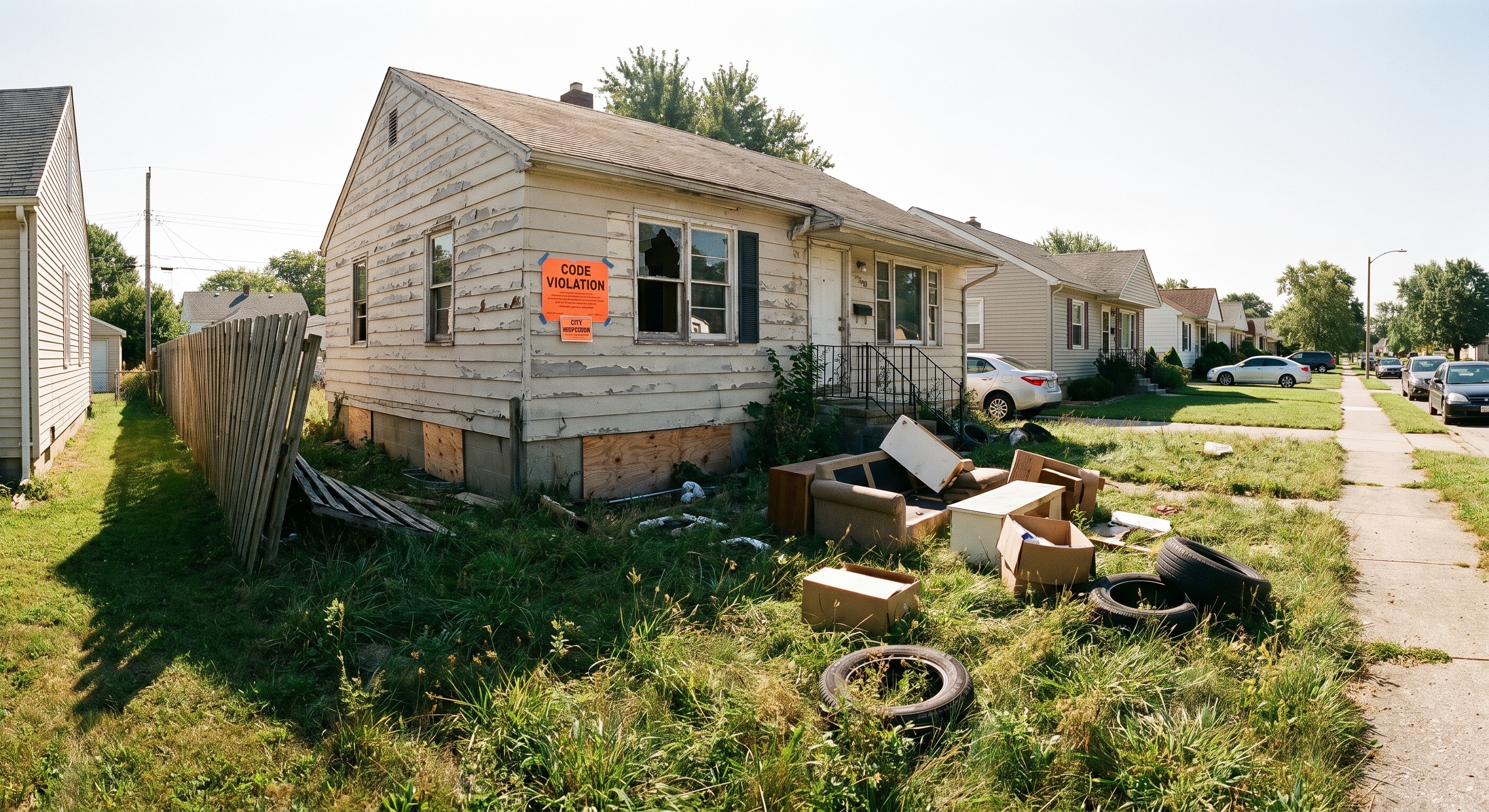
Code violation properties. Cities and counties maintain public registries of properties with active code enforcement cases. These range from unmaintained lawns to structural violations. Properties with code violations are often owner-occupied and motivated to sell rather than pay for repairs — and they rarely appear on investor radar because the data is not aggregated anywhere convenient.
The key pattern across all three sources: distressed properties are identified by cross-referencing county records, court filings, and municipal data. This is exactly what DistressIQ does — it tracks pre-foreclosure filings, tax delinquency status, code violations, and 20+ other distress signals across every US county, updated daily. The investor who can source BRRRR-grade deals faster and more systematically has a compounding advantage — better deals compound into faster capital recovery, which compounds into more properties.
How Distressed Signals Stack for BRRRR Buyers
The most reliable BRRRR deals are not single-signal properties. They are properties with two or three active distress indicators simultaneously. A home that is both pre-foreforeclosure and tax delinquent is more motivated than a home with just one signal. A property that is pre-foreclosure, tax delinquent, and vacant is typically the deepest discount available outside of auction.
Stacking distress signals does two things for a BRRRR investor. First, it increases the likelihood that the seller has genuine motivation — the distress is compounding, not a temporary cash flow blip. Second, it often means the property is not showing up on the radar of conventional buyers or retail investors who are not specifically monitoring distress signals.
The signal that most reliably creates BRRRR-grade pricing is pre-foreclosure combined with significant equity. A homeowner who bought a property for $180,000 in 2020, owes $195,000 on their mortgage, and is now facing foreclosure because of a job loss is highly motivated to sell — but they still have equity to protect if the deal closes before auction. That is exactly the profile a BRRRR investor wants: motivated but not desperate, and motivated enough to accept a price that creates real equity for the buyer.
County court records — specifically lis pendens filings and notices of default — are the primary data source for this type of lead. They are public, they are updated at filing, and they are not universally tracked by retail real estate platforms.
Common BRRRR Mistakes in 2026 (And How to Avoid Them)
Buying at the wrong price. This is still the number one failure mode. Run your numbers backward — start from the refi table, not the purchase price. What will the property appraise for post-renovation? What will the DSCR lender lend at 75% LTV? Subtract closing costs. Work backward to your maximum allowable offer. If the purchase price does not fit that equation, the deal is not a BRRRR — it is a gamble.
Ignoring DSCR seasoning requirements. Some DSCR programs allow cash-out refinances with no seasoning period if the appraisal supports the value. Others require six months of ownership. Confirm your exit strategy before you close on the acquisition — a bridge loan with a 12-month term when your DSCR program requires six months of seasoning is a carrying cost you did not budget for.
Underestimating rehab costs. In 2026, contractor bids in most metros are running 10-20% above 2023 levels due to persistent labor shortages. Get detailed line-item bids, not a single number. Add a 15% contingency for the unexpected — it always shows up.
Buying in the wrong submarket. BRRRR requires rents that support the DSCR loan at your target LTV. If comparable rents in the submarket will not cover debt service at 75% LTV at 7.5-8%, the deal cannot work regardless of purchase price. Research actual lease comps, not estimated rents, before you make an offer.
Chasing appreciation. BRRRR in 2026 should not depend on the property appreciating so you can refi. Buy for cash flow. If appreciation comes, treat it as a bonus. The investors who got burned in 2022-2023 bought assuming 5% annual appreciation — it did not happen in most markets, and their cash flow models collapsed.
The DSCR Refinance in 2026: What Actually Matters
When you get to the refinance step, there are two variables you control: the appraised value and your loan structure.
The appraisal is the bottleneck. DSCR lenders will not lend above the appraised value, and in 2026, appraisers are being more conservative than they were during the 2020-2022 boom. Support the appraisal by pulling your own comps before you apply. Choose comparables within 0.5 miles of the subject property, from the last six months, at similar condition grade. A clean, well-documented comp package presented to the appraiser before the inspection can mean the difference between a $290,000 and a $305,000 value on the same property.
Loan structure matters more than rate in 2026. With rates clustered between 7% and 9%, the spread between lenders is often in fees and flexibility, not the rate itself. Look for: no seasoning requirements (some programs allow immediate cash-out), sufficient LTV for your deal structure, reserve requirements (most DSCR lenders want 6-12 months of reserves), and prepayment penalty structure. A 7.9% loan with no prepayment penalty beats a 7.5% loan with a 5-year prepayment lock on a strategy where you plan to refi again within 24 months.
The seasoning question. If you are doing a cash-out refinance, some lenders treat it as a "delayed financing" exception if you paid all-cash — meaning no seasoning requirement even for cash-out. If you used a hard money bridge loan, you may need to season for six months before the DSCR refi. Know your loan type going in.
The Bottom Line: BRRRR Is Still a Strong Strategy. Just Not for Everyone.
BRRRR works in 2026 — for investors who understand the changed math. The strategy requires buying at 60-65% of ARV, renovating conservatively, renting at DSCR-supportable rates, and refinancing with a clear understanding of your exit terms. It is capital-intensive upfront, operationally complex, and requires a market with sufficient rent-to-value ratios.
It is not the right strategy for investors in low-rent markets where DSCR loans will not cover debt service. It is not the right strategy for investors who need to recover their capital in under six months. And it is not the right strategy for investors who are buying at 75% of ARV and hoping appreciation will cover the gap.
For investors who have the deal sourcing system, the capital, and the market conditions — BRRRR is still one of the most powerful capital-recycling mechanisms in real estate investing. Each successful cycle returns your capital while building an income-producing asset. Two BRRRR deals per year for five years is a 10-unit portfolio with your original capital recycled each time.
The limiting factor is not the refinance market. It never was. The limiting factor is finding BRRRR-grade deals at scale — which means building a systematic approach to sourcing distressed properties before they hit the open market.
Find BRRRR-grade distressed properties before auction — pre-foreclosure filings, tax delinquency records, code violations, and 20+ distress signals tracked across every US county. Browse free on DistressIQ.
Frequently Asked Questions
Does BRRRR still work in 2026?
Yes, but the math is tighter. At 7-8% DSCR refinance rates, BRRRR requires buying at 60-65% of after-repair value — deeper than the 70% rule that worked in low-rate environments. The strategy still recycles capital effectively, but sloppy purchase prices now cause cash flow problems that did not appear when rates were 4-5%.
What is the BRRRR rule for purchase price in 2026?
Target an all-in cost (purchase + rehab + carrying costs) at or below 72-75% of after-repair value. On a $300,000 ARV property, that means buying at roughly $180,000-$195,000 before renovation costs. Anything above 75% of ARV makes the cash-out refinance unlikely to return your full capital.
What credit score and reserves do DSCR lenders require in 2026?
Most DSCR lenders in 2026 want a minimum credit score of 680-720 for investment property loans, though some programs go as low as 640 with higher rates or larger down payments. Reserves requirements typically run 6-12 months of principal, interest, taxes, and insurance (PITI) held in reserve. Some lenders require reserves per property on multi-property portfolios.
How long does the full BRRRR cycle take?
From purchase to refinance exit, a well-executed BRRRR typically runs 12-18 months: 30-90 days to close on the distressed property purchase, 60-180 days for renovation depending on scope, 30-90 days to stabilize the rental, and 30-60 days for the refinance process. DSCR programs with no seasoning requirements can compress this to 6-9 months if the investor uses a cash-purchase or bridge loan structure.
What is a DSCR loan and why does it matter for BRRRR?
DSCR (Debt Service Coverage Ratio) loans are investment property mortgages where the lender qualifies the borrower based on the property's income, not the borrower's personal income. The minimum DSCR ratio is typically 1.0-1.25 — meaning the property's rental income must cover 100-125% of the mortgage payment. This loan type enables investors to refi without documenting W-2 income, making it the standard exit for BRRRR strategies.
The data behind this article
DistressIQ Monitors These Signals in Real Time
Pre-Foreclosures
NOD + NTS filings
Tax Delinquency
County treasurer records
Code Violations
Municipal inspection filings
Probate Filings
Superior Court records
Every lead is scored 0–100 for seller motivation based on signal type, duration, severity, and stacking. Nationwide coverage — every US county, updated daily.
Ready to find deals in your market?
See Live Distress Signals in Your County
Stop calling dead leads. Every lead in DistressIQ is scored 0–100 for seller motivation, with verified contact info included. Browse the free tier to see what's active in your market right now.
Browse Free Leads — No Credit Card