Real Estate Wholesaling: The Complete Beginner's Guide (2026)

Real Estate Wholesaling: The Complete Beginner's Guide (2026)
TL;DR: Real estate wholesaling is a strategy where an investor contracts a distressed property at a discount and assigns that contract to an end buyer for a fee, never taking title to the property. The legal foundation is equitable interest, and wholesaling is legal in all 50 states when performed with a signed purchase agreement, an assignment clause, and a documented buyers list. Recent legislative changes in Florida, California, and Texas now require documented contract proof before marketing, with penalties up to $25,000 per violation.

Real estate wholesaling is the only investment strategy where someone with no money, no credit, and no license can close a five-figure deal in under 30 days. That is not hype. That is the mechanical reality of how contract assignment works.
Most people who hear about wholesaling assume it requires startup capital, a real estate license, or years of experience. None of those are prerequisites. What it does require is finding motivated sellers, running clean numbers, and maintaining a buyers list active enough to move contracts fast.
This guide covers how wholesaling works in 2026, what changed legally in the first quarter of the year, and exactly where most beginners lose deals before they find one.
What Is Real Estate Wholesaling?
Real estate wholesaling is an investment strategy where an investor puts a distressed property under contract at a discount and then transfers that contract to an end buyer for an assignment fee. The wholesaler never owns the property, never renovates it, and never appears on title.
The transaction flow is mechanical:
- A motivated seller agrees to a below-market purchase price
- The investor signs a purchase and sale agreement with an assignment clause
- The investor locates a cash buyer who wants the property
- The contract is assigned to that buyer, who closes directly with the seller
- The investor collects an assignment fee at closing and walks away
The legal foundation is called equitable interest. When an investor signs a purchase contract with a seller, they acquire a legal interest in the property even though title has not transferred. That contractual interest is an asset, and it can be assigned, sold, or transferred to a third party unless the contract specifically prohibits assignment. This principle is not unique to real estate. Contract assignment is a standard business practice across every industry, from construction to consulting. Real estate wholesaling applies the same principle to residential purchase agreements.
What Changed in 2026
The wholesaling landscape shifted materially in the first quarter of 2026. Florida, California, and Texas enacted new documentation requirements that fundamentally change how operators must run their business.
The core change: wholesalers must have a fully executed purchase agreement before marketing a deal to any buyers list. Email blasts, text campaigns, and social media posts promoting an opportunity before a contract is signed are now explicitly actionable in those three states. Civil penalties increased to $25,000 per violation, a fivefold jump from previous maximums.
Illinois and Oklahoma have specific licensing requirements for certain wholesaling activities, specifically where the activity resembles brokering rather than pure contract assignment. This is not new, but enforcement has increased in both states.
The practical takeaway: 2026 rewards the disciplined operator. Sloppy contract language, loose marketing practices, and verbal deal-making are what get wholesalers in legal trouble, not the strategy itself. Wholesaling remains legal in all 50 states when done correctly.
The Six-Step Wholesaling Process
Step 1: Find a Motivated Seller
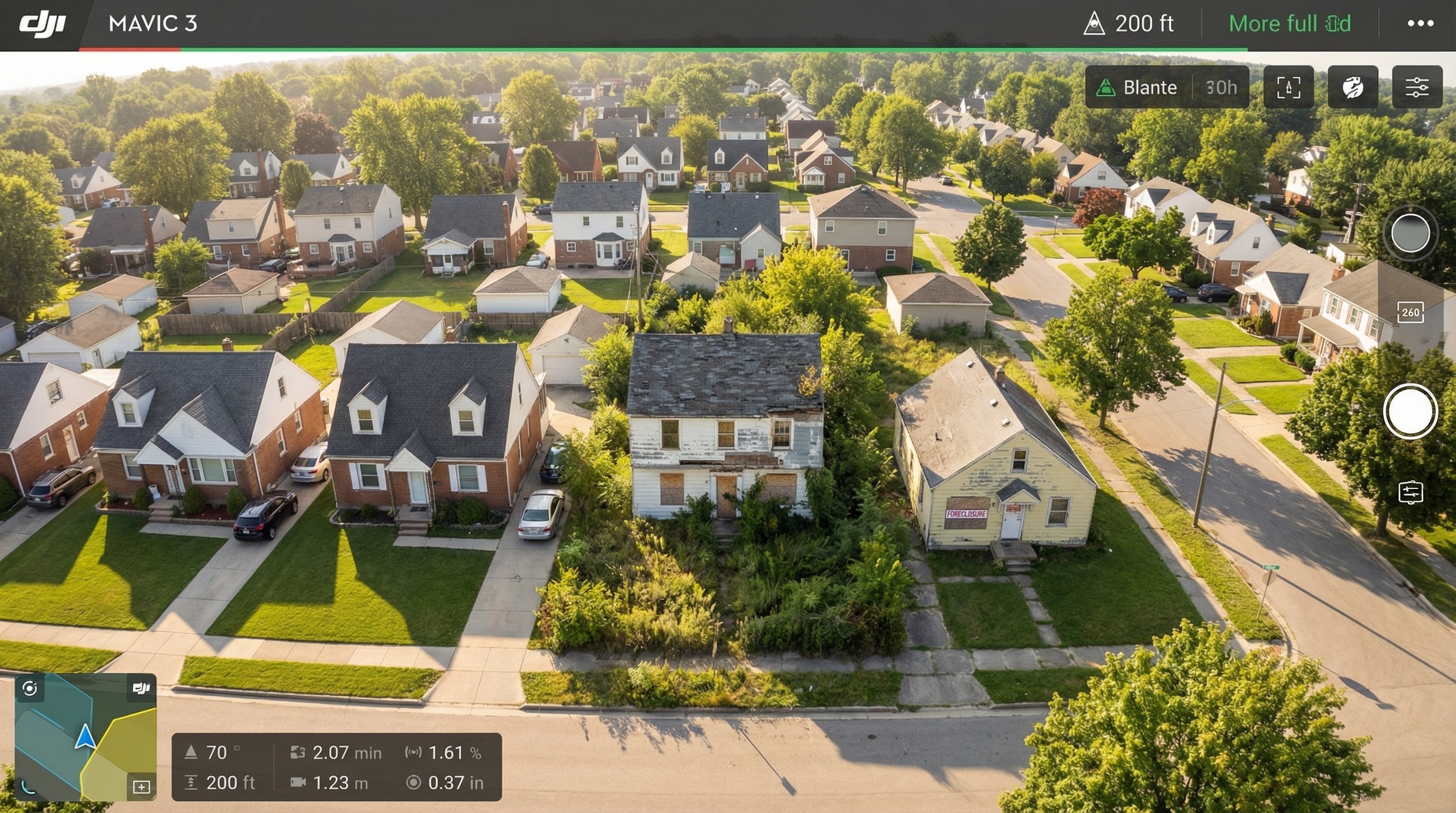
The entire business depends on finding sellers who need to sell faster than the market wants them to. Common situations include divorce proceedings requiring a fast asset sale, inherited property the family does not want to manage, code violations or tax delinquency putting the owner at financial risk, job relocation with a tight window, and bankruptcy or debt pressure.
The most reliable sources are distressed property data streams:
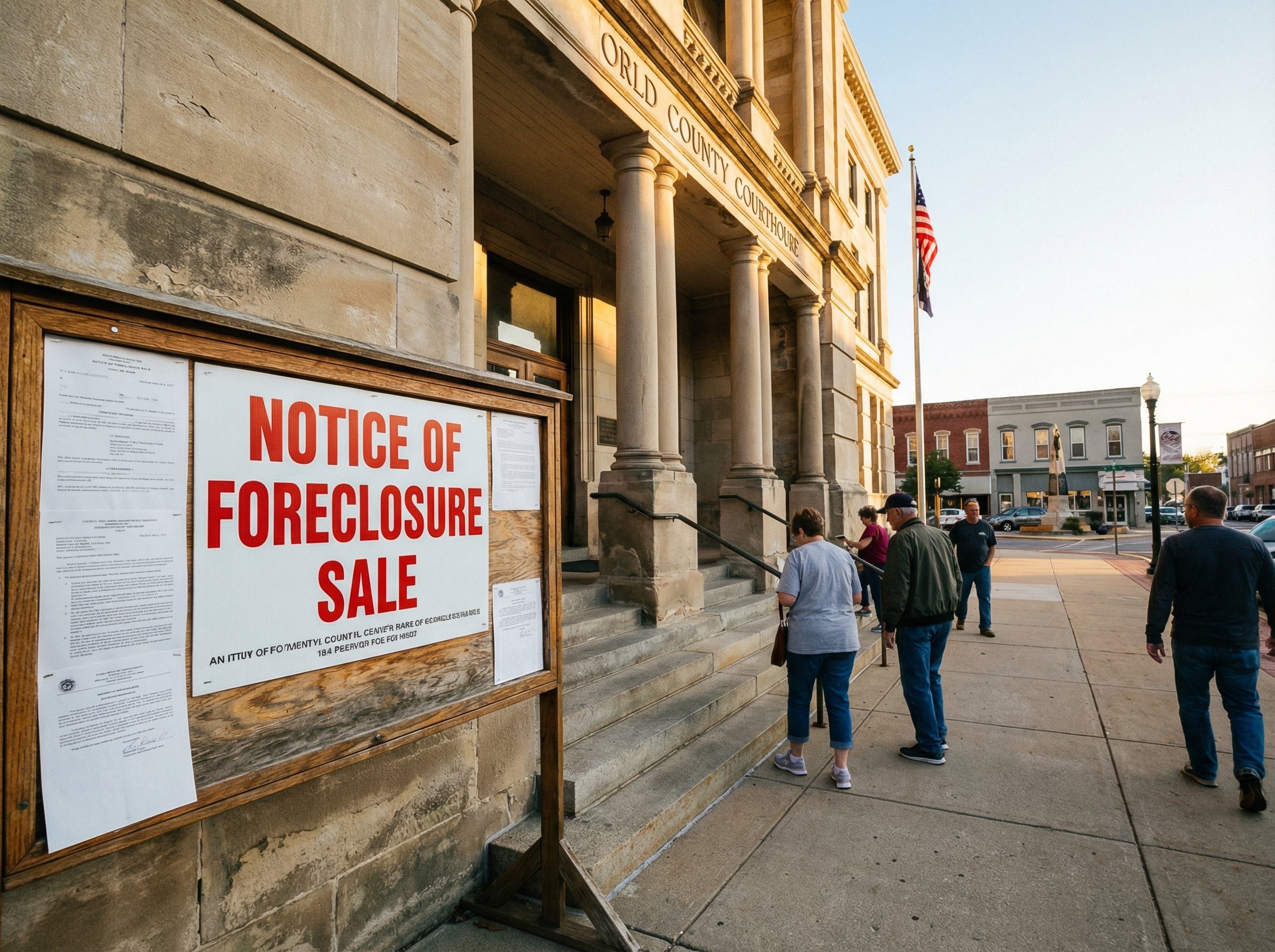
- Pre-foreclosure filings at the county courthouse show homeowners who have received a notice of default but have not yet reached the auction stage
- Code enforcement violation lists reveal properties with registered building or blight violations, often indicating an absent owner
- Tax delinquency records identify owners who have not paid property taxes, frequently associated with vacancy or financial distress
- Lis pendens filings flag properties with pending legal action that can accelerate a motivated sale
- Probate filings indicate inherited properties where heirs want a fast resolution
- Eviction records show rentals where tenants have been court-ordered to vacate
DistressIQ aggregates these signals across thousands of counties. A property with stacked signals, a tax delinquent owner with a code violation and a lis pendens filing, represents a seller under serious and compounding pressure. That is the inventory that does not appear on the MLS and that a wholesaler who moves fast can lock up before anyone else knows the opportunity exists.
Step 2: Run the Numbers Before Making an Offer
The most common beginner mistake is falling in love with a property and making an offer that leaves no margin for the end buyer. Every deal needs three numbers before the first conversation.
After Repair Value (ARV): What is the property worth after a standard renovation for the neighborhood? This is the ceiling.
Repair Estimate: What will it cost to bring the property to that standard? Get a contractor walkthrough or use a per-square-foot renovation estimate for the area.
Maximum Allowable Offer (MAO): The formula that protects every deal:
MAO = (ARV x 0.70) - Repairs - Assignment Fee
Most flippers will not go below 70% of ARV minus repairs. If your MAO is below what the seller needs, the deal does not work. Walk away cleanly rather than wasting weeks on a transaction that will not close.
Step 3: Get the Property Under Contract
Once a seller agrees to your price, you have a purchase and sale agreement that gives you equitable interest in the property. This is the legal foundation for everything that follows.
Your contract must include an assignment clause. Without explicit language permitting assignment, the contract cannot be transferred to an end buyer. Standard language reads:
"Buyer reserves the right to assign this agreement and/or all buyer's interest herein to a third party without the seller's prior written consent."
Also include an earnest money deposit (EMD) of $500 to $2,000 to demonstrate good faith and give the contract weight. Set the closing date for 21 to 30 days out, enough time to locate a buyer without the deal going stale. Have every contract reviewed by a real estate attorney licensed in your state before you begin using it.
Step 4: Build Your Buyers List Before You Need It
The buyers list is the business. A deal is only as good as your ability to move it quickly.
The best buyers for wholesale deals are house flippers who need distressed inventory, landlord investors looking for buy-and-hold opportunities, other wholesalers building their own inventory, and occasionally real estate investment trusts buying in specific zip codes.
Build the list before you have a deal. Attend local real estate investor meetups, join platforms where cash buyers congregate, and systematically collect contact information from verified buyers who are actively purchasing. A buyers list of 200 to 500 vetted cash buyers is a significant business asset that compounds in value over time.
Step 5: Market the Contract, Not the Property
This is where the 2026 legal changes matter most. You must have a signed purchase agreement before you send a single communication about the property to anyone on your buyers list.
Marketing language should reference the contract, not the property itself. Say "assignment opportunity" or "contract for sale" rather than "house for sale." The distinction matters legally: you are selling your contractual right to purchase, not brokering someone else's real estate.
Your marketing should include the purchase price and your assignment fee, estimated ARV and repair scope, photos if you have arranged access, and a clear deadline for the assignment period. Always order a preliminary title report before you send the deal to anyone, so you are not marketing a property with title issues that will kill the transaction at closing.
Step 6: Assign and Close
Once a buyer agrees to terms, you collect an assignment fee at closing. The fee is the difference between what you contracted the property for and what the end buyer is paying. Standard assignment fees range from $5,000 to $25,000 depending on the deal size and market.
There are two closing structures:
Assignment: You assign your contract rights to the buyer. The buyer closes directly with the seller. You receive your assignment fee and walk away. This is faster and requires no closing capital.
Double Close: You close on the purchase yourself and immediately close on the sale to the end buyer in two separate transactions. Use a double close when the end buyer is a lender-financed party who cannot accept an assignment, when the contract does not permit assignment, or when required by state law. Double closing requires short-term capital and title insurance for both transactions.
Free Weekly Alerts
See What's Distressed in Your Market
Get free weekly alerts — new distressed properties, motivation scores, and hot neighborhoods in your area. Addresses and contact info available inside DistressIQ.
Free forever · No credit card · Unsubscribe anytime
Common Wholesaling Mistakes
Marketing Without a Signed Contract
This is the single most common and most costly mistake in 2026. In Florida, California, and Texas, marketing a deal without a fully executed purchase agreement in hand is now a civil violation carrying up to $25,000 in penalties. Beyond the legal risk, you have nothing to assign. Do not market a deal until the contract is signed.
Using Non-Assignable Agreements
Some purchase agreement templates lock out assignment entirely. Always use contracts that explicitly permit assignment and have them reviewed by a real estate attorney in your state before you begin using them. A $200 contract review prevents a $10,000 deal from collapsing at the closing table.
Not Vetting Buyers Before Sending Deals
Sending opportunities to unvetted contacts is how lists get abused and trust collapses. Vet every buyer before you send them an opportunity. Verify they have cash, request proof of funds on significant deals, and confirm they are actively buying in your target market. A single bad experience with a non-buyer destroys trust across your entire buyers list.
Pricing Deals That Do Not Work for the End Buyer
The 70% rule exists because flippers who are underwriting conservatively will not buy a deal that leaves them no margin. A deal that does not work for the end buyer does not close. Protect your reputation by running numbers before you make every offer.
Wholesaling vs. Other Investment Strategies
Wholesaling and house flipping are often confused but are mechanically distinct. A flipper buys the property, renovates it, and sells it as the owner of record. A wholesaler never takes title. Wholesaling generates income through contract assignment fees; flipping generates income through property appreciation and renovation value. Wholesaling requires no capital and involves no renovation risk. Flipping produces larger per-deal profits but requires working capital and project management.
The BRRRR strategy (Buy, Rehab, Rent, Refinance, Repeat) is a long-term wealth-building approach that focuses on rental income rather than quick assignment fees. It requires capital for the purchase and renovation, a long-term financing relationship, and property management infrastructure. Wholesaling and BRRRR can work together: a wholesaler can contract a distressed property and assign it to a BRRRR investor at a fee, generating income without ever taking title.
A double close is a closing technique, not a separate investment strategy. It is used when an assignment is not possible or when required by state law. Most wholesale deals do not require a double close.
The DistressIQ Advantage for Wholesalers
Wholesalers who consistently find deals fast are not driving for dollars randomly. They are working from data. DistressIQ aggregates distressed property signals across every county in the country: pre-foreclosure filings, code enforcement violations, tax delinquencies, sheriff sale schedules, lis pendens records, probate filings, and eviction actions. These are the properties that create motivated sellers who need to close fast.
Stacked signals are the most valuable. A property with a tax delinquency, a code violation, and an active lis pendens filing indicates a seller under severe and compounding pressure. That is the inventory that creates assignment opportunities.
Buyers lists are built faster when the inventory is deep. When you can show buyers a consistent flow of deals across their target zip codes, they stay engaged and close faster. Data-driven wholesaling is the competitive advantage that separates operators who close one deal per quarter from those who close five per month.
Frequently Asked Questions
Is real estate wholesaling legal in all 50 states?
Yes. Wholesaling is legal in all 50 states when performed correctly. The legal foundation is equitable interest: a signed purchase contract gives the contract holder a legal interest in the property that can be assigned to a third party. Some states, including Illinois and Oklahoma, have specific licensing requirements for certain activities. Florida, California, and Texas enacted new documentation requirements in early 2026 with significantly higher penalties for violations.
How much capital do I need to start wholesaling?
You do not need capital to wholesale. You need a signed purchase contract, a verified buyers list, and the ability to find motivated sellers. Some deals require earnest money deposits of $500 to $2,000, but some sellers accept no-money-down contracts. Title company fees for assignment closings are typically paid by the end buyer or split as part of the transaction structure. No renovation capital is required because you never own the property.
What is the difference between wholesaling and flipping?
A flipper buys the property, improves it, and sells it as the owner of record. A wholesaler never takes title. Wholesaling generates income through contract assignment fees; flipping generates income through property appreciation and renovation value. Wholesaling requires no capital and involves no renovation risk. Flipping produces larger per-deal profits but requires working capital and project management capability.
How do I find motivated sellers for wholesaling?
The most reliable sources are distressed property data streams: pre-foreclosure filings, code enforcement violation lists, tax delinquency records, probate filings, lis pendens records, and eviction actions. These signals identify properties before they reach the MLS and before the general public knows they exist. DistressIQ aggregates these signals across thousands of US counties, letting investors identify motivated sellers before the market does.
What is a double close and when do I need one?
A double close involves two separate closing transactions: the wholesaler closes on the purchase and immediately closes on the sale to the end buyer. Use this method when the end buyer cannot accept an assignment, when the contract does not permit assignment, or when required by state law. A double close requires short-term closing capital and title insurance for both transactions.
How long does a wholesale deal take to close?
Most wholesale deals close in 21 to 45 days from the date the purchase agreement is signed. The timeline depends on how quickly the wholesaler locates a buyer, how fast the buyer completes due diligence, and whether the title is clean. Properties with unresolved title issues extend the timeline or collapse the transaction. Always order a preliminary title report before marketing a deal.
What is the assignment clause and why is it critical?
The assignment clause is language in the purchase and sale agreement that explicitly permits the buyer to assign their contractual rights to a third party. Without this clause, the contract cannot be legally transferred. Standard language reads: "Buyer reserves the right to assign this agreement and/or all buyer's interest herein to a third party without the seller's prior written consent." Every contract used for wholesaling must contain this language.
Ready to build your wholesale business on real distressed property data?
Browse distressed property signals on DistressIQ
DistressIQ aggregates pre-foreclosure, code violation, tax delinquent, lis pendens, probate, and eviction signals across every US county. Find motivated sellers before the MLS does.
The data behind this article
DistressIQ Monitors These Signals in Real Time
Pre-Foreclosures
NOD + NTS filings
Tax Delinquency
County treasurer records
Code Violations
Municipal inspection filings
Probate Filings
Superior Court records
Every lead is scored 0–100 for seller motivation based on signal type, duration, severity, and stacking. Nationwide coverage — every US county, updated daily.
Ready to find deals in your market?
See Live Distress Signals in Your County
Stop calling dead leads. Every lead in DistressIQ is scored 0–100 for seller motivation, with verified contact info included. Browse the free tier to see what's active in your market right now.
Browse Free Leads — No Credit Card