Cash Home Buyers: The Investor's Guide to Finding Deals in 2026
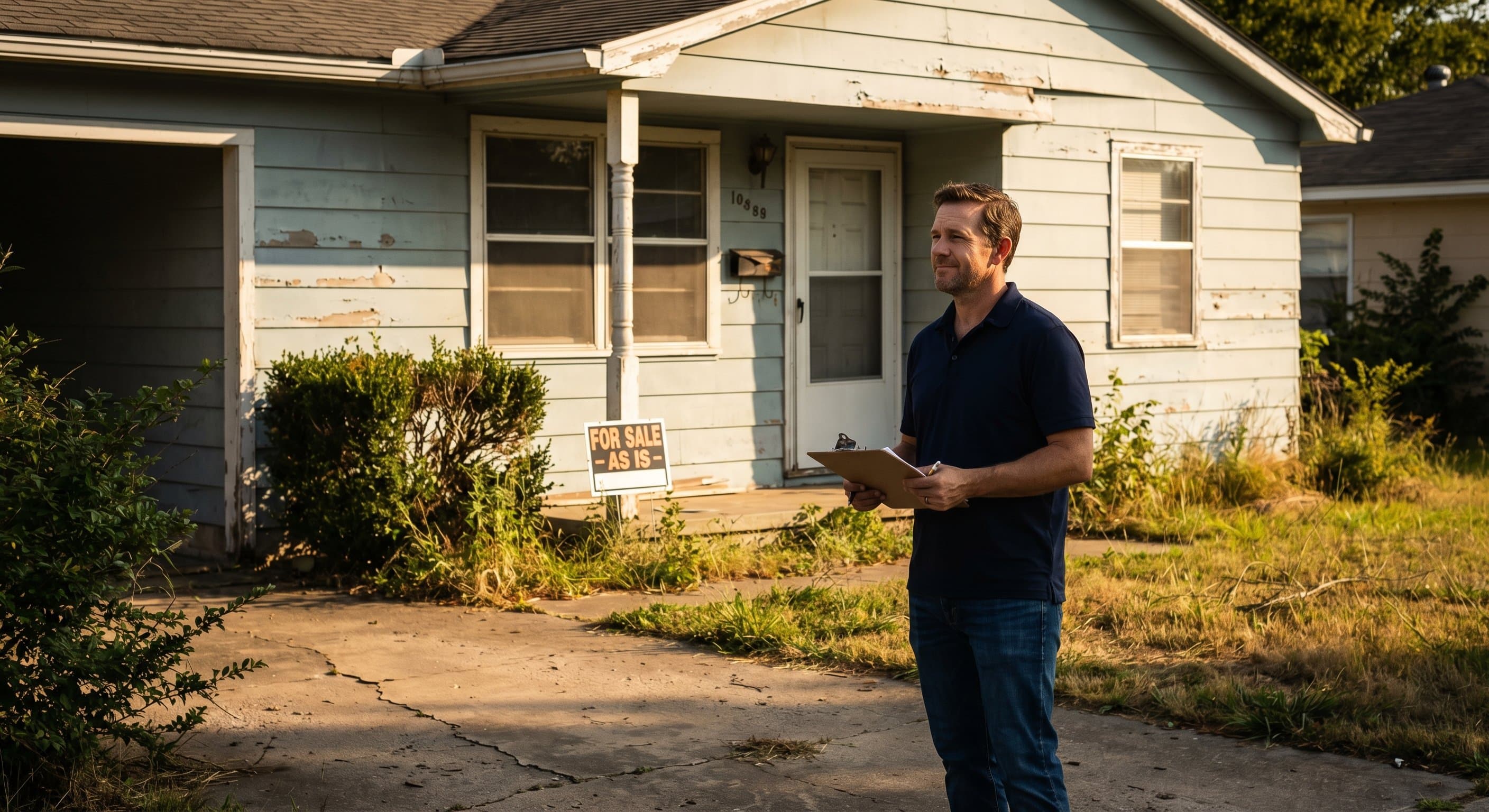
TL;DR: Cash home buyers in 2026 are competing in a market where 26% of all purchases are all-cash, up from 19% five years ago. The real deals are not on the MLS — they are off-market, hidden in pre-foreclosure, tax delinquent, and vacant property records that most buyers never see. DistressIQ surfaces these signals across 3,200+ counties, giving cash investors a systematic way to find motivated sellers before the property ever lists publicly.
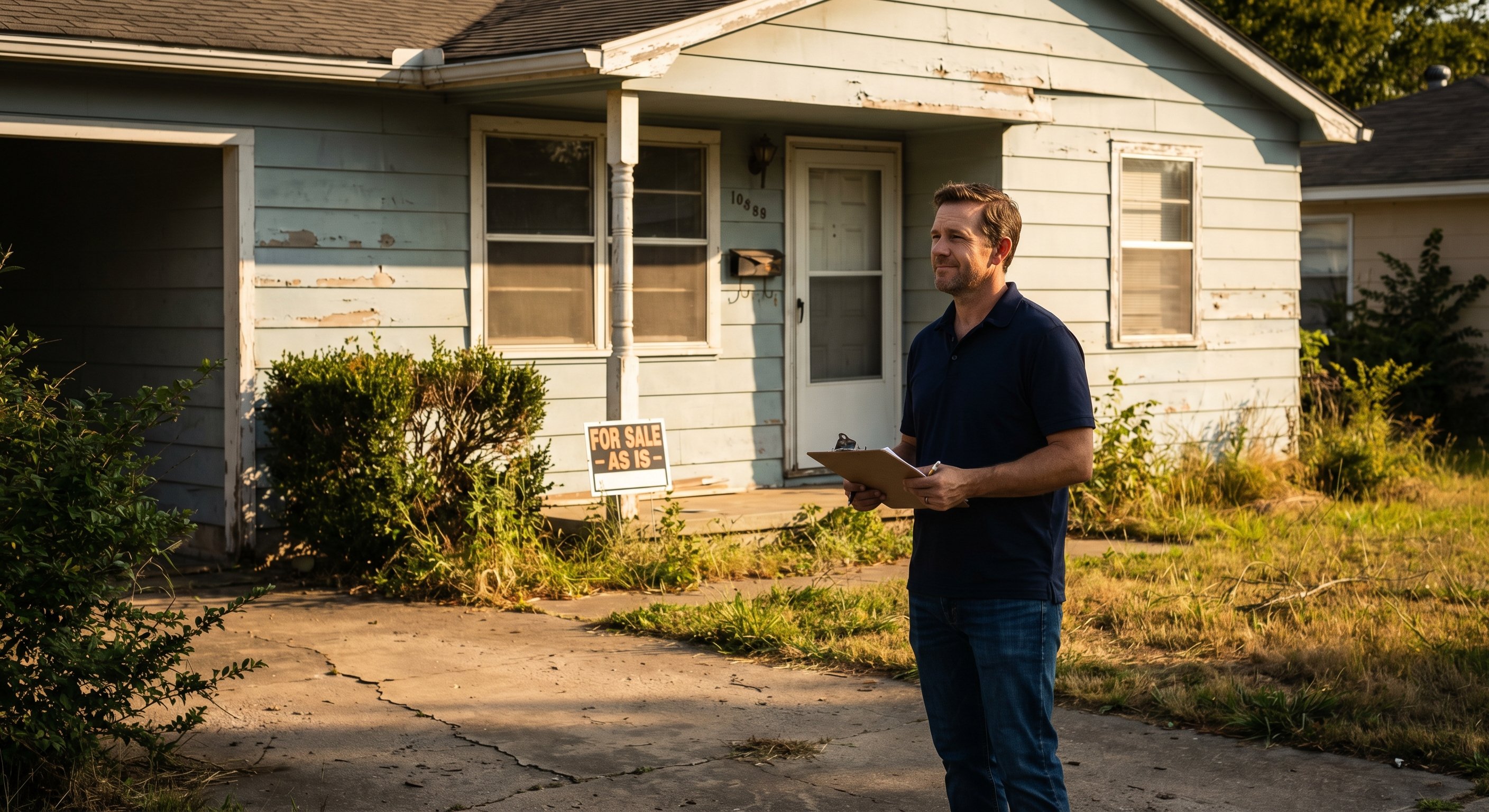
The line forms at the MLS. Offer stacks three deep. The winning bid is 10 percent above asking and still below market — because every other buyer financed, and the seller picked the one with no appraisal contingency.
This is what cash buyers have created: a market where mortgage-backed offers compete fiercely, and sellers have learned that cash means certainty. The median home sold for $403,700 in early 2026. More than a quarter of those sales closed without a mortgage. That number was 19 percent in 2020.
But here is what that statistic obscures: cash buyers are not winning by outbidding each other on the same properties. The ones consistently finding deals are working a completely separate market — off-market distressed properties — where no offer stack exists because no listing ever ran.
That is the cash buyer advantage in 2026. This guide explains how it works.
Why Cash Buyers Have an Edge in Today's Market
A financed buyer needs a bank. That introduces five failure points the seller cannot control: pre-approval, underwriting, appraisal, loan conditional approval, and final funding. Any one of those breaks the deal after it was accepted. For a seller who needs to close — an inherited property, a divorce, a job relocation — that uncertainty is a deal killer.
A cash buyer eliminates all five. The funds transfer is a wire, not a conditional approval letter. Sellers who understand this will often accept a lower price for the certainty. Industry data shows cash offers average 3 to 5 percent below financed offers — which means the cash buyer who targets the right properties is getting a discount on the discount.
The broader market supports this dynamic. According to NAR's 2024 Profile, cash purchases hit an all-time high that year. Chase's real estate education content confirms closing timelines of 1 to 2 weeks for cash versus 30 to 45 days for mortgage-financed transactions.
Cash buyers also avoid the inspection renegotiation that plagues financed sales. When a bank orders an appraisal and it comes in low, the deal restarts or dies. Cash buyers write contracts with fewer contingencies precisely because they have no lender requiring them. The result is a cleaner, faster, more predictable transaction for both sides.
The Four Types of Cash Home Buyers
Not all cash buyers compete the same way. Understanding the four categories helps investors position themselves correctly.
Individual investors use personal capital to buy one to three properties per year. They move quickly, often close in under two weeks, and make decisions based on neighborhood knowledge rather than institutional underwriting criteria. They typically target single-family homes in B and C neighborhoods.
Wholesalers and bird dogs do not intend to close. They find off-market deals, contract them, and assign the contract to an end buyer for a fee. Cash buyers are their primary customers because wholesalers need fast closers who will not blow up on inspection. For wholesalers, building relationships with active cash buyers is the entire business model.
iBuyers and institutional platforms use automated valuation models and direct-to-seller marketing to make cash offers at scale. Offerpad, Opendoor, and similar platforms have systems that generate offers within 24 to 48 hours of a seller request. They target turnkey and near-turnkey properties, not distressed inventory. Their advantage is speed and brand trust. Their weakness is pricing — their algorithms do not pay for dysfunction.
Real estate investment companies and funds deploy capital across multiple markets, buying portfolios of distressed properties, renovating them, and either renting or reselling. They have dedicated acquisition teams, and they are the ones paying above-market prices for high-quality distressed assets — rental-ready homes in strong rental markets, for example.
Most individual investors and small operators fall into the first two categories. The advantage they have over institutions on every deal is local knowledge, flexibility, and speed — they can make decisions in hours rather than days.
Where Cash Buyers Actually Find Deals
The MLS is the worst place to compete as a cash buyer. There, you are bidding against everyone, including iBuyers with faster systems and deeper pockets. The deals that matter are off-market.
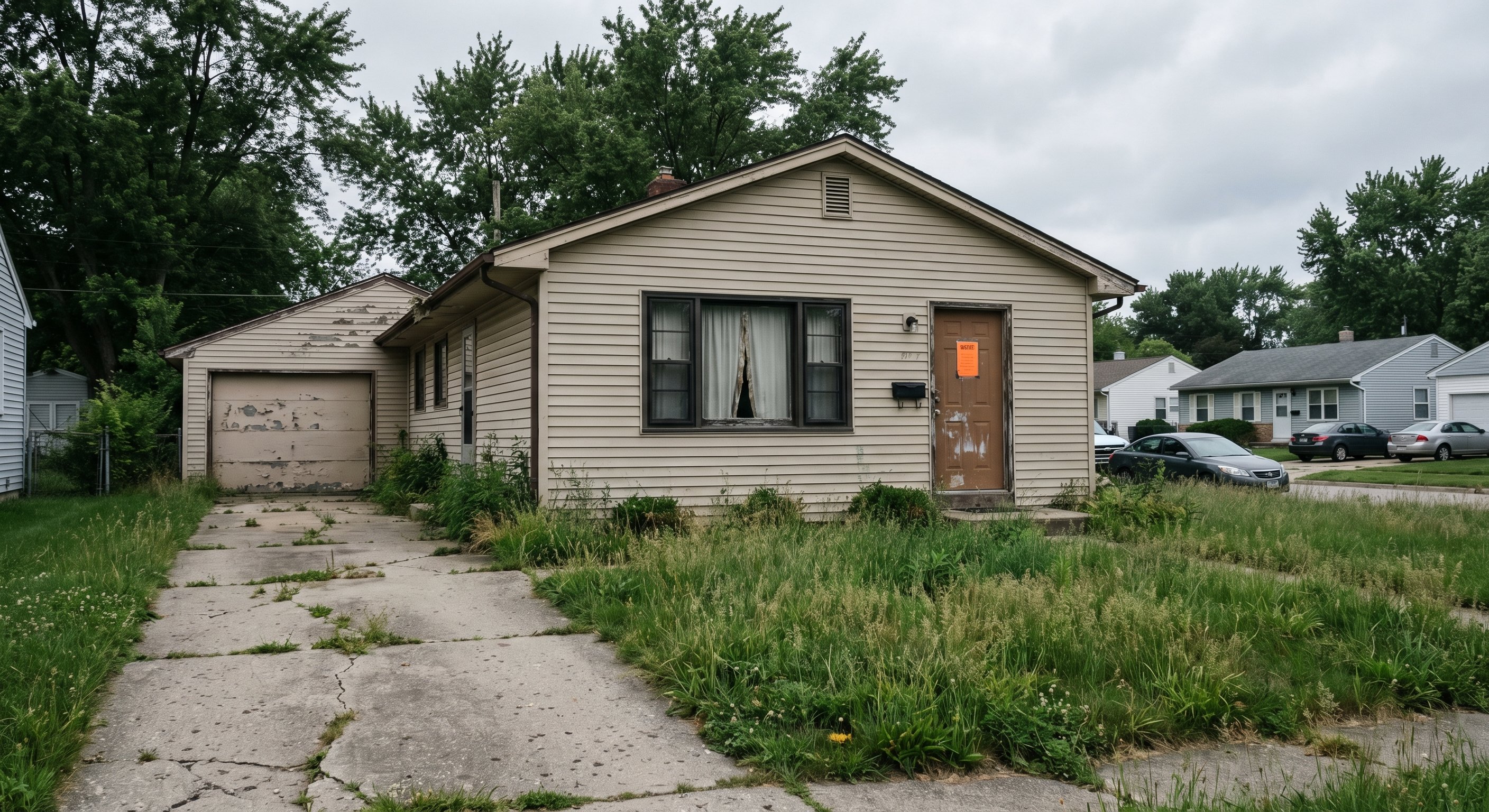
Three categories consistently produce off-market opportunities for cash buyers.
Pre-foreclosure properties are homes where the owner has defaulted but the foreclosure auction has not yet occurred. The homeowner is still living in the property, still has some equity, and — critically — still has time and motivation to sell rather than lose the home at auction. These deals require speed and paperwork discipline, but they are available in every county in the country and almost none of them appear on any listing site.
Pre-foreclosure timelines vary by state. Judicial foreclosure states — those that require court approval to foreclose — can stretch 12 to 18 months from default to auction. Non-judicial states typically complete the process in 90 to 180 days. A cash buyer who monitors pre-foreclosure filings has a months-long window to contact the owner, negotiate directly, and close before the auction.
Tax delinquent properties represent another off-market pipeline. When property taxes go unpaid for a specified period, the county places a tax lien on the property. In some states, investors can purchase these liens at auction and earn interest on their investment. In others, the property goes to a tax deed sale, where it sells for the outstanding tax amount — typically 20 to 60 percent of assessed value.
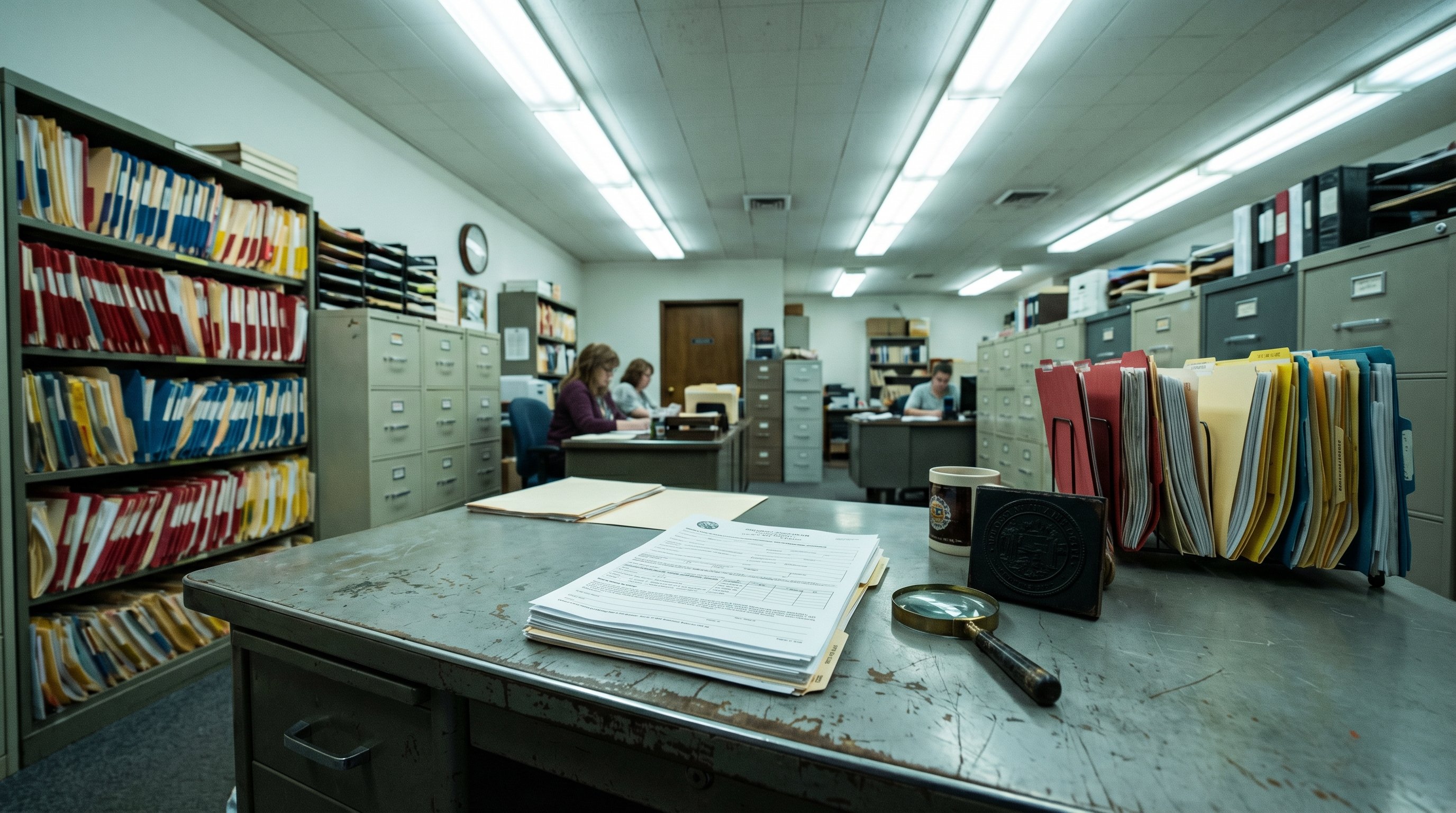
Tax sale properties are public information. County tax collectors publish the list of delinquent accounts annually or semi-annually. The challenge is accessing that data efficiently — most counties publish it as a PDF, not a searchable database. Investors who build relationships with county assessors or subscribe to data services that aggregate tax sale information can systematically work through inventory before competitors know it exists.
Vacant and abandoned properties are a distinct category. These homes sit empty, often for months or years, and the owner is frequently unreachable. Vacant properties are disproportionately found in post-industrial cities, rural counties, and areas that experienced population loss. They are also disproportionately tax delinquent — the owner stopped paying taxes when the property stopped producing income or when they moved away.
The investment thesis on vacant properties is straightforward: the carrying cost (taxes, insurance, maintenance) is minimal compared to the potential resale value, and the seller — usually an estate, a bank, or an out-of-state investor — is highly motivated to move the asset. These deals take more due diligence to close because title issues are common, but the discount off market value can be substantial.
Free Weekly Alerts
See What's Distressed in Your Market
Get free weekly alerts — new distressed properties, motivation scores, and hot neighborhoods in your area. Addresses and contact info available inside DistressIQ.
Free forever · No credit card · Unsubscribe anytime
How to Find Cash Buyer Leads Systematically
Finding one off-market deal is not hard. Finding a consistent pipeline of them is a systems problem. Cash buyers who build repeatable processes outperform those who rely on luck, word-of-mouth, or sporadic marketing.
The first discipline is list building from public records. County assessor databases contain every property in a given county, including ownership status, tax payment history, mortgage status, and physical condition indicators. Combining that with pre-foreclosure filings from the county court and lis pendens records creates a target list of properties where something is wrong — the owner is behind, the property is vacant, or a legal action has been filed.
The second discipline is responding before the listing does. When a homeowner falls behind on payments, the period between the first notice of default and the public listing is typically 60 to 120 days. Most investors do not know a property exists during this window. Direct mail, skip tracing, and courthouse monitoring are the tools to reach owners during this period.
The third discipline is network building with wholesalers. Wholesalers generate off-market deals constantly but need cash buyers to close them. A cash buyer who maintains relationships with three to five active wholesalers in a market effectively has a team of people spending their time finding deals — the buyer just needs to evaluate and close quickly.
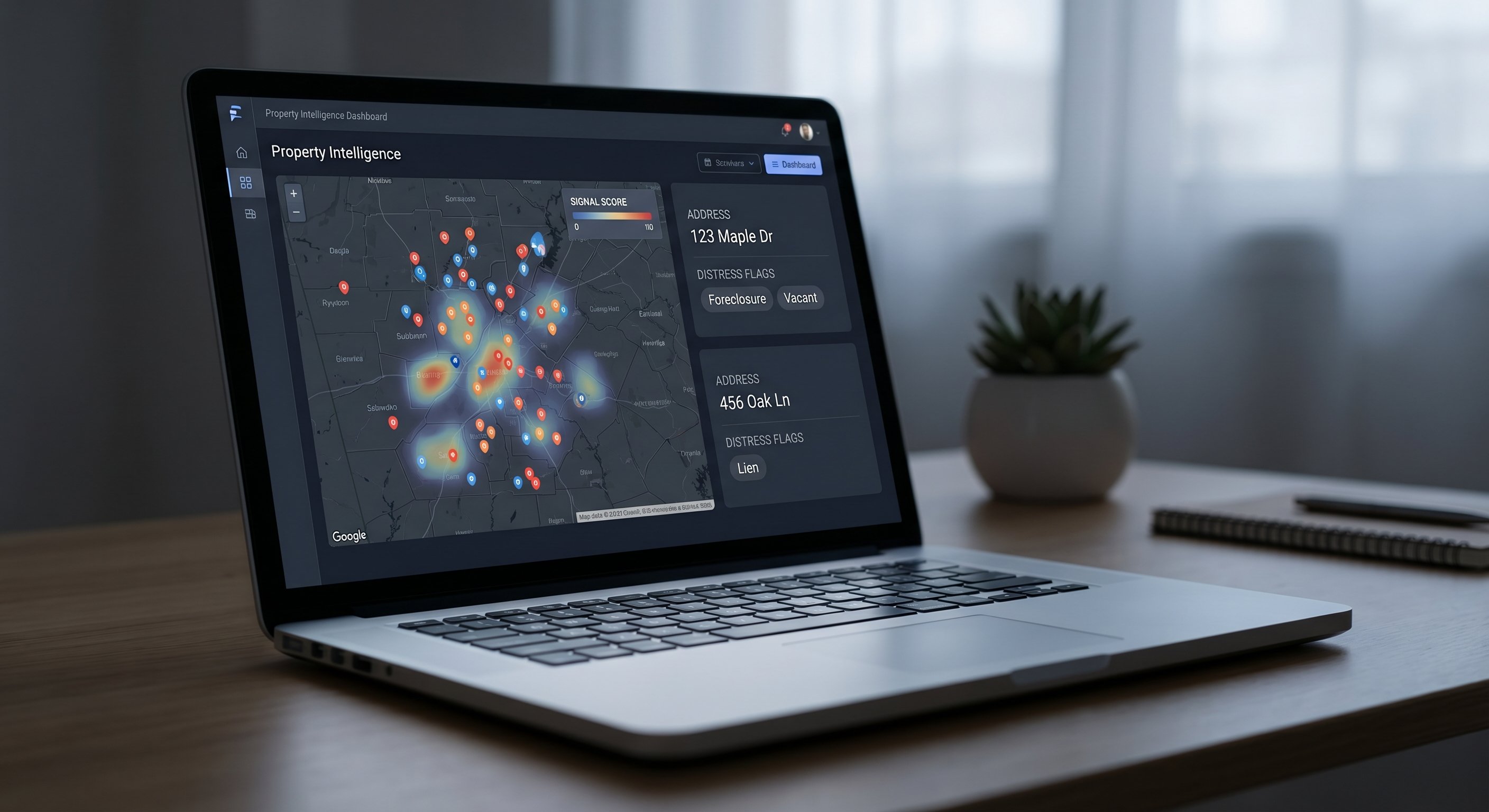
DistressIQ consolidates these three disciplines into a single platform. The system aggregates pre-foreclosure signals, tax delinquent properties, and vacant property indicators across 3,200+ counties and updates them from county sources multiple times daily. A cash buyer can search a target market, filter by signal type and timeline, and generate a shortlist of properties where the owner has a documented reason to sell — before a competing buyer even knows the property exists.
Common Mistakes Cash Buyers Make in 2026
The most frequent error is chasing listed inventory. A cash buyer who competes on MLS is paying market price and getting no advantage from their financing structure. The cash offer advantage only works when the deal is not publicly competitive.
The second mistake is underestimating due diligence requirements. Cash buyers waive mortgage contingencies, not inspection contingencies. A cash purchase of a distressed property without a thorough inspection is how investors acquire expensive structural problems they cannot resell. Budget for a full inspection on every deal, even if you plan to assign the contract rather than close yourself.
The third mistake is not verifying ownership before marketing. Title issues on distressed properties are common — estates that have not been settled, liens from contractors, HOA liens, and mortgage junior liens can all cloud title. Running a preliminary title search before you mail a seller or make an offer prevents wasted outreach on properties you cannot close.
The fourth mistake is moving too slowly on the right deals. In hot markets, a motivated seller who receives two or three cash offers in the same week will accept one within 48 to 72 hours of the first inquiry. Cash buyers who take a week to respond have already lost. Speed of initial contact is a competitive advantage that does not cost money — it only costs discipline.
How Cash Buyers Use Data to Get an Edge
The gap between a good cash buyer and a great one is the quality of their market data.
Consider two investors looking at the same county. One drives for dollars, notes a vacant property, runs the owner name through a skip tracing service, sends a mailer, and waits. The other searches DistressIQ, finds properties flagged as both vacant and tax delinquent, identifies the owner through county records, confirms the mortgage status and lien position through title data, and calls the owner the same day.
Both found the same property. One spent two weeks and $400 in marketing. The other spent four hours and $15 in data access. The second buyer is still making money on that deal. The first buyer may have missed it entirely.
Data-driven cash buyers also have better underwriting. Knowing the median rent for a neighborhood, the average resale price of recently renovated comparable properties, and the county tax sale schedule turns intuition into analysis. A distressed property in a neighborhood where comparable homes are selling at $180,000 is a different calculation than the same property in a neighborhood where comparable sales are at $95,000. Data tells you which number is real.
Building a Cash Buyer Business That Scales
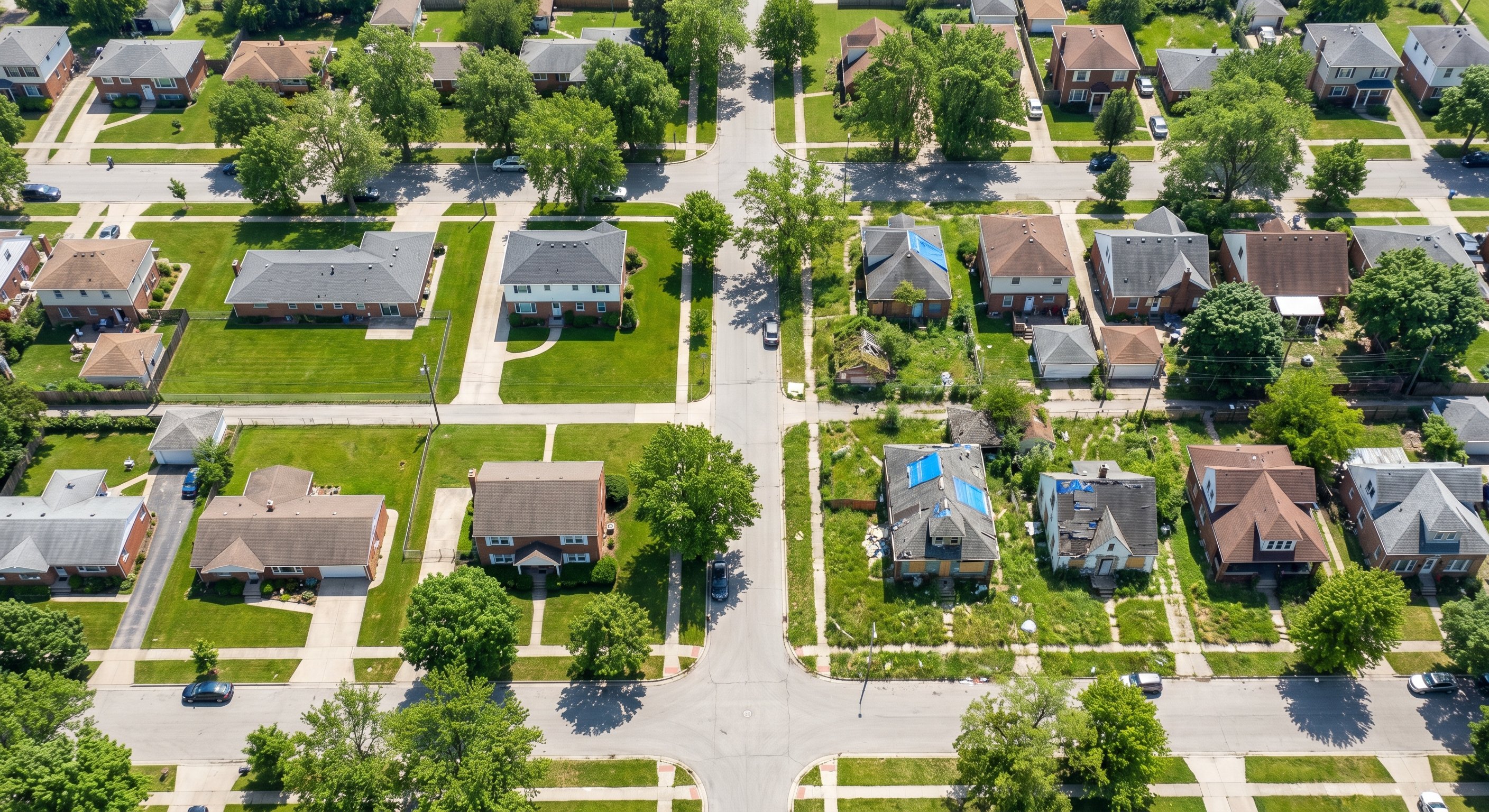
A single cash deal can generate $15,000 to $40,000 in gross profit depending on market and condition. Most operators doing three to five deals per year are generating real income. But scaling past that threshold requires systems, not just effort.
The first system is lead generation. Consistent deal flow requires consistent marketing. Direct mail to pre-foreclosure lists, bandit signs in target neighborhoods, relationships with wholesalers, and county-level data monitoring are the four legs of the lead generation stool. Skip one and the system wobbles.
The second system is disposition. Cash buyers who also sell to other investors — either through assignment fees or direct sales — need a buyers list. The stronger that network, the more deals you can take down. Every wholesale assignment you close successfully builds a reputation that brings more deals.
The third system is financial tracking. Cash buyers tie up significant capital in each deal. Knowing your cost of capital, your average holding period, your renovation budget variance, and your all-in acquisition cost per deal is not optional if you want to grow. A business that cannot tell you its cost per deal cannot tell you which markets are profitable.
DistressIQ serves the first system — lead generation — and increasingly supports the second through its network of investors actively searching for deals. The data foundation is what makes everything else possible.
Key Takeaways
Cash home buyers in 2026 operate in a bifurcated market. The properties listed on the MLS are highly competitive and attract all-cash offers as a baseline expectation. The real opportunities are off-market, in pre-foreclosure, tax delinquency, and vacant property records that most buyers never systematically access.
Success as a cash buyer requires three things: a reliable pipeline of distressed property leads, a fast decision and response process, and a disposition network to sell or assign deals once you have them under contract.
The investors who are consistently finding deals are not the ones with the most capital. They are the ones with the best data and the fastest systems. County records, pre-foreclosure filings, tax sale lists, and vacancy data are public information — the investor who organizes and acts on that information first wins.
Where to Find Cash Buyer Leads in 2026
DistressIQ aggregates distress signals across 3,200+ counties nationwide, including pre-foreclosure filings, tax delinquent properties, vacant and abandoned homes, and properties flagged through multiple signal types. Each lead includes owner information, property characteristics, and signal history — built from county-verified data and updated multiple times daily.
Cash buyers looking for a systematic way to find off-market distressed inventory can browse active leads by market on DistressIQ.
Frequently Asked Questions
Q: How do cash home buyers find off-market deals?
Cash buyers find off-market deals primarily through public records monitoring — county assessor databases, pre-foreclosure court filings, tax sale lists, and lis pendens records. Building relationships with wholesalers who generate off-market contracts is another common channel. Data aggregation platforms like DistressIQ compile these public records into searchable markets, reducing the manual research required to find motivated sellers.
Q: What percentage below market do cash buyers typically pay?
Cash buyers typically receive a discount of 3 to 5 percent compared to financed offers on the same property, according to industry data. On distressed properties purchased at significantly below market — such as tax sale properties or pre-foreclosure deals — the discount can be 20 to 40 percent depending on property condition, market strength, and the urgency of the seller's situation.
Q: How long does a cash home purchase take to close?
A cash purchase typically closes in 7 to 14 days from contract execution, compared to 30 to 45 days for a mortgage-financed transaction. The exact timeline depends on title search completion, any inspection period negotiated in the contract, and the efficiency of the closing agent. Cash transactions with no inspection contingency can close in as few as 5 days in some markets.
Q: Do cash buyers still need a home inspection?
Yes. Cash buyers should always conduct a home inspection before closing, even when purchasing distressed properties at a discount. Waiving a mortgage contingency does not waive the need to understand the property's physical condition. Structural problems, deferred maintenance, code violations, and environmental hazards can make a seemingly profitable deal unprofitable fast. Budget $500 to $800 for a standard inspection on most residential properties.
Q: What is the 70 percent rule in real estate investing?
The 70 percent rule is a quick underwriting formula used by many cash home buyers, particularly fix-and-flip investors. It states that an investor should pay no more than 70 percent of a property's after-repair value (ARV), minus the estimated repair costs. For a property with an ARV of $200,000 and estimated repairs of $30,000, the maximum offer under this rule would be $110,000.
Q: Can I sell a distressed property without listing it?
Yes. Most distressed property sales happen off-market. Sellers in pre-foreclosure, tax delinquency, or probate situations often prefer a direct cash offer to avoid the timeline and uncertainty of a traditional listing. Cash buyers and wholesalers represent the primary buyer pool for off-market distressed properties. Platforms that aggregate these leads give cash buyers systematic access to sellers who have not yet listed their property publicly.
The data behind this article
DistressIQ Monitors These Signals in Real Time
Pre-Foreclosures
NOD + NTS filings
Tax Delinquency
County treasurer records
Code Violations
Municipal inspection filings
Probate Filings
Superior Court records
Every lead is scored 0–100 for seller motivation based on signal type, duration, severity, and stacking. Nationwide coverage — every US county, updated daily.
Ready to find deals in your market?
See Live Distress Signals in Your County
Stop calling dead leads. Every lead in DistressIQ is scored 0–100 for seller motivation, with verified contact info included. Browse the free tier to see what's active in your market right now.
Browse Free Leads — No Credit Card