REO Foreclosure: What Every Investor Needs to Know About Bank-Owned Properties
REO Foreclosure: What Every Investor Needs to Know About Bank-Owned Properties
TL;DR: REO foreclosure happens when a property fails to sell at auction and the lender takes ownership. These bank-owned properties often sell at discounts of 10-30% below market value, but the process requires patience and capital. Investors who understand the timeline, inspection constraints, and financing requirements of REO properties can build solid returns in any market.
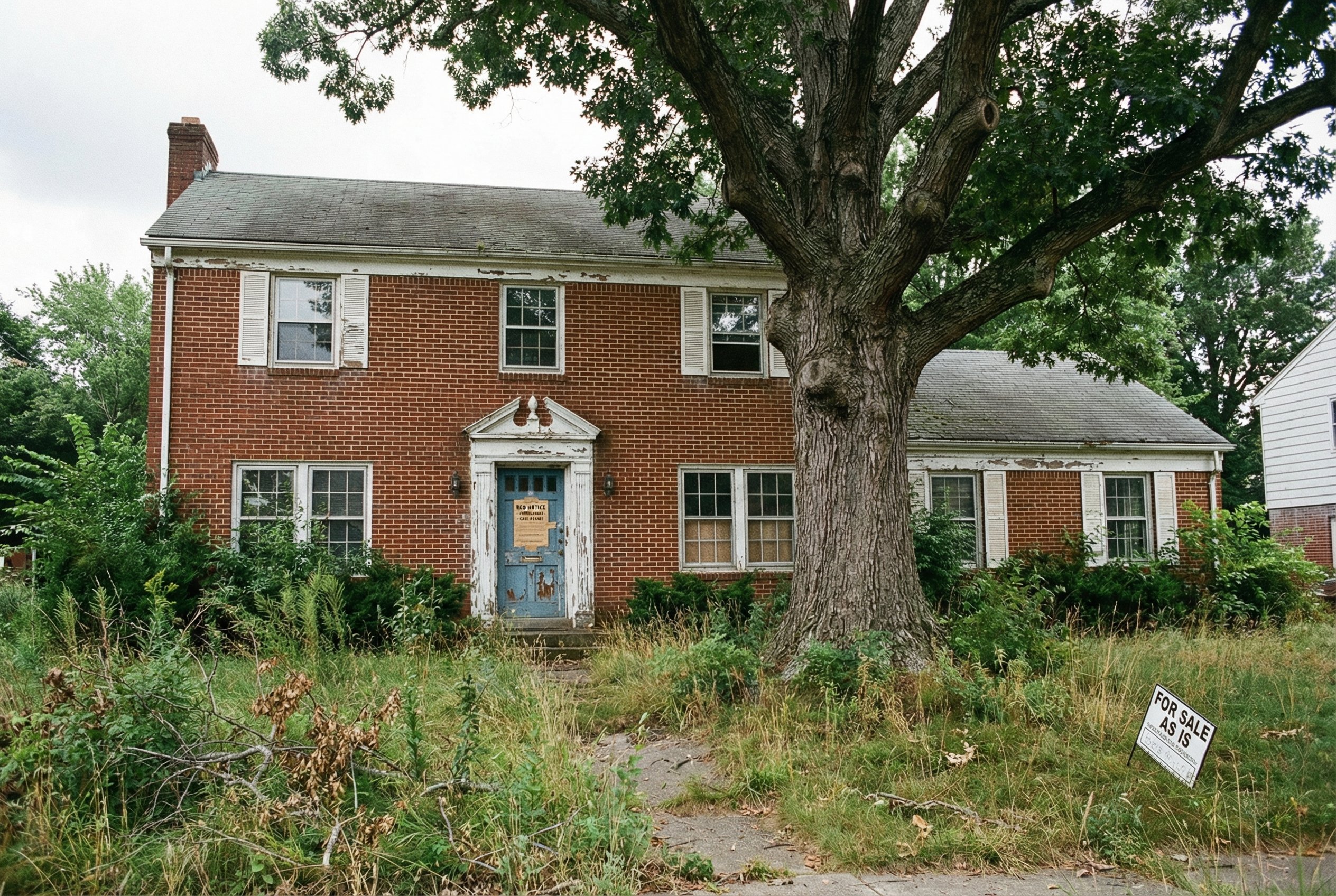
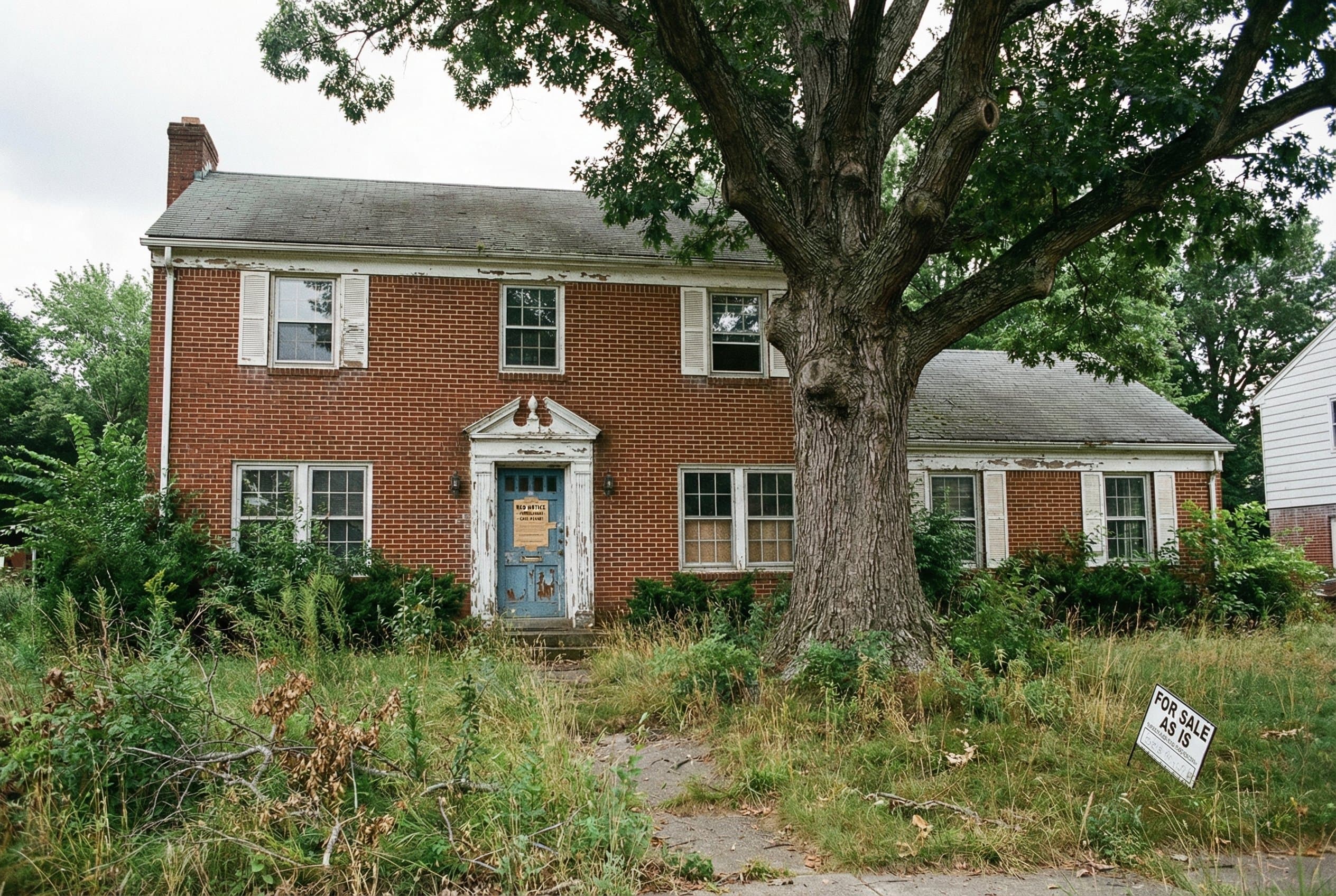
The auction ended. Nobody bid enough. The bank stepped in and took the property back. Now it sits on the bank's books as an REO asset, and the clock resets for investors willing to play the long game.
REO stands for Real Estate Owned, and it is the term lenders use for properties that have reverted to their ownership after failing to sell at a foreclosure auction. These properties represent a distinct segment of the distressed property market, one with different rules, different risks, and different rewards than buying at the auction itself. Understanding how REO foreclosure works is the difference between investors who consistently find deals and those who keep getting outbid or burned.
What REO Foreclosure Actually Means
A property enters REO status through a straightforward but often misunderstood sequence. The borrower defaulted on the mortgage. The lender initiated foreclosure proceedings, which vary in length by state. A public auction was scheduled. The property was offered to the public. Nobody bid the outstanding loan balance plus auction costs. The highest bidder at auction was the lender, who now holds the property on its own books as an REO asset.
This process produces a specific type of inventory. Unlike a pre-foreclosure property where the owner is still actively involved, or a short sale where negotiations involve the borrower, an REO property is owned outright by the bank. There is no HOA approval process, no borrower negotiation, and no third-party review required for most transactions. The bank sets the price, sets the terms, and executes the sale directly.
The distinction matters because it changes the investor's entire approach. Pre-foreclosure and auction investing require understanding local timelines, borrower protections, and redemption rights. REO investing requires understanding how banks evaluate their own inventory and what internal processes drive their pricing and acceptance decisions.

Why Banks Price REO Properties the Way They Do
Banks do not buy properties to sit on them. Every month an REO property remains unsold, the bank incurs carrying costs including property taxes, insurance, maintenance, and opportunity cost on the capital tied up in the asset. This creates a predictable pricing pressure: banks have a financial incentive to move REO inventory within a defined window, typically 90 to 180 days.
The pricing formula most national lenders use begins with a broker price opinion (BPO) or full appraisal, adjusted downward based on condition, market time, and the property's position relative to other REO inventory in the same region. Banks are not trying to maximize the sale price on any individual property. They are managing a portfolio, and the overall return on the REO portfolio is the metric that drives their pricing decisions.
This is the core insight that separates successful REO investors from those who keep getting frustrated. Banks are not irrational. They are simply optimizing for a different variable than retail sellers. A retail seller wants the highest possible price on their specific property. A bank wants to move inventory at a return that meets portfolio targets, which frequently means accepting offers below what a retail seller would accept on the same property.
The practical result: REO properties typically list at 10-30% below comparable retail values, with the exact discount depending on local market conditions, property condition, and the bank's specific portfolio situation in that region. In areas with high REO inventory, discounts tend to be steeper. In markets where banks have successfully reduced their REO exposure, prices may be closer to market value.
The REO Purchase Process: Step by Step
Buying an REO property is not like buying from a retail seller, but it is also not as complicated as some investors assume. The process follows a consistent sequence once you know what to expect.
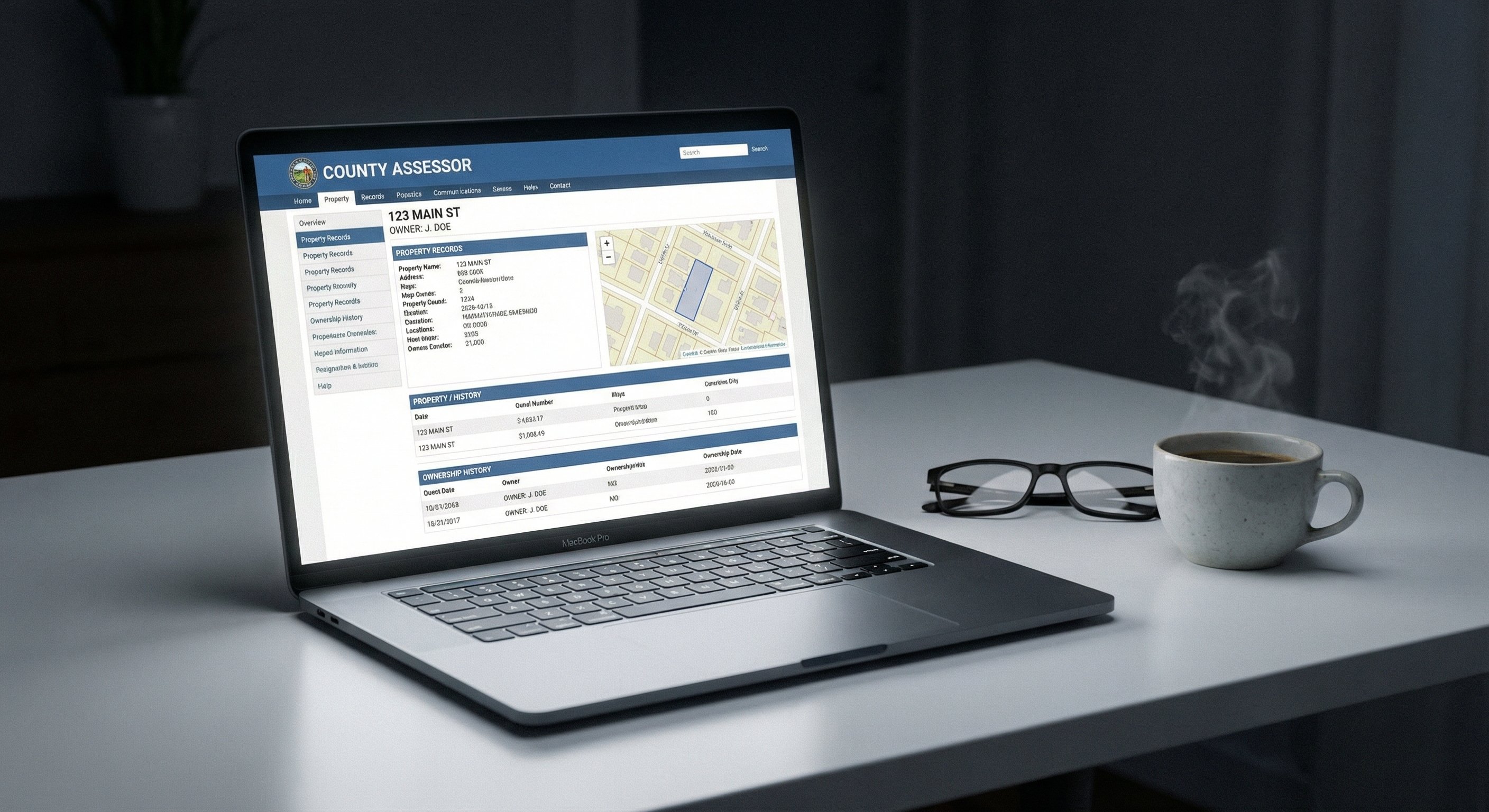
Step one: identifying REO inventory. National lenders list REO properties through their own websites and through common listing portals. Bank of America, Wells Fargo, Chase, and Citi all maintain REO listings accessible to the public. Additionally, county recorder data can be used to identify properties that have completed the foreclosure process and are held by institutional lenders, often before those properties hit retail listing sites.
Step two: property inspection. REO properties are sold as-is in most transactions, with no seller disclosures and no guarantees about condition. This makes physical inspection non-negotiable. Investors need to understand exactly what they are buying before submitting an offer. Professional inspections typically cost $500-1,500 depending on property size and location, and they are money well spent before committing to a purchase that could require $30,000 or more in rehabilitation.
Step three: offer submission. REO offers are submitted through the bank's listing agent or directly through the bank's REO department, depending on the lender. Most banks use a standard addendum that includes provisions for as-is sale terms, REO seller disclosure exceptions, and specific addenda addressing government-backed loan requirements (FHA, VA, USDA) when applicable. Offers typically require pre-approval or proof of funds documentation.
Step four: review and response. Banks do not negotiate the way retail sellers do. They have a defined approval process, often requiring multiple levels of review for offers below asking price. Response times vary from 3 business days to 3 weeks depending on the lender and the volume of REO inventory they are managing. Investors who understand this timeline can plan accordingly and avoid frustration.
Step five: closing. REO closings typically run 30-45 days from accepted offer, similar to conventional transactions. The primary difference is that the seller (the bank) is not present in the same way a retail seller would be. Transactions are managed by REO closing departments or outside law firms contracted by the bank. Any unusual terms or seller concessions require explicit written approval from the bank's REO authority, which can add time to the process.
Free Weekly Alerts
See What's Distressed in Your Market
Get free weekly alerts — new distressed properties, motivation scores, and hot neighborhoods in your area. Addresses and contact info available inside DistressIQ.
Free forever · No credit card · Unsubscribe anytime
The Hidden Risks in REO Foreclosure Investing
REO properties are not auction purchases, but they carry their own specific risks that investors need to evaluate before committing capital.
Hidden structural damage. Banks are motivated to sell but not motivated to disclose problems they do not know about. REO properties are often winterized, have had utilities shut off for months or years, and may have undisclosed water damage, foundation issues, or code violations. The as-is clause in the purchase agreement means the investor assumes these risks at closing. A thorough inspection is not optional, it is the only protection available.
Unknown occupancy status. Some REO properties are vacant and ready to occupy. Others have occupants who were never evicted, squatters who moved in after abandonment, or tenants with valid leases who do not realize the property has changed ownership. Verifying actual occupancy status before closing is critical, because evicting occupants after purchase adds legal costs and timeline delays that can turn a profitable deal into a breakeven or losing transaction.
HOA and lien complications. Properties in homeowners associations may have assessments owed at the time of foreclosure that survive the foreclosure and become the new owner's responsibility. Junior liens, mechanics liens filed after the senior mortgage, and tax liens vary by state in terms of their survive-foreclosure status. A title search that reveals a $15,000 HOA assessment on a property purchased for $120,000 can eliminate profit entirely.
Environmental issues. Properties that have been abandoned for extended periods may have undocumented environmental contamination, illegal dumping on the land, or prior industrial use that created residual contamination. Phase I environmental site assessments are available for $300-600 and are worth the cost on any property with potential environmental red flags.

Financing REO Properties
Cash offers carry the most weight with bank sellers, but they are not the only viable path. Conventional financing, renovation loans, and portfolio lending all play roles in the REO investment process.
Hard money loans are the most common financing tool for REO investors who need short-term capital. Interest rates run 10-18% depending on the lender, the borrower's experience, and the property's location. Loan terms are typically 6-12 months, enough time to purchase the property, complete renovations if needed, and either sell or refinance into long-term financing.
FHA 203(k) renovation loans can be used on REO properties that meet eligibility requirements, allowing investors to roll renovation costs into a single long-term mortgage. These loans have stricter property eligibility standards than hard money and require HUD-approved 203(k) consultants to review renovation plans, but they offer far lower long-term interest rates for investors planning to hold or sell.
Portfolio loans from local and regional banks are frequently the best option for experienced investors with established banking relationships. These loans are underwritten based on the borrower's overall financial picture rather than strict GSE (Fannie Mae) underwriting guidelines, which makes them more flexible for non-standard properties and investors with complex income situations.
The key financing insight for REO investing: bank sellers prefer offers with shorter financing contingencies and higher down payments. An offer with 30% down and a 21-day closing contingency will often beat an otherwise identical offer with 10% down and a 45-day financing contingency, even at the same price. Getting pre-approved with a direct lender before making offers gives investors a concrete advantage in competitive REO markets.
Where REO Opportunities Are Best Right Now
REO inventory varies significantly by geography, and the patterns are worth understanding before targeting a specific market.
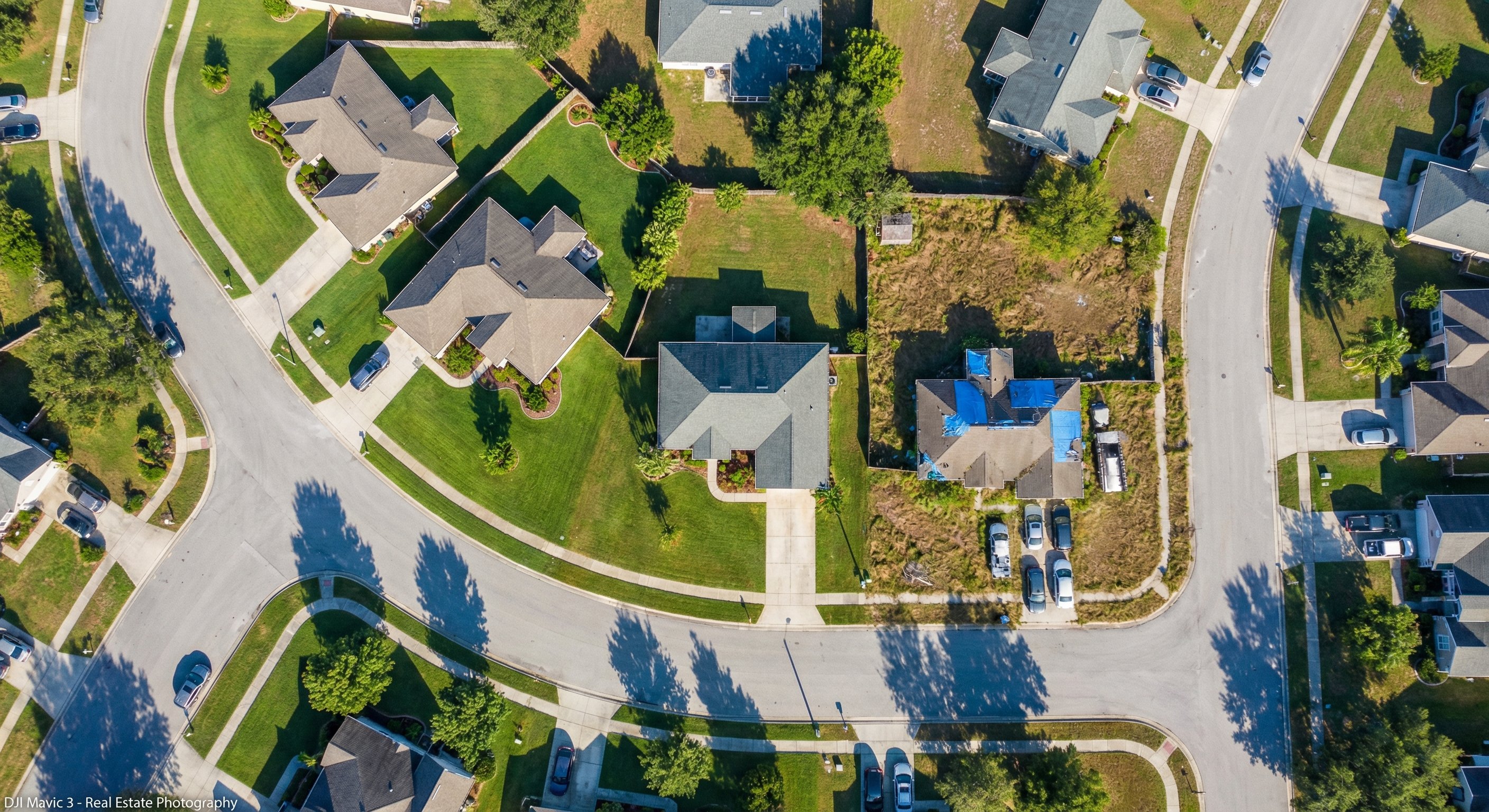
States with longer foreclosure timelines produce more REO inventory because properties that are stuck in the judicial foreclosure process for 18-24 months have more time to deteriorate, attract squatters, and accumulate deferred maintenance. Florida, New Jersey, New York, and Illinois historically generate substantial REO volume relative to their population because their judicial foreclosure processes are slow.
Markets with high judicial foreclosure rates create a consistent pipeline of REO properties because non-judicial foreclosure states like California and Texas move properties through the process faster, reducing the time for conditions to deteriorate and the opportunity for third-party purchase at auction before the bank takes ownership.
Suburban markets with newer construction tend to produce REO properties in better condition than older urban markets because the original construction quality is higher and the borrower demographic tends to have higher credit scores and more financial resources to delay the inevitable. Properties in HOA-governed communities may have been maintained by the HOA even during borrower financial distress, producing cleaner REO inventory.
Distressed markets where banks have been slow to reduce inventory create buying opportunities as lenders become more motivated. In markets with high REO saturation, banks are managing larger portfolios and may accept lower offers on individual properties to demonstrate progress on disposal metrics to their investors and regulators.
Building an REO Investment Strategy
Successful REO investors treat it as a distinct discipline, not a variation on auction investing. The skills, relationships, and timelines are different enough that investors who try to apply auction strategies to REO purchases frequently misread the opportunity.
The most effective approach starts with identifying markets where REO volume is consistent and bank disposition processes are transparent. Investors who build relationships with REO listing agents at specific banks gain insight into pricing psychology and inventory timing that is not available through public channels. An agent who regularly lists a specific bank's REO properties knows which properties the bank is highly motivated to move and which are priced to sit.
A systematic REO investing operation also requires a reliable contractor network. Properties purchased at REO sales frequently need $15,000-$75,000 in rehabilitation work to reach retail condition. Investors who can generate accurate renovation estimates and execute reliably on time and budget will build equity faster than those who underestimate renovation complexity.
The numbers that matter for REO analysis are straightforward: purchase price plus estimated renovation costs plus carrying costs must be below 70% of after-repair value (ARV) to generate adequate profit margins after accounting for selling costs and contingency reserves. In hot markets where REO discounts are smaller, the acceptable purchase-plus-rehab threshold tightens accordingly.
How DistressIQ Helps Investors Track REO Opportunities
Finding REO properties before they hit the major listing portals requires access to county-level data that most investors cannot directly navigate. DistressIQ aggregates distressed property signals across 3,200+ counties, including properties that have completed the foreclosure process and are now held by institutional lenders.
The platform's signal stack identifies properties in REO status by analyzing lender holding patterns, auction results, and county recorder data, giving investors a head start on properties that will likely appear on bank REO listing sites within the next 30-60 days. This early visibility is where experienced investors build their competitive advantage.
Explore distressed property leads at distressiq.ai to access current REO signals, pre-foreclosure inventory, and county-level distressed property data across the country.
Frequently Asked Questions
Q: What is the difference between REO and a foreclosure auction?
An REO property has already gone through the auction process and reverted to bank ownership. A foreclosure auction is the public sale event where the property is offered to the highest bidder. Auctions carry more risk (little to no inspection, no seller disclosures, often occupied) but can offer deeper discounts. REO properties offer a cleaner transaction process but typically sell at smaller discounts to market value.
Q: Can I finance an REO purchase?
Yes. Conventional financing, hard money loans, FHA 203(k) renovation loans, and portfolio loans are all viable for REO purchases. Cash offers carry the most weight with bank sellers, but financing is common and accepted. The key is having pre-approval in place before submitting offers and minimizing financing contingency timelines.
Q: Are REO properties sold as-is?
Yes. Nearly all REO purchase agreements include an as-is clause that eliminates seller disclosure obligations and makes the buyer responsible for property condition at closing. This is why a professional inspection is essential before closing on any REO property. The bank will not repair items disclosed in an inspection, and the as-is clause eliminates most legal recourse for undisclosed defects.
Q: How long does the REO purchase process take?
From accepted offer to closing, the typical REO transaction takes 30-45 days. The entire process from identifying a target property to closing can take 60-120 days depending on offer negotiation timelines and the bank's internal review process. Investors should budget for at least 90 days from initial property identification to funded closing.
Q: Do REO properties come with clear title?
Usually yes, but not always. Banks are motivated to provide clear title, and most REO transactions include a title insurance policy. However, properties with unresolved junior liens, HOA assessment arrears, or mechanics liens filed after the senior mortgage may carry title complications that require resolution before closing. A thorough title search is essential before any REO closing.
Q: How do I find REO properties before they hit the major listing sites?
County recorder data is the most effective source for early REO identification. Properties that have completed foreclosure and been transferred to institutional lenders can be tracked through public records before they appear on bank listing sites. DistressIQ aggregates this county-level data across 3,200+ counties, flagging properties that have moved into lender ownership status, giving investors a window into inventory that has not yet been exposed to broad market competition.
Q: What is a reasonable discount on an REO property?
REO properties typically sell at 10-30% below comparable retail market value, with the specific discount depending on property condition, local market competition, and the bank's motivation level in that specific region. In high-inventory markets with substantial bank REO holdings, discounts tend toward the higher end of that range. In tight markets where banks have reduced their REO exposure, discounts may be modest and competition fierce.
The data behind this article
DistressIQ Monitors These Signals in Real Time
Pre-Foreclosures
NOD + NTS filings
Tax Delinquency
County treasurer records
Code Violations
Municipal inspection filings
Probate Filings
Superior Court records
Every lead is scored 0–100 for seller motivation based on signal type, duration, severity, and stacking. Nationwide coverage — every US county, updated daily.
Ready to find deals in your market?
See Live Distress Signals in Your County
Stop calling dead leads. Every lead in DistressIQ is scored 0–100 for seller motivation, with verified contact info included. Browse the free tier to see what's active in your market right now.
Browse Free Leads — No Credit Card