How to Wholesale Houses: The Step-by-Step System That Actually Works in 2026
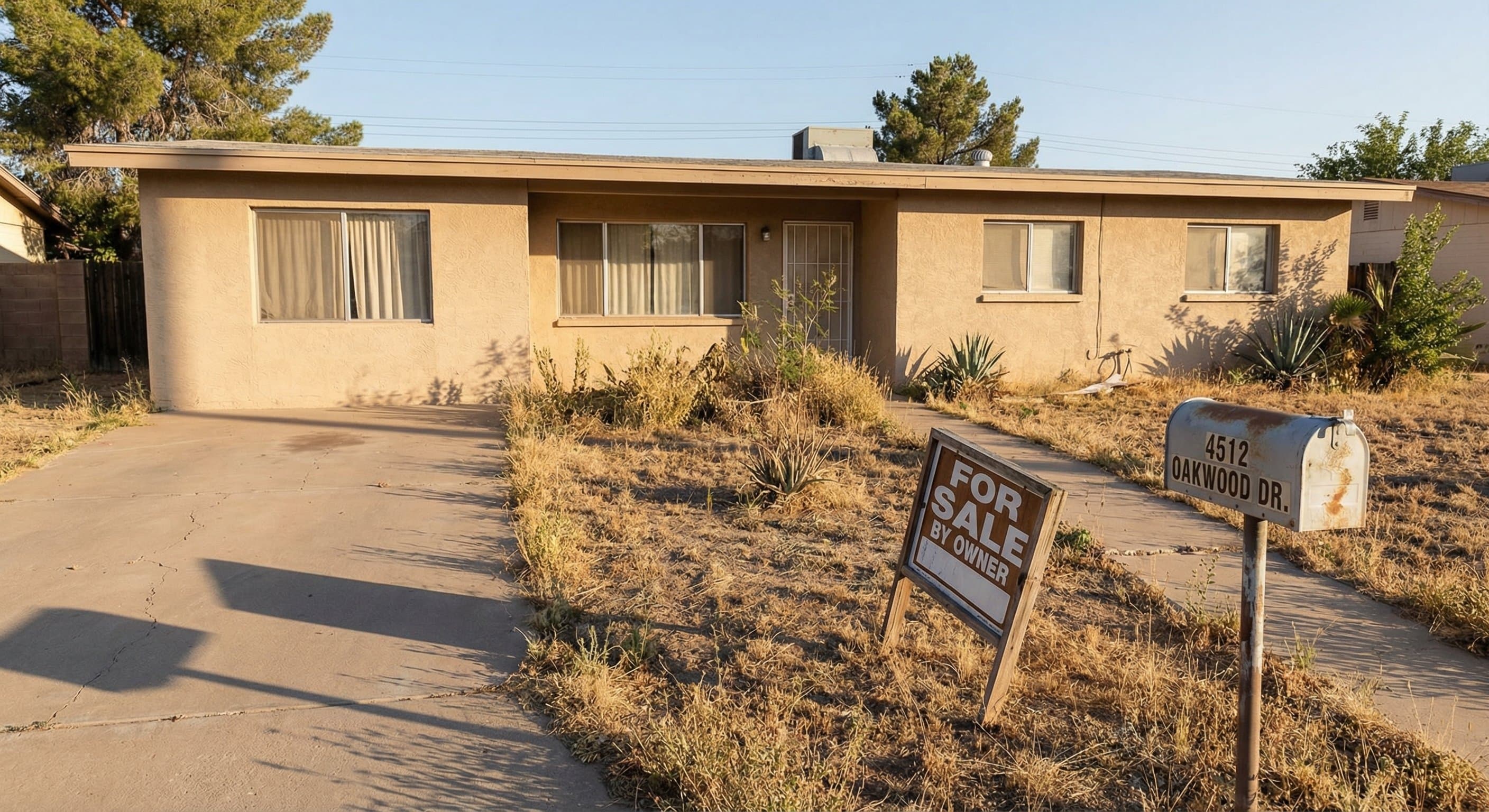
How to Wholesale Houses: The Step-by-Step System That Actually Works in 2026
TL;DR: Wholesaling houses means securing a property under contract at a discount and assigning that contract to an end buyer for an assignment fee. The entire process depends on one skill: finding motivated sellers before the market does. This guide walks through the complete wholesale process in 2026, from building a lead pipeline to closing the assignment and getting paid.

Most people who want to learn how to wholesale houses spend their time reading about assignment contracts and exit strategies. They skip the part that actually determines whether the business works: finding sellers who need to sell faster than the market can move. Without motivated sellers, there is no wholesale deal. With them, everything else is mechanics.
What Wholesaling Actually Is
Wholesaling is a specific transaction structure where a wholesaler secures a property under purchase contract and then assigns that contract to an end buyer, typically another investor or a fix-and-flip operator. The wholesaler collects an assignment fee for coordinating the deal. No money changes hands for the property itself at the wholesale stage.
The critical distinction: the wholesaler never takes title to the property. They take control of the purchase contract and transfer it to someone else. This keeps capital requirements low. The investors who confuse the mechanics with the business tend to overthink contracts and underthink lead generation. The contract is important. Deal flow is everything.
Step 1: Build a Lead Generation Machine
The first question aspiring wholesalers ask is where to find deals. The better question is how to build a system that consistently produces them. No single lead source is enough. Successful wholesalers run multiple channels simultaneously.
Direct mail remains the most reliable outbound channel for finding motivated sellers. Tax delinquent owners, pre-foreclosure filers, code violation holders, and probate representatives are populations that statistically contain higher concentrations of motivated sellers than the general market. The key is pairing volume with targeting: sending mail to homeowners with verified distress indicators rather than a random list of addresses.
Driving neighborhoods and identifying distressed properties works but scales poorly. The most efficient approach is supplementing physical driving with satellite data: cross-referencing county assessor records against visible property conditions to identify targets before knocking on doors.
Networking with other investors is underrated. Wholesalers who treat other investors as competitors miss efficient deal flow. Buy-and-hold investors, fix-and-flip operators, and land developers all need a steady supply of deals. According to the National Association of Realtors, investors made up a significant share of all residential purchases in recent years, representing one of the most active buyer segments in the market (NAR Investment and Vacation Home Buyers Report). Building relationships with end buyers before you have deals to offer them is one of the highest-return activities in wholesaling.

Step 2: Analyze the Deal Before You Make an Offer
Most new wholesalers make offers based on gut feel. Professionals run a consistent analysis every time, regardless of how promising a lead looks.
After repair value (ARV) is the foundation. ARV is the expected value of the property after all repairs are completed. In 2026, ARV calculation requires pulling comparable sales from the subject property's immediate market and adjusting for square footage, lot size, bedroom and bathroom count, and condition.
The standard calculation: ARV minus repairs minus your assignment fee target minus the end buyer's profit requirement equals your maximum offer price. End buyers acquiring from wholesalers are typically fix-and-flip investors who need a minimum margin of 25 to 35 percent between total investment and ARV. For a property with an ARV of $300,000 and estimated repairs of $40,000, the end buyer's maximum purchase price sits around $195,000. That is your ceiling.
Repair estimates are where wholesale analysis lives or dies. Underestimating by $20,000 kills a deal at the closing table. The standard rule is adding a 15 to 20 percent contingency to any contractor estimate. Key categories to inspect personally include roof condition, HVAC age, foundation evidence of cracking, plumbing supply lines, electrical panel capacity, and kitchen and bathroom finish level.
Free Weekly Alerts
See What's Distressed in Your Market
Get free weekly alerts — new distressed properties, motivation scores, and hot neighborhoods in your area. Addresses and contact info available inside DistressIQ.
Free forever · No credit card · Unsubscribe anytime
Step 3: Negotiate and Get Under Contract
Once the analysis confirms the numbers work, the next step is securing a purchase agreement. The contract is the asset. Everything before it is lead generation. Everything after is deal execution.
Understanding what sellers actually need shapes how you negotiate. Tax delinquent sellers typically need a fast close to stop penalty accumulation. Pre-foreclosure sellers often need cash or a close date before a court auction. Probate sellers may need flexibility on move-out timing. Code violation holders may need a clean exit to avoid city-mandated repairs.
The purchase agreement must contain an assignment clause permitting the wholesaler to assign their interest to a third party. Without this clause, the wholesaler is personally obligated to close or in breach. Every standard purchase agreement used for investment transactions should be reviewed by a real estate attorney to confirm the assignment language is clear. Under contract law, an assignment transfers the rights and obligations of one party to another, relieving the original buyer of performance once the assignment is completed and accepted by the end buyer (Cornell Law School Legal Information Institute - Assignment of Contract).
Standard earnest money deposits in wholesale transactions range from $1 to $10,000 depending on deal size and market. The goal is enough skin in the game to demonstrate commitment to the seller without tying up capital unnecessarily.

Step 4: Find Your End Buyer Before You Go Under Contract
This is the step most beginners get wrong. They secure a deal and then scramble to find an end buyer. Professional wholesalers know their buyers before making any offer.
Not every investor qualifies as an end buyer for every deal. A fix-and-flip investor targeting properties in the $100,000 to $200,000 range is not the end buyer for a commercial multifamily deal. Build a buyer list with investment strategy, geographic focus, price range minimum and maximum, repair tolerance, estimated closing timeline, and preferred transaction structure for each contact.
Presenting deals effectively matters as much as finding them. A complete deal package includes the property address with current photos, the seller's motivation summary, the ARV analysis with comparables, the repair estimate, the assignment fee being requested, and the proposed closing timeline. Investors who send complete packages to their buyer lists get responses. Those who send addresses with no analysis get ignored.
Step 5: Close the Assignment
Once an end buyer agrees to purchase under the terms of your purchase agreement, the assignment is documented and the transaction proceeds to closing.
In an assignment, the end buyer closes directly with the seller using the original purchase agreement. The wholesaler receives the assignment fee at or before closing. In a double-close, the wholesaler takes title briefly and immediately conveys to the end buyer. This approach is used when the end buyer needs title insurance naming their company specifically or when lender requirements make an assignment impractical. Most wholesale transactions in 2026 close via assignment.
Assignment fees typically range from $5,000 to $30,000 or more depending on deal size and market. Top wholesalers track cost per deal by dividing total marketing and overhead spend by closed assignments in a given period. This reveals what each deal actually costs to produce and whether assignment fees are sufficient to sustain the business long-term.

Common Wholesale Mistakes to Avoid
Making offers based on hope. Every wholesaler receives warm leads that feel special. The ones who survive long enough to build a business run the numbers on every deal and walk away if the seller will not meet the price the market supports.
Skipping due diligence. Time pressure is real in wholesaling. Sellers often have urgent timelines. But skipping property inspections or failing to verify distress signal accuracy leads to deals that collapse during due diligence. One failed deal wastes more time than three deals' worth of assignment fees.
Building a business on one buyer. A buyer list with one or two names is not a list, it is a dependency. Maintain at least 20 qualified, active investors across multiple strategies and price ranges.
The Role of Distress Signal Data in Modern Wholesaling
The investors who consistently find the best wholesale deals in 2026 are not working harder than their competition. They are working with better data. They use distress signal data to identify motivated sellers before those sellers list their properties on the open market.
Properties with tax delinquencies, pre-foreclosure filings, code violations, or probate filings are public record. Accessing and cross-referencing these records across multiple counties separates a wholesale operation that chases rumors from one that chases verified opportunities.
DistressIQ aggregates distress signals across every US county and scores properties by distress intensity. The platform covers 3,200+ counties, with signals including pre-foreclosure filings, tax delinquency, code violations, lis pendens, and probate filings. Wholesalers use the platform to identify, verify, and prioritize leads before competitors find the same properties through traditional marketing channels.

Key Takeaways
Wholesaling is a volume business built on lead quality, deal analysis, and end buyer relationships. The mechanics of assigning a contract are straightforward. The sustained work of building a business around those mechanics is not.
The investors who succeed long-term treat wholesaling as a marketing and analysis operation. They build buyer lists before they need them. They run consistent ARV and repair estimates on every deal. They know the distress signals in their target markets better than anyone else and use every available tool to surface those signals faster.
The process is simple in theory: find sellers who need to sell, analyze the deal, secure the property under contract, assign to an end buyer. The execution that creates consistent income over years requires building systems that produce leads without the wholesaler being personally involved in every step.
Frequently Asked Questions
How much money do I need to start wholesaling houses?
Capital requirements for wholesaling are lower than any other real estate investment strategy. You do not purchase properties. You need enough earnest money to secure contracts, typically $1,000 to $10,000 per deal, and enough operating capital to run marketing campaigns. Most experienced wholesalers suggest having $10,000 to $25,000 in available capital before taking on your first assignment. This covers marketing, earnest money deposits, and personal expenses while building your buyer list.
Is a real estate license required to wholesale houses?
No. A real estate license is not required to wholesale houses in any US state. Wholesaling operates through assignment clauses in purchase agreements, which any adult can execute. Some states have introduced legislation targeting wholesale transactions in recent years, and regulations vary by jurisdiction. Verify current rules in your specific state and county before structuring your first deal.
How do I find end buyers for wholesale deals?
Build a buyer list before you need one. Attend local real estate investment association meetings, network at fix-and-flip meetups, and connect with buy-and-hold investors actively acquiring in your market. The best end buyers are investors whose strategy, price range, and geographic focus you have researched in advance. Maintain a database of 20 or more qualified buyers and update their profiles with each interaction.
What is an assignment fee and how is it structured?
An assignment fee is the payment a wholesaler receives for transferring purchase contract rights to an end buyer. It is typically a flat fee or a percentage of the gross profit in the deal. In 2026, assignment fees in most residential markets range from $5,000 to $30,000 depending on deal size and margin. The fee is disclosed in the assignment agreement and paid at closing from the end buyer's funds.
How long does a typical wholesale transaction take?
From first contact with a seller to assignment closing, a straightforward wholesale transaction typically takes 30 to 60 days. The longest phase is end buyer negotiation and due diligence, usually 14 to 30 days. The closing process itself, once an end buyer is confirmed, takes 14 to 21 days with a title company coordinating the transaction.
What happens if an end buyer backs out after I am under contract?
This is the primary risk in wholesaling. If you cannot find another end buyer before your contract expiration date, you either extend the contract with the seller's agreement or forfeit your earnest money deposit and walk away. Mitigation strategies include pre-screening buyers before going under contract, maintaining a large buyer list, and using contract timelines that give adequate time to find replacement buyers.
See verified distress signals across every US county at DistressIQ and begin identifying motivated sellers before your competition does.
The data behind this article
DistressIQ Monitors These Signals in Real Time
Pre-Foreclosures
NOD + NTS filings
Tax Delinquency
County treasurer records
Code Violations
Municipal inspection filings
Probate Filings
Superior Court records
Every lead is scored 0–100 for seller motivation based on signal type, duration, severity, and stacking. Nationwide coverage — every US county, updated daily.
Ready to find deals in your market?
See Live Distress Signals in Your County
Stop calling dead leads. Every lead in DistressIQ is scored 0–100 for seller motivation, with verified contact info included. Browse the free tier to see what's active in your market right now.
Browse Free Leads — No Credit Card