How to Find Probate Leads in Texas (2026 Investor Guide)
How to Find Probate Leads in Texas (2026 Investor Guide)
TL;DR: Texas probate leads are some of the most motivated sellers in real estate — heirs inheriting a property they didn't ask for, often out-of-state, often facing carrying costs. The leads are filed publicly in county probate courts, but finding them manually means working across 254 county systems, tracking filing dates, and identifying which estates actually include real property. DistressIQ pulls probate filings directly from county records across 3,200+ counties, cross-references them with other distress signals, and scores each lead so you know exactly who to contact first.

Probate is one of the most underworked lead sources in Texas real estate. Not because investors don't know it exists — they do. It's underworked because the data is genuinely painful to get.
Most investors know the theory: when someone dies owning a property, the estate goes through probate court before heirs can sell. Heirs who inherit a house they don't want — especially out-of-state heirs facing property taxes, utilities, and maintenance on a place they've never lived — are often highly motivated to sell. Fast, at a discount, to someone who can take it off their hands.
The practice is messier. Texas has 254 counties. Each one has its own probate court. Each files differently, indexes differently, and publishes records differently. By the time most investors piece together a probate list manually, it's three months old and every wholesaler in town has already called.
This guide covers what actually works in 2026.
Why Probate Leads Are Different From Other Distress Signals
Tax delinquent leads signal financial stress. Pre-foreclosure signals an owner who couldn't keep up with the mortgage. Both are strong — but the owner chose to be in that situation, in some sense. They took on the debt. They didn't pay the taxes.
Probate is different. Nobody chooses to inherit a property. It lands in their lap — along with the taxes, the maintenance, the insurance, the utility bills — and they have to figure out what to do with it, often from hundreds of miles away.
The motivation profile is distinct:
- No emotional attachment to current market value. Heirs didn't buy it at a price they're anchored to. They got it for free.
- Carrying cost creates urgency. Every month they hold the property, they're paying taxes and insurance on something generating zero income.
- Decision-making complexity. Multiple heirs, split priorities, estate attorneys billing hourly — everyone wants resolution.
- Geographic distance. Texas is a huge state. Heirs in Dallas inheriting property in San Antonio, or out-of-state heirs inheriting anything, are motivated to close quickly rather than manage a remote asset.
None of that means every probate lead is a motivated seller. Estate timelines vary. Some heirs have attorneys fighting the distribution. Some properties are encumbered with liens that need resolution before a sale is possible. But as a category, probate leads convert at a rate that justifies working them hard — when you have good data and you move fast.
How Texas Probate Works (and What Creates Investor Opportunity)
Texas has an expedited probate process called muniment of title — one of the few states that allows this shortcut when there's no debt and no complicated distribution. But most estates don't qualify. Standard probate in Texas moves through county probate courts and takes anywhere from 4 to 24 months depending on complexity.
The window for investors is roughly 30 to 90 days after filing — before the estate has legal authority to sell, but while heirs are still figuring out their options. If you contact them during this window, you're often the first person to call with a real offer. If you wait until after probate closes, you're competing with agents and a formal listing.
Texas Independent Administration is the norm — the estate executor has broad powers to sell property without court approval in most cases. This makes Texas one of the more investor-friendly probate states: once probate opens, an executor can accept and close on an offer relatively quickly.
The signal is: newly filed probate case + property with assessed value. Not all probate cases involve real estate. Many are filed for financial accounts, vehicles, or personal property. The ones that matter are cases where public records show real property tied to the deceased.
Where Probate Cases Are Filed in Texas
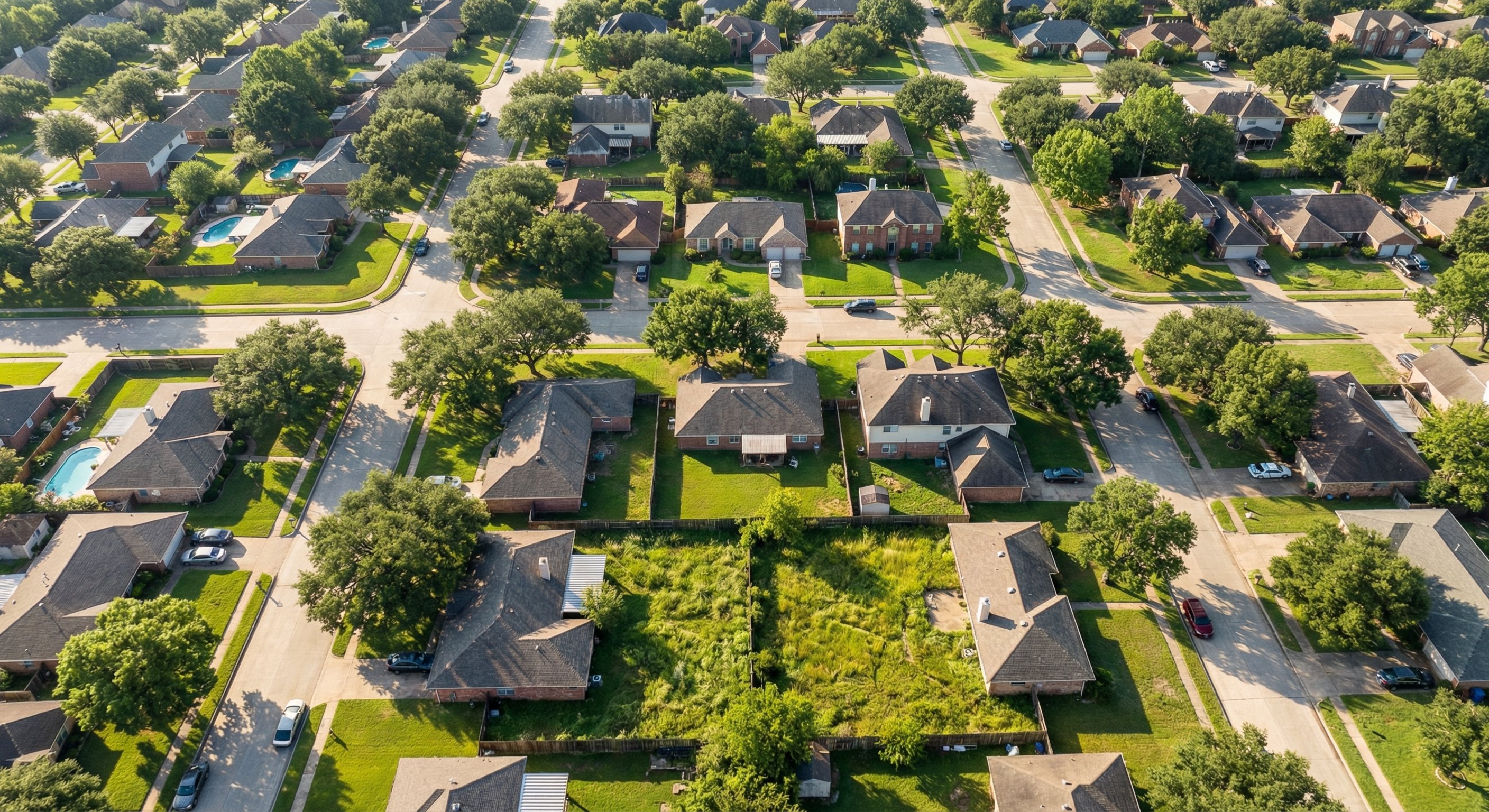
Texas has 254 counties, each with its own probate court system. Depending on county size, probate cases are handled by:
- Constitutional County Courts — handle probate in smaller counties
- Statutory Probate Courts — dedicated probate courts in 10 larger counties including Harris, Dallas, Tarrant, Bexar, Travis, and El Paso
- District Courts — used in counties without specific probate jurisdiction
The distinction matters because where the case is filed affects how it's indexed and how quickly records become public.
The highest-volume counties for probate filings track with population and home ownership:
| County | Metro | Avg. Annual Probate Filings (Est.) |
|---|---|---|
| Harris | Houston | 8,000–12,000+ |
| Dallas | Dallas | 6,000–9,000+ |
| Tarrant | Fort Worth | 4,000–6,000+ |
| Bexar | San Antonio | 3,500–5,000+ |
| Travis | Austin | 2,500–4,000+ |
| Collin | Plano/Allen | 1,500–2,500+ |
| Denton | Denton/Frisco | 1,500–2,500+ |
| El Paso | El Paso | 1,500–2,500+ |
Not all of these involve real property, and not all real property leads are motivated sellers. But the volume is there, and most investors are only working a fraction of it.
Free Weekly Alerts
See What's Distressed in Your Market
Get free weekly alerts — new distressed properties, motivation scores, and hot neighborhoods in your area. Addresses and contact info available inside DistressIQ.
Free forever · No credit card · Unsubscribe anytime
The Manual Research Problem
Here's what it looks like if you try to build a Texas probate lead list from scratch:
You open the Harris County probate court portal. Cases are listed by case number. You search by name or filing date — but you can't filter for "real property involved." You click through individual cases looking for inventory filings that list real estate. Each case takes 5 to 15 minutes to review. Harris County files 20 to 30 new probate cases on a busy day.
Then you switch tabs to Dallas County. Different system, different search interface, different indexing. Then Tarrant. Bexar. Travis. Each county system is its own learning curve.
You find 40 cases in a week. You cross-reference against property records to confirm real estate is involved. You find 12 that include residential property. You spend another day tracking down heir contact information — which is sometimes in the case filing, sometimes not. You send your first letter three weeks after the case was filed.
Meanwhile, two other wholesalers who built systems for this three years ago already called.
This is the core problem with probate lead generation in Texas: the data is public, but it's scattered across 254 different systems, and by the time you aggregate it manually, the window has often narrowed.

What Makes Probate Leads Convert Better When Stacked
A standalone probate filing is a lead. A probate filing on a property that's also showing tax delinquency is a much hotter lead.
When an estate goes into probate AND the property taxes are delinquent — meaning the deceased owner wasn't paying taxes before they died, and the estate hasn't caught them up — you have compounding pressure on heirs. They're navigating estate administration AND they have a growing tax liability that will come off the proceeds at sale. Urgency is high. Hesitation is lower.
The same applies when a probate property is also showing code violations (yard overgrowth, deferred maintenance) or has been flagged as vacant by the county. These aren't coincidences — they're patterns. A property that was neglected before the owner died is more likely to sit in estate limbo, accumulate carrying costs, and produce a motivated heir.
Investors who work probate leads as a standalone category are leaving conversion on the table. The investors who consistently close probate deals are the ones who identify which probate leads also carry secondary signals — then call those first.
How to Prioritize Which Texas Probate Leads to Contact
If you're working Texas probate leads, here's a practical prioritization framework:
Tier 1 — Call immediately:
- Filed within the last 60 days
- Property with delinquent taxes
- Owner of record was sole owner (not joint tenancy — which bypasses probate)
- Out-of-state or unknown heir addresses in the filing
- Property assessed value under $300K (more likely heirs want quick liquidation vs. formal listing)
Tier 2 — Work within 2 weeks:
- Filed 61–120 days ago
- Single heir or two heirs with same address
- No additional distress signals, but no liens either (clean title, easy close)
Tier 3 — Monitor but don't prioritize:
- Older filings (120+ days) — attorneys are likely involved, timeline is long
- Multiple heirs at different addresses (complex distribution, slower decision-making)
- High assessed value ($500K+) — heirs more likely to list with agent
The key variable most investors skip: how long ago was the case filed? A probate case filed 14 days ago is a completely different opportunity than one filed 8 months ago. Time-to-contact matters.
Getting Ahead on Probate Leads in Texas
The investors doing well on Texas probate leads right now are not better than you at real estate. They're better at data.
They know which counties are filing today, not three months ago. They know which filings involve real property. They know which of those properties carry secondary distress signals. And they know who to call first — not because they're smarter, but because they've structured their workflow around motivation scoring rather than raw list size.
DistressIQ pulls probate data directly from county records across Texas and cross-references it with property tax records, lis pendens filings, and other distress signals. Each lead gets a motivation score so you're not staring at 500 probate cases trying to guess which 20 to call. Browse the map or list view free — then unlock contact details only for the leads worth pursuing.
See probate leads in your Texas counties — browse free on DistressIQ

The Probate + Tax Delinquent Stack: Highest Conversion Combination
Across the investors using DistressIQ data, the single highest-converting lead type we see is the probate + tax delinquent stack. Here's why:
The deceased owner was already struggling financially before they died. The estate enters probate with a delinquent tax account. Heirs are now responsible for:
- Estate administration fees
- Ongoing property taxes
- Maintenance and utilities on a vacant property
- Attorney fees (often paid from estate proceeds)
The math doesn't work for most heirs. They need to sell, and they need to sell at a price that covers the debt — not necessarily at market value. If they can break even and move on, they often will.
This lead type exists in meaningful numbers in every large Texas metro. In Harris County alone, there are hundreds of probate filings each year on properties with active tax delinquency. Most wholesalers aren't finding them because they're working either probate lists OR tax delinquent lists — not both at the same time.
The investors getting consistent deals from probate are the ones who stopped treating signal types as separate lists.
Working the Seller: Probate-Specific Outreach
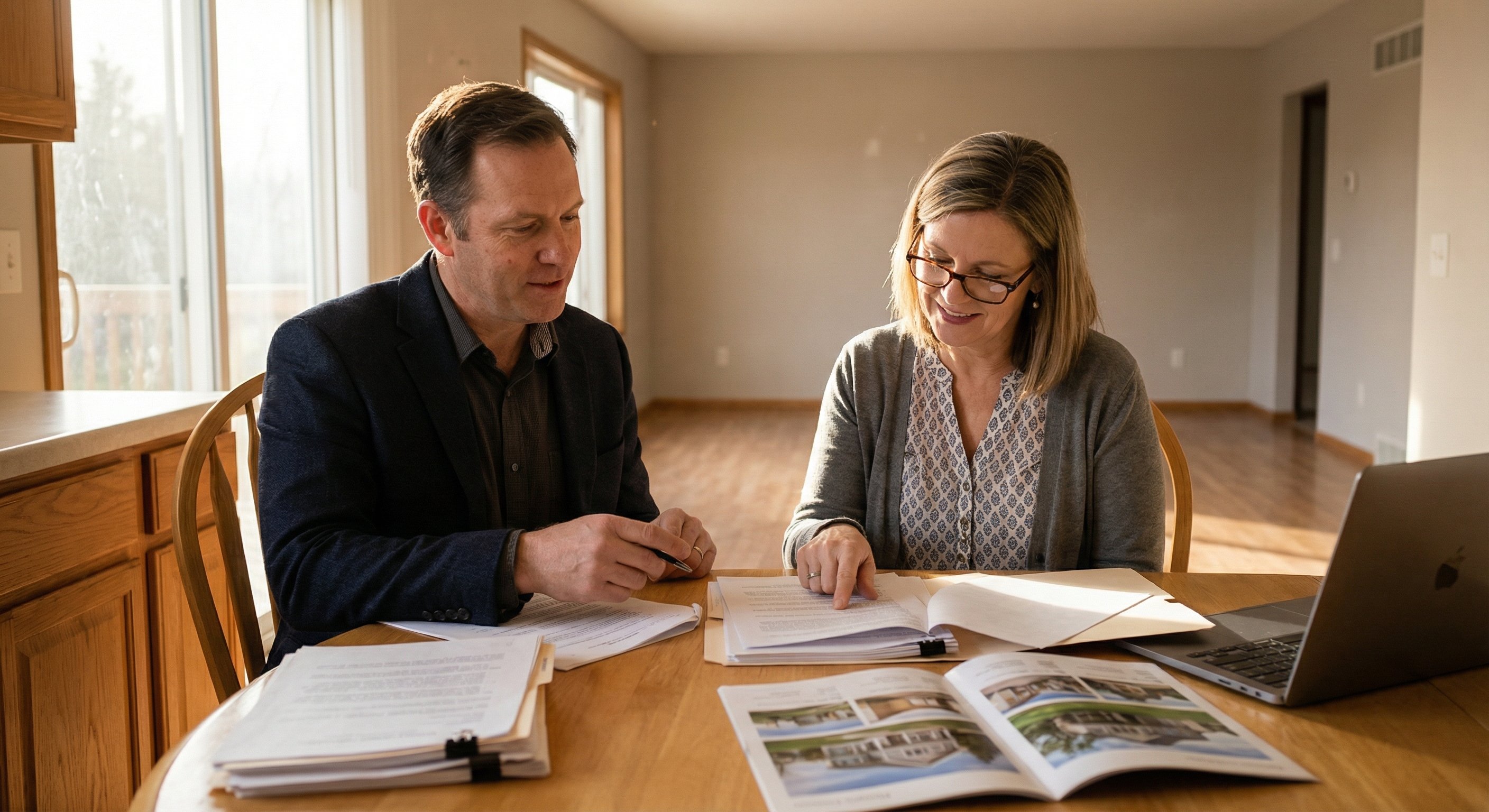
Probate sellers require a different script than typical distressed property outreach. A few rules that matter:
Lead with empathy, not urgency. This person just lost a family member. Leading with "I can give you cash fast" is the fastest way to get hung up on. "I help families in estate situations sell property without the hassle of listing" lands differently.
Talk to the right person first. The executor has the authority to act. Other heirs may want to sell but can't sign anything. Find out who the independent administrator is before you pitch.
Educate on the timeline. Most heirs don't know they can sell during probate in Texas. Explaining that Texas independent administration allows a sale without court approval — and that you can close on a cash offer faster than a traditional listing — is genuinely useful information that builds trust.
Address the property-condition elephant in the room. Probate properties often haven't been maintained. Don't ignore it. Walk through your process for buying as-is, so heirs know they don't have to fix anything before closing.
Probate sellers aren't desperate in the same way a pre-foreclosure homeowner is. They're often just overwhelmed. If you come across as the person who makes the complicated thing simple, you'll close more of them.
Frequently Asked Questions
Q: How do I find probate leads in Texas for free?
You can search county probate court records directly — most are public, many counties have online portals. Harris County has a public probate search through the county clerk's site. The challenge is scale: building a comprehensive list across all Texas counties requires manually checking 254 different systems. Free data exists; the cost is time.
Q: Are probate leads worth it for real estate investors in Texas?
Yes — probate is consistently one of the higher-converting distress signal types, particularly when stacked with tax delinquency or vacancy indicators. The average timeline from filing to close is longer than pre-foreclosure, but the conversion rate on well-prioritized probate leads is strong, especially in the first 60 days after filing.
Q: How long does Texas probate take?
Texas probate timelines range from 4 months to 2+ years depending on complexity. Simple independent administrations with a cooperative executor can resolve in 4–6 months. Cases with multiple heirs, contested distributions, or significant debt often run 12–24 months. The investor window is typically 30–90 days post-filing, before the estate has legal authority to list but while heirs are actively exploring options.
Q: What counties have the most probate filings in Texas?
Harris (Houston), Dallas, Tarrant (Fort Worth), Bexar (San Antonio), and Travis (Austin) account for the majority of Texas probate filings, proportional to population. For smaller metro investors, Collin, Denton, El Paso, and Williamson counties are also active markets.
Q: What's the best way to contact probate leads in Texas?
Direct mail to the estate address remains effective for first contact. Many investors follow with a phone call once they've identified the executor or administrator of record — name and contact info are often included in the probate filing. Probate-specific letters that lead with empathy and offer a clear value proposition (as-is purchase, fast close, minimal hassle) consistently outperform generic "we buy houses" mailers.
The data behind this article
DistressIQ Monitors These Signals in Real Time
Pre-Foreclosures
NOD + NTS filings
Tax Delinquency
County treasurer records
Code Violations
Municipal inspection filings
Probate Filings
Superior Court records
Every lead is scored 0–100 for seller motivation based on signal type, duration, severity, and stacking. Nationwide coverage — every US county, updated daily.
Ready to find deals in your market?
See Live Distress Signals in Texas
Stop calling dead leads. Every lead in DistressIQ is scored 0–100 for seller motivation, with verified contact info included. Browse the free tier to see what's active in your market right now.
Browse Free Leads — No Credit Card