How to Find Probate Leads in Ohio (2026 Investor Guide)
How to Find Probate Leads in Ohio (2026 Investor Guide)
TL;DR: Ohio probate leads are accessible through the state's 88 county Probate Courts, which are separate from the Common Pleas courts and maintain searchable public dockets. Most Ohio estates take 6–12 months to close, giving investors a clear window to connect with heirs before properties list. The best markets for probate investing are Cuyahoga (Cleveland), Franklin (Columbus), Hamilton (Cincinnati), and Summit (Akron) — all with dense older housing stock and active investor communities. DistressIQ tracks probate filings across every Ohio county, scored and ranked by motivation signals, so you're not manually searching 88 different dockets.
Ohio's probate market doesn't get the attention it deserves. Investors in the Buckeye State are focused on pre-foreclosures in Columbus or tax liens in Cuyahoga County — and the probate channel sits comparatively quiet. That's the opportunity.
Probate in Ohio generates a steady stream of inherited properties where heirs need to make a decision: manage a house from out of state, go through the hassle of a traditional sale, or take a fast cash offer and close the estate. Investors who understand how Ohio's probate system actually works — not just "it's county court records" — are the ones making deals when competing investors are still figuring out where to look.
Here's how it works.
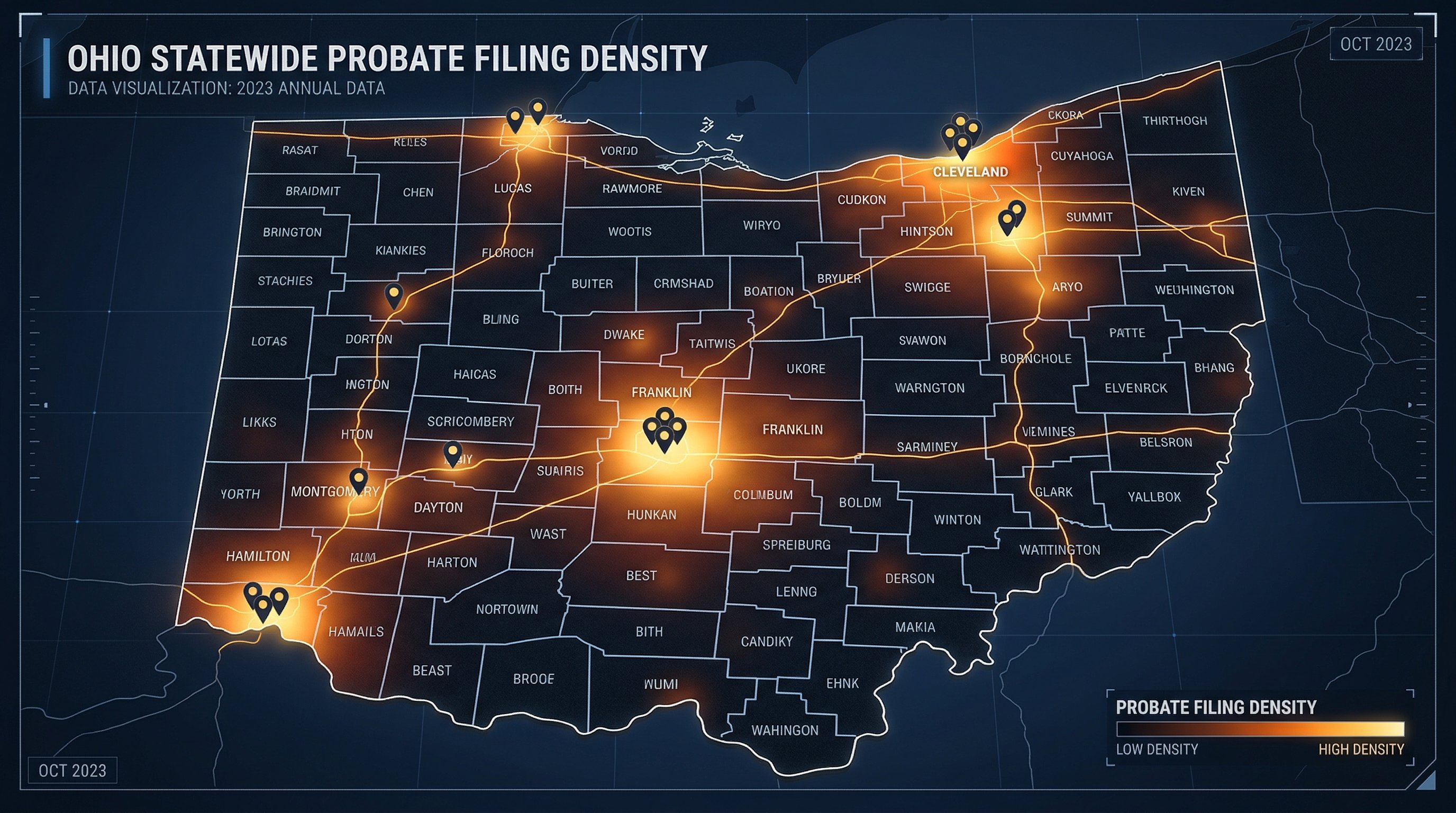
How Ohio's Probate System Works (What Investors Need to Know)
Ohio has 88 counties, and each one has its own Probate Court — entirely separate from the Common Pleas Court. This matters because it means probate filings in Ohio are centralized and searchable by county. Unlike states where probate cases are buried inside general civil courts, Ohio's dedicated Probate Courts keep clean, accessible dockets.
When an Ohio resident dies and leaves a will, the named executor files the will with the Probate Court in the county where the deceased lived. The court opens an estate case, assigns a case number, and the process begins. All filings — including property inventories — become public record.
Ohio probate timeline:
- Filing: Will submitted within 30 days of death (legally required)
- Appointment: Executor appointed and Letters Testamentary issued (30–90 days)
- Inventory: Estate inventory filed within 3 months of appointment
- Creditor period: 6 months for creditors to file claims
- Final settlement: Most estates settle in 6–12 months; contested estates can run 18–24 months
Ohio's Summary Release (small estates): Ohio offers a simplified probate process for estates with assets under $35,000 (or under $100,000 if the sole beneficiary is a surviving spouse). These "Release from Administration" cases move faster — sometimes in 30–60 days — but involve less equity. They're worth monitoring but shouldn't be your primary focus.
Ohio's Release Without Administration: For estates where the total value doesn't exceed $5,000, Ohio allows an even simpler process. These are almost never real estate plays.
The estates worth investor attention are standard probate cases with real property included in the inventory — typically houses that were the primary residence of the deceased.
Where to Find Ohio Probate Records
Ohio probate records are public. The challenge is that each of Ohio's 88 counties has its own system, and they range from modern searchable online portals to offices where you fax in a request.
The major county portals:
Cuyahoga County (Cleveland): The Cuyahoga County Probate Court has a searchable online docket at probate.cuyahogacounty.us. You can search by name, case number, or filing date. Case files include estate inventories, which list specific real property.
Franklin County (Columbus): Franklin County Probate Court (probatecourtfranklinco.us) allows online case searches. Columbus has a large volume of cases given the population density and the number of older homes in neighborhoods like Franklinton, Weinland Park, and Near East Side.
Hamilton County (Cincinnati): Hamilton County's probate records are accessible through the court's online portal. Hamilton County consistently has a high concentration of probate cases given Cincinnati's older residential neighborhoods on the west side.
Summit County (Akron): The Summit County Probate Court maintains a searchable docket with real property inventory details available.
Smaller counties: Montgomery (Dayton), Lucas (Toledo), Stark (Canton), and Lorain counties all have varying levels of online access. Many smaller counties still require in-person or written requests for full case files, though basic docket information is often online.
The manual reality: Even when a county has an online portal, extracting the actual property addresses requires clicking into individual cases, reading through inventory filings, and cross-referencing with parcel data. Across 88 counties, manually monitoring Ohio probate is a multi-day job every month.
DistressIQ handles this automatically — probate filings across Ohio's counties are sourced directly from public records, updated daily, and cross-referenced with property data and additional distress signals. You get a filtered list of motivated sellers, not a research project.
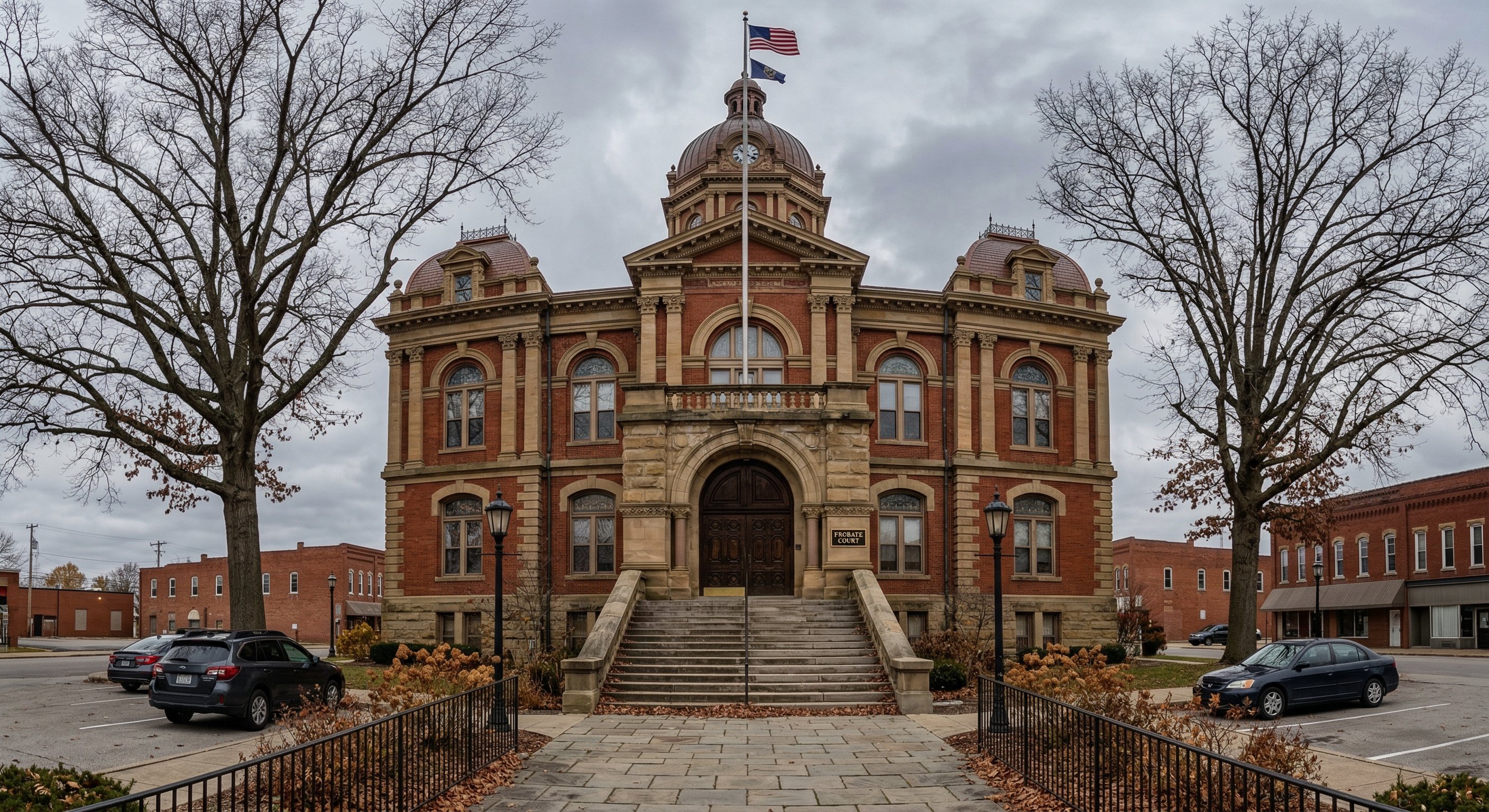
Ohio Probate Investing: Market-by-Market Breakdown
Not all Ohio markets are equal for probate. Here's what actually matters by market:
Cuyahoga County (Cleveland Metro)
Cuyahoga is one of the highest-volume probate markets in the Midwest. Cleveland's older housing stock (median age: 58 years) means the population of homeowners is weighted older, and estates open regularly. The flip opportunity is real: East Cleveland, Collinwood, Slavic Village, and Glenville all have houses that appraise at $60,000–$120,000 but need $30,000–$60,000 in work — manageable spreads for experienced flippers.
Key dynamics: heir saturation is lower here than in Columbus because fewer investors are focused on probate specifically. Most competition comes from direct mail wholesalers targeting tax delinquent lists, not probate court monitoring.
Franklin County (Columbus Metro)
Columbus is Ohio's fastest-growing city and has a strong buy-and-hold case. Probate properties in the inner-ring suburbs — Whitehall, Bexley, Reynoldsburg — are attracting both investors and end buyers. The market is more competitive than Cleveland, but motivated sellers are more likely to accept a cash offer quickly given the active buyer pool (they know offers will come).
Watch for multi-heir situations: Columbus estates frequently involve heirs who've relocated to other states. Out-of-state heirs have lower emotional attachment to the property and higher urgency to close.
Hamilton County (Cincinnati Metro)
Cincinnati has one of the most interesting probate markets in Ohio because the west side neighborhoods — Price Hill, Westwood, Cheviot — have large housing stock in the $80,000–$150,000 range with minimal rehab requirement on many properties. Probate investors here are often cash buyers who sell to first-time homebuyers rather than flippers.
Hamilton County's probate court is also one of the more efficiently run in the state, which means shorter processing windows and faster estate settlements.
Summit County (Akron)
Akron has strong fundamentals for probate investing: lower price points ($50,000–$100,000 acquisition range), a rental market that supports buy-and-hold strategy, and an older population base that generates consistent probate volume. Competition is lower than Cleveland or Columbus. The challenge: rehab costs can be significant on older Akron housing stock, so ARV analysis needs to be tight.
Free Weekly Alerts
See What's Distressed in Your Market
Get free weekly alerts — new distressed properties, motivation scores, and hot neighborhoods in your area. Addresses and contact info available inside DistressIQ.
Free forever · No credit card · Unsubscribe anytime
Signal Stacking: Why Probate-Only Lists Leave Money on the Table
Single-signal probate lists — just names from court filings — are a starting point, not a targeting strategy.
The heirs who need to act fastest aren't just in probate. They're in probate AND dealing with property tax delinquency. Or probate AND code violations (the deceased stopped maintaining the property before they passed). Or probate AND the estate has been open for 9+ months (time pressure is compounding). These situations don't show up in a basic probate list — they show up when you're looking at multiple signals simultaneously.
Here's what signal stacking looks like in practice:
A property opens as a probate case in Franklin County. Normal probate lead, not urgent. Six months later, the county tax records show the estate hasn't paid property taxes for two years. Three months after that, the city of Columbus opens a code violation for exterior disrepair. That property now has three signals, and the heirs are clearly not managing the asset. That's the call to make.
DistressIQ stacks 20+ distress signal types per property and surfaces the highest-concentration leads at the top of your list. Instead of 200 probate properties with no way to know which ones to call, you get a ranked list by motivation score — with the multi-signal situations at the top where they belong.
Connecting with Ohio Probate Leads
Once you've identified properties, the approach matters. In Ohio, the executor of the estate has legal authority to enter into contracts for property sale — but they need Probate Court approval for the final transaction. This is standard in most states, but Ohio investors occasionally get tripped up by the timeline:
- Contact the executor directly — not the heirs. The executor is listed on the Letters Testamentary and has the legal standing to negotiate.
- Make your offer knowing approval is required — present it clearly: "Subject to Probate Court approval." Most Ohio executors know this is standard.
- Build time into your contract — probate court approval for a sale typically takes 3–6 weeks in Ohio. A 45-day closing window is realistic; 30 days is tight.
- Watch for required notice periods — for standard probate sales, Ohio law requires notice to heirs before court approval. This adds time but rarely derails a deal.
Outreach timing: The optimal window is 3–6 months after the estate opens. Too early (0–60 days) and the family is still processing the loss. Too late (after the creditor period closes) and the estate may already be in the final settlement phase with the property going to traditional listing.
Tone is everything. Families managing estates are not "motivated sellers" in the traditional sense — they're people navigating grief and paperwork simultaneously. Every contact should acknowledge the situation and emphasize that you're there to make this easier for them, not to extract a deal. Investors who lead with empathy — genuinely, not performatively — close more Ohio probate deals because heirs remember how they were treated.
See probate leads scored by motivation across every Ohio county — including multi-signal estates where tax delinquency or code violations stack on top of probate. Browse Ohio probate leads on DistressIQ — free to view, no card required.
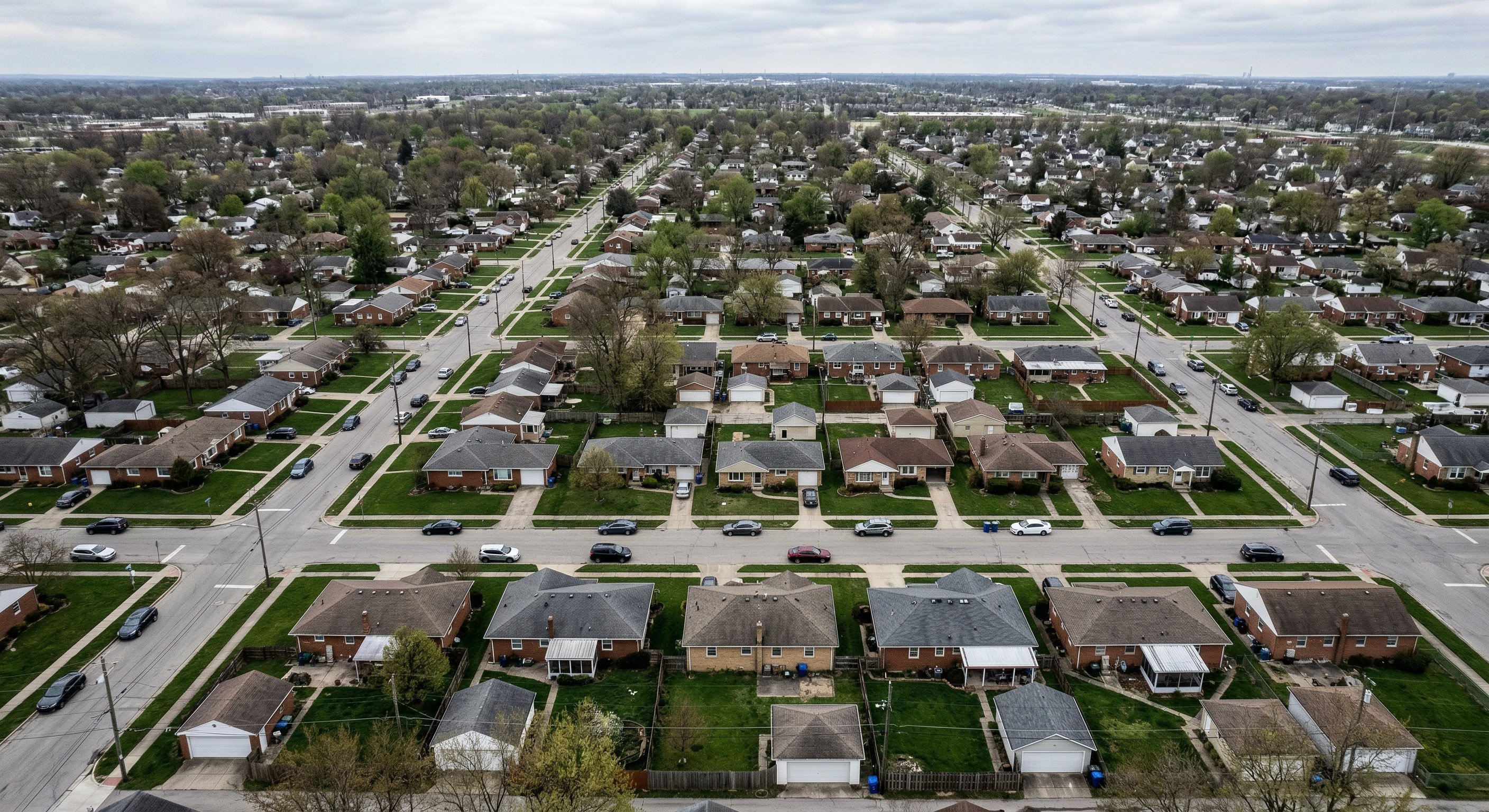
Ohio Probate Leads: What to Look For
Not every probate property is worth pursuing. Before you spend an action to unlock contact info, run through this quick filter:
Green flags:
- Estate open 4+ months (heirs have had time to decide they don't want to manage the property)
- Out-of-state executor or heirs (lower attachment, higher urgency for resolution)
- Tax delinquency stacked on top of probate (liquidity pressure is real)
- Property occupied by non-heirs (renters in a probate property create management headaches for heirs)
- Multiple heirs on record (disagreement between heirs often accelerates willingness to accept cash)
- Code violations active against the property
Yellow flags:
- Estate just opened (too early — wait 60–90 days before contact)
- Single heir who lives locally (may want to occupy or list traditionally — worth a call but lower urgency)
- High-value property in a strong market (heirs know what they have, less likely to accept below market)
Red flags:
- Contested estate (litigation slows everything down — skip for now, revisit)
- Estate in Summary Release (under $35K) — usually no real property at investable scale
DistressIQ's motivation score incorporates these factors automatically. Properties with executor-verified contact info, multi-signal stacking, and time-pressure indicators surface at the top. Properties with contested-estate flags get scored lower. You're not manually applying this filter — it's built in.
Start With the Data That Actually Moves the Needle
Ohio has 88 counties, over 100,000 probate filings per year, and most investors still trying to monitor them manually. The ones winning in this market aren't researching harder — they're starting with better-filtered data.
DistressIQ covers every Ohio county. Browse probate leads, pre-foreclosures, tax delinquencies, code violations, and every other distress signal — all sourced from county records, scored by motivation, and ranked so the hottest opportunities are always at the top. Browsing is free.
See Ohio distress signals on DistressIQ — browse free, no credit card required.
Frequently Asked Questions
Are Ohio probate records public?
Yes. Ohio probate records are public documents maintained by each county's Probate Court. This includes case filings, estate inventories, and property lists. Most major Ohio counties have online docket search; smaller counties may require in-person or written records requests.
How long does Ohio probate take?
Most Ohio probate cases resolve in 6–12 months. The creditor claims period alone is 6 months by law. Contested estates or those with complex assets can run 18–24 months. Small estates qualifying for Summary Release (under $35,000) can close in 30–60 days.
Do I need Probate Court approval to buy a property from an Ohio estate?
Yes. The executor has authority to negotiate a sale, but the Probate Court must formally approve the transaction before closing. This typically adds 3–6 weeks to the closing timeline and is standard practice — it's not a dealbreaker if both parties understand the process upfront.
What's the best Ohio market for probate real estate investing?
Cuyahoga County (Cleveland) has the highest volume with comparatively lower investor competition on the probate channel specifically. Franklin County (Columbus) has stronger appreciation potential. Hamilton County (Cincinnati) and Summit County (Akron) offer lower price points with solid fundamentals for buy-and-hold strategy.
How is a probate lead different from a pre-foreclosure lead?
A probate lead involves inherited property — the owner has passed and heirs need to make decisions about what to do with the asset. A pre-foreclosure lead involves a homeowner falling behind on mortgage payments. Both can involve motivated sellers, but the dynamics are different: probate sellers are often managing logistical complexity from a distance; pre-foreclosure sellers are managing financial pressure. The strongest leads often involve both signals simultaneously — an inherited property where heirs also missed property tax payments.
The data behind this article
DistressIQ Monitors These Signals in Real Time
Pre-Foreclosures
NOD + NTS filings
Tax Delinquency
County treasurer records
Code Violations
Municipal inspection filings
Probate Filings
Superior Court records
Every lead is scored 0–100 for seller motivation based on signal type, duration, severity, and stacking. Nationwide coverage — every US county, updated daily.
Ready to find deals in your market?
See Live Distress Signals in Ohio
Stop calling dead leads. Every lead in DistressIQ is scored 0–100 for seller motivation, with verified contact info included. Browse the free tier to see what's active in your market right now.
Browse Free Leads — No Credit Card