How to Find Probate Leads in North Carolina (2026 Investor Guide)
How to Find Probate Leads in North Carolina (2026 Investor Guide)
TL;DR: North Carolina probate real estate is one of the most underworked niches in the Southeast — and one where good investors can genuinely help families who need a clean exit. NC probate runs through the Clerk of Superior Court in each of the state's 100 counties, is public record, and typically takes 12–24 months. The highest-value markets are Charlotte, Raleigh-Durham, and Wilmington. The challenge isn't finding probate filings — it's identifying the 30% of situations where heirs actually want to sell vs. the 70% who are already working with an agent. Multi-signal verification is what separates helpful outreach from wasted postcards.
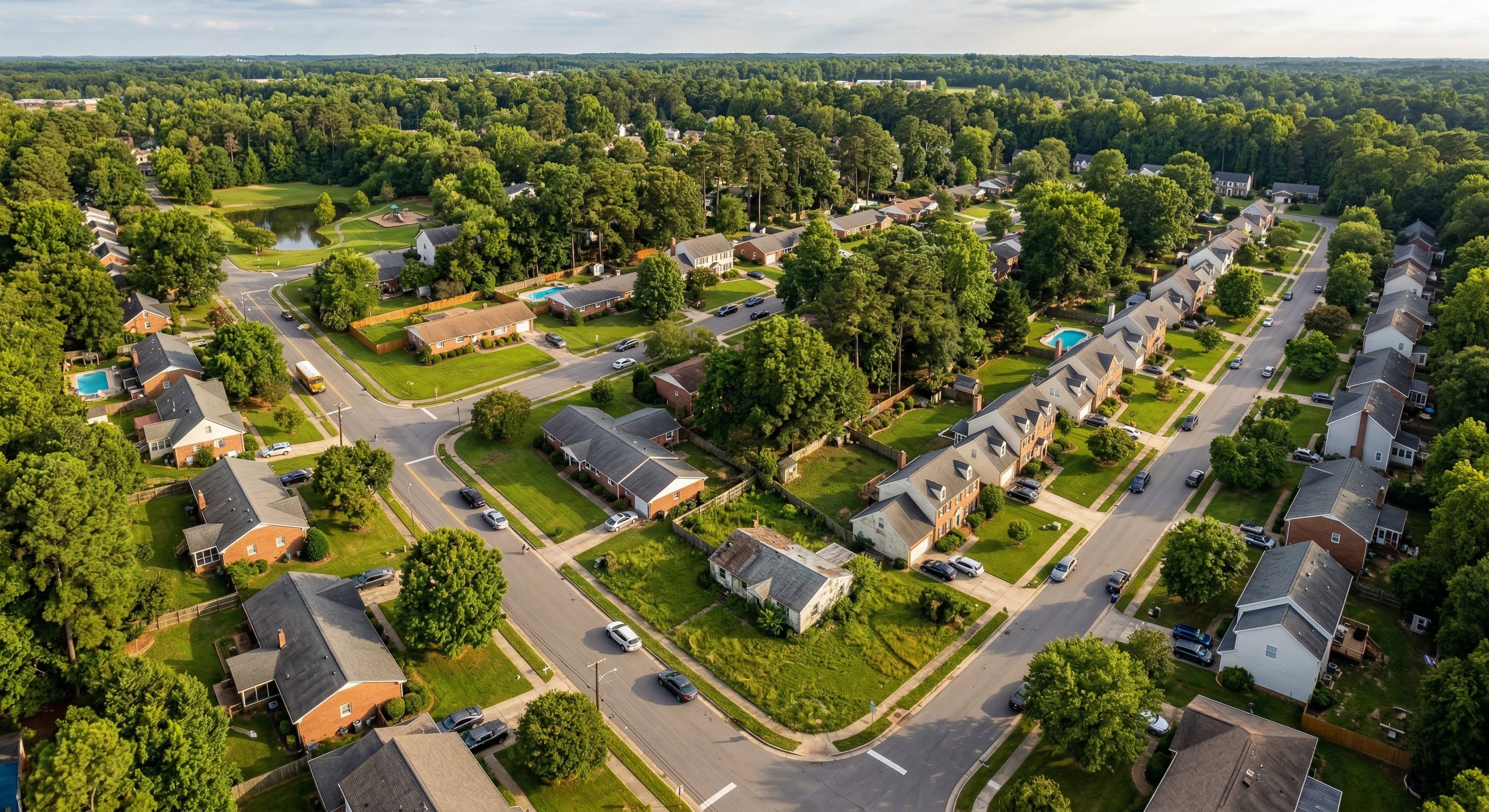
When a family member passes away, the last thing most heirs want to deal with is managing a property — especially one in another state, one that needs repairs, or one shared among multiple siblings who can't agree on what to do with it.
That's where probate real estate investing works best: not by swooping in on grief, but by offering a straightforward solution when families genuinely need one. A fair cash offer, a fast close, no agent commissions, no months of showings while the estate sits in limbo.
North Carolina sees significant probate activity across all 100 counties, with the heaviest volume in the Charlotte, Raleigh-Durham, and Wilmington metros. But investors working mid-size counties — Guilford, Forsyth, Buncombe, Onslow, Cabarrus — are finding less competition and more families who appreciate a direct offer.
The catch? NC's probate system doesn't hand you a neat list. You have to know where to look, which signals suggest a family is open to selling, and which estates are already being handled through traditional channels.
This guide covers exactly that.
How North Carolina Probate Works (And Why Timing Matters for Investors)
In North Carolina, probate is administered by the Clerk of Superior Court in the county where the decedent lived. Unlike states with dedicated probate courts, NC routes everything through the Superior Court system — 100 counties, 100 separate clerks, 100 slightly different filing workflows.
The NC probate process looks like this:
- Death certificate filed — usually within a few days of death
- Will submitted (if one exists) — filed with the Clerk of Superior Court within 60 days
- Letters Testamentary issued — the Personal Representative (PR) receives legal authority to manage the estate
- Inventory filed — all estate assets including real property listed and valued, typically within 90 days of qualification
- Notice to creditors published — creditors have 90 days to submit claims
- Debts settled, assets distributed — can take 6–18+ months depending on complexity
- Final accounting filed — estate closed
The average NC probate runs 12–18 months. Complex estates with disputes, multiple heirs, or real property in multiple counties can run 2–3 years.
For investors, understanding this timeline matters. The period between inventory filing and final accounting is when many heirs are actively weighing their options — keep the property, list it, or sell directly. If you can provide a fair, no-hassle offer during that window, you're genuinely solving a problem for families who don't want to manage a 12-month listing process on top of settling an estate.
Where to Find NC Probate Filings
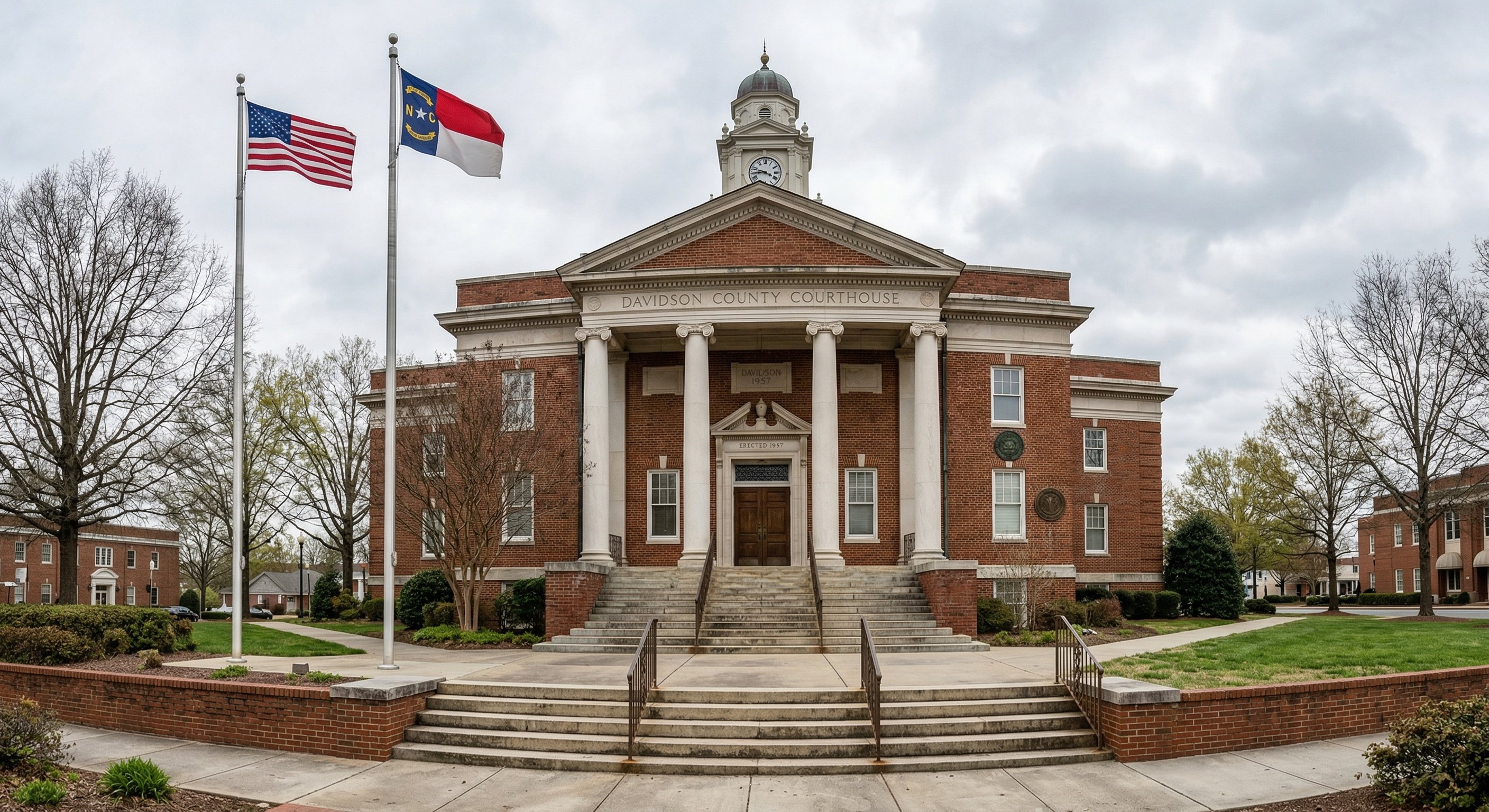
North Carolina probate records are public. Here's where to find them:
1. NC eCourts / Odyssey Portal
The North Carolina Judicial Branch runs the NC Courts Online case search. For estate matters, you're searching for "Estate" case types filed in the county of your choice. Filter by date range, and you'll get a list of recently opened probate cases.
What you'll find: case number, PR name, date of filing, and sometimes the decedent's address. What you won't find: property details. That requires cross-referencing with the county assessor.
2. County Clerk Offices (In-Person)
For counties not fully on eCourts, you may need to request records directly from the Clerk of Superior Court. Many smaller NC counties are still in the process of digitizing records — calling ahead saves wasted trips.
3. Register of Deeds
Once a Personal Representative is appointed, a Notice to Creditors is typically published in a local newspaper AND filed with the county Register of Deeds. Searching the deed records for "estate of" language surfaces active probate situations with attached real property.
4. Obituaries + Assessor Cross-Reference
Old-school but effective for small-county markets: pull obituaries from local papers (the Charlotte Observer, News & Observer in Raleigh, Wilmington StarNews), cross-reference the decedent's name with the county tax assessor to find properties. This surfaces pre-probate leads — before a court case is even filed.
The NC Markets Worth Working

North Carolina's investor-relevant probate activity clusters around population density and older housing stock. Here's where the real volume is:
Mecklenburg County (Charlotte metro) Over 1.2 million residents. High volume of probate filings, high property values, but also the most competitive market for investors. Median home value $340,000+. Worth working, but expect more competition on follow-up.
Wake County (Raleigh) and Durham County The Research Triangle is consistently one of the fastest-growing metros in the US. Significant in-migration from the Northeast and California means many heirs live out of state. Managing an inherited property from 500 miles away is a genuine burden — these families often welcome a direct offer that lets them close cleanly without coordinating repairs, showings, and agent fees remotely.
Guilford County (Greensboro) and Forsyth County (Winston-Salem) More affordable median values ($230,000–$280,000), strong rental demand from university students and healthcare workers. Less competition than the big metros, higher conversation-to-offer ratios.
New Hanover County (Wilmington) Fast-growing coastal market with strong investor activity. Probate here often involves older coastal properties and vacation homes. Many heirs inherit a beach house they can't afford to maintain or don't live near — a clean sale lets them honor the property's value without the ongoing burden of remote management, insurance, and upkeep.
Buncombe County (Asheville) and surrounding Western NC The Asheville market has exploded over the past decade. Mountain properties, Airbnb-viable homes, and older rural parcels all surface in probate here. Longer estate timelines because of disputed valuations on vacation properties.
Free Weekly Alerts
See What's Distressed in Your Market
Get free weekly alerts — new distressed properties, motivation scores, and hot neighborhoods in your area. Addresses and contact info available inside DistressIQ.
Free forever · No credit card · Unsubscribe anytime
Why Most NC Probate Lists Waste Your Budget
The standard pitch from probate list vendors is simple: buy the list, mail the list, wait for callbacks. Sounds reasonable until you look at the conversion reality.
Not every probate filing involves a property that's going to sell. In many NC estates:
- The heirs want the property and are keeping it
- The property is already being listed with an agent — you're competing with MLS buyers
- There's a mortgage balance that eliminates equity (common in newer Charlotte suburban builds)
- Multiple heirs with conflicting intentions → months of delay before any decision gets made
In larger counties like Mecklenburg or Wake, you might pull 200–300 probate filings per month. Of those, maybe 40–50 involve real property. Of those, maybe 10–15 have a combination of equity, willing heir(s), and actual motivation to sell quickly.
The investors who waste budget are the ones blasting mail to all 200. The ones who build real relationships are cross-referencing probate status against additional signals to identify which families are most likely to appreciate hearing from them.
What changes the math: a probate filing plus delinquent property taxes (the estate may be underwater on obligations), or a probate filing plus code violations (the property's been vacant and accumulating citations), or probate plus a lis pendens. Each additional signal helps you focus on situations where a direct offer is most likely to be welcomed — not as a lowball, but as a genuine solution.
That's the logic behind signal stacking — not to find more leads, but to find the situations where you can actually help.
DistressIQ tracks probate filings alongside 20+ other signal types across all 100 North Carolina counties, updated daily from county records. Every lead shows which signals are active on that property, so you can focus your outreach on families most likely to welcome a direct conversation about their options.
See live NC probate leads on DistressIQ — browse free, no credit card required →
What to Say When You Call NC Probate Sellers
Probate outreach requires a different script than pre-foreclosure or tax-delinquent cold calls. You're dealing with someone who recently lost a family member. The approach that works:
Don't open with the property. Start with the situation — "I saw that [name]'s estate recently came through the courts in [county], and I wanted to reach out in case the family is considering options for the property."
Let them tell you the status. A lot of investors make the mistake of assuming urgency. Ask: "Are you still in the early stages of figuring out what to do?" Let them define the timeline.
Be specific about your offer. Heirs dealing with probate don't want to negotiate back and forth for three months. Know your ARV, know your repair budget, and be ready to name a number. Vague interest wastes both sides' time.
Address the process. Probate sales require additional steps — court approval may be required if the sale price is below a certain threshold, and the PR has fiduciary obligations to all heirs. Acknowledging that you understand the process builds immediate trust.
Frequently Asked Questions
How long does probate take in North Carolina?
Most NC estates take 12–18 months to close. Simple estates with clear wills and no disputes can close in 6–9 months. Contested estates, properties with title issues, or situations with multiple out-of-state heirs can run 2–3 years. For investors, this means there's a meaningful period where heirs are weighing their options and may appreciate hearing about a direct sale path.
Are NC probate records public?
Yes. North Carolina probate records are public through the NC Judicial Branch's online portal (NC eCourts) and in-person at each county's Clerk of Superior Court. Estate filings, inventory documents, and creditor notices are all part of the public record.
Does NC have an estate or inheritance tax?
No. North Carolina eliminated its estate tax in 2013 and has no inheritance tax. This means heirs receive estate assets without a state-level tax burden — though federal estate tax applies to estates over $13.6 million. For the typical residential probate deal, there's no NC estate tax consideration.
What's the difference between probate leads and pre-probate leads in NC?
Probate leads are properties that have formally entered the court system (a case is filed, a PR has been appointed). Pre-probate leads identify situations before court filing — typically through obituary matching against tax records. Pre-probate gives you an earlier window, but also means heirs may not have made any decisions yet. Probate leads in NC are more predictable because the filing creates a public record with verifiable details.
Which NC counties have the most probate real estate activity?
Volume tracks population: Mecklenburg (Charlotte), Wake (Raleigh), Guilford (Greensboro), Forsyth (Winston-Salem), Cumberland (Fayetteville), and New Hanover (Wilmington) see the most filings. But the best conversion rates often come from mid-size counties with less investor competition — Cabarrus, Johnston, Onslow, and Buncombe consistently show up in investor results.
DistressIQ tracks active probate leads across all 100 North Carolina counties, cross-referenced against tax delinquency, lis pendens, code violations, and 15+ other distress signals. Every lead is scored 0–100 for motivation. Browse free — no account required →
The data behind this article
DistressIQ Monitors These Signals in Real Time
Pre-Foreclosures
NOD + NTS filings
Tax Delinquency
County treasurer records
Code Violations
Municipal inspection filings
Probate Filings
Superior Court records
Every lead is scored 0–100 for seller motivation based on signal type, duration, severity, and stacking. Nationwide coverage — every US county, updated daily.
Ready to find deals in your market?
See Live Distress Signals in North Carolina
Stop calling dead leads. Every lead in DistressIQ is scored 0–100 for seller motivation, with verified contact info included. Browse the free tier to see what's active in your market right now.
Browse Free Leads — No Credit Card