How to Find Probate Leads in California (2026 Investor Guide)
How to Find Probate Leads in California (2026 Investor Guide)
TL;DR: California probate is a court-supervised process that frequently surfaces motivated sellers who inherit properties they don't want or can't afford to keep. Most probate leads are found through superior court filings, which are public record — but California's decentralized county system means lead quality and data access vary dramatically by county. The most efficient approach combines court record monitoring with motivation scoring to identify which inherited properties are most likely to sell below market. This guide covers the process, the timelines, and where the actual edge is in 2026.
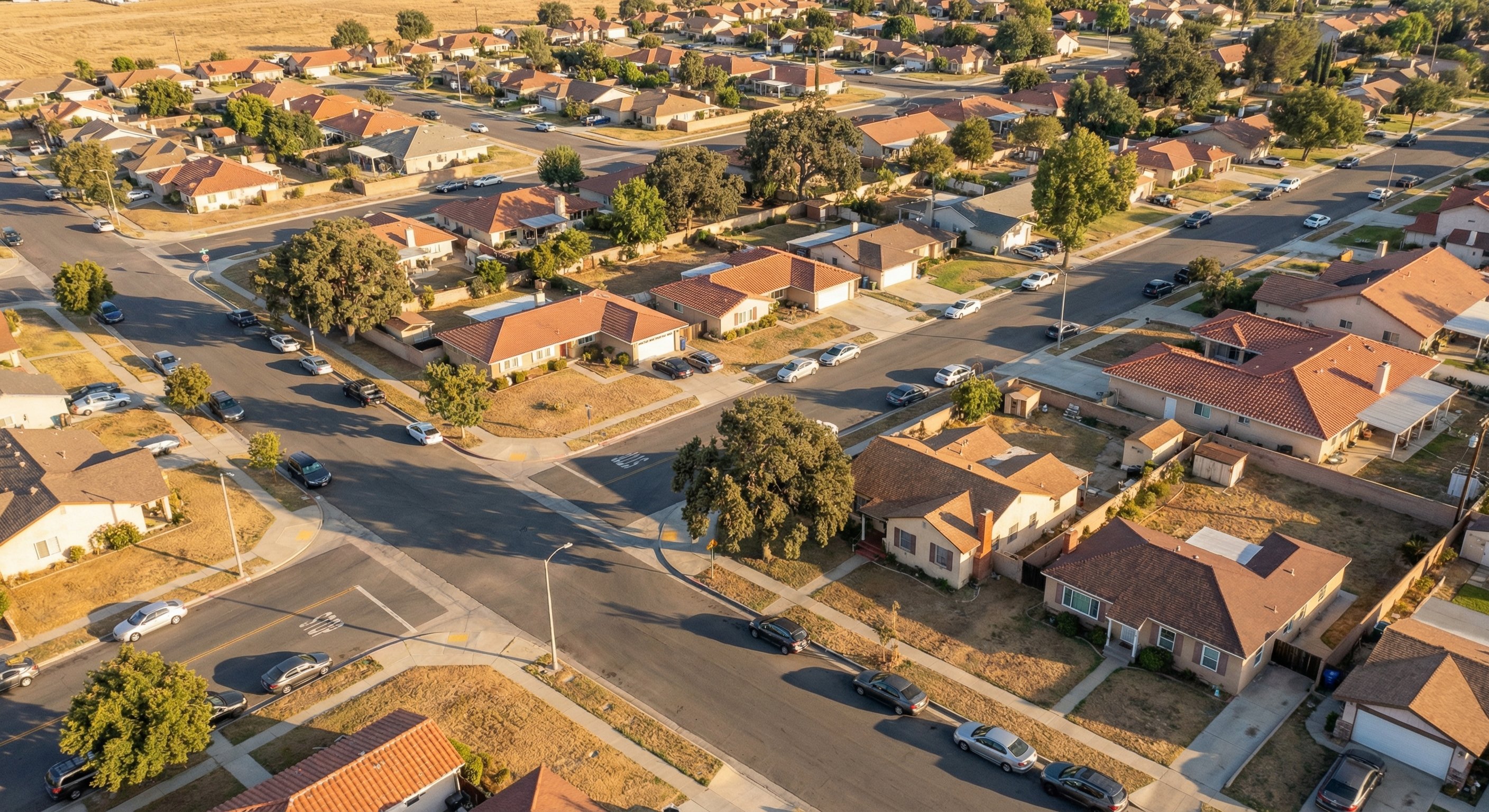
California has more probate activity than any other state — not surprising for a state with 39 million people and the highest real estate values in the continental US. What that means for investors: there are thousands of inherited properties entering the market every year from families who need to sell, often quickly, often at a discount.
But "California probate leads" is also one of the most overworked investor categories in the country. If you're mailing the same court-filed list that every wholesaler in LA already pulled, you're competing for the same motivated sellers with the same approach. This guide is about finding the edge — where the volume is, what the court timelines mean for your outreach, and why most investors are working California probate leads wrong.
What Makes California Probate Leads Valuable (And Complicated)
California probate is different from most other states in a few important ways that directly affect your strategy.
The value: Inherited properties in California often have a massive gap between what the family paid decades ago and current market value. A family inheriting a home bought in Torrance in 1978 for $95,000 is sitting on an asset worth $900,000+ today. If there are multiple heirs, estate debts, tax consequences, or just family disagreement about what to do with the property — motivation to sell fast can be extremely high.
Add to that: California has some of the most favorable stepped-up basis rules in the country, which means heirs sometimes want to sell soon rather than hold. And with property tax reassessment triggered on inherited properties (post-Prop 19, which passed in 2020), heirs who inherit and hold as a secondary residence often see property tax bills triple or quadruple — creating real ongoing financial pressure.
The complication: California has 58 counties, each with its own superior court clerk's office, each with varying levels of public records access. There's no statewide centralized probate filing database. Los Angeles County handles court records differently than Sacramento. San Diego's system isn't the same as Fresno's. Getting raw court filings requires either physically visiting county courthouses or navigating each county's individual online portal — and not all of them have robust digital access.
That's the manual research trap most investors fall into: they pull leads from one or two counties they know how to navigate, and leave the rest on the table.
California Probate Court Timeline: What You Need to Know
Understanding the probate timeline is critical for timing your outreach. Contact too early and families aren't ready to talk. Contact too late and you're competing with listing agents who already have the property under contract.
The typical California probate timeline:
- Day 1–30: Petition filed with the superior court in the county where the deceased resided. This is when the filing first becomes public record.
- 30–60 days: Court hearing scheduled. Court sets the date; in busy counties like LA, this can be pushed further out.
- 60–120 days: Letters Testamentary (or Letters of Administration) issued — executor is officially authorized to act on behalf of the estate.
- 60–180 days: Executor begins the process of inventorying and appraising assets, including real property. A probate referee (state-appointed appraiser) provides the official appraisal.
- 4–12 months: Property listed for sale (if applicable). Court confirms the sale — a "court confirmation hearing" is required for most California probate sales unless the executor has Independent Administration of Estates Act (IAEA) authority.
- 12–18+ months: Estate closure.
The window for investor outreach: 30–90 days after the petition is filed. That's when families know a property exists, are beginning to think about what to do with it, and haven't yet gone to a listing agent. Outreach before 30 days often hits a family still in shock. Outreach after 90 days and you're likely too late — especially in hot markets.
The IAEA authority flag matters: when an executor has IAEA authority (granted in the will or granted by the court), they can sell the property without a court confirmation hearing. This simplifies the process and often moves faster. It also means you're not competing in a public "overbid" auction at the courthouse — you're negotiating directly with the executor.
Where to Find California Probate Leads
1. Superior Court Filings (County-by-County)
Probate cases are filed with the county superior court. Each California county has its own portal or in-person records access. Here's where the highest-volume markets are:
Los Angeles County — the highest-volume probate market in the US. The LA Superior Court has an online case access portal (lasuperiorcourt.org), though pulling specific probate case lists requires navigating the CASE search by matter type. The volume here is staggering — thousands of cases per year. Also the most competitive.
San Diego County — strong market, active probate volume, reasonably accessible court records online.
Orange County — high property values, solid probate activity, court records accessible through the OC Superior Court.
Riverside and San Bernardino Counties — the Inland Empire. High volume, less investor saturation than coastal markets, more price-sensitive sellers. Worth working seriously.
Santa Clara and Alameda Counties — Bay Area probate. Property values are enormous. A single probate lead that converts can return more than 20 Inland Empire deals in gross profit terms.
Sacramento, Fresno, Kern, Stanislaus — Central Valley counties. Lower competition, active probate, but lower price points. Better for buy-and-hold than high-margin flips.

2. Real Estate Data Platforms with Probate Filters
Manual court record hunting is how you get raw leads, but it's brutally time-consuming. For investors who want to cover multiple counties simultaneously, platforms with county-verified probate lead data let you filter, score, and act on leads without logging into 15 different county portals.
DistressIQ tracks probate filings alongside 30+ other distress signal types across 3,000+ US counties — including all major California counties. Instead of reviewing raw court filings, you're seeing scored leads where probate is just one of the signals stacked against the property. A lead with both probate AND tax delinquency is dramatically more motivated than one with probate alone.
The free browsing view lets you see distressed properties across California by county before you unlock any contact info. That's valuable for scoping new markets before committing budget.
3. Obituary and Probate Attorney Networks
More advanced investors build referral networks with probate attorneys and estate sale companies. Attorneys can't share case details, but they can refer clients who want to sell quickly. Estate sale companies often know which families are liquidating properties. These networks take time to build but produce warm leads with no cold outreach friction.
Free Weekly Alerts
See What's Distressed in Your Market
Get free weekly alerts — new distressed properties, motivation scores, and hot neighborhoods in your area. Addresses and contact info available inside DistressIQ.
Free forever · No credit card · Unsubscribe anytime
California Probate: The Signals That Actually Predict Motivation
Most investors treat probate as a single, monolithic signal. It's not. A probate filing tells you that someone died and left property — it doesn't tell you anything about the estate's financial pressure, the heirs' situation, or whether they want to sell at all.
The leads that actually convert at below-market prices share additional signals:
Tax delinquency on top of probate. When a property has unpaid property taxes AND an active probate case, it usually means the estate is under financial stress — heirs may owe back taxes that will accrue penalties, creating real urgency to close quickly.
Multiple heirs. More heirs = more disagreement = more pressure to liquidate. California probate records typically include the names of petitioners, which can indicate how many parties are involved in the estate.
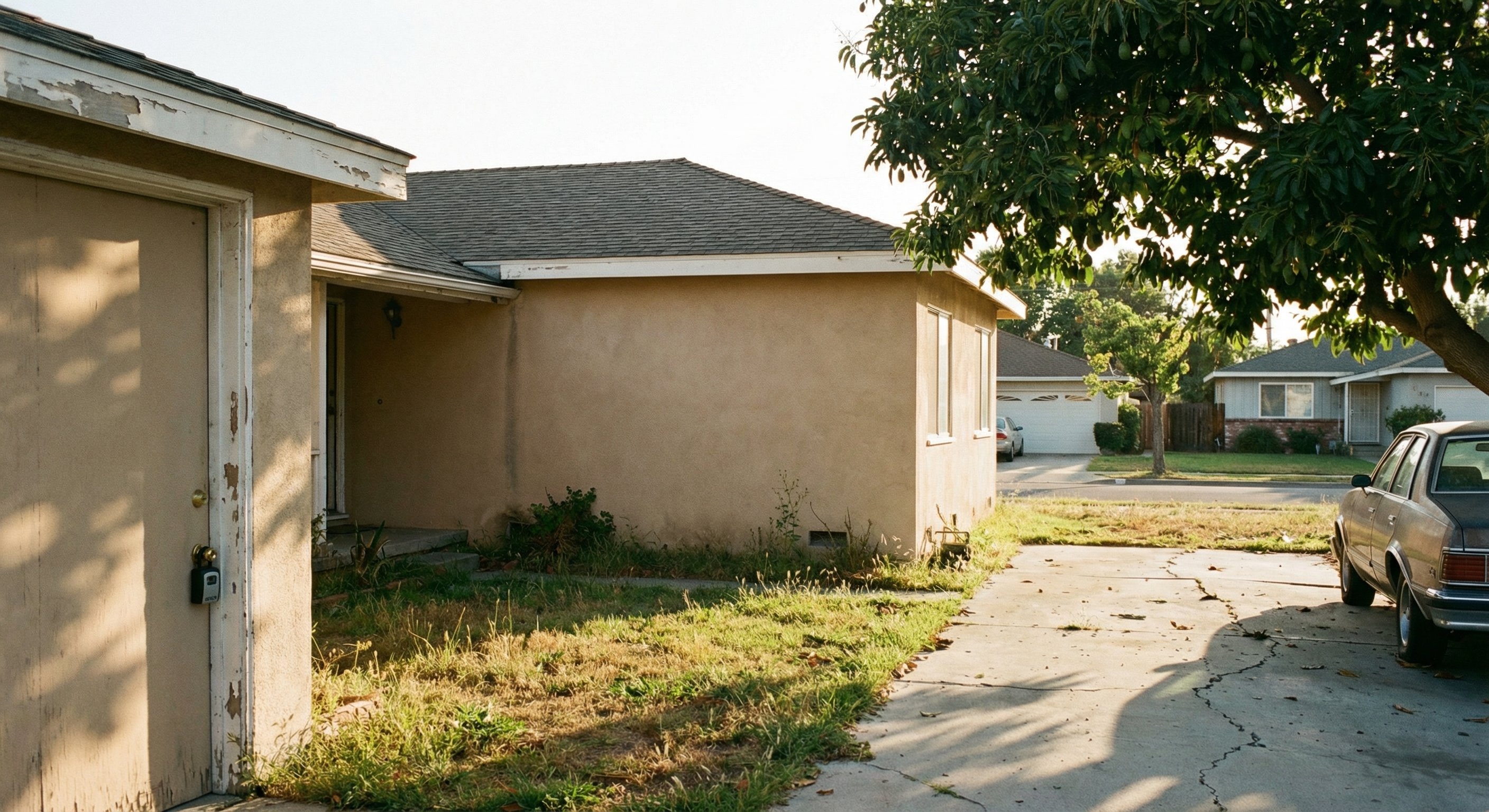
Property characteristics. An inherited property with deferred maintenance, code violations, or a non-standard layout has fewer traditional buyers — which means more motivation to sell to an investor who can pay cash and close fast.
Vacancy. An unoccupied inherited property is costing the estate money every month: utilities, insurance, property taxes, maintenance. Every month the estate delays is money out of the heirs' pocket. Vacancy is a powerful urgency driver.
Post-Prop 19 reassessment risk. Since November 2020, heirs who inherit and don't use the property as their primary residence face full property tax reassessment at current market value. An inherited $900,000 home previously taxed on a $95,000 base now generates a tax bill 10x higher. Many heirs sell rather than absorb that ongoing cost.
The investors consistently getting below-market deals aren't picking probate leads at random — they're finding properties where multiple pressure points converge.

Approaching California Probate Sellers: What Actually Works
Most probate mailers look exactly the same. "We buy houses in any condition, cash offer, close in 7 days." If you're sending that, you're indistinguishable from the 40 other investors mailing the same family.
What works in California probate specifically:
Lead with empathy, not the offer. Probate sellers are grieving. If your first piece of mail sounds like a sales pitch, you're done. The investors who convert probate leads consistently are the ones who open with acknowledgment: "If you've recently inherited a property and aren't sure what to do with it, I work with families in exactly this situation."
Reference the specific situation. Generic mail goes in the trash. Letters that reference the property address, the specific county where the probate case was filed, and a real understanding of the situation ("I know the probate process in [County] usually takes 9-12 months — if you'd like to explore options earlier, I can work with that timeline") stand out immediately.
Be specific about your timeline flexibility. Probate sellers often can't close fast because the court confirmation process takes time. Investors who understand this — and who say so explicitly in their outreach — immediately sound more credible than generic "close in 7 days" mailers.
Follow up 3–4 times over 60 days. First contact rarely converts. Most probate sellers aren't ready to make a decision when your first letter arrives. The investors who win are the ones with a systematic follow-up cadence that keeps them present without being aggressive.
Phone is stronger than mail for high-value California probate. In Bay Area and LA markets where a single deal can net $150K+, the math of 20 minutes of phone outreach per lead easily beats a direct mail sequence. Skip tracing the executor's contact information and calling directly — introducing yourself as someone who works with estates — dramatically improves conversion on expensive leads.
The Competitive Reality in California Probate Markets
California probate is popular with investors for a reason — and that means competition. A few realities to calibrate your expectations:
LA, Orange County, and the Bay Area are heavily worked. These markets have professional wholesale operations with dedicated probate lead teams, attorneys on speed dial, and mail sequences that go out within days of a court filing. If you're working these markets cold with a basic direct mail campaign, you're at a structural disadvantage.
The real edge in California is outside the tier-1 markets. Inland Empire (Riverside, San Bernardino), Sacramento, Central Valley, Kern County — these markets have meaningful probate volume and meaningfully less investor saturation. Motivated sellers in Fresno aren't receiving 40 mailers. A thoughtful investor can own the category in a mid-tier California market.
Speed matters more in California than most states. Because probate timelines are long and court confirmation is required for many sales, EARLY contact is your biggest competitive advantage. The executor who hears from you at day 45 and develops a relationship over the next 90 days is far more likely to call you when they're ready to talk price than the executor who gets your generic mailer at day 90 along with 12 others.
Data quality separates the top operators. The investors winning in California probate in 2026 are the ones with both better data (court-verified, not recycled lists) and better signal intelligence (knowing which probate leads have the overlay signals that predict real motivation). Working a list of 500 probate cases in LA county where 50 are the real opportunities is a different game than trying to mail all 500.
How DistressIQ Handles California Probate Leads
DistressIQ monitors probate filings alongside 30+ other distress signal types across all major California counties. Here's what that means practically:
Free map view: Browse probate-flagged properties across any California county before paying for anything. See the density, the geography, and which areas have active probate activity.
Motivation scoring: Every property is scored 0-100 based on signal stacking. A property with probate AND tax delinquency AND vacancy signals scores dramatically higher than probate alone — these are the leads worth unlocking first.
Assessor-verified property data: Where available, property characteristics (square footage, year built, assessed value, lot size) come from county tax assessor records — the same data the county uses to calculate property taxes. Not MLS listings where agents estimated the square footage from memory.
Skip-tracing on demand: Contact info is unlocked per-lead, not bundled into a subscription you overpay for. If the top 40 leads in Sacramento are your target, pay for those 40 — not 2,000.
Frequently Asked Questions
Q: How do I access California probate court records?
California probate cases are filed with the superior court in the county where the deceased lived. Most California counties have an online case search portal (search "[County Name] superior court case search"). You can search by case type (Probate/Mental Health) and filter recent filings. For large counties like LA, the volume makes manual review impractical — specialized lead platforms monitor these filings continuously and surface properties with verified distress signals.
Q: How long does California probate take?
California probate typically takes 9–18 months for standard cases, though this varies significantly by county court workload and estate complexity. Simple estates with clear wills and IAEA authority can move faster (6–9 months). Contested estates or those requiring multiple court hearings can take 2–3 years. The investor-relevant window for outreach is generally 30–90 days after the initial filing, before the executor has listed with an agent.
Q: Do California probate properties sell at a discount?
They can — but not always. The discount depends heavily on the estate's financial pressure, the heirs' situation, and the market conditions. Probate properties overlaid with additional distress signals (tax delinquency, vacancy, code violations, or multiple competing heirs) are most likely to sell below market. Generic probate-only leads in competitive markets like LA or the Bay Area often sell at or near full market value, especially with a listing agent involved.
Q: What is IAEA authority and why does it matter for investors?
The Independent Administration of Estates Act (IAEA) gives an executor authority to sell estate assets without obtaining court confirmation for each sale. When an executor has IAEA authority, you're negotiating directly with them — there's no public overbid hearing where other buyers can come in above your price at the last minute. Always ask whether the executor has IAEA authority early in your conversation. It significantly changes the process and timeline.
Q: Where are the best California counties for probate investing in 2026?
The highest-volume markets (LA, Bay Area) also have the most investor competition. The better opportunity for most operators is in mid-tier counties: Riverside, San Bernardino, Sacramento, Kern, and Stanislaus. These markets have genuine probate volume, lower saturation, and sellers who aren't already being worked by 40 other investors before you reach them.
DistressIQ tracks probate filings across 3,000+ US counties — including all 58 California counties. Browse verified distress signals free. Only pay when you find a lead worth pursuing.
The data behind this article
DistressIQ Monitors These Signals in Real Time
Pre-Foreclosures
NOD + NTS filings
Tax Delinquency
County treasurer records
Code Violations
Municipal inspection filings
Probate Filings
Superior Court records
Every lead is scored 0–100 for seller motivation based on signal type, duration, severity, and stacking. Nationwide coverage — every US county, updated daily.
Ready to find deals in your market?
See Live Distress Signals in California
Stop calling dead leads. Every lead in DistressIQ is scored 0–100 for seller motivation, with verified contact info included. Browse the free tier to see what's active in your market right now.
Browse Free Leads — No Credit Card