How to Find Foreclosure Leads: A Practitioner's Guide to Finding Distressed Properties in 2026
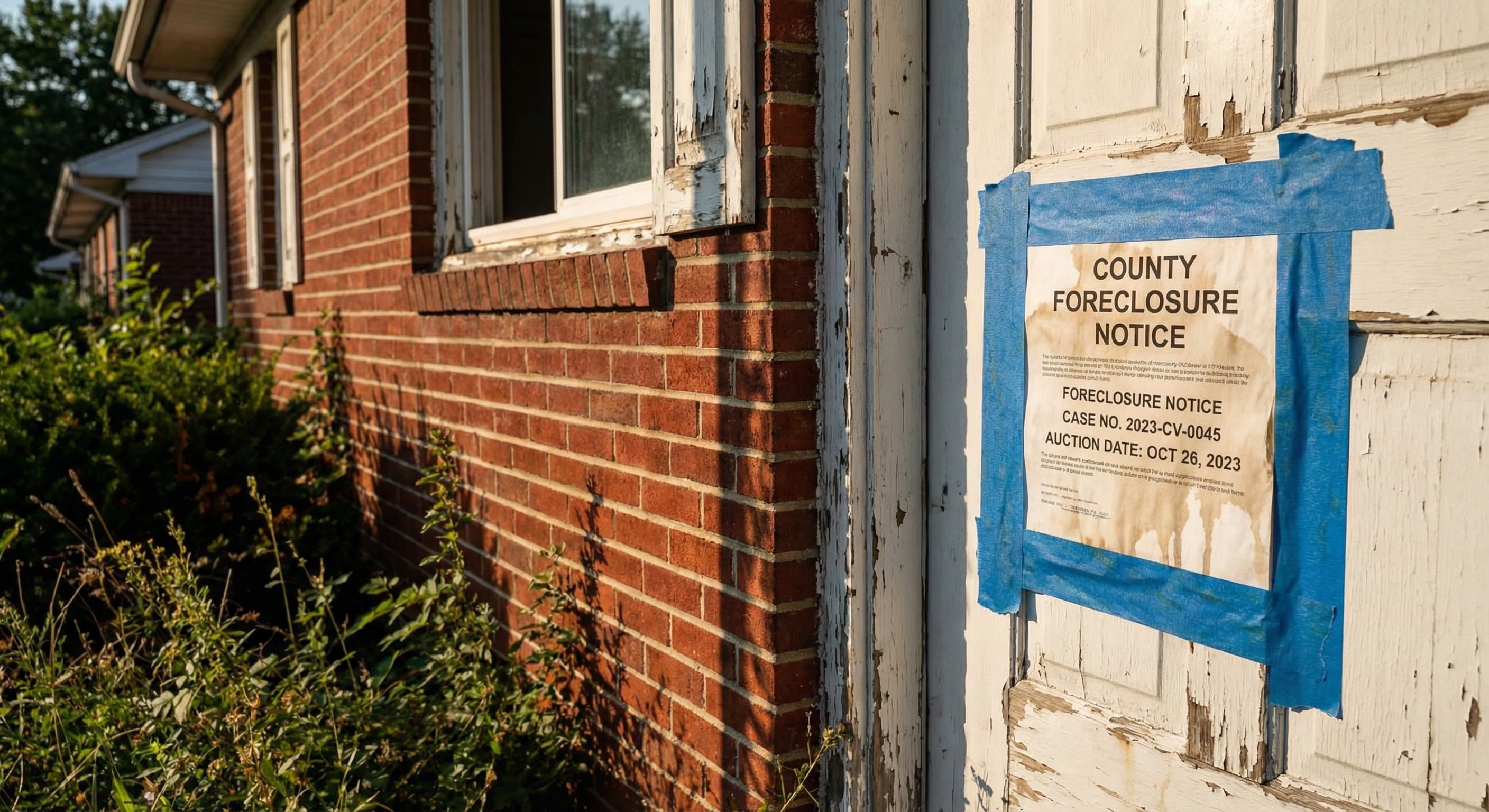
TL;DR: Finding foreclosure leads starts with understanding three distinct stages: pre-foreclosure (borrower defaulted, property not yet auctioned), auction (scheduled sheriff sale or trustee sale), and bank-owned (REO after auction failed). Each stage requires a different search method. County recorder offices and court filing databases are the primary sources, but they require manual cross-referencing to convert case numbers into usable property addresses. Signal-stacked data platforms pulling from multiple county sources simultaneously deliver the fastest results. Skip tracing costs on raw county lists are high because most properties lack current contact information. The best approach combines county-level research for authenticity with aggregated platforms for speed and contact data.
How to Find Foreclosure Leads: A Practitioner's Guide to Finding Distressed Properties in 2026
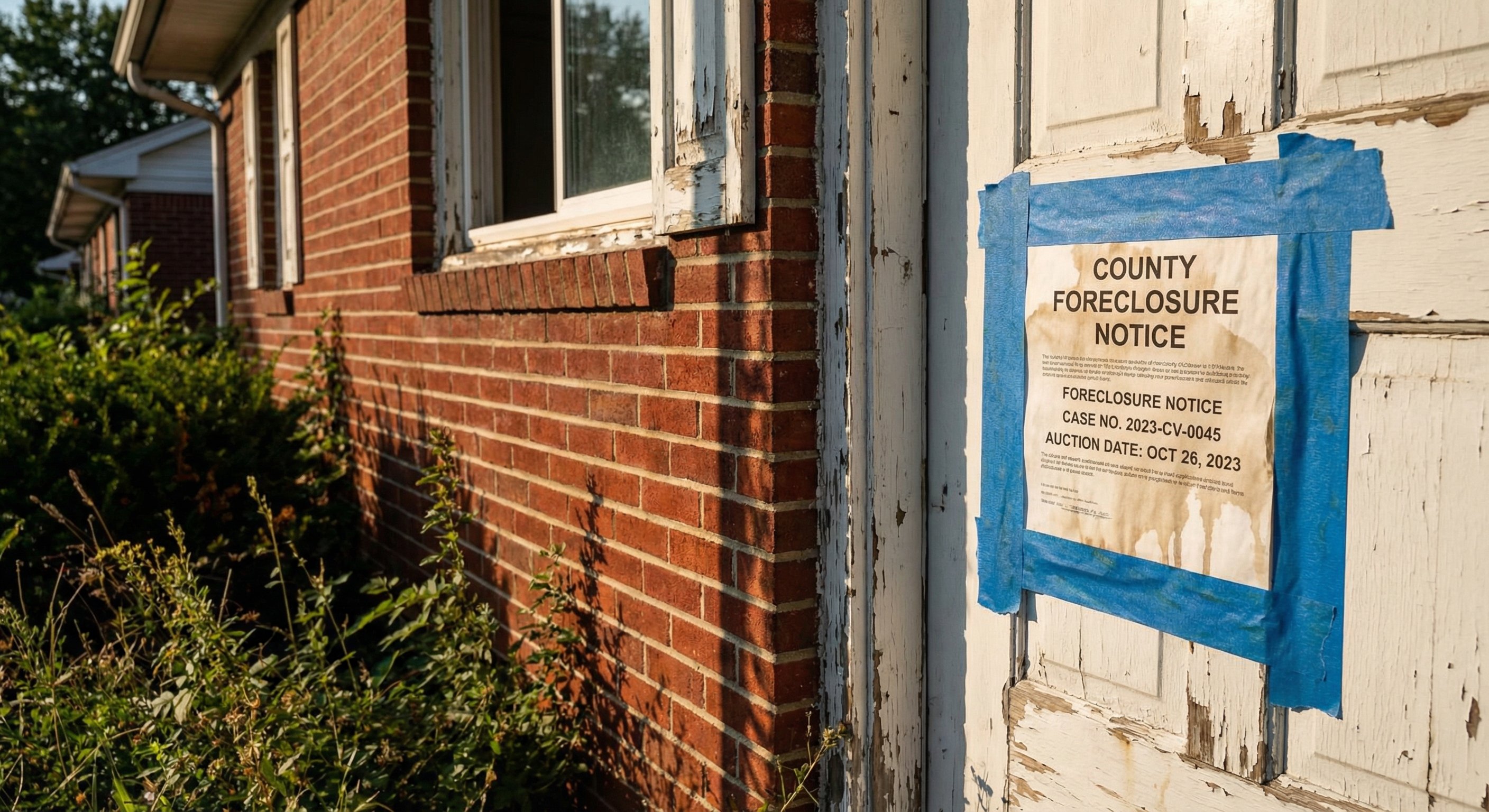
Most investors buying foreclosure leads are buying the same list that 40 other wholesalers mailed last month. That is not an exaggeration. Public county records are, by definition, public. Every investor with a computer and a morning free can access the same filing data.
The real question is not where to find foreclosure leads. It is how to find foreclosure leads before the crowd, with better contact information, and sorted by which sellers are actually motivated to close.
This guide covers every stage of the foreclosure pipeline, the real search methods used by working investors, and where modern data platforms fit into an existing research workflow.
Understanding the Foreclosure Pipeline Before You Start Searching
A foreclosure is not a single event. It is a sequence, and each stage has different data available, different competition levels, and different investor opportunities.
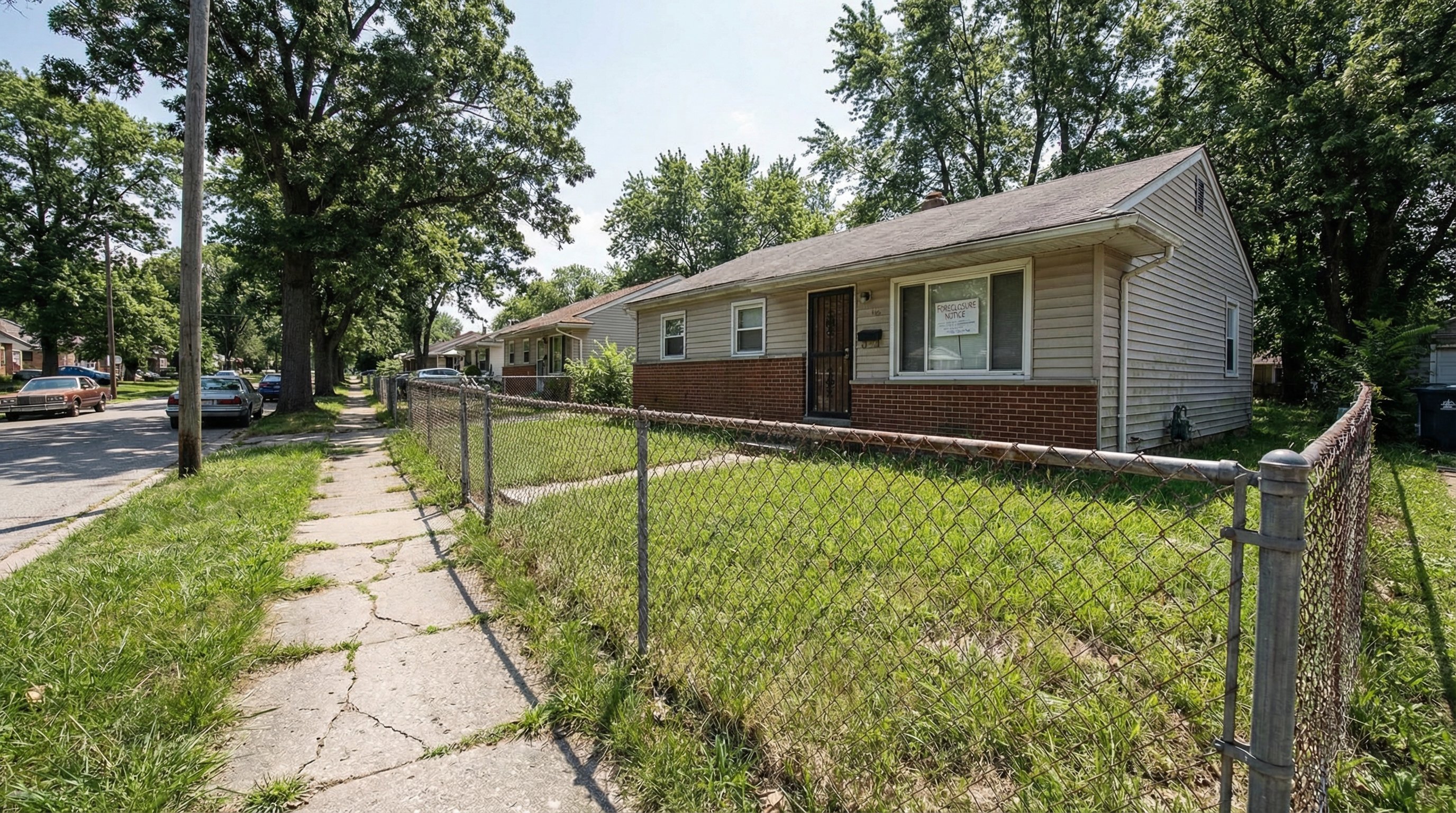
Stage 1: Pre-Foreclosure. The borrower defaulted and the lender filed a notice of default with the county recorder. The homeowner still holds title. This is the widest window for a direct purchase, and the one most investors miss because there is no auction date yet posted. Pre-foreclosure properties are not listed on any public auction site. They only appear in county court records.
Stage 2: Scheduled Auction. The notice of sale has been recorded and an auction date is set. The property is listed in the county sheriff's sale or trustee auction schedule. Competition among investors peaks at this stage because the auction date creates urgency. Properties at this stage typically trade between 65 and 85 percent of estimated market value.
Stage 3: REO (Real Estate Owned). The auction failed to attract a minimum bid. The lender takes title. REO properties are listed by the bank, often through asset management companies, and carry the fewest title complications. These are the most accessible deals for investors who want clean transactions.
The DistressIQ platform tracks all three stages across more than 3,200 counties. Every property in the system has at least one verified distress signal, with auction status and timeline data updated from county sources.
How to Find Pre-Foreclosure Leads: The Hardest Stage to Source Correctly
Pre-foreclosure is where experienced investors find the best deals, and where most beginners give up because the data is not sitting on a website.
County Recorder Databases
The notice of default is filed with the county recorder or county clerk, depending on the state. Judicial foreclosure states (those that require court approval to proceed to auction) file with the county courthouse. Non-judicial states use a trustee, and filings are recorded directly with the county recorder.
To find pre-foreclosure leads manually, an investor needs to:
- Identify the target county assessor's office or recorder website.
- Search for recorded documents using document type filters such as "Notice of Default," "Lis Pendens," or "Mortgage Modification."
- Cross-reference the case number with the county assessor's database to obtain the physical property address.
- Use a separate skip tracing service to match the borrower name with a mailing address and phone number.
The manual process takes 30 to 45 minutes per county for a researcher who knows the system. For investors covering multiple counties, this becomes a full-time job. The data is real and it is public, but it requires dedicated time and effort to convert filings into actionable leads.
Court House Research
In judicial foreclosure states (including New York, New Jersey, Illinois, and Indiana), the complaint and summons are filed with the county circuit court. Court case management systems are generally searchable by case type, party name, and filing date. These systems are often outdated, understaffed, and difficult to access remotely. However, they contain the most current status information available, including any bankruptcy filings that may have halted the foreclosure process.
For investors targeting specific counties in judicial foreclosure states, visiting the county courthouse in person or hiring a local title researcher is often faster than relying on online court databases.
How to Find Foreclosure Leads at the Auction Stage
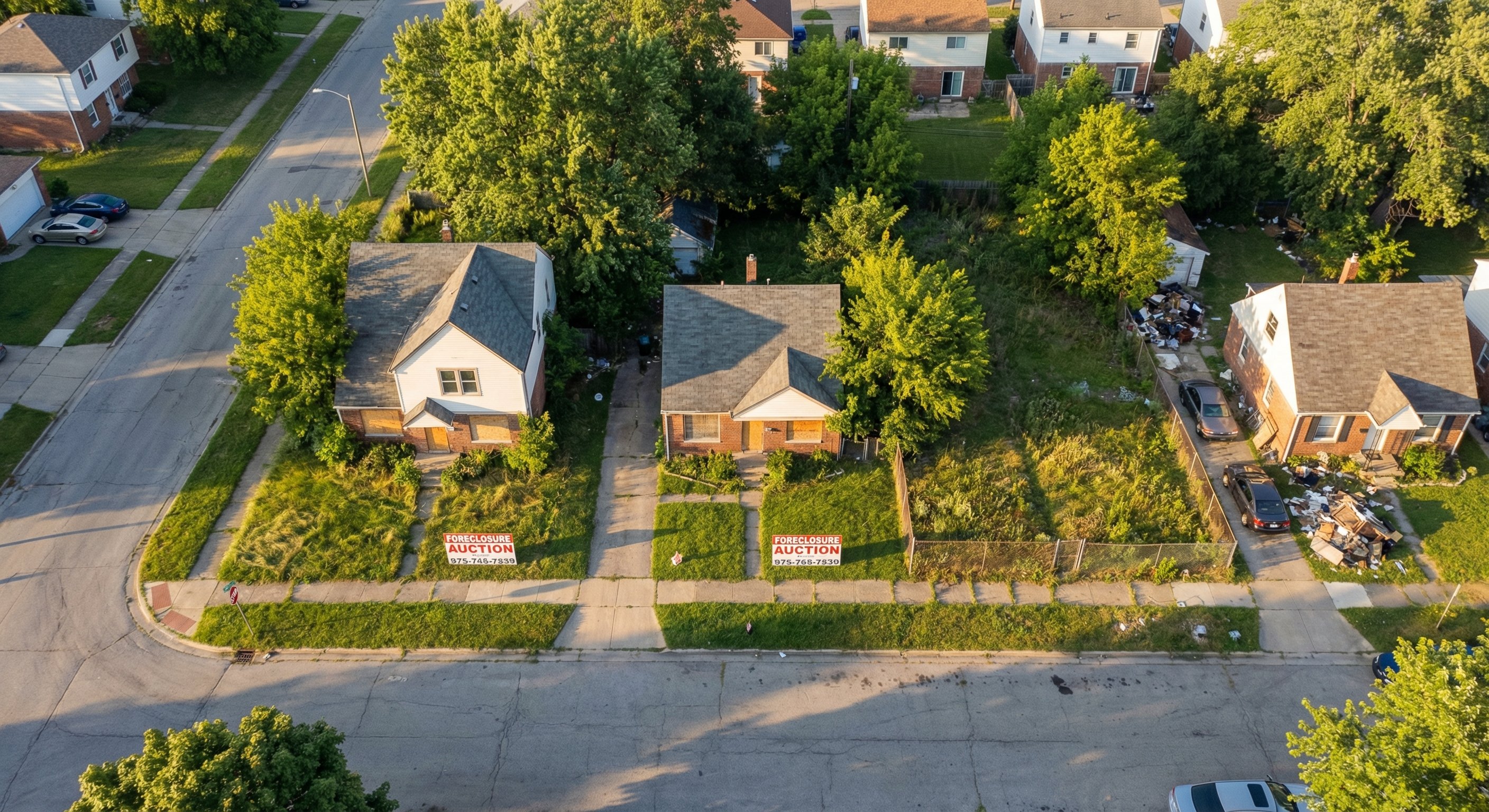
Once a notice of sale is recorded, the property enters the public auction pipeline. This is the stage with the most third-party aggregation, which means it is also the most competitive and the most mined by other investors.
What Auctions Do Not Show You
Auction schedules list properties by case number and legal description, not by street address. Converting a case number to a physical property requires cross-referencing with the county assessor's roll. This step is mandatory for any investor who wants to drive the property before bidding.
Auction lists also do not include current occupancy status, condition, or whether the borrower has filed for bankruptcy protection, which immediately halts the sale. Investors who bid on properties without checking bankruptcy filings risk losing their deposit.
Free Weekly Alerts
See What's Distressed in Your Market
Get free weekly alerts — new distressed properties, motivation scores, and hot neighborhoods in your area. Addresses and contact info available inside DistressIQ.
Free forever · No credit card · Unsubscribe anytime
Cross-Referencing Data Sources: The Step That Separates Serious Investors
The single most common mistake investors make when sourcing foreclosure leads is treating any single database as complete. Foreclosure data lives in three separate systems that rarely communicate with each other.
County Assessor: Contains the property address, physical characteristics, assessed value, and owner name. Does not contain foreclosure status.
County Recorder / Trustee: Contains the notice of default, notice of sale, and any lender documents. Does not contain assessor data or current value estimates.
County Sheriff / Court: Contains the auction schedule, sale results, and bankruptcy filings. Does not contain property characteristics.
Working investors build the complete picture by merging data from all three. This is why a platform that aggregates across county sources delivers better results than any single county database.
The Problem with Free Foreclosure Lead Databases
Free foreclosure listing sites aggregate public auction data and republish it. They solve the problem of having to visit 10 county websites. They create a new problem: the same data is available to every other investor using the same free site.

Free platforms also typically show only auction-stage and REO properties. Pre-foreclosure properties are invisible because they exist only in county court records, which these platforms do not monitor systematically.
When 50 investors are pulling the same free list and calling the same leads, the contact rates collapse. Phone numbers go dead. Gatekeepers answer. The homeowner has already received 12 postcards and 8 cold calls before the first investor from the free list makes contact.
The cost of skip tracing on a bad list is where free lead sourcing becomes expensive. Each skip trace credit costs money, and credits spent on wrong numbers or disconnected lines are gone.
What Signal Stacking Actually Means for Foreclosure Investors
Signal stacking refers to identifying properties that show multiple indicators of distress, not just one. A property with a notice of default plus a code violation plus an absentee owner is a stronger lead than one with a notice of default alone.
The reason is straightforward: one distress signal might reflect a temporary financial difficulty that resolves. Multiple overlapping signals indicate systemic financial pressure and a higher probability of motivated seller urgency.
DistressIQ stacks 31 signal types per property, including pre-foreclosure filings, code violations, tax delinquency, lis pendens, probate filings, and vacancy indicators. The motivation score ranks leads by the strength and density of their signal profile.
For an investor working a list of 200 foreclosure leads, the motivation score tells them which 20 to call first. Without it, the investor calls in the order the list was exported, which is usually alphabetical or by filing date, neither of which predicts seller motivation.
How to Structure Your Foreclosure Lead Workflow
An efficient foreclosure lead workflow has four steps:
Step 1: Define the geography. Pick one to three counties. Trying to cover an entire state from day one spreads effort too thin. Experienced investors pick a county where they know the court system, the average auction timeline, and the typical discount at sale.
Step 2: Pull from multiple county sources. Access the assessor database, the recorder or trustee filings, and the auction schedule. Merge by property address to build a master list that shows every distress signal on every property.
Step 3: Score and filter. Remove properties with known complications, such as senior liens, tax disputes, or properties where the auction has been postponed multiple times. Rank the remainder by signal density.
Step 4: Skip trace and contact the top tier. Run skip traces only on the filtered top tier. This is where signal stacking delivers its primary value: skip trace credits spent on a ranked list convert at a higher rate than credits spent on an unfiltered alphabetical export.
DistressIQ automates steps 2 through 4. The platform aggregates county recorder data, assessor data, and auction schedules across 3,200 counties, then applies motivation scoring to surface the highest-probability leads. Investors browse the map and list view for free and pay only when they unlock contact information for a specific lead.
Common Mistakes Investors Make When Chasing Foreclosure Leads
Bidding without inspecting. REO properties are listed as-is. Code violations, deferred maintenance, and structural issues are not disclosed. Driving properties before the auction or before submitting an offer is not optional.
Ignoring redemption periods. Some states give homeowners a redemption period after the auction, during which the winning bidder cannot take possession. In Arizona, for example, the redemption period can run 60 to 180 days depending on the circumstances. Knowing the redemption timeline in each target state prevents costly surprises.
Underestimating total acquisition cost. Auction prices do not include auction fees, title insurance, potential foreclosure-related repairs, and holding costs during the redemption period. Experienced investors calculate their maximum all-in bid before arriving at the auction.
Failing to check for subordinate liens. In some states, junior liens survive the auction and transfer to the winning bidder. A property purchased at auction in Florida may still carry undisclosed mechanic's liens. A title search is not optional on any auction purchase.
Chasing only auction-stage properties. Pre-foreclosure properties offer a wider negotiating window and typically trade at smaller discounts, but with fewer competing buyers. Investors who focus exclusively on auctions miss the majority of available opportunities.
Frequently Asked Questions
What is the difference between pre-foreclosure and foreclosure?
Pre-foreclosure refers to the period after a borrower defaults but before the property is sold at auction. During pre-foreclosure, the homeowner still holds title and may be open to a direct purchase before the auction. Foreclosure, in the strict investor sense, refers to properties scheduled for auction or already owned by the lender. Pre-foreclosure deals require direct homeowner contact, while auction-stage deals are public record.
How do I find foreclosure leads in my state?
Foreclosure lead availability varies by state. Non-judicial states such as Texas, Georgia, and California publish trustee sale schedules through county recorder websites. Judicial states such as New York, New Jersey, and Illinois require searches through county circuit court dockets. Aggregated platforms that monitor multiple county sources simultaneously offer the fastest way to cover several counties without visiting each database individually.
What is the average discount at a foreclosure auction?
Properties at auction typically sell between 65 and 85 percent of estimated market value, depending on location, competition at the sale, and property condition. REO properties (lender-owned after auction) typically list at 85 to 95 percent of market value but allow for full inspections and conventional financing. Pre-foreclosure direct purchases may achieve prices anywhere between 80 and 95 percent of market value, depending on seller motivation and time available.
Do foreclosure properties always need significant repairs?
Not always. Some foreclosures are in reasonable condition, particularly those where the borrower maintained the property until eviction. Others have extensive damage from vandalism, deferred maintenance, or squatters. Property condition varies widely. Investors should always conduct a drive-by inspection before bidding at auction.
How long does the foreclosure process take?
The timeline varies significantly by state. Non-judicial states such as Texas and Georgia can complete the foreclosure process in 60 to 120 days after the notice of default. Judicial states such as New York and New Jersey may take 18 months or longer due to court-required timelines. Investors should know the approximate timeline for their target county before building a lead sourcing strategy.
Can I buy a foreclosure property with a conventional mortgage?
Most foreclosure purchases at auction require cash or hard money because traditional financing timelines do not align with auction requirements. Some lenders offer foreclosure-specific financing products. REO properties listed by banks typically accept conventional offers and may allow financing contingencies.
How does DistressIQ help find foreclosure leads?
DistressIQ aggregates pre-foreclosure filings, auction schedules, and REO listings from county recorder, court, and sheriff office sources across more than 3,200 counties. Each property in the platform carries a motivation score calculated from its signal profile. Investors browse properties for free and pay only to unlock contact details on leads they want to pursue.
Finding foreclosure leads is not the bottleneck. Converting those leads into conversations with motivated sellers is where the actual work begins. The investors who build consistent deal flow treat foreclosure lead sourcing as a systems problem, not a list problem. Pick a geography, pull from multiple county sources, rank by signal density, and skip trace only the top tier. Everything else is wasted effort.
See distressed properties scored by motivation signal across every US county at distressiq.ai.
The data behind this article
DistressIQ Monitors These Signals in Real Time
Pre-Foreclosures
NOD + NTS filings
Tax Delinquency
County treasurer records
Code Violations
Municipal inspection filings
Probate Filings
Superior Court records
Every lead is scored 0–100 for seller motivation based on signal type, duration, severity, and stacking. Nationwide coverage — every US county, updated daily.
Ready to find deals in your market?
See Live Distress Signals in Your County
Stop calling dead leads. Every lead in DistressIQ is scored 0–100 for seller motivation, with verified contact info included. Browse the free tier to see what's active in your market right now.
Browse Free Leads — No Credit Card