Distressed Property Data: Where It Comes From (And Why Most Investors Are Working from the Wrong Source)
Distressed Property Data: Where It Comes From (And Why Most Investors Are Working from the Wrong Source)
TL;DR: Distressed property data falls into two broad categories — data sourced directly from county public records (assessor files, court filings, recorder documents) and data resold through aggregators who bought it from someone who got it from the county weeks or months ago. The difference matters because recency and exclusivity drive your conversion rate. County-direct data means you're working leads before most competitors even know they exist. Aggregated data means you're working the same list as everyone else. DistressIQ pulls directly from county sources across 3,200+ counties, updated daily, with 20+ signal types scored by motivation — so you reach the right seller at the right time.
Here's a question most investors never ask: where does your distressed property data actually come from?
Not "which platform did I buy it from" — but where did that platform get it? Who recorded it first? How many hands has it passed through? How old is it by the time it lands in your pipeline?
The answer to those questions is what separates investors who consistently find good deals from investors who wonder why their "motivated seller list" generated three callbacks and two hang-ups.
This article breaks down the full data supply chain — what types of distressed property data exist, where each comes from, how they degrade over time, and what that means for your outreach strategy.
The Data Supply Chain Nobody Talks About
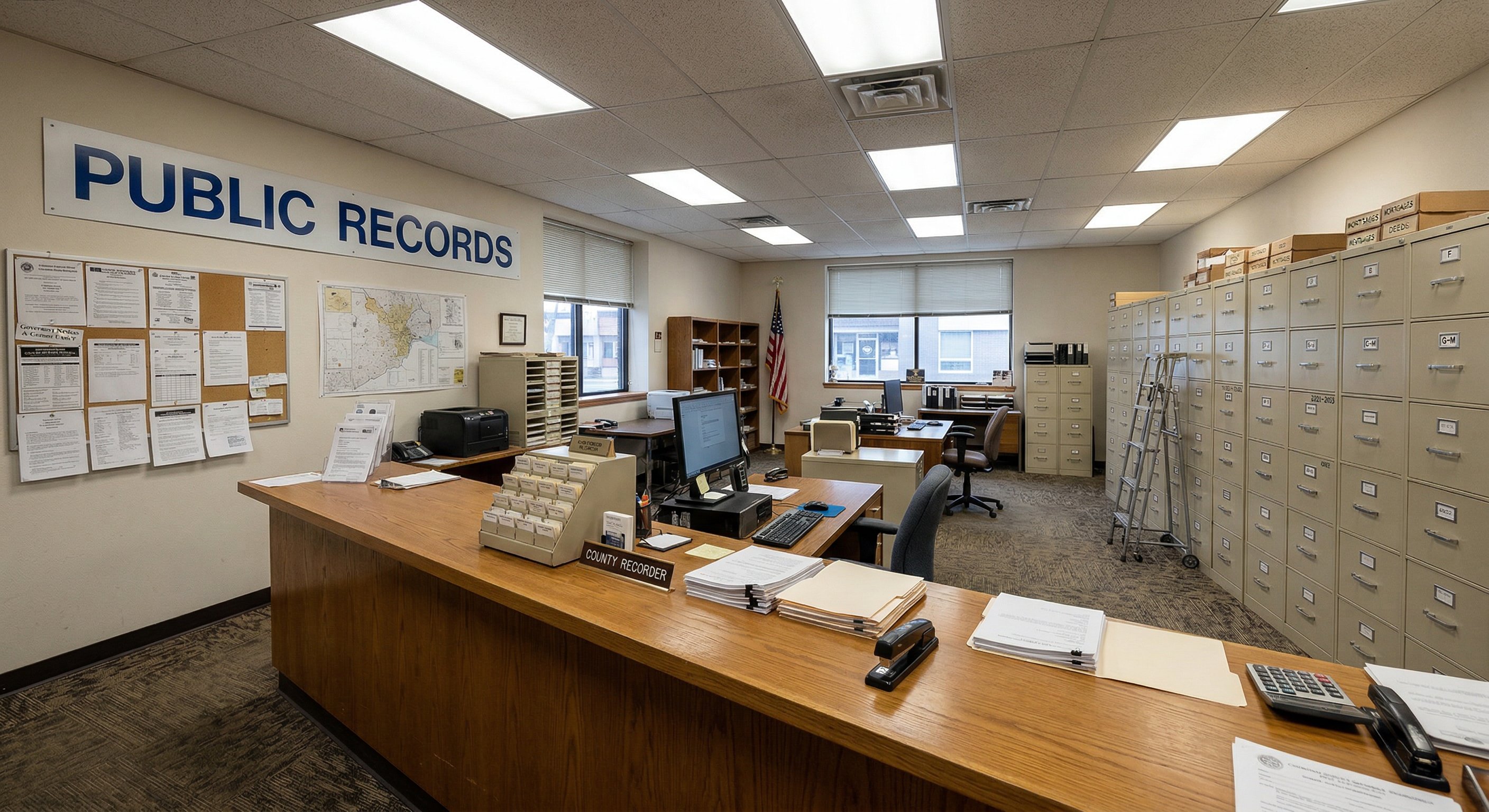
Every distress signal — pre-foreclosure, tax delinquency, probate, lis pendens, code violation — starts in the same place: a county government office.
A homeowner misses three property tax payments. The county treasurer records it. That record becomes a public document in a county assessor or treasurer database. At some point, someone accesses that database. That someone might be a data aggregator, a scraping company, a title company, or a direct-access platform. Each step in the chain adds time.
Here's what that supply chain typically looks like:
Direct access: Platform accesses county records directly → daily updates → you see it the same week it's recorded.
Single aggregation: Platform buys from a data vendor who maintains county feeds → weekly or monthly updates → you're typically 2-4 weeks behind.
Resold data: Platform buys from an aggregator who bought from another aggregator → quarterly updates are common → you could be 60-90 days behind on a signal that's 45 days from resolving.
At each step, the data gets older and more widely distributed. By the time a lead shows up in a mass-market platform, it's been exported, sold, and mailed to a few dozen other investors before you.
The Five Types of Distressed Property Data
Understanding what you're actually buying requires knowing how each signal type originates and what "fresh" means for each.
1. Tax Delinquency Data
Source: County treasurer or tax assessor offices.
How it's recorded: When property taxes go unpaid past a statutory deadline (varies by state), the county records a tax lien. In most states, the delinquency is public record immediately. But most counties publish batch updates — weekly or monthly — rather than real-time feeds.
Why recency matters here: Tax delinquency is one of the highest-converting distress signals. But the moment a property goes seriously delinquent, investors in that county start targeting it. Early access is the edge.
What you want: County-direct tax delinquent property data, updated on county publication cycles (usually weekly). Platforms that resell tax data are often 30-90 days behind because they batch-purchase from state-level aggregators.
2. Pre-Foreclosure / Lis Pendens Data
Source: County courthouse or state court system.
How it's recorded: When a lender begins foreclosure, they file a notice of default (NOD) or lis pendens with the county recorder. These are court documents — they become public record on the filing date.
Why recency matters here: The pre-foreclosure window is time-limited. Between the first notice and the auction, sellers have weeks or months to act. Early in that window, the homeowner has maximum flexibility. Late in the window, they're backed into a corner and often less rational about offers.
What you want: Pre-foreclosure data sourced directly from court filings, not filtered through an aggregator who processes it monthly. Court records go public the day they're filed.
3. Probate Records
Source: County probate court.
How it's recorded: When a property owner dies and the estate goes through probate, the filing is a public record. The estate typically must sell or distribute assets within a statutory window — often 9-24 months, though it varies significantly by state.
Why recency matters here: Probate is a slower signal — the family has time to work through the process. The investor's value is providing a clean path forward for families who don't want to become landlords or manage a renovation from out of state. Early access is still useful, but the window is longer than tax delinquency.
What you want: Probate data from county court filings, with enough signal detail to identify properties in the estate (not just names of deceased). Many platforms struggle with probate data because court record formats vary dramatically by county.
4. Code Violations
Source: County or municipal code enforcement offices.
How it's recorded: Code violations are issued by local inspectors and logged in a municipal or county code enforcement database. These are often the least standardized records in real estate — formats vary wildly, and many jurisdictions don't have centralized digital records.
Why this signal matters: A property with active code violations has a maintenance problem that the owner hasn't fixed. Combined with any other distress signal, code violations dramatically increase seller motivation. A home with a lis pendens AND three open code violations is a very different lead than a home with a lis pendens alone.
What you want: Code violation data is where most platforms fall down — it's hard to get and inconsistently formatted. Platforms that actually have it have a meaningful edge for investors who want to filter for multi-signal leads.
5. Property Characteristics (From County Assessors)
Source: County tax assessor offices.
This isn't a distress signal — it's property data. But its source matters enormously.
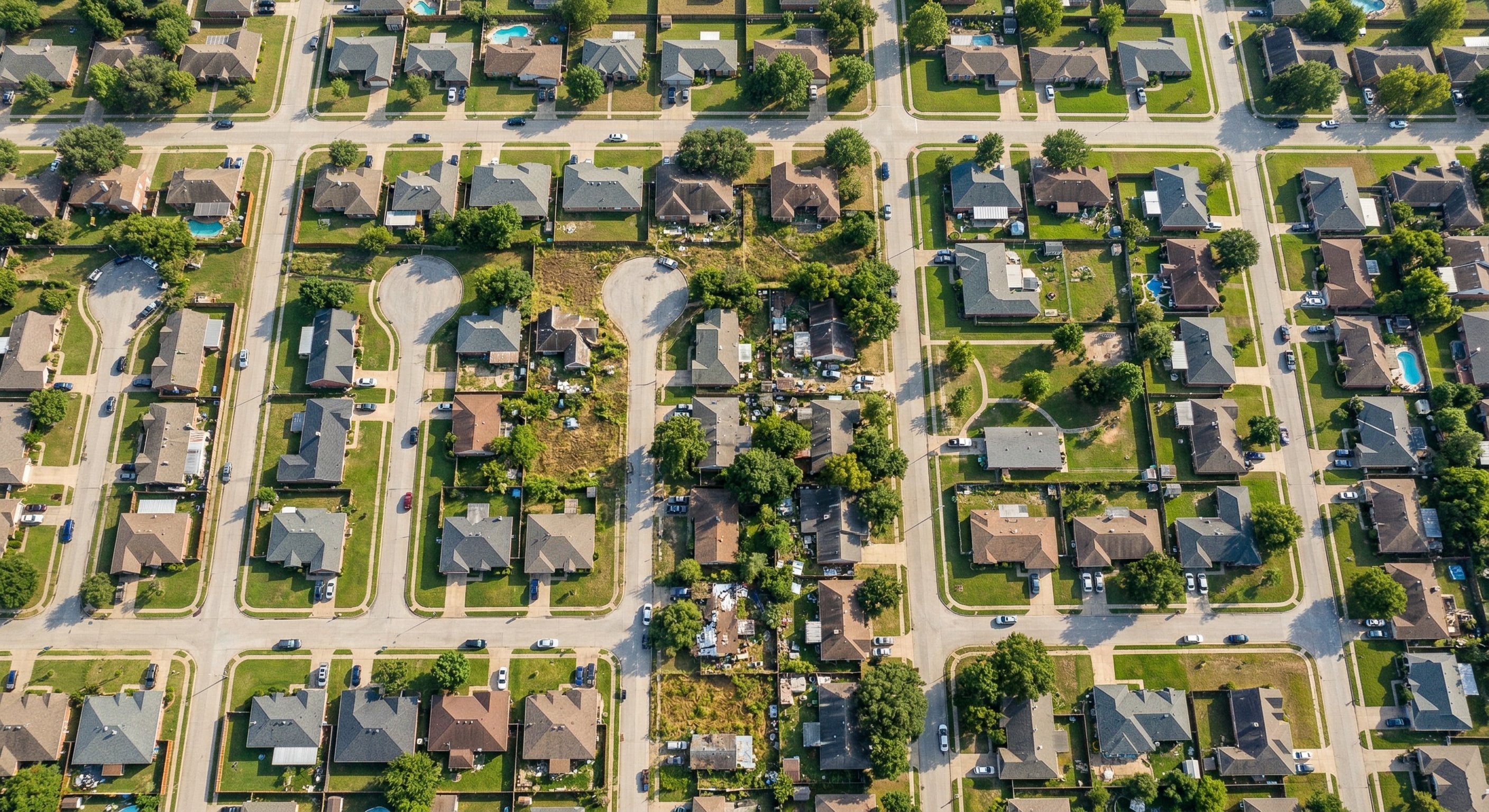
Most platforms source property characteristics (square footage, bedroom count, lot size, year built) from MLS data or from wholesale data aggregators who sourced it from MLS feeds. The problem: MLS data is notoriously inaccurate. Agents frequently enter incorrect information. Older listings never get corrected.
County assessor records are different. Assessors are required to maintain accurate property records because those records determine tax liability. Assessor-verified data reflects government-measured square footage — the legal record of truth.
If you're calculating ARV based on comparable sales, you need square footage to be accurate. If your comp shows 2,400 sqft but the assessor says 1,890, and you used the MLS number, you overpaid.
Free County Data vs. Paid Platforms: The Real Trade-off
Yes, you can access most of this data yourself for free. Every county recorder, assessor, and courthouse is legally required to make records public. So why does any investor pay for a platform?
The answer is time, format, and coverage.
Time: Going directly to county databases is slow. Systems are old, interfaces are terrible, and data isn't cross-county searchable. Pulling tax delinquency records for a county in Texas might mean downloading a CSV that hasn't been updated since last quarter, importing it into a spreadsheet, cross-referencing it with a separate assessor file, then trying to match it against court records from a different system entirely.
Format: No two counties format their data the same way. A tax delinquency file in Tarrant County Texas looks completely different from one in Miami-Dade. Normalizing raw county data into a workable format is a technical project — not an afternoon's work.
Coverage: Most investors work across multiple counties or even multiple states. Manually hitting 40 county portals every week is a full-time job.
A quality platform solves all three problems: it does the data collection, normalizes the format, and delivers it in a single interface with national coverage.
The question isn't whether to pay — it's whether the platform you're paying is actually solving the data quality problem, or just repackaging the same aggregated data every other platform is selling.
Free Weekly Alerts
See What's Distressed in Your Market
Get free weekly alerts — new distressed properties, motivation scores, and hot neighborhoods in your area. Addresses and contact info available inside DistressIQ.
Free forever · No credit card · Unsubscribe anytime
What "County-Direct" Data Actually Means
The marketing term "county-direct data" shows up a lot. Here's what it should mean and what to verify:
What it should mean: The platform accesses county records from the original source — assessor files, court databases, recorder documents — and not from an intermediary aggregator. Updates happen on the county's publication schedule, not on a monthly batch-purchase cycle.
What to verify: Ask how often data is updated by county (not by data type). Ask whether they have direct access to court records or are sourcing foreclosure data from a title company's feed. Ask what their coverage gaps are — because even county-direct platforms don't have 100% coverage in every jurisdiction.
Red flags for aggregated data: Platforms that show "last updated: 30 days ago" on individual counties. Platforms that can't tell you specifically where a signal came from. Platforms where the same lead appears across multiple competitive tools simultaneously (it's coming from the same aggregator).
The practical signal: if your list looks exactly like your competitor's list, you're both buying from the same aggregator.
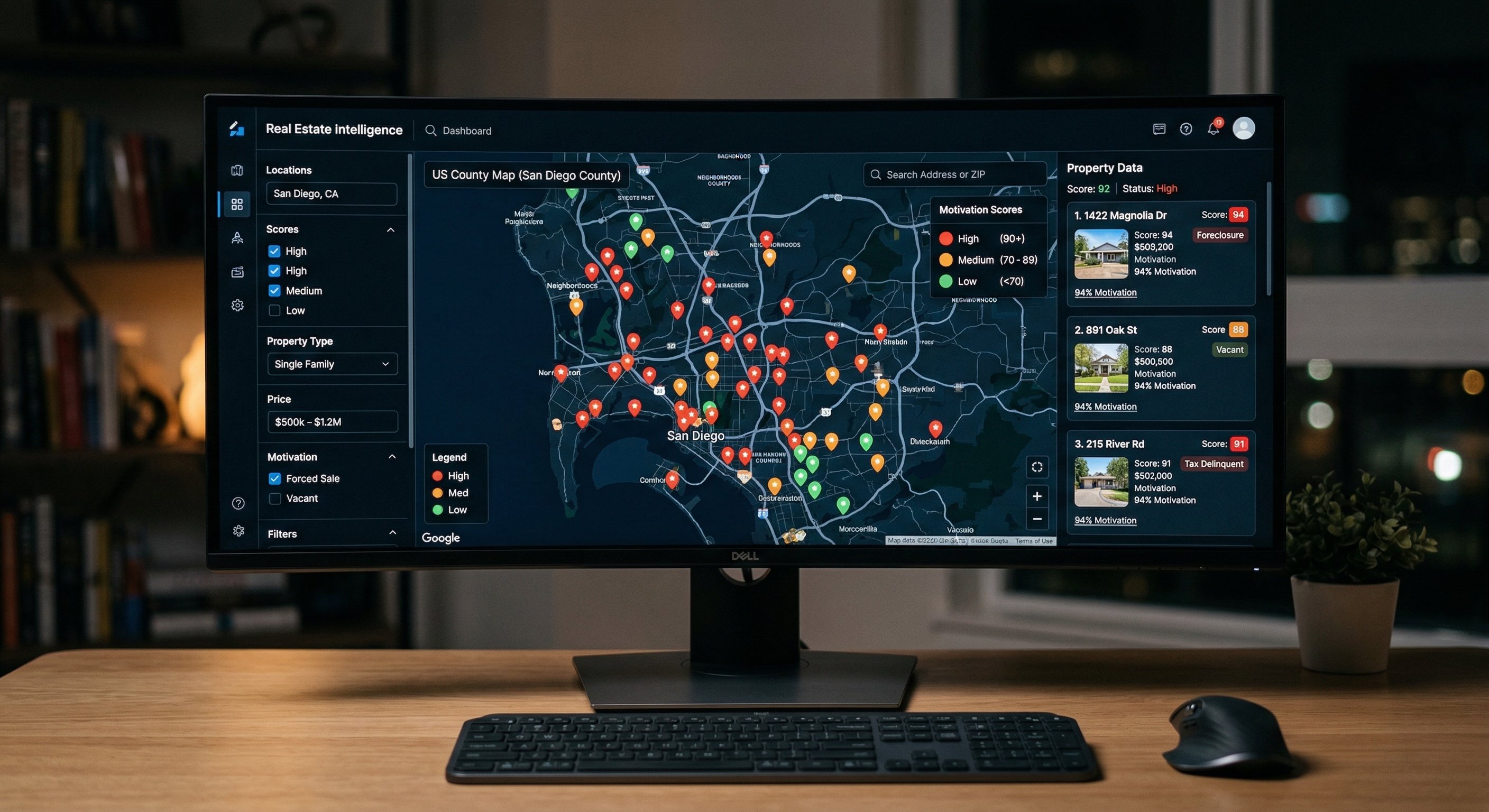
One platform built entirely on county-direct sourcing is DistressIQ. Browse free across 3,200+ counties — see the signals, see the score, only pay when you want contact info. Every lead has verified distress from county records, scored 0-100 by a multi-signal motivation engine that stacks 20+ signal types.
Stacking Signals to Filter Data Quality
The single best thing you can do with distressed property data — regardless of source — is filter for multi-signal leads.
A property with one distress signal might be a deal. A property with three stacked signals almost certainly is.
Here's why: each additional signal narrows the universe of matching properties. Tax delinquency affects maybe 3% of properties in a market. Pre-foreclosure affects maybe 1%. Properties with BOTH signals? A fraction of a percent. But those properties have two independent indicators of financial distress from two different sources — tax records AND court filings. The seller's motivation is corroborated, not assumed.
This is why the data quality conversation isn't just about freshness — it's also about breadth. A platform that only has tax data can't stack signals against court records. You need coverage across signal types to do this effectively.
The Data Quality Checklist
Before trusting any distressed property data source — free or paid — ask:
- Where does the data originate? County records directly, or through an aggregator?
- How frequently is it updated? Daily from county publication, weekly, or monthly batch?
- Which signal types does it cover? At minimum: tax delinquency, pre-foreclosure/lis pendens, probate. Bonus: code violations, divorce, eviction.
- Is property data assessor-verified? Or sourced from MLS (which is often wrong)?
- What's the actual county coverage? Every US county, or only major metros?
- Can you see multiple signals on a single lead? Or is each signal type siloed?
Platforms that can answer all of these with specifics are sourcing correctly. Platforms that give vague answers ("we use multiple data partners") are aggregating.

Frequently Asked Questions
Q: What are the most common sources for distressed property data?
A: The primary sources are county public records — specifically tax assessor offices (for delinquency), county recorders (for lis pendens and deed filings), probate courts (for estate filings), and municipal code enforcement departments (for violations). Most paid platforms source from these records either directly or through data aggregators. The key difference is how quickly data reaches you and how many layers of resale it passes through.
Q: How do I know if my data source is giving me stale leads?
A: Two signals: first, check the "last updated" date on individual county datasets in your platform — if it's more than a week old for tax or court data, you're behind. Second, track your contact rate. If you're calling leads that already have "sale pending" or the situation has already resolved, the data is stale. Fresh data should show a clear response advantage on new filings.
Q: Is free county data worth the time investment?
A: For a single county you know deeply, yes. If you're working a tight geographic focus and have the time to navigate county portals, you can get raw data before most platforms process it. But once you're working multiple counties or states, the time cost outweighs the savings. The operational overhead of normalizing raw county data across dozens of jurisdictions is substantial.
Q: What is "signal stacking" in distressed property data?
A: Signal stacking means filtering for properties with multiple independent distress indicators — for example, a home that is both tax-delinquent AND has a lis pendens filed. Each additional signal from a different source narrows the lead list and increases the probability that the owner is genuinely motivated to sell. A property with three stacked signals from three different county sources is a much higher-quality lead than a property with one.
Q: Does assessor-verified property data matter for my offers?
A: Yes — significantly. MLS data frequently contains errors in square footage, bedroom count, and lot size because agents self-report and records rarely get corrected. County tax assessor data is government-measured and used to calculate property taxes — it's the legal record of truth. When you're calculating ARV using comparable sales, using MLS sqft on a comp that's actually 500 sqft smaller means your model is wrong before you even make an offer.
DistressIQ provides county-direct distressed property data across 3,200+ counties, updated daily. Browsing is free — see the map, see the signals, see the motivation score. Only pay when you want contact info.
The data behind this article
DistressIQ Monitors These Signals in Real Time
Pre-Foreclosures
NOD + NTS filings
Tax Delinquency
County treasurer records
Code Violations
Municipal inspection filings
Probate Filings
Superior Court records
Every lead is scored 0–100 for seller motivation based on signal type, duration, severity, and stacking. Nationwide coverage — every US county, updated daily.
Ready to find deals in your market?
See Live Distress Signals in Your County
Stop calling dead leads. Every lead in DistressIQ is scored 0–100 for seller motivation, with verified contact info included. Browse the free tier to see what's active in your market right now.
Browse Free Leads — No Credit Card