Code Violation Properties: What They Are and Why They Create Rare Investor Opportunities
Code Violation Properties: What They Are and Why They Create Rare Investor Opportunities
TL;DR: Code violation properties are residential or commercial buildings that have been flagged by a city or county for failing to meet minimum habitability or safety standards. The violations that matter most for investors are structural deficiencies, habitability failures, and repeat noncompliance because they prevent conventional financing, making the pool of qualified buyers dramatically smaller. That restriction is exactly what creates the opening for investors who can buy with cash or renovation capital and resolve the violations before resale.
What Makes a Property a Code Violation Property
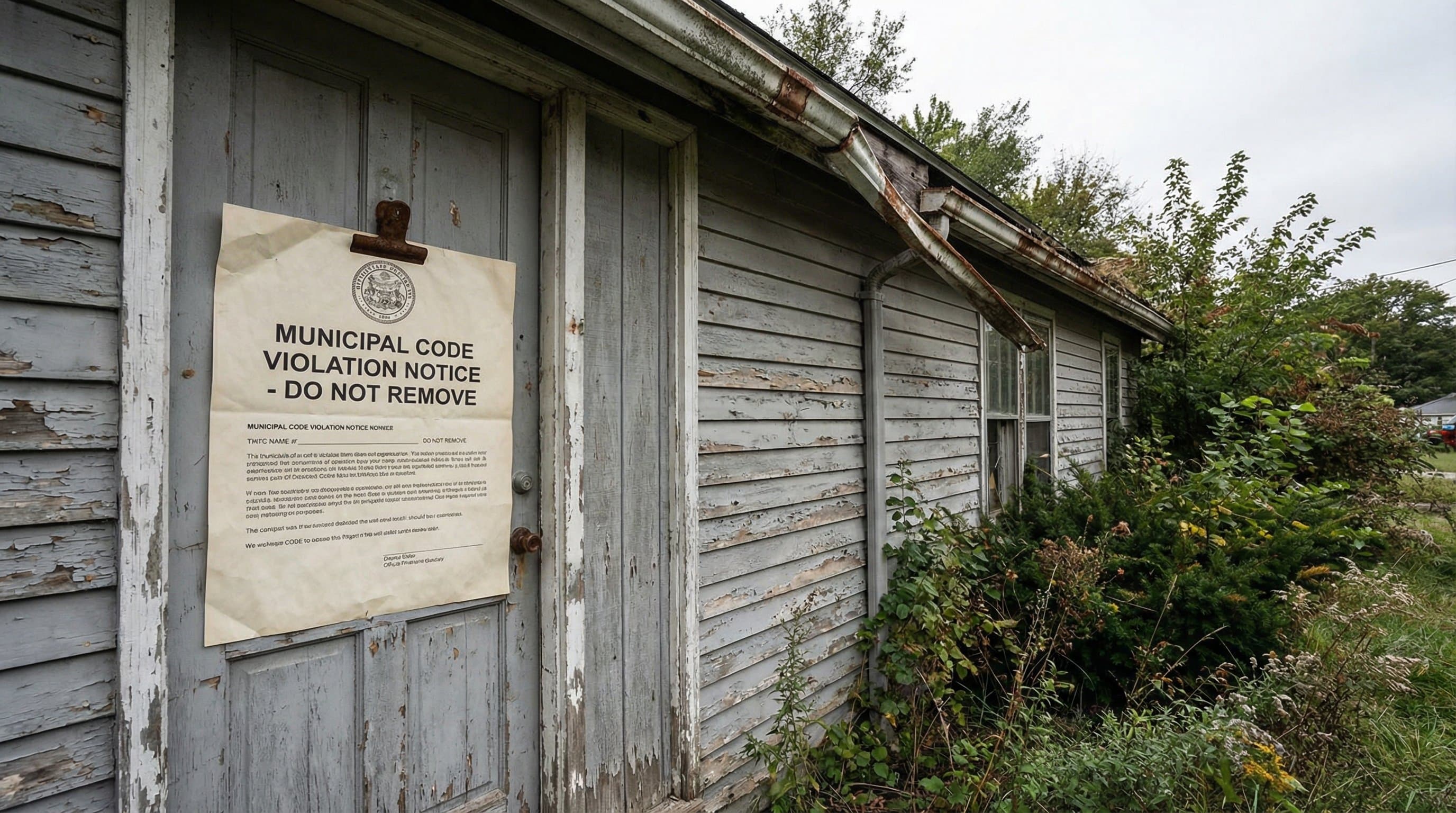
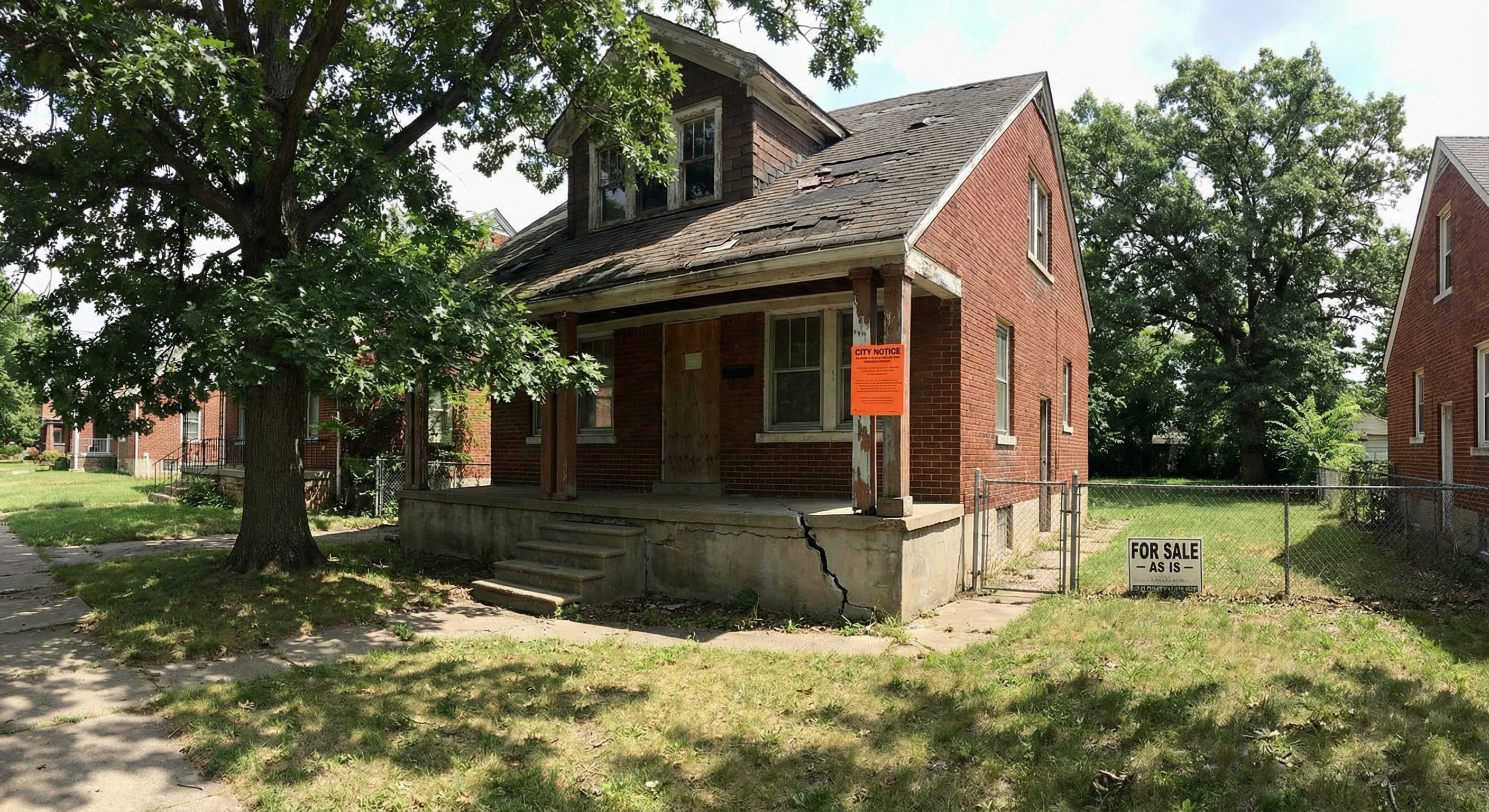
A code violation property is any building that a local government has officially determined falls below minimum standards for occupancy, safety, or maintenance. The determination comes from a city inspector or code enforcement officer who documents the violation, notifies the owner in writing, and gives them a deadline to remediate or face escalating fines.
Most code violations start small. A landlord who defers a roof repair for three years watches the damage spread. An elderly homeowner on a fixed income lets deferred maintenance accumulate until the city notices. An out-of-state property owner doesn't realize their rental has been accumulating violations until the fines hit a threshold that forces a response.
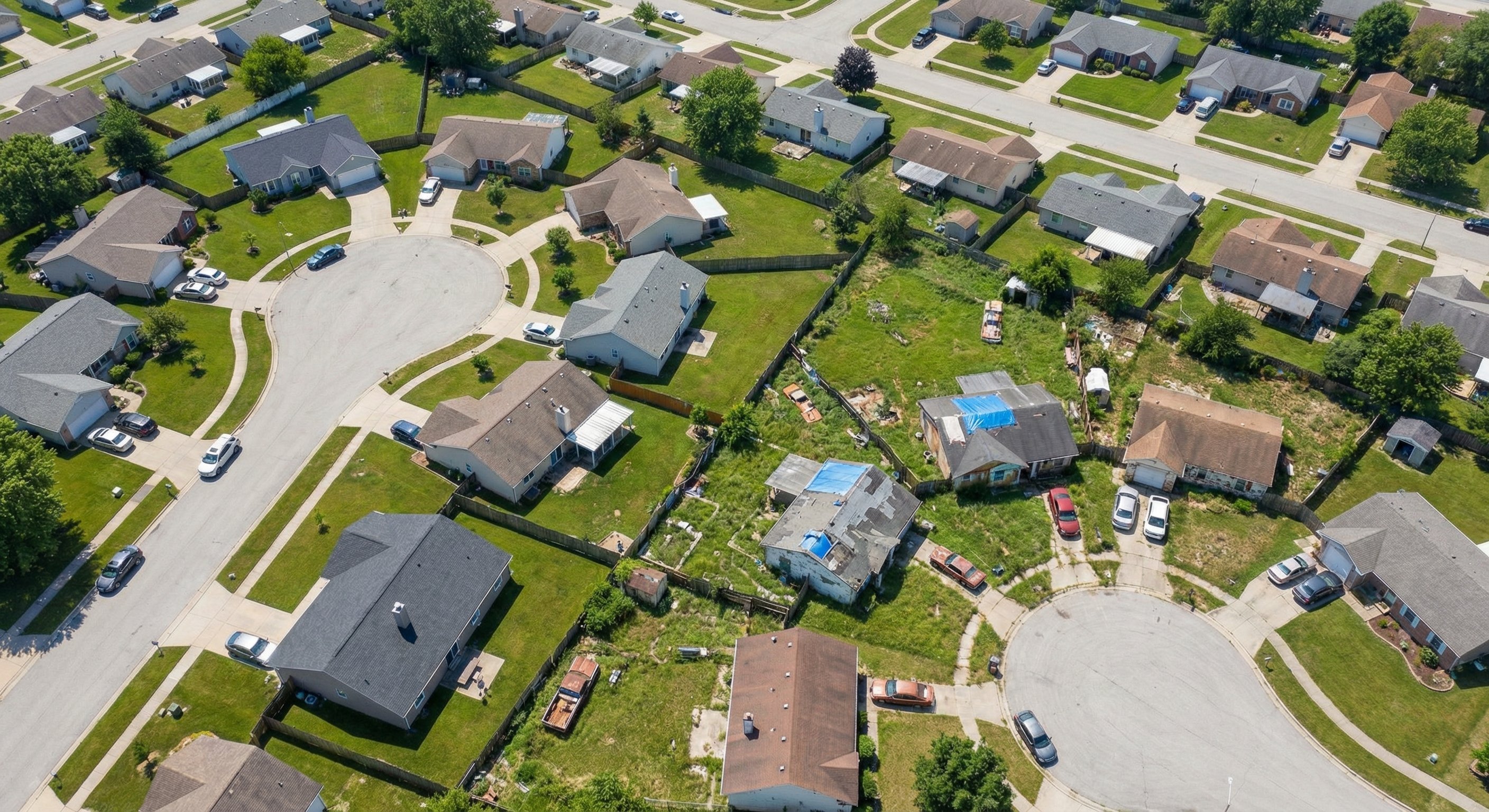
At that point, the owner faces a specific problem: the cost to fix the violation may exceed what the property is worth on the open market. And in many cases, the violation itself has created a condition that prevents a conventional sale.
That is the investor's opening.
The Violations That Trap Owners Most Effectively
Not every code violation creates a motivated-seller situation. A missing building permit for a patio addition or a first-time overgrown lawn notice rarely does. These are resolved quickly or represent situations where the owner has the resources and motivation to deal with them.
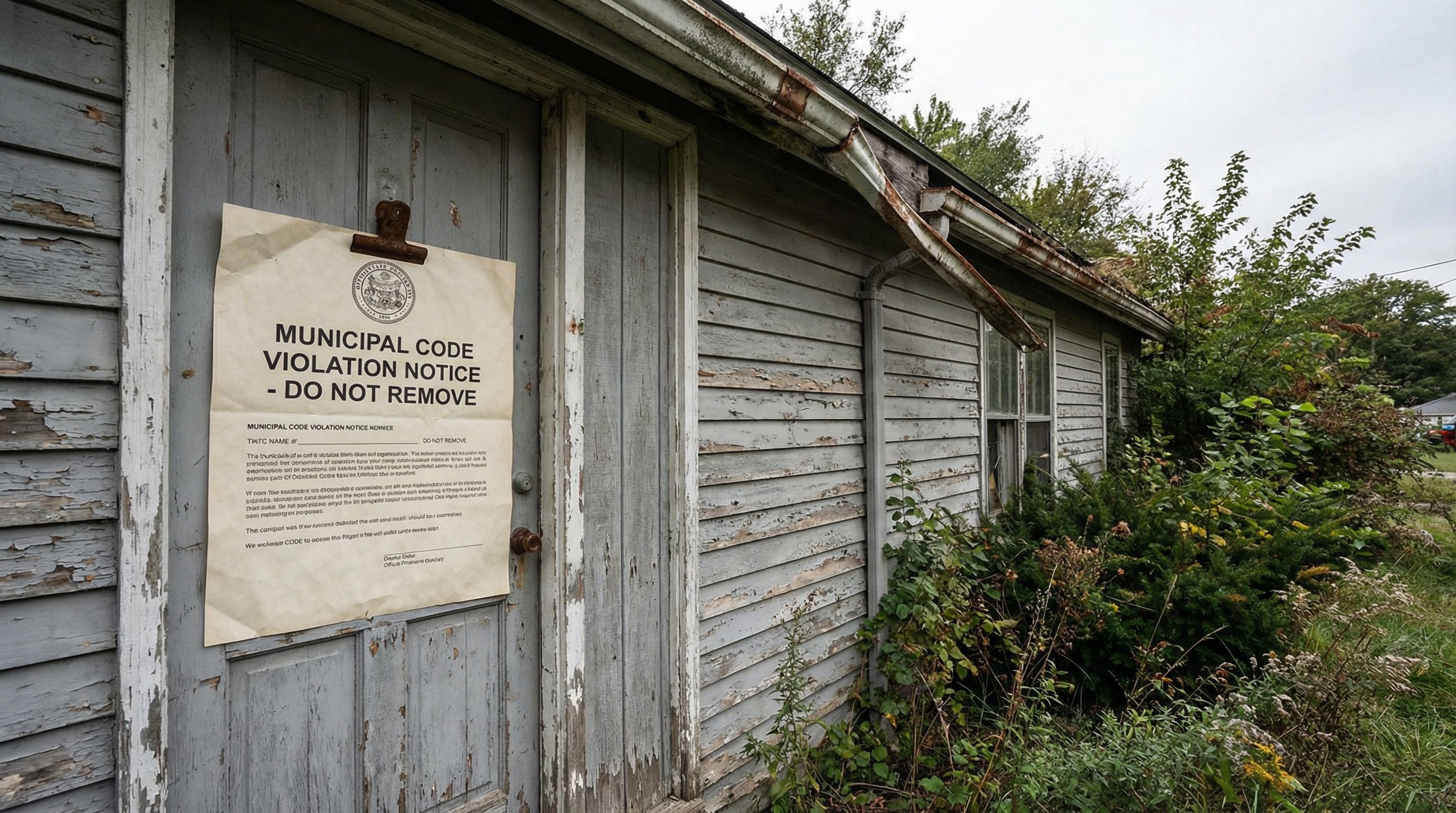
The violations that create genuine investor opportunities are the ones that impose structural or financial restrictions the owner cannot easily escape.
Structural deficiencies
When a city codes a property as having a structural deficiency, the notice typically references load-bearing failures, foundation problems, roof collapse risk, or other conditions that affect the building's physical integrity. These violations are expensive to remediate, often requiring engineering assessments and permits before any repair work can begin.
Structurally deficient properties cannot be financed with a traditional mortgage. FHA minimum property standards and VA appraisal requirements both mandate that properties meet habitability and structural integrity guidelines before financing can be approved. An owner with a structural violation who tries to sell through a real estate agent on the MLS will immediately encounter the problem: no lender will touch the property in its current condition.
The owner who cannot afford a $30,000 structural repair is stuck. They cannot sell retail. They cannot finance conventionally. Their only exits are a cash sale to an investor, a short sale (if the lender agrees), or continuing to accumulate fines while the property deteriorates.
Habitability violations
Habitability violations cover conditions that make a property unsafe or unhealthy to occupy: missing or nonfunctional plumbing, electrical systems that don't meet code, heating systems that have failed, severe mold, or sewage issues. In rental properties, habitability violations often come with mandatory occupancy suspensions, which means the landlord loses rental income the moment the city inspects and cites the property.
For an owner-occupant, a habitability violation effectively renders the property unsellable through conventional channels. The same structural financing problem applies, but there's an additional layer: the owner may be living in a property they legally cannot sell without disclosing the violation, and they may not have the cash to remediate it before a sale closes.
Vacant property designations
Many cities have specific vacant and abandoned property registries. When a property sits empty long enough, the city places it on this list and begins assessing fines. The designation also triggers inspection requirements, and in some jurisdictions, the city can move toward receivership or forced sale if the owner doesn't respond.
An owner whose property is on a vacant registry has usually already decided they are not returning. The question is not whether they will sell, but when and to whom.
Repeat violations
A single code notice, even a serious one, might reflect a temporary situation. The owner received bad advice, had a financial setback, or is in the process of remediation. Three separate violation notices across 18 months is a different story. Repeat noncompliance signals that the owner lacks the financial resources, organizational capacity, or emotional will to address the property. Those are the owners who eventually give up and sell at a discount.
Why Code Violation Properties Cannot Sell Through Conventional Channels
The core problem for code violation property owners is not finding a buyer. It is finding a buyer who can close.
When a property has open code violations, several things happen simultaneously.
Financing restrictions
As noted above, structural and habitability violations disqualify a property from conventional, FHA, and VA financing. Most individual buyers need a mortgage. Investors buying with hard money or cash can close quickly regardless of condition, but that is a narrow segment of the buyer pool. The violation has automatically excluded 85-90% of potential buyers.
Disclosure obligations
Most states require sellers to disclose known material defects, including open code violations. A seller who lists a property with a known structural violation and fails to disclose it faces legal liability after closing. This disclosure requirement creates a complicated conversation that many buyers walk away from rather than negotiate.
Title complications
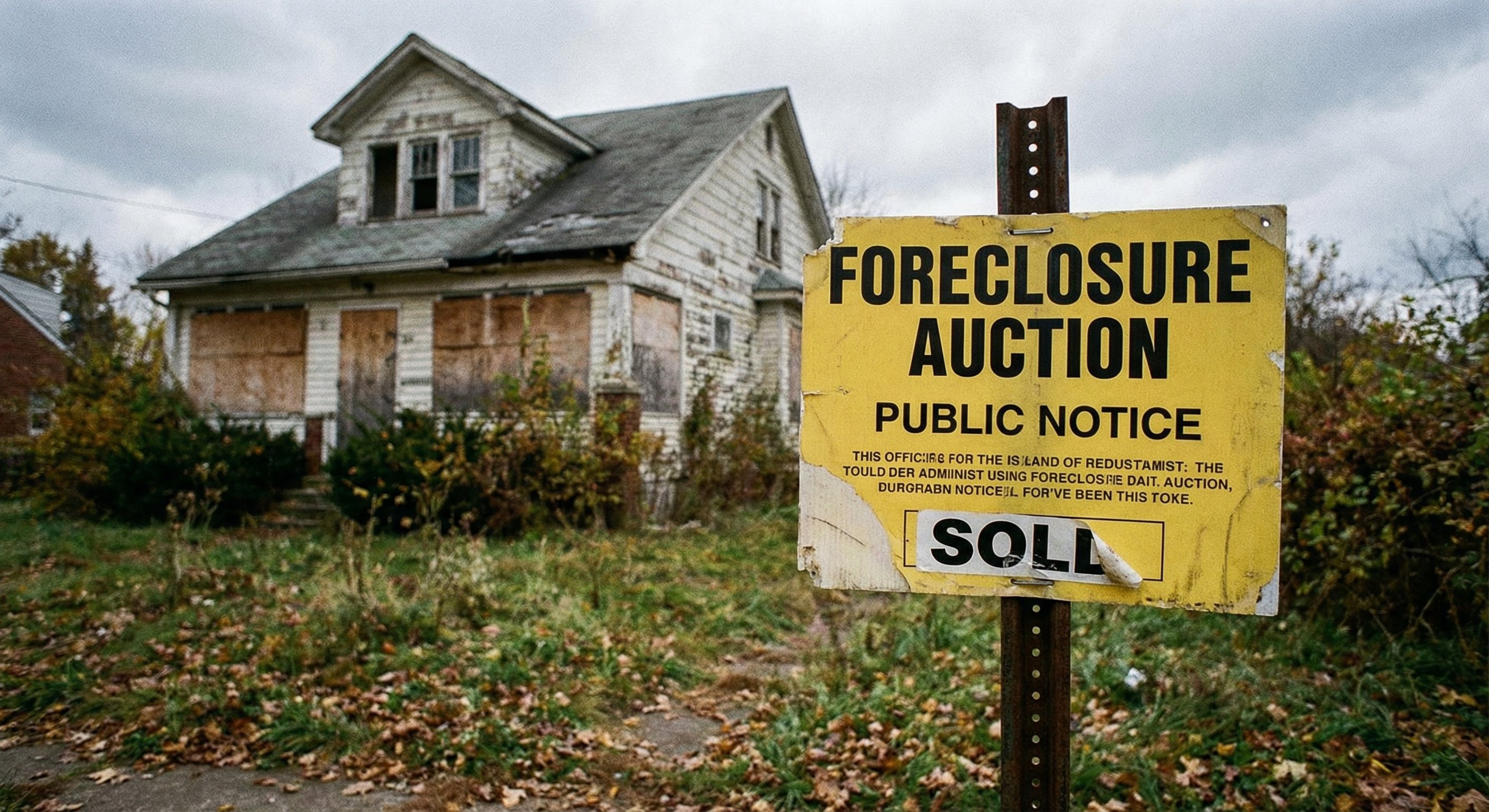
In some jurisdictions, code violations create liens on the property. The city can assess fines that attach to the title, meaning the new owner inherits the debt. In extreme cases, nuisance property designations create ongoing obligations that require the new owner to maintain the property to code standards or face continued penalties. Investors who understand this and factor remediation costs and lien resolution into their offer can move quickly because they are prepared for what most buyers refuse to confront.
The asymmetry that creates the opportunity
The owner of a code violation property is negotiating from a position of weakness. They have limited potential buyers, disclosure obligations that complicate every conversation, and a ticking clock from the city's remediation deadline. An investor who can close quickly, take the property as-is, and resolve the violations before resale is offering something the owner genuinely cannot find elsewhere.
This is not exploitation. It is providing a transaction solution that the conventional market cannot offer. Many owners of code violation properties are relieved to find someone who can solve the problem without requiring them to invest thousands they do not have.
Free Weekly Alerts
See What's Distressed in Your Market
Get free weekly alerts — new distressed properties, motivation scores, and hot neighborhoods in your area. Addresses and contact info available inside DistressIQ.
Free forever · No credit card · Unsubscribe anytime
How to Find Code Violation Properties Before They Hit the Market
The public record angle is where patient investors build their advantage.
Municipal code enforcement records
Most cities maintain code enforcement databases that are technically public records. The accessibility varies significantly: some cities publish active violation lists online through their planning or neighborhood services department; others require a public records request in writing; still others maintain records that can only be accessed in person at city hall.
The challenge is that there is no standardized national database. An investor working a single market can spend a full day learning the local system's structure, then repeat that process for every new market they enter.
County assessor and property records
Code violations and property status flags often appear in county assessor records, particularly in counties that have integrated their code enforcement systems with property assessment databases. Cross-referencing assessor data with municipal code enforcement records is more accurate than either source alone, but it requires manual effort that most investors are not equipped to do at scale.
The aggregation gap
Between the city-level code enforcement database and the county assessor record, there is a significant data gap that most investors do not bridge. The properties that are flagged for serious violations but have not yet gone to auction or been listed are rarely visible unless you are actively monitoring multiple city systems.
DistressIQ pulls code violation signals from municipal and county records across 3,200+ US counties, updated daily. The platform shows code violation properties alongside other distress indicators, so investors can see when a property has code violations that overlap with tax delinquency, vacancy, or other signals that compound the urgency. The motivation score ranks properties by the severity and recency of their violations, surfacing the ones most likely to result in a motivated owner willing to negotiate.

Building a Code Violation Property Strategy
Acquiring code violation properties is a specific skill set. The investors who do this consistently follow a few operating principles.
Always budget for full remediation before signing
Before making an offer on any code violation property, get a clear picture of what the violations actually cost to resolve. This requires either a contractor inspection specifically focused on the cited violations or a review of any prior inspection reports the city has on file. Never make an offer based on the purchase price alone. The violation remediation cost determines whether the deal works.
Account for lien carryover
In some cities, code violation fines create liens on the property that transfer to the new owner at closing. These are not always visible in a standard title search. Ask the city directly what liens exist against the property and factor any outstanding amounts into your offer arithmetic.
Factor timelines into the deal structure
Code violation remediation is not instantaneous. Structural repairs require engineering assessments and permits. Habitability violations in rental properties require city reinspection and sign-off. An investor expecting to buy, repair, and flip in 90 days needs to verify that the city's remediation timeline is compatible with that schedule.
The overlap approach
Code violation properties are most powerful when stacked with other signals. A property with a structural violation alone may still have an owner with enough cash to remediate and sell conventionally within six months. A property with a structural violation, 18 months of tax delinquency, an absentee owner on file, and a vacant property designation is a different situation entirely. The combination of signals narrows the list and raises the probability that the owner is genuinely motivated and has no other viable option.
Browse distressed properties with code violations alongside tax delinquency, vacancy, and other distress signals, scored and ranked by motivation. See code violation properties on DistressIQ free of charge.
Frequently Asked Questions
Q: What is the difference between a code violation and a building code violation?
A code violation and a building code violation are the same category of issue. Both refer to a property that has been found to violate local municipal codes governing occupancy, safety, structural integrity, or maintenance standards. The term code violation is the more common shorthand; building code violation appears in legal and engineering contexts. Both mean the city has made an official finding that the property does not meet minimum standards.
Q: Can a property with open code violations be sold?
A property with open code violations can be sold, but the buyer pool is restricted. Conventional financing cannot be used on properties with structural or habitability violations, which eliminates most individual buyers who need a mortgage. Investors buying with cash or hard money can purchase code violation properties. The seller is legally required to disclose known violations in most states under real estate disclosure laws, and any outstanding fines or liens against the property typically carry over to the new owner.
Q: Who is responsible for code violations on a property?
The property owner is legally responsible for code violations. The city issues the violation notice to the owner of record as listed in county assessor files. If the property has changed hands, the new owner inherits the violation unless the city has a specific procedure for clearing old violations at transfer. Tenants are not responsible for structural or habitability violations unless they caused the damage, which is a separate legal determination.
Q: How do code violations affect property value?
Code violations typically suppress property value in the short term because they restrict the buyer pool to cash or hard-money investors who price in the remediation cost. A property with a $20,000 structural violation will sell at a discount roughly equal to the remediation cost plus the investor's profit margin, which often results in a sale price 20-40% below comparable properties in good condition. For investors who can complete remediation efficiently, this discount represents the opportunity.
Q: How can investors find code violation properties in their target market?
Code violation data is available through municipal code enforcement departments and, in some counties, through integrated assessor databases. The manual approach involves submitting public records requests to each city you are targeting. An aggregated approach uses platforms like DistressIQ that compile code violation records from multiple municipal and county sources into a single searchable interface, allowing investors to filter by violation type, stack with other distress signals, and view motivation scores without contacting each city individually.
The data behind this article
DistressIQ Monitors These Signals in Real Time
Pre-Foreclosures
NOD + NTS filings
Tax Delinquency
County treasurer records
Code Violations
Municipal inspection filings
Probate Filings
Superior Court records
Every lead is scored 0–100 for seller motivation based on signal type, duration, severity, and stacking. Nationwide coverage — every US county, updated daily.
Ready to find deals in your market?
See Live Distress Signals in Your County
Stop calling dead leads. Every lead in DistressIQ is scored 0–100 for seller motivation, with verified contact info included. Browse the free tier to see what's active in your market right now.
Browse Free Leads — No Credit Card