Zombie Foreclosures: What They Are and Why Smart Investors Target Them in 2026
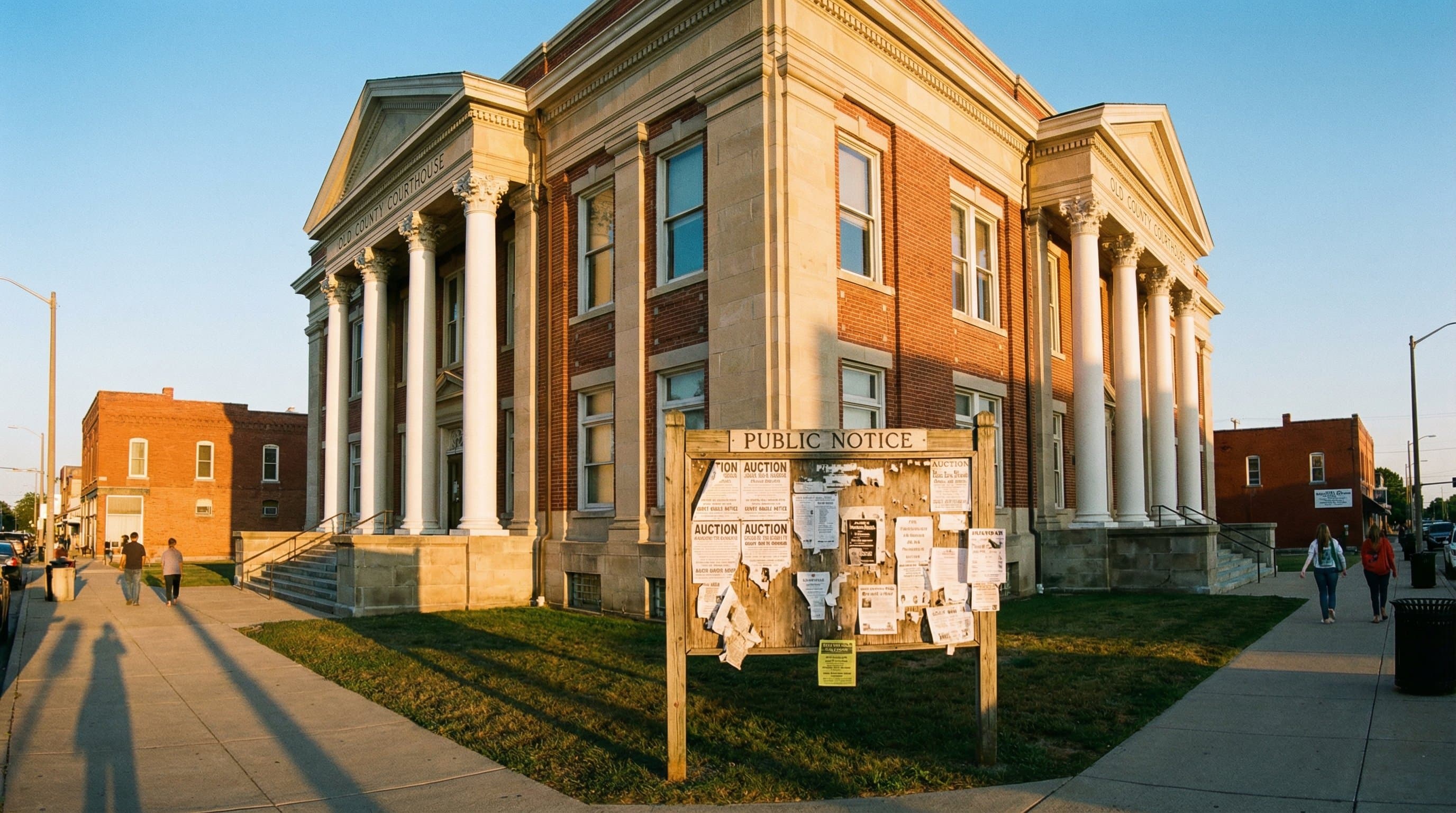
Zombie Foreclosures: What They Are and Why Smart Investors Target Them in 2026
TL;DR: A zombie foreclosure occurs when a homeowner abandons a property during the pre-foreclosure process, often after receiving a notice but before the auction actually takes place. The home sits vacant, sometimes for years, while ownership remains in limbo between the lender and the borrower. Investors who know how to track these properties can acquire them at significant discounts because few competitors are actively monitoring the signal that produces them: the intersection of a cancelled lis pendens, an abandoned property registration, and a county records gap that most lead platforms simply do not capture.
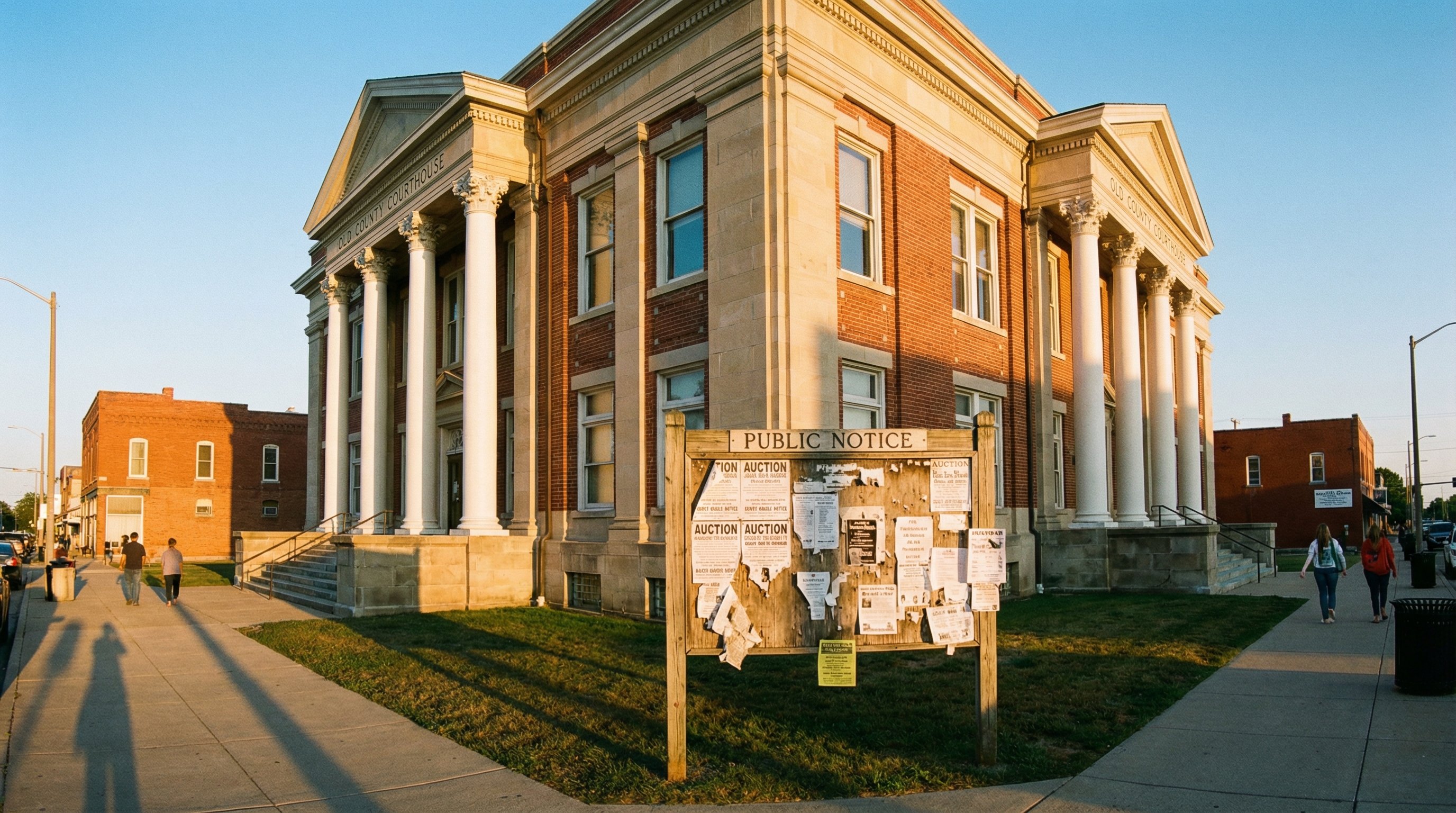
Most real estate investors have heard the term zombie foreclosure. Fewer understand why the mechanism that creates one is almost entirely invisible to the standard property search stack. This article explains exactly what zombie foreclosures are, why they form, what they are worth to an investor who knows how to locate them, and how to build a sourcing system that finds them consistently.
What Is a Zombie Foreclosure?
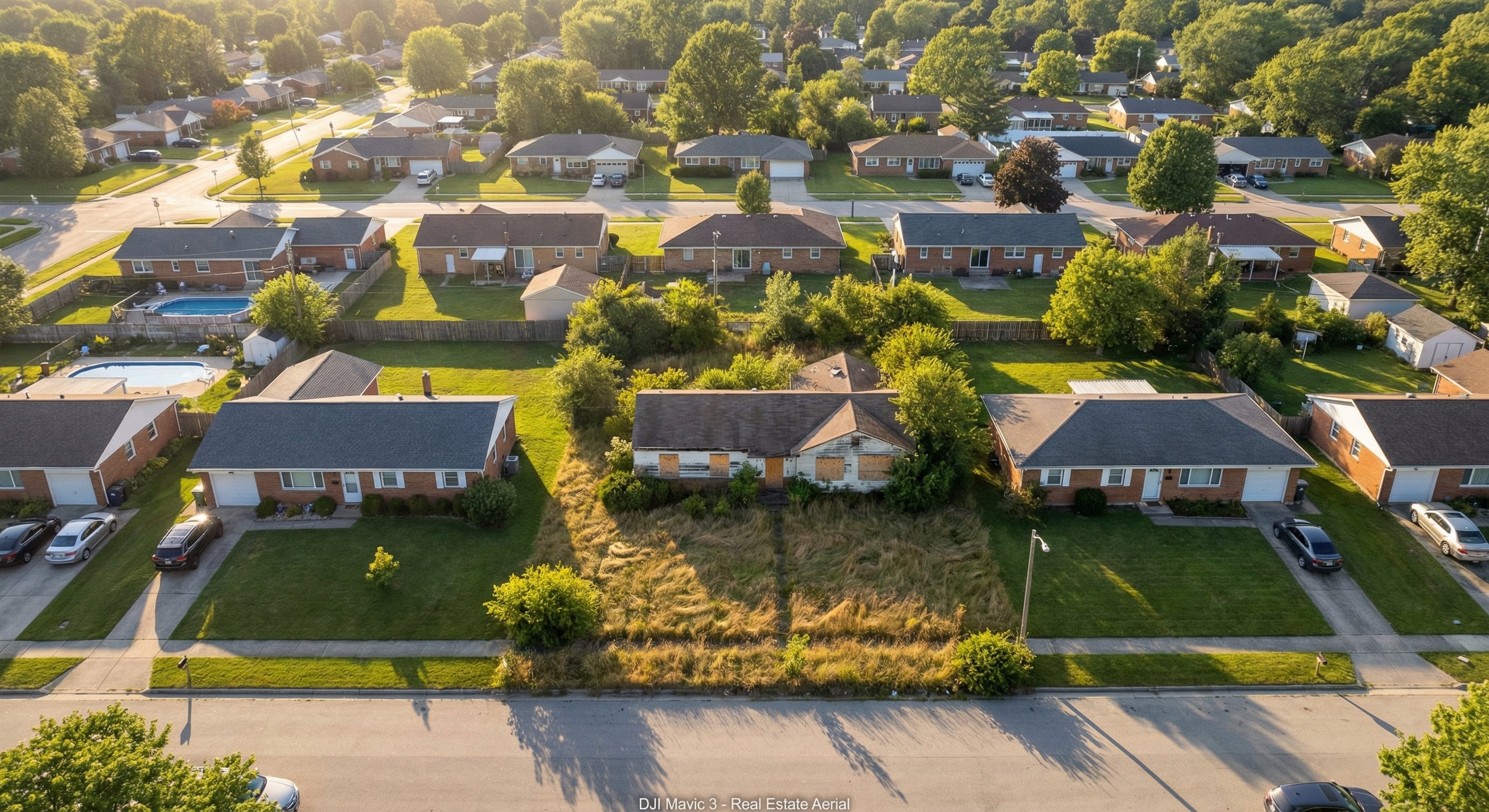
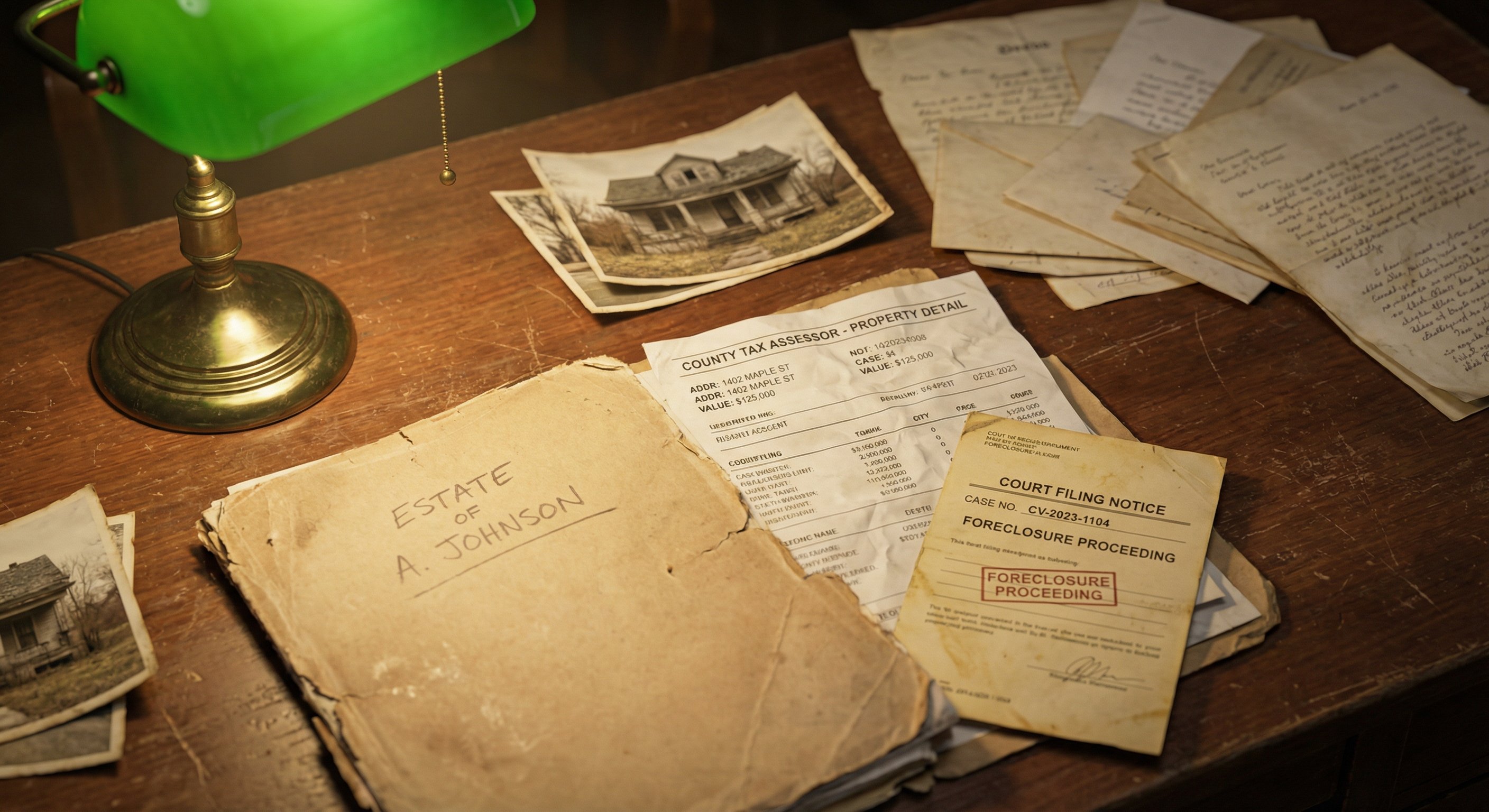
A zombie foreclosure is a property that has entered the pre-foreclosure phase, where a lender filed a notice of default or lis pendens, but the process stalled, was cancelled, or was restarted. The homeowner, often assuming the worst after receiving official-looking paperwork, abandons the property before the auction date arrives. The home then sits vacant, sometimes for six months, sometimes for several years, while the title remains technically in the homeowner's name.
The name comes from the housing crisis of 2008 through 2012, when this phenomenon became epidemic in states with long judicial foreclosure timelines. Homeowners received foreclosure notices, assumed the process was further along than it was, packed up, and left. Properties sat empty, often accumulating code violations, squatters, and municipal liens while title remained unresolved.
In a 2024 report on vacant and abandoned properties, the Center for Municipal Finance noted that zombie properties disproportionately affect neighborhoods already experiencing economic stress. They are expensive for municipalities to maintain, dangerous as potential squatting locations, and create cascading property value declines for surrounding homes. Local governments have strong incentives to see these properties returned to productive use, which creates a favorable regulatory environment for investors who can clear title and rehabilitate them.
Why Zombie Foreclosures Are Different From Standard Vacant Properties
Not every vacant home is a zombie foreclosure. The defining characteristic is the ownership status and the presence of a stalled or cancelled legal process. A home can be vacant because the owner is traveling, because a rental unit is between tenants, or because it is being held as a long-term investment. Those properties come with clean titles and are straightforward to purchase. Zombie foreclosures come with complications.
The most common complication is title. Because the original homeowner abandoned the property rather than completing a sale or surrendering the property through a completed foreclosure, the title chain may be broken. The lender may or may not have a valid claim. The property may be subject to municipal liens from code violations that accrued during the vacancy period. Junior lien holders may have claims. These complications make zombie foreclosures unsuitable for investors who lack patience for the title resolution process. For investors who know how to work with title companies and abstractors to untangle ownership, the discounts are substantial.
Another distinguishing factor is motivation. A standard vacant property may simply be waiting for the right buyer at the right price. A zombie foreclosure almost always has a motivated seller situation embedded somewhere in the chain: the lender wants the asset off their REO books, the municipality wants the code violation removed from their registry, and in some cases the original owner still holds title and would prefer a clean exit even without financial benefit.
Why Investors Target Zombie Foreclosures
The most direct answer is discount. Zombie foreclosures typically sell at 20 to 50 percent below comparable properties in the same condition tier, depending on the title complexity and the local market. A home that would retail for $250,000 in a move-in ready condition might be available from a motivated lender or municipal acquisition program for $140,000 to $180,000, even after accounting for title clearance costs and rehabilitation.
Beyond price, zombie foreclosures offer less competition. Standard distressed property searches pull pre-foreclosure lists and auction calendars, both of which attract heavy investor activity. Zombie foreclosure signals are harder to aggregate because they require cross-referencing abandoned property registries, cancelled lis pendens filings, utility disconnection records, and county assessor vacancy flags. Most investor tools do not cross-reference these signals at all. The investor who builds this capability finds a market segment with far fewer active bidders.
The neighborhood impact also matters. Municipalities and community development organizations are increasingly willing to work with investors who bring a rehabilitation plan. Some cities offer expedited permitting, tax abatement programs, or direct acquisition options for investors who commit to returning zombie properties to habitable condition. An investor who presents a credible scope of work to a city housing authority may gain access to programs that are not available on the open market.
Free Weekly Alerts
See What's Distressed in Your Market
Get free weekly alerts — new distressed properties, motivation scores, and hot neighborhoods in your area. Addresses and contact info available inside DistressIQ.
Free forever · No credit card · Unsubscribe anytime
How the Zombie Foreclosure Lifecycle Works
Understanding the lifecycle helps investors identify which signal combinations point to a genuine opportunity versus a dead end.
Stage 1: Pre-foreclosure initiation. The lender files a notice of default or lis pendens with the county recorder. The homeowner receives official notice. This stage creates the public record that most distressed property search tools capture.
Stage 2: Homeowner abandonment. The homeowner, believing the foreclosure is further along than it is or choosing to exit before the auction, leaves the property. This stage is not captured in any standard database. It is observable through utility disconnection records, neighbor reports, or physical reconnaissance.
Stage 3: Foreclosure cancellation or restart. The lender cancels the foreclosure auction, often because the homeowner filed for bankruptcy, negotiated a loan modification, or the lender determined the opening bid would not recover enough of the loan balance. In some jurisdictions, the lender must restart the entire process from the beginning if too much time passes between the notice of default and the auction date. This creates a gap in the public record that hides the property from most monitoring systems.
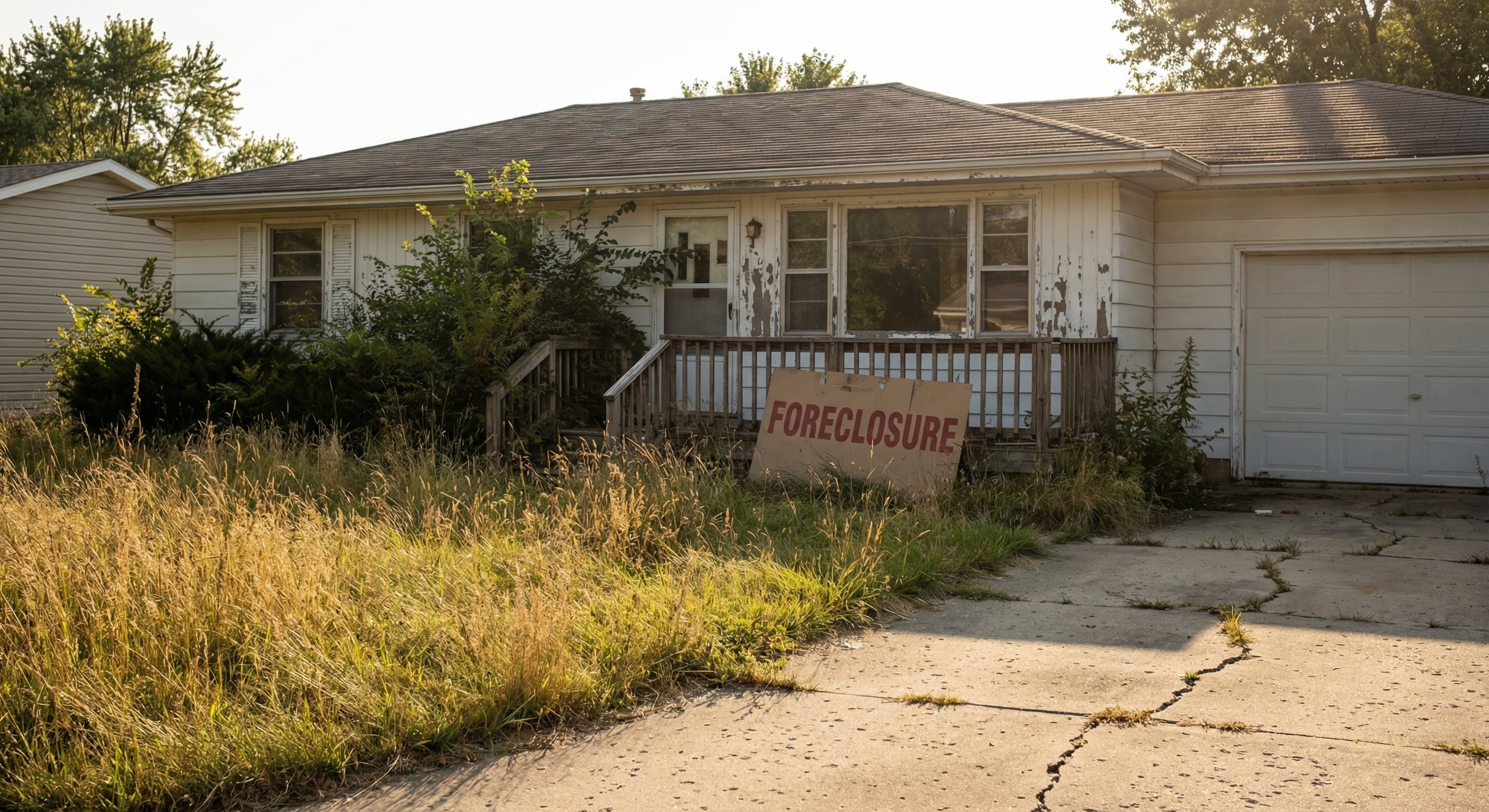
Stage 4: Vacancy and neglect. The property accumulates code violations, municipal liens, and physical deterioration. The municipality may register it as a vacant or abandoned property, which creates an additional public record in many states.
Stage 5: Title resolution and sale. The investor acquires the property either from the lender directly (often as a direct REO negotiation), through a municipal acquisition program, or by purchasing directly from the original owner who still holds title. Each path has different legal requirements, timelines, and price ranges.
How to Find Zombie Foreclosure Leads
Most investors miss zombie foreclosures because they rely on a single data source. Finding them requires combining signals from multiple public record types and cross-referencing them over time.
Lis pendens cancellation records. A lis pendens is a public notice filed with the county recorder indicating that a foreclosure lawsuit is in progress. When that lis pendens is cancelled or released, it often means the foreclosure stalled. Cross-referencing cancelled lis pendens filings with utility disconnection records and abandoned property registrations produces a short list of genuine zombie candidates.
County assessor vacancy flags. Many county assessors maintain a vacant property registry or flag properties where the owner has claimed a homestead exemption but utility records suggest the property is unoccupied. These flags are updated on varying schedules, and the gap between a property becoming vacant and the assessor updating the flag can be six months or longer.
Municipal code violation databases. Cities and villages in states with judicial foreclosure processes maintain public databases of code violations, which often include properties that have been vacant and unregistered. These databases are searchable in most municipalities and can be cross-referenced with county records to identify properties that are both vacant and in a stalled legal process.
Utility disconnection records. Some states and municipalities allow investors to request utility disconnection histories for commercial purposes. A pattern of disconnection followed by low or zero consumption is a strong indicator that a property has been abandoned. This data is not available in every jurisdiction, but where it is accessible, it is one of the most reliable signals.
The most efficient approach is to use a platform that aggregates multiple signal types and can cross-reference them automatically. Platforms that pull from county assessor records, county recorder filings, and municipal violation databases can surface properties that carry multiple agency flags simultaneously, which dramatically reduces the amount of manual research required to separate genuine opportunities from noise.
What to Watch For When Evaluating a Zombie Foreclosure
Finding a zombie foreclosure is the beginning of the work, not the end. Title complications are the most common reason deals fall apart. Before investing significant time or money in any zombie property, an investor should:
Order a preliminary title report. This document reveals all liens, encumbrances, and claims against the property. A clean preliminary title report is not a guarantee that the deal will close, but a messy one with multiple junior lien holders, tax liens, and municipal violations is a strong signal to negotiate harder on price or walk away.
Verify occupancy status. A property that appears vacant may have occupants who are not visible from the street. Squatters, former tenants with lingering rights, or family members of the original owner may have a legal claim to possession. A physical inspection and a neighborhood canvas are minimum requirements before submitting an offer.
Understand local redemption periods. Some states give homeowners a statutory right of redemption after a foreclosure auction, which allows them to reclaim the property by paying the full amount owed plus costs. Other states have eliminated or shortened this period. An investor who purchases a zombie property in a state with a long redemption period may find that the deal collapses weeks before closing.
Factor rehabilitation costs honestly. Zombie properties are often in worse condition than standard distressed properties because they have been vacant longer and have accumulated more neglect. Roof damage, plumbing winterization failures, vandalism, and squatter damage are common. Budget 20 to 30 percent above the initial estimate for a property that has been vacant for more than 18 months.
Where Zombie Foreclosures Are Most Common
Zombie foreclosures are not uniformly distributed across the United States. They cluster in states with judicial foreclosure processes, where the lender must file a lawsuit and receive a court judgment before conducting an auction. Judicial foreclosure states include New York, New Jersey, Illinois, Florida, and several others in the Northeast and Midwest. In these states, the legal timeline from notice of default to auction can stretch 12 months or longer, creating more opportunity for homeowners to abandon properties and for the process to stall.
Non-judicial foreclosure states use a faster administrative process and typically see fewer zombie properties because the timeline is shorter and the abandonment opportunity window is narrower. However, zombie properties still appear in non-judicial states, particularly in markets with high unemployment, high vacancy rates, or rapid foreclosure volume that overwhelms the administrative system.
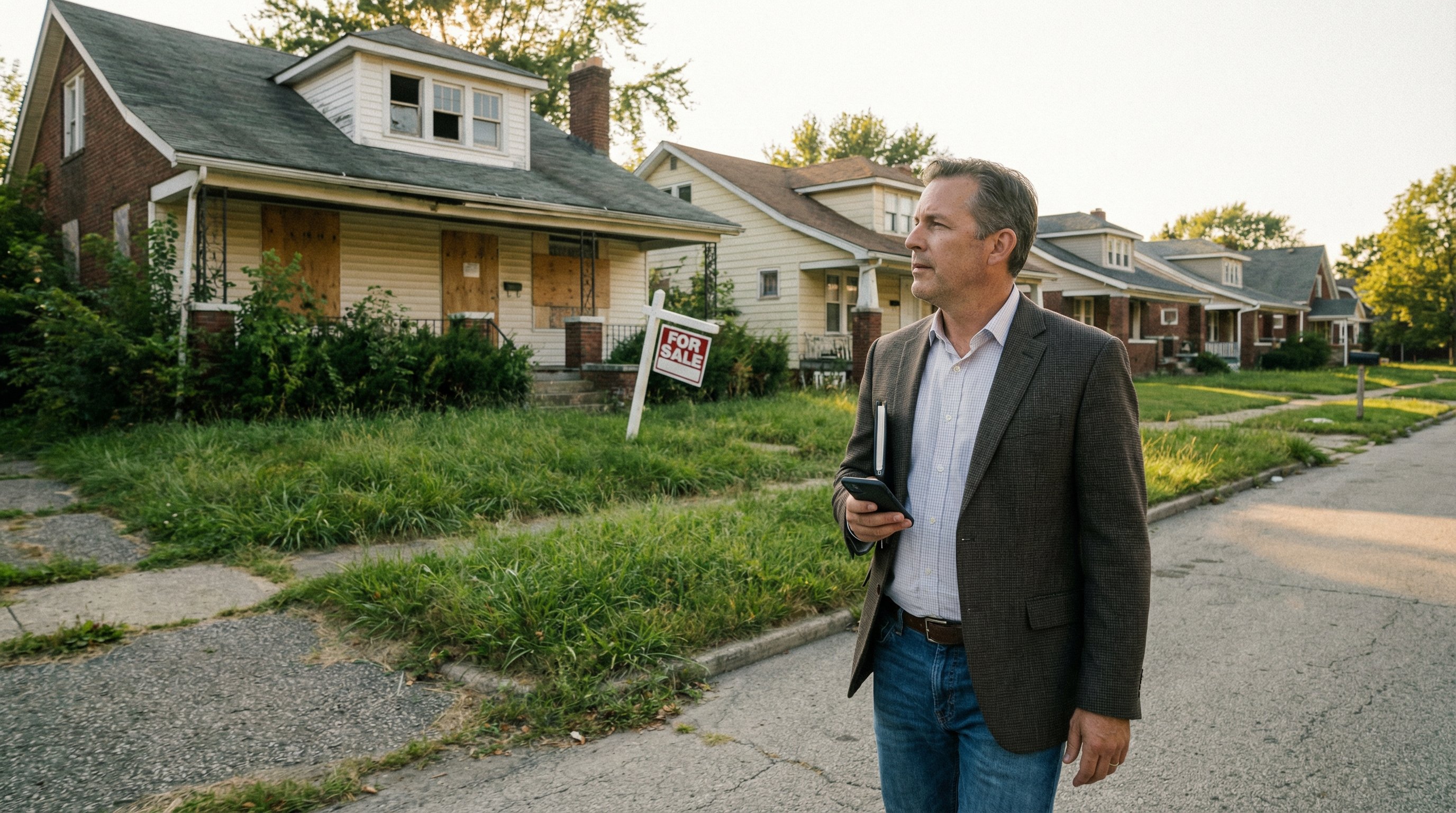
Urban cores and post-industrial communities tend to have higher concentrations of zombie properties than suburban or rural markets. Properties in these neighborhoods often have lower retail values, which means lenders are less aggressive about pursuing them through the full foreclosure process, and municipal enforcement of vacant property standards is inconsistent.
How to Structure the Deal
Zombie foreclosures typically enter an investor's portfolio through one of three acquisition structures.
Direct purchase from the lender. After a foreclosure is cancelled, the lender holds the property as a non-performing asset on their books. Large national banks and servicers have dedicated REO departments that will sometimes sell properties directly to investors at prices below their list values. This path requires establishing relationships with asset managers at major servicers or working with a broker who specializes in bank-owned properties.
Municipal acquisition programs. Many municipalities with zombie property problems have created acquisition programs that allow investors to purchase directly from the city at below-market prices in exchange for a commitment to rehabilitate and occupy or rent the property. These programs vary significantly by jurisdiction, but common requirements include a minimum rehabilitation expenditure, a timeline for completion, and occupancy or rental commitments for a set period after rehabilitation.
Purchase from the original owner. In some cases, the original homeowner still holds title and has not completed a deed transfer. An investor who contacts the homeowner directly and negotiates a purchase agreement can acquire the property without dealing with the lender or the municipality. This path requires the most title work but also offers the greatest potential discount because no institutional party is managing the sale.
Browse distressed properties on DistressIQ, filter by the signal types most commonly associated with zombie foreclosures, and build a target list in minutes.
Frequently Asked Questions
Q: What is the difference between a zombie foreclosure and a zombie property?
A zombie property refers to any property that is vacant and abandoned, regardless of how it reached that state. A zombie foreclosure specifically describes a property where a foreclosure process was initiated but stalled or was cancelled before the auction occurred. The original owner may still hold title, which distinguishes zombie foreclosures from bank-owned properties.
Q: Can you buy a zombie foreclosure directly from the bank?
Sometimes. Lenders who cancel a foreclosure and hold the property as a non-performing asset may sell it through their REO departments. However, the lender is not always the party with the cleanest authority to sell, especially if the original owner still holds title. A title search is essential before assuming any party has authority to convey clear title.
Q: How long does it take to resolve title on a zombie foreclosure?
Title resolution timelines vary widely depending on the jurisdiction, the number of lien holders, and whether the original owner is cooperative. Straightforward cases where the lender holds clear authority may close within 60 to 90 days. Complex cases with multiple junior lien holders, tax deed complications, or unresponsive original owners can take six months or longer.
Q: Are zombie foreclosures only found in judicial foreclosure states?
No, but they are more common in judicial foreclosure states because the longer legal timeline creates more opportunity for the process to stall and for the homeowner to abandon the property. Zombie properties do appear in non-judicial states, particularly in markets with high vacancy rates and distressed inventory.
Q: What should an investor budget for rehabilitation on a zombie foreclosure?
Budget conservatively. Properties that have been vacant for more than 18 months commonly have damage that is not visible from a street-level inspection: pipe freeze damage from inadequate winterization, mold from sustained moisture intrusion, vandalism, and electrical systems that have been disconnected or tampered with. Experienced investors typically budget 20 to 30 percent above their initial estimate for properties with extended vacancy histories.
Q: Is financing available for zombie foreclosure purchases?
Traditional lenders are generally reluctant to finance the acquisition of a zombie foreclosure because of title uncertainty and the potential for extended holding periods. Hard money lenders, private money investors, and some portfolio lenders offer short-term financing products designed for distressed property acquisitions. These products carry higher interest rates but accommodate the non-standard closing timelines that zombie foreclosure deals often require.
The data behind this article
DistressIQ Monitors These Signals in Real Time
Pre-Foreclosures
NOD + NTS filings
Tax Delinquency
County treasurer records
Code Violations
Municipal inspection filings
Probate Filings
Superior Court records
Every lead is scored 0–100 for seller motivation based on signal type, duration, severity, and stacking. Nationwide coverage — every US county, updated daily.
Ready to find deals in your market?
See Live Distress Signals in Your County
Stop calling dead leads. Every lead in DistressIQ is scored 0–100 for seller motivation, with verified contact info included. Browse the free tier to see what's active in your market right now.
Browse Free Leads — No Credit Card