Vacant Homes Near Me: Why Your Search Keeps Returning the Wrong Results (And What to Do Instead)
Vacant Homes Near Me: Why Your Search Keeps Returning the Wrong Results (And What to Do Instead)
TL;DR: Portal search results for "vacant homes near me" are stale, duplicated, and dominated by properties that already sold or were never vacant to begin with. The real vacant inventory lives in county assessor databases, unclaimed property registries, and municipal code enforcement lists. Investors who know how to cross-reference these sources find vacant deals that never hit the major portals. The key is understanding what "vacant" actually means legally and operationally before making an offer.
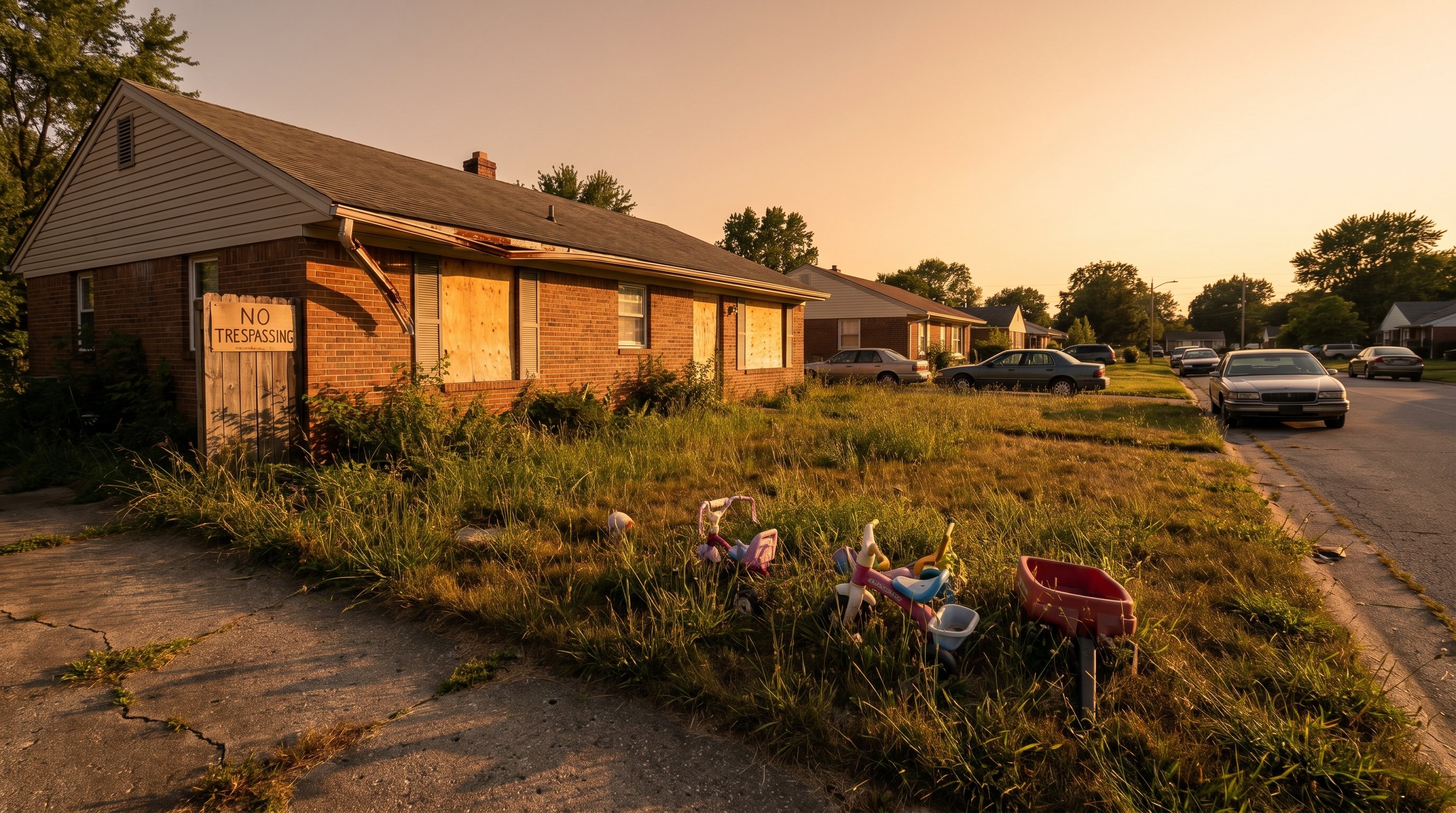
You search "vacant homes near me." Zillow returns 47 results. You spend two hours driving addresses. Half are occupied. Several sold last month. A few are rentals with tenants. You find two that look genuinely vacant. Both have deferred maintenance so severe they won't finance conventionally. One has a squatter.
This is the "vacant homes near me" problem. Portals are built for buyer searches, not investor sourcing. The data is designed to move inventory through real estate agents, not to surface off-market deals before anyone else knows they exist.
The investors closing deals on vacant properties are not using Zillow. They're using county data, unclaimed property searches, and signal-based property intelligence platforms that flag vacant indicators before the neighbor's kids notice the FOR SALE sign goes up.
Why Portal Searches Fail for Vacant Properties
Real estate portals exist to monetize listings. A property that sells in 72 hours does not need to be on Zillow for 90 days. The properties that linger on portal searches are the ones with problems that prevent them from selling through conventional channels. These are not the same as the vacant properties that represent genuine investment opportunities.
Portal vacancy data fails for three reasons.
Stale inventory. Portals sync with MLS data, which means a property must be listed to appear. A homeowner dies. The heir doesn't discover the property for four months. The property sits empty and unprotected through the entire gap. It may never appear in MLS if the estate strategy is an off-market sale. The portal shows nothing.
Occupancy misclassification. Vacant and occupied look similar from the street. A property with deferred maintenance, a landlord who stopped responding to tenant calls, or a foreclosure in progress may register as vacant in county records while a squatter or holdover tenant occupies it. Portal data has no mechanism to flag occupancy conflicts.
Distressed vacancy versus investment vacancy. There are two types of vacant properties. The first is a distressed vacant: bank-owned after foreclosure, stripped of fixtures, vandalized, with a lien stack that makes the deal economics impossible. The second is a functional vacant: a property that came open because the owner moved for work, inherited it and lives out of state, or is in a care facility and the family hasn't decided what to do yet. Portals cannot distinguish between these. An investor who screens only by what portals return will find mostly distressed vacancy and few functional vacancy opportunities.
The distinction matters because distressed vacant properties require deep discounts to be profitable. Functional vacant properties often require only a fast, clean transaction to resolve. The investor who can identify functional vacancy before it shows up on any portal has a significant sourcing advantage.
Finding Vacant Homes Through County Assessor Records
Every county in the United States maintains a public assessor database that tracks occupancy status for tax billing purposes. These databases are the single most reliable source for identifying genuinely vacant properties in any market. The problem is that they are designed for county employees, not investors, and the interface ranges from functional to deliberately opaque.
County assessor data typically includes fields for property use code, mailing address versus situs address, and tax payment status. A property where the mailing address differs significantly from the situs address, where the use code indicates a residential structure, and where the tax bill has been returned undeliverable or marked as unpaid, is a strong candidate for vacancy.
Most county assessor websites allow search by owner name, parcel number, or street address. An investor looking for vacant homes near them can start by searching their own county and working outward.
California presents a specific pattern worth knowing. Prop 19, which passed in 2020 and took effect in 2021, changed property tax implications for inherited properties significantly. Many heirs who inherited properties in California are now filing to reassess and sell because the tax basis reset makes keeping the property financially unattractive. This is generating a wave of functional vacancy in the luxury and mid-market segments that has not fully shown up in MLS or portal data. County recorder searches for grantor/grantee index changes in 2024 and 2025 filings can surface these transitions before they hit any listing service.
Texas counties maintain deed records online through the county clerk's office. Texas is a non-judicial foreclosure state, which means properties can move from missed payment to auction faster than in judicial states. Texas also has significant rural vacancy patterns where the property use code reflects agricultural land but the residential structure has been abandoned for years. Searching the strath more thoroughly requires looking at aerial imagery from the county appraisal district alongside deed records.
Florida counties publish their appraiser data online through the county property appraiser websites. Florida's homestead exemption rules create a specific vacancy pattern: when a homeowner claims homestead exemption but the property appears inactive (no utility usage, mail returned), it can indicate abandonment or fraud. Florida also has seasonal vacancy in resort and coastal markets that confounds simple occupancy assessments.
The practical workflow for county-based vacancy searches is straightforward. Start with the county where you want to invest. Pull the current year property roll export if available. Filter for residential use codes, situs address versus mailing address mismatches, and properties with recent ownership changes that suggest an inheritance, divorce, or estate transfer. Drive the addresses that match. Call the neighbors if needed.
This process works but it is manual, slow, and limited to counties you already know to search.

Unclaimed Property Registries: A Vacancy Signal Most Investors Miss
Every state operates an unclaimed property registry. These registries hold financial assets that have been abandoned by their owners: forgotten utility deposits, uncashed payroll checks, dormant bank accounts. They also hold property escheat records in some states.
The connection to vacant homes is indirect but real. When a property owner dies without heirs, the property eventually escheats to the state. Before that happens, there is typically a probate filing, a death certificate recorded in county records, and a period where the property sits functionally vacant while the estate is administered.
Cross-referencing a state unclaimed property database against county assessor records creates a vacancy signal. If a property owner's name appears in the unclaimed property database for the state, and the county assessor shows the property as owner-occupied, and the owner is deceased according to death filings, that property is a strong candidate for functional vacancy.
This method requires manual legwork. You can search state unclaimed property databases by name for free in most states. The state treasurer's website typically maintains the search tool. Running a list of deceased property owners through a state unclaimed property search takes time but surfaces properties that have no other active signal.
Not all vacant properties appear in unclaimed property databases. But when they do, the vacancy signal is unusually strong and the likelihood of finding a motivated seller who wants a clean, fast transaction is significantly higher than average.
Free Weekly Alerts
See What's Distressed in Your Market
Get free weekly alerts — new distressed properties, motivation scores, and hot neighborhoods in your area. Addresses and contact info available inside DistressIQ.
Free forever · No credit card · Unsubscribe anytime
Code Enforcement Lists: Municipal Vacancy Data That Nobody Aggregates
Cities and counties maintain code enforcement records for properties that violate occupancy, maintenance, or registration requirements. Most municipalities require vacant properties to be registered with the city if they exceed a certain period of vacancy. The registration lists are public records.
Code enforcement vacancy signals are particularly valuable because they often precede foreclosure or indicate properties with significant deferred maintenance. A property that appears in code enforcement records for repeated violations is a property where the owner has either abandoned the property or lacks the resources to maintain it. Either condition creates an acquisition opportunity.
Finding code enforcement records requires contacting the city directly or searching the city clerk's records portal. Most cities do not aggregate this data in a searchable online format. Some use third-party vendors for vacant property registration. A direct call to the city's code enforcement division typically yields a faster answer than any online search.
The practical constraint with code enforcement data is geographic coverage. You need to know which cities have active vacant property programs and which do not. Sun Belt cities with high investor activity tend to have more sophisticated tracking. Rural counties may have no code enforcement infrastructure at all.
Cross-Referencing Sources: The Investor Workflow That Actually Works
The investors who consistently find vacant homes before anyone else are not using one data source. They are cross-referencing three or four sources simultaneously and looking for properties that appear in multiple systems as a signal of genuine vacancy.
A standard cross-reference workflow looks like this.
Start with county assessor records for the target county. Pull all residential properties where the mailing address differs from the situs address by more than a ZIP code. This flags properties where the owner may have moved but has not sold.
Cross-reference those properties against probate and death filings in the county recorder's records. Look for owner names that appear in death filings in the past 12 to 36 months. If the owner is deceased and the property appears owner-occupied in the assessor records, that is a strong vacancy signal.
Cross-reference against the state unclaimed property registry. Properties where the deceased owner's name appears in unclaimed property records and the property is still showing as owner-occupied in assessor data are candidates for inherited property situations where the heir has not yet taken action.
Cross-reference against code enforcement records if available. Properties that appear in multiple enforcement databases for repeated violations are often acquired at significant discounts because the lien stack makes conventional purchase impossible.
The properties that appear in all three or four sources simultaneously are the ones worth an immediate drive-by and direct outreach call.
This workflow is labor-intensive when done manually. DistressIQ automates the cross-reference by combining county assessor signals, probate and death filings, tax delinquency records, and occupancy indicators into a single property feed. An investor who wants to skip the manual cross-reference can find all of these signals pre-consolidated in DistressIQ instead of building the workflow from scratch.
See distressed properties with verified vacancy signals, occupancy flags, and ownership change history. Try DistressIQ free for 14 days at DistressIQ.ai

See distressed properties with verified vacancy signals, occupancy flags, and ownership change history — all cross-referenced from primary sources. Try DistressIQ free for 14 days at DistressIQ.ai
What "Vacant" Actually Means Legally and Operationally
Before making an offer on any property identified as vacant, an investor needs to understand what vacant means in the specific jurisdiction and what obligations it creates.
Vacant versus abandoned. Most states distinguish between vacant and abandoned for legal purposes. A vacant property has no occupant but the owner maintains some form of contact with the property, pays taxes, and has not formally relinquished ownership. An abandoned property has been formally determined by a court or government entity to be abandoned, which typically allows faster foreclosure timelines and different liability rules. The distinction matters because an offer on a "vacant" property may still require a lengthy foreclosure process if the owner is merely non-responsive rather than legally absent.
Squatter and holdover tenant risks. A property that appears vacant may have an unauthorized occupant. Squatting laws vary significantly by state. Some states grant squatters' rights after a specific occupancy period. Others allow immediate removal through an expedited eviction process. An investor who purchases a property with a squatter in place inherits the eviction problem. A quick drive-by at different times of day and a check with neighbors can surface this issue before the offer is made.
Municipal registration requirements. Many cities require vacant property owners to register with the city, pay an annual registration fee, and maintain the property to a minimum standard. If a property has been vacant and unregistered for multiple years, the back fees and penalties can be substantial. A title search typically surfaces these obligations, but the cost should be factored into the offer.
HOA and covenants. Vacant properties in HOA communities may be subject to HOA fees, fines for covenant violations, and special assessments. If the previous owner stopped paying HOA dues, those fees may attach to the property and become the buyer's responsibility at closing. An HOA resale disclosure and a lien search are essential for any vacant property purchase in a community setting.
The Vacant Home Acquisition Playbook
Once a genuinely vacant property has been identified and verified, the acquisition process follows a specific sequence.
Step 1: Drive the property. Do this at minimum twice, at different times of day. Verify the property appears genuinely vacant. Look for signs of recent activity: fresh tire tracks, cleared walkways, lights visible through windows at night. Talk to neighbors. Ask if anyone has been by recently, if the owner passed away, or if there have been any contractors or real estate agents looking at the property.
Step 2: Pull the chain of title. A title search or chain of title report tells you who the current owner is, how they acquired the property, and whether there are any liens or encumbrances. If the owner is deceased and the property is in probate, the executor has authority to sell. If probate has closed without a sale, an heir may have the authority to sell. Each scenario requires different outreach.
Step 3: Find the owner's current address. If the county assessor mailing address is out of date, use a skip trace service to find the owner's current address. The goal is a direct conversation with whoever has authority to sell the property. Most owners of functional vacant properties are not trying to hold onto the asset. They need a reason to act and a clean transaction to close the estate or resolve the liability.
Step 4: Make direct contact. Send a letter to the verified address. Follow up with a phone call. Lead with the fact that you found the property and want to understand their situation. Do not open with a lowball offer. Open with a genuine question about what they want to do with the property. The conversation will tell you whether they want to sell, how motivated they are, and what price would make sense for both parties.
Step 5: Negotiate and close. Vacant properties that sell off-market typically go for 65 to 85 percent of after-repair value, depending on condition, location, and urgency. If the owner needs a fast sale to resolve an estate or avoid ongoing costs, that motivation should translate into a favorable price. If the owner is testing the market through multiple offers, the discount may be smaller but the deal is still worth pursuing if the numbers work.
Vacant Homes Near Me: FAQ
How do I find truly vacant homes in my area for free?
Start with your county assessor website. Pull the current property roll and filter for residential use codes where the mailing address differs from the situs address. Cross-reference against probate filings in the county recorder's office and death records for owner names. Drive every property that matches. This process costs nothing but time. DistressIQ automates this cross-reference across multiple counties simultaneously.
What is the difference between a vacant property and a zombie property?
A zombie property is a vacant property where the previous owner has been foreclosed on but never left. The foreclosure process completed but the occupant remained. Zombie properties often have significant damage, squatter issues, and title complications. A standard vacant property is one where the owner left voluntarily or through an estate situation with no remaining occupant. Zombie properties require more legal work to clear and are generally purchased at deeper discounts.
Can I buy a vacant home without a real estate agent?
Yes. Vacant properties sold off-market are typically direct transactions between buyer and owner or buyer's agent. No seller's agent is involved. You need a real estate attorney to review the contract and title, and a title company to handle closing. A buyer's agent commission is negotiable and often waived for off-market transactions since there is no seller's agent to pay.
How much do vacant homes typically sell for compared to occupied homes?
Vacant homes in functional condition typically sell for 10 to 25 percent below comparable occupied homes because of the sourcing discount for off-market deals and the uncertainty premium buyers apply to properties they cannot inspect with the owner present. Distressed vacant properties (bank-owned, severely damaged) may sell for 40 to 60 percent below ARV depending on the extent of the damage and the lien position.
What should I look for during a drive-by inspection of a vacant property?
Check the condition of the exterior: roof condition, window integrity, presence of standing water or flooding, vegetation encroachment, and any signs of trespassing or vandalism. Look through windows if visible. Photograph the property from multiple angles. Note the condition of neighboring properties. Talk to adjacent homeowners if possible. Check for municipal registration stickers on doors or windows.
How do I handle a squatter in a property I want to buy?
Do not attempt to remove a squatter yourself. The legal process varies by state but typically involves filing an unlawful detainer action, obtaining a court order, and working with law enforcement to enforce the removal. An investor who purchases a property with a squatter should budget for legal eviction costs (typically $1,000 to $5,000 depending on jurisdiction and timeline) and should factor this into the acquisition price.
How long does it take to close on an off-market vacant property?
Off-market closings typically take 30 to 45 days when the owner is motivated and the title is clean. Properties with title complications, probate issues, or multiple lienholders may take 60 to 90 days or longer. Cash buyers can typically close faster than financed buyers because they eliminate the lender's appraisal and underwriting timeline.
The Bottom Line
The "vacant homes near me" search on any portal is the wrong starting point for real estate investors. Portal inventory is stale, misclassified, and dominated by properties that are vacant for reasons that make them poor investment candidates.
The real vacant inventory lives in county assessor databases, probate records, unclaimed property registries, and municipal code enforcement lists. Investors who learn to cross-reference these sources find functional vacant properties that never appear in MLS or on Zillow. These are the properties where motivated sellers are looking for a fast, clean transaction and where the sourcing discount makes the deal work.
If you want to skip the manual cross-reference process and access a pre-consolidated feed of distressed and vacant properties with verified signals across multiple counties, DistressIQ provides that data as a searchable property intelligence platform. A 14-day free trial gives you full access to the signal database, occupancy indicators, and ownership change history for every property in your target market.
The data behind this article
DistressIQ Monitors These Signals in Real Time
Pre-Foreclosures
NOD + NTS filings
Tax Delinquency
County treasurer records
Code Violations
Municipal inspection filings
Probate Filings
Superior Court records
Every lead is scored 0–100 for seller motivation based on signal type, duration, severity, and stacking. Nationwide coverage — every US county, updated daily.
Ready to find deals in your market?
See Live Distress Signals in Your County
Stop calling dead leads. Every lead in DistressIQ is scored 0–100 for seller motivation, with verified contact info included. Browse the free tier to see what's active in your market right now.
Browse Free Leads — No Credit Card