Pre-Foreclosure Homes Near Me: Why Most Investor Searches Return Nothing Worth Calling
Pre-Foreclosure Homes Near Me: Why Most Investor Searches Return Nothing Worth Calling
TL;DR: Portal searches for "pre-foreclosure homes near me" return properties that already sold, short sales that are already under contract, and REO listings that are already bank-owned. The actual pre-foreclosure window is a narrow 30-to-120-day period between notice of default and auction, and the only way to find those properties in real time is through county recorder data, a specialized distress-signal platform, or direct courthouse research. The investors winning deals in this window are not searching portals.
You type "pre-foreclosure homes near me" into Google. The results are a wall of real estate agent websites with pre-foreclosure filters, a few directory pages that ask you to sign up for a paid subscription, and a couple of blog posts explaining what pre-foreclosure means. None of them show you a list of actual pre-foreclosure properties in your area.
This is not an accident. Pre-foreclosure properties are off-market by definition. They have not been listed. They have not been marketed. They are in a legal limbo between the lender filing a notice of default and the auction date, and the only people who know they exist are the homeowner, the lender's attorney, and whoever checks the county recorder's office daily.
Finding pre-foreclosure homes near you requires going to the source. Here is what actually works.
What Pre-Foreclosure Actually Means
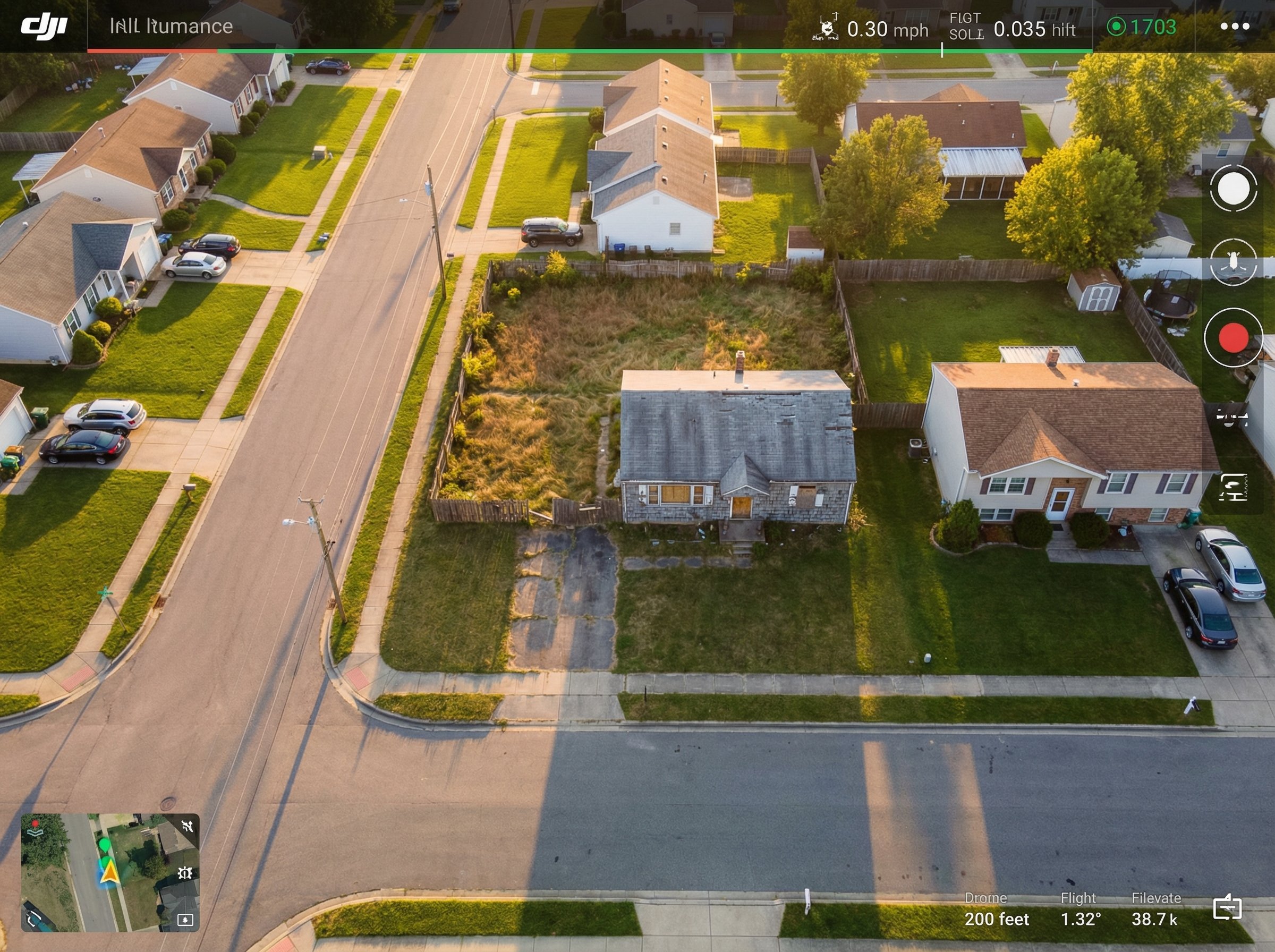
Pre-foreclosure begins when a homeowner misses mortgage payments and the lender files a public Notice of Default (NOD) or, in judicial foreclosure states, a Lis Pendens with the county recorder or court. This filing is a matter of public record. The public record is the starting point for every pre-foreclosure lead.
The pre-foreclosure window varies by state. In Texas, the timeline from missed payment to auction can be as short as 61 days in some counties. In New York, judicial foreclosure can stretch 18 months or longer. The average nationally is 90 to 120 days from notice of default to auction date.
During that window, the homeowner still holds legal title. They can sell the property themselves, pay off the default, or work out a loan modification with the lender. If an investor reaches the homeowner during this window, the deal is a direct purchase. The title is clean. The transaction is a standard closing. The homeowner avoids foreclosure on their credit report. The investor buys at a discount without the competition that appears once the property hits auction.
This is why the pre-foreclosure window is considered the sweet spot in distressed property investing. You are dealing directly with a motivated homeowner, not a bank asset manager, before the property deteriorates further, before the lender takes possession, and before the auction crowd drives prices back toward market value.
The problem is finding them.
Why Portal Searches Fail for Pre-Foreclosure Properties
The major real estate portals have a financial interest in properties being listed. Their revenue model depends on agent advertising and MLS sync fees. A property in pre-foreclosure has not been listed. It does not appear in MLS. It does not appear in portal search results.
What portal results do show are the closest proxies: short sales that have already gone through an agent and applied for lender approval, and REO properties that have already completed foreclosure and are now bank-owned. These are not pre-foreclosure properties. They are post-foreclosure and mid-process short sale listings, respectively. By the time they appear in a portal search, the best pre-foreclosure deals have already been worked by investors who found them directly through county records.
Here is the specific sequence of failures that plays out when an investor relies on portal searches for pre-foreclosure leads.
The listing lag. A pre-foreclosure property appears in county records on day one of the notice of default. It may take 2 to 6 weeks before it shows up in any portal as a short sale listing, and only then if the homeowner has already engaged a real estate agent. Many pre-foreclosure homeowners are in financial distress and cannot afford agent representation. Their properties never appear in portal searches at all.
The data staleness problem. Services that aggregate pre-foreclosure listings from public records often run weekly or monthly refresh cycles. A property that filed notice of default 30 days ago and already has a motivated buyer under contract will still appear in those databases as an active pre-foreclosure lead for days or weeks after the deal is done. Investors spend time calling properties that are already sold.
The competition problem. Short sales that do make it to MLS are listed at or near market value because the listing agent's job is to maximize the sale price for the distressed seller. Multiple buyers compete for them. The investor who finds the same property 30 days earlier through county records is the only buyer in negotiations. The price outcome is entirely different.
Pre-foreclosure investing done right means skipping the portal entirely and going to public records directly, or using a signal-based platform that indexes those records in real time.
Method One: County Recorder Research
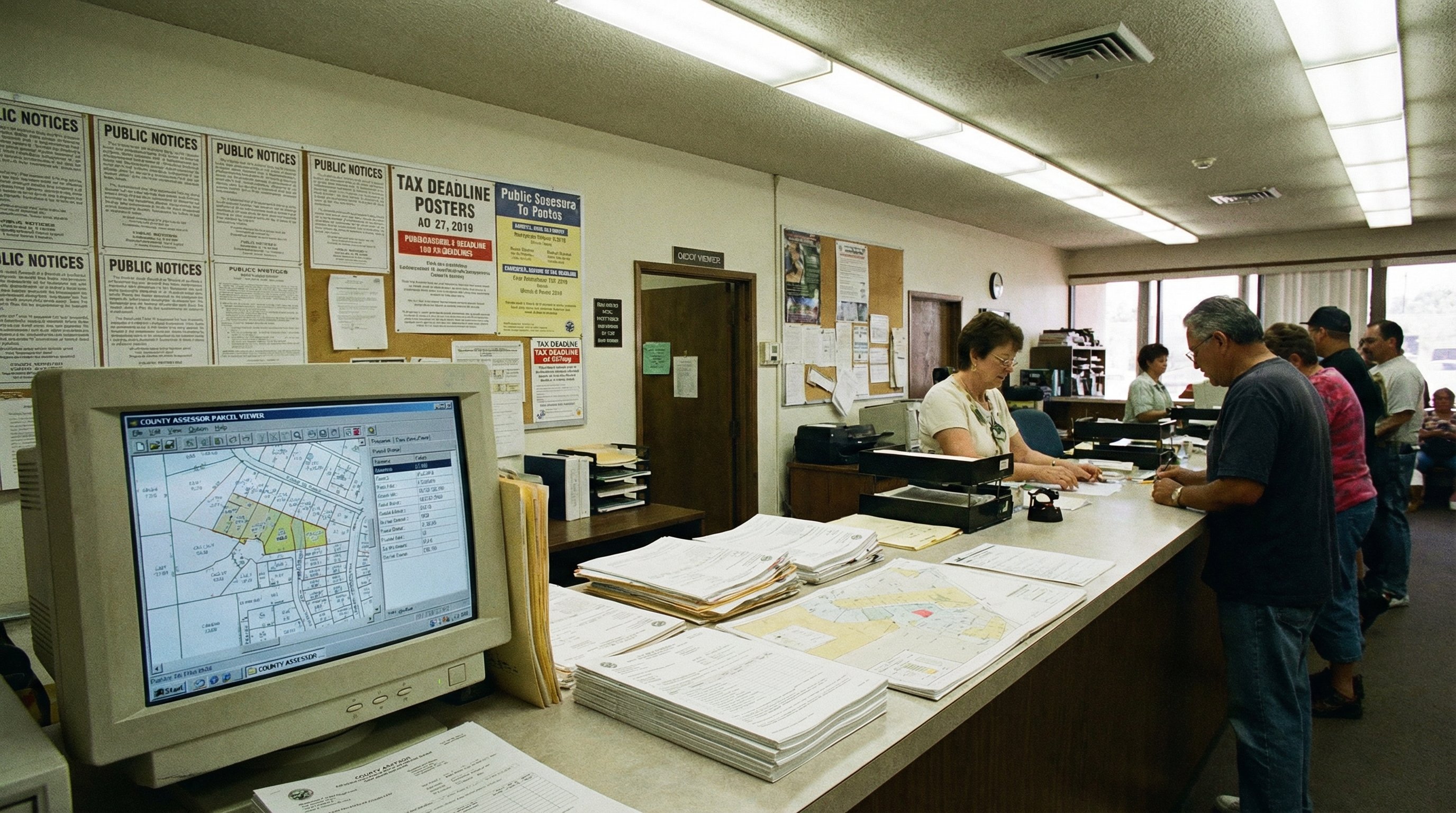
Every Notice of Default and Lis Pendens filing in the United States is recorded with a county office. Either the county recorder, the county clerk, or the county circuit court, depending on the state. These filings are public record. Anyone can access them.
The practical question is access. Some counties offer free online search portals with downloadable filing data. Others require an in-person visit to a government building. A few still operate on paper files that must be reviewed manually.
The process for county recorder research is consistent regardless of the county's technology level.
First, identify the counties where you want to find pre-foreclosure properties. If you are an investor working a specific metropolitan area, that means the surrounding counties. If you are working statewide, you need a list of every county recorder website in the state.
Second, access the county's official records search. Look for a search interface labeled "document search," "official records," "recorded documents," or similar. Most county recorder websites have this tool. Search for document types matching "Notice of Default" or "Lis Pendens" or "Foreclosure" filed within the past 60 days.
Third, record the property address, owner name, lender name, filing date, and case number from each notice of default you find. Cross-reference the property address against current assessor data to confirm the estimated value. This step determines whether the property is worth pursuing before you spend time on outreach.
The challenge with county recorder research is volume. If you are working five counties, this is manageable. If you are working a state with 254 counties like Texas, or 67 counties like Florida, doing this manually is not scalable. Most investors who rely on county recorder research limit themselves to one or two counties and miss the majority of available opportunities.
Free Weekly Alerts
See What's Distressed in Your Market
Get free weekly alerts — new distressed properties, motivation scores, and hot neighborhoods in your area. Addresses and contact info available inside DistressIQ.
Free forever · No credit card · Unsubscribe anytime
Method Two: Direct Mail to Properties in the Pre-Foreclosure Window
Investors who find pre-foreclosure properties through county records often convert them through direct mail. The strategy is straightforward: pull the notice of default filings, send a handwritten letter to the homeowner at the property address within 14 to 45 days of filing, and make a direct offer to purchase.
The timing matters. The 14-to-45-day window after notice of default filing is when the homeowner is most actively looking for a solution. They have received the notice. They are trying to figure out what to do. They have not yet accepted that foreclosure is inevitable. This is the highest-motivation period in the entire pre-foreclosure timeline, and it is the period before most other investors have even found the property.
The direct mail letter should be simple. Acknowledge the situation without being threatening. State that you are an investor who buys properties quickly and can close in cash. Offer to call at a specific time rather than asking the homeowner to call you. Remove friction from the response mechanism.
This approach requires a current, accurate list of notice of default filings. The only scalable way to maintain this list is through a platform that monitors county recorder data daily and delivers new filings as alerts. Doing it manually means checking county recorder websites daily, which is only practical for investors focused on a single county.
Method Three: Signal-Based Property Intelligence Platforms
The third method is using a platform that indexes county recorder, assessor, and court data and presents pre-foreclosure leads as filtered, scored property lists. This is the approach that scales beyond one or two counties and the approach that most serious pre-foreclosure investors use today.
The key distinction between platforms is data freshness. Some platforms refresh their pre-foreclosure data on a weekly or monthly cycle, which means they are showing you filings from 30 to 60 days ago. By the time you receive the lead, the pre-foreclosure window may have narrowed significantly or closed entirely. The property may already be scheduled for auction.
DistressIQ pulls county recorder and court filing data daily, updating pre-foreclosure signals within 72 hours of the actual county recording in most jurisdictions. This means the pre-foreclosure lead you see on DistressIQ reflects what is actually in the county records today, not what was there three weeks ago.
DistressIQ also stacks multiple distress signals per property. A property with both a tax delinquency and a notice of default flags higher than a property with only a notice of default, because tax delinquency indicates the homeowner has missed payments on multiple obligations and is therefore more likely to be motivated to sell quickly. Pre-foreclosure leads with stacked signals have a measurably higher conversion rate in direct outreach because the homeowners have multiple financial pressures driving their decision to sell.
The platform shows properties with active pre-foreclosure signals nationwide, filtered by county, city, zip code, or custom geographic area. You can set alerts to receive new pre-foreclosure filings daily so you are always working the freshest data. Pricing starts at $129 per month for Starter with 2,000 lead detail views. Pro at $249 adds daily alerts and three team seats. Elite at $499 covers ten seats with real-time alerts and API access.
What to Look for in a Pre-Foreclosure Lead
Finding pre-foreclosure properties is step one. Evaluating whether a specific pre-foreclosure property is worth pursuing is step two. Not every notice of default leads to a deal. Here is the filtering logic that experienced pre-foreclosure investors apply before making outreach.
Equity position. Pull the assessor's estimated value for the property. Compare it against the outstanding loan balance and the estimated payoff amount including penalties and fees. A property where the loan balance is significantly below assessed value represents equity that the homeowner can access through a sale. A property where the loan balance exceeds the assessed value is underwater and requires the lender to approve a short sale, which adds complexity and time.
Timeline to auction. Every notice of default specifies a sale date. Properties closer to their auction date are more motivated because the homeowner has less time to find a conventional buyer. Properties with 60 or more days until auction have time to try listing with an agent first, which means they may not be as motivated for a direct investor purchase.
Occupancy and condition. Drive the property. A pre-foreclosure home that is clearly occupied by a family who fell behind on payments is a different opportunity than a vacant property with deferred maintenance. Occupied properties with good condition may still require financing contingencies that slow the transaction. Vacant properties often sell as-is but may have damage that affects the repair budget.
Owner motivation signals. Multiple distress signals on the same property strengthen the motivation argument. A notice of default combined with tax delinquency, code violations, or an absentee owner suggests the homeowner has multiple financial pressures and is more likely to accept a below-market offer to resolve everything at once.

The Pre-Foreclosure Timeline by State
One of the most important variables in pre-foreclosure investing is the state where the property is located, because foreclosure timelines are set by state law, not by lender preference. Understanding the timeline in your target state tells you how long the pre-foreclosure window actually is and how quickly you need to move once you identify a lead.
Texas operates under non-judicial foreclosure, which means the lender does not need court approval to foreclose. The timeline from first missed payment to auction can be as short as 61 days in some counties, though 90 to 120 days is more typical. Texas also has a 20-day redemption period after auction where the former homeowner can reclaim the property by paying the full auction price plus fees, which means the winning bidder at a Texas foreclosure auction may not have clear title immediately. This makes pre-foreclosure direct purchases in Texas more valuable than auction purchases, because a direct purchase closes with clear title and no redemption risk.
Florida is a judicial foreclosure state, which requires lender lawsuits and court approval. The pre-foreclosure timeline in Florida runs 180 to 365 days in most counties, which is the longest of any major investor market. Florida's long timeline means more opportunity to find and negotiate pre-foreclosure purchases, but it also means the homeowner has more time to find other solutions. Florida's homestead exemption also provides strong homeowner protections that can complicate certain pre-foreclosure negotiations.
California also uses non-judicial foreclosure, and the timeline from notice of default to auction is typically 90 to 120 days. California has significant geographic diversity in its pre-foreclosure market: coastal metros like Los Angeles and San Francisco have high property values and homeowners with substantial equity positions, while inland markets like the Central Valley have more distressed equity situations where homeowners owe more than the property is worth. Understanding which market segment you are targeting affects how you evaluate pre-foreclosure leads.
New York judicial foreclosure timelines run 18 months to 3 years in some counties, the longest of any state. The extended timeline means fewer pre-foreclosure opportunities relative to states with faster foreclosure processes, but the properties that do reach pre-foreclosure in New York often involve significant loan balances and complex title issues that require experienced handling.
How to Evaluate Pre-Foreclosure Deals
A pre-foreclosure property is not automatically a good deal. The fact that a homeowner is in default tells you they need to sell. It does not tell you whether the numbers work.
The first analysis is always the equity position. The most important number is loan-to-value ratio at the time of filing. If the outstanding loan balance is 65% or less of the assessed value, the homeowner has enough equity to negotiate a meaningful discount and still pay off the lender in full. If the loan balance is at or above assessed value, you are looking at a short sale situation, which requires lender approval and typically takes 60 to 120 days to close.
The second analysis is repair estimate. Pre-foreclosure properties that have been abandoned often have deferred maintenance, water damage, mold, or missing fixtures. Get a rough repair estimate before making an offer. The standard fix-and-flip investor calculation is the 70% rule: you should not pay more than 70% of after-repair value minus repair costs. Pre-foreclosure homeowners will often accept 75% to 80% of market value because they are not paying agent commissions and they are closing on a specific timeline, but every deal is individual.
The third analysis is exit timeline. If you plan to wholesale the contract, the pre-foreclosure window matters because the property must not go to auction before you close. If you are buying and holding, auction timing is less critical but title clarity at closing still requires that the pre-foreclosure process is resolved before the auction date.
Common Pre-Foreclosure Investing Mistakes
The most frequent mistake new pre-foreclosure investors make is overpaying because they are excited to find an off-market deal. The fact that a property is in pre-foreclosure does not mean it is a wholesale price. The homeowner may have substantial equity and a strong negotiating position. The pre-foreclosure window gives you access. It does not determine the price.
The second mistake is failing to verify the loan balance before calling. You can obtain a preliminary payoff statement from the lender by submitting a written payoff request. This tells you exactly what the homeowner owes, which is the floor for your negotiation. Calling without knowing the payoff amount is like negotiating blind.
The third mistake is not driving the property before making an offer. Pre-foreclosure properties that appear clean from public records can have severe deferred maintenance, tenantoccupied situations, or environmental hazards that make them worthless as investments. A 10-minute drive-by before outreach prevents wasted negotiations.
Frequently Asked Questions
How do I find pre-foreclosure homes near me for free?
The free method is searching county recorder websites directly. Look for the county recorder or county clerk official records search online, filter for Notice of Default or Lis Pendens filings within the past 60 days, and record the addresses. This method is free but time-intensive and limited to counties you manually check. Most counties update their online search portals daily.
What is the difference between pre-foreclosure and short sale?
Pre-foreclosure is the period before the auction when the homeowner still holds title and can sell independently. A short sale is a specific sale structure where the lender agrees to accept less than the full loan payoff at closing, typically because the property is worth less than the loan balance. Pre-foreclosure does not always involve a short sale, and short sales do not always involve pre-foreclosure. Many short sales occur after pre-foreclosure but before auction.
How long does the pre-foreclosure process take?
The pre-foreclosure window ranges from 30 days to over a year depending on the state. Non-judicial foreclosure states like Texas and California typically run 90 to 120 days from notice of default to auction. Judicial foreclosure states like New York and Florida can take 12 to 36 months. The national average is approximately 90 to 120 days.
Can you buy a house in pre-foreclosure directly from the owner?
Yes. Pre-foreclosure is the only stage in the foreclosure process where the homeowner holds legal title and can sell directly without lender involvement. Once the property goes to auction, the winning bidder is purchasing from the lender or the auction trustee, not the homeowner. Direct purchases from homeowners in pre-foreclosure typically close faster and with cleaner title than auction purchases.
What should I offer on a pre-foreclosure property?
The offer should reflect the homeowner's motivation level, the property's equity position, and the timeline to auction. A homeowner who is highly motivated and underwater on their loan may accept a short sale offer at or slightly below current market value with lender approval. A homeowner with equity who is behind on payments only may expect close to market value. The best approach is to make your highest reasonable offer upfront, because pre-foreclosure homeowners are typically comparing multiple offers and your offer terms matter as much as your price.
How do I contact pre-foreclosure homeowners?
The most effective outreach method is direct mail sent shortly after the notice of default filing, typically within 14 to 45 days of the filing date. Handwritten letters sent to the property address perform better than generic postcards. Phone outreach using skip-traced contact information is effective for properties where the mailing address differs from the property address. An investor who reaches a pre-foreclosure homeowner within 30 days of filing and presents a clean, fast all-cash offer has a high conversion rate because the homeowner has not yet received multiple competing offers.
Finding pre-foreclosure homes near you requires going to the same public records the lenders use. County recorder searches, daily-updated distress signal platforms, and direct courthouse research are the three paths to a current pre-foreclosure lead list. Portal searches will never surface these properties in time to negotiate the best deals. The investors who consistently find pre-foreclosure properties before anyone else are the ones who have built a systematic approach to monitoring public filings and acting quickly when a new notice of default appears in their target market.
DistressIQ aggregates pre-foreclosure signals directly from county recorder and court databases nationwide, updates daily, and delivers new filing alerts so you can reach homeowners before the auction date arrives.
The data behind this article
DistressIQ Monitors These Signals in Real Time
Pre-Foreclosures
NOD + NTS filings
Tax Delinquency
County treasurer records
Code Violations
Municipal inspection filings
Probate Filings
Superior Court records
Every lead is scored 0–100 for seller motivation based on signal type, duration, severity, and stacking. Nationwide coverage — every US county, updated daily.
Ready to find deals in your market?
See Live Distress Signals in Your County
Stop calling dead leads. Every lead in DistressIQ is scored 0–100 for seller motivation, with verified contact info included. Browse the free tier to see what's active in your market right now.
Browse Free Leads — No Credit Card