How to Find Wholesale Deals: The Real Investor's Field Guide
How to Find Wholesale Deals: The Real Investor's Field Guide
TL;DR: Finding wholesale deals requires targeting motivated sellers directly, not competing in the MLS. The most effective approach stacks distress signals (tax delinquency, lis pendens, pre-foreclosure, probate) to find homeowners who need to sell and cannot wait. DistressIQ aggregates these signals across 3,200+ counties, letting wholesalers see every active wholesale deal candidate in a market without manually pulling county records. Direct mail, driving for dollars, bird dog networks, and probate referrals are the other high-yield channels. This guide covers what each method actually delivers.
The first batch of leads most new wholesalers buy is a disaster. A purchased list of 2,000 "motivated sellers" turns out to be 400 wrong numbers, 900 people who listed their home on the MLS three months ago, and 600 who hung up before you finished your introduction. That is not a lead quality problem. That is a lead source problem.
The wholesalers who consistently find real wholesale deals share one habit: they go where motivated sellers actually appear, which is almost never on the open market. This guide covers the channels that produce deals, in order of efficiency for a working wholesaler.
What Makes a Deal "Wholesale"
A wholesale deal is not just a discounted property. It is a property under contract at a price low enough that you can assign that contract to an end buyer, typically another investor, and collect an assignment fee without ever closing on the property yourself.
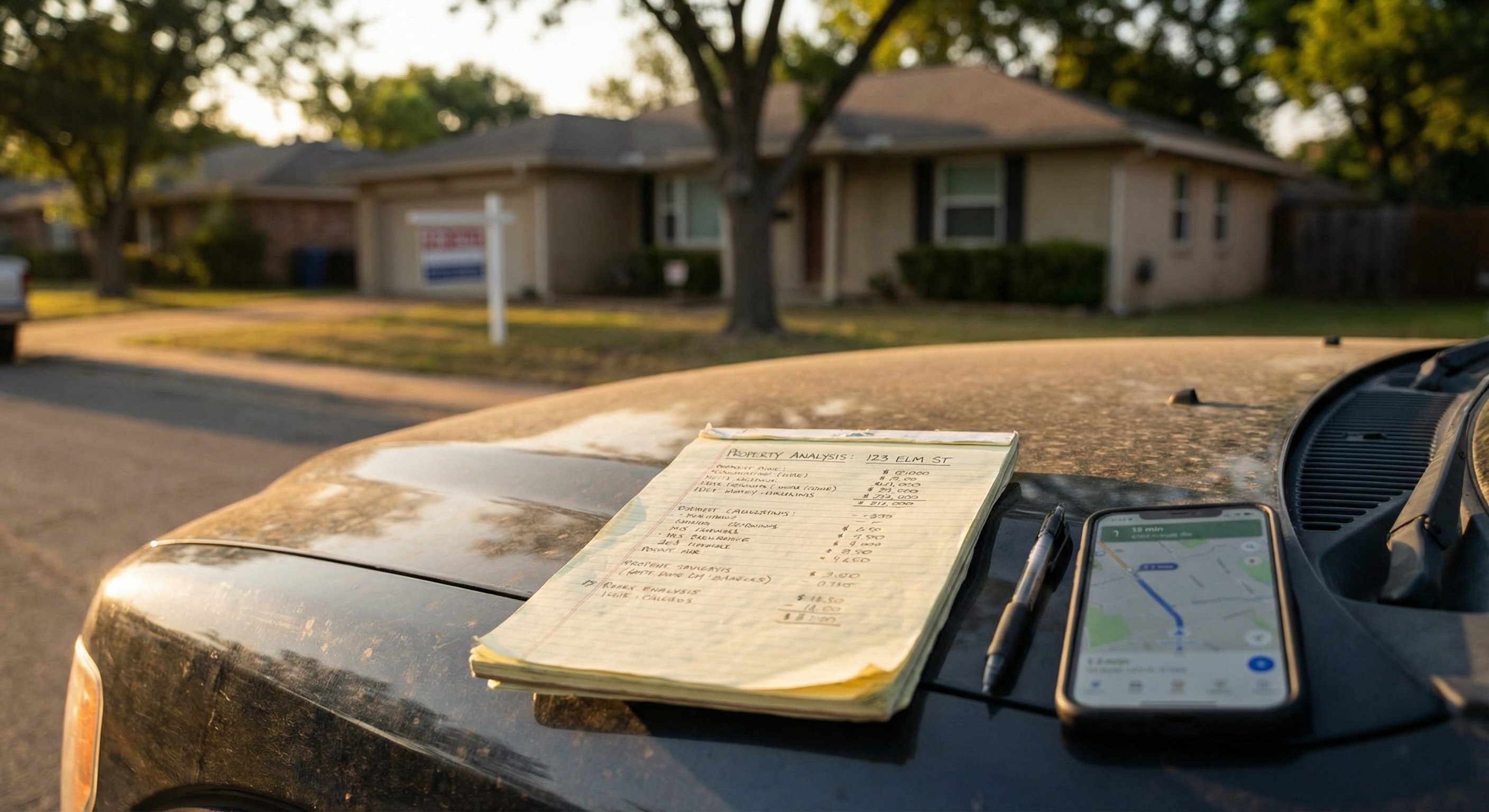
The math works when the after-repair value (ARV) minus the repair estimate minus your assignment fee still leaves the end buyer a margin. In most markets that means a wholesale deal needs a motivated seller accepting at least 20-25% below ARV, and often more.
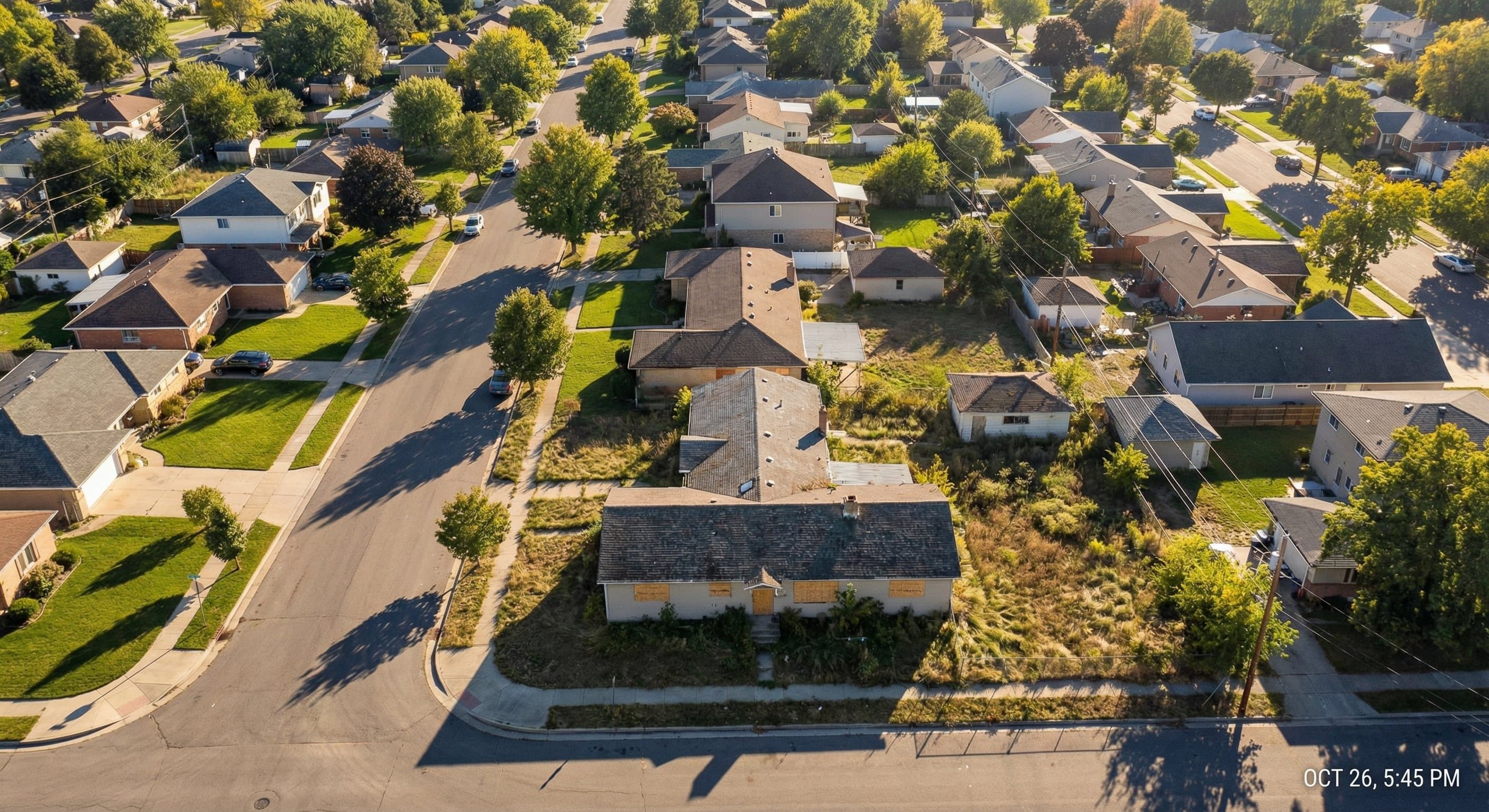
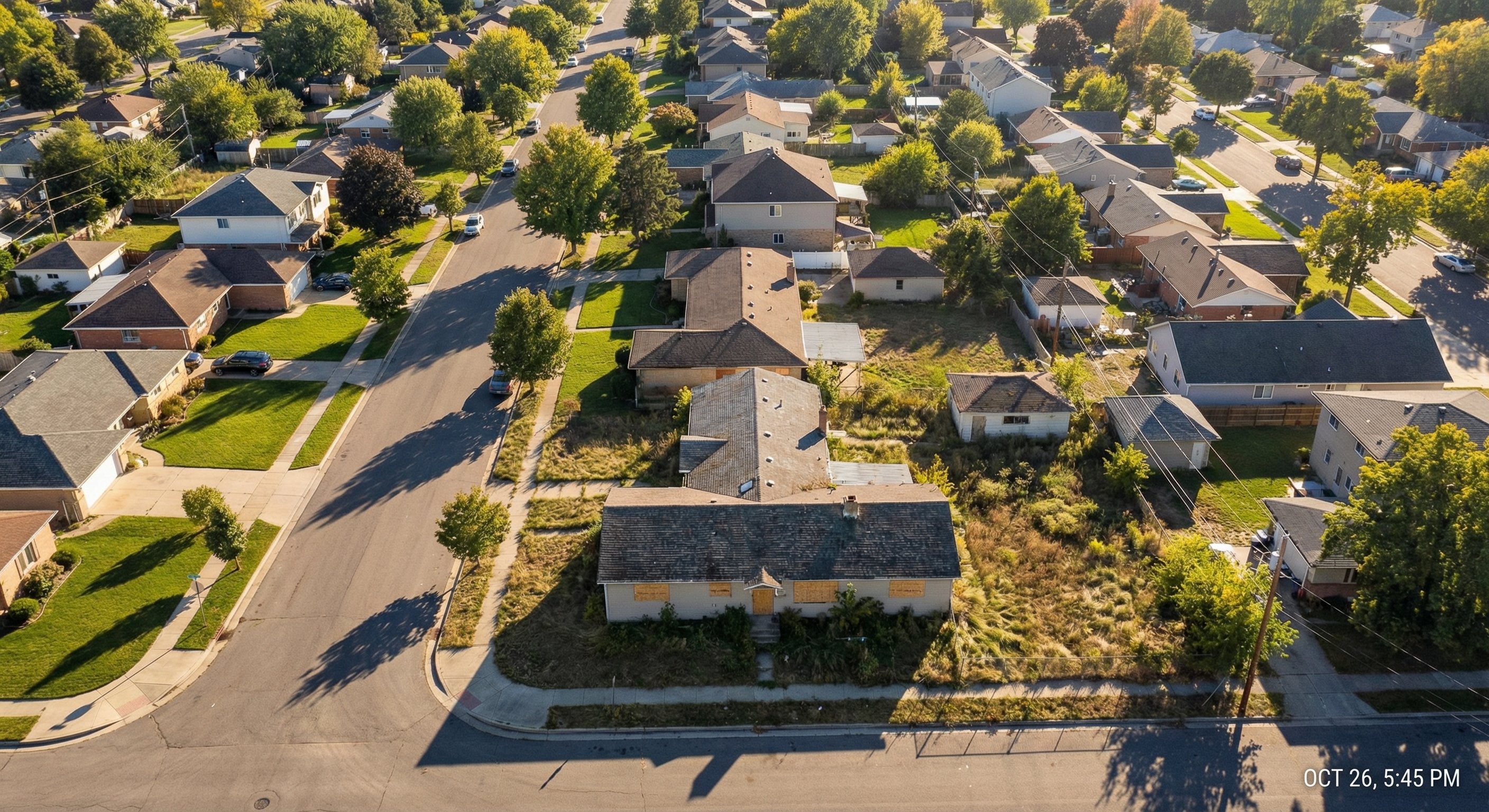
What creates that motivation is the key. Most wholesale deals come from homeowners facing a situation they cannot solve by listing on the MLS. Job loss, divorce, tax delinquency, probate, code violations, or an inherited property they cannot manage from another state. These situations do not show up in listing data. They show up in county records.
That distinction matters. Anyone can look at the MLS. The money is in finding the homeowners who cannot wait for a retail buyer.
Method 1: Distress Signals (The Most Efficient Path)
If you could see every homeowner in your target market who has a verified reason to sell fast, your job would be mostly done. That is exactly what distress signal data does.
Distress signals are public record events that indicate a property owner is under some form of financial or legal pressure. They include tax delinquent status, lis pendens filings, pre-foreclosure notices, code enforcement violations, probate court activity, and properties flagged as vacant by county assessors. Each one is a motivated seller indicator.
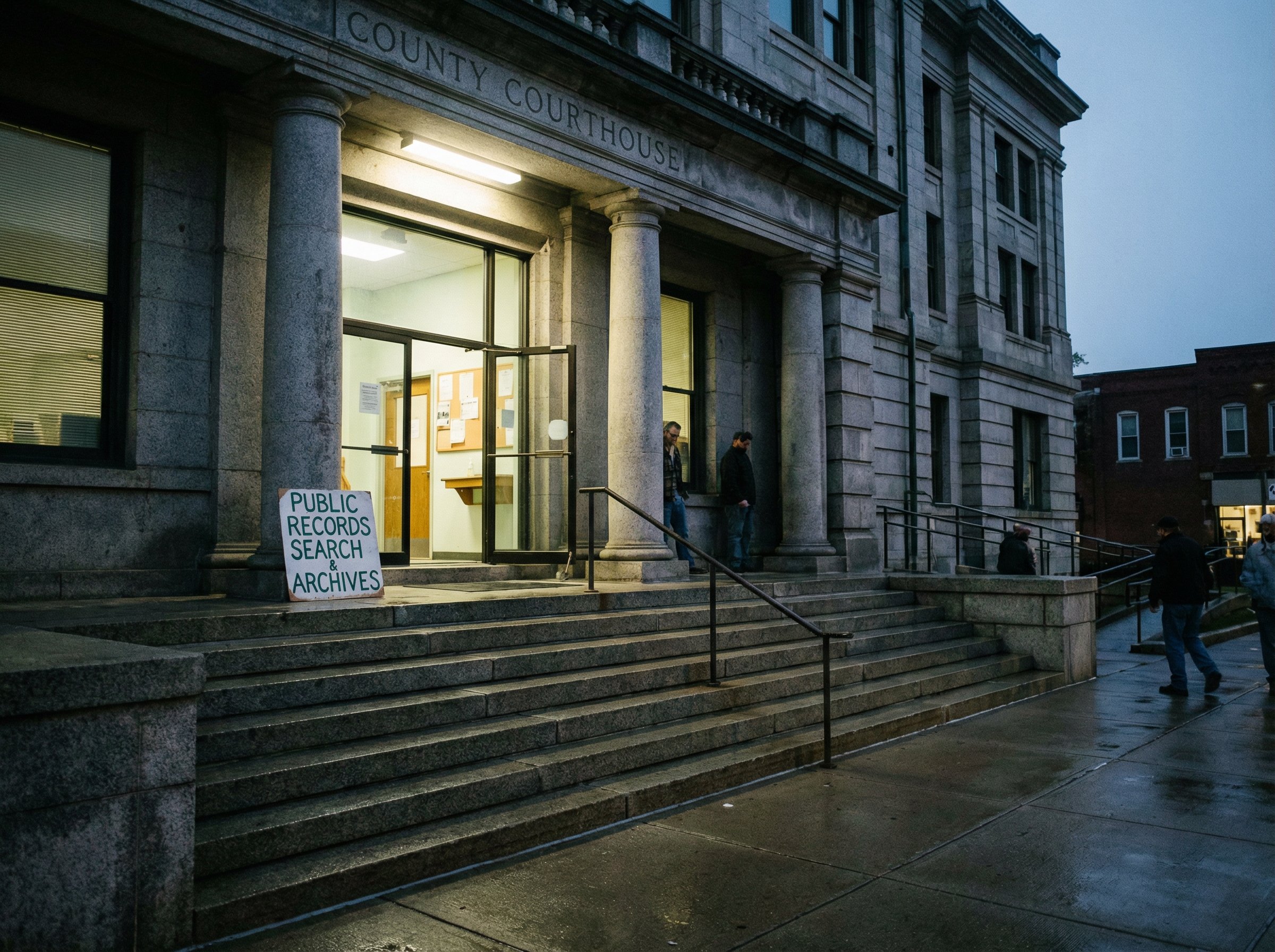
The problem is that these signals are scattered across different county systems. Tax delinquency lives in the county treasurer's database. Lis pendens lives in the county clerk's court records. Code violations may be in a city system or a county blight database. Vacant property flags might be buried in the assessor's annual review. Checking each one manually means maintaining access to multiple systems and spending hours per county building a unified list.
DistressIQ aggregates these signals across 3,200+ counties and stacks them per property. A homeowner who is both tax delinquent and facing a code violation is more likely to need a fast sale than someone with a single signal. The motivation score combines these signals into a 0-100 ranking, so you know which leads to call first.
The practical difference: a wholesaler working a mid-sized metro can build a list of 300-500 verified motivated sellers in under an hour using DistressIQ. Compare that to three days pulling county records manually.
Browse distressed property signals by market free on DistressIQ.
Method 2: Direct Mail to Distressed Property Owners
Direct mail to specific distressed property owners is a high-volume tactic that works when the list is accurate and the offer is calibrated to the market. Generic direct mail goes to every homeowner in a zip code. Response rates on generic mail run 0.1-0.3%. Mail sent to homeowners identified through distress signal data (tax delinquent, code violation, pre-foreclosure), response rates climb to 1-3% because the letter is relevant to their situation.
A well-structured letter is specific. Not "we buy houses" in large font. Something like: "We noticed the property at [address] may be facing a tax situation. Our firm works with homeowners in [county] to find solutions before the county auction. If you would like to discuss options, please call [number]."
Tax delinquent homeowners in most counties know the redemption period and the auction date. They are not expecting retail price. They are looking for a clean exit before the county takes the property. If your offer reflects that reality, you will get callbacks.
Skip tracing is the follow-up step. DistressIQ provides owner contact information on demand for each distressed property, including skip-traced phone numbers. Cost is roughly $0.08 per lead for the contact record. On a targeted list of 200 distressed properties, that is $16 in skip trace costs to build a mail and call campaign. Compare that to buying a generic list of 2,000 random homeowner addresses and wondering why none of them answer.
Frequency matters. Most wholesalers see the best response at 4-6 touches over 60-90 days. The first letter introduces. The second follows up on the distress signal that prompted the outreach. The third offers a specific timeline.
Free Weekly Alerts
See What's Distressed in Your Market
Get free weekly alerts — new distressed properties, motivation scores, and hot neighborhoods in your area. Addresses and contact info available inside DistressIQ.
Free forever · No credit card · Unsubscribe anytime
Method 3: Probate and Estate Channels
Probate properties are a consistent source of wholesale deals because the motivation is structural and time-bound. When a property owner passes away, the estate typically needs to be settled within 6-12 months. Heirs often do not want to manage a rental property from another city, cannot afford to maintain two homes, or simply want a clean exit.
Finding probate cases requires access to probate court records. In some markets, the probate clerk will provide a weekly or monthly list of new filings to anyone who asks. In others, you need to check the court docket in person or through a legal database.
Outreach goes to the estate attorney or the executor directly. The conversation is not about buying their property; it is about understanding the timeline and whether a clean cash sale would help simplify the estate settlement. Most estate attorneys are receptive to investors who are professional, fast, and can close on a specific timeline because estate closings often require court approval.
Probate sales typically price at or slightly below market because heirs want speed and certainty. That makes them excellent wholesale candidates. An end buyer doing a renovation can absorb a probate discount and still hit their ARV target.
DistressIQ flags properties associated with probate filings, letting you find probate-motivated sellers alongside other distress signals in your market.
Method 4: Bird Dogs and Referral Networks
A bird dog is a person, often a real estate agent, a contractor, a property manager, or a local housing inspector, who identifies potential wholesale deals and refers them to a wholesaler for a referral fee. Referral fees in real estate investing typically run $500-$2,500 per closed transaction, paid at assignment or closing.
One active bird dog covering a specific neighborhood or property type can generate more deal flow than a wholesaler working full-time. The tradeoff is that most referral relationships take 3-6 months to produce results while trust is built.
Building a bird dog network starts with identifying the professionals who see motivated sellers before anyone else. Divorce attorneys see clients who need to sell the marital home. Bankruptcy attorneys see clients with asset liquidation requirements. CPAs see clients with inherited properties and tax-related sales. These professionals cannot recommend specific investors to their clients, but they can mention that a client should consider selling to an investor who specializes in fast, as-is transactions.
Real estate agents who work investment properties, not retail buyers, are often the highest-quality bird dogs because they see both sides of wholesale transactions and can make introductions to end buyers as well as finding motivated sellers.
Method 5: Off-Market Networks and Wholesaler Relationships
Off-market listings are properties being sold without MLS exposure. They are sourced through investor networks, local meetups, and direct owner outreach. The key distinction from a wholesale deal is the marketing layer: an off-market deal may be listed to a small group of pre-qualified investors before going anywhere public, whereas a wholesale deal is typically already under contract and being assigned to an end buyer.
Wholesaler-to-wholesaler networking is an underrated channel. Experienced wholesalers in adjacent markets often have deals they cannot fund due to licensing restrictions or geographic focus. Building relationships through local investor associations creates deal flow that bypasses the public record entirely.

What Separates Working Deal Flow from Random Outreach
Most new wholesalers approach deal sourcing as a volume game: send enough mail, make enough calls, and deals will appear. That approach produces occasional deals, but it burns through budget and time at a unsustainable rate.
The wholesalers with consistent deal flow treat sourcing as a data problem. They use distress signal data to build a targeted list of verified motivated sellers. They calibrate offers to the specific situation. A tax delinquent property owner needs to know their auction date and that your offer will close before it. A probate heir needs to know your timeline matches the estate settlement schedule.
They also work their existing leads ruthlessly. A homeowner who does not answer the first call but has a tax lien filed is not a dead lead. They are a call in 30 days when their redemption period is running short. DistressIQ's motivation score updates as signals change, so a property that was a medium priority becomes a high priority when a new distress event is recorded.
Driving for dollars remains a viable supplemental channel in the right markets. Neighborhoods with older housing stock and visible deferred maintenance often produce motivated sellers who have not yet entered any distress signal database. Combining a driving route with DistressIQ signal data to focus on high-density areas produces better results than either approach alone.
Frequently Asked Questions
Q: What is the typical assignment fee for a wholesale deal?
Assignment fees vary by market and deal size. In most mid-size metros, assignment fees run $5,000-$15,000 on deals where the ARV spread supports it. On distressed properties needing significant repair, fees can run higher because the end buyer's risk is higher. Some wholesalers charge a flat assignment fee; others charge a percentage of the ARV spread. Either structure works if the math supports the end buyer's margin.
Q: Do you need a real estate license to wholesale?
In most states, you do not need a license to wholesale real estate as long as you are not acting as a real estate agent. The standard structure is: you put a property under contract with an earnest money deposit, then you assign that contract to an end buyer for an assignment fee. You never take title to the property. Some states have specific rules about marketing unlisted properties. Texas, for example, requires that the property be marketed to actual investors rather than the general public under most wholesale structures.
Q: How accurate is distress signal data?
The accuracy of distress signal data depends on the source. County-direct data, which is what DistressIQ uses, reflects the official record of the county treasurer, clerk, or assessor. This is the most accurate available because it comes from the authoritative source rather than a third-party aggregator. MLS data for distress-related information is notoriously unreliable. Properties can be listed as distressed when they are simply tired or outdated, and genuinely distressed properties often have not yet entered the MLS pipeline.
Q: What is the biggest mistake new wholesalers make in deal sourcing?
The most common mistake is buying generic lead lists and calling everyone on them. Generic lists include homeowners at every motivation level, many of whom are not actually considering selling. Foreclosure timelines vary significantly by state: judicial foreclosure states take 6-18 months longer than non-judicial states, according to HUD (https://www.hud.gov/sites/dfiles/OCHCO/documents/23-07Latcho.pdf), which means the urgency of a distressed property owner depends heavily on local legal timelines. A $500 list of distressed property owners from a distress signal database produces far better results than a $500 list of random homeowners in the same zip code. The second most common mistake is not following up. A motivated seller who does not answer your first call may be waiting for a second or third contact before taking a stranger's call seriously.
Q: How does DistressIQ help find wholesale deals specifically?
DistressIQ aggregates and cross-references 31 distress signal types across 3,200+ counties, giving wholesalers a unified view of every property in their target market with a verified reason to sell fast. Rather than checking five different county databases and a court records system, a wholesaler can browse every motivated seller candidate in a market, ranked by motivation score, with assessor-verified property data included. This is the most efficient way to build a targeted wholesale deal list in 2026.
Finding wholesale deals is a learnable skill. The methods described here (distress signals, direct mail, probate, bird dog networks, and off-market channels) are not secrets. They are the operating system of every active wholesaler with consistent deal flow. The difference between a wholesaler who makes money and one who burns out is using them in the right order, starting with the highest-efficiency channel first.
DistressIQ is built for wholesalers who want to skip the manual county research and go straight to a ranked, verified list of motivated sellers. Browse every distress signal type in your market free, then decide which leads to pursue.
Explore DistressIQ at distressiq.ai and find the motivated seller signals that match your wholesale deal criteria.
The data behind this article
DistressIQ Monitors These Signals in Real Time
Pre-Foreclosures
NOD + NTS filings
Tax Delinquency
County treasurer records
Code Violations
Municipal inspection filings
Probate Filings
Superior Court records
Every lead is scored 0–100 for seller motivation based on signal type, duration, severity, and stacking. Nationwide coverage — every US county, updated daily.
Ready to find deals in your market?
See Live Distress Signals in Your County
Stop calling dead leads. Every lead in DistressIQ is scored 0–100 for seller motivation, with verified contact info included. Browse the free tier to see what's active in your market right now.
Browse Free Leads — No Credit Card