Tax Lien List Arizona: Maricopa, OTC Liens & County Auctions
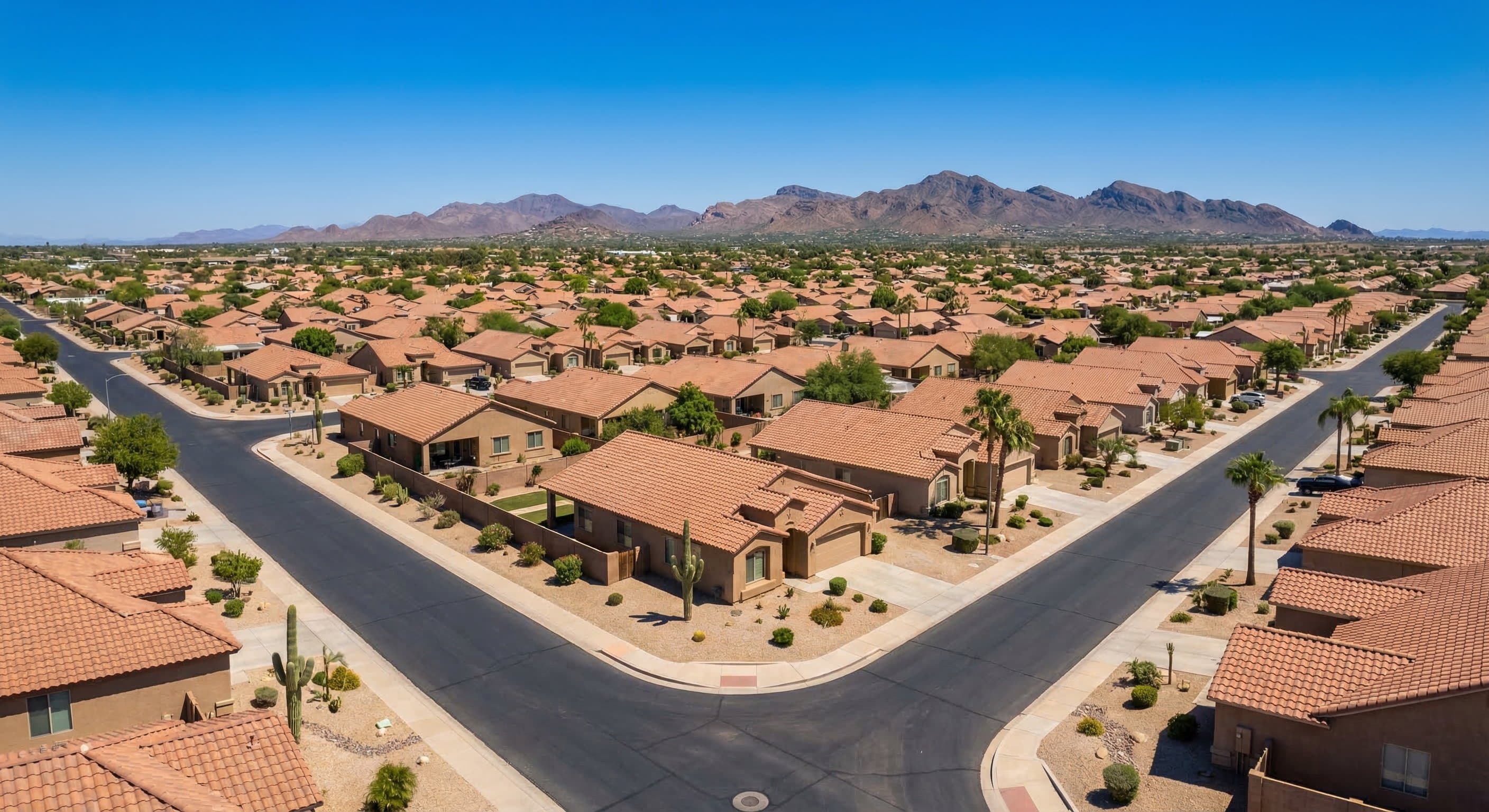
Tax Lien List Arizona: Maricopa, OTC Liens & County Auctions
TL;DR: Arizona is a tax lien state — when property owners fall behind on taxes, the county sells certificates to investors rather than the property itself. Arizona liens pay up to 16% annual interest with a 3-year redemption period. Maricopa County holds one of the largest online tax lien auctions in the country every February. This guide covers how the process works, which counties to target, and how to identify the best delinquent properties before auction day.
Arizona isn't just a hot real estate market — it's one of the most investor-friendly tax lien states in the country. With a statutory interest rate of up to 16% per year, annual online auctions drawing institutional and retail investors nationwide, and a clear legal path from certificate to deed for unredeemed properties, Arizona has built a tax lien ecosystem that rewards informed investors. But not all liens are created equal, and knowing which properties are worth bidding on — and which aren't — is where most new investors leave money on the table.
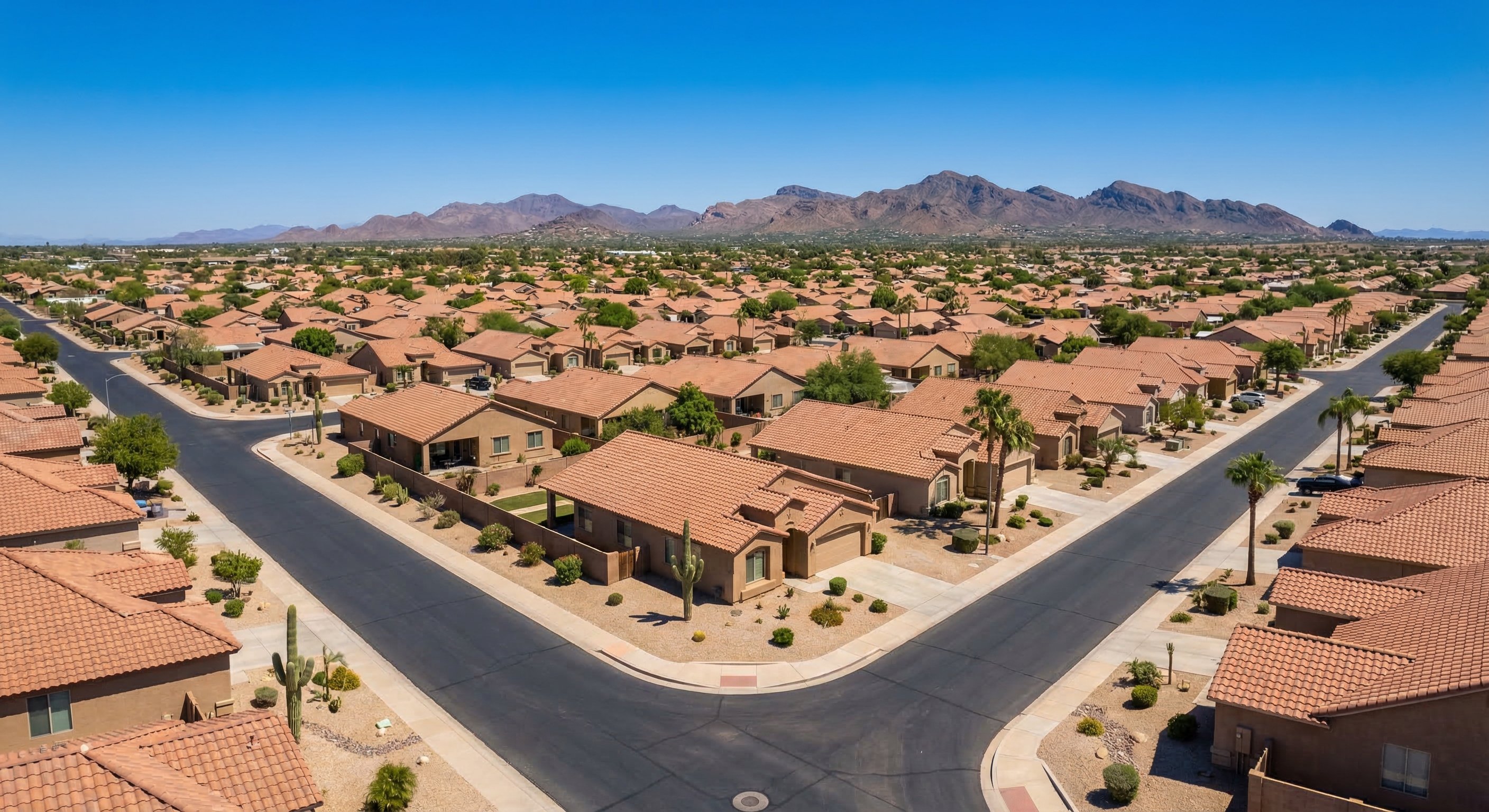
What Is a Tax Lien Certificate in Arizona?
When a property owner fails to pay their annual property taxes, Arizona doesn't forgive the debt. Under Arizona Revised Statutes (A.R.S.) Title 42, Chapter 18, the county treasurer places a tax lien on the property — and then sells that lien to a third party at a public auction.
When you purchase an Arizona tax lien certificate, you're not buying the property. You're buying the debt. The certificate gives you:
- The right to collect the delinquent taxes plus statutory interest of up to 16% per year
- A first-position lien on the property, superior to most other encumbrances
- A potential path to ownership if the property owner doesn't redeem the lien within the statutory period
The owner still lives in the property, still holds title, and has time to pay back the lien amount plus interest. Most do — that's the income-producing scenario. The minority who don't represent the ownership plays investors seek. The skill is in identifying which liens fall into which category before you bid.
How the Arizona Tax Lien Sale Works
Arizona's tax lien auction runs county-by-county, with most major sales in January and February of each year (on taxes delinquent from the prior year). Here's the timeline that governs the process:
| Step | Timing | What Happens |
|---|---|---|
| Property taxes assessed | November 1 | Annual tax bill issued |
| First half due | November 1 | First installment due |
| First half delinquent | January 1 | Unpaid first half enters delinquency |
| Second half due | May 1 | Second installment due |
| Second half delinquent | July 1 | Unpaid second half enters delinquency |
| Tax lien sale | Feb–March | County auctions tax lien certificates |
| Redemption window | 3 years | Owner can redeem by paying taxes + interest |
| Foreclosure eligible | After 3 years | Investor can petition court for deed if unredeemed |
How the auction works: Arizona's major counties now conduct their sales online. Maricopa County uses the SRI Tax Sale Solutions platform for electronic bidding. Investors compete by bidding down the interest rate — the statutory maximum opens at 16%, and bidders submit progressively lower rates. The lowest rate wins the certificate. On prime residential liens in desirable Maricopa zip codes, rates regularly bid down to 0–3%, which dramatically compresses yield.
The strategic implication is immediate: chasing the "nicest" properties in the auction produces the worst returns. The liens with the most upside — whether for income or eventual ownership — are typically the ones nobody else is fighting over.

Arizona Counties: Where the Action Is
Maricopa County — The State's Largest Auction
Maricopa County processes 40,000–60,000+ tax lien certificates annually, making it one of the single largest tax lien auctions in the United States by volume. The sale runs through SRI Tax Sale Solutions, typically in late January or early February. Investors pre-register through the SRI platform, fund a bidder account, and submit bids electronically during the sale window.
Competition is fierce, especially on single-family homes in the metro core. Institutional buyers and experienced retail investors suppress rates aggressively on clean properties. Where Maricopa gets interesting for individual investors:
- Mobile home lots and manufactured housing parcels — lower assessed values, less institutional interest
- Vacant land in outer suburban areas — Buckeye, Goodyear, and eastern Mesa corridors
- Properties carrying code violations or permit issues — complicated enough to deter casual bidders
- Older commercial properties with title complexity — requires more due diligence, which thins the competition
Maricopa County Assessor data is freely searchable at maricopa.gov — parcel ownership, assessed value, property classification, and improvement details all available before you bid.
Pima County — The Tucson Market
Pima County typically holds its tax lien auction in February. Volume is lower than Maricopa, institutional competition is thinner, and interest rates tend to land higher. Tucson's market carries significant delinquency in older midcentury ranchers near the University of Arizona, the south side corridor, and rural parcels in the county's outer reaches.
If you're focused on southern Arizona or want to target markets with less auction saturation, Pima is worth a dedicated look.
Other Active Counties
- Pinal County — Mesa/Gilbert/Queen Creek growth corridor, strong suburban expansion, increasing delinquency in outer-ring parcels that overextended during the boom
- Yavapai County — Prescott and Prescott Valley, mountain communities, second homes, rural parcels; seasonal residents who miss tax notices
- Mohave County — Kingman, Bullhead City, Lake Havasu City; significant vacancy and delinquency in manufactured housing, plus border-area parcels
- Yuma County — Agricultural land, border region, unique property types with limited investor competition
Each county runs its own sale process and timeline. For smaller counties, contact the county treasurer directly — many don't use third-party auction platforms and will provide OTC lists by phone or email.
Free Weekly Alerts
See What's Distressed in Your Market
Get free weekly alerts — new distressed properties, motivation scores, and hot neighborhoods in your area. Addresses and contact info available inside DistressIQ.
Free forever · No credit card · Unsubscribe anytime
Interest Rates, Redemption, and the Real Math
Arizona's 16% statutory maximum is the headline number. The reality is more nuanced.
The competitive bidding effect: On a $3,500 Maricopa County tax lien certificate for a desirable single-family home, institutional buyers may bid it down to 2–4%. The math:
- $3,500 × 3% × 1.5 years (if redeemed at 18 months) = $157.50 in interest
- Total return: $3,657.50 — about 4.5% over 18 months, or roughly 3% annualized
That's below what you'd earn in a money market fund, with far more work.
Where 16% actually happens: On OTC liens purchased after the auction, you earn the full statutory 16%. On liens where competitive bidding was weak — lower-value properties, rural parcels, manufactured housing — rates often land in the 8–14% range. These are the liens that actually make sense financially.
The redemption reality: Approximately 95–97% of Arizona tax liens are redeemed before the 3-year foreclosure window opens. This is the normal, expected outcome. The investor collects interest, the owner keeps their property, the county gets its taxes. For passive income investors, a portfolio of redeemed liens at 10–16% interest is a solid secured-debt strategy.
For investors seeking ownership, the 3–5% that go unredeemed are the target — but those situations typically involve genuine abandonment, financial hardship, or estate complications. Bidding on those liens strategically requires knowing the underlying property well before you spend money on it.
The foreclosure path: After 3 years from the original sale date, if a lien hasn't been redeemed, the certificate holder can petition the Arizona Superior Court for a tax deed. This is a legal proceeding, not automatic. You'll need an attorney familiar with Arizona's A.R.S. § 42-18201 process, you'll need to comply with notice requirements, and you should budget 6–12 months from petition filing to receiving the deed. Attorney fees typically run $1,500–$4,000 for straightforward cases.
The lien certificate itself remains valid for up to 10 years from purchase — so you're not forced to foreclose immediately at the 3-year mark. Many investors monitor their lien portfolio annually and evaluate whether to initiate foreclosure or continue holding.
OTC Liens: The After-Auction Opportunity Most Investors Miss
After each county's annual auction, a significant inventory of liens goes unsold. These Over-the-Counter (OTC) liens — sometimes called "leftovers" — are available for purchase directly from the county treasurer's office throughout the year, often at the full 16% statutory rate.
Why do they go unsold at auction? Usually one or more of:
- Low assessed value (institutional buyers don't bother with $200 liens)
- Outstanding code violations or permit complications
- Title problems or overlapping liens
- Rural or hard-to-access locations
- Manufactured housing on leased land
This is exactly the profile that creates the most interesting investment scenarios: high yield, low competition, and occasionally a genuine ownership play when the property turns out to be worth more than the delinquency amount.
Where to find OTC liens:
- Maricopa County: Treasurer's office at treasurer.maricopa.gov maintains OTC inventory searchable by parcel
- Pima County: Contact the county treasurer directly for current OTC list
- Smaller counties: Call the treasurer's office directly — many maintain running spreadsheets they'll email on request
The OTC market is where individual investors with strong property research skills have a genuine edge over institutional capital. Institutions buy in bulk at auction; they don't call county treasurers in Mohave County looking for $400 liens on rural parcels.
Finding Quality Liens Before You Bid
The tax lien list is public record — but raw public record data isn't the same as investment intelligence. The difference between a lien investor generating 12–14% returns and one generating 2% almost always comes down to which properties they're targeting.
The signals that separate worthwhile liens from noise:
High redemption risk (the ones to target for income):
- Clean title, active ownership, single delinquency year
- Owner-occupied primary residence in a stable neighborhood
- Low delinquency amount relative to assessed value
Low redemption probability (the ones to target for ownership plays):
- Multiple consecutive delinquency years — owner has stopped paying across the board
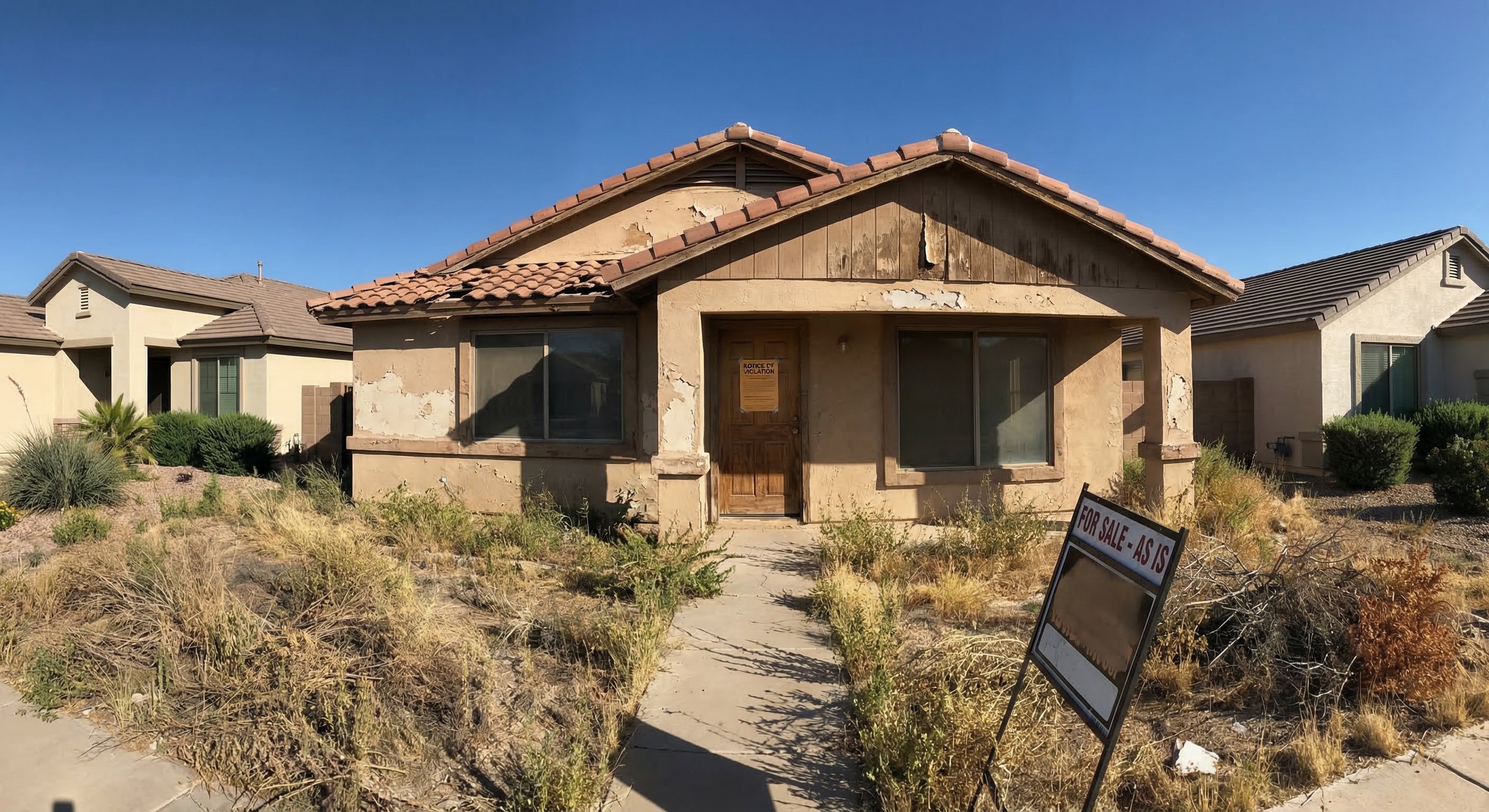
- Code violations stacked on delinquency — not maintaining the property AND not paying taxes
- Probate activity — owner may have passed, estate is tied up, property is effectively orphaned
- Absentee ownership + delinquency — out-of-state owner who stopped engaging with the property
- Delinquency amount approaching or exceeding equity — owner has no financial incentive to redeem
A single delinquency hit on a well-maintained Scottsdale home with an active owner will almost certainly be redeemed. A Kingman property showing 3 consecutive years of delinquency, an active code violation, and absentee ownership is a completely different risk profile — and the interest income is better because fewer investors will compete for it.
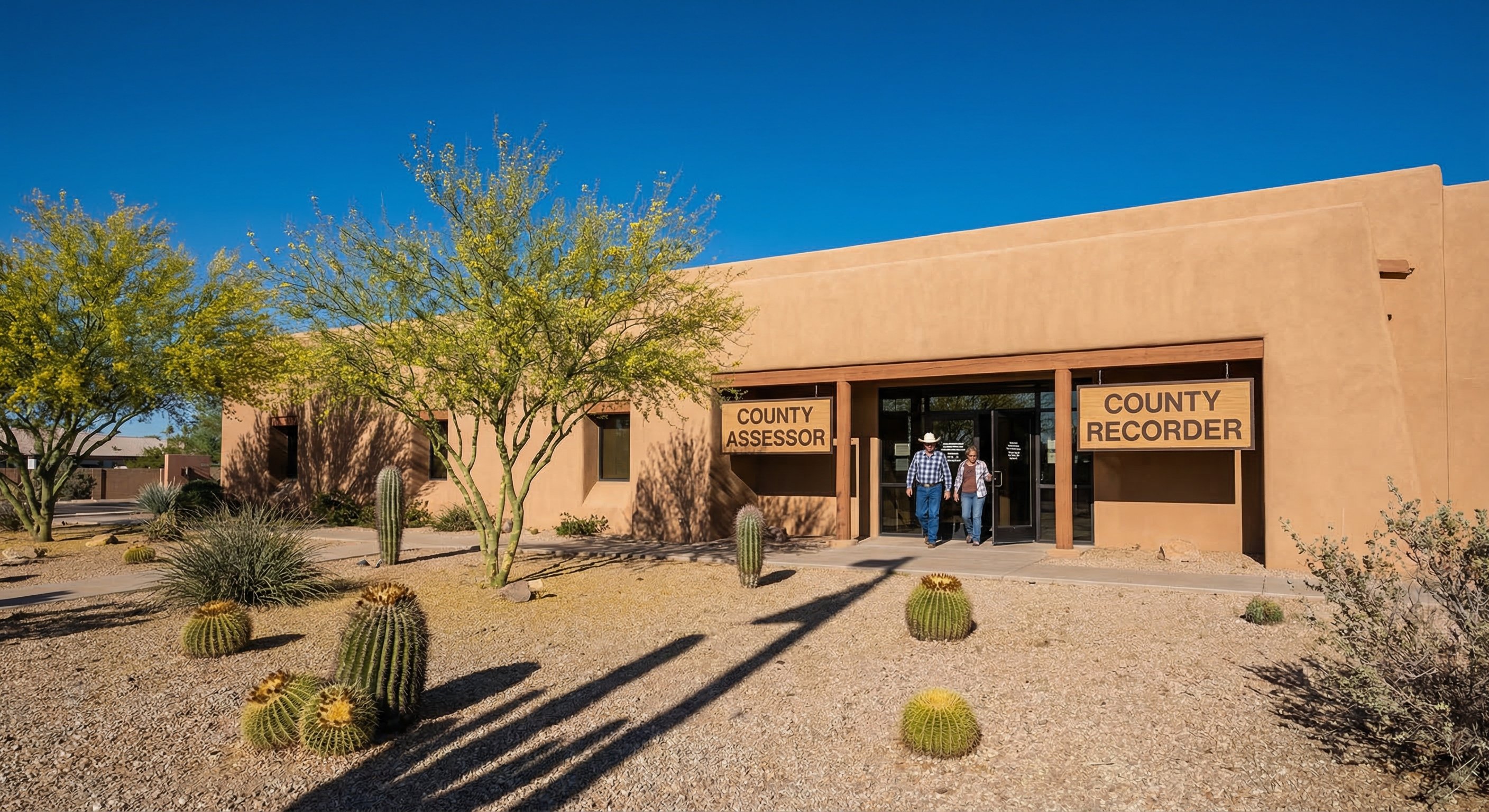
DistressIQ tracks 31 distress signal types across Arizona's counties — tax delinquency, code violations, probate filings, lis pendens, absentee ownership indicators, and more — updated multiple times daily from county assessor and recorder sources. Instead of bidding blind on individual liens, you can identify which properties in the tax lien list carry multiple compounding signals before you commit a dollar.
Explore Arizona's stacked distress signal data at distressiq.ai. Founding member pricing still available: Starter $89/mo, Pro $174/mo, Elite $349/mo — locked for life, fewer than 50 spots remaining.

Key Takeaways
- Arizona is a tax lien state — you buy the debt, not the property itself
- Maximum interest rate is 16% — competitive bidding lowers this on desirable properties; OTC liens often pay the full rate
- 3-year window before foreclosure becomes available — most liens (95–97%) are redeemed before this point
- Maricopa County runs one of the largest online auctions in the US — February is the primary sale, managed through SRI Tax Sale Solutions
- OTC liens are available year-round directly from county treasurers at the full statutory rate, with less competition
- Stacked distress signals — multiple delinquency years, code violations, absentee ownership, probate — dramatically improve your ability to identify low-redemption-probability liens
- Foreclosure is a legal process — converting an unredeemed lien into a deed takes 6–12 months and requires an attorney; budget accordingly
- Don't chase the "cleanest" liens — the highest rates and most interesting properties are the ones other investors are ignoring
Frequently Asked Questions
Q: When is the Arizona tax lien sale?
Most Arizona counties hold their primary tax lien auction in January or February each year. Maricopa County typically runs its sale in late January or early February. Exact dates vary — check with the county treasurer or the SRI Tax Sale Solutions platform starting in November or December of the prior year to confirm the schedule and registration deadlines.
Q: What interest rate do Arizona tax liens pay?
The statutory maximum in Arizona is 16% per year. However, because auctions are competitive, rates on attractive properties often bid down to 1–8% in Maricopa County. Over-the-counter (OTC) liens not sold at auction typically earn the full 16% rate. Interest accrues from the date of purchase until the lien is redeemed.
Q: How do I find the Arizona tax lien list?
Each county maintains its own list. Maricopa County's auction is managed through the SRI Tax Sale Solutions platform, accessible via the Maricopa County Treasurer's website at treasurer.maricopa.gov. Pima, Pinal, Yavapai, and other counties list their sales at their respective treasurer websites. For OTC inventories, contact each county treasurer directly.
Q: What happens if the property owner redeems my lien?
You receive your original investment plus statutory interest for the period the lien was outstanding. This is the most common outcome — approximately 95–97% of Arizona liens are redeemed before the 3-year foreclosure window. It's effectively a secured short-to-medium-term debt investment. Redemption can happen at any time from purchase through the 3-year mark (and often beyond, as long as you haven't initiated foreclosure).
Q: What happens if the owner never pays?
After 3 years from the original purchase date, you can petition the Arizona Superior Court for a tax deed, which would convey ownership of the property to you. This is not automatic — it requires a legal proceeding under A.R.S. § 42-18201, proper notice to the owner and other interested parties, and typically 6–12 months of process. Work with a real estate attorney who handles Arizona tax lien foreclosures regularly.
Q: Is Arizona a tax lien or tax deed state?
Arizona is primarily a tax lien state — the county sells certificates rather than the property at the initial delinquency auction. However, Arizona also has a tax deed mechanism for properties where the lien holder exercises their right to foreclose after the redemption period. It's a two-stage system: lien first, potential deed later.
Q: Can I buy Arizona tax liens if I live out of state?
Yes. Arizona's major counties conduct their primary auctions online, so you can register and bid from anywhere in the country. You'll need to pre-register on the auction platform, provide identification, and typically pre-fund a bidder account before the sale begins. For OTC liens in smaller counties, a phone call or email to the county treasurer is usually all it takes.
Related reading:
- Tax Delinquent Properties in Arizona: How to Find and Work Them
- How to Find Pre-Foreclosures in Arizona (2026 Investor Guide)
- Foreclosure Leads in Arizona: Where to Find Them in 2026
Sources: Arizona Revised Statutes Title 42, Chapter 18 (Tax Liens); Maricopa County Treasurer; National Tax Lien Association; Arizona Department of Revenue
The data behind this article
DistressIQ Monitors These Signals in Real Time
Pre-Foreclosures
NOD + NTS filings
Tax Delinquency
County treasurer records
Code Violations
Municipal inspection filings
Probate Filings
Superior Court records
Every lead is scored 0–100 for seller motivation based on signal type, duration, severity, and stacking. Nationwide coverage — every US county, updated daily.
Ready to find deals in your market?
See Live Distress Signals in Your County
Stop calling dead leads. Every lead in DistressIQ is scored 0–100 for seller motivation, with verified contact info included. Browse the free tier to see what's active in your market right now.
Browse Free Leads — No Credit Card