Sheriff Sale Properties: What Experienced Investors Know That Beginners Miss
Sheriff Sale Properties: What Experienced Investors Know That Beginners Miss
TL;DR: Sheriff sale properties are homes foreclosed through the court system and sold at public auction by the county sheriff. They sell 20 to 40 percent below market value, but redemption periods, title complications, and financing restrictions trip up most investors. Experienced buyers research county-specific timelines, verify title status before bidding, and account for redemption periods that can void a sale months after the auction.
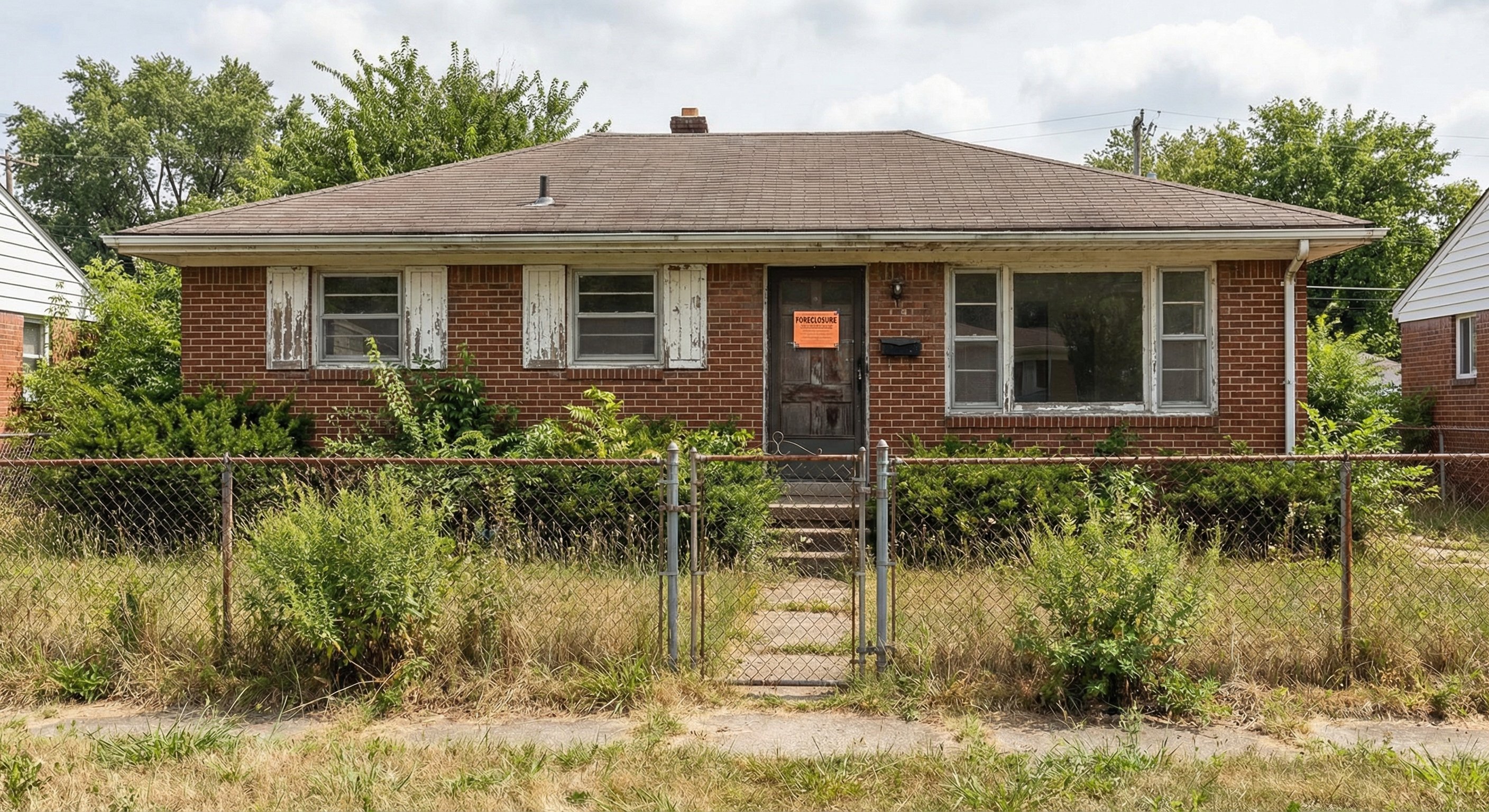
Most real estate investors have heard of sheriff sales. Fewer understand what actually happens once the gavel falls. The auction is the beginning of a process, not the end of it, and the gap between those two points is where most beginners lose money.
Sheriff sale properties represent some of the deepest discounts available in distressed real estate. The catch is that the discount comes with complexity. Redemption periods, junior lien holder claims, and court confirmation requirements vary by county and state. An investor who knows how to navigate those variables can consistently buy at 20 to 40 percent below comparable sales. An investor who skips that research comes home with a property they cannot sell and a deposit they cannot get back.
What Is a Sheriff Sale?
A sheriff sale is a public auction held by the county sheriff's office after a court orders the sale of a property to satisfy a judgment debt. The judgment typically stems from a defaulted mortgage, a tax delinquency, or a court judgment against the property owner. Unlike a foreclosure conducted entirely by the lender, a sheriff sale is court-supervised and carried out by the county.
The process starts when a lender or creditor obtains a judgment from a court. The court orders the sheriff to sell the property to satisfy that debt. The sheriff publishes a notice of sale in a local newspaper, posts the property, and holds an auction on the courthouse steps or in the sheriff's office.
Every state governs sheriff sales differently. Non-judicial states (most of the western and southern US) use power-of-sale clauses in the mortgage, and a trustee handles the auction without court involvement. Judicial states (primarily in the northeast and midwest) require court confirmation before the sale is final, which adds a layer of oversight and a potential delay between auction and ownership.
How Sheriff Sales Differ From Trustee Sales
Sheriff sales and trustee sales both sell distressed properties at auction, but the legal processes are distinct. Investors who conflate them often walk into unexpected complications.
A trustee sale (also called a foreclosure auction) is conducted by a trustee appointed under the deed of trust. It does not require court involvement in most non-judicial states. The trustee publishes notice, posts the property, and sells it at auction without judicial review. The process moves quickly, and the sale is typically final the day of the auction.
A sheriff sale is court-supervised. The sheriff acts as an officer of the court executing a judgment. In judicial states, the sale must be confirmed by a judge after the auction. That confirmation process can take 30 to 90 days, during which the borrower may still have legal recourse.
The practical difference for investors is that sheriff sales often carry longer timelines and more legal uncertainty, but they also tend to attract less competition because the process is more intimidating to retail buyers. That fear is precisely where experienced investors find their edge.
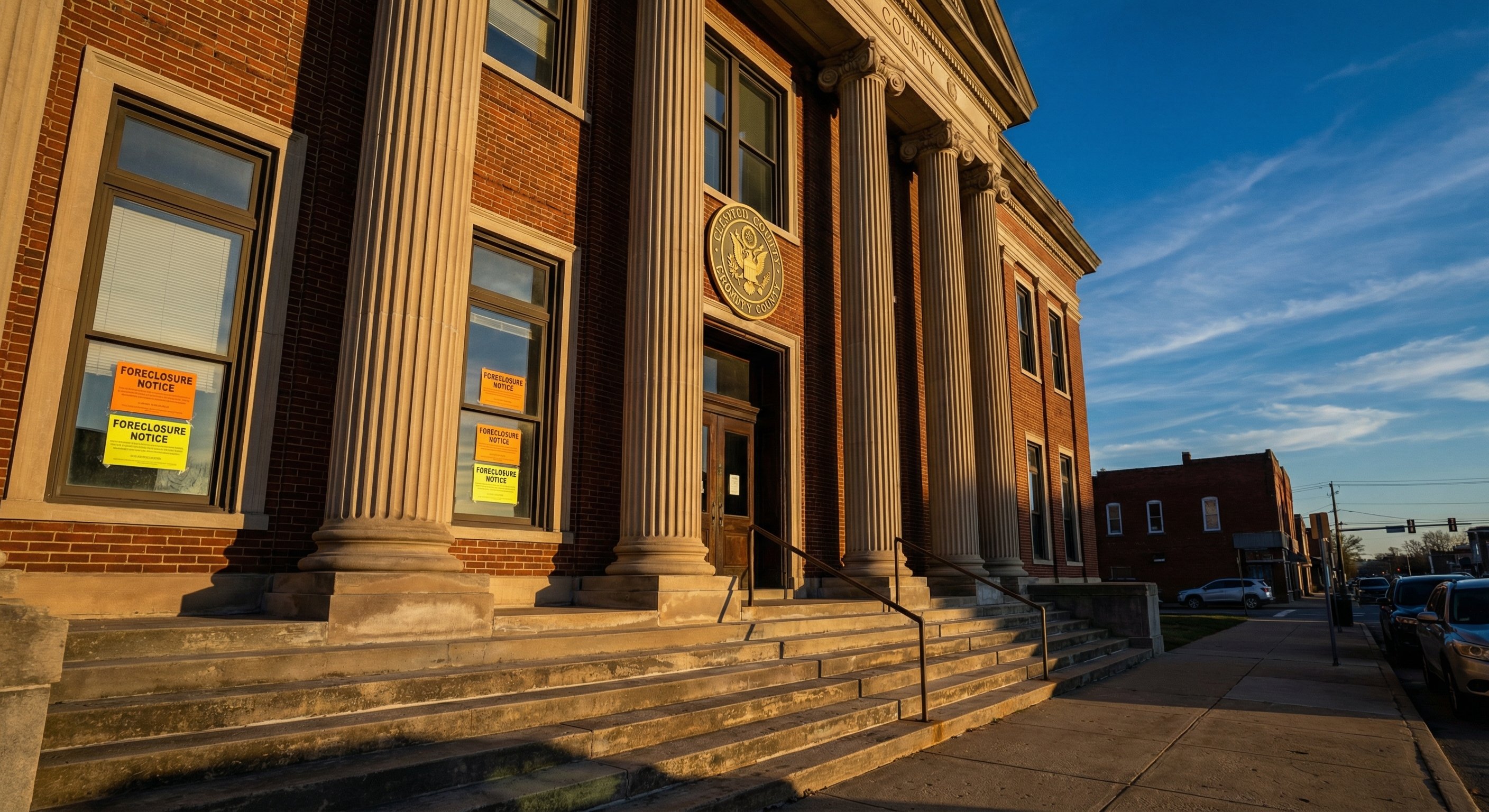
The Redemption Period Problem Most Investors Ignore
This is the single most important concept in sheriff sale investing, and it is the one most beginners learn about only after losing money on a deal.
A redemption period is a window of time after the sheriff sale auction during which the original borrower can reclaim the property by paying the full bid price plus interest and costs. During this period, the winning bidder does not yet own the property.
Redemption periods vary significantly by state and by the type of case that led to the foreclosure:
In Illinois, borrowers have 90 days to redeem after the sale (Illinois Court Rules). In Ohio, redemption periods range from seven days to one year depending on whether the case is residential and whether the borrower has claimed a homestead exemption (Ohio Revised Code). In Pennsylvania, the redemption period runs 10 days after the sale for residential properties, but if the lender files exceptions to the sale, the entire confirmation process can stretch 60 to 90 days or longer (Pennsylvania Judicial Center).
Indiana offers a one-year redemption period for most residential foreclosures. Michigan allows redemption after both the sheriff sale and the confirmation hearing, which in practice means six months to a year in many counties.
An investor who wins a sheriff sale in Indiana and expects to take title immediately will be waiting. During that waiting period, the property cannot be sold, transferred, or refinanced. The investor has a certificate of purchase, not a deed. They own the obligation to pay property taxes and insurance on a property they cannot touch.
The investors who do well at sheriff sales buy in states with short redemption periods or buy properties where the redemption period has already run. DistressIQ tracks redemption period timelines across 3,200-plus counties and flags properties where the redemption window has closed or is about to close.
Free Weekly Alerts
See What's Distressed in Your Market
Get free weekly alerts — new distressed properties, motivation scores, and hot neighborhoods in your area. Addresses and contact info available inside DistressIQ.
Free forever · No credit card · Unsubscribe anytime
Title Issues That Can Bankrupt a Sheriff Sale Investment
Even when the redemption period passes cleanly, sheriff sale properties frequently carry title problems that do not appear in the auction listing.
When a property goes to sheriff sale, all liens against it attach to the sale proceeds in order of priority. The first mortgage holder gets paid first from the auction price. The second mortgage holder gets paid next. Junior lien holders, mechanic's lien holders, and judgment creditors receive whatever is left.
If the auction price does not cover the total debt, junior lien holders lose their security interest in the property. In theory, they must seek payment from the borrower's other assets. In practice, they often do not, and the lien remains attached to the property as a claim against title.
This creates a situation where an investor buys at auction, receives the deed, and then discovers they have purchased a property with a second mortgage, a tax lien, or a mechanic's lien still attached. These are not hypothetical problems. Across major metropolitan counties in Ohio, Michigan, and Pennsylvania, DistressIQ data shows that 30 to 50 percent of sheriff sale properties carry at least one junior lien that survived the auction.
A title search before bidding is not optional. It is the difference between buying an asset and buying a liability.
How to Research Sheriff Sale Properties Before the Auction
Most sheriff's offices publish auction listings on their websites, but the information is fragmented. A property listed in one county may not appear in aggregate databases for days or weeks. The details provided are typically limited to the case number, the minimum bid, and the property address. Square footage, condition, occupancy status, and lien load are not included.
Investors who build consistent deal flow at sheriff sales use three tools in combination.
County sheriff auction pages are the primary source. Most update weekly or biweekly with new listings. Investors in major metro areas bookmark the sheriff sale pages for Cook County (Illinois), Cuyahoga County (Ohio), Wayne County (Michigan), and Philadelphia County (Pennsylvania), because these jurisdictions have enough volume to generate weekly auctions with multiple investment-grade properties.
County assessor records provide property characteristics and tax payment status. A property that appears on the sheriff sale list with unpaid taxes of $15,000 adds that to the effective cost of acquisition. A savvy investor factors in all liens before calculating the true bid limit.
DistressIQ aggregates sheriff sale listings alongside other distress signals (pre-foreclosure, tax delinquency, code violations, probate filings) so investors can cross-reference a sheriff sale property against other indicators of owner distress. A property with multiple concurrent signals is more likely to be vacant, more likely to have a motivated seller who could not redeem, and more likely to represent a genuine opportunity rather than a title trap.
The Bidding Strategy That Actually Works
The most common mistake at sheriff sales is bidding based on emotion or the comparable sales price down the street. The correct approach is to calculate the maximum bid from the inside out.
Start with the after-repair value (ARV) of the property in its best condition. A standard investor margin for a sheriff sale renovation is 25 to 35 percent of ARV after accounting for renovation costs, holding costs, and the risk premium for title uncertainty. Subtract the estimated renovation cost. Subtract six months of holding costs (mortgage, taxes, insurance, HOA if applicable). The result is the maximum sound bid.
Most amateur bidders at sheriff auctions bid against each other on the front end, drive the price toward retail, and then discover after the redemption period that they have no equity cushion. The investors who consistently profit at sheriff sales bid with discipline and walk away when the price moves beyond their numbers.
Financing at sheriff sales is another common pitfall. Most sheriff sales require payment in cash or certified funds at the time of the auction, often the same day or within 24 hours. Traditional mortgage financing cannot close fast enough. Hard money lenders who specialize in distressed property loans can fund within five to seven days, but the interest rates are higher. Investors who plan to use hard money should have their lender pre-approved and ready before arriving at the auction.
Which Counties Have the Best Sheriff Sale Opportunities?
The volume and quality of sheriff sale opportunities varies dramatically by geography. High-volume counties with clear legal processes and short redemption periods tend to offer the best risk-adjusted returns for active investors.
Cuyahoga County (Cleveland), Ohio generates dozens of sheriff sale listings per month. The redemption period for residential properties is relatively short, and the property values in many neighborhoods have recovered enough to leave room for profitable renovations after a sheriff sale purchase.
Wayne County (Detroit), Michigan has historically been one of the highest-volume sheriff sale markets in the country. The county's post-foreclosure process has improved, and properties in stable neighborhoods frequently sell at 30 to 50 percent below market value at auction.
Philadelphia County, Pennsylvania operates through the sheriff's office with a confirmation process that typically takes 30 to 60 days. The city has a large volume of distressed properties, and the judicial confirmation requirement actually benefits investors because it provides a legal checkpoint before full ownership transfers.
Cook County (Chicago), Illinois has high volume but a 90-day redemption period that requires patience. The market is deep enough that experienced investors who understand the timeline can build consistent deal flow.
Maricopa County (Phoenix), Arizona uses trustee sales more frequently than sheriff sales for non-judicial foreclosures, but tax deed sales through the county treasurer operate on a similar auction model and are worth monitoring separately.
Sheriff Sale Properties Versus Tax Deed Sales
Investors often confuse sheriff sales with tax deed sales. Both involve auctions and distressed properties, but the mechanics differ in ways that affect risk and return.
A tax deed sale occurs when a property has unpaid property taxes. The county sells the tax lien or the property itself at auction to recover the unpaid taxes. The winning bidder receives either a tax lien certificate (which earns interest as the borrower redeems) or a tax deed (which transfers ownership directly, usually without a redemption period in many states) (HUD).
Sheriff sales originate from court judgments related to mortgage defaults or other debts. The property is sold to satisfy a specific judgment. The chain of title is cleaner than a tax deed sale because the foreclosure process has already been adjudicated, but junior liens can complicate the outcome.
Tax deed sales in some states offer cleaner title because the lien being foreclosed is a tax lien with priority over all other claims. In other states, a tax deed sale can leave the buyer responsible for all prior liens, which defeats the purpose of buying at auction.
The best investors monitor both markets and compare specific properties against each other. A property that appears at a sheriff sale may also show up on a tax delinquency list. DistressIQ displays both signal types alongside each other so investors can compare the full picture of a property's distress history before deciding which auction channel makes the most sense.
Frequently Asked Questions
How do I find sheriff sale properties in my area?
Most county sheriff offices maintain websites with auction listings updated weekly or biweekly. Properties are listed by case number, address, and minimum bid. Searching for "[County Name] sheriff sale" typically returns the official page. DistressIQ aggregates sheriff sale listings alongside other distress signals for 3,200-plus counties so investors can cross-reference multiple signals on the same property.
Can I use a mortgage to buy at a sheriff sale?
Traditional mortgage financing is generally not available at sheriff sales because the closing timeline is too short, often requiring payment within 24 to 48 hours of the auction. Most investors use hard money loans, cash, or certified funds. Hard money lenders who specialize in distressed property can typically fund within five to seven days, which is useful for counties that require a few days between the auction and the payment deadline.
What is the redemption period and why does it matter?
A redemption period is a window after the sheriff sale during which the original borrower can reclaim the property by paying the full auction price plus interest and costs. During this period, the winning bidder does not hold title and cannot take possession or sell the property. Redemption periods vary from seven days to one year depending on the state and property type. Investors should always verify the redemption period for a specific county before bidding.
Are sheriff sale properties sold as-is?
In most jurisdictions, sheriff sales are conducted without any warranties about the property's condition. The buyer is responsible for inspecting the property before the auction. Most properties are sold as-is, and the sheriff's office will not provide disclosures about square footage, structural condition, or occupancy status. A thorough inspection before bidding is essential.
What title issues should I watch for at sheriff sales?
The primary risk is junior liens that survive the auction. If the auction price is insufficient to pay all lien holders in priority order, junior lien holders lose their security interest but may still have claims against the property. A title search before bidding is mandatory. Additionally, properties may have code violations, outstanding HOA dues, or environmental issues that are not disclosed in the auction listing.
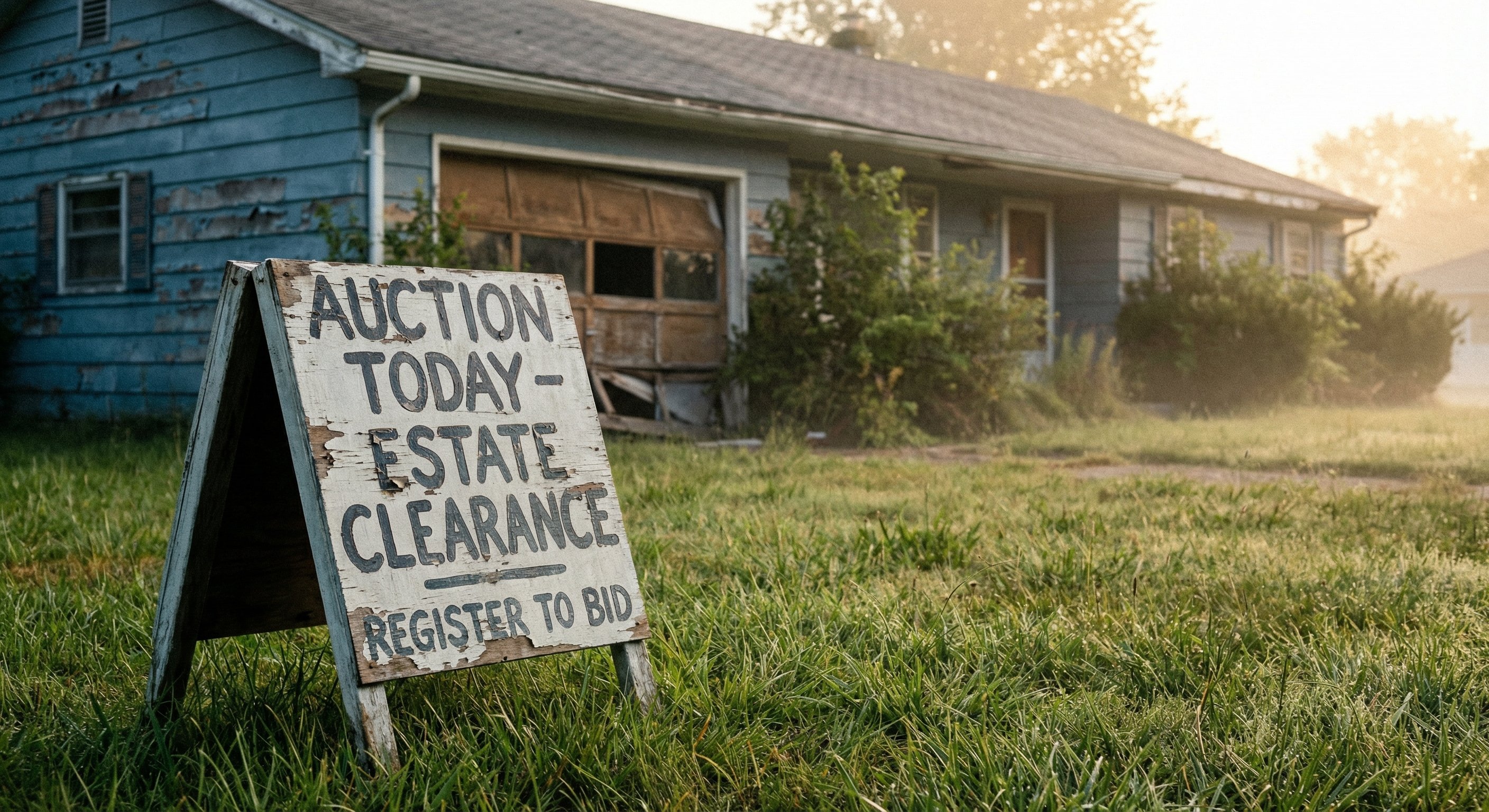
Sheriff sale properties reward investors who do the work. The research is more involved than buying a listed property, and the timelines are less predictable. But for investors who understand redemption periods, calculate bids from the inside out, and verify title before bidding, the discounts available at sheriff auctions consistently outperform any other distressed property acquisition channel.
The counties with the highest volume of sheriff sale activity also happen to be the markets where DistressIQ tracks the most concurrent distress signals. Cross-referencing a sheriff sale listing with tax delinquency data, code violation records, and pre-foreclosure filings tells a more complete story than the auction list alone.
See sheriff sale properties alongside tax delinquency, pre-foreclosure, and code violation signals across 3,200-plus counties. Browse distressed properties on DistressIQ, free to search, updated daily from county sources.
The data behind this article
DistressIQ Monitors These Signals in Real Time
Pre-Foreclosures
NOD + NTS filings
Tax Delinquency
County treasurer records
Code Violations
Municipal inspection filings
Probate Filings
Superior Court records
Every lead is scored 0–100 for seller motivation based on signal type, duration, severity, and stacking. Nationwide coverage — every US county, updated daily.
Ready to find deals in your market?
See Live Distress Signals in
Stop calling dead leads. Every lead in DistressIQ is scored 0–100 for seller motivation, with verified contact info included. Browse the free tier to see what's active in your market right now.
Browse Free Leads — No Credit Card