How to Find Investment Properties: The Field Guide That Separates Active Investors From Passive Ones

image_prompts: | IMAGE 1 (HERO): A photorealistic wide-angle aerial drone photograph from 400 feet showing a suburban neighborhood with a mix of well-maintained homes and properties with visible deferred maintenance, overgrown lots, and neglected exteriors scattered throughout. Early morning light, soft shadows. Shot on DJI Mavic 3, wide angle. Real estate documentary photography. IMAGE 2: A photorealistic photograph of a county courthouse exterior with public records office signage and citizens entering. Authentic government building details, stone facade, columns, public notice board. Afternoon light. Shot on 24mm wide angle, natural lighting. Documentary photography. IMAGE 3: A photorealistic dark-themed property analytics dashboard displayed on a modern monitor, showing a map view with colored pins, distress signal overlays, motivation scores, property cards with square footage and assessed values. Minimal desk setup, screen glow as key light. Shot on 85mm lens, shallow depth of field. Technology product photography. IMAGE 4: A photorealistic street-level photograph of a modest single-story ranch home with visible code violations, peeling paint, overgrown front yard, and a handwritten note taped to the door. Mid-day natural light. Shot on 35mm lens. Real estate documentary photography. IMAGE 5: A photorealistic medium shot of a real estate investor standing at a property's doorstep, holding a notepad and speaking with an elderly homeowner on the porch. Natural skin texture, catchlight in eyes, warm afternoon light. Shot on 85mm f/1.8. Editorial documentary photography.
How to Find Investment Properties: The Field Guide That Separates Active Investors From Passive Ones
TL;DR: The best investment properties do not appear on the first page of a real estate portal. They come from county records, distress signal databases, direct outreach, and investor networks. Active sourcing, driving neighborhoods, pulling public filings, building a buyer list, consistently outperforms passive listing browsing. County assessor data beats MLS guesses on property condition, and multi-signal lead scoring separates genuinely motivated sellers from curious ones. DistressIQ aggregates these signals across 3,200+ counties, letting investors focus on outreach instead of research.
Most investors spend their time watching listings. The ones closing deals spend their time watching public records.
The difference sounds small. It is not. The MLS shows what sellers have already decided to list. Public records show what motivated sellers have not yet figured out. That window, between a problem arising and a property hitting the market, is where the best deals live.
Why Passive Listing Search Keeps Most Investors Stuck
Every major real estate portal optimizes for the same thing: properties that are ready to be found. Listings that appear on Zillow, Realtor.com, and Redfin have already been cleaned up and priced to attract the broadest pool of buyers. That means they are also priced to reflect market value, sometimes above it.
Investment returns come from buying below market value. There is no version of the MLS that consistently surfaces properties priced 20-30% below comparable sales. Those deals do not appear in searches because their owners have not listed them yet.
The investor community calls this category off-market properties. They are also called pocket listings or whisper listings. The label does not matter. What matters is that the owner of a distressed property is considering selling and has not yet told the world. Finding those properties requires moving upstream from the MLS to the sources that show problems before they become listings.

The Three Active Sourcing Methods That Actually Work
Active sourcing means going where the data is, rather than waiting for it to come to you. Three methods consistently produce qualified off-market opportunities.
Driving for Dollars
The oldest method in real estate investing remains one of the most effective. Driving for dollars means physically canvassing target neighborhoods and identifying properties that show visible signs of distress. Overgrown lawns. Peeling paint. Broken windows. Doors that have not been opened in months.
The investor notes the address, researches the owner through county assessor records, and sends a direct mail piece or makes a door-knock call. No middleman. No competition from other buyers watching the same portal.
The limitation is scale. One investor can physically cover a finite number of blocks per day. The method works best when combined with data tools that pre-qualify streets and flag likely motivated sellers before the investor gets in the car.
Direct Mail Campaigns
Once an investor has a target list, direct mail becomes the outreach vehicle. A well-crafted letter to an owner facing a tax sale, a probate situation, or a pre-foreclosure timeline reaches people at the exact moment they are most open to a conversation.
The math on direct mail is unforgiving for generic lists. Sending 5,000 letters to a random neighborhood produces a handful of responses. Sending 500 letters to a list of confirmed tax delinquent property owners produces a different response rate. The difference is list quality, not mail quality.
Building a Buyer List Before Finding Deals
Experienced wholesalers build the buyer list before finding the deal. A list of 200-500 verified cash buyers, organized by neighborhood preference and price range, means that when a property is identified, the investor is not starting from zero. The deal can be under contract within days of discovery.
Building a buyer list comes from real estate investing clubs, BiggerPockets posts, and local meetups. The list compounds over time. Every closed deal produces 2-3 new buyer contacts. It becomes a durable asset that appreciates rather than depletes.
County Records: The Source That Compounds Over Time
The county assessor and county recorder are the most underutilized tools in real estate investing. These offices maintain public records on every property in their jurisdiction, including information that never appears on any listing portal.
What county records reveal that listings do not:
Ownership history. How long has the current owner held the property? A 30-year owner who is elderly is a very different profile than a buy-and-hold investor who acquired the property 18 months ago. Probate situations frequently show up in ownership records before they appear anywhere else.
Tax payment status. Properties with delinquent property taxes are among the most motivated seller situations. The county knows exactly who has not paid, and the timeline for the tax sale creates urgency without negotiation.
Mortgage and lien data. County recorders track deeds, mortgages, and liens filed against properties. A second mortgage or HELOC on an investment property can be the difference between an owner who is mildly curious about selling and one who is facing a financial pressure point.
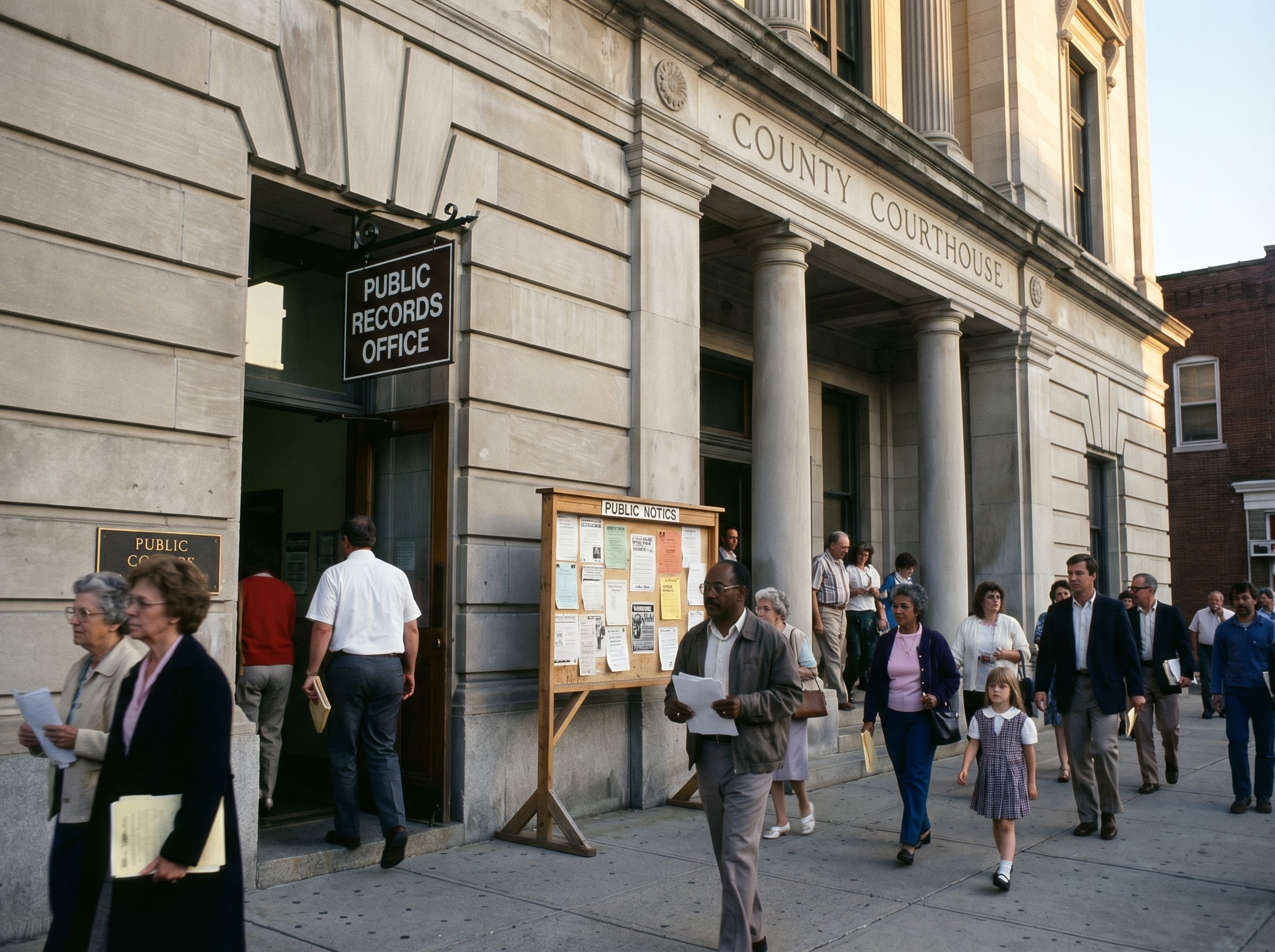
The challenge with county records is access. Every county maintains records differently. Some have online searchable databases. Others require in-person visits. Investors who use county-direct data platforms cut hours of research time per property and can build qualified lists across multiple counties simultaneously.
Free Weekly Alerts
See What's Distressed in Your Market
Get free weekly alerts — new distressed properties, motivation scores, and hot neighborhoods in your area. Addresses and contact info available inside DistressIQ.
Free forever · No credit card · Unsubscribe anytime
How Distress Signal Scoring Changes the Math
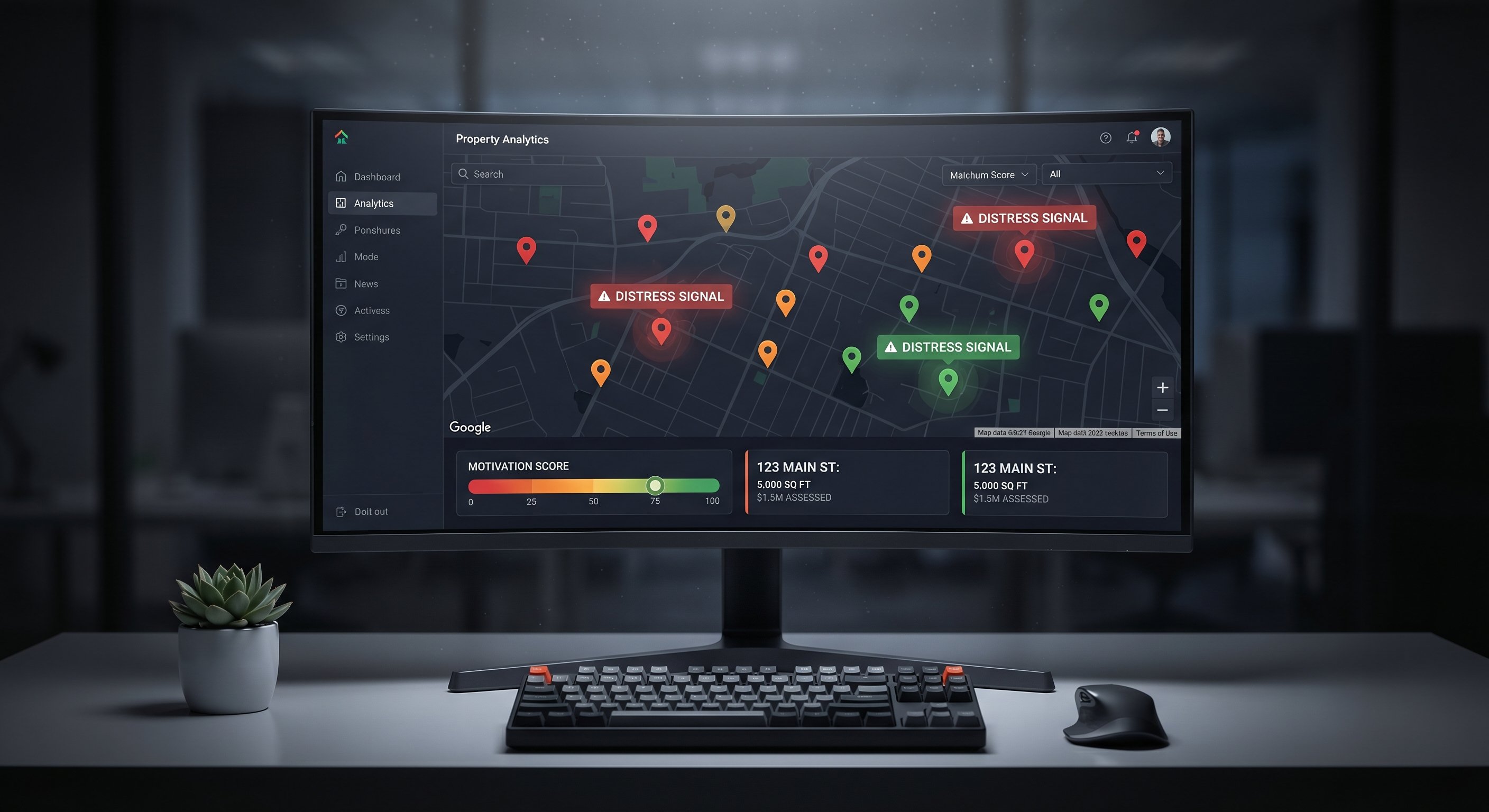
Not all off-market properties are created equal. A property with a pre-foreclosure filing, two years of delinquent taxes, and a code enforcement violation is categorically more likely to result in a closed transaction than a property with only one signal.
Multi-signal scoring aggregates distress indicators across a single property and weights them by conversion probability. A scored list multiplies the productivity of every outreach dollar.
DistressIQ pulls data from county assessor records, court filing systems, and recorder documents across 3,200+ counties. Properties are scored using 20+ signal types, including tax delinquency status, pre-foreclosure filings, lis pendens records, code enforcement violations, probate estate filings, and vacancy indicators. The motivation score ranks properties by conversion probability so investors spend time on leads most likely to result in a conversation, a showing, and a signed contract.
Building a Lead Generation Stack That Scales
Single sourcing methods hit a ceiling. The investors who scale combine three or four methods simultaneously:
County-direct data provides the raw list of properties with verified distress signals. This is the foundation.
Motivational scoring ranks that list by conversion probability. The investor's time goes further because the data has already done the first filter.
Direct mail and door-knocking execute on the scored list.
Buyer list management converts deals into commissions or closings. A curated list of verified cash buyers means the wholesale side of the business functions without constantly rebuilding from scratch.
The investors who consistently close have built a stack. The ones complaining about no deals are usually running one sourcing method in isolation.
Key Takeaways
- Drive for dollars: physically canvass target neighborhoods and identify visible distress. Use data tools to pre-qualify streets before getting in the car.
- Pull county records: tax delinquency, pre-foreclosure filings, probate estates, and code violations are public. The investor who knows how to read them has an unshakeable information advantage.
- Use multi-signal scoring: a property with multiple simultaneous distress signals is categorically more likely to close than a property with one. Score the list before spending outreach budget.
- Build the buyer list first: a wholesale business that already has verified cash buyers can move a deal from discovery to signed contract in days.
- Stack sourcing methods: county data plus scored leads plus direct mail plus buyer network multiplies productivity in ways that single-method investors cannot match.
See distressed investment properties scored by motivation across every US county on DistressIQ.
Frequently Asked Questions
Q: What is the best way to find off-market investment properties?
The most effective method combines county-direct data with motivational scoring. Pulling public records for tax delinquent properties, pre-foreclosure filings, and code violations gives you a list of verified distress situations. Scoring that list by conversion probability focuses your outreach on the most motivated sellers. Direct mail or door-knocking that scored list outperforms generic list buying by a significant margin.
Q: How do I find investment properties with no money?
Creative financing strategies, subject-to financing, assignment of contract, and partnership structures, allow investors to control properties without large down payments. Building a buyer list of verified cash buyers first creates the wholesale revenue that funds future acquisitions. No-money-down deals require more transactional skill than capital.
Q: What is driving for dollars in real estate investing?
Driving for dollars means physically visiting target neighborhoods and noting properties with visible signs of distress, overgrown lawns, deferred maintenance, boarded windows, prolonged vacancy. The investor researches the owner through county assessor records and sends a direct mail piece or makes a personal visit. It is the original real estate investing method and remains effective in markets where data has not been fully digitized.
Q: How do I find motivated sellers before they list?
Monitor county records for the signals that precede a listing decision: tax delinquency filings, pre-foreclosure court actions, probate estate openings, and code enforcement violations. These are public record events that typically occur 3-12 months before a property appears on the MLS. A motivated seller who is 60 days from calling an agent is the ideal contact, they have the problem, they have not yet committed to an agent.
Q: What tools do real estate investors use to find deals?
The most effective investor tools combine county assessor data, court filing records, and distress signal scoring. Generic lead generation platforms that aggregate MLS data produce lists that hundreds of other investors are also mailing. County-direct data platforms with motivational scoring give investors a differentiated list and a ranked priority order. A complete stack includes county records access, a scoring tool, a CRM for tracking outreach, and a verified buyer list.
Q: How do I find investment properties in a competitive market?
In competitive markets, the sourcing strategy must move upstream from what other investors are doing. If everyone is buying tax delinquent lists from the same vendor, look for probate filings, code violations, and vacant property records instead. Off-market deals require speed and relationship, a direct conversation with a motivated seller beats a bidding war on a listed property every time.
Q: Is county assessor data better than MLS for investment property research?
County assessor data is more accurate and more current than MLS for investment analysis. MLS data reflects what sellers and agents have entered into the system, with known issues around fabricated square footage, phantom bedrooms, and outdated comparable data. County assessor records are the legal record of property characteristics and are updated continuously. For calculating accurate ARV (after repair value), assessor data provides a more reliable foundation than listing data. The National Association of Realtors has published research documenting significant discrepancies between MLS-listed property characteristics and county-recorded data (https://www.nar.realtor/research-and-statistics/housing-pulse). HUD's Office of Policy Development and Research also provides public data on distressed property inventory and tax sale trends (https://www.huduser.gov).
The data behind this article
DistressIQ Monitors These Signals in Real Time
Pre-Foreclosures
NOD + NTS filings
Tax Delinquency
County treasurer records
Code Violations
Municipal inspection filings
Probate Filings
Superior Court records
Every lead is scored 0–100 for seller motivation based on signal type, duration, severity, and stacking. Nationwide coverage — every US county, updated daily.
Ready to find deals in your market?
See Live Distress Signals in Your County
Stop calling dead leads. Every lead in DistressIQ is scored 0–100 for seller motivation, with verified contact info included. Browse the free tier to see what's active in your market right now.
Browse Free Leads — No Credit Card