How to Find Cash Buyers in Real Estate: The Investor's Complete Guide to Building a Buyer List That Closes

image_prompts: | IMAGE 1 (HERO): Photorealistic street-level photograph of two professional real estate investors shaking hands at a residential property entrance, one holding keys. Golden afternoon light. Clean suburban neighborhood. Shot on 85mm f/1.8, shallow depth of field. Editorial documentary photography with natural skin texture and catchlight in eyes. IMAGE 2: Photorealistic aerial drone photograph from 200 feet, overlooking a mixed residential neighborhood with a mix of well-maintained homes and one visibly distressed vacant property with overgrown yard. Clear daylight. Shot on DJI Mavic 3, wide angle lens. Real estate aerial photography showing neighborhood investment potential. IMAGE 3: Photorealistic wide-angle photograph of a county courthouse public records counter, with property documents and a clerk window visible in the foreground. Institutional government building interior, fluorescent overhead lighting, property filing cabinets to the side. Shot on 24mm wide-angle, deep depth of field. Documentary photography. IMAGE 4: Photorealistic medium close-up of a professional real estate investor standing at a kitchen counter reviewing printed property listings and making phone calls, coffee cup nearby, morning light through window. Varied setting (not an office). Natural skin texture with subtle details. Catchlight in eyes. Shot on 50mm f/1.4, shallow depth of field. Editorial lifestyle photography. IMAGE 5: Photorealistic photograph of a dark-themed modern laptop displaying a property map dashboard with colored location pins, distress signal overlays, motivation scores, and property data cards. Minimal modern desk setup. Screen glow as key light with ambient fill. Shot on 85mm macro, shallow depth of field focused on screen. Technology product photography.
How to Find Cash Buyers in Real Estate: The Investor's Complete Guide to Building a Buyer List That Closes
TL;DR: Finding reliable cash buyers requires reaching investors where they actually search for deals. The most effective channels are distressed property signal platforms, direct mail to known investor neighborhoods, and real estate investor networking groups. Wholesalers who build targeted buyer lists around specific property types close at significantly higher rates than those working from generic cold-call lists. The key is matching the property profile to the right buyer type before ever taking a listing.

The Cash Buyer Problem: Why Most Investor Lists Are Worthless
Every wholesaler has lived this version of the story. A deal comes in at $45,000 under market value. The list goes out to 800 names from a purchased cash buyer database. Three callbacks. Two wrong numbers. One investor who wants to lowball below the assignment fee. The deal dies.
That outcome is not bad luck. It is a data problem.
Generic cash buyer lists rank properties by what the buyer said they want six months ago when they filled out a web form. Nobody updates those preferences. Nobody verifies the buyer is still active, still funded, or still taking assignments in that price range or location. The list is a snapshot of intent that expired before it arrived in the inbox.
The investors who actually close on wholesale deals in 2026 are not on those lists. They are on distressed property platforms every morning, pulling the newest tax delinquent filings, the freshest lis pendens records, and the code violation lists from counties they cover. They are not waiting for a newsletter. They are hunting.
Building a cash buyer list that closes means going to where those buyers already hunt for deals. It means understanding what signals they respond to, what geographies they work, and what property profiles match their investment strategy. This article covers the methods that produce actual closes.
What Cash Buyers Actually Look For
Before covering where to find them, the specific criteria that separate a real cash buyer from a list phantom needs to be understood clearly.
A genuine cash buyer meets three conditions. First, they have verifiable funds or a proof of funds letter from a lender that covers the specific assignment fee range in question. Second, they are actively working a defined geographic area, not taking scattered deals across a multi-state footprint. Third, their investment criteria align with the property types flowing through a specific wholesaler's acquisition pipeline.
Distressed property signals are the single most reliable indicator of a buyer's active status. An investor browsing tax delinquent records, pre-foreclosure filings, and code violation lists every week is a live deal flow investor. They are actively funded, actively searching, and actively taking assignments. That investor is worth far more to a wholesaler than someone who signed up for a blast list two years ago and has not opened an email since.
The goal of every cash buyer outreach strategy is to identify and reach investors who are signal-active, not database-active.

Method One: Distressed Property Signal Platforms
The most efficient path to finding cash buyers who are currently funded and actively searching is to look for them on the same platforms where they find deals.
When a cash buyer is browsing distressed property lists in a specific county, they have already self-identified as interested in that deal type. Reaching them at that moment, through a platform that tracks what they are looking at, produces response rates that cold outreach cannot match.
DistressIQ tracks investor browsing behavior across 3,200-plus counties and stacks 31 distress signal types per property. A wholesaler who knows that an investor in Harris County, Texas has been browsing pre-foreclosure and tax delinquent properties in the $150,000 to $250,000 range can reach out with a matched deal before that investor finds it through another channel.
This is not a purchased list. This is a targeted introduction based on demonstrated search behavior. The response quality is materially different.
A practical workflow for using distressed signal data to find cash buyers involves several steps. First, use the platform to identify which counties and price ranges are generating the most browsing activity from investors. Second, build a property list that matches the criteria those investors are browsing. Third, reach out with specific matched deals, not a generic "do you buy houses" inquiry. Fourth, track which investors convert on matched properties and build a direct relationship with those buyers for future assignments.
The matching approach works because it respects the buyer's time. A cash buyer who is actively searching does not want to receive 50 properties that do not fit their criteria. They want three deals that match what they are already looking for.
Free Weekly Alerts
See What's Distressed in Your Market
Get free weekly alerts — new distressed properties, motivation scores, and hot neighborhoods in your area. Addresses and contact info available inside DistressIQ.
Free forever · No credit card · Unsubscribe anytime
Method Two: Direct Mail to Investor Neighborhoods
Driving for dollars remains one of the most reliable methods for finding active cash buyers because it produces two valuable outcomes simultaneously. It identifies distressed properties worth making offers on and it identifies the investors who are already working those same streets.
A cash buyer who is consistently driving for dollars in a specific neighborhood is a funded, active investor. They are not window shopping. They have a vehicle, a notebook or mobile device, and a systematic approach to finding deals in that area. That investor represents a wholesale assignment opportunity every time they pull up to a distressed property.
The workflow for converting driving for dollars activity into a buyer relationship is straightforward. When a wholesaler sees an investor physically inspecting a property in a target area, that investor can be approached directly with a competing offer. The wholesaler presents the deal at the price the investor was about to make an offer on, with the assignment fee built in. If the numbers work for both parties, a deal is born from a single interaction.
This approach requires thick skin and a professional pitch. The investor may be frustrated at being approached. They may also be relieved to find a deal that fits their criteria without weeks of searching. Either way, the interaction produces a qualified contact who has already demonstrated active investing behavior.
For geographic targeting, investor density maps are available through county property assessor records. Properties with recent ownership transfers to LLCs, out-of-state buyers, or entities registered to specific investor names indicate which neighborhoods attract active buyers. Direct mail campaigns targeting those neighborhoods reach investors who are already invested in that area.

Method Three: Real Estate Investor Groups and Meetups
Local real estate investor associations and meetup groups represent concentrated pools of active cash buyers. Unlike purchased databases, these groups contain investors who have self-selected as serious enough about the business to show up in person or maintain active membership.
The challenge with investor groups is that the members are often saturated with wholesale offers. Every other wholesaler in the market is also attending the same meetings and pitching the same neighborhoods. The group members develop a natural skepticism toward generic wholesale pitches.
Standing out in an investor group requires specificity. Rather than presenting a general "I have off-market deals" pitch, a wholesaler should present a specific deal with a specific profit scenario. The pitch should include the exact address, the estimated ARV based on comparable sales, the repair estimate, and the specific profit margin for the end buyer. An investor who can see exactly how a deal works will engage far more readily than one who receives another vague pitch about "great opportunities."
Beyond local groups, online investor communities on platforms like BiggerPockets, Facebook groups organized by metropolitan area, and regional investor forums contain active cash buyers who may not attend in-person events. Outreach in these communities follows the same rule of specificity. A single well-documented deal posted with full numbers will generate more responses than a dozen general inquiry posts.
Method Four: Public Records Research on Buyer Activity
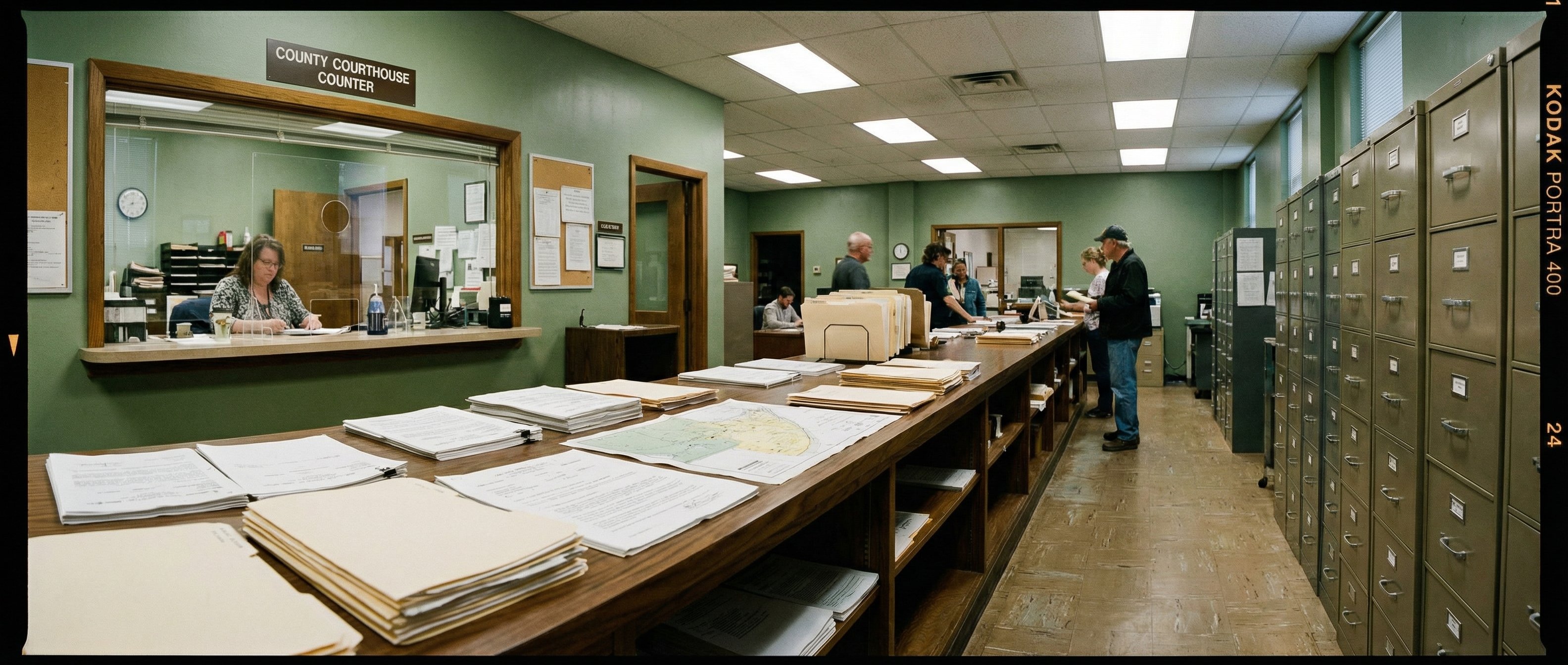
County recorder and assessor records contain a wealth of information about who is buying properties as an investor versus as an end user. This data reveals patterns that are not visible through surface-level marketing.
Several indicators in public records signal an active investor buyer. LLC and entity purchases in a specific geographic area suggest a systematic investor operation. Repeated purchases within a short timeframe, particularly at below-market prices, indicate a wholesaler or flipper who may also be a cash buyer for appropriate deals. Out-of-state ownership addresses correlate strongly with investor buyers who are working remotely and need assignment opportunities rather than local driving-for-dollars leads.
Title company relationships provide another avenue for identifying active buyers. When a wholesaler partners with a title company handling multiple investor transactions in a target market, the title company can often identify patterns in buyer activity. Which investors are closing consistently? Which buyers have cash available and are actively looking? A title company that works primarily with investors can answer those questions based on transaction history.
Public records searches also reveal which investors are already working a specific signal type. An investor who has purchased multiple properties with tax delinquent histories, code violations, or pre-foreclosure filings in the past 12 months is demonstrably interested in that deal type. Reaching out to that investor with a matched distressed property deal produces a response rate far higher than cold outreach.
Method Five: The Distressed Property Lead Approach
This method inverts the traditional buyer-first approach. Instead of finding cash buyers and then searching for properties that fit their criteria, a wholesaler identifies distressed property opportunities first and then identifies which active cash buyers are already browsing similar properties.
The logic is straightforward. A cash buyer who spent three hours last week reviewing pre-foreclosure properties in Tarrant County, Texas is actively looking for exactly the kind of deal a wholesaler might bring in. That buyer does not need to be sold on the concept of distressed property investing. They already understand the model and they already have funds available.
The approach involves pulling a list of recently filed distressed property signals in a target county, identifying which properties match the profile that active cash buyers in that county are browsing, reaching out to those cash buyers directly with a specific deal pitch, and closing the assignment before competing buyers find the same opportunity.
DistressIQ provides a practical tool for this workflow. The platform aggregates distressed property signals across more than 3,200 counties and scores each property by motivation indicators. A wholesaler can filter by signal type, price range, and geographic area to produce a targeted acquisition list. For each property on that list, the platform shows which distress signals are present and how recently they were updated from county records.
This data serves two purposes. It identifies the best acquisition targets for the wholesaler's own pipeline, and it reveals which neighborhoods and price ranges are attracting active cash buyer interest.
Building the Buyer Qualification Framework
Not every cash buyer who responds to outreach is worth maintaining in a buyer database. A qualification framework separates serious buyers from lookers and prevents wasted time on deals that will not close.
A reliable cash buyer meets five criteria. They provide a current proof of funds letter or verifiable cash reserves statement. They demonstrate active investing behavior in the target geographic area within the past 90 days. Their investment criteria match specific property types and price ranges that align with the wholesaler's acquisition pipeline. They have a verifiable closing history, whether through title company references, recorded transactions, or investor network introductions. They respond to matched deal pitches within 48 hours and engage in substantive conversation about the specific property.
Buyers who cannot provide proof of funds or who have not demonstrated active investing behavior within the past six months should be placed in a lower priority tier. They may become serious buyers in the future, but they are not the assignment closes that a wholesaler needs to fund operations.
A buyer database that is actively maintained and regularly pruned produces a valuable asset. A wholesaler with 200 qualified, active cash buyers who are regularly receiving matched deals has a sustainable business model. The same wholesaler with 2,000 names from a purchased database that has not been updated since 2024 has a worthless list and a deteriorating reputation.
The Matching Approach: Why Specificity Closes Deals
The fundamental difference between a cash buyer list that produces closes and one that produces only frustration is specificity. Specific deals. Specific buyers. Specific property criteria.
A buyer who wants "single-family homes in the Phoenix area" is a vague buyer. A buyer who wants "3-bedroom, 2-bath single-family homes in the 85041 ZIP code, built before 1990, with foundation issues or code violations, priced below $200,000" is a specific buyer. The specific buyer converts on deals. The vague buyer says "send me more information" and never responds again.
Wholesalers who build their buyer database around specific criteria can run every incoming deal against a checklist. Does this deal match this buyer's specific requirements? If yes, send it. If no, hold it. This approach produces higher response rates, higher close rates, and a reputation as a source of quality matches rather than noise.
The buyers who appreciate specificity most are those who are already active on distressed property platforms. They have seen hundreds of generic wholesale pitches. When a wholesaler sends them a deal that matches exactly what they were browsing, that message stands out.
Common Mistakes to Avoid
Building a cash buyer list that actually closes requires avoiding several well-worn traps that waste time and destroy credibility.
Purchasing generic investor databases and treating them as qualified leads is the most expensive mistake. Those databases are saturated, outdated, and responded to by every other wholesaler in the market. The conversion rate on purchased lists is consistently below 1 percent for first outreach and near zero for repeat engagement.
Following up with generic blast emails instead of specific matched deals is the second most common error. Cash buyers who are serious about investing develop an acute sensitivity to pitches that do not fit their criteria. A follow-up email that says "do you still want off-market deals" gets deleted. A follow-up that says "I have a 3-bedroom in Fort Worth with a code violation and a pre-foreclosure filing, $185,000 asking price, ARV $265,000, $35,000 potential profit for the end buyer" gets a response.
Neglecting to verify active investor status before adding a buyer to the priority list wastes effort on phantom contacts. A buyer who has not searched a distressed property platform, driven for dollars, or attended an investor meeting in six months is not an active investor regardless of what they say in an initial inquiry.
Bottom Line
Finding cash buyers who actually close requires going to where active investors already search for deals, not building generic lists and hoping for responses. The most reliable cash buyers in any market are those who are actively browsing distressed property signals, driving for dollars in specific neighborhoods, and attending local investor group meetings.
A wholesaler who uses a distressed property platform to identify what active buyers are searching, matches incoming deals to specific buyer criteria, and maintains a curated buyer database of verified active investors has a repeatable system for finding assignments that close.

The platform that tracks those investor search patterns across 3,200-plus counties, updated daily from county records, is purpose-built for exactly this workflow.
Find cash buyers who are already searching for deals in your target market — see distressed property signals filtered by county, price range, and signal type on DistressIQ. Browse free on DistressIQ
The investors who are winning in this market are not working harder. They are working with better data about where the other side is already looking.
Frequently Asked Questions
What is the fastest way to find cash buyers for a wholesale deal?
The fastest reliable method is to identify cash buyers who are already active on a distressed property signal platform in the target county and make a direct introduction with a specifically matched deal. This approach bypasses the weeks-long process of cold outreach and reaches an investor who is already funded and searching for exactly that property type.
How do I verify a cash buyer is actually funded?
Request a current proof of funds letter from a bank or lender that shows liquid funds sufficient for the assignment fee. For investors using hard money lenders, a letter from the lender confirming a pre-approved line of credit in the buyer's name is an acceptable alternative. Avoid buyers who cannot provide any documentation of available funds within 48 hours of the request.
How many cash buyers do I need in my database to support a wholesale business?
The number depends on geographic coverage and deal volume. A wholesaler working a single metropolitan area typically needs 50 to 100 qualified active cash buyers across different price ranges and property types. A wholesaler working multiple markets needs 100 to 200 qualified buyers with verified active status in each market.
Should I focus on finding buyers first or finding deals first?
For a functioning wholesale business, deals should drive buyer identification rather than the reverse. Identify distressed property opportunities first using signal data from county records, then find the cash buyers who are already searching for that specific property type. This matching approach produces higher close rates than trying to match a static buyer list to incoming deals.
How often should I update and clean my cash buyer database?
A buyer database should be reviewed and updated at minimum every 90 days. Remove buyers who have not demonstrated active investing behavior within that period, including lack of responses to matched deal pitches, absence from distressed property searches, or no attendance at investor events in the market. Add new buyers identified through platform activity, driving for dollars interactions, and investor group meetings on a rolling basis.
Your County
Stop calling dead leads. Every lead in DistressIQ is scored 0–100 for seller motivation, with verified contact info included. Browse the free tier to see what's active in your market right now.
Browse Free Leads — No Credit Card