Foreclosure Leads Utah: What Smart Investors Need to Know in 2026
Foreclosure Leads Utah: What Smart Investors Need to Know in 2026
TL;DR: Utah uses a non-judicial foreclosure process governed by deeds of trust, which moves significantly faster than judicial foreclosure states. Once a notice of default is recorded, the trustee can schedule a sale in as little as three months. Owner-occupied primary residences carry a statutory redemption period of up to 12 months after the sale, while investment properties carry no redemption right. The best foreclosure leads in Utah cluster in Salt Lake, Utah, Davis, and Weber counties along the Wasatch Front. Investors who monitor pre-foreclosure filings and combine distress signal types through a platform like DistressIQ gain a meaningful edge in Utah's fast-moving market.
Utah's real estate market has produced a steady stream of foreclosure activity even as home values have climbed over the past decade. The state operates a non-judicial foreclosure system that is among the more efficient in the country, which means the timeline from missed payment to auction can be surprisingly short for investors who know how to read the public record.
Understanding how Utah foreclosure law actually works matters more than most investors realize. The combination of a three-month minimum timeline, county-level variation in trustee sale volume, and the redemption period distinction between owner-occupied and non-owner-occupied properties creates specific windows of opportunity that are easy to miss without the right data.
This guide covers the Utah foreclosure process from the investor's side: what drives filings, which counties produce the most actionable leads, and how to find foreclosure leads in Utah before they hit the auction block.
How Foreclosure Works in Utah
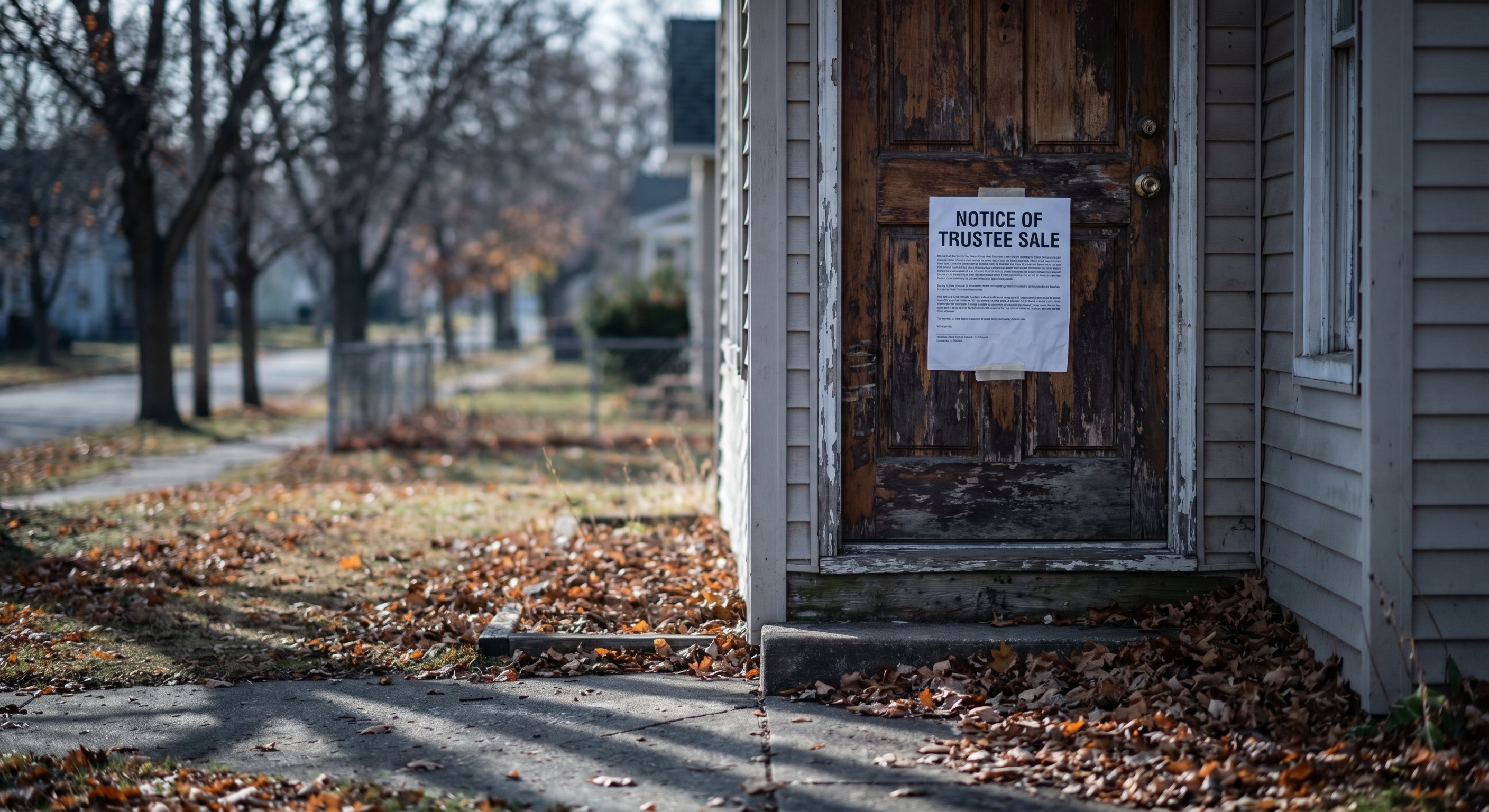
Utah foreclosures are processed through a deed-of-trust system, which is a non-judicial process. This means the lender does not need to file a lawsuit in court to foreclose. Instead, the trustee named in the deed of trust can initiate and complete the sale process by following the statutory notice requirements in Utah Code Section 57-1.
The typical sequence looks like this:
The borrower misses a payment and the loan goes into default. The lender contacts the trustee to begin the process. The trustee records a notice of default at the county recorder's office. The trustee then publishes a notice of sale in a newspaper of general circulation for three consecutive weeks. After the publication period closes, the trustee can conduct the sale at public auction.
The statutory minimum from notice of default to sale is approximately three months, though borrowers who invoke certain procedural rights can extend this timeline. Once the sale is complete, the winning bidder receives the deed immediately.
The Redemption Period: Utah's Most Important Investor Detail
Utah law provides a redemption period that distinguishes between property types, and this is the detail that most affects deal structure for investors.
For owner-occupied primary residences, the borrower has the right to redeem the property within 12 months after the foreclosure sale. During this redemption period, the winning bidder at the sale technically holds a certificate of sale but does not yet receive title. The borrower can reclaim the property by paying the full sale price plus allowable costs and interest. This means an investor who wins at auction on a primary residence may need to wait up to a year before taking possession.
For non-owner-occupied properties, there is no redemption period. The winning bidder receives title immediately upon the conclusion of the sale. Investment properties, second homes, and commercial real estate all fall into this category. Investors targeting Utah foreclosure leads should confirm the property's occupancy status before bidding, because the difference between redemption exposure and clean title can determine whether a deal pencils out.
This occupancy distinction is one of the most commonly overlooked factors in Utah foreclosure investing. Properties with tenant-occupied rental units and no redemption right often present cleaner exit paths than primary residences with a full-year redemption window.
Utah Counties With the Most Foreclosure Activity
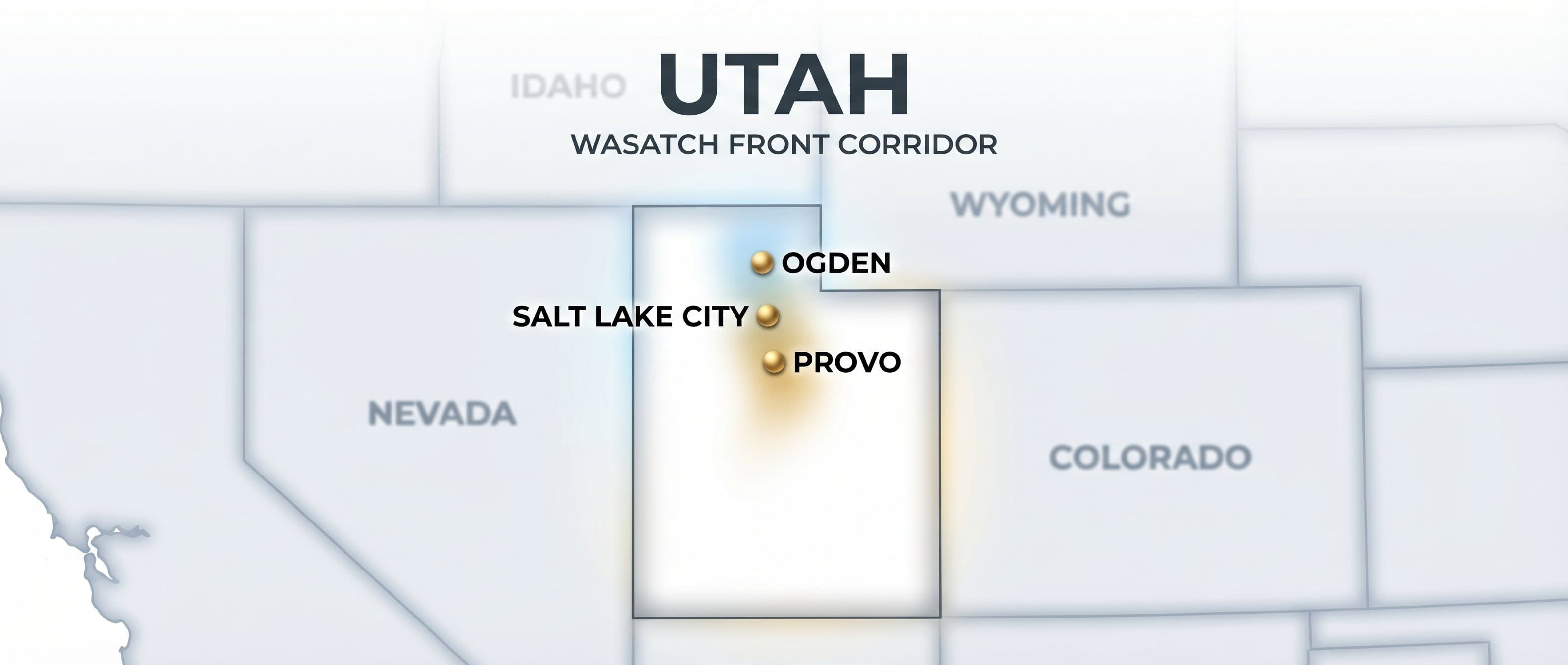
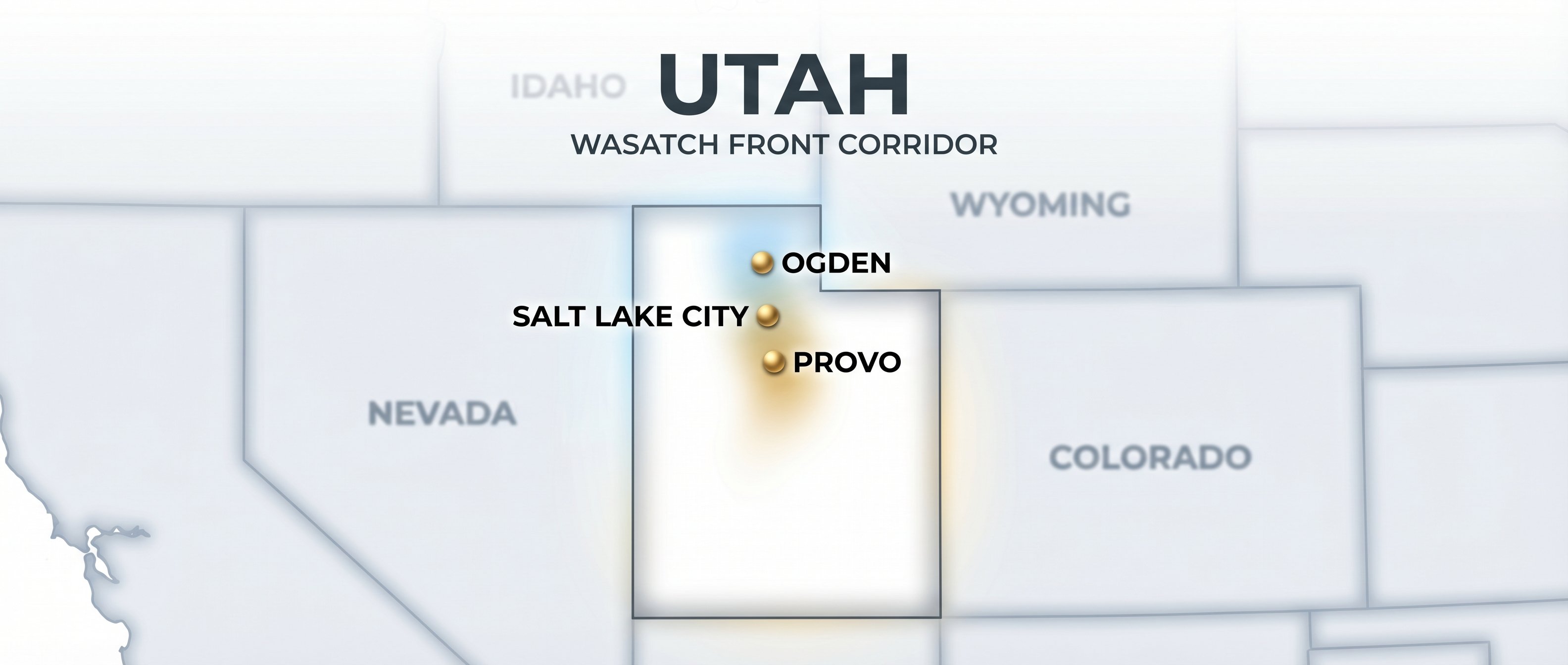
Foreclosure volume in Utah concentrates heavily along the Wasatch Front, which runs from Ogden in the north through Salt Lake City to Provo in the south. The four counties in this corridor account for the vast majority of trustee sales in the state.
Salt Lake County is the largest market and generates the most foreclosure leads in Utah. The county's diverse housing stock, high property values, and large population create consistent distressed inventory. Investors find a broad mix of single-family homes, small multi-family properties, and commercial buildings in pre-foreclosure and trustee sale stages.
Utah County has experienced rapid growth and seen significant new construction activity. This creates a two-sided market dynamic: new-home builders who overextended during the boom have contributed to distressed inventory, while strong demand from the Provo-Orem tech corridor supports absorption of renovated properties.
Davis County and Weber County round out the corridor with smaller but active foreclosure markets. These counties tend to produce single-family residential leads with lower average entry prices than Salt Lake County, making them attractive for investors focused on buy-and-hold or lower-budget fix-and-flip strategies.
Outside the Wasatch Front, foreclosure activity drops off substantially. Washington County in southern Utah has a growing investor community and moderate distressed inventory. Iron County and Cache County generate some activity tied to local economic conditions. Most other Utah counties have minimal foreclosure volume year to year.
Free Weekly Alerts
See What's Distressed in Your Market
Get free weekly alerts — new distressed properties, motivation scores, and hot neighborhoods in your area. Addresses and contact info available inside DistressIQ.
Free forever · No credit card · Unsubscribe anytime
Finding Foreclosure Leads in Utah: What Works
The most effective approach to finding foreclosure leads in Utah combines public records monitoring with signal stacking. Each method has a different cost in time and money, and combining them produces better results than relying on any single source.
County Recorder Records
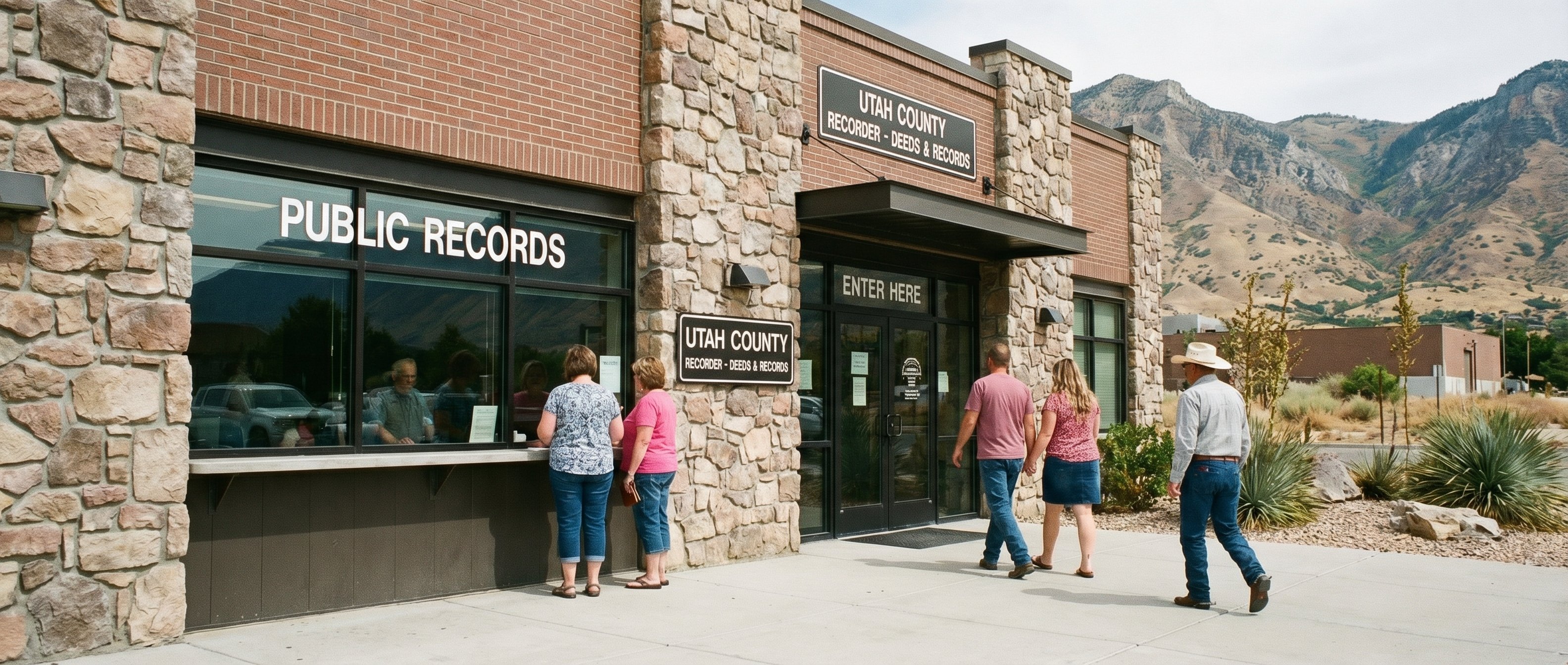
Every notice of default and notice of sale in Utah is recorded at the county recorder's office. Salt Lake County, Utah County, Davis County, and Weber County all maintain digital records that are accessible to the public. Investors who can navigate these systems and set up systematic monitoring can identify new filings within days of recording.
The practical limitation is that monitoring four or more county databases manually is time-intensive. Each system has its own search interface and record organization. Properties often appear in multiple counties if loans were sold and servicing transferred. A property with a notice of default filed in one county may have associated liens recorded elsewhere.
Pre-Foreclosure Window
The period between the notice of default and the actual sale is when motivated sellers are most reachable. Borrowers in this window know the auction date is approaching and are often actively seeking alternatives. This is the highest-value window for direct outreach.
Investors who contact borrowers during pre-foreclosure can sometimes negotiate a short sale or deed-in-lieu arrangement that avoids the auction entirely. These transactions close faster than trustee sales and eliminate redemption risk. However, they require the lender's cooperation and typically take 60 to 90 days.
Distress Signal Stacking
The most effective investor strategy combines multiple distress signal types to identify the most motivated sellers. Properties that are not only in pre-foreclosure but also tax delinquent, code violation active, or occupied by an absentee owner present compounding urgency indicators.
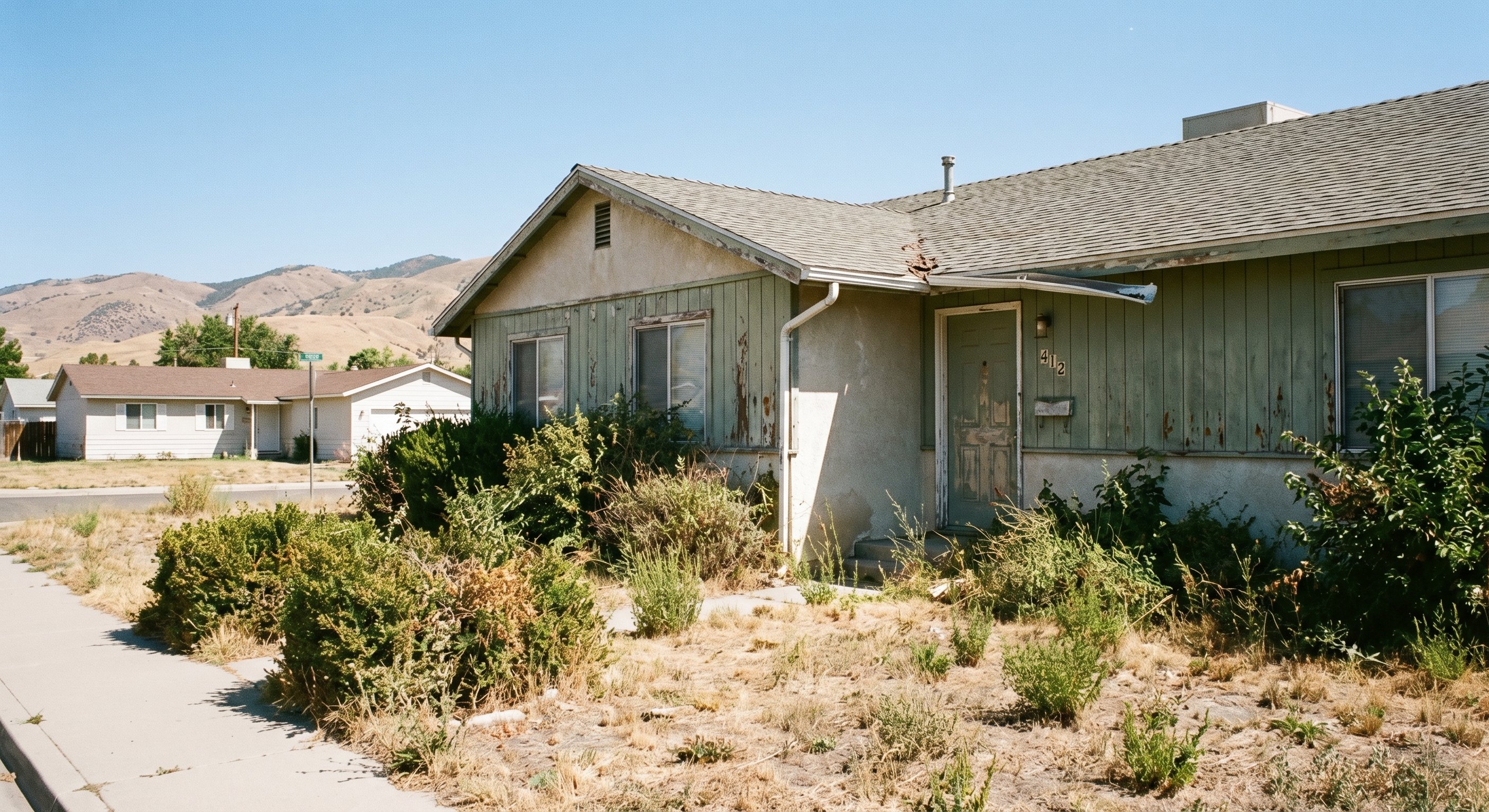
For example, a Utah County property with a notice of default and two years of unpaid property taxes is a more urgent situation than one with only the foreclosure filing. The tax delinquency indicates the borrower has exhausted other resources. A property with a code violation on top of the foreclosure filing often means the borrower stopped maintaining the property and may be further along the distress curve.
DistressIQ aggregates distress signal types across every Utah county and updates daily, enabling investors to filter properties by the specific combination of signals most relevant to their investment strategy.
What Utah Foreclosure Leads Reveal About the Local Market
Utah's foreclosure market reflects broader economic patterns that informed investors can read.
The post-2020 period saw significant in-migration to Utah, particularly to Salt Lake City and Utah County. This demand absorbed much of the distressed inventory that would otherwise have sat through the foreclosure process. Properties that entered foreclosure in 2022 and 2023 often moved quickly at trustee sale, with competitive bidding driving prices close to market value in some submarkets.
The correction that followed created a different opportunity set. Rising inventory levels and slower absorption have extended the time distressed properties spend in the pre-foreclosure window. This gives investors more runway to identify leads, conduct due diligence, and reach sellers directly before the auction.
The Salt Lake City tech corridor continues to attract high-income workers, which supports demand for renovated properties in the $400,000 to $700,000 range. Utah County's growing population, fueled by Brigham Young University and the tech sector, drives demand in the $350,000 to $550,000 segment. Investors who understand these price point dynamics can better evaluate which Utah foreclosure leads represent genuine renovation opportunities versus teardown candidates.
Frequently Asked Questions
How long does foreclosure take in Utah?
The statutory minimum from notice of default to trustee sale is approximately three months, based on the required three-week publication period and waiting requirements. In practice, the process can take four to six months when accounting for servicer processing timelines and any borrower responses.
Does Utah have a redemption period?
Yes. Utah law provides a redemption period of up to 12 months for owner-occupied primary residences following the foreclosure sale. Investment properties, second homes, and non-owner-occupied real estate carry no redemption right, meaning the winning bidder receives title immediately after the sale.
Can you buy a foreclosed home before the auction in Utah?
Yes. Investors can contact the borrower directly during the pre-foreclosure window to negotiate a short sale, deed-in-lieu, or cash purchase. These transactions occur before the trustee sale and eliminate the uncertainty of the auction process. The borrower must be willing to cooperate and the lender must approve any short sale arrangement.
Which Utah counties have the most foreclosure activity?
Salt Lake County, Utah County, Davis County, and Weber County account for the majority of foreclosure activity in Utah. These four counties along the Wasatch Front represent the primary markets for investors seeking foreclosure leads in Utah.
Are Utah foreclosure properties listed on MLS?
Many properties that complete the foreclosure process are listed on MLS by the trustee or the winning bidder. However, the most valuable leads for investors are found during the pre-foreclosure stage, before the property reaches the MLS. Public records monitoring and distress signal platforms like DistressIQ are the primary tools for identifying these early-stage leads.
See distressed properties with verified foreclosure signals across Utah and every other US county at DistressIQ.
The data behind this article
DistressIQ Monitors These Signals in Real Time
Pre-Foreclosures
NOD + NTS filings
Tax Delinquency
County treasurer records
Code Violations
Municipal inspection filings
Probate Filings
Superior Court records
Every lead is scored 0–100 for seller motivation based on signal type, duration, severity, and stacking. Nationwide coverage — every US county, updated daily.
Ready to find deals in your market?
See Live Distress Signals in Your County
Stop calling dead leads. Every lead in DistressIQ is scored 0–100 for seller motivation, with verified contact info included. Browse the free tier to see what's active in your market right now.
Browse Free Leads — No Credit Card