Foreclosure Leads New Jersey: The Smart Investor's Guide to the Garden State Market
Foreclosure Leads New Jersey: The Smart Investor's Guide to the Garden State Market
TL;DR: New Jersey is a judicial foreclosure state where most cases take 9 to 18 months through the Superior Court. The extended timeline creates genuine motivated-seller situations that do not exist in faster non-judicial states. The key is focusing on high-volume counties like Essex, Hudson, Camden, and Passaic, monitoring lis pendens filings through county clerk records, and understanding that NJ sheriff's sales require cash or hard money rather than conventional financing.
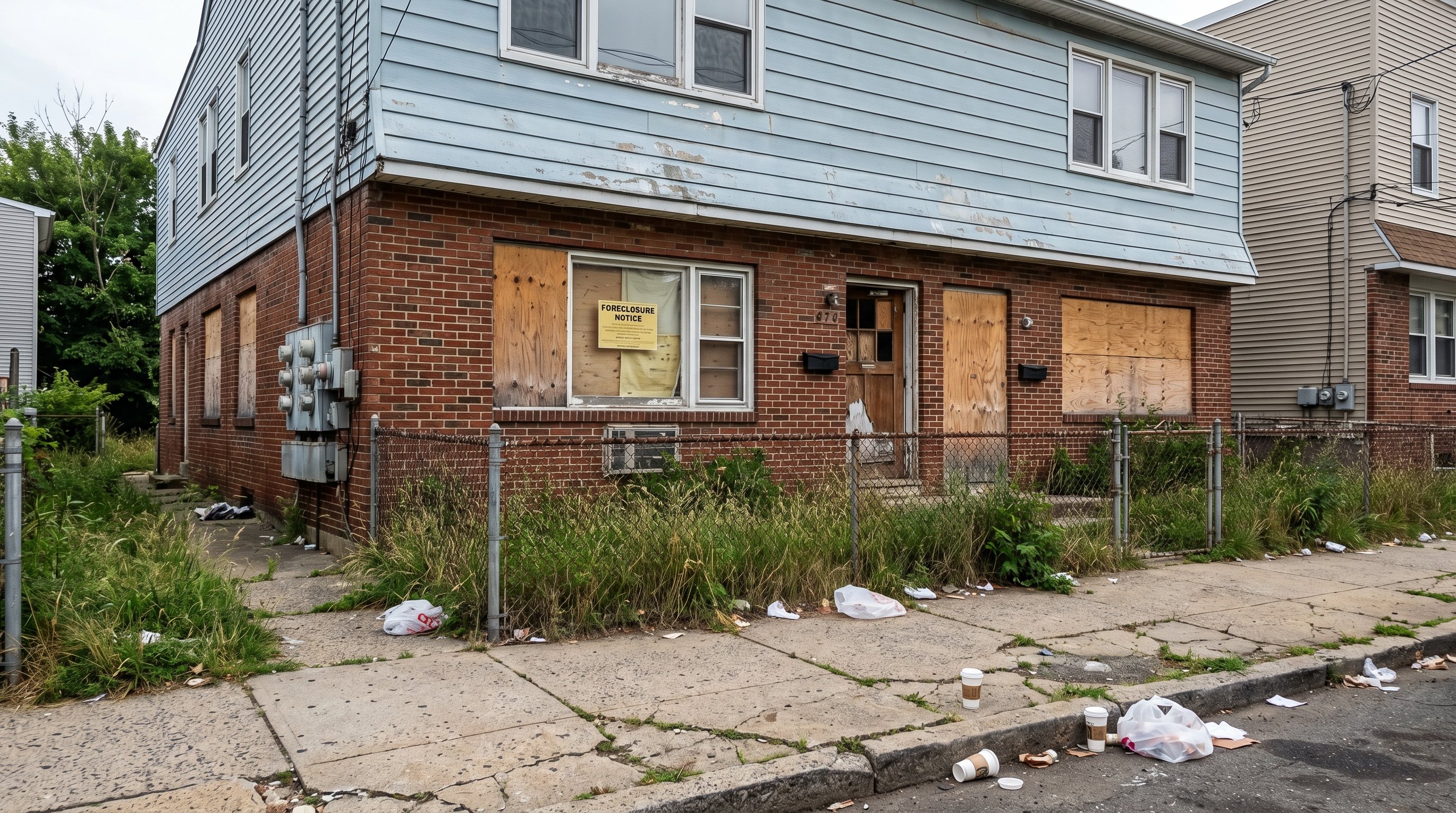
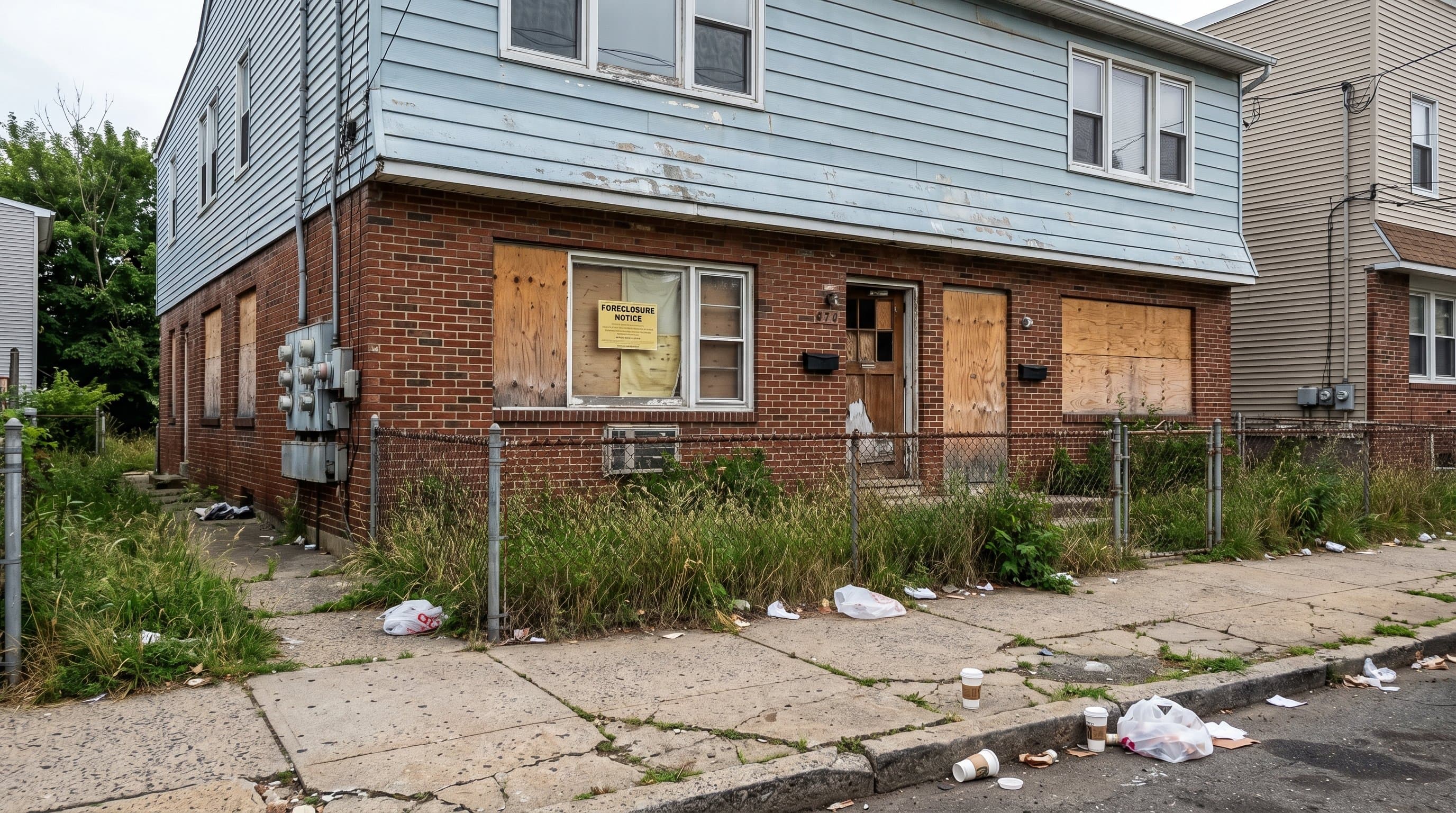
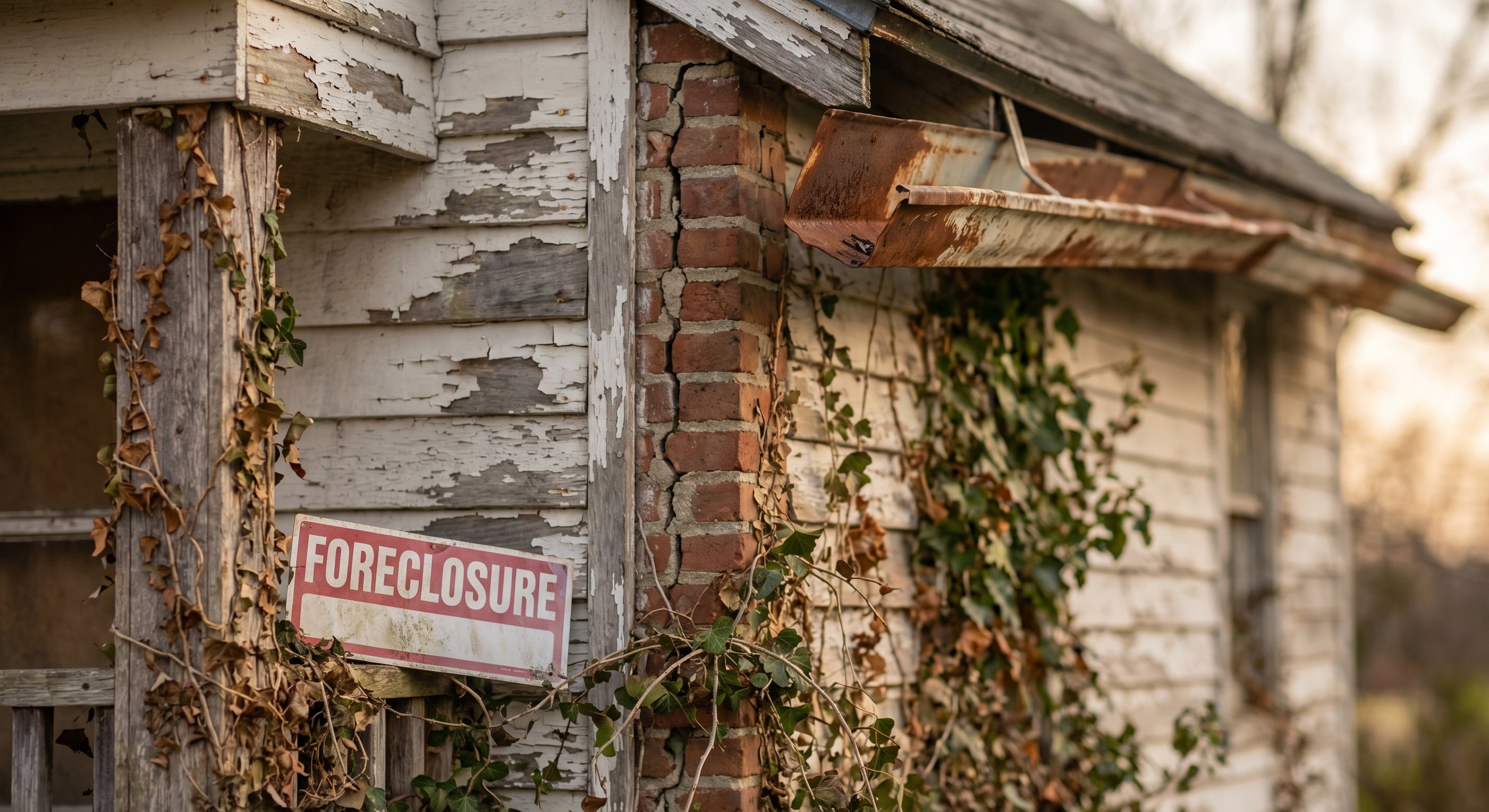
New Jersey runs one of the slowest, most paperwork-intensive foreclosure systems in the country. For most investors, that is a deterrent. For the ones who understand how it actually works, it is a gift. While out-of-state investors flock to Texas and Georgia for their 45-day auctions, New Jersey properties sit in pre-foreclosure for 12 to 36 months, creating a prolonged window where motivated sellers and their attorneys are actively looking for a way out.
That window is where real deals happen. This guide covers how to find foreclosure leads in New Jersey, how the state process works, and what separates investors who consistently close from those who show up once and never come back.
How New Jersey Foreclosure Works and Why the Timeline Matters
New Jersey is a judicial foreclosure state. Every foreclosure goes through the Superior Court. The lender files a complaint, the homeowner is served, and the case moves through a mandatory answering period, discovery, and a judgment motion before the property can be listed for sheriff's sale.
The result: 9 to 18 months from first missed payment to final sale in most cases, though court backlogs in Essex, Hudson, and Camden counties routinely push timelines beyond two years. The 2021 federal CFPB rules require servicers to wait at least 120 days after the first missed payment before filing a foreclosure complaint, which adds a built-in delay most investors do not account for.
The key stages for investors:
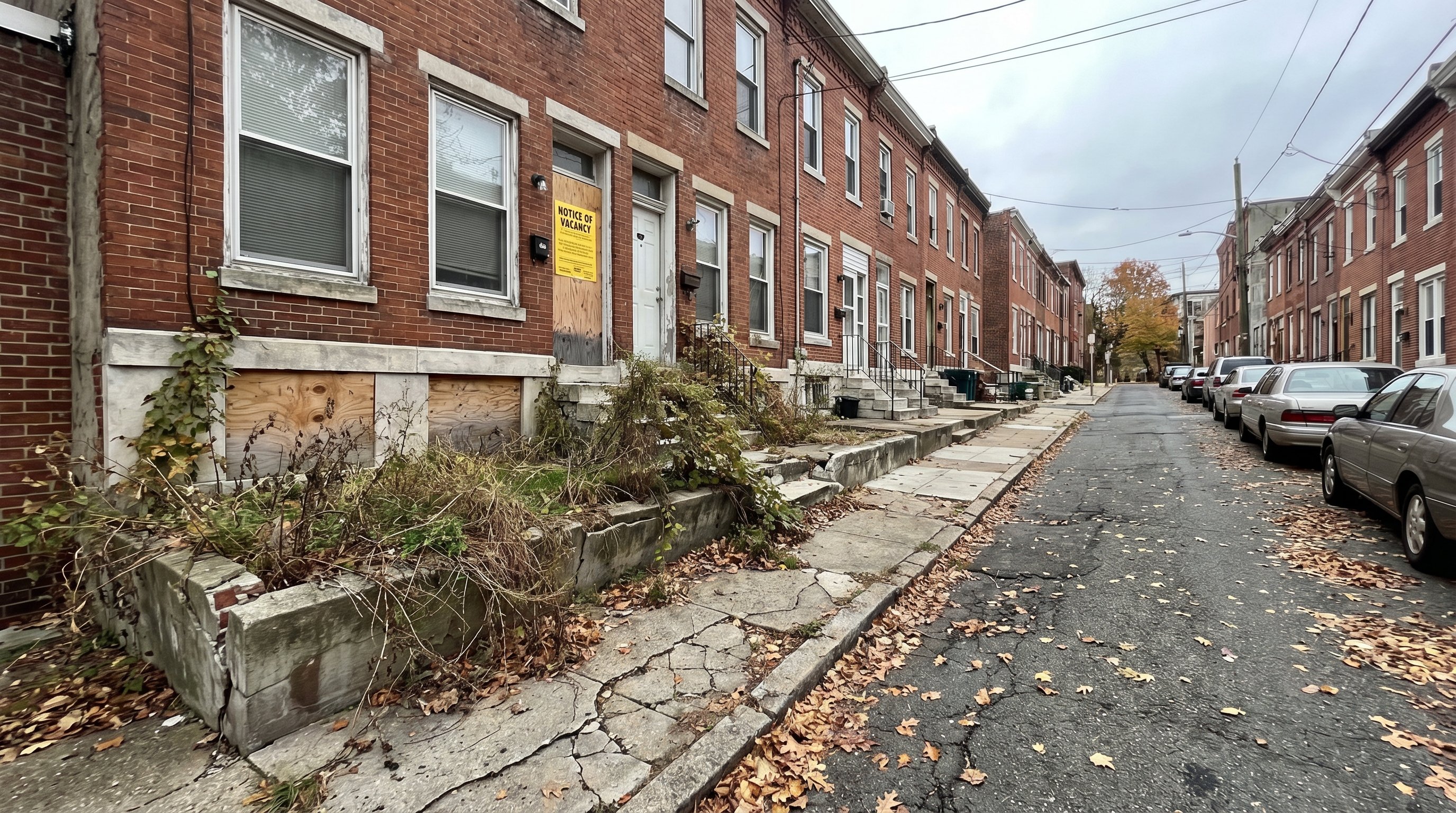
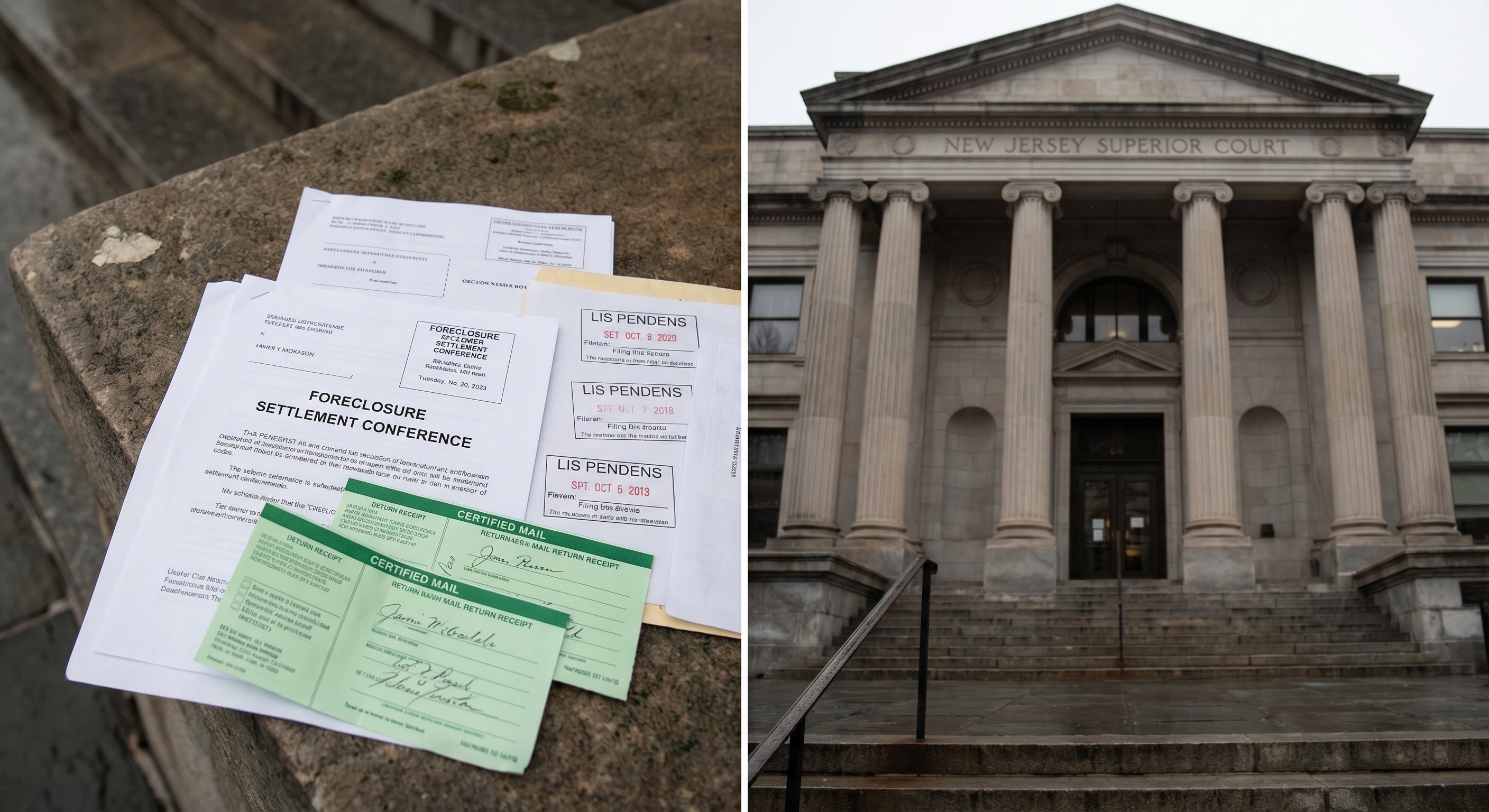
Pre-foreclosure (Lis Pendens filed). When a lender files a lis pendens with the county clerk, it becomes public record. This is where lead generation should start. Investors have months before auction, and the homeowner is often most motivated to negotiate at this stage.
Answer period. The homeowner has 35 days to respond to the foreclosure complaint. Many never do, which speeds the case toward default judgment.
Mandatory settlement conference. New Jersey courts require a foreclosure settlement conference in almost every residential case before the lender can proceed to judgment. Homeowners are often represented by a HUD-certified counselor or attorney at this stage. But the conference is also where deals can be made directly, sometimes with the lender's cooperation.
Judgment and sheriff's sale. Once the court enters judgment, the property is referred to the county sheriff for sale. Sheriff's sales are typically held monthly in each county.
Two adjournments available. New Jersey law gives homeowners the right to request up to two 30-day adjournments of the sheriff's sale. This is a hard statutory right, not a court discretion issue. Investors who think they have a firm sale date need to confirm no adjournment requests are pending. The sale must be held within 150 days of the sheriff receiving the writ of execution from the court.
Where New Jersey Foreclosure Deals Cluster
New Jersey's foreclosure inventory is concentrated in specific counties. Investors who understand county-level patterns can dramatically narrow their focus and increase deal flow.
High-volume counties:
- Essex County — Newark, East Orange, Irvington. High-density urban housing, significant zombie property inventory, long timelines from filing to sheriff's sale.
- Hudson County — Jersey City, Union City, West New York. Condo and multi-family stock, high assessed values, strong rental demand. Foreclosure timelines here run long, creating extended pre-foreclosure windows.
- Camden County — Camden city and suburbs. Significant distressed inventory, lower purchase prices, strong ARV upside for investors who know renovation costs.
- Passaic County — Paterson and surrounding towns. One of the highest foreclosure filing rates in the state relative to population.
- Union County — Elizabeth, Plainfield, Linden. Mix of single-family and small multi-family, diverse housing stock, consistent deal flow.
Mid-tier opportunity counties:
- Bergen County — Higher price points, fewer deals, but motivated sellers exist in the condo and townhouse segments.
- Middlesex County — Edison, New Brunswick, Old Bridge. University-adjacent rental demand, some distressed multi-family inventory.
Finding Foreclosure Leads in New Jersey
The judicial process creates more public paper trails than non-judicial states. Learning to read them is the difference between being first to a deal and showing up after it is already under contract.
County Clerk and Court Records
Every lis pendens filing in New Jersey is recorded at the county clerk's office and is public record. Most counties have online search portals. Bergen and Morris have reasonably functional online systems. Essex and Camden require more legwork.
The key search terms: lis pendens index, civil judgment search, sheriff sale list. Most counties publish a monthly or weekly list of properties scheduled for sheriff's sale.
New Jersey Court Records Search
The New Jersey Courts XM system allows public access to case records. Investors can search by party name, docket number, or property address. The workflow: search for active foreclosure cases, cross-reference with county tax records, run comparables analysis. This requires more manual effort than a data aggregator, but the information is fresher and fewer investors use this method.
Tax Sale Records
New Jersey municipalities hold annual tax sales on delinquent properties. In many towns, the tax sale process runs parallel to the judicial foreclosure process. Investors who monitor tax sale lists in their target counties often find motivated sellers before the property reaches sheriff's sale. Most tax sales happen in October and November, but some municipalities run throughout the year.
Aggregated Lead Data
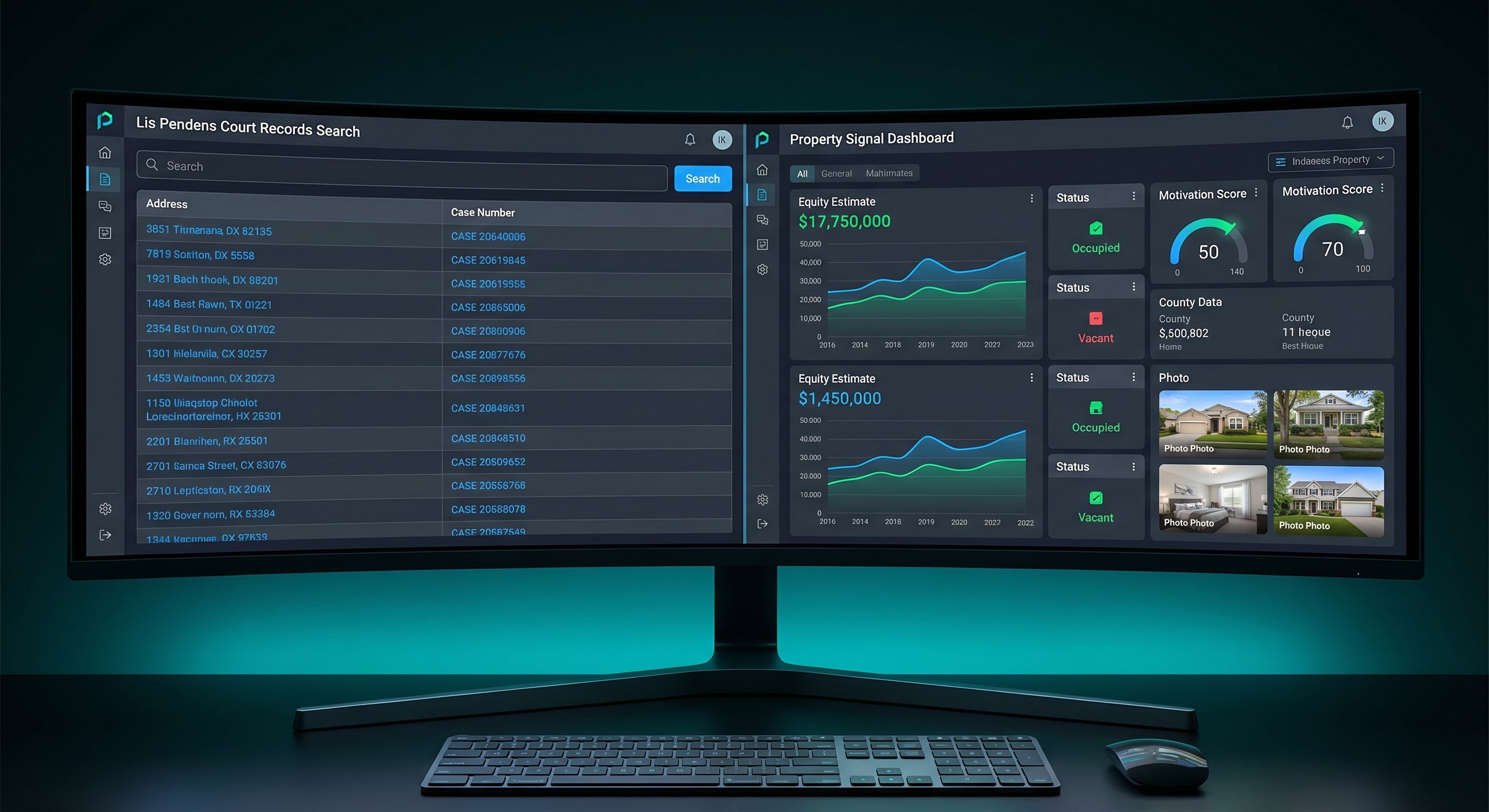
Checking each county individually is slow. DistressIQ aggregates New Jersey foreclosure filings across all 21 counties, filters by equity position, occupancy status, and estimated value, and delivers updated lead lists daily. For investors targeting multiple NJ markets simultaneously, this is the layer that makes the difference between running one county well and running five at once. The platform covers 3,200+ counties nationwide and stacks 31 signal types on top of raw court filing data, so a property that shows up in the NJ court system also carries occupancy signals, equity estimates, and motivation indicators that a raw lis pendens search cannot surface.
Free Weekly Alerts
See What's Distressed in Your Market
Get free weekly alerts — new distressed properties, motivation scores, and hot neighborhoods in your area. Addresses and contact info available inside DistressIQ.
Free forever · No credit card · Unsubscribe anytime
The New Jersey Sheriff's Sale: What Investors Need to Know
Once a foreclosure judgment is entered, the property is scheduled for sheriff's sale. Here is what to expect:
Frequency. Most NJ counties hold sheriff's sales monthly. Dates vary by county.
Location. Sales are held at the county sheriff's office or courthouse. In Essex County, sales are held at the Hall of Records in Newark.
Registration. Some counties require investor registration in advance. Check with the specific sheriff's office before the sale date.
Bidding. NJ sheriff's sales are not absolute. The lender can bid on the property at the sale. In a rising market, the lender's opening bid is often close to fair market value, which reduces the discount available at auction.
Title issues. New Jersey properties frequently have title complications including multiple liens, municipal liens, and HOA liens that survive the foreclosure sale. Always order a preliminary title report before bidding.
Post-sale deed transfer. New Jersey law requires the sheriff's office to deliver the executed deed to the winning bidder within two weeks of the sale. The successful bidder must also pay a 20% deposit in cash or certified check immediately at the end of the sale. If the winning bidder fails to pay the deposit, the sale is voided and the property goes immediately to resale with no advance notice to the defaulting bidder.
Working With Motivated Sellers Before the Sheriff's Sale
The extended NJ timeline creates one of the longest pre-foreclosure windows in the country. Sophisticated investors do not wait for the sheriff's sale. They work directly with homeowners during the settlement conference phase, when both the lender and the homeowner are actively looking for a resolution.
Short sale negotiations. If the homeowner has equity, a short sale may be possible before judgment. The lender must approve it, requiring submission of a full financial package. Short sales in New Jersey take 60 to 120 days and require the seller's bank's approval, but the property sells below market value and the process is cleaner than a sheriff's sale.
Contract assignment. Investors who find properties in the pre-foreclosure stage can negotiate a purchase agreement directly with the homeowner and assign that contract to a buyer for a fee. This is the NJ version of wholesaling, and it works because the long timeline means more homeowners are still in the property and actively want to resolve the situation.
Cash for keys. In some cases, especially with investment properties and Section 8 tenants, negotiating a cash-for-keys exit is faster and cheaper than going to sheriff's sale. Investors who understand tenant dynamics in cities like Camden and Paterson factor this into their offers.
Frequently Asked Questions
How long does foreclosure take in New Jersey?
Most cases take 9 to 18 months from initial filing to sheriff's sale, and court backlogs in Essex and Hudson counties can push timelines well beyond two years in heavily congested vicinages. Federal COVID-19 foreclosure protections have largely expired as of 2026.
Can you buy a foreclosed home in New Jersey with a mortgage?
Most properties purchased at the sheriff's sale require cash or hard money financing. Conventional mortgage financing is not practical because the timeline from auction to deed confirmation is too long for most lenders. Hard money lenders who specialize in NJ foreclosure deals typically lend at 65% to 75% of ARV.
What is a lis pendens in New Jersey real estate?
A lis pendens is a legal notice filed with the county clerk indicating a lawsuit affecting title to a property is pending. In foreclosure cases, it is filed when the lender initiates the foreclosure action. It creates a cloud on title and puts subsequent buyers on notice of the pending litigation.
Does New Jersey have a redemption period after foreclosure?
No. New Jersey homeowners have no statutory right of redemption after the sheriff's sale. Once the sale is confirmed by the court, the former owner's interest in the property is extinguished. This makes NJ sheriff's sale purchases cleaner from a title perspective than states with statutory redemption periods.
What counties in New Jersey have the most foreclosure activity?
Essex, Hudson, Camden, Passaic, and Union counties consistently lead New Jersey in foreclosure filings. These urban and post-industrial counties have higher volumes of distressed multi-family and single-family properties and represent the best opportunities for consistent deal flow.
Is New Jersey a good state for foreclosure investing?
For investors with patience, capital, and an understanding of the judicial process, New Jersey offers some of the best risk-adjusted returns on the East Coast. The extended timeline creates motivated sellers who have had months or years to come to terms with their situation. In distressed neighborhoods in Paterson, Camden, and Newark, properties can be found in the $100,000 to $200,000 range with ARV potential of $250,000 to $400,000 after renovation. The key is understanding the local market dynamics, the court system, and the title issues that are common in urban New Jersey properties.
What does a sheriff's sale property cost in New Jersey?
Properties at NJ sheriff's sales typically open at the amount owed on the mortgage, not the property's market value. In high-demand markets, several bidders may compete and drive the price close to market value. In slower markets or with properties that have significant condition issues, properties can sell for meaningful discounts below ARV.
Finding foreclosure leads in New Jersey requires more patience and research than in faster-moving non-judicial states, but the extended process creates genuine motivated-seller situations that simply do not exist in states with 45-day auctions. The investors who build the systems to track New Jersey court filings and settlement conferences are the ones who consistently find properties at prices that make the long timeline worthwhile.
Browse verified New Jersey foreclosure leads on DistressIQ, covering all 21 counties with daily-updated lis pendens filings, occupancy signals, and equity position analysis. Founding members lock in 30% off for life with fewer than 50 spots remaining at Starter $89, Pro $174, or Elite $349 per month.
The data behind this article
DistressIQ Monitors These Signals in Real Time
Pre-Foreclosures
NOD + NTS filings
Tax Delinquency
County treasurer records
Code Violations
Municipal inspection filings
Probate Filings
Superior Court records
Every lead is scored 0–100 for seller motivation based on signal type, duration, severity, and stacking. Nationwide coverage — every US county, updated daily.
Ready to find deals in your market?
See Live Distress Signals in Your County
Stop calling dead leads. Every lead in DistressIQ is scored 0–100 for seller motivation, with verified contact info included. Browse the free tier to see what's active in your market right now.
Browse Free Leads — No Credit Card