Foreclosure Leads Alaska: Why the Last Frontier Is the Most Overlooked Foreclosure Market in America
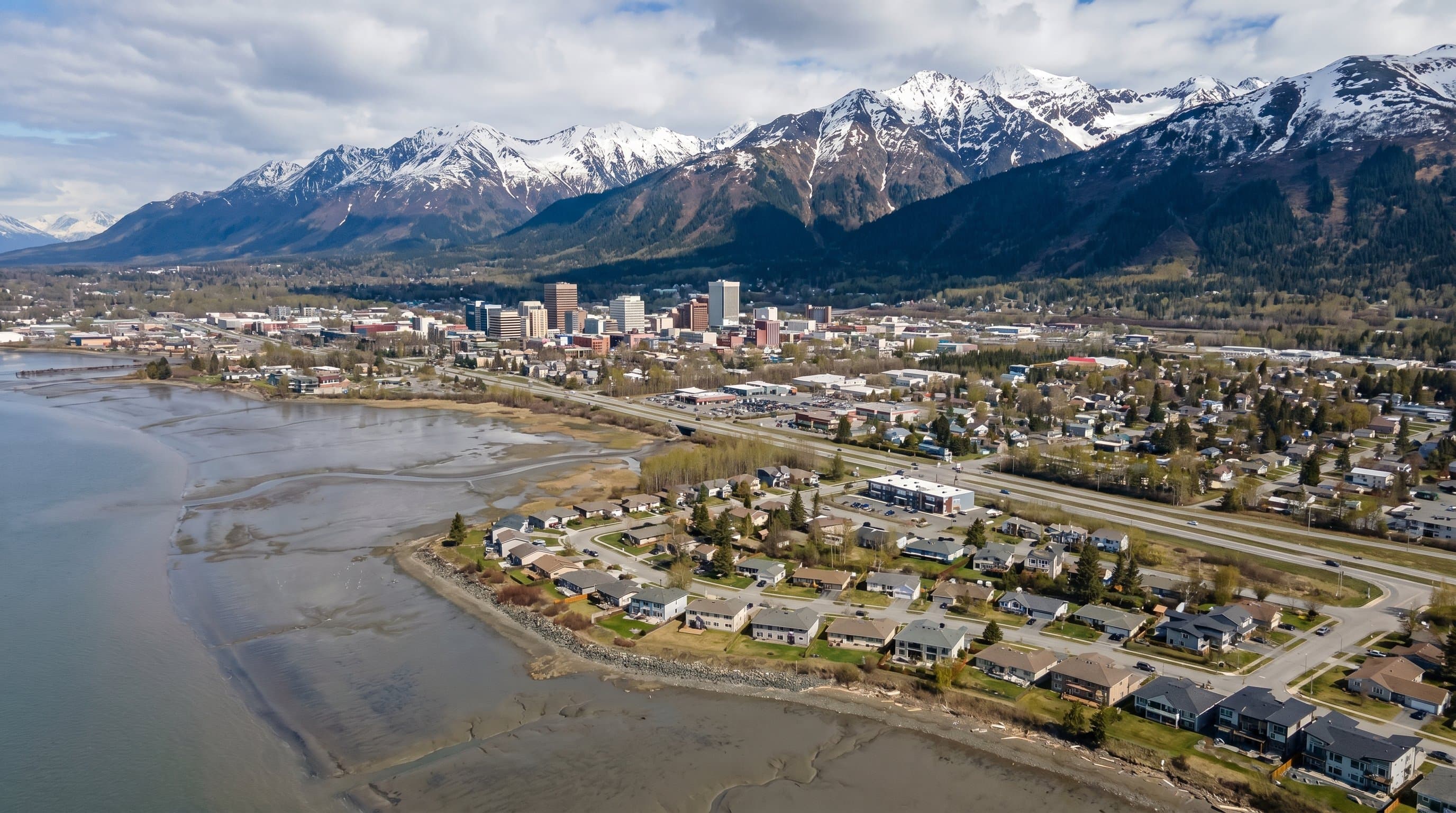
TL;DR: Alaska runs non-judicial foreclosures through deeds of trust, completing in roughly 120 days from default to auction. There is no statutory right of redemption and no deficiency judgments available in non-judicial cases, which makes Alaska one of the cleanest foreclosure markets for investors. There are approximately 797 pre-foreclosure properties statewide, making Alaska one of the lowest-volume distressed inventories in the country. That scarcity is the competitive advantage: investors who work this market face far less competition per deal than in any Lower 48 state. Anchorage accounts for about 60% of the statewide inventory, with the Matanuska-Susitna Valley and Fairbanks as secondary markets. Median statewide home prices sit between $386,000 and $415,000.
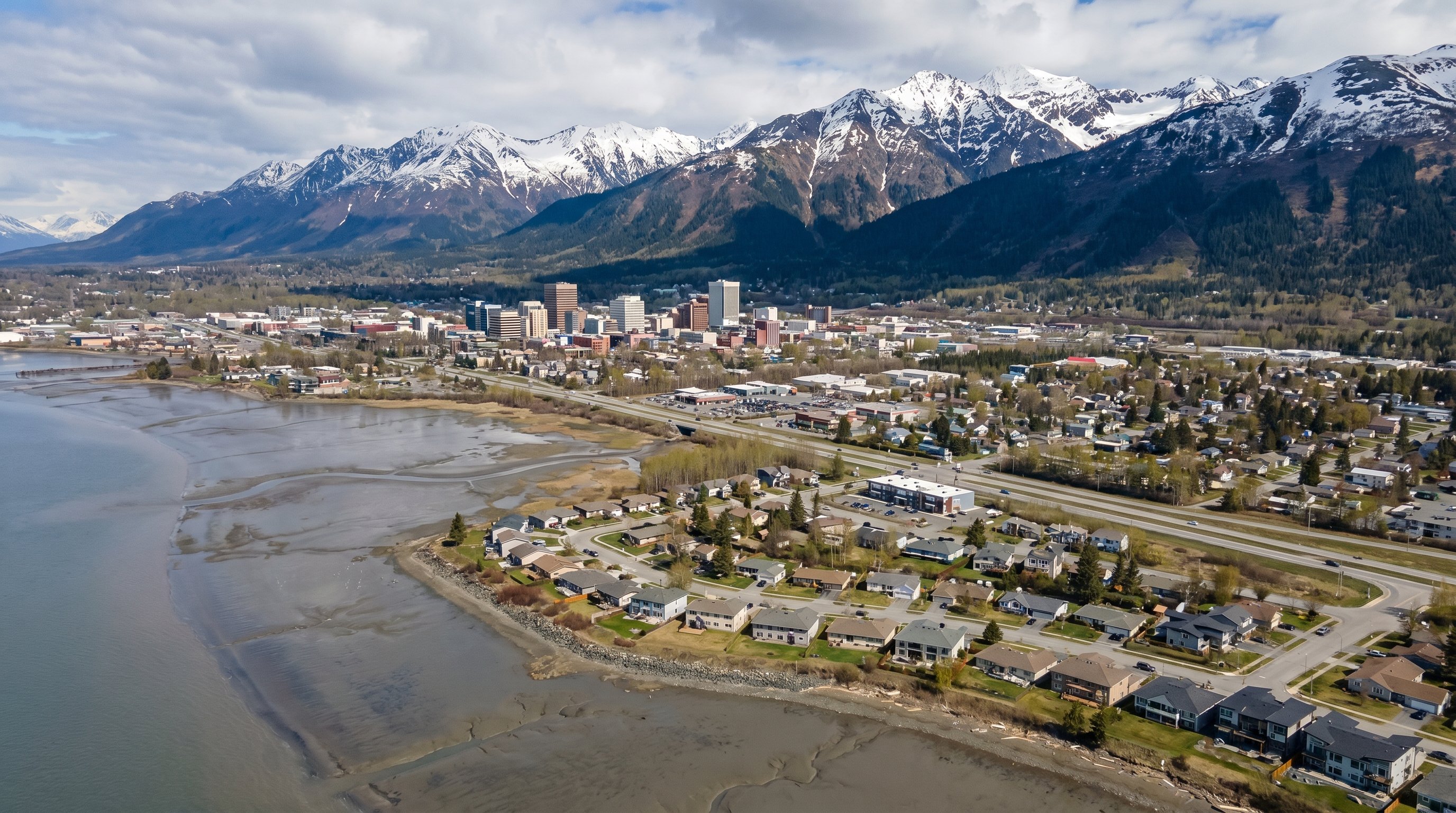
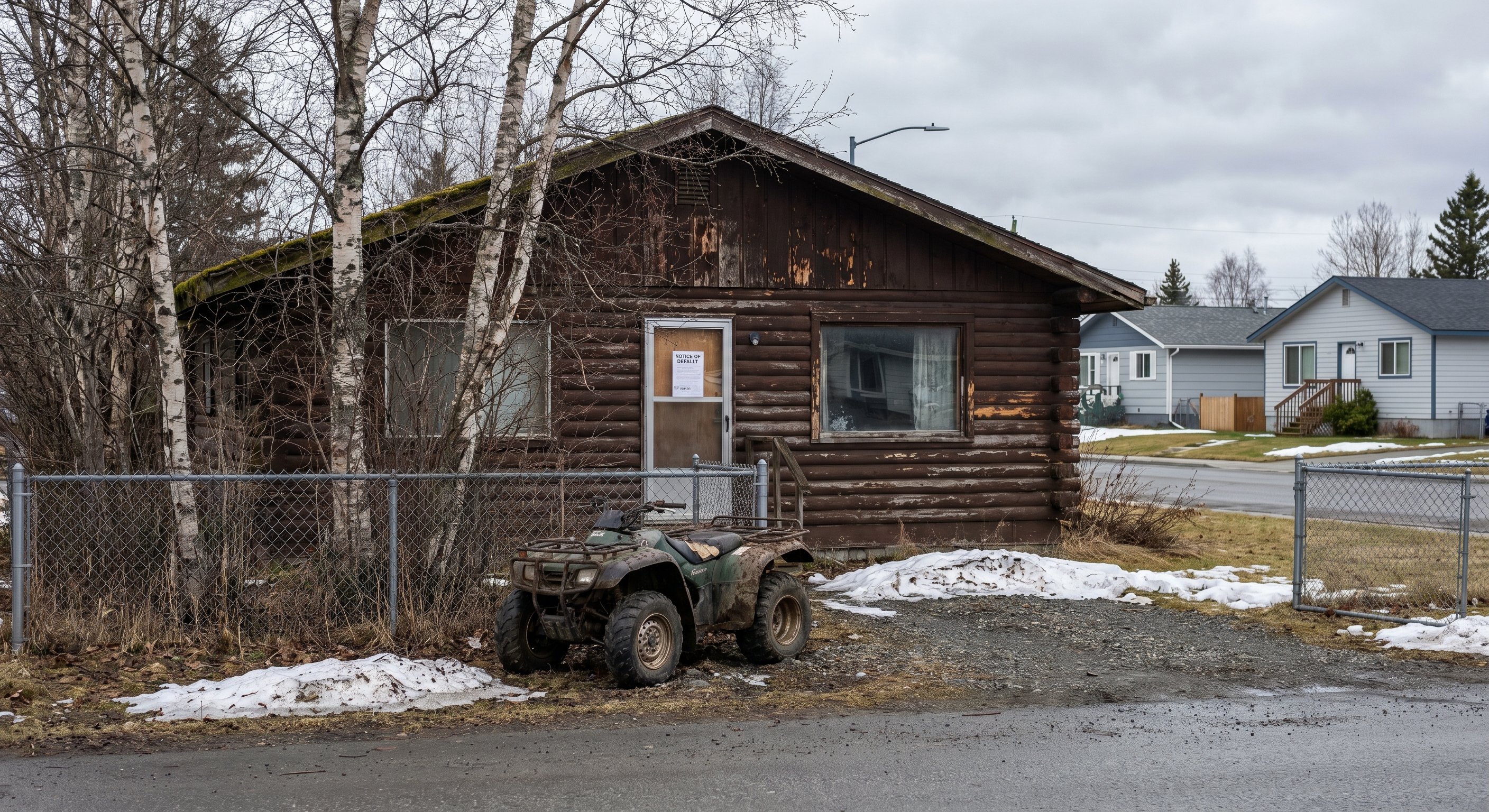
The math is simple and nobody is doing it. Florida has 23,000 pre-foreclosures. Texas has 34,000. Alaska has fewer than 800.
That single number changes the math. Alaska is not a volume play. It is a competition play. When 50 investors are bidding on a pre-foreclosure property in Phoenix and 2 are looking at one in Anchorage, the Alaska deal does not need to be better on paper. It needs to be findable.
Alaska operates under different rules, different geography, and different competitive dynamics than the Lower 48. Most real estate investment content was built for sunbelt markets. Investors who take time to understand Alaska's specific legal framework and geographic constraints find opportunities that are systematically overlooked.
How Foreclosure Works in Alaska
Alaska allows both judicial and non-judicial foreclosure, but the non-judicial path through a deed of trust is by far the dominant mechanism. Most Alaska mortgages are written as deeds of trust rather than mortgages, which means most foreclosures follow the power of sale route rather than a court action.
The non-judicial process begins when a borrower defaults and the trustee records a notice of default at the recording district office. Alaska Statute Section 34.20.070 requires the notice to be recorded not less than 30 days after default and not less than 90 days before the sale. Within 10 days of recording, the trustee must mail a copy by certified mail to the borrower, any known lienholder, and any occupant.
The borrower has a cure period before the sale. If the default arose from missed payments, the borrower can stop the foreclosure by paying the missed amounts plus attorney fees and costs incurred by the lender due to the default. The lender may refuse payment and proceed directly to sale if a notice of default under the same deed has been recorded and cured two or more times previously.
The auction is held at the front door of a Superior Court courthouse in the judicial district where the property is located. The high bidder wins. If no bidder exceeds the lender's credit bid, the lender takes the property as real estate owned.
The Alaska Non-Judicial Advantage: No Redemption, No Deficiency
Two features make Alaska uniquely investor-friendly in the non-judicial process. Under Alaska Statute Section 34.20.070(a), the trustor or their heirs have no right to redeem the property after the trustee's sale unless the deed of trust explicitly declares otherwise. This means once the auction clears, the former owner has no legal path to reclaim the property by paying the full amount owed.
Separately, Section 34.20.070 prohibits deficiency judgments against the maker or guarantor when a sale is conducted by a trustee under a deed of trust. No court action may be taken or judgment entered against the borrower for any shortfall between the sale price and the loan balance.
Both rules mean cleaner deal math. The worst-case scenario is owning a property, not inheriting a post-sale legal liability.
Judicial foreclosures in Alaska are rare but work differently. If the deed of trust does not contain a power of sale clause, the lender must file a court action. In judicial foreclosures, deficiency judgments are available and the borrower may have redemption rights. Investors working judicial foreclosure properties should consult a local Alaska real estate attorney.
The Timeline That Determines Everything
Alaska's non-judicial foreclosure timeline runs approximately 120 days from default to auction. The notice of default is recorded, the 30-day minimum post-default period passes, the 90-day pre-sale minimum runs, and the auction occurs. This is shorter than the national average for judicial foreclosure states, where 12 to 24 months from default to resolution is common.
The practical implication is a compressed pre-foreclosure window. Investors who monitor recorded notices and act quickly have a narrower but more exclusive window to negotiate directly with the homeowner.
After the auction, the absence of a redemption period means the path to clean title is faster than in redemption-period states. Once the sale clears, the trustee issues the deed and the buyer owns the property without a waiting period.
Free Weekly Alerts
See What's Distressed in Your Market
Get free weekly alerts — new distressed properties, motivation scores, and hot neighborhoods in your area. Addresses and contact info available inside DistressIQ.
Free forever · No credit card · Unsubscribe anytime
Alaska's Distressed Property Market: The Numbers
Alaska's distressed property inventory is small by national standards. PropertyFocus data shows approximately 797 pre-foreclosure properties statewide as of early 2026. For context, Arizona, a state with a comparable population, has over 12,000. California has over 27,000. Alaska's distressed inventory is roughly 25 times smaller than California's on a per-capita basis.
Statewide median home prices sit between $386,000 and $415,000 depending on the data source. Anchorage median prices run $380,000 to $420,000. The Mat-Su Valley, including Wasilla and Palmer, shows median prices from $400,000 to $540,000 depending on the community. Fairbanks median prices are lower, typically in the $310,000 range. Sitka and Juneau represent higher-value markets with median prices approaching $490,000 or above.
Anchorage accounts for the majority of the state's distressed inventory, representing roughly 60% of statewide pre-foreclosures. The Matanuska-Susitna Valley, Fairbanks, and the Kenai Peninsula are secondary markets with smaller but consistent distressed property counts.
Well-priced move-in-ready homes in South Anchorage, Eagle River, and the Hillside area regularly sell within 20 to 35 days. Homes that need work tend to move more slowly, which means exit strategy matters more here than in hot markets.
The foreclosure rate in Alaska is approximately 4.1 per 10,000 housing units, well below the national average. When a distressed property does appear in Alaska, it represents a genuine situation rather than a symptom of a systemic housing crisis.
Why Most Investors Overlook Alaska
The most important thing to understand about Alaska's foreclosure market is the competitive environment. With fewer than 800 pre-foreclosure properties statewide and a large proportion concentrated in Anchorage, the average Alaska foreclosure attracts a fraction of the investor attention that a comparable property draws in Phoenix, Atlanta, or Houston.
This is partly a geography problem. Alaska is expensive to operate in. Getting to Alaska costs money. Most national lead generation platforms and investor networks are calibrated for high-volume Lower 48 markets. Alaska is an afterthought.
The small distressed inventory also means Alaska homeowners in financial distress have fewer local options. A distressed homeowner in Anchorage who needs to sell quickly often cannot find another investor because few are actively looking. That dynamic creates genuinely motivated sellers who are more flexible on price than their Lower 48 counterparts.
Alaska's housing market is also structurally constrained by geography. Anchorage is bordered by military land, Chugach State Park, wetlands, and the Talkeetna Mountains. Buildable land is limited and new construction cannot easily expand the way it can in Phoenix or Dallas. This constraint protects property values and limits the depth of any future distressed inventory wave.
Joint Base Elmendorf-Richardson, Anchorage's largest employer, generates consistent non-cyclical housing demand. Military households relocate on fixed timelines and need housing fast. Investors who purchase distressed properties in Anchorage near JBER have a reliable demand base for their exits.
Where to Find Alaska Foreclosure Leads
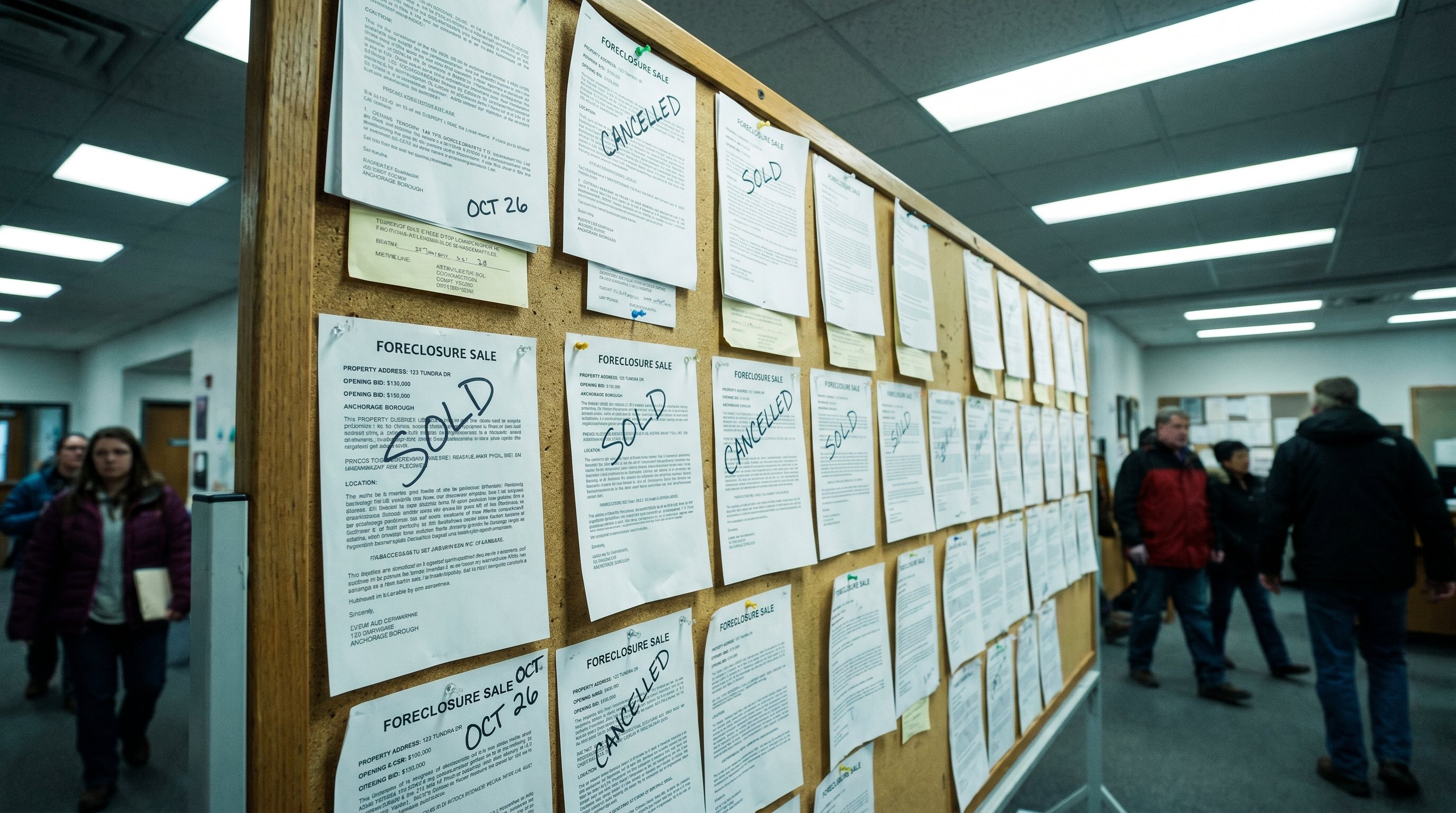
The starting point is the recording district where the property is located. Alaska is divided into recording districts that do not map cleanly onto borough or census boundaries. For Anchorage properties, the Municipality of Anchorage is the primary recording entity. For Mat-Su Valley properties, the Matanuska-Susitna Borough handles recordings. Fairbanks properties are recorded with the Fairbanks North Star Borough.
The notice of default is a matter of public record and is recorded at the district level before certified mail notification goes out. This creates a window between the recording date and the notification date when the filing is public but the homeowner may not yet be aware of it. Investors who monitor recording district records can identify properties at this stage.
Manual monitoring across Alaska's recording districts is time-intensive for investors based outside the state. Most national lead platforms do not cover Alaska with the same depth they cover California or Texas. The DistressIQ platform aggregates distress signals across Alaska's recording districts, including notice of default filings, code violations, and tax delinquency records, and scores them by motivation to surface the strongest leads for investors who want Alaska exposure without building a local network from scratch.
Frequently Asked Questions
How long does foreclosure take in Alaska?
Alaska's non-judicial foreclosure timeline runs approximately 120 days from default to auction under Alaska Statute Section 34.20.070. The notice of default must be recorded not less than 30 days after default and not less than 90 days before the sale. The cure period allows the borrower to bring payments current before the sale. After the trustee's sale completes, there is no right of redemption in the non-judicial process under Alaska law, which means the buyer's title is final immediately after the sale is confirmed. Judicial foreclosures, which are used when the deed does not contain a power of sale clause, can take significantly longer due to court involvement.
What is the pre-foreclosure period in Alaska?
The pre-foreclosure period in Alaska runs from when the borrower defaults through the end of the cure period before the sale. During this window, the borrower has the legal right to stop the foreclosure by paying the missed payments plus allowable fees and costs. Alaska law specifies that the lender may refuse payment and proceed directly to sale if a notice of default under the same deed has been recorded and cured two or more times previously. This provision is unusual compared to other states and creates a narrower but more exclusive window for pre-foreclosure negotiation.
Can out-of-state investors buy foreclosed properties in Alaska?
Yes. There is no residency restriction on purchasing foreclosed property in Alaska. Out-of-state investors can bid at auctions, purchase properties directly from lenders after default, or negotiate pre-foreclosure sales with homeowners. Operating in Alaska requires either traveling to the property or working with a local buyer's agent and property manager who can act on the investor's behalf.
What are the best areas in Alaska for foreclosure investment?
Anchorage accounts for roughly 60% of Alaska's pre-foreclosure inventory and is the primary market. South Anchorage and Eagle River attract strong buyer demand due to school districts and proximity to JBER. The Matanuska-Susitna Valley, including Wasilla and Palmer, offers growing population and strong housing demand. Fairbanks represents a lower-entry market with median prices around $310,000. The Kenai Peninsula is a smaller secondary market with recreational property demand.
Are deficiency judgments available in Alaska foreclosures?
Deficiency judgments are prohibited in Alaska non-judicial foreclosures under Alaska Statute Section 34.20.070. When a sale is conducted by a trustee under a deed of trust, no court action may be taken and no judgment may be entered against the maker or guarantor for any shortfall between the sale price and the loan balance. This prohibition applies to the majority of Alaska foreclosures, which are non-judicial. Deficiency judgments may be available in judicial foreclosures, which apply when the deed of trust does not contain a power of sale clause. Investors considering judicial foreclosure properties should work with a local Alaska real estate attorney.
What makes Alaska different from other non-judicial foreclosure states?
Alaska has two features that separate it from most other non-judicial states. First, Alaska has no statutory right of redemption after a trustee's sale unless the deed of trust explicitly grants one. Most non-judicial states allow some post-sale redemption period. Second, Alaska explicitly prohibits deficiency judgments in trustee sales by statute. In many non-judicial states, lenders can pursue a deficiency judgment after the sale through a separate court action. Alaska's combination of no redemption and no deficiency makes the non-judicial path unusually clean.
Browse distressed properties in Alaska's recording districts, filtered by distress signal type and motivation score, on DistressIQ. The map shows Alaska's entire distressed inventory in one view. Browse free at distressiq.ai.
The data behind this article
DistressIQ Monitors These Signals in Real Time
Pre-Foreclosures
NOD + NTS filings
Tax Delinquency
County treasurer records
Code Violations
Municipal inspection filings
Probate Filings
Superior Court records
Every lead is scored 0–100 for seller motivation based on signal type, duration, severity, and stacking. Nationwide coverage — every US county, updated daily.
Ready to find deals in your market?
See Live Distress Signals in Your County
Stop calling dead leads. Every lead in DistressIQ is scored 0–100 for seller motivation, with verified contact info included. Browse the free tier to see what's active in your market right now.
Browse Free Leads — No Credit Card