Fix and Flip Real Estate: The Investor's Complete Guide to Buying Distressed Properties, Renovating for Profit, and Scaling in 2026
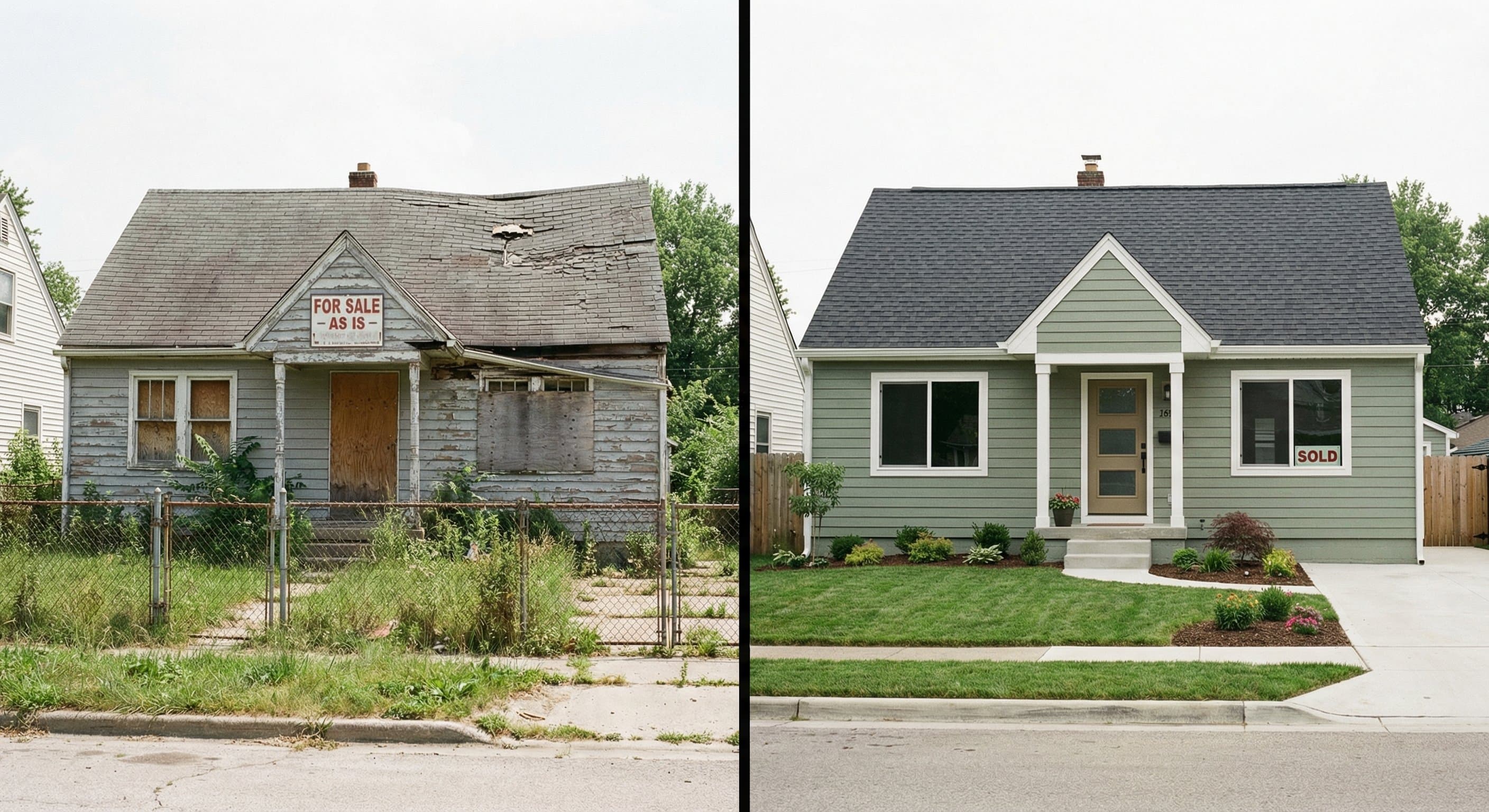
Fix and Flip Real Estate: The Investor's Complete Guide to Buying Distressed Properties, Renovating for Profit, and Scaling in 2026
TL;DR: Successful fix and flip real estate investing requires finding genuinely distressed sellers at the right price, controlling renovation costs, and selling within 90 to 120 days. Investors who fail usually do so at the purchase stage by buying at retail and leaving no margin for error. The best deals come from motivated sellers: pre-foreclosure, tax delinquency, code violations, or probate. The strategy works in any market when the purchase price creates enough cushion to absorb surprises.
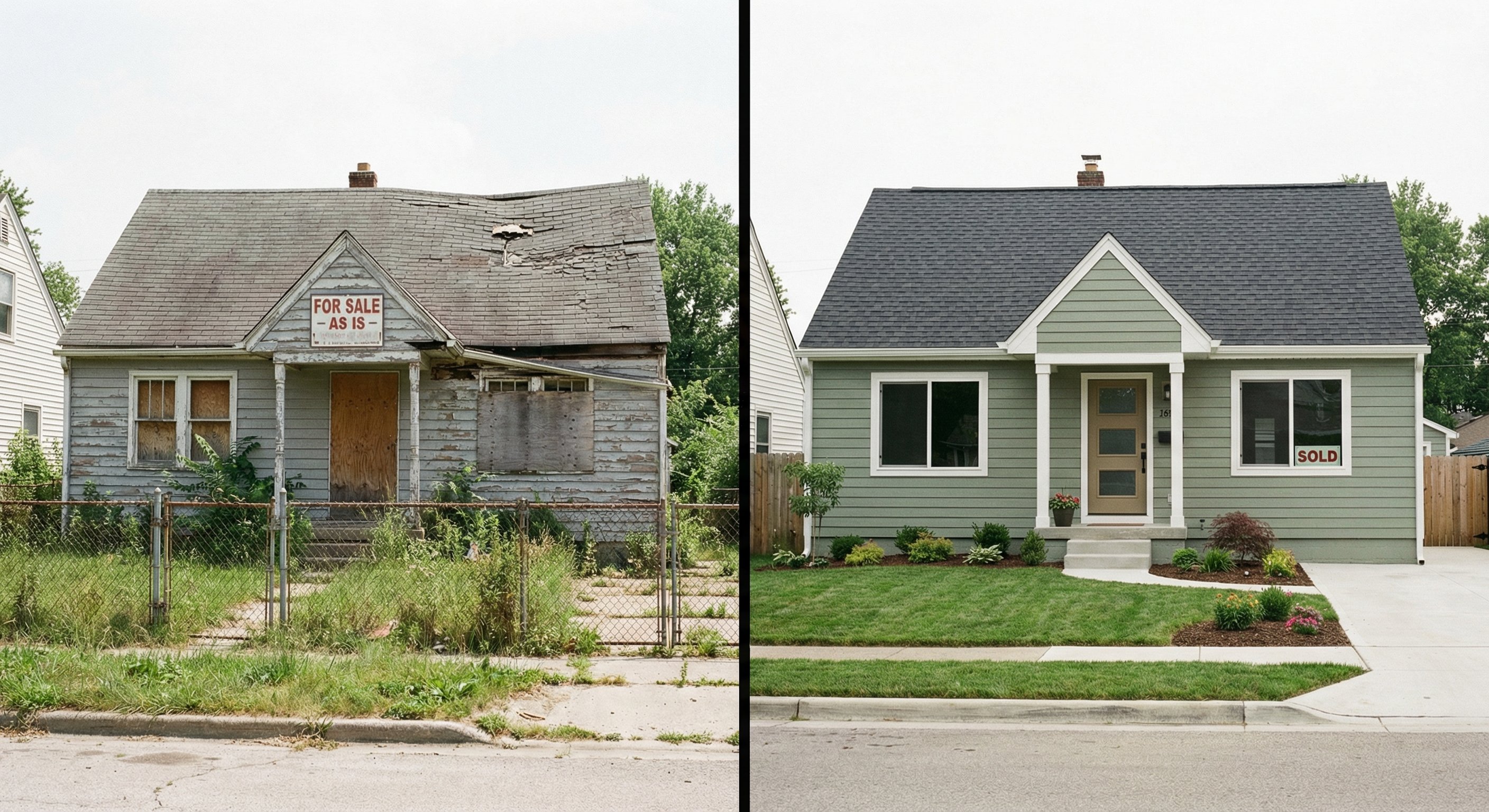
Why Most Fix and Flip Investors Fail at the Starting Line
The fix and flip business model is straightforward on paper. Buy low, renovate, sell high. The problem is that most investors compete for the same retail-priced properties as every other buyer and try to manufacture profit through renovation. That is backwards.
The real money in fix and flip real estate is made at the negotiating table, when a motivated seller needs to exit quickly and accepts a discount that gives the investor enough cushion to absorb surprises that come with every renovation project.
According to a 2024 Real Estate Witch survey, 65 percent of respondents said finding the right property at the right price was their biggest challenge, and only 31 percent said their first flip was profitable. The investors generating strong returns in 2026 are buying at genuine discounts from motivated sellers, controlling renovation scope tightly, and selling into markets where move-in ready inventory remains constrained.
Finding the Right Fix and Flip Properties
The biggest mistake new fix and flip investors make is searching for properties the way homebuyers do. By the time a motivated seller reaches the retail listing market, every investor in the county already knows about the property and the discount has evaporated. The strongest fix and flip returns come from owners who need to sell for reasons unrelated to price.
Tax Delinquent Properties
When a property owner stops paying property taxes, the county places a lien that eventually forces a public sale. Tax delinquent properties often sell at 20 to 40 percent below market value because the county is not trying to maximize price. Fix and flip investors who buy at tax sales or negotiate with owners before the sale can acquire properties with a discount that makes the renovation economics work cleanly.
Pre-Foreclosure and Lis Pendens
A lis pendens filing signals that a foreclosure lawsuit has been filed and the homeowner is at least 90 days behind on payments. The homeowner has a very short window to sell or lose the property at auction. Fix and flip investors who monitor lis pendens filings can approach pre-foreclosure sellers before the property hits the auction block.
Probate and Estate Sales
When a property owner passes away, the estate must liquidate the real estate to settle debts or divide assets among heirs. Probate properties frequently sell at a discount because the executor has no emotional attachment to maximizing every dollar and is working within a defined legal timeline. DistressIQ tracks probate-related filings across every US county, giving investors a way to identify these opportunities before they reach the open market.
Code Violations and Vacant Properties
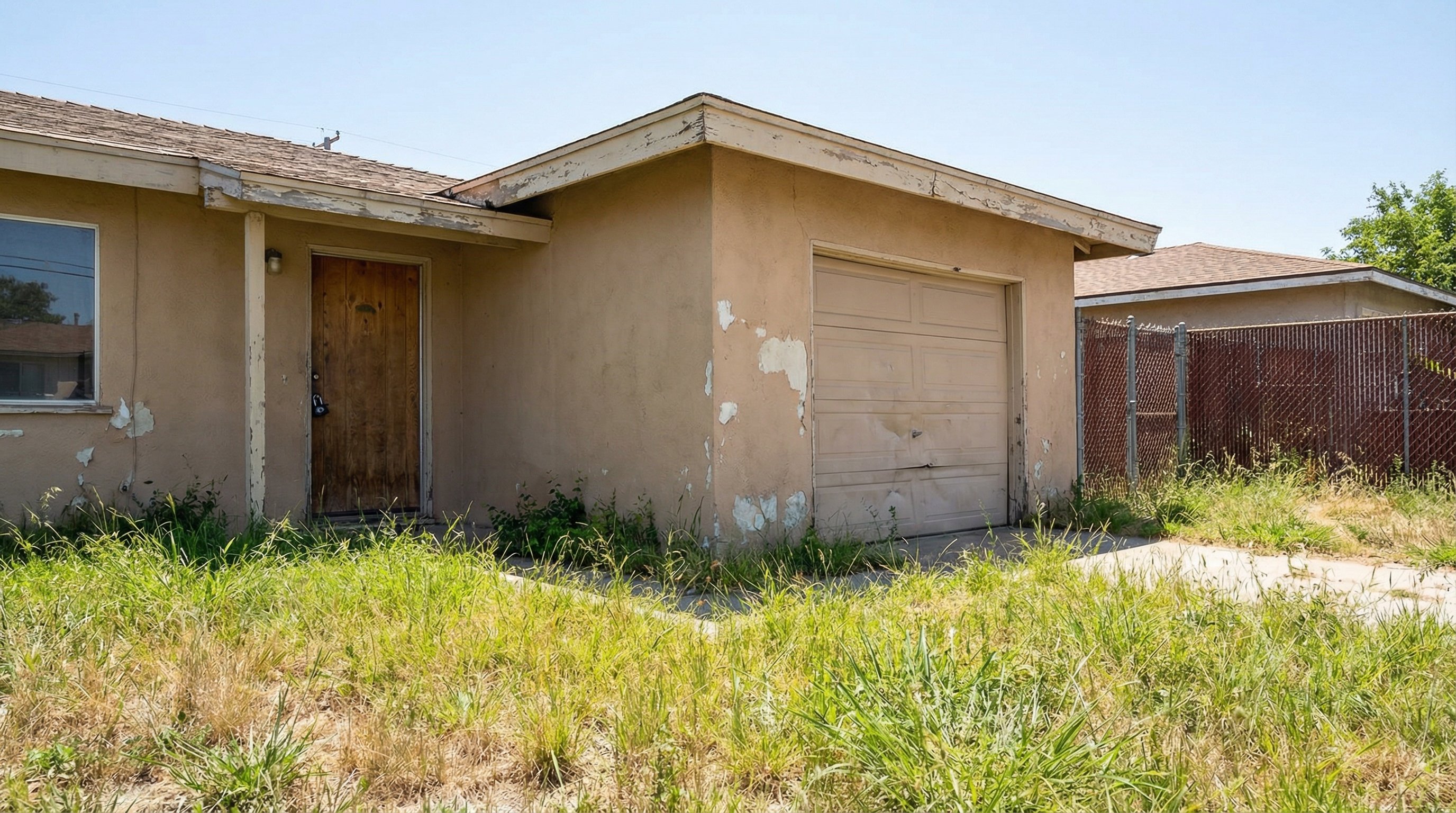
Municipalities require vacant and blighted properties to be registered with code enforcement. These properties typically have open violations and the owner is paying fines for every day the property remains non-compliant. Vacant property owners who are accruing code enforcement fines have a strong financial incentive to sell quickly, even at a discount, and the violations document exactly what needs to be fixed.
Analyzing a Fix and Flip Deal
Every fix and flip property analysis starts with three numbers: the purchase price, the after repair value, and the true renovation cost. Everything else, holding costs, financing fees, commissions, is calculated on top of those three.
Calculating After Repair Value
The after repair value is what the fully renovated property will sell for in the current market. This requires comparable sales analysis based on what similar renovated properties have sold for in the same neighborhood in the past 90 days. An ARV calculation based on non-renovated comparables will systematically undervalue the property. Neighborhood trajectory matters as much as absolute comp values.
The 70 Percent Rule
The traditional fix and flip rule states that an investor should pay no more than 70 percent of ARV minus the estimated renovation cost. In hot markets where distressed inventory is thin, investors who rigidly apply this formula will stop getting deals accepted. In soft markets or for properties requiring major structural work, paying 60 to 65 percent of ARV minus renovation costs is the only way to build adequate margin.
Holding Costs
Every month a fix and flip property sits unsold, the investor pays holding costs that directly reduce profit. A $300,000 loan at 10 percent interest costs $2,500 per month in interest alone. Add property taxes, insurance, and utilities, and carrying costs reach $3,000 to $5,000 per month. Budget for a 120-day renovation and a 60-day sale, not the optimistic scenario.
Free Weekly Alerts
See What's Distressed in Your Market
Get free weekly alerts — new distressed properties, motivation scores, and hot neighborhoods in your area. Addresses and contact info available inside DistressIQ.
Free forever · No credit card · Unsubscribe anytime
Controlling Renovation Costs
An investor can negotiate a perfect purchase price and still lose money if the contractor misses structural issues, the scope expands mid-project, or the finishes do not match the neighborhood comps.
Getting Accurate Contractor Bids
The most common renovation budgeting mistake is accepting a single contractor bid without a detailed scope of work document. Every scope document should specify what will be done, what materials will be used, and what conditions are assumed before demo begins. Get at minimum three bids from licensed contractors and compare them line by line. Bids that are significantly lower than the others are often missing items that will be billed as change orders later.
The Pre-Demo Inspection
No fix and flip renovation should begin without a pre-demo home inspection. Common issues discovered during pre-demo include rotted subflooring, asbestos insulation in homes built before 1980, outdated electrical panels requiring full replacement, and foundation cracks concealed behind drywall. Each of these can add $5,000 to $30,000 to a renovation budget that was not accounting for them.
Scope Management
Fix and flip investors who treat every finish decision as reversible during construction end up with scope creep that consumes their entire contingency budget before the project is complete. The investors who consistently generate profit have a clear vision of the target buyer and resist upgrading beyond what that buyer will pay for.
Selling the Finished Property
The finish quality of a fix and flip renovation should be calibrated to the neighborhood comps, not the investor's personal taste. A $50,000 kitchen renovation in a neighborhood where the average home value is $250,000 will not generate a $50,000 price premium. The renovated home sells for what the neighborhood supports.
Fix and flip investors need an agent who understands the investment side of real estate. In most markets, kitchen and bathroom updates generate the strongest ROI. In markets with older housing stock, mechanical updates such as new HVAC, water heater, and electrical panel may be more valuable than cosmetic upgrades.

Scaling a Fix and Flip Business
The transition from one fix and flip deal to a sustained business is not primarily a capital problem. It is a systems problem. The single biggest constraint on a fix and flip business is deal flow, not capital. An investor with $500,000 and no deals does zero business. An investor with $100,000 and access to a consistent pipeline of motivated sellers generates more profit by doing deals efficiently.
Consistent deal flow comes from building multiple sourcing channels: county tax sale lists, pre-foreclosure filing databases, probate court records, and vacant property registries. DistressIQ aggregates these signal types across every US county and scores them by motivation level, giving fix and flip investors a prioritized list of the most promising opportunities before those opportunities become widely known.
Common Fix and Flip Mistakes
Buying Without Adequate Due Diligence
A property that appears to be a cosmetic renovation at $45,000 and turns out to require $80,000 in structural work has not been purchased at a discount. It has been purchased at a premium. Full due diligence before closing, a professional inspection, a title search, and a review of all open permits and code violations, costs $1,000 to $3,000. Skipping these steps to save money is the most common way fix and flip investors destroy their own margins.
Underestimating Renovation Timeline
Contractors who promise a 60-day renovation on a property that needs a full gut renovation are either inexperienced or being optimistic to win the job. Experienced fix and flip investors build timelines based on the worst-case scenario and add 20 percent for delays. A property that takes 200 days instead of 120 has been exposed to market conditions for 80 additional days, during which comparable inventory, interest rates, or neighborhood desirability may have shifted.

Frequently Asked Questions
Q: How much capital do I need to start fix and flip real estate investing?
In lower-cost markets, fix and flip deals can be executed with $30,000 to $50,000 using a hard money loan or an assignable purchase agreement. In high-cost markets, successful fix and flip deals require $100,000 to $200,000 in available capital or credit access.
Q: What is the average profit margin on a fix and flip real estate deal?
Based on the 2024 Real Estate Witch survey, the median gross profit on a fix and flip deal was approximately $50,000 to $60,000 per project, with net profit after holding costs, financing fees, and commissions averaging $25,000 to $30,000 per flip. Profit margins vary significantly by market.
Q: How do I find fix and flip properties before they hit the market?
The most effective pre-market sourcing strategies are: monitoring county tax sale lists and pre-foreclosure filings through public records, building relationships with probate attorneys and estate executors, tracking vacant property registries through municipal code enforcement departments, and working with DistressIQ to access verified distress signals including tax delinquency, lis pendens filings, code violations, and probate, all scored by motivation level across every US county.
Q: Should I use hard money loans or conventional financing for fix and flip real estate?
Hard money loans are the standard for fix and flip real estate because they close quickly (7 to 14 days), are asset-based, and allow access to purchase price plus renovation costs in a single loan. The tradeoff is a higher interest rate (10 to 15 percent annually) and origination fees of 2 to 5 percent. For a six-month fix and flip loan, financing costs add $7,500 to $15,000 compared to conventional financing.
Q: What renovations generate the highest ROI on a fix and flip project?
Kitchen renovations and bathroom updates consistently generate the strongest ROI. A minor kitchen renovation (new countertops, updated cabinet hardware, new appliances, and fresh paint) typically costs $15,000 to $35,000 and generates $20,000 to $50,000 in value. Minor bathroom updates ($8,000 to $20,000) consistently outperform major remodels ($30,000 to $60,000) on a cost-to-value basis.

The investors who approach fix and flip real estate as a data-driven acquisition business consistently outperform those who fall in love with the property before doing the math. The renovation is a tool for extracting value, not the source of value itself. Find the right property at the right price, control what happens in the field, and sell into the right market.
For investors looking to build a consistent pipeline of motivated seller opportunities across every US county, DistressIQ provides a nationwide map of verified distress signals including pre-foreclosure, tax delinquency, code violations, and probate, all updated daily and scored by motivation level. Browse free to see what is available in your target market at distressiq.ai.
The data behind this article
DistressIQ Monitors These Signals in Real Time
Pre-Foreclosures
NOD + NTS filings
Tax Delinquency
County treasurer records
Code Violations
Municipal inspection filings
Probate Filings
Superior Court records
Every lead is scored 0–100 for seller motivation based on signal type, duration, severity, and stacking. Nationwide coverage — every US county, updated daily.
Ready to find deals in your market?
See Live Distress Signals in Your County
Stop calling dead leads. Every lead in DistressIQ is scored 0–100 for seller motivation, with verified contact info included. Browse the free tier to see what's active in your market right now.
Browse Free Leads — No Credit Card