BRRRR Strategy: The Step-by-Step System for Building Wealth With Rental Properties in 2026
BRRRR Strategy: The Step-by-Step System for Building Wealth With Rental Properties in 2026
TL;DR: The BRRRR strategy (Buy, Rehab, Rent, Refinance, Repeat) lets real estate investors acquire rental properties with minimal personal capital by using a distressed purchase, renovation, and cash-out refinance loop. Distressed properties with signals like tax delinquency or code violations often sell below market value, making them ideal BRRRR candidates. The key math is to secure the property at 70 percent of after repair value (ARV) minus rehabilitation costs, rent it out, then refinance to recover most or all of the original capital. Repeat the process with recovered funds.
Most real estate investors hit the same wall within their first three deals. They find a solid property, close on it, renovate it, and rent it out. Then they look at their bank account and realize they have no capital left to do it again. The deal consumed every dollar they had.
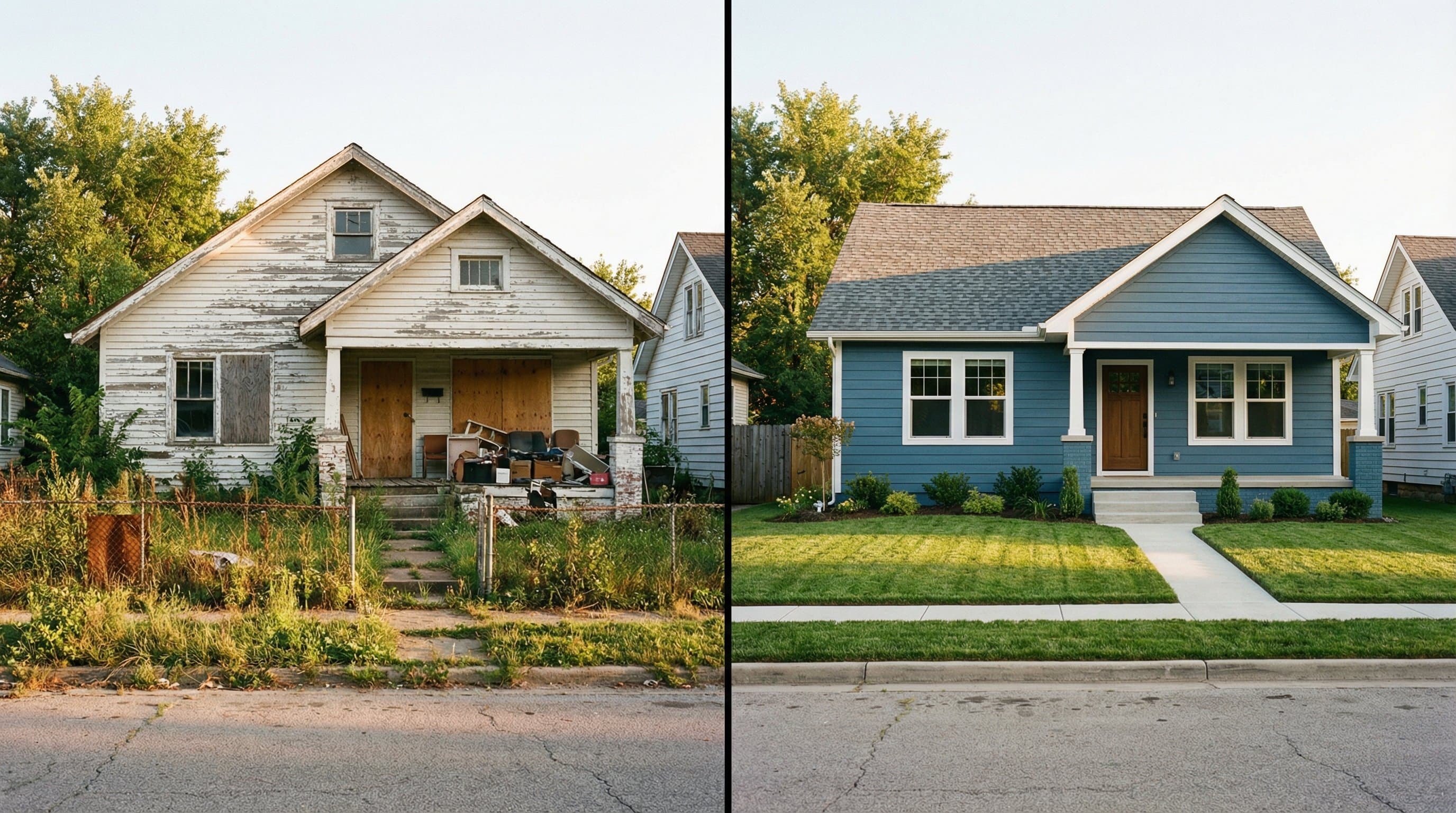
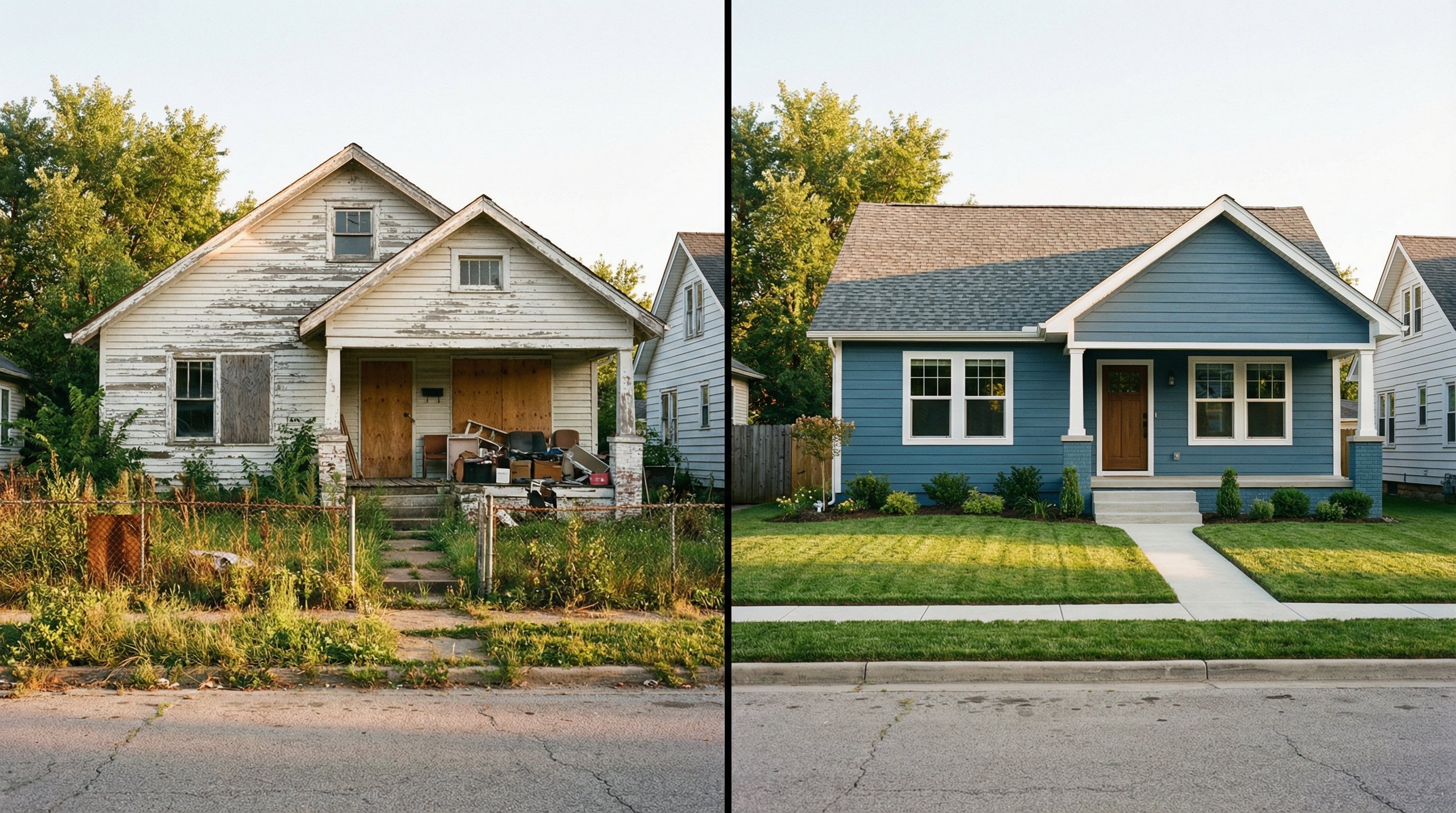
The BRRRR strategy exists specifically to solve that problem. It is a systematic loop: buy distressed, rehab to standard, rent for cash flow, refinance to pull out capital, then repeat with the same money. When it works, an investor cycles through multiple properties using the equity from the first deal alone. When it fails, it is almost always because the purchase price was wrong or the refinance math did not work.
What Makes a Property a Good BRRRR Candidate
Not every distressed property qualifies. The BRRRR math is unforgiving, and the most common mistake is paying retail price on a "distressed" property that is not actually discounted. A workable BRRRR property sells at a meaningful discount to comparable renovated properties in the same submarket, has an estimable repair scope, and is in a rental market where the rent covers the refinanced loan, taxes, insurance, and vacancy allowance.
Properties with distress signals are particularly well-suited for BRRRR investing because those signals create pricing pressure that generic listings do not. A homeowner facing a tax delinquency deadline or accumulating code violations is under pressure to decide, and that decision almost always benefits the buyer who arrives with cash or a short closing timeline. DistressIQ surfaces properties with verified distress signals across 3,200-plus counties, updated daily from county sources, so investors can filter by signal type, submarket comparables, and repair estimates before visiting a property.

Step 1: Buy at the Right Price
The standard BRRRR purchase formula targets 70 percent of after repair value, minus the full rehabilitation cost. That produces a purchase price that leaves approximately 30 percent equity immediately after renovations are complete. The refinance at 75 percent loan-to-value of the new ARV should cover the purchase price plus rehabilitation costs, assuming the numbers were calculated correctly before closing.
The critical variable is the after repair value estimate. This is not the current listing price. This is what the fully renovated property will be worth when it rents or sells. Investors who mistake current condition for finished value consistently overpay. A useful sanity check is working backward from the monthly rent: conventional lending standards treat a property as supportable if the monthly rent covers 125 percent of the monthly mortgage payment. Investors in the Sun Belt or Midwest often find stronger cash-on-cash returns because purchase prices are lower relative to rental income compared to coastal metros.
Step 2: Renovate to Local Rental Standards
The rehabilitation phase is where BRRRR deals succeed or fail in practice. A renovation that runs twenty thousand dollars over budget eliminates the equity cushion that made the deal viable. Experienced BRRRR investors build a fifteen to twenty percent contingency above the worst-case estimate and walk the property with a licensed contractor who provides a line-item bid before closing. Properties that appear cosmetic often have deferred maintenance in the mechanical systems, foundation, or roof that listing photos do not reveal.
The renovation scope should target what local renters expect, not what maximizes sale value. Upgraded finishes in a B-minus submarket generate the same rent as standard finishes and cost significantly more to install.
Free Weekly Alerts
See What's Distressed in Your Market
Get free weekly alerts — new distressed properties, motivation scores, and hot neighborhoods in your area. Addresses and contact info available inside DistressIQ.
Free forever · No credit card · Unsubscribe anytime
Step 3: Rent at Market Rate
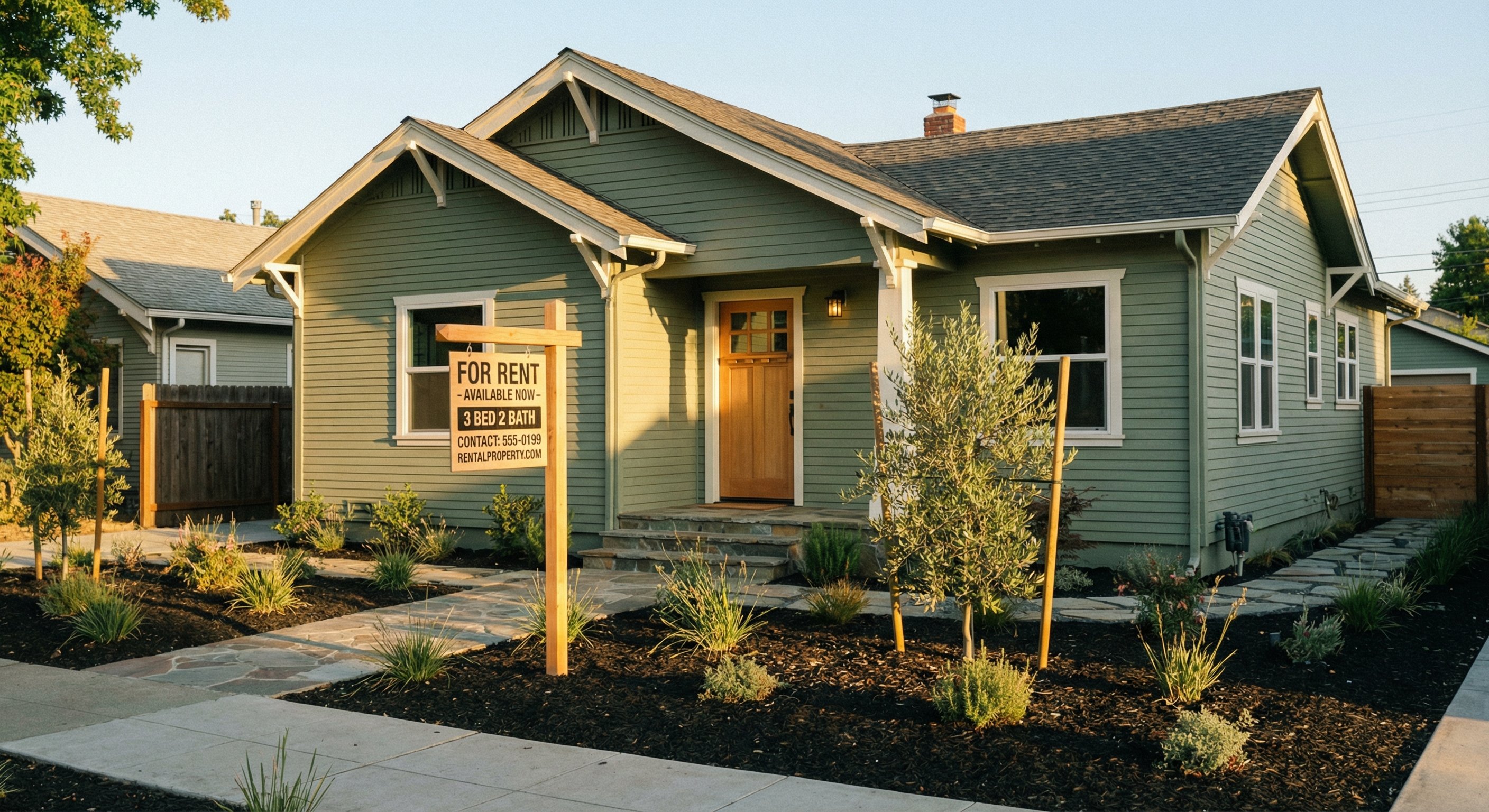
Setting the correct rental rate is one of the most overlooked steps in the BRRRR process. Investors who overprice their first rental will experience extended vacancy, which is disproportionately damaging to a deal that depends on cash flow to service the refinanced loan.
The correct rent is what the market will bear for a property of this condition, location, and bedroom count. Pull three to five comparable rental listings for the same zip code, verify they are currently available or recently leased, and set the rent within that range. The vacancy cost of a single month above market typically exceeds the additional rent collected over six months at an inflated rate.
Step 4: Refinance to Recover Capital
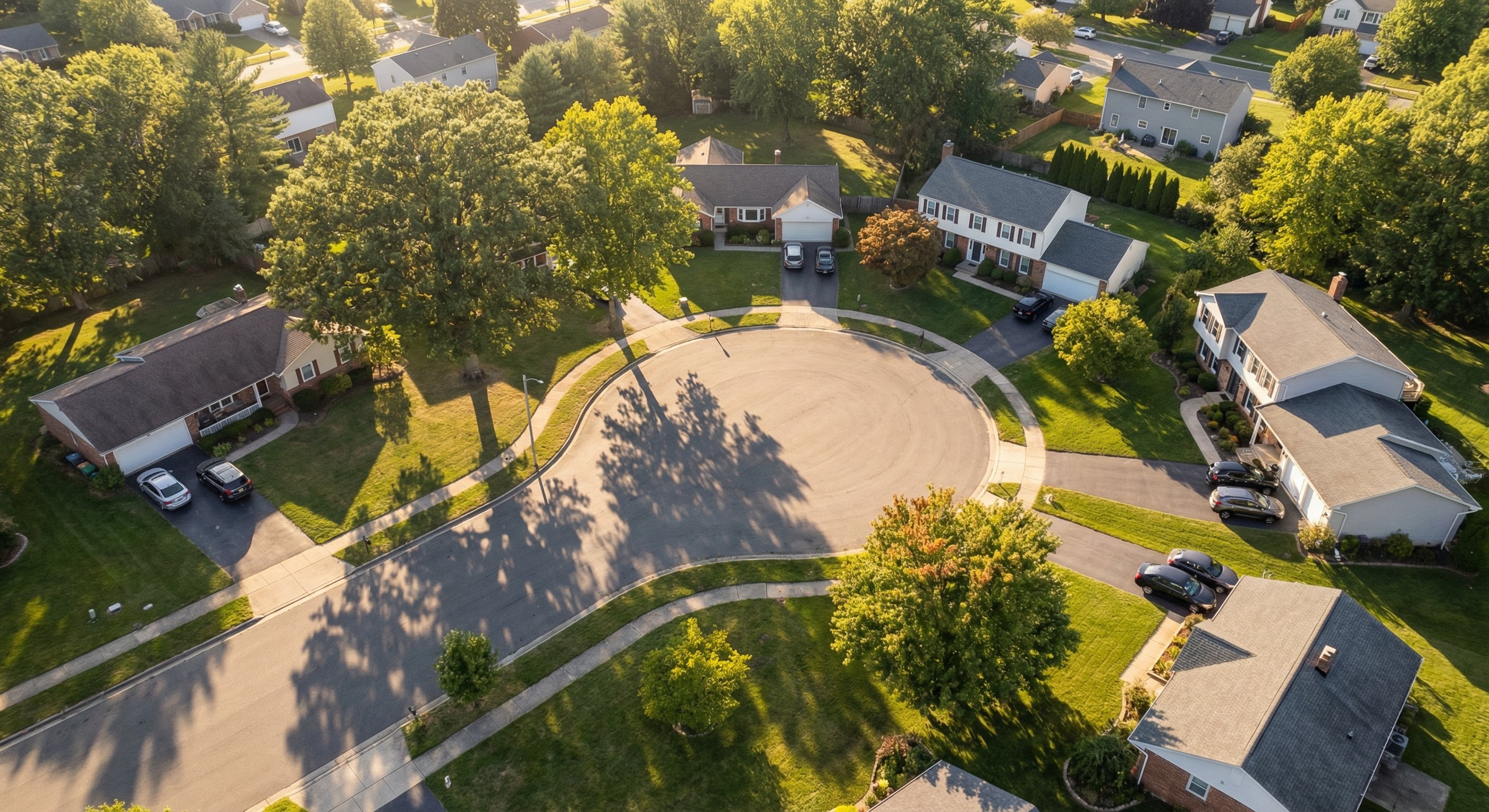
Once the property is renovated and rented, the refinance converts equity into usable capital. The standard BRRRR refinance brings the loan balance to seventy-five percent of the as-improved property value. Most conventional lenders require at least six months of documented rental history before approving a cash-out refi on an investment property, though portfolio lenders and local banks may move faster for borrowers with strong credit profiles.
The refinance closes the loop on the capital cycle. The investor recovers most or all of the original down payment and renovation funds, retains ownership of the income-producing property, and carries away cash to deploy on the next BRRRR deal. The key discipline is to resist pulling out more capital than the next deal requires. A refi that extracts too much equity leaves the investor with a higher loan balance and a thinner cash flow cushion.
Step 5: Repeat the Process
The Repeat step is where BRRRR transforms from a single deal into a wealth-building system. The capital recovered from the first refinance becomes the down payment for the second deal. Within five to seven cycles, an investor with moderate initial capital can own a meaningful portfolio of cash-flowing rental properties.
After the first one or two cycles, the limiting factor is rarely capital. It is deal flow: finding enough discounted distressed properties that meet the BRRRR math criteria. Investors who monitor distressed property signals across multiple counties simultaneously have a structural advantage over those relying on MLS listings or word-of-mouth referrals. The supply of distressed properties is continuous, but the window in which a motivated seller accepts a below-market offer is short. Investors who see the signals first are the ones who close.
Common BRRRR Mistakes and How to Avoid Them
The three mistakes that sink BRRRR deals most often are overpaying, underestimating repair costs, and ignoring the local rental market.
Overpaying is the most common error. Investors who negotiate emotionally rather than analytically will find themselves unable to refinance at a loan balance that recoups their capital. The purchase price is the single most important number in the entire calculation.
Underestimating repair costs is the second most common failure mode. Experienced BRRRR investors build a fifteen to twenty percent contingency above the worst-case estimate. Properties that have been neglected for years rarely reveal their full repair scope from a visual inspection alone.
Ignoring the local rental market is the third. Some properties simply will not rent for enough to cover the refinanced mortgage in a specific submarket. This is a market selection problem that must be solved before the purchase, not after.
The BRRRR Strategy vs. Traditional Buy and Hold
Traditional buy-and-hold investing calls for purchasing a property at or near market value, holding it long-term, and collecting monthly cash flow while benefiting from appreciation. That approach works well in appreciating markets and for investors with significant capital upfront.
The BRRRR strategy is designed for investors who want to scale faster using less of their own capital. It sacrifices some long-term appreciation upside in exchange for cycling capital through multiple properties. Neither strategy is universally superior. Investors with long time horizons and strong cash reserves may prefer traditional buy-and-hold. Investors who want to build a portfolio quickly or operate in markets with high rental demand relative to purchase prices will typically find the BRRRR approach more aligned with their goals.

Frequently Asked Questions
Q: How much capital is needed to start a BRRRR deal?
Most BRRRR investors plan for fifteen to twenty percent of the total project cost. This covers the down payment, closing costs, and a portion of the renovation budget. Hard money lenders typically finance sixty to seventy percent of the purchase price, while contractors may allow staged payments during the renovation phase. After the refinance closes, the investor recovers most of the initial capital and redeploys it for the next cycle.
Q: Can the BRRRR strategy use a VA loan or FHA loan?
The BRRRR strategy is generally associated with conventional financing because VA and FHA loans carry occupancy requirements that conflict with investment property intent. Some investors use a VA loan to purchase a primary residence, live in it for the required period, then convert it to a rental while using a cash-out refinance to fund the next BRRRR purchase.
Q: What happens if the property does not appraise at the refinanced amount?
Appraisal risk is the most common reason a BRRRR refinance does not produce the expected capital recovery. If the as-improved appraisal comes in below the projected ARV used in the original purchase analysis, the lender will only refinance based on the actual appraised value. Investors can reduce appraisal risk by choosing comparable properties carefully, using an appraiser who knows the submarket, and ensuring renovation documentation (permits, receipts, contractor bids) is complete and submitted before the inspection.
Q: How many properties can an investor finance using BRRRR?
Conventional conforming loans are capped at ten financed properties per borrower, including the primary residence. Investors who have reached that threshold need to move to portfolio lenders, commercial loan products, or private financing for additional BRRRR purchases. Many experienced BRRRR investors begin transitioning to commercial financing after their fifth to seventh property.
Q: Is the BRRRR strategy still viable in 2026 given current interest rates?
The BRRRR strategy remains viable in 2026, but the interest rate environment requires tighter deal analysis than the low-rate period of 2020 through 2022. Investors should calculate cash flow under the refinanced rate explicitly, rather than assuming historical cap rates. Markets with strong rental demand and lower purchase prices relative to rents continue to produce positive BRRRR math at current rates. Coastal markets with high purchase prices and modest rental yields may require a longer hold period or a larger down payment.
Q: How do investors find distressed properties suitable for BRRRR investing?
The most effective approach is to monitor multiple sources of distressed property signals simultaneously, including county tax sale lists, pre-foreclosure filings, probate court records, code violation registries, and vacant property records. Platforms that aggregate these signals across 3,200-plus counties and update them daily give investors the earliest possible view of motivated sellers before those properties reach the broader market. Investors who arrive early in the distress timeline typically negotiate better purchase prices than those who compete for properties already marketed for weeks.
Q: What is the difference between BRRRR and a standard fix-and-flip?
A fix-and-flip investor purchases a distressed property, renovates it, and sells it for a profit within six to twelve months. A BRRRR investor follows the same purchase and renovation process but exits by renting the property and refinancing rather than selling. The goal is long-term cash flow plus portfolio growth rather than a lump-sum profit on each deal. BRRRR investors accept a lower per-deal profit margin in exchange for building a recurring income stream that compounds over time.
The BRRRR strategy works. What makes it work is the discipline to apply it correctly on every cycle: buy at the right price, renovate to rental standard, rent at market rate, refinance to recover capital, then reinvest. Investors who build that discipline into their process will find that the system funds its own growth.
See how DistressIQ can surface BRRRR-eligible properties in your target markets, scored by distress signal intensity and rental comparables data: browse distressed properties on DistressIQ
The data behind this article
DistressIQ Monitors These Signals in Real Time
Pre-Foreclosures
NOD + NTS filings
Tax Delinquency
County treasurer records
Code Violations
Municipal inspection filings
Probate Filings
Superior Court records
Every lead is scored 0–100 for seller motivation based on signal type, duration, severity, and stacking. Nationwide coverage — every US county, updated daily.
Ready to find deals in your market?
See Live Distress Signals in Your County
Stop calling dead leads. Every lead in DistressIQ is scored 0–100 for seller motivation, with verified contact info included. Browse the free tier to see what's active in your market right now.
Browse Free Leads — No Credit Card