Best Wholesale Real Estate Software 2026: What Investors Actually Need
Best Wholesale Real Estate Software 2026: What Investors Actually Need
TL;DR: The best wholesale real estate software does more than list properties. It finds off-market distressed properties, verifies county assessor data, manages a deal pipeline, and surfaces motivated sellers before competitors do. Platforms built for agents miss 90% of distressed inventory. Investors need county-verified data across multiple signal types, integrated contact records, and pipeline tools in one system. DistressIQ covers 31 signal types across 3,200+ counties, with plans starting at $89 for founding members.

The Problem With Generic Real Estate Software
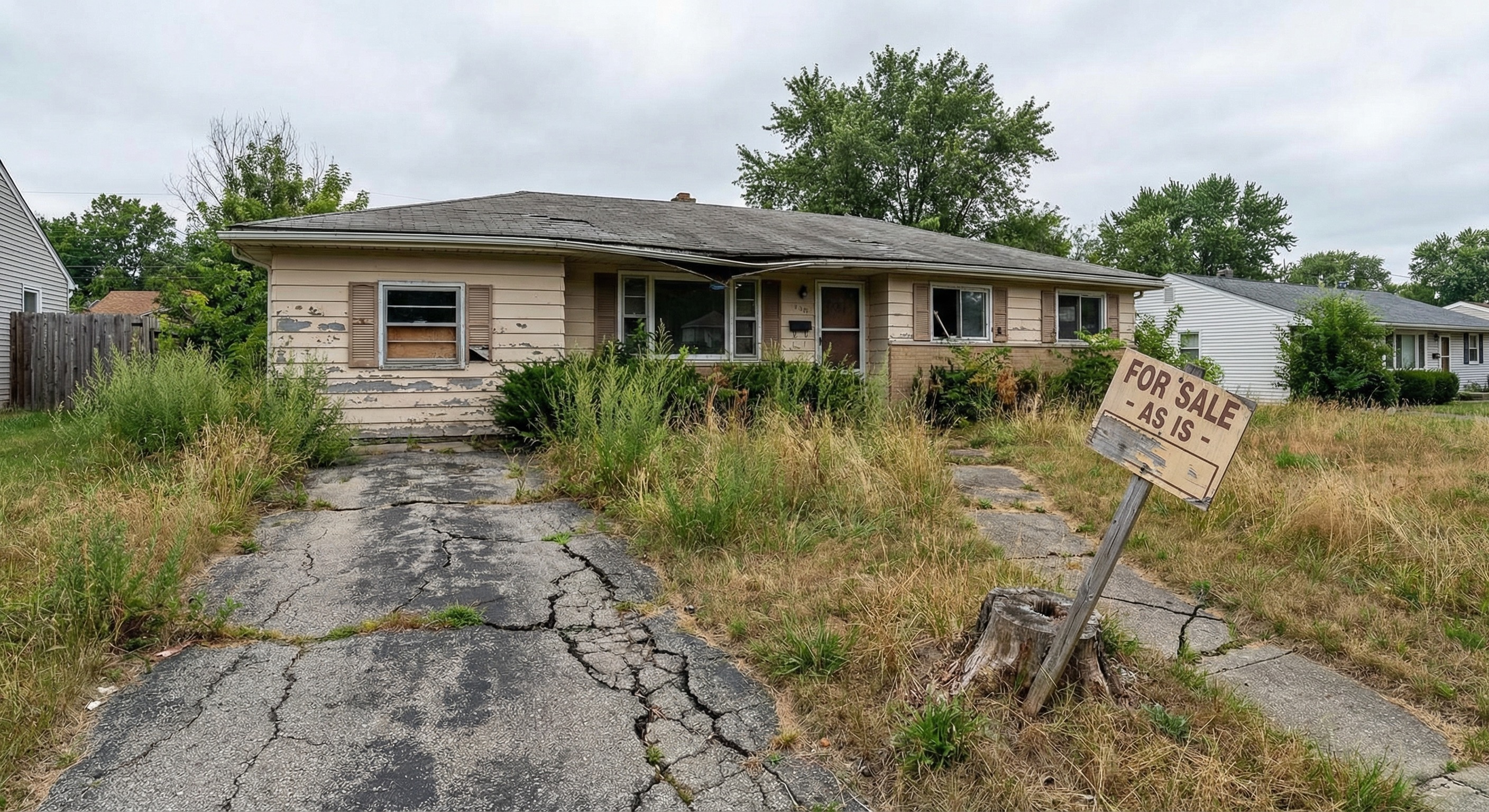
Most wholesale real estate investors start with free tools: Zillow, county recorder websites, public record searches. These platforms were not built for wholesale deal sourcing. They surface listed properties, not off-market opportunities. The gap is enormous. Industry data suggests fewer than 5% of distressed properties ever appear on MLS before a wholesale deal is signed.
Wholesalers who rely on generic platforms pay for multiple subscriptions and still miss the bulk of distressed inventory. A typical investor might have a CRM subscription, a skip tracing service, a lead list provider, and a county records account. Managing four or five tools while trying to source deals is a workflow problem that software should solve, not create.
The five questions below cut through the noise. They identify what wholesale real estate software must actually do in 2026.
Five Questions to Ask Before Paying for Wholesale Software
1. Does the Platform Surface Off-Market Distressed Properties?
Generic MLS-based platforms display listed inventory. Wholesale real estate software must find properties before they reach the market. That means searching across multiple distress signal types: pre-foreclosure filings, sheriff sale announcements, tax delinquent records, probate court filings, lis pendens, code violation notices, and vacant property registrations.
Most budget tools pull from one or two public sources. Sophisticated investors use platforms that aggregate across dozens of signal types. The wider the coverage, the more deals surface before competitors find them.
2. Does the Platform Verify Data Against County Assessor Records?
Property records from county assessor offices are more reliable than MLS listings for distressed properties. MLS data frequently shows outdated information for properties that have deteriorated significantly. County assessor records include assessed value, lot dimensions, owner names, tax payment history, and liens.
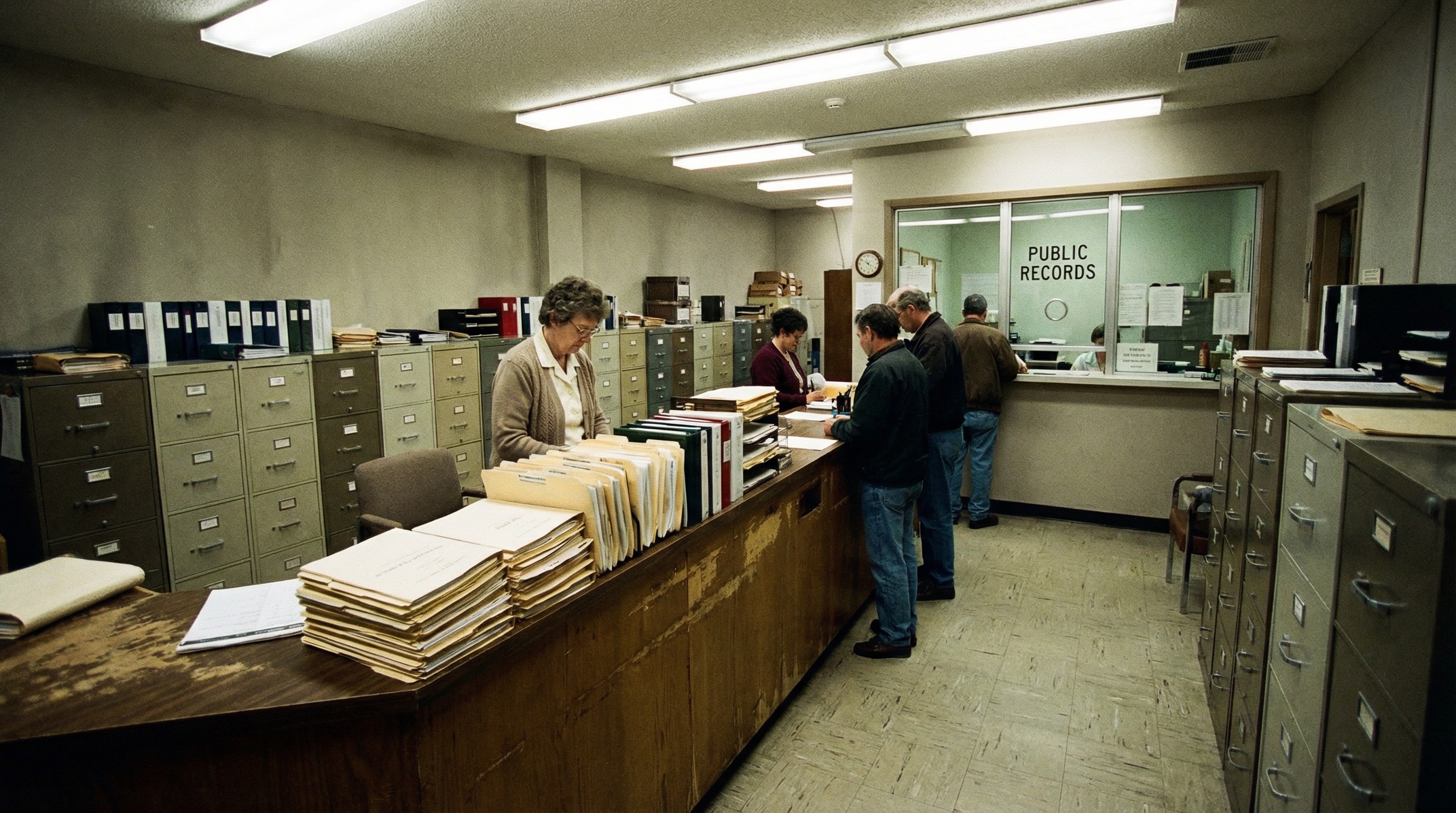
Wholesale software that integrates county assessor data lets investors confirm property details without making a site visit first. Accurate square footage and lot size matter for calculating after-repair value, especially when comparable sales are limited. Platforms that rely solely on MLS data leave investors working with incomplete pictures.
3. Does the Software Include a Deal Pipeline?
Finding leads is only half the workflow. Investors also need to track which properties have been contacted, which owners are responsive, which deals are under contract, and which have closed. Some wholesale software includes built-in pipeline management. Other platforms focus purely on lead generation and require a separate CRM subscription.
Pipeline tools built for real estate investors handle deal stages specific to wholesaling: identify, contact, site visit, offer, under contract, closed. Investors who use a separate CRM alongside their lead platform spend time syncing data rather than sourcing deals.
4. Does the Platform Handle Contact Information and Skip Tracing?
Most lead lists include a property address but no owner contact information. Wholesale real estate software should connect property records to mailing addresses, phone numbers, and email records. This is called skip tracing. Some platforms include skip tracing data directly. Others require a separate service.
When contact information is built in, investors can move from property identification to outreach without switching tools. When it is not, the workflow breaks at the exact moment it matters most: making first contact with a motivated seller.
5. What Is the Real Monthly Cost at Scale?
Subscription pricing for wholesale real estate software ranges from free tiers to several hundred dollars per month. The real cost becomes apparent when an investor begins running five, ten, or twenty county searches per week. Price per search, price per export, and caps on saved searches all affect long-term costs more than the headline monthly rate.
Founding member pricing at DistressIQ offers 30% off standard rates: Starter at $89 per month, Pro at $174 per month, and Elite at $349 per month. Standard rates for these tiers are $129, $249, and $499, respectively.
What the Best Wholesale Software Delivers in Practice
The platforms that perform best for wholesale real estate investors share a common foundation: they treat distressed property identification as the primary function, not a secondary feature.

DistressIQ was built for this specific workflow. The platform aggregates 31 distress signal types across 3,200+ counties and presents them in a single interface. A county assessor data layer verifies property details directly from county records, eliminating the gap between what a platform shows and what the county actually has on file.
For deal pipeline management, DistressIQ includes built-in tracking that moves properties through standard wholesale stages. Investors who previously paid for a separate CRM find that a single platform handles the full workflow.
Skip tracing data integrates directly into property records. Owner names, mailing addresses, and contact information appear alongside property details. Investors do not need a separate subscription to reach a motivated seller.
Free Weekly Alerts
See What's Distressed in Your Market
Get free weekly alerts — new distressed properties, motivation scores, and hot neighborhoods in your area. Addresses and contact info available inside DistressIQ.
Free forever · No credit card · Unsubscribe anytime
How to Evaluate Wholesale Software for Your Market
No platform covers every county equally. Investors should evaluate wholesale real estate software using a three-step process:
Step one: Identify the target market by county. Not every county has the same distress signal volume. Some counties publish tax sale lists weekly. Others publish probate filings monthly. Understanding the local filing rhythm determines which signal types matter most.
Step two: Test signal type coverage for the target county. Run a search using the platform under evaluation. Count how many signal types are available for that specific county. If the platform covers only two or three signal types where five or six exist, the coverage is incomplete.
Step three: Verify county data accuracy. Pull a property record from the platform and cross-reference it against the county assessor website directly. If the platform's data is outdated or missing fields, the platform is not pulling from county sources in real time.
Common Mistakes Investors Make When Choosing Wholesale Software
Assuming MLS covers distressed inventory. Fewer than 5% of distressed properties appear on MLS before a deal closes. MLS-based searches miss the vast majority of wholesale opportunities. Investors who rely on MLS platforms compete with every other buyer in the market for the same thin inventory slice.
Paying for signal types that do not exist in the target county. Some platforms bundle signal types that are not relevant in certain markets. A tax lien platform is useless in a tax deed state. A lis pendens tracker is irrelevant in a non-judicial foreclosure state. Investors should match platform signal coverage to their target market.
Using separate tools for lead generation and CRM. Every time data moves between platforms, information gets lost. Investors who use one tool for leads and another for pipeline management spend hours each week reconciling records. A unified system eliminates this overhead.
Ignoring county assessor integration. Square footage, lot size, and assessed value affect after-repair value calculations. Platforms that rely on MLS data for these fields often show inaccurate information for distressed properties. County assessor data is the authoritative source.

Frequently Asked Questions
Q: What is the best wholesale real estate software for finding off-market deals?
The best wholesale real estate software aggregates multiple distress signal types across the investor's target counties, verifies property data against county assessor records, and includes pipeline tools so the full workflow stays in one system. Platforms built for agents or general consumers miss most off-market distressed inventory. DistressIQ covers 31 signal types across 3,200+ counties with county-verified data.
Q: How much does wholesale real estate software cost?
Most platforms charge monthly subscription fees ranging from free to $500 or more per month. The actual cost depends on the number of searches, exports, and saved leads. DistressIQ offers founding member pricing at $89 per month for Starter, $174 per month for Pro, and $349 per month for Elite.
Q: Do I need a separate CRM if I use wholesale software?
It depends on the platform. Some wholesale software includes built-in pipeline management. Others focus purely on lead generation and require a separate CRM. DistressIQ includes pipeline tools that move properties through standard wholesale stages, eliminating the need for a separate CRM subscription for most investors.
Q: Can wholesale software replace county recorder websites?
Wholesale software aggregates data from multiple county and court sources in one interface. For investors working across multiple counties, this is significantly faster than visiting each county recorder website individually. County recorder websites remain the authoritative source for any specific record, but wholesale software surfaces opportunities across jurisdictions more efficiently.
Q: What signal types matter most for wholesale real estate?
The most relevant signal types for wholesale deals are pre-foreclosure filings, sheriff sale records, tax delinquent property lists, probate court filings, lis pendens records, and code violation notices. Signal importance varies by market. Some counties generate high volumes of tax sale properties. Others produce more probate or pre-foreclosure filings.
Q: How do I evaluate whether a platform has good county coverage?
Run a search for a specific county the investor is targeting. Count how many signal types the platform returns for that county. Cross-reference a property record from the platform against the county assessor website directly. If the platform's data is inaccurate or missing fields, the platform is not pulling from authoritative county sources.
Q: Is DistressIQ worth it for new investors?
DistressIQ is worth it for investors who need off-market distressed property data and do not have the time to build a custom aggregation system across county recorders and court websites. The founding member pricing at $89 per month for Starter tier is competitive with other lead generation tools. Investors who plan to work across multiple counties benefit most from the platform's aggregated county coverage.
Key Takeaways
The best wholesale real estate software solves the off-market problem. MLS platforms miss the majority of distressed properties that become wholesale deals. Investors need platforms that pull from multiple signal types, verify data against county assessor records, and include pipeline management in a single system.
The real cost of wholesale software is not the monthly subscription. It is the cost of missed deals. Investors who rely on incomplete data spend months pursuing properties that are not viable, while better-sourced deals go to competitors with better data.
Start evaluating wholesale software by testing signal coverage for a specific county, verifying county data accuracy, and measuring whether the platform eliminates or adds to the number of tools required in the workflow. A platform that requires three additional subscriptions to function is not solving the workflow problem.
Explore DistressIQ and see whether the coverage matches the target market at distressiq.ai.
The data behind this article
DistressIQ Monitors These Signals in Real Time
Pre-Foreclosures
NOD + NTS filings
Tax Delinquency
County treasurer records
Code Violations
Municipal inspection filings
Probate Filings
Superior Court records
Every lead is scored 0–100 for seller motivation based on signal type, duration, severity, and stacking. Nationwide coverage — every US county, updated daily.
Ready to find deals in your market?
See Live Distress Signals in Your County
Stop calling dead leads. Every lead in DistressIQ is scored 0–100 for seller motivation, with verified contact info included. Browse the free tier to see what's active in your market right now.
Browse Free Leads — No Credit Card