Absentee Owner List Texas: Where the Best Opportunities Actually Are
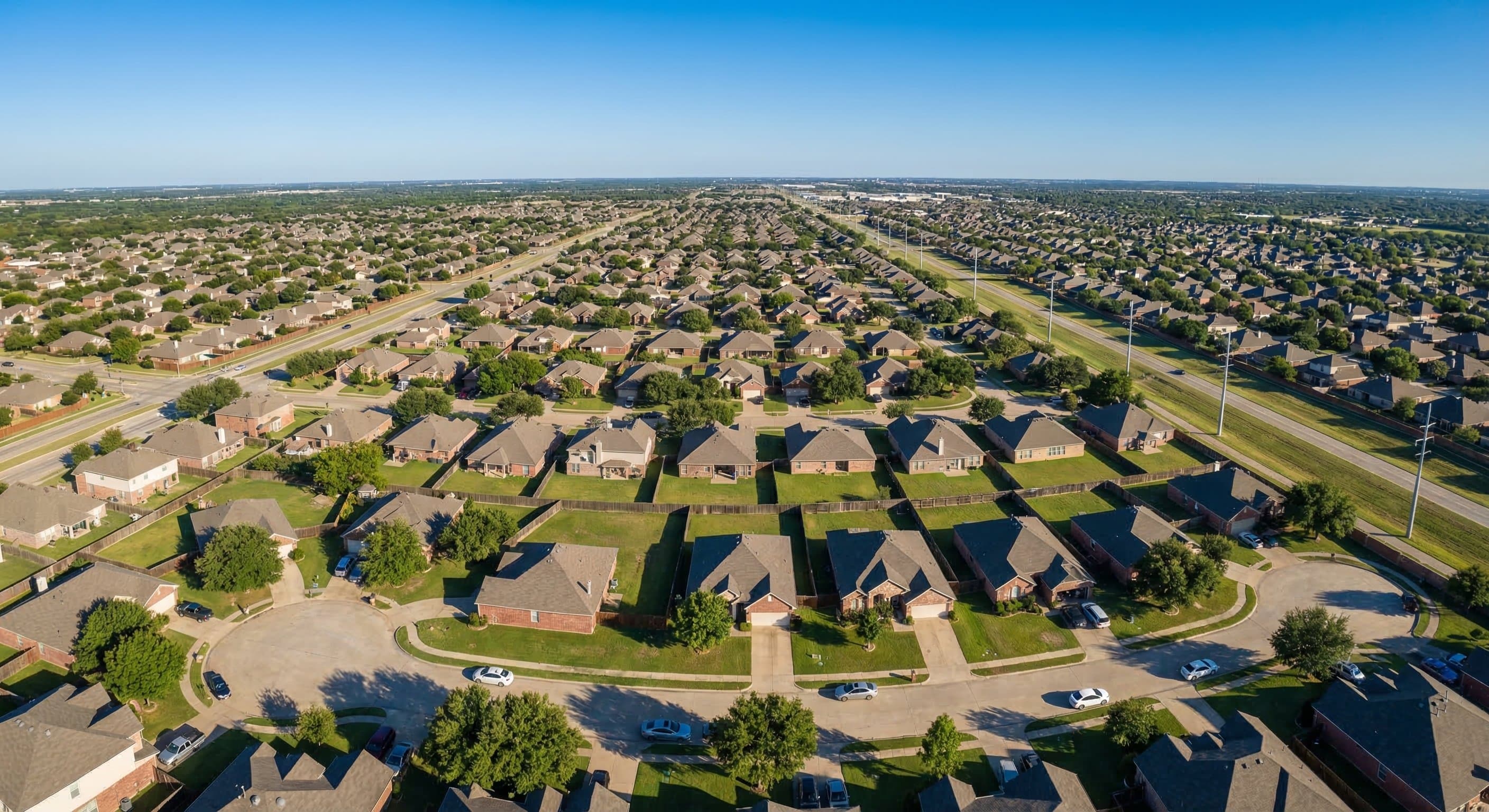
Absentee Owner List Texas: Where the Best Opportunities Actually Are
TL;DR: Texas has one of the largest concentrations of absentee rental property owners in the US, driven by decades of investor migration to affordable metros like Houston, Dallas, and San Antonio. Absentee owners — those who don't live at the property they own — are frequently motivated sellers, especially when high Texas property taxes, deferred maintenance, or long-distance management fatigue sets in. This guide covers where to find absentee owners in Texas, which counties hold the highest concentrations, and how stacking absentee signals with other distress data surfaces the most motivated leads.
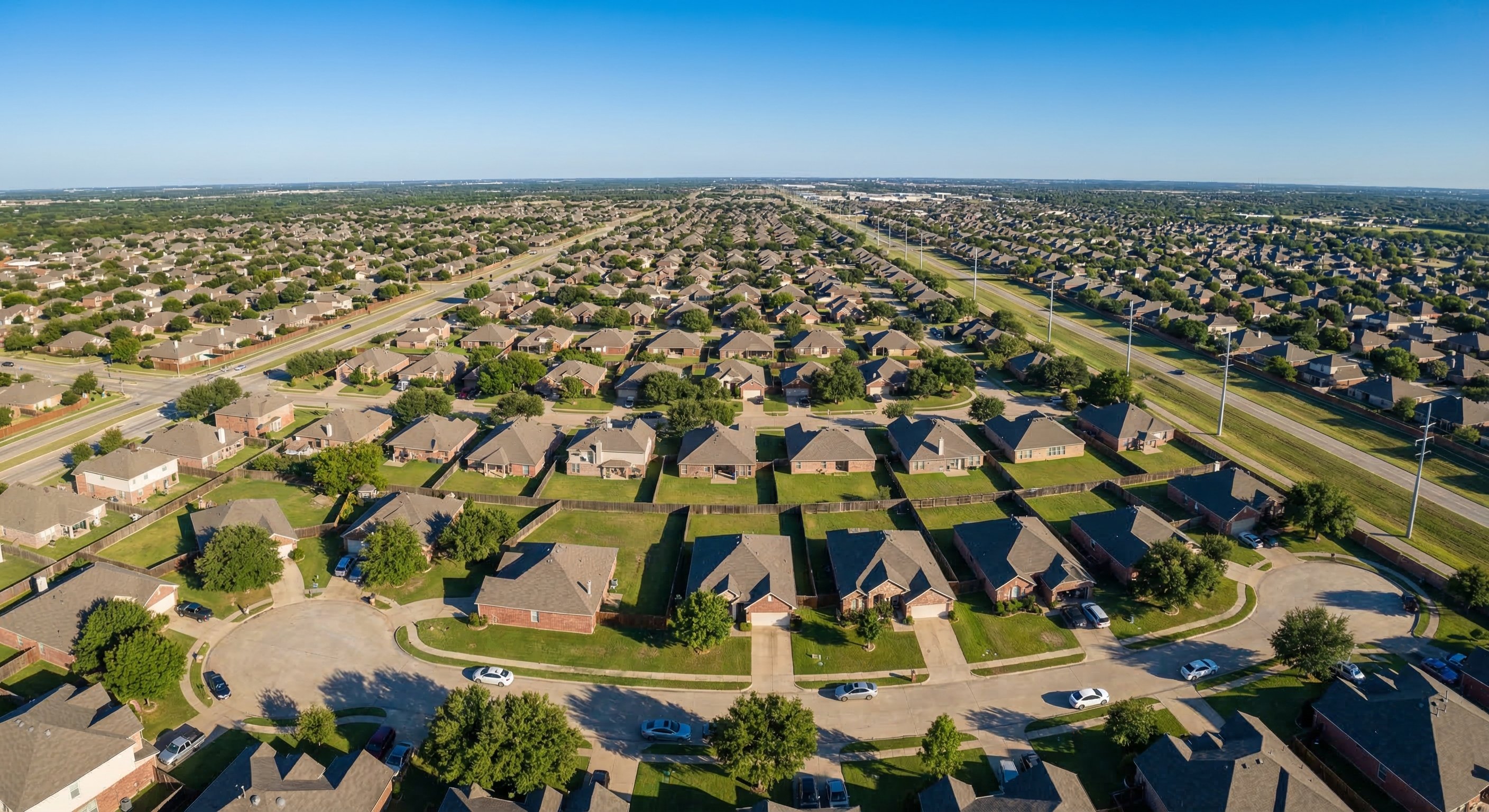
Texas has one of the highest effective property tax rates in the country — hovering around 1.60–2.50% of assessed value depending on the county. For an absentee landlord holding a $250,000 rental in Dallas, that's $4,000–$6,250 per year in property taxes alone, before insurance, maintenance, and vacancy costs.
That math motivates sellers.
What Is an Absentee Owner in Texas?
An absentee owner is someone whose mailing address doesn't match their property's address. In Texas, this typically means one of three scenarios:
- Out-of-state investors who bought Texas rental properties during the 2012–2022 run-up and now manage from California, New York, or Illinois
- Local landlords who moved to a new primary residence but kept their old home as a rental — living across town instead of across the country
- Inherited properties where heirs live elsewhere but haven't sold, or can't agree to
All three profiles carry different motivations, but the common thread is distance from the property. And distance breeds detachment — which often leads to deals.
The term is sometimes conflated with "non-owner-occupied," but they're not identical. A Houston landlord who lives two miles from their rental is non-owner-occupied but not truly absentee. The leads worth chasing are the ones managing from states away — or the ones who haven't seen their Texas property in 18 months.
Why Texas Has Unusually High Absentee Owner Concentrations
Texas is one of the most investor-friendly states in the country. No state income tax, relatively strong eviction statutes, and explosive population growth throughout the 2010s made it the go-to destination for out-of-state investors buying single-family rentals at scale.
Between 2012 and 2022, institutional and individual investors flooded Houston, Dallas-Fort Worth, San Antonio, and Austin — purchasing homes as rentals with the expectation of both cash flow and appreciation. Many of those out-of-state buyers have now held the properties for 10+ years.
Meanwhile, Texas property taxes have climbed substantially. The Tax Foundation consistently ranks Texas among the top five states for property tax burden. That's combined with surging insurance premiums post-2021 and maintenance costs on aging stock — and it's squeezing cash flow on older rentals to the point where absentee landlords are asking if holding still makes sense.
According to US Census Bureau data, Texas had approximately 2.3 million renter-occupied housing units as of the 2020 census — one of the largest renter pools in the country. A significant portion of those units are owned by absentee landlords. The Texas Real Estate Research Center at Texas A&M tracks investor activity and consistently shows out-of-state ownership at elevated levels compared to the national average.
The Best Counties for Absentee Owner Leads in Texas
Not all Texas counties are equal. Investor activity — and therefore absentee ownership — is heavily concentrated in the major metros and a handful of secondary markets.
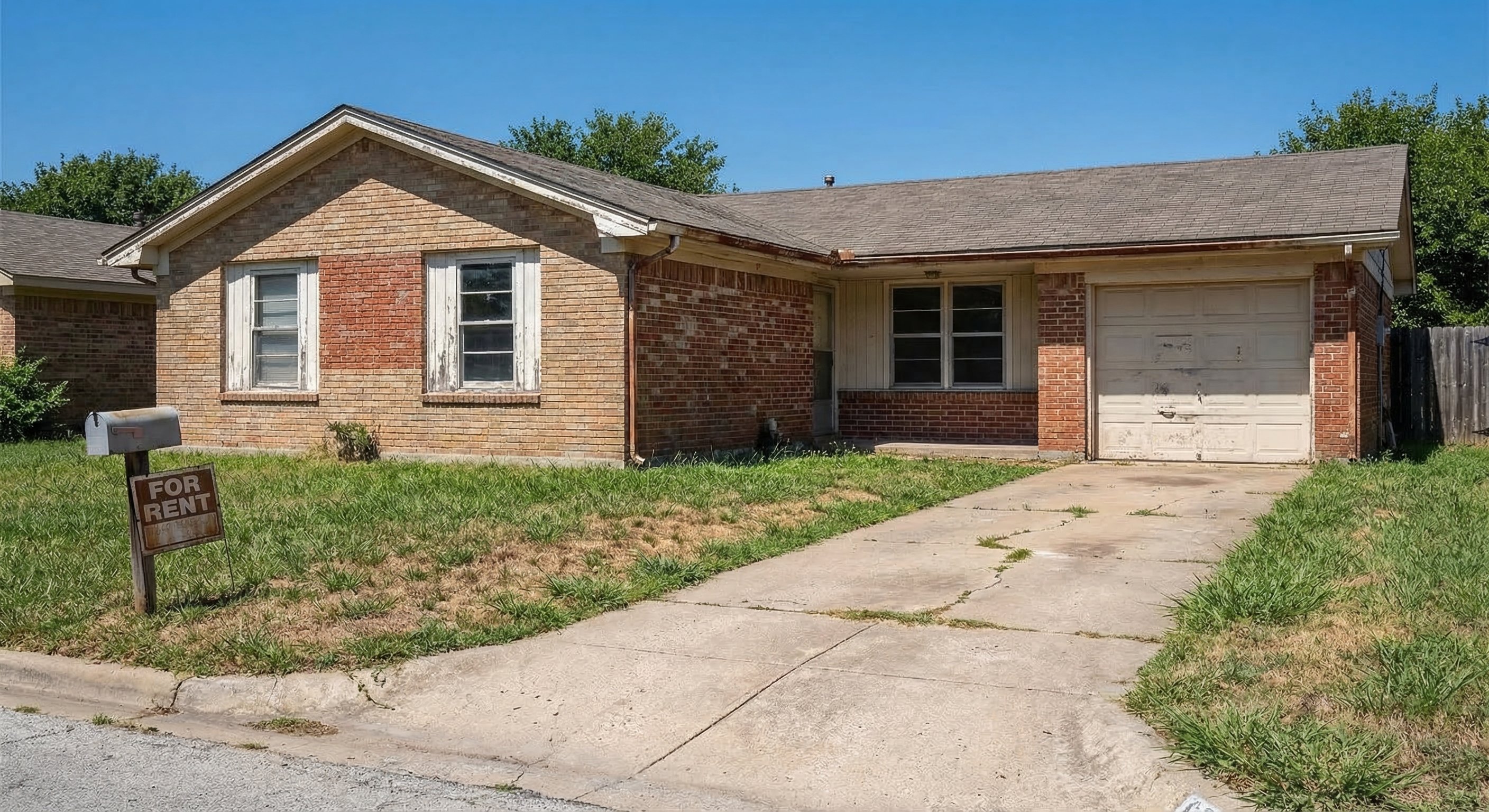
Harris County (Houston)
The largest county in Texas by population, Harris County has one of the highest absolute counts of absentee-owned rental properties in the state. Houston's historically affordable housing attracted wave after wave of out-of-state investor capital, particularly after Hurricane Harvey (2017) when distressed inventory created buying opportunities at scale.
Absentee owners here are often California or New York-based investors who bought 3–5 single-family rentals during the 2018–2021 cycle. Many are now watching cash flow compress as insurance premiums and property taxes have risen sharply post-2022. The shift from cash-flowing to cash-negative is one of the most reliable triggers for seller motivation in this market.
Dallas County and Tarrant County (DFW Metroplex)
The DFW metro is the most active wholesale and flip market in Texas. Tarrant County (the Fort Worth side) has high density of older SFR rentals — many owned by out-of-state investors or local landlords who relocated to suburbs. Dallas County's inner-ring neighborhoods — Oak Cliff, South Dallas, Pleasant Grove, East Dallas — carry high concentrations of absentee-owned properties with deferred maintenance that shows in the county violation records.
Collin and Denton counties, the northern DFW suburbs, also hold significant absentee inventory where quick-flip investors from 2019–2021 held properties that didn't sell and pivoted to rentals.
Bexar County (San Antonio)
San Antonio's lower price points relative to Austin or Dallas drew budget-conscious investors seeking cash flow over appreciation. Multiple military bases create a built-in renter pool, but also mean frequent turnover. Absentee landlords managing from out of state often find San Antonio properties — especially in older neighborhoods like Eastside and South SA — harder to maintain remotely, and code violations accumulate quickly.
Travis and Williamson Counties (Austin Metro)
Austin's appreciation explosion from 2018–2022 created a cohort of accidental landlords — homeowners who left Austin for suburbs or other states and rented out their homes rather than selling at what looked like the top. Now, with values softening and property taxes near historic highs, many of those landlords are reconsidering. Travis County absentee owners often have the highest equity in the state — which means flexible terms matter more than deep discounts.
Secondary Markets: El Paso, Lubbock, Rio Grande Valley
These markets have lower prices and meaningful absentee ownership from Texas-based investors who bought cheap and manage from Houston or Dallas. El Paso has a unique dynamic — many properties are owned by former residents who moved to New Mexico or Arizona. The Rio Grande Valley (Hidalgo, Cameron, Webb counties) has significant cross-border ownership patterns worth understanding.
Free Weekly Alerts
See What's Distressed in Your Market
Get free weekly alerts — new distressed properties, motivation scores, and hot neighborhoods in your area. Addresses and contact info available inside DistressIQ.
Free forever · No credit card · Unsubscribe anytime
How to Build a Texas Absentee Owner List
County Appraisal Districts (The Source Data)
Texas makes property data more publicly accessible than most states. Every county has a Central Appraisal District (CAD) that maintains owner mailing address records. The key signal: when an owner's mailing address doesn't match the property's situs address, you're looking at a potential absentee owner.
Major Texas CADs with searchable online portals include HCAD.org (Harris), DallasCad.org (Dallas), TAD.org (Tarrant), BCAD.org (Bexar), and TravisCAD.org. Texas has 254 counties — and every one of them maintains this data, though quality and search functionality varies widely.
Manual searching works for small, targeted lists. It doesn't scale across markets, and it doesn't tell you which absentee owners are motivated right now.
Stacking Signals to Find Motivated Absentee Owners
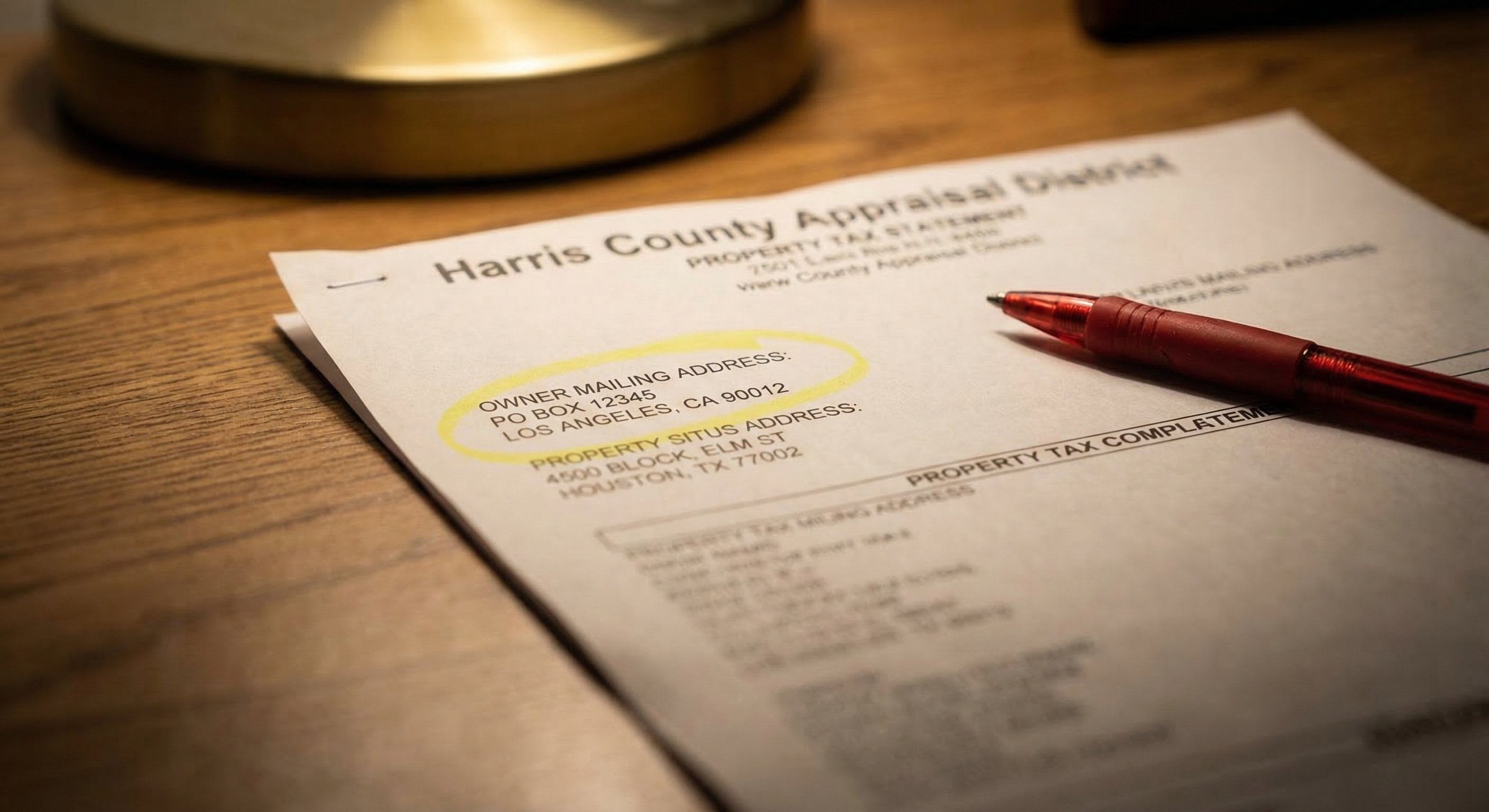
Absentee status alone isn't motivation. The savviest investors in the state stack absentee ownership with additional distress signals:
- Absentee + tax delinquent: An out-of-state owner falling behind on Texas property taxes is under real financial pressure. Texas can initiate the tax sale process once delinquency accumulates, and the threat alone moves sellers to action.
- Absentee + code violations: When a city issues violations on a property managed from 1,500 miles away, the owner faces escalating fines they often can't monitor or respond to quickly. Dallas, Houston, and San Antonio all have active code enforcement programs.
- Absentee + long hold with equity: Owners who bought pre-2018 in major Texas metros have 40–80%+ equity positions. Many just need the right conversation to convert that equity into a sale.
- Absentee + probate filing: When a Texas property passes through probate and heirs live out of state, you're looking at a classic motivated seller scenario — emotional distance plus financial pressure.
This is the difference between a spreadsheet of addresses and a qualified lead list. A basic absentee owner mailing list puts you in competition with every other investor blasting the same addresses. Signal-stacked leads — absentee owners also facing tax delinquency, code violations, or probate — are the ones where calls actually convert.
You can explore Texas absentee owner leads stacked against 31 other distress signals at distressiq.ai/blog/how-to-find-absentee-owners or browse the underlying data patterns in distressiq.ai/blog/tax-delinquent-properties-texas.
Want Texas absentee owner leads stacked with distress signals? DistressIQ layers 31 signal types — absentee status, tax delinquency, code violations, probate filings, and more — across 3,200+ counties. See what's available in your Texas target market at distressiq.ai. Founding member pricing: Starter $89, Pro $174, Elite $349/mo — fewer than 50 spots remaining.
Common Mistakes When Working Absentee Owner Leads in Texas
Treating absentee status as motivation. Out-of-state ownership alone doesn't mean someone wants to sell. A California investor with a fully-occupied, cash-flowing Dallas rental is happy — not motivated. Focus on absentee owners with additional signals.
Using outdated mailing address data. Texas CAD records update annually, but some data services sell lists built on data that's 18–24 months old. Owner mailing addresses change — investors move, estates get settled, corporate owners change registered addresses. Stale data means returned mail and wasted campaign spend.
One-touch outreach. Absentee owners in major Texas markets are often being contacted by multiple investors simultaneously. A single mailer gets lost. Industry data suggests real estate direct mail typically requires 5–7 touches before generating meaningful response rates. Plan campaigns with follow-up sequences, not single drops.
Ignoring the equity equation. Texas property owners who bought before 2020 in major metros often have 40–80% equity positions. That changes the conversation — they're making an ROI decision, not responding to financial distress. Come with an offer that competes on terms (speed, certainty, no repairs required) rather than price alone.
Texas Absentee Owner Strategy by Investor Profile
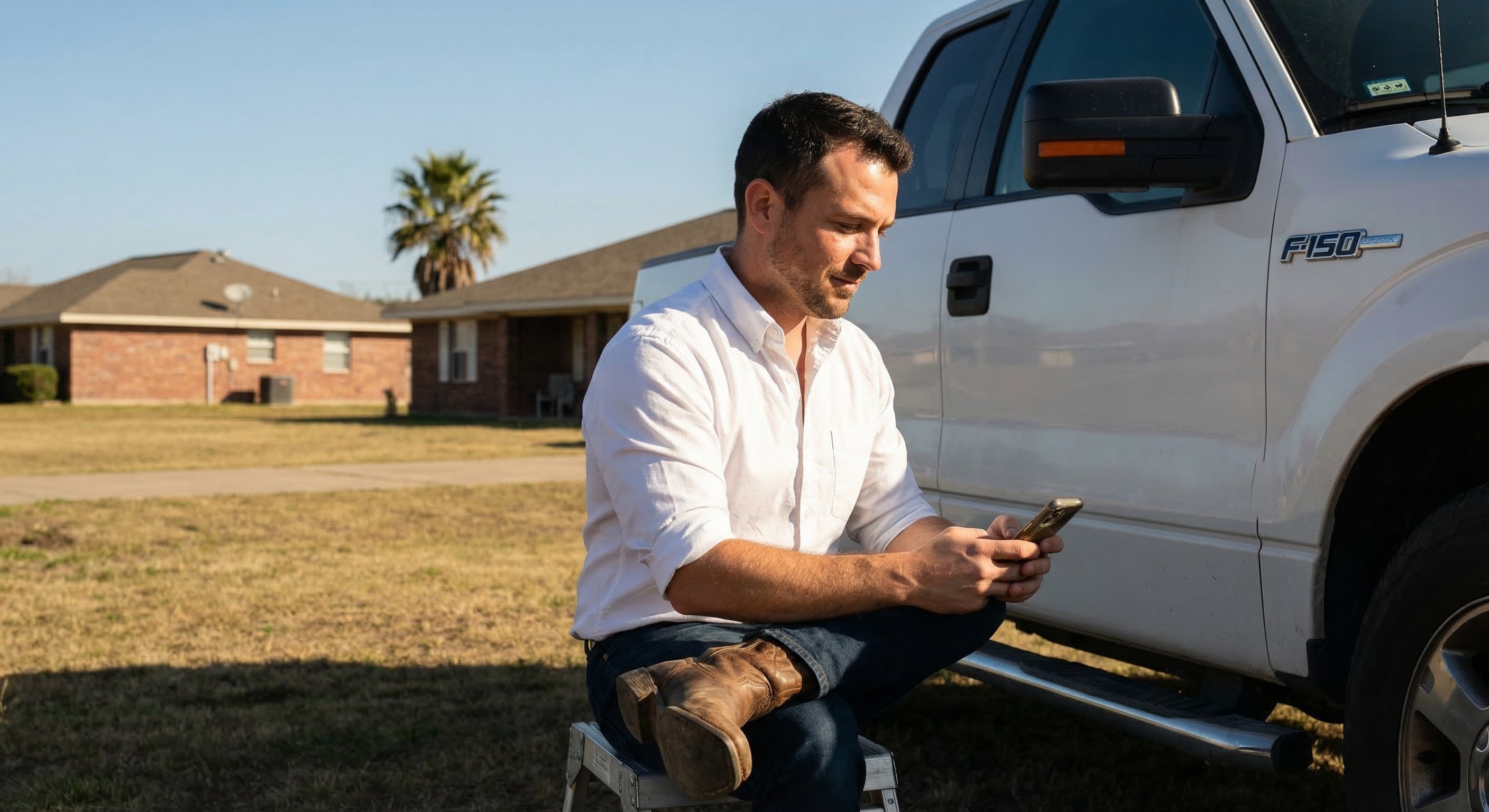
Wholesalers should focus on absentee + tax delinquent + code violations. Those three signals stacked equals maximum motivation. Target Harris, Dallas, and Bexar counties first for volume — the deal count in those markets absorbs wholesale activity better than smaller counties.
Fix-and-flippers should look for absentee + long hold + neighborhood appreciation. The best deals are properties held since 2005–2015 with deferred maintenance in gentrifying or transitioning submarkets. Inner-ring Dallas and Houston neighborhoods consistently fit this profile.
Buy-and-hold investors should target what the industry calls "tired landlords" — long hold, well-located properties, but showing management fatigue (missed inspections, code violations, behind on insurance renewals). These owners want a clean exit. Structured offers with a fast close and no inspection contingencies close at higher rates than standard purchase agreements.
Key Takeaways
- Texas has one of the largest absentee landlord populations in the US, driven by years of investor migration to major metros
- High effective property tax rates (1.6–2.5%) are squeezing cash flow and creating seller motivation, especially on properties bought pre-2020
- Harris, Dallas/Tarrant, Bexar, and Travis counties hold the highest absolute concentrations of absentee owners
- Absentee status alone is not a motivation signal — stack it with tax delinquency, code violations, or equity indicators for actionable leads
- County appraisal districts (CADs) are the source data for Texas absentee owner lists, but scaling across 254 counties requires aggregated, frequently refreshed data
- Signal-stacked absentee leads convert at significantly higher rates than single-signal lists
Frequently Asked Questions
Q: What is an absentee owner in Texas?
An absentee owner is a property owner whose mailing address does not match their property's address. In Texas, this typically includes out-of-state investors, local landlords who moved to a new primary residence and kept their former home as a rental, and heirs who inherited property and live elsewhere. Texas absentee owners are most concentrated in Harris, Dallas, Tarrant, Bexar, and Travis counties, where investor activity has been highest over the past decade.
Q: How do I find absentee owner lists in Texas?
Each Texas county maintains a Central Appraisal District (CAD) with publicly searchable property records that include owner mailing addresses. Comparing owner mailing addresses to property situs addresses identifies absentee owners. Major CAD portals include HCAD.org (Harris County), DallasCad.org, TAD.org (Tarrant), BCAD.org (Bexar), and TravisCAD.org (Travis). Platforms like DistressIQ aggregate this data across all 3,200+ counties and layer it with additional distress signals at scale.
Q: Are Texas absentee owner lists public record?
Yes. Texas Central Appraisal Districts maintain owner records — including mailing addresses — as public records accessible through each county's online property search portal. Texas is more transparent than most states in this regard. The challenge isn't access; it's aggregating meaningfully across 254 counties and identifying which absentee owners are currently motivated to sell.
Q: What's the difference between an absentee owner and a non-owner-occupied property in Texas?
All absentee owners have non-owner-occupied properties, but not all non-owner-occupied properties have absentee owners. A local investor who lives in Houston and owns a rental two miles away is non-owner-occupied but not truly absentee. In the investor sense, "absentee owner" typically refers to owners with significant geographic distance — out-of-state mailing addresses, or at minimum a different metro area. True absentee owners are harder to reach and generally more motivated to accept an offer that prioritizes convenience over maximum price.
Q: Which Texas county has the most absentee owner leads?
Harris County (Houston) has the highest absolute count of absentee-owned properties, given its large housing stock and decade-long investor influx. Dallas and Tarrant counties together form the most active wholesale market for absentee owner leads in Texas. Travis County (Austin) has the highest average equity among absentee-owned properties due to rapid appreciation between 2017 and 2022.
Q: How do Texas property taxes affect absentee owner motivation?
Texas has some of the highest effective property tax rates in the US — typically 1.60–2.50% of assessed value depending on the county and local levies. For a $250,000 rental property, that's $4,000–$6,250 annually in property taxes alone. Combined with insurance premiums that have risen sharply post-2022 and ongoing maintenance costs, cash flow on older Texas rentals is often minimal or negative for absentee owners. This pressure — particularly when the owner is managing remotely and can't monitor repairs closely — creates genuine seller motivation that a well-timed outreach campaign can convert.
Q: What's the best outreach approach for Texas absentee owners?
Most effective Texas absentee owner campaigns combine direct mail (4–7 touch sequences with personalized property references), cold calling with skip-traced numbers, and structured follow-up. Out-of-state absentee owners respond well to offers emphasizing speed and certainty — they want a clean exit without coordinating repairs or showings from 1,500 miles away. Referencing the specific property, its condition, and current market context consistently outperforms generic "we buy houses" campaigns. For stacked-signal leads (absentee + tax delinquent), urgency-framed messaging around the tax delinquency timeline performs especially well.
Stop sending mailers to generic absentee owner lists that every other wholesaler in DFW is already working. The edge is in the signal stack — finding absentee owners also facing code violations, tax delinquency, or probate pressure. That's where the motivated conversations actually happen.
See what's available in your Texas target market at distressiq.ai. Also see distressiq.ai/blog/vacant-property-leads-texas for another high-signal lead type that overlaps heavily with absentee owner inventory.
The data behind this article
DistressIQ Monitors These Signals in Real Time
Pre-Foreclosures
NOD + NTS filings
Tax Delinquency
County treasurer records
Code Violations
Municipal inspection filings
Probate Filings
Superior Court records
Every lead is scored 0–100 for seller motivation based on signal type, duration, severity, and stacking. Nationwide coverage — every US county, updated daily.
Ready to find deals in your market?
See Live Distress Signals in Your County
Stop calling dead leads. Every lead in DistressIQ is scored 0–100 for seller motivation, with verified contact info included. Browse the free tier to see what's active in your market right now.
Browse Free Leads — No Credit Card