Abandoned Homes Near Me: Why Search Engines Keep Showing the Wrong Properties
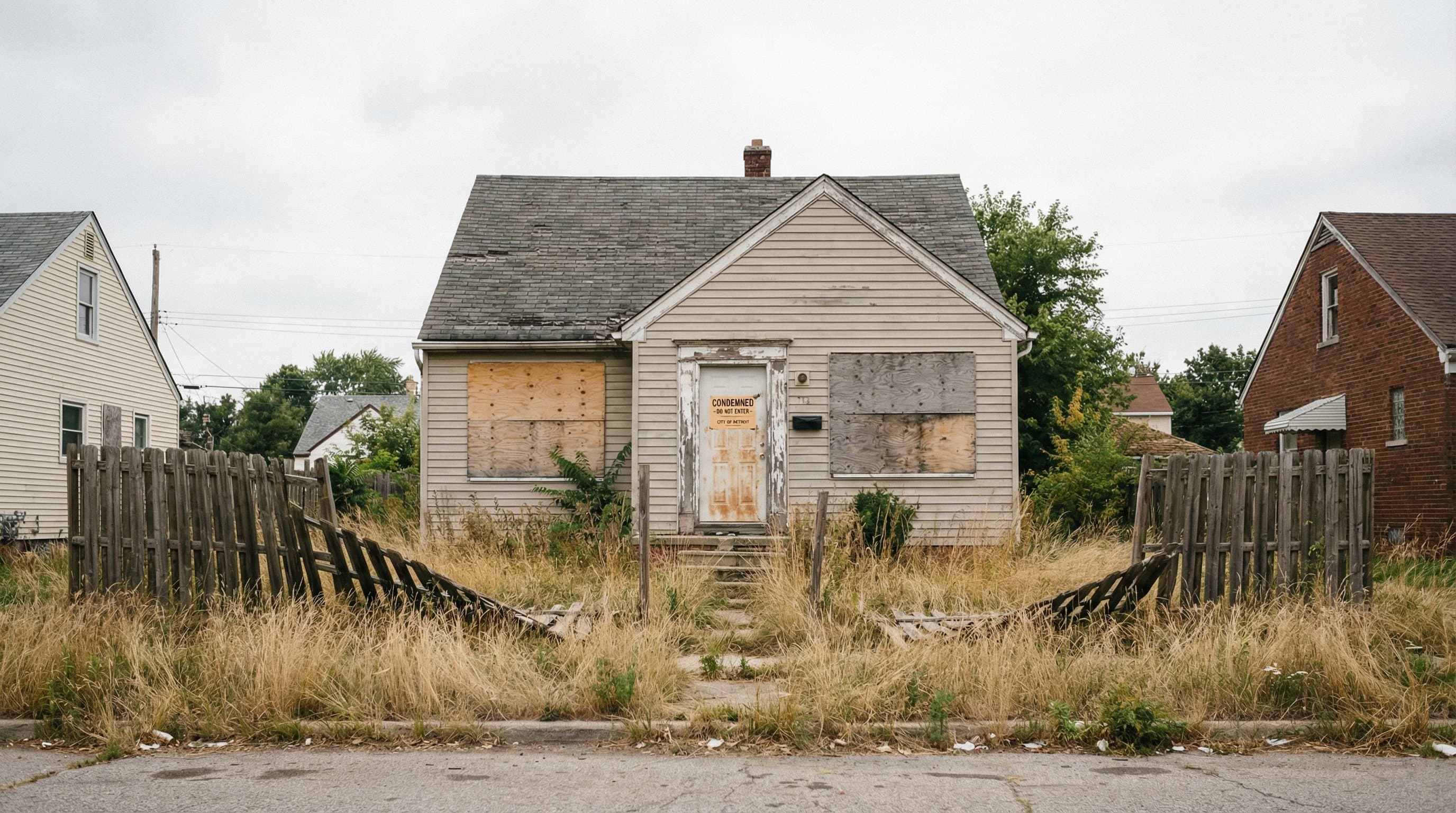
Abandoned Homes Near Me: Why Search Engines Keep Showing the Wrong Properties
TL;DR: Searching "abandoned homes near me" on Google or Zillow surfaces generic real estate listings and expired broker inventory, not actually abandoned properties. True abandoned homes carry verifiable distress signals: tax delinquency, code violations, utility shutoffs, and public records that confirm prolonged vacancy. Investors who know how to cross-reference these signals find off-market opportunities that never appear in search results. DistressIQ aggregates these signals across 3,200+ counties, letting investors identify genuinely abandoned properties in any market within minutes.
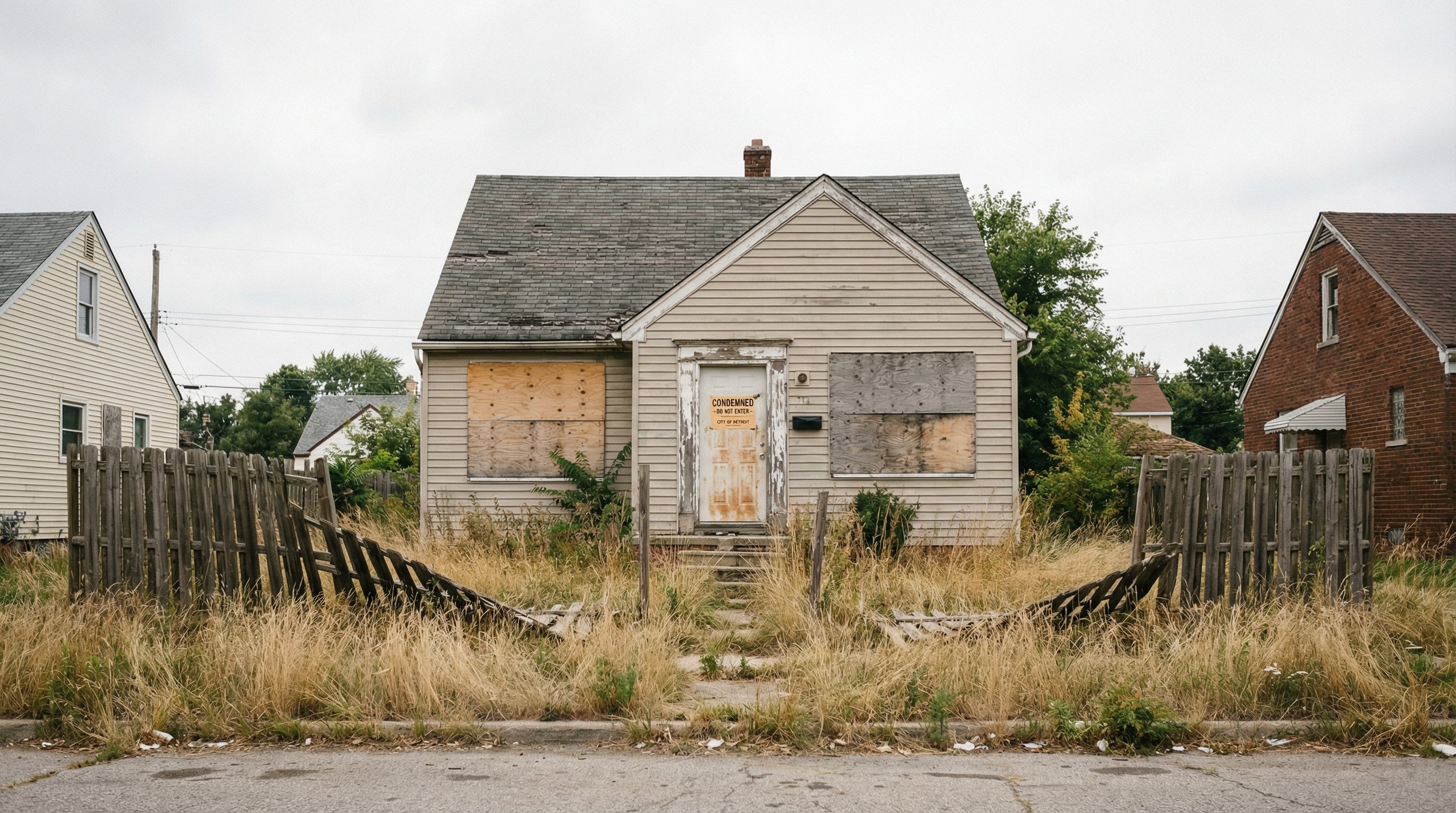
The Problem With Searching "Abandoned Homes Near Me"
Type "abandoned homes near me" into any search engine and watch what happens. The results are almost entirely listings for bank-owned homes, pre-foreclosure properties advertised by agents, and occasionally a genuine fixer-upper that a wholesaler paid to show up in the results. None of these are abandoned. None of them are off-market. And every other investor in your zip code is already looking at the same five properties.
The gap between what distressed property investors need and what search engines deliver is enormous. Search algorithms are built to surface listings that are actively being marketed because that is what generates advertising revenue. A home that has been abandoned for two years, has not appeared on MLS, and whose owner has stopped responding to tax notices is invisible to Google. It is invisible to Zillow. It is invisible to Realtor.com. The property exists, the opportunity exists, but the discovery mechanism that investors depend on is fundamentally broken for this use case.
This is not a search engine failure. It is a structural problem. Abandoned properties do not generate listing revenue, so they do not rank. The only way to find them is through public records and property intelligence systems that track the specific indicators of abandonment rather than the marketing activity around a property.
What Actually Makes a Home Abandoned
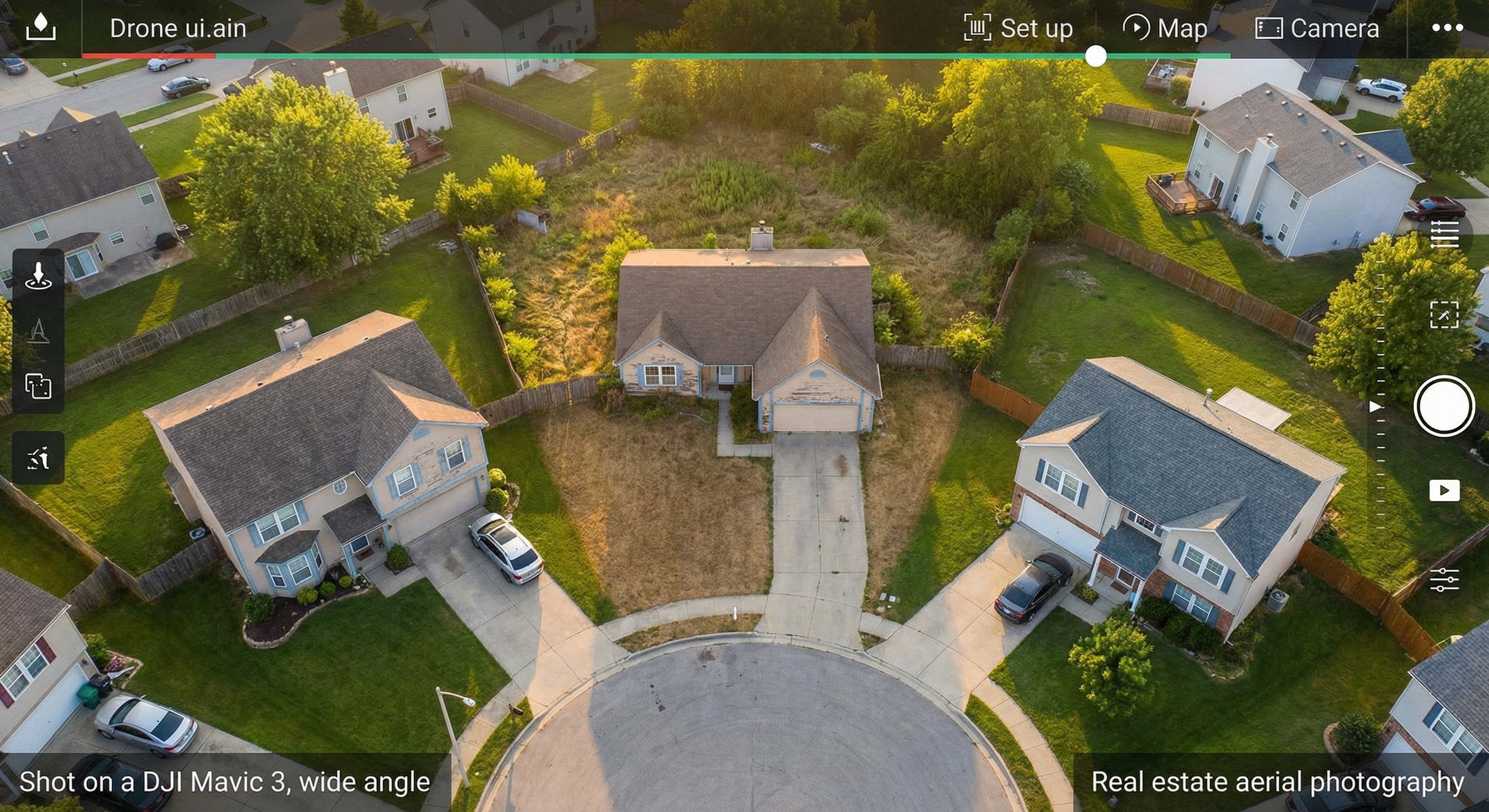
The legal and practical definition of an abandoned property is more precise than most investors realize. A home is not abandoned simply because it looks vacant. In the context of real estate investing, an abandoned property typically carries one or more of the following verifiable indicators that can be confirmed through public records:
Tax delinquency. The most reliable signal. When a property owner stops paying property taxes for 12 months or more in most states, the county places a tax lien on the property. This creates a public record that is searchable and verifiable. Tax delinquent properties are not always occupied, but abandoned properties almost always are tax delinquent.
Utility shutoff records. Gas, electric, and water utilities publish shutoff lists in many markets. A property without active utilities for 60 days or more is a strong indicator of vacancy. Some counties cross-reference utility data with assessor records.
Code violation notices. Properties with repeated code violations, especially for structural issues, overgrown vegetation, or public safety hazards, often appear in municipal records long before they appear in any listing.
Absentee ownership. Properties where the owner of record does not reside at the property address, based on cross-referencing mailing addresses with physical addresses in assessor data. Absentee owners of investment properties are often the most motivated to sell, particularly if the property is a liability.
Probate or estate filings. When a property owner dies without a will or the estate cannot locate heirs, the property enters a legal holding pattern. Many inherited properties sit abandoned for months before anyone takes action.
No single signal guarantees that a property is abandoned. But properties that stack multiple signals are the highest probability targets for investors looking for motivated sellers who have stopped maintaining their asset.
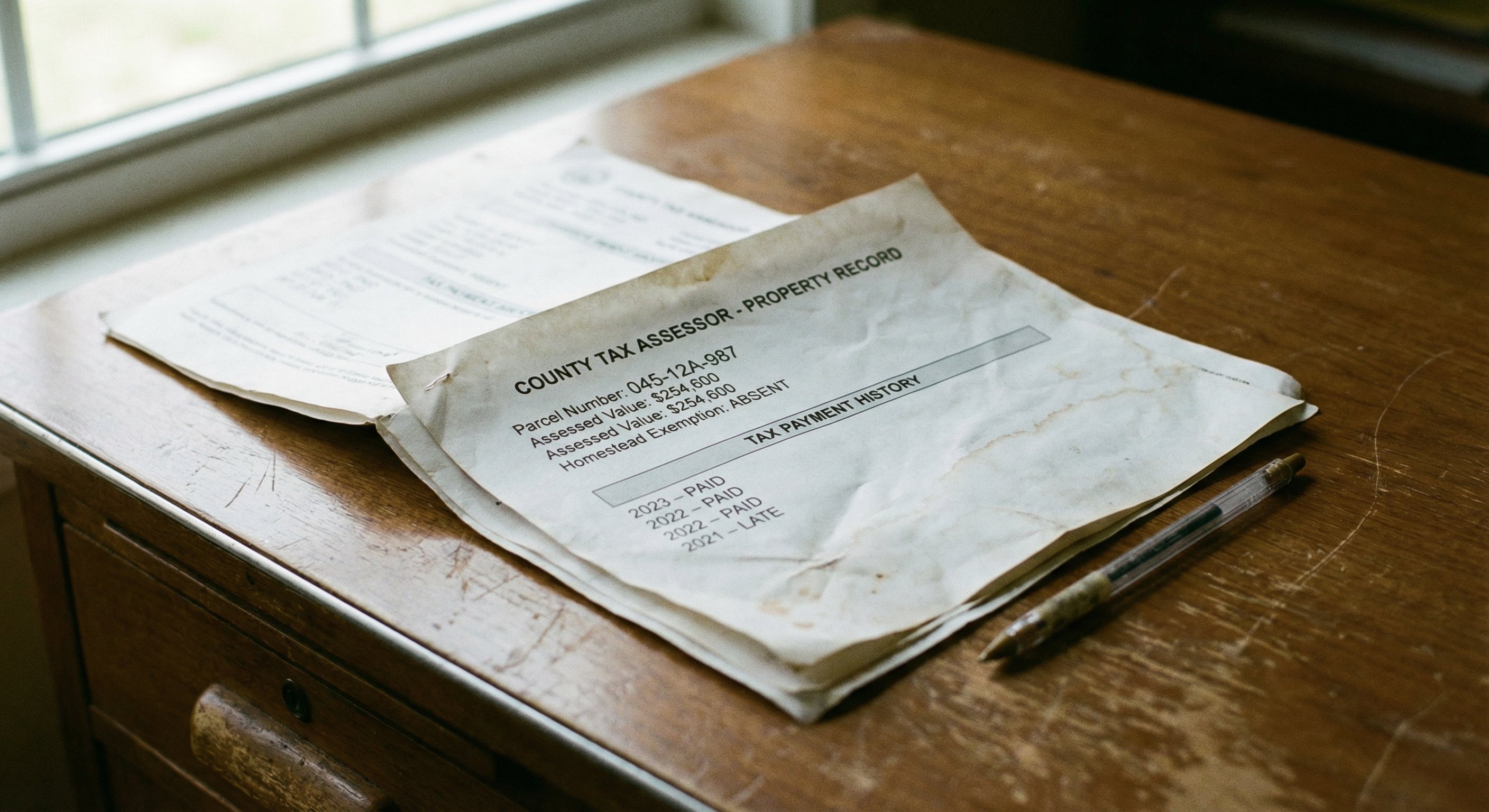
The Manual Approach: What Investors Used to Do
Before platforms like DistressIQ existed, sophisticated investors who specialized in vacant and abandoned properties spent significant time building their own research workflows. The process typically looked like this:
First, pull the county tax delinquent property list. Most counties publish these quarterly or annually, though the format varies wildly. Some counties post PDFs. Others require an in-person visit to the recorder's office. A handful have digitized records, but the interface is often 15 years out of date.
Second, cross-reference the delinquent list with assessor records to identify properties where the mailing address differs from the property address. This flags absentee owners, who are more likely to have abandoned a property than an owner-occupant dealing with a financial hardship directly.
Third, verify vacancy through visual observation. Investors would drive or walk properties, looking for telltale signs: accumulated mail, overgrown yards, sealed windows, no vehicle presence. This step is still valuable, but it is inefficient without first narrowing the list to a manageable number of targets.
Fourth, pull title and lien records to identify any encumbrances that would affect a purchase. Judgment liens, mechanic's liens, and IRS tax liens all change the calculus on what an investor can pay and how quickly a deal can close.
Fifth, attempt contact. This means skip tracing the owner of record to find a phone number or mailing address where they can actually be reached.
The investors who built expertise in this process developed genuine edges. But the time required to execute it properly across even a single county was substantial, and the data infrastructure required to scale it to multiple markets was out of reach for most individual investors.
Free Weekly Alerts
See What's Distressed in Your Market
Get free weekly alerts — new distressed properties, motivation scores, and hot neighborhoods in your area. Addresses and contact info available inside DistressIQ.
Free forever · No credit card · Unsubscribe anytime
Why the Manual Approach Still Dominates (and Why That Is a Problem)
Despite advances in real estate technology, most investors looking for abandoned homes near me are still using some version of the manual workflow described above. The reason is straightforward: the existing platforms are not designed for this specific use case.
Major listing platforms are built for buyers searching for homes to purchase. They are not built for investors searching for motivated sellers. The data they surface is curated for the consumer market, which means it systematically excludes the properties most likely to be available at a discount.
PropStream, BatchLeads, and DealMachine offer large databases of properties, but their coverage models prioritize breadth over precision. A platform with 160 million properties has not actually identified which of those properties are abandoned. It has identified which properties are listed, pre-foreclosure, or bank-owned. Abandoned properties that have never appeared on any list are not in their database by definition.
The distinction matters because abandoned properties typically sell at steeper discounts than other distressed categories. An owner who has abandoned a property is not actively negotiating. They are often unaware of the full extent of their financial exposure, or they have simply stopped caring. This creates conditions for straightforward transactions that never happen simply because no investor can find the property.
How DistressIQ Identifies Abandoned Properties
DistressIQ aggregates distress signals from county records across 3,200+ counties and updates them multiple times daily. Rather than relying on listings or marketing activity, the platform surfaces properties that carry verifiable indicators of abandonment based on public records.
The signal types most relevant for finding abandoned properties include:
Vacant property indicators. Properties flagged through utility shutoff records, postal service notifications, or municipal vacancy registrations. These are direct evidence of vacancy, not inference from appearance.
Absentee owner cross-reference. Properties where the owner of record's mailing address differs from the property address. Extended absentee ownership of a distressed property is one of the strongest indicators of abandonment.
Tax delinquency duration. Properties with 12 or more months of continuous tax delinquency. Most states impose tax liens after 90 days of non-payment, but properties that have been delinquent for a year or more have typically crossed into abandonment territory.
Code violation history. Properties with repeated code enforcement actions that have gone unresolved. Unresolved code violations indicate an owner who has stopped responding to government notices, which correlates strongly with physical abandonment.
Length of distress signal. DistressIQ tracks not just whether a signal exists but how long it has persisted. A property with an 18-month tax delinquency is a more compelling target than one that became delinquent last month.
The motivation score that DistressIQ assigns to each property synthesizes these signals into a single 0-100 ranking. Properties with multiple stacked signals over extended periods rank highest, indicating both genuine abandonment and a higher probability that the owner will engage with an offer.

A Smarter Search Process for Abandoned Properties
Investors who use distress signal data instead of search engines report a fundamentally different experience with the abandoned homes near me search problem. The difference is not just in the quality of leads. It is in the nature of the opportunity.
When you search Google, you are looking at what others have decided to list. When you search county records through DistressIQ, you are looking at what is actually happening with properties in your target market. A property can be abandoned for two years before anyone lists it, and a platform that relies on listings will never surface it. A platform that monitors county records will show it to you the day the tax delinquency crosses the threshold.
The practical workflow for finding abandoned homes near me using DistressIQ looks like this:
Start by identifying your target geography. Focus on counties with high rates of investor activity, as this indicates a liquid market for off-market transactions. High-investor-activity counties in Arizona include Maricopa and Pima. In Texas, Harris, Dallas, and Tarrant counties lead. Florida investors target Miami-Dade, Broward, and Hillsborough.
Filter for properties with at least two or more stacked abandonment signals. A tax delinquent property that is also flagged as absentee-owned and has an unresolved code violation is a significantly stronger target than one with a single signal.
Use the built-in Street View and aerial imagery to conduct a preliminary vacancy assessment before contacting the owner. Seeing boarded windows, an overgrown lot, or accumulated debris through the imagery confirms that the property matches the records before spending time on outreach.
Prioritize by motivation score. The 0-100 ranking reflects the depth and duration of distress signals, so the highest-scoring properties in your search results are the ones most likely to result in a completed transaction.
Export your top targets and begin skip tracing through DistressIQ's integrated contact lookup. For each property, you can obtain the owner's verified contact information on demand, without switching to a third-party skip tracing service.
What Abandoned Properties Are Worth to Investors
The discount on abandoned properties compared to standard distressed inventory varies by market, but the pattern is consistent across geographies. Abandoned properties are priced below comparable distressed properties because they carry additional risk: prolonged vacancy accelerates physical deterioration, squatters create liability, and long-term tax delinquency can result in encumbrances that complicate the title.
In markets with high investor competition, however, abandoned properties remain underpriced relative to their rehabilitation cost because most investors cannot find them. The discovery problem is what creates the discount. As more investors adopt distress signal monitoring platforms, the window of opportunity on any given abandoned property compresses, but it does not disappear.
For wholesalers, abandoned properties are among the highest-converting leads because the seller motivation is clear and the transaction complexity is manageable once the title issues are identified. For buy-and-hold investors, abandoned properties in B and C neighborhoods can generate strong cash flow after rehabilitation because the purchase price reflects the vacancy discount. For fix-and-flip investors, the calculation is straightforward: buy below market, rehabilitate to community standard, sell at comps.
The Data Edge Is the Only Sustainable Advantage
Every real estate investing strategy eventually gets copied. Wholesale scripts get shared on forums. Marketing funnels get reverse-engineered. Even the best deal-finding tactics spread through investor networks within months of emerging. The only durable competitive advantage in real estate investing is data access that your competition does not have.
Abandoned properties are a perfect example. Every investor knows they are valuable. Most investors cannot find them efficiently. The platform that monitors county records directly, updates multiple times daily, and aggregates 3,200+ counties gives you a systematic edge that no amount of driving for dollars or cold calling can replicate at scale.

DistressIQ tracks abandoned properties and vacant homes across every US county, updated from county sources multiple times daily. The motivation score synthesizes multiple abandonment indicators into a single ranking so you know exactly which properties to pursue first.
See distressed properties in your target market scored by abandonment risk and motivation. Browse the map free at DistressIQ.
Frequently Asked Questions
Q: How do I find truly abandoned properties that are not listed anywhere?
Truly abandoned properties do not appear on any listing platform because abandoned owners are not actively marketing their homes. The only reliable path is through public records: county tax delinquency lists, assessor absentee owner flags, utility shutoff records, and code violation databases. DistressIQ aggregates all of these signal types across 3,200+ counties into a single searchable map, letting you find abandoned properties that have never appeared in any listing.
Q: What is the difference between a vacant property and an abandoned property?
A vacant property may be temporarily unoccupied while still being actively managed by an owner or lender. An abandoned property typically has an owner who has stopped maintaining it, responding to notices, and in many cases stopped occupying it entirely. Abandoned properties carry verifiable distress signals in public records, while merely vacant properties may not. The distinction matters for investors because abandonment correlates with higher motivation to sell.
Q: How do I confirm a property is abandoned before making an offer?
Use DistressIQ's built-in Street View and aerial imagery to visually verify vacancy indicators such as overgrown vegetation, boarded windows, accumulated debris, and absence of vehicles. Cross-reference the public records signals on the platform with what you observe in the imagery. If the property shows tax delinquency, absentee ownership, and unresolved code violations alongside clear physical signs of vacancy, the probability of genuine abandonment is high.
Q: Can I buy an abandoned property with liens or back taxes?
Yes, but you need to understand the lien structure before closing. Back taxes owed on an abandoned property become the responsibility of the buyer at sale, but IRS tax liens, mechanic's liens, and judgment liens can complicate or block a transaction depending on their priority. DistressIQ surfaces lien signals as part of its distress signal aggregation, and the motivation score reflects lien burden. Title search before closing is mandatory on any abandoned property.
Q: How do I contact the owner of an abandoned property?
The challenge with abandoned properties is that the owner of record is often unresponsive because they have disengaged from the property. DistressIQ provides skip-traced contact information on demand for property owners, allowing you to initiate outreach even when the owner has stopped answering county notices. Consistent, respectful outreach across multiple channels is typically required before an abandoned property owner engages.
Q: What discount should I expect on abandoned properties compared to pre-foreclosures?
Abandoned properties typically sell at steeper discounts than pre-foreclosures or short sales because the seller motivation is more acute and the discovery challenge is greater. In active investor markets, abandoned properties in B and C neighborhoods commonly sell at 20 to 40 percent below after-repair value, though this varies by market conditions and the extent of rehabilitation required. The discount is your compensation for the additional research, title complexity, and potential rehabilitation costs.
Q: Is it worth investing in abandoned properties in slow markets?
In slower markets, abandoned properties can be particularly valuable because the pool of active investors competing for distressed inventory is smaller. A property that would face 10 competing offers in a hot market might be available as a direct negotiation in a slower market. The key is to target counties with stable or growing populations rather than declining ones, since the exit strategy matters as much as the purchase price in lower-velocity markets.
The data behind this article
DistressIQ Monitors These Signals in Real Time
Pre-Foreclosures
NOD + NTS filings
Tax Delinquency
County treasurer records
Code Violations
Municipal inspection filings
Probate Filings
Superior Court records
Every lead is scored 0–100 for seller motivation based on signal type, duration, severity, and stacking. Nationwide coverage — every US county, updated daily.
Ready to find deals in your market?
See Live Distress Signals in Your County
Stop calling dead leads. Every lead in DistressIQ is scored 0–100 for seller motivation, with verified contact info included. Browse the free tier to see what's active in your market right now.
Browse Free Leads — No Credit Card