Vacant Property Leads in Pennsylvania: Where Blight Meets Opportunity for Investors
Vacant Property Leads in Pennsylvania: Where Blight Meets Opportunity for Investors
TL;DR: Pennsylvania has one of the highest concentrations of vacant and blighted properties in the Northeast, driven by decades of industrial decline in Philadelphia, Pittsburgh, Scranton, and Reading. Investors can access leads through Pennsylvania's unique Act 135 conservatorship law, active city land banks, sheriff sales across 67 counties, and stacked distress signals that combine vacancy with tax delinquency. This guide covers where to find vacant property leads in Pennsylvania, what makes the state's legal framework different, and how serious investors are working these opportunities in 2026.
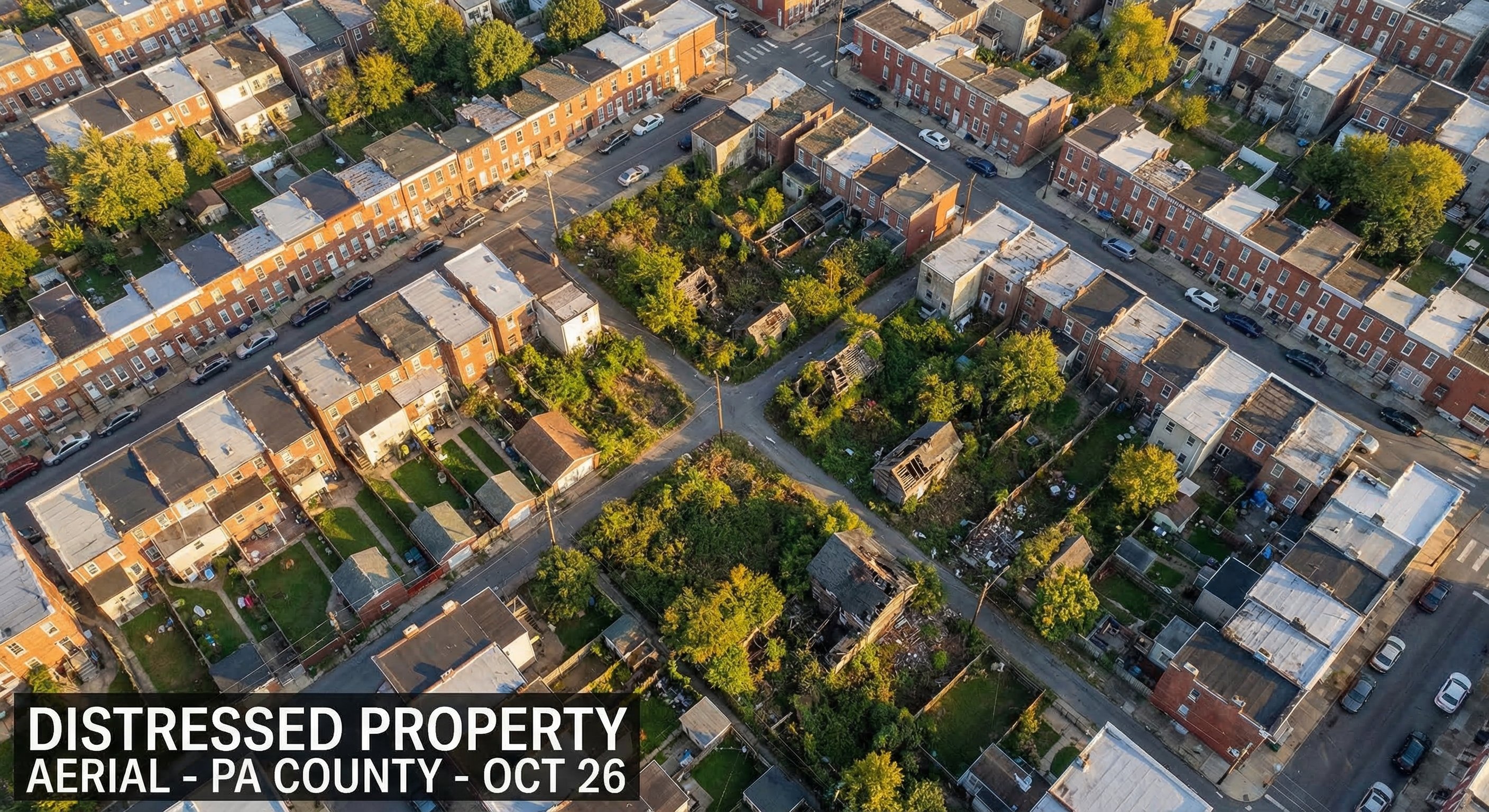
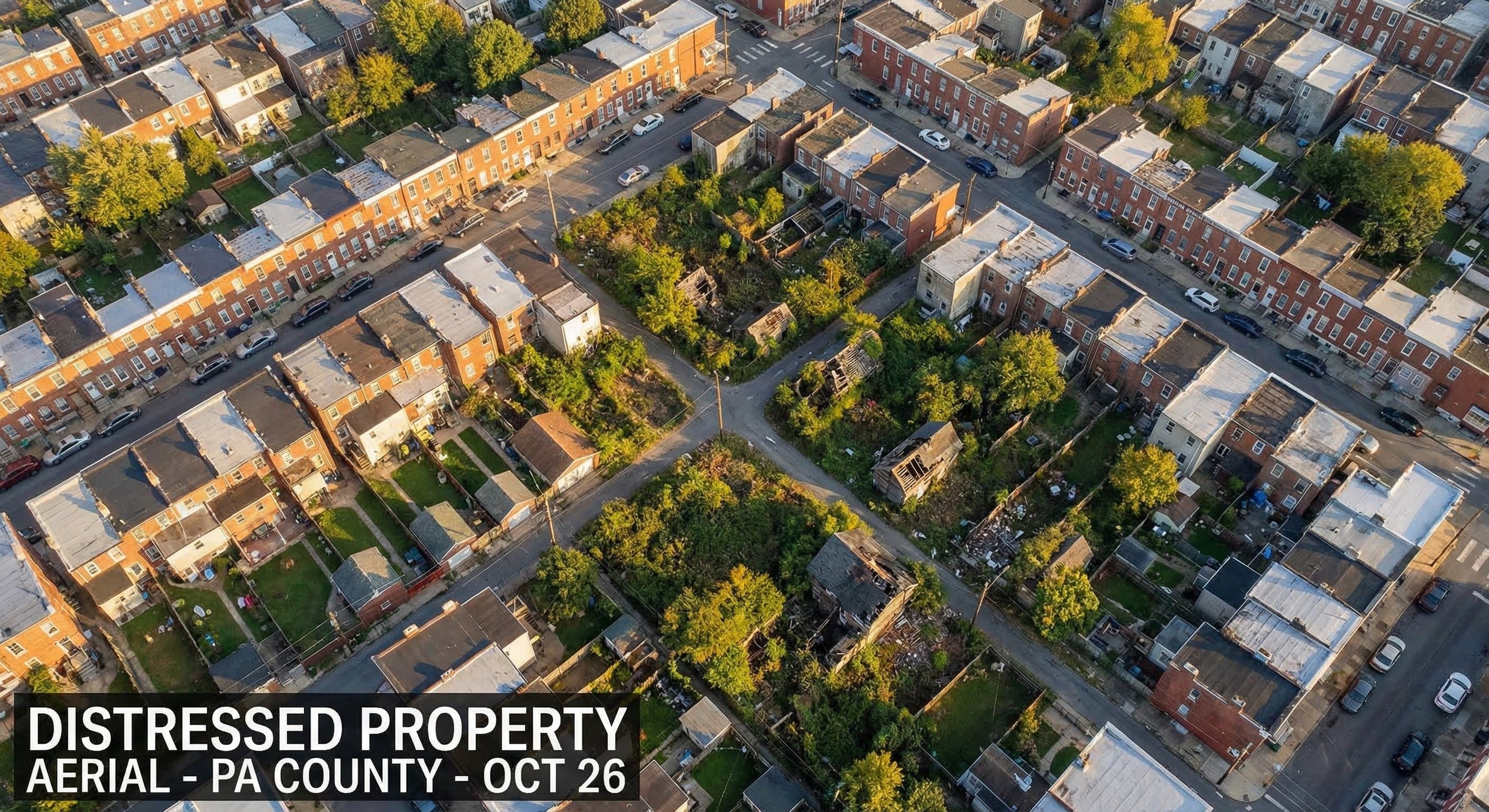
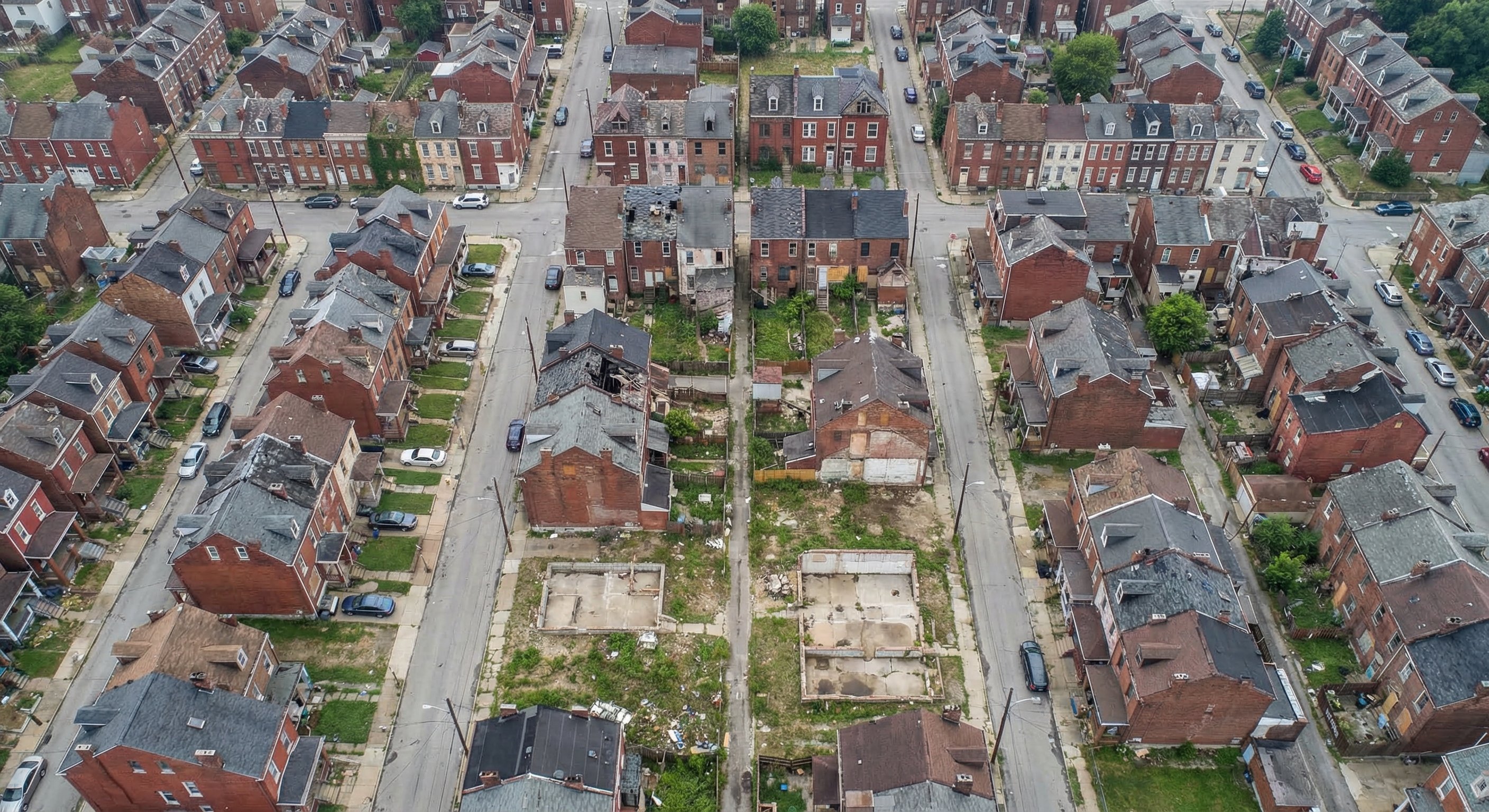
Pennsylvania isn't a state you typically hear about in real estate investing circles — until you look at the vacancy data. The U.S. Census Bureau estimates Pennsylvania has over 340,000 vacant housing units, with concentrated pockets in Philadelphia, Pittsburgh, Allentown, Reading, and Scranton that rival post-industrial cities anywhere in the country. For investors who know where to look, this state delivers some of the most motivated seller situations in the Northeast.
What makes Pennsylvania uniquely interesting is the legal infrastructure built specifically around blight. Between Act 135 conservatorship, municipal land banks, and a judicial foreclosure process that creates long pre-foreclosure windows, Pennsylvania's vacant property market has layers that reward preparation.
Why Pennsylvania Has So Many Vacant Properties
Pennsylvania's vacancy problem isn't accidental — it's the product of a century of industrial change. Cities like Pittsburgh, Scranton, Allentown, and Reading built their economies around steel, coal, manufacturing, and railroads. As those industries contracted over the second half of the 20th century, population followed — and housing stock didn't disappear with it.
The numbers are stark:
- Philadelphia has an estimated 40,000+ vacant properties — one of the largest concentrations of urban blight in any American city
- Pittsburgh's land bank has worked through thousands of tax-delinquent and vacant parcels since its founding
- Reading and Allentown carry significant vacancy loads from former textile and manufacturing workers' housing
- Former coal towns in Luzerne, Schuylkill, and Carbon counties have vacancy rates exceeding 20%
Across Pennsylvania's 67 counties, vacancy patterns vary dramatically. In southeastern PA (Philadelphia suburbs), vacancy means opportunity in transitional urban neighborhoods. In western PA (Pittsburgh metro), it's often land-bank-adjacent deals. In NEPA (Northeast Pennsylvania), it's legacy stock in slowly contracting small cities. Each requires a different approach.
Pennsylvania's Act 135: The Law That Changed Everything
No discussion of vacant property investing in Pennsylvania is complete without understanding Act 135 of 2008 — the Abandoned and Blighted Property Conservatorship Act. It's among the most investor-friendly blight laws in the country.
Here's what it does: Act 135 allows a qualified petitioner (which can include adjacent property owners, nonprofits, and investors) to petition the Court of Common Pleas to appoint a conservator for an abandoned property. Once appointed as conservator, the petitioner can:
- Secure the property
- Make rehabilitation improvements
- Sell the property — and receive reimbursement for rehabilitation costs plus a fee from the sale proceeds
- If the original owner redeems the property, they must pay all costs incurred
The investor angle: Act 135 is not a free property acquisition mechanism — the original owner retains the right to redeem. But it allows investors to enter, improve, and monetize blighted properties that would otherwise sit abandoned for years. Combined with tax delinquency, Act 135 cases often lead to title transfer because redemption rights aren't exercised.
According to the Pennsylvania General Assembly's Act 135 provisions, properties qualify if they've been abandoned for at least 12 months and meet specific blight criteria. This is not a tool for every investor — but sophisticated operators in Philadelphia and Pittsburgh have built entire acquisition strategies around it.
Philadelphia: The Land Bank Capital
Philadelphia created the Philadelphia Land Bank in 2013, consolidating over 1,200 city-owned vacant properties under a single entity. Before the land bank, acquiring city-owned vacant lots and homes required navigating multiple city agencies — a bureaucratic nightmare that kept properties languishing for decades.
Today, the Land Bank offers:
- Disposition programs for individual homebuyers and investors
- Side yard sales (adjacent lot purchases for neighboring homeowners)
- Development RFPs for larger parcels
- Expedited disposition for community land trusts
For investors, the Land Bank is one pathway — but not always the fastest. The real opportunity is in the surrounding market: properties that haven't yet entered city ownership, sitting with absentee owners who haven't paid taxes in 3, 5, or 8 years. These are the leads that convert.
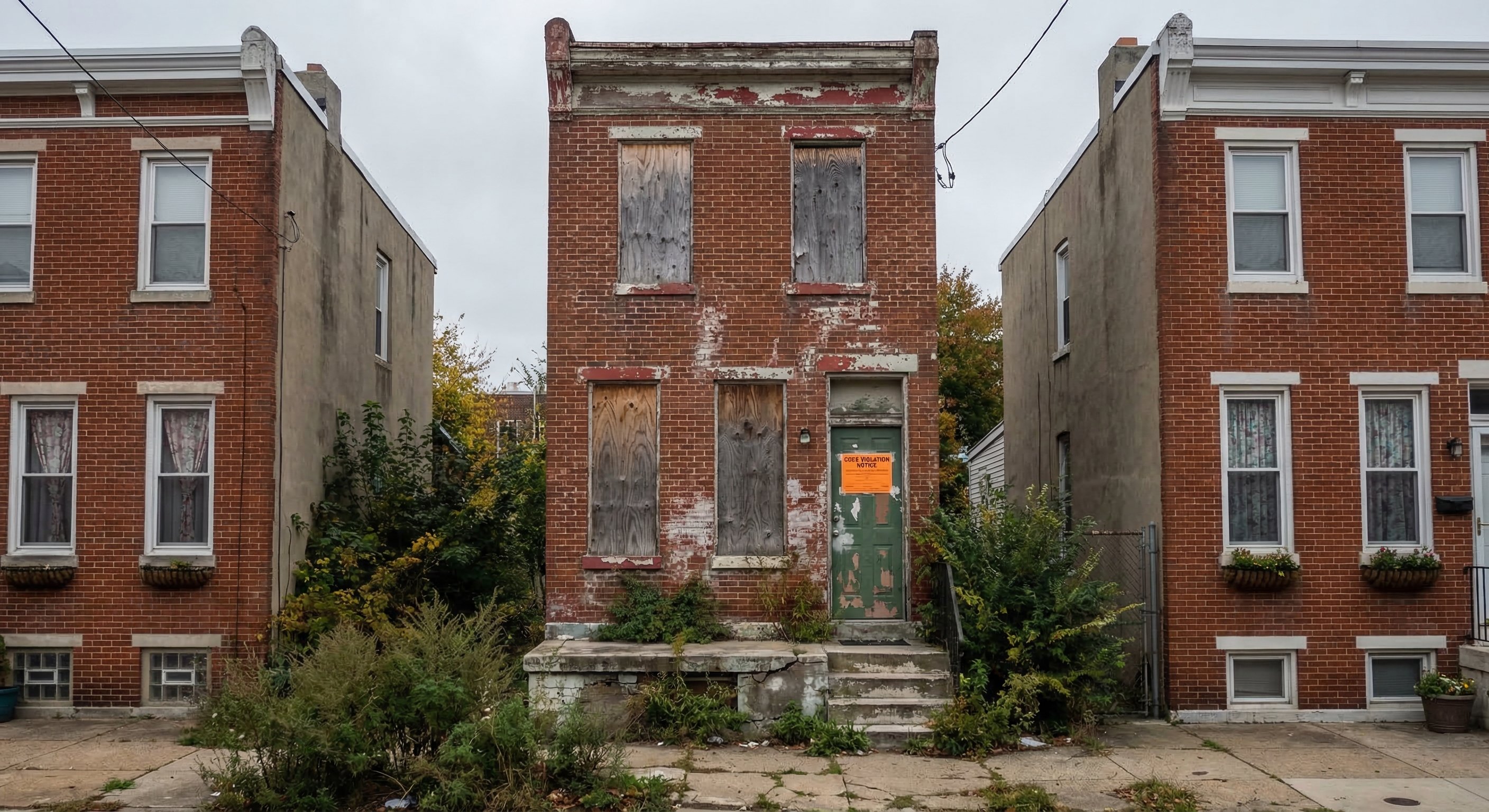
Philadelphia's judicial foreclosure process means a property can sit in pre-foreclosure status for 12-24+ months before a sheriff sale. For investors watching the lis pendens pipeline and cross-referencing vacancy signals, that's a long window to reach out to the owner before the property hits auction.
Free Weekly Alerts
See What's Distressed in Your Market
Get free weekly alerts — new distressed properties, motivation scores, and hot neighborhoods in your area. Addresses and contact info available inside DistressIQ.
Free forever · No credit card · Unsubscribe anytime
Pittsburgh: Steel City's Second Act
Pittsburgh has undergone remarkable revitalization since its peak-steel-era decline, but the transformation is uneven. Neighborhoods like Lawrenceville, East Liberty, and South Side have fully rebounded. But neighborhoods like Hazelwood, Homewood, Larimer, and the North Side still carry significant vacant property burdens.
The Pittsburgh Land Bank, established in 2014, uses a strategic acquisition and disposition model focused on returning vacant properties to productive use. Unlike Philadelphia, Pittsburgh's land bank has emphasized community land trusts and affordable housing — which means fewer pure investment deals through that channel.
The investor opportunity in Pittsburgh is reading ahead of the revitalization curve. Track the vacant and tax-delinquent properties in neighborhoods adjacent to the ones that have already turned. Stacked signals — vacancy + tax delinquency + absentee owner — in neighborhoods like Garfield, Morningside, or Banksville signal owners who've already emotionally and financially disengaged.
How Pennsylvania's Sheriff Sale System Works
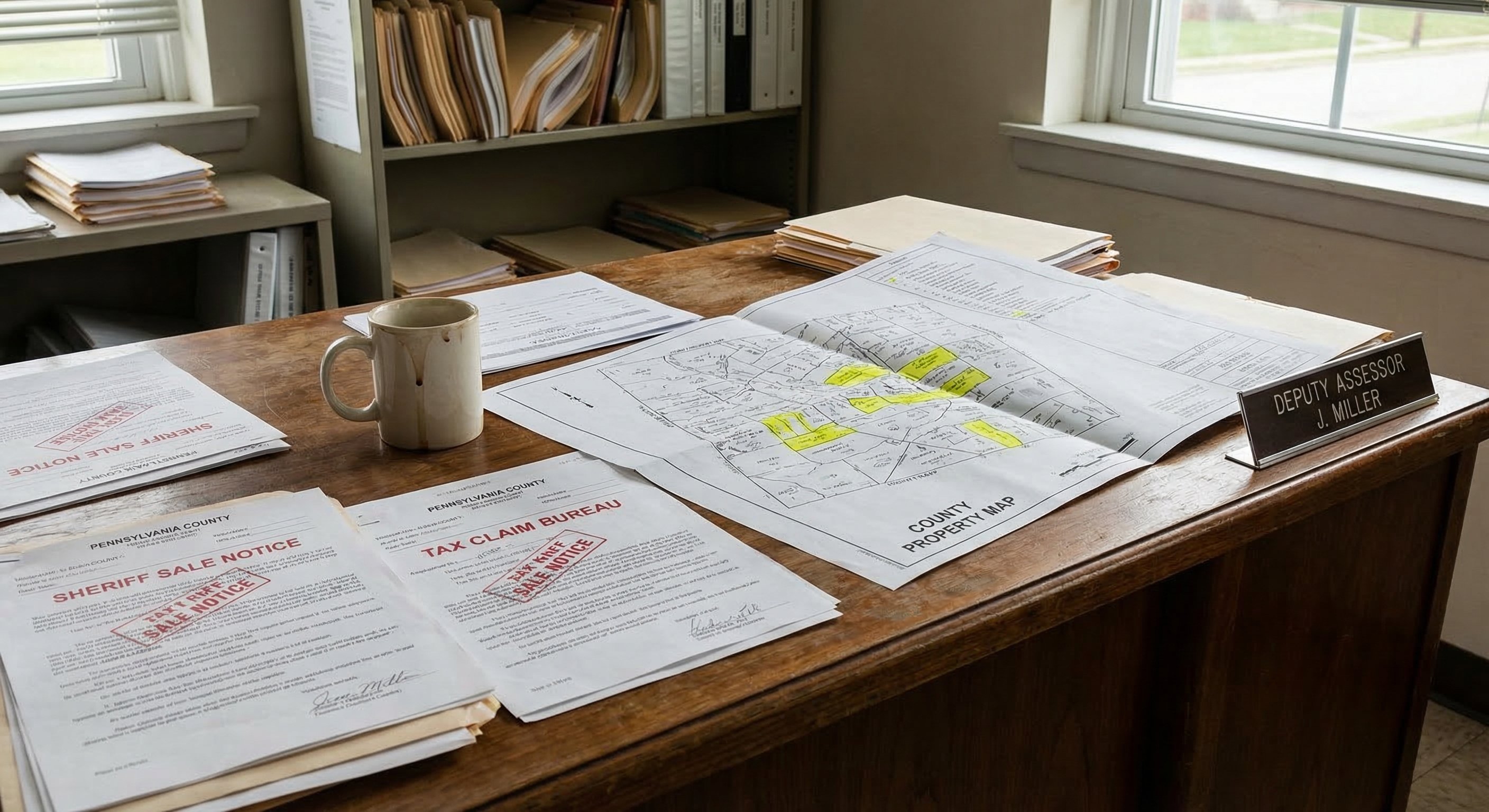
Pennsylvania's 67 counties each run their own sheriff sale process for tax-delinquent and foreclosed properties. The general structure:
- Tax delinquency — County tax claim bureau files a claim when taxes go unpaid (typically after 1-2 years)
- Repository — Properties that don't sell at upset sale move to a "repository" list, where they can sometimes be purchased for minimal bids
- Judicial sale — Properties that still don't sell can go to judicial sale, with encumbrances removed
For investors targeting vacant properties, the upset sale is where competition begins, but the repository list is where the real deals live. Repository properties are those that failed to sell at upset price — meaning no one was willing to pay the outstanding tax burden. These are often the most distressed, and they're the ones most likely to pair with vacancy.
According to the Pennsylvania State Tax Equalization Board, each county sets its own reassessment schedule and tax claim procedures. Philadelphia operates differently from Pittsburgh, which operates differently from Luzerne County — understanding local processes is non-negotiable.
What Stacked Signals Look Like in Pennsylvania
A single vacancy signal is interesting. A vacancy signal combined with two or three others is where action happens. Here's what experienced Pennsylvania investors are watching in DistressIQ:
The Philadelphia stack:
- Vacant property + tax delinquency (3+ years) + absentee owner address in another state or county = absentee investor who has given up
- Vacancy + code violations + lis pendens = property headed toward sheriff sale with owner who's underwater and disengaged
The Pittsburgh stack:
- Vacancy + tax delinquency + probate filing = estate situation with heirs who inherited a property they don't want and aren't managing
The NEPA stack (Scranton/Wilkes-Barre):
- Vacancy + multiple code violations + long tax delinquency = legacy stock with owners who haven't touched it in years — often the easiest seller conversations
DistressIQ tracks 31 signal types across Pennsylvania's counties, updated multiple times daily from county-verified sources. When three or more signals stack on a single property, it's flagged automatically — those are the leads you call first.
County-by-County Priority for Pennsylvania Investors
Not all 67 counties deliver equal opportunity. Here's where to focus:
Tier 1 — Highest volume, proven market:
- Philadelphia County — Largest vacant stock, active investor market, land bank, sheriff sales quarterly
- Allegheny County — Pittsburgh metro, active market, land bank, neighborhood-level variation
- Delaware County — Suburban Philadelphia, transitional neighborhoods, active sheriff sales
Tier 2 — Strong opportunity, less competition:
- Luzerne County (Wilkes-Barre) — High vacancy rates, low land values, limited investor competition
- Berks County (Reading) — One of PA's highest vacancy concentrations relative to size
- Lackawanna County (Scranton) — Former coal economy, significant legacy vacant stock
- Lehigh County (Allentown) — Mix of transitioning neighborhoods and stable suburban market
Tier 3 — Niche but worth watching:
- Cambria County (Johnstown) — Extremely low land values, deeply motivated sellers, niche wholesaler market
- Northampton County (Easton) — Affordable relative to nearby NJ market, improving neighborhood trajectories
- Erie County — Second-largest city after Philadelphia in terms of blight challenges
How to Work Vacant Property Leads in Pennsylvania
Once you have leads, execution matters. Pennsylvania sellers — especially in distressed cities — are often:
- Long-term owners who inherited or purchased decades ago
- Absentee investors who got in at the wrong time and stopped managing the asset
- Estate executors trying to liquidate unfamiliar assets
- Elderly owners who can no longer maintain the property
The conversation approach:
Don't open with investment analysis. Open with acknowledgment. "I noticed the property has been sitting for a while — I'm an investor in the area and wanted to reach out directly before it ends up in sheriff sale." That framing positions you as a solution, not an opportunist.
Pennsylvania sellers are generally receptive to fast cash closes. In Philadelphia especially, the emotional weight of watching a neighborhood property deteriorate — and the liability exposure that comes with code violations — makes sellers motivated to move when they feel understood.
Key Takeaways for Pennsylvania Vacant Property Investors
| Factor | Pennsylvania Specifics |
|---|---|
| Legal framework | Act 135 conservatorship — unique investor tool for qualifying blighted properties |
| Land banks | Active in Philadelphia and Pittsburgh — understand process before assuming it's your channel |
| Sheriff sales | 67 counties, quarterly in most — upset sale, then repository, then judicial |
| Top markets | Philadelphia, Pittsburgh, Reading, Allentown, Scranton/Wilkes-Barre |
| Best signal stack | Vacancy + tax delinquency + absentee owner (3+ years unpaid) |
| Competition level | High in Philly/Pittsburgh cores; very low in NEPA and former coal country |
| Judicial foreclosure | Pre-foreclosure windows of 12-24+ months — long lead time to reach owners |
Find Vacant Property Leads in Pennsylvania Without the Spreadsheet Grind
Most investors doing this manually are pulling county lists, cross-referencing addresses, and skip-tracing owners one by one. DistressIQ stacks all 31 signal types — vacancy, tax delinquency, lis pendens, probate, code violations — across Pennsylvania's counties, updated multiple times daily from county-verified data.
Other platforms give you a list. DistressIQ shows you which properties have three or more distress signals firing simultaneously — those are the ones worth calling. Founding member pricing locks at 30% off for life: Starter $89/mo, Pro $174/mo, Elite $349/mo. Fewer than 50 spots remain.
Find PA vacant property leads on DistressIQ →
Frequently Asked Questions
Q: How many vacant properties are in Pennsylvania?
The U.S. Census Bureau estimates Pennsylvania has over 340,000 vacant housing units. The concentration is heaviest in Philadelphia (40,000+ units), Pittsburgh, Reading, Allentown, and Scranton. Legacy industrial decline is the primary driver — Pennsylvania's housing stock outlasted its 20th-century economy in many cities.
Q: What is Pennsylvania's Act 135 conservatorship?
Act 135 is the Abandoned and Blighted Property Conservatorship Act, passed in 2008. It allows qualified petitioners — including investors — to petition the Court of Common Pleas to become conservator of a qualifying blighted property. The conservator can secure, repair, and sell the property, recouping costs from proceeds. The original owner retains the right to redeem the property but must pay all incurred costs. It's a sophisticated investor tool, not a simple acquisition mechanism.
Q: How do Pennsylvania sheriff sales work for vacant properties?
Each of Pennsylvania's 67 counties runs its own sheriff sale process. Tax-delinquent properties typically go through an upset sale first (owner can redeem by paying taxes), then a judicial sale (encumbrances cleared) if unsold. Properties that fail both auctions can land on the county repository list, where they're available for nominal bids. Repository lists are often the best-value source for deeply distressed vacant properties.
Q: What's the best county for vacant property investing in Pennsylvania?
It depends on your strategy. Philadelphia and Allegheny (Pittsburgh) counties have the highest volume and most infrastructure (land banks, active sheriff sales) but also the most competition. Berks (Reading), Luzerne (Wilkes-Barre), and Lackawanna (Scranton) counties offer higher vacancy concentrations with significantly less investor competition — and much lower entry prices.
Q: How does Pennsylvania's judicial foreclosure affect pre-foreclosure leads?
Pennsylvania is a judicial foreclosure state, meaning lenders must sue to foreclose — and that process typically takes 12 to 24+ months from first default to sheriff sale. For investors, this creates an extended window to identify lis pendens filings and reach out to owners before the property hits auction. Combining lis pendens with vacancy signals is one of the most powerful lead stacks in Pennsylvania.
Q: Are there vacant property registries in Pennsylvania?
Pennsylvania has no statewide vacant property registry. However, many municipalities — including Philadelphia, Pittsburgh, and Allentown — maintain their own vacancy registries and require registration of vacant properties. These municipal registries are less comprehensive than statewide systems, which is why county assessor data and signal stacking produce better lead quality than any single list source.
Q: What signals stack best with vacancy in Pennsylvania?
The highest-converting combinations for Pennsylvania investor leads are: vacancy + tax delinquency (3+ years) + absentee owner address; vacancy + lis pendens + absentee owner; and vacancy + code violations + tax delinquency. Three-signal stacks indicate owners who have financially and emotionally disengaged from the property — they're almost always open to a conversation.
Ready to work Pennsylvania's vacant property market with real data behind you?
DistressIQ tracks vacancy, tax delinquency, lis pendens, probate, code violations, and 26 more signal types across Pennsylvania's 67 counties — updated multiple times daily, stacked automatically, no spreadsheet required.
The data behind this article
DistressIQ Monitors These Signals in Real Time
Pre-Foreclosures
NOD + NTS filings
Tax Delinquency
County treasurer records
Code Violations
Municipal inspection filings
Probate Filings
Superior Court records
Every lead is scored 0–100 for seller motivation based on signal type, duration, severity, and stacking. Nationwide coverage — every US county, updated daily.
Ready to find deals in your market?
See Live Distress Signals in Your County
Stop calling dead leads. Every lead in DistressIQ is scored 0–100 for seller motivation, with verified contact info included. Browse the free tier to see what's active in your market right now.
Browse Free Leads — No Credit Card