Vacant Property Leads in New York: Where Zombie Homes and Upstate Blight Meet Real Opportunity
Vacant Property Leads in New York: Where Zombie Homes and Upstate Blight Meet Real Opportunity
TL;DR: New York consistently ranks in the top 3 states nationally for zombie foreclosure volume — properties where owners have vacated but the bank hasn't completed the foreclosure, thanks to a judicial process that averages 900+ days. Upstate cities like Buffalo, Rochester, and Syracuse carry some of the nation's highest residential vacancy rates. Finding vacant property leads in New York means stacking signals: lis pendens filings, tax delinquency, absentee owner overlays, and code violations — because NY vacancy rarely shows cleanly in a single data source.
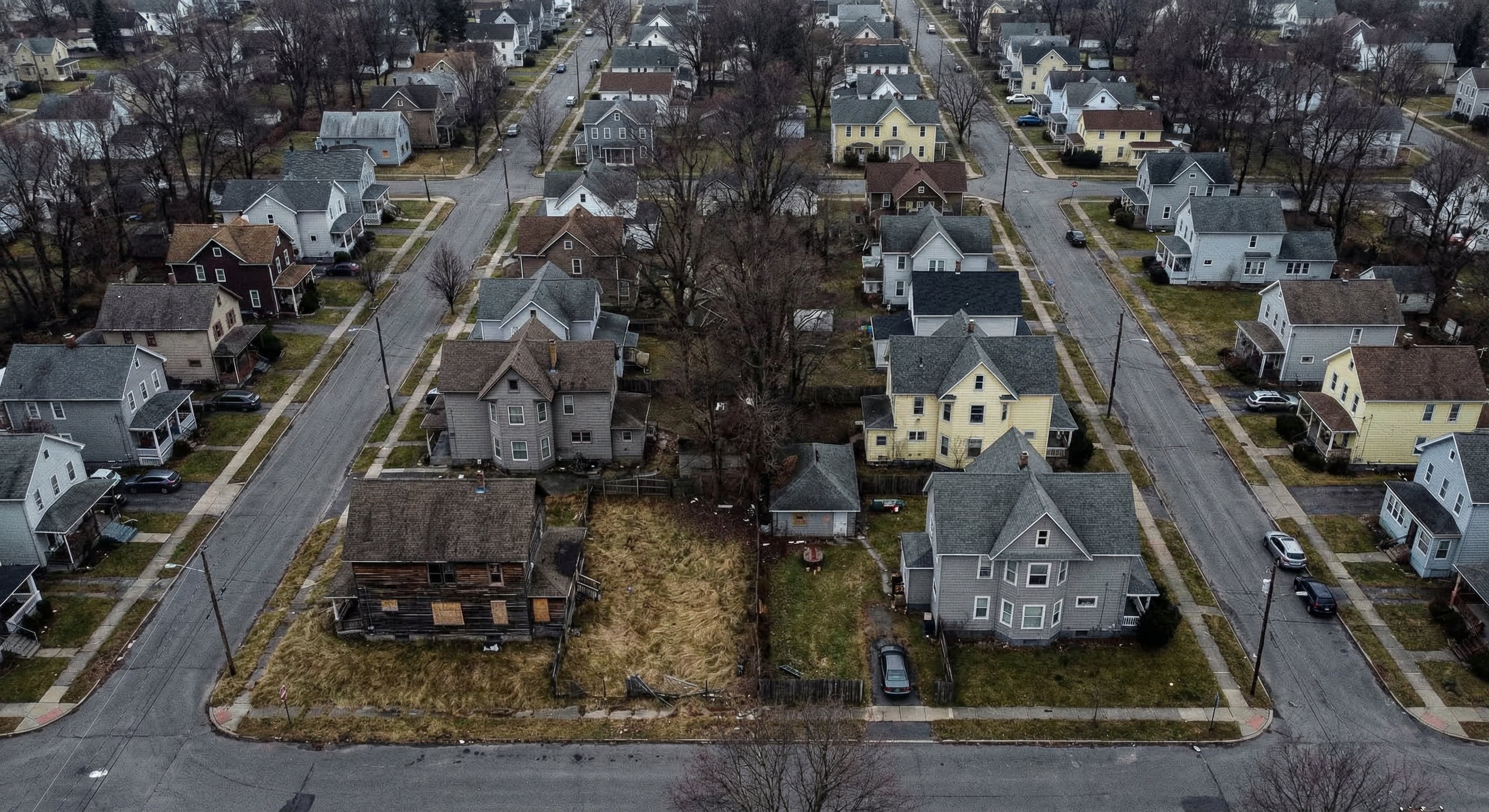
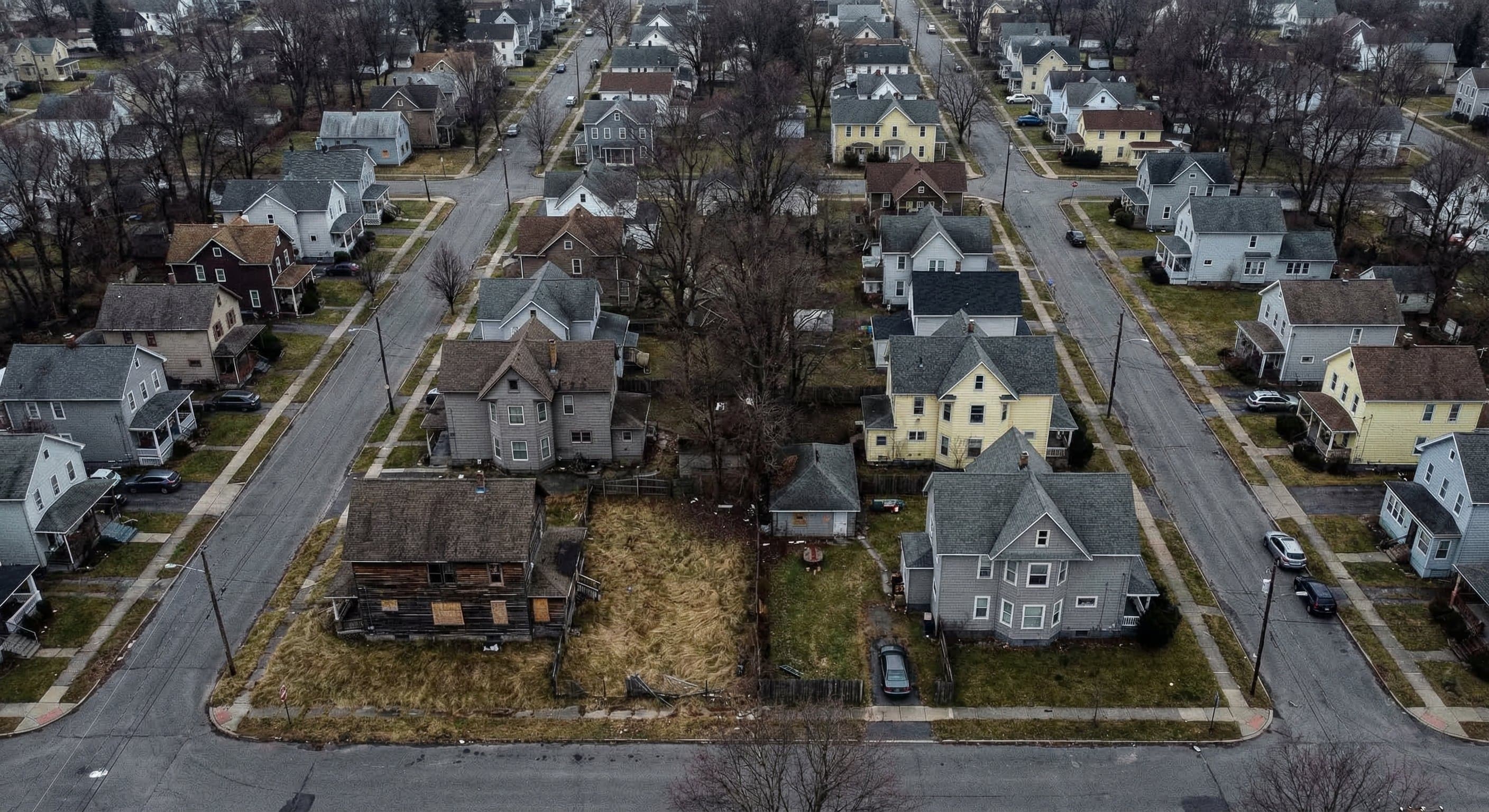
New York leads the country in one metric no homeowner wants to top: zombie foreclosures. Thanks to one of the longest judicial foreclosure timelines in the nation — averaging 900-plus days from filing to sale in many counties — tens of thousands of properties sit in legal limbo. The owner has moved out. The bank hasn't finished the foreclosure. Nobody maintains the property. Nobody pays taxes. They just sit.
For real estate investors who know what signals to look for, this creates one of the most distinctive vacant property markets anywhere in the country.
Why New York Has So Many Vacant Properties
Three forces collide to create New York's vacancy problem:
1. The judicial foreclosure bottleneck. Unlike nonjudicial states where foreclosure takes 90-180 days, New York requires every foreclosure to pass through the courts. Mandatory settlement conferences, court backlogs, and contested proceedings routinely push timelines past three years — sometimes past five. During that entire window, properties commonly sit empty.
2. Deindustrialization across upstate cities. Buffalo, Rochester, Syracuse, Utica, Troy, and Binghamton lost between 40% and 60% of their manufacturing employment over the past four decades. Population followed the jobs. The result is housing stock that dramatically outlasted its demand — city blocks with a handful of occupied homes surrounded by vacant lots and boarded structures.
3. Property taxes that outrun rental economics. New York has among the highest property tax burdens in the nation. In many upstate markets, annual property taxes exceed what the property could generate in monthly rent. That math pushes marginal landlords and distressed owners to walk away rather than maintain.
The result: according to the US Census Bureau's American Community Survey, New York State carries over 450,000 vacant housing units — roughly 6-7% of total housing stock. ATTOM Data Solutions has consistently ranked New York among the top three states for zombie foreclosure volume nationwide.
What Is a Zombie Foreclosure — and Why It Matters for NY Investors
A zombie foreclosure is a property where:
- A lis pendens (notice of pending foreclosure) has been filed in court
- The homeowner has vacated, often believing foreclosure is imminent
- But the bank has stalled, abandoned, or dramatically delayed completing the process
This creates a vacuum: the owner no longer has legal rights or financial incentive to maintain the property. The bank isn't taking ownership either. The property deteriorates. Code violations accumulate. Taxes go unpaid. Neighbors complain.
Under New York's Abandoned Property Neighborhood Relief Act of 2016, the state codified servicer responsibility for zombie properties — requiring banks to inspect, register, and maintain vacant pre-foreclosure homes with the New York State Department of Financial Services. Municipalities gained new tools to fine non-compliant servicers.
But law and enforcement are different things. Zombie properties still proliferate — and each one represents a potential lead with a long outreach runway.
For investors, the zombie foreclosure pipeline in NY offers a specific edge: the legal process is often two-plus years from resolution. That's a long window to contact servicers, locate heirs or original borrowers, and pursue off-market acquisition before the property ever hits the courthouse steps.
Where Vacant Properties Concentrate in New York
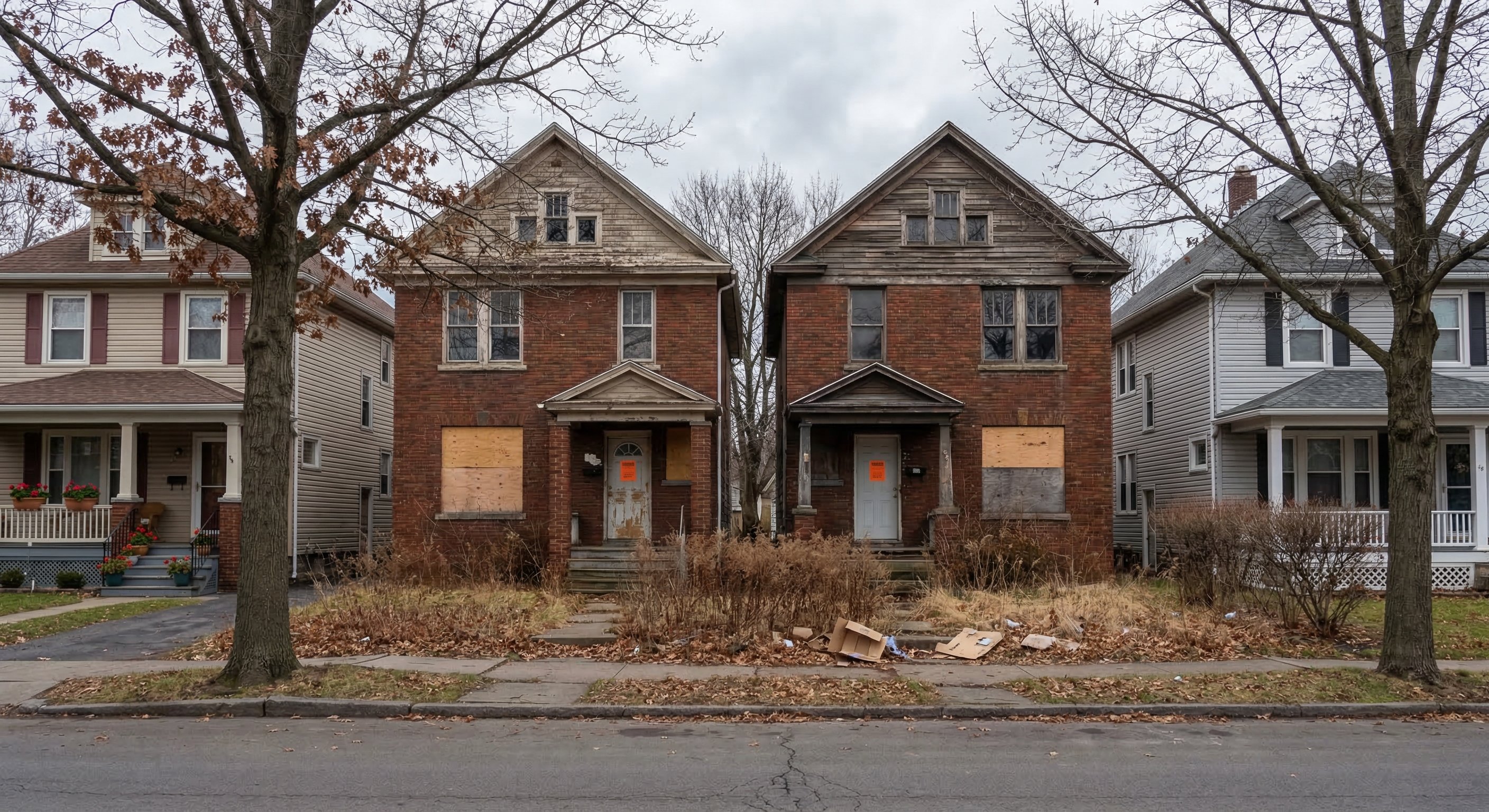
New York's vacant property story breaks sharply along geographic lines.
Upstate Cities (Highest Concentration)
Buffalo / Erie County: Among the most distressed residential markets in the eastern US. ATTOM Data Solutions has tracked Erie County as a consistent top-10 county nationally for zombie foreclosure volume. Average home prices remain low enough — $80,000 to $150,000 for standard residential — that even moderate rehab budgets can generate solid returns.
Rochester / Monroe County: Similar profile. Post-industrial decline, aging housing stock, persistent vacancy. The Rochester Land Bank Corporation has been one of the more active municipal land banks in New York — which is a direct signal of how deep the vacant inventory runs.
Syracuse / Onondaga County: The Greater Syracuse Land Bank is one of the most active land banks in the country by volume. That fact alone tells you everything about local vacancy levels. Investors compete with the land bank for quality vacant inventory here, which keeps acquisition discipline sharp.
Utica / Oneida County, Binghamton / Broome County, Troy / Rensselaer County: Each follows the same pattern — deindustrialized cores, high vacancy rates, aggressive delinquent tax sales that surface additional leads.
NYC Metro and Downstate
Brooklyn (Kings County): Among the highest concentrations of zombie foreclosures in the New York City metro. Property values are high enough that even severely distressed vacant properties carry significant ARVs. The investor calculation is different from upstate — more capital required, longer hold periods — but the inventory is real.
The Bronx (Bronx County): Historically significant vacancy rates, though rising market values have absorbed some inventory. Zombie foreclosures remain, particularly in working-class neighborhoods with older housing stock.
Queens County: Large geographic footprint with concentrated vacancy in neighborhoods like Jamaica, Southeast Queens, and Far Rockaway. The judicial foreclosure pipeline keeps these pockets refreshing with new leads.
Long Island (Nassau and Suffolk Counties): Suburban zombie foreclosures from the 2008 cycle still linger, particularly in Suffolk County's older suburban neighborhoods. Less blight-driven than upstate, more distressed-owner-driven.
Free Weekly Alerts
See What's Distressed in Your Market
Get free weekly alerts — new distressed properties, motivation scores, and hot neighborhoods in your area. Addresses and contact info available inside DistressIQ.
Free forever · No credit card · Unsubscribe anytime
How to Find Vacant Property Leads in New York
New York's vacancy problem is well-documented but notoriously fragmented across data sources. Here's why signal stacking matters more in NY than almost anywhere else:
Signal 1: Lis Pendens Filings
In New York, lis pendens are filed in the county clerk's office at the initiation of foreclosure. Because NY's process runs so slowly, a lis pendens filed today signals a property that will be in limbo for two to five years — plenty of time to get ahead of the courthouse sale. Cross-reference with time-since-filing: lis pendens older than 18 months with no subsequent deed transfer is a strong zombie indicator.
County clerk database quality varies significantly across NY's 62 counties. Erie, Nassau, and Westchester counties have reasonably searchable online systems. Several others require in-person access or third-party data vendors. For a deeper breakdown of how to search lis pendens records, see our guide to finding lis pendens leads.
Signal 2: Tax Delinquency
Properties in zombie foreclosure status almost universally stop paying property taxes once the owner vacates. In New York cities, delinquent taxes accrue at 18% annually. NYC runs a formal annual Lien Sale program through the Department of Finance where tax liens are bundled and sold to investors. Other NY counties have their own tax sale schedules — often annual for large municipalities, less frequent in rural areas.
Tax delinquency data, overlaid with lis pendens filings, dramatically reduces the universe of vacant leads down to the ones most likely to be actionable.
Signal 3: Code Violations
The Abandoned Property Neighborhood Relief Act requires municipalities to track zombie properties — which generates municipal code violation records as a byproduct. Vacant properties accumulate violations: unsafe structure, failure to maintain exterior, overgrown vegetation, broken windows. These records are public and serve as an independent confirmation layer for vacancy status.
Signal 4: Absentee Owner Overlap
Many NY zombie property owners have long since relocated out of state. Absentee owner status — defined as an owner whose mailing address differs from the property address — combined with lis pendens and tax delinquency creates the highest-conviction stacked signal in the NY market.
For a broader look at finding stacked-signal leads, our guide to pre-foreclosure leads in New York covers the judicial process in additional detail.
Working Vacant Property Leads in New York
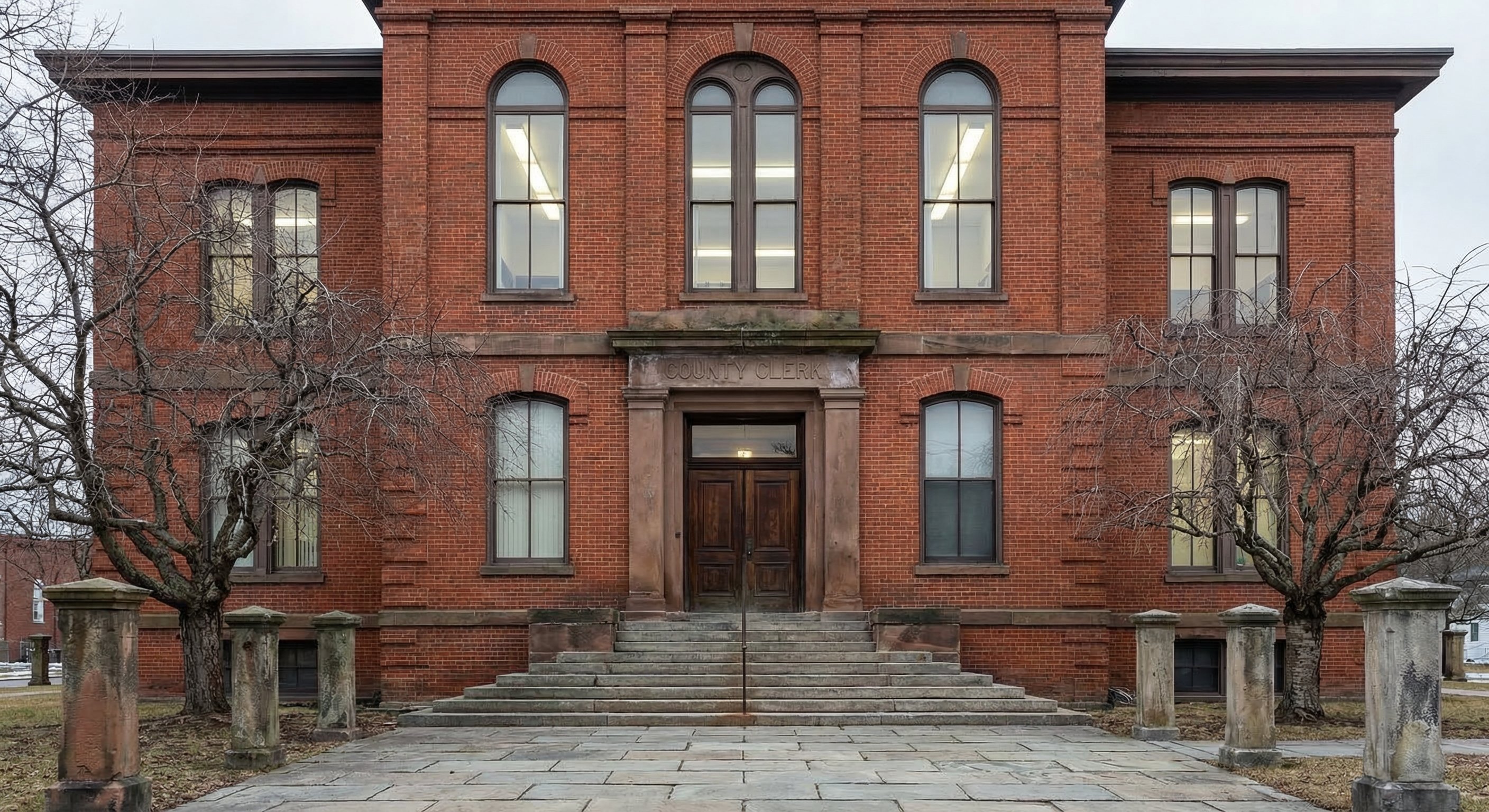
Finding the lead is step one. Getting to the decision-maker is where NY investors earn their edge.
Track down the current owner of record. Property may have changed hands informally through estate, divorce, or family transfer without a recorded deed change. County assessor records show the official owner of record; skip tracing surfaces current contact information.
For zombie foreclosures, contact the servicer. Many zombie foreclosure properties have servicers actively looking to resolve their exposure. Depending on the property and timeline, you may be able to negotiate a short sale, deed-in-lieu agreement, or mortgage assignment before the foreclosure completes — often at a significant discount to outstanding balance.
Watch tax lien sale dates. New York's county tax lien sales (and NYC's formal Lien Sale program) create an acquisition pathway independent of the foreclosure timeline. Buying a tax lien gives leverage and a path to ownership if the lien isn't redeemed within the statutory redemption period. New York is a tax lien state in most jurisdictions, not a tax deed state — meaning investors earn interest while waiting, with potential ownership if unredeemed.
Engage land banks strategically. In Buffalo, Rochester, and Syracuse, land banks hold significant volumes of vacant inventory with cleared title — a critical advantage in markets where abandoned properties often carry clouded title from years of neglect. Land banks typically sell to qualified rehab buyers at below-market prices with rehabilitation requirements. Build those relationships alongside your direct-to-seller pipeline.
Attorney requirement at closing: New York requires a licensed attorney for real estate closings. This is non-negotiable. Budget for legal costs and build 30-60 days of attorney involvement into your deal timeline from the start.
The Data Problem Every NY Investor Hits
New York's 62 counties operate largely independent systems for property records, tax data, and court filings. Erie County's database doesn't look like Nassau County's. Some counties are well digitized; others require in-person access or proprietary vendor accounts. Building a cross-county NY vacant property database from scratch means navigating 62 different data sources with varying quality, coverage, and update frequencies.
The investors who move fastest in NY are the ones who don't start from raw county data. They start from aggregated, pre-screened leads that surface the stacked signals they care about — lis pendens + tax delinquency + absentee owner + code violations — without having to manually cross-reference four different county systems for every lead.

DistressIQ covers New York's key counties with assessor-verified data, updated daily from county sources. One screen. Stacked signals. No tab-switching between county portals, assessor databases, and court filing systems.
Ready to find vacant property leads in New York? DistressIQ aggregates lis pendens filings, tax delinquency, absentee owner status, and code violations across New York counties into one verified lead database. Other platforms give you a spreadsheet — DistressIQ shows you the stacked signals and the property in one view. Founding member pricing: Starter $89, Pro $174, Elite $349/mo — locked for life, fewer than 50 spots remaining. Start your free trial at distressiq.ai →
Key Takeaways
- New York consistently ranks in the top 3 states nationally for zombie foreclosures — properties in legal limbo where the owner has vacated but the bank hasn't completed the process
- The judicial foreclosure system averages 2-5 years per case, creating a sustained, refreshing pipeline of vacant and pre-foreclosure leads
- Upstate cities (Buffalo, Rochester, Syracuse) have the nation's highest residential vacancy rates relative to population; NYC outer boroughs carry significant zombie inventory at higher price points
- Vacant property leads in NY require stacking signals: lis pendens + tax delinquency + absentee owner + code violations
- Land banks in Buffalo, Rochester, and Syracuse are major players — build those relationships alongside your direct-to-seller strategy
- New York requires an attorney at closing — non-negotiable, budget for it from day one
Frequently Asked Questions
Q: How many zombie foreclosures does New York have?
New York routinely ranks first or second nationally in zombie foreclosure volume. ATTOM Data Solutions has reported between 8,000 and 15,000 active zombie foreclosures in New York at any given time depending on measurement methodology. Erie County (Buffalo) and Monroe County (Rochester) typically have the highest per-county concentrations, though NYC boroughs — particularly Brooklyn and the Bronx — carry significant zombie inventory at considerably higher price points.
Q: What is the foreclosure timeline in New York?
New York is a judicial foreclosure state, meaning every foreclosure must proceed through the court system. The average timeline ranges from 2.5 to 5+ years from initial lis pendens filing to completed foreclosure sale. Mandatory settlement conferences, court backlogs, contested proceedings, and service of process requirements all extend timelines significantly compared to nonjudicial states where foreclosures can complete in 90-180 days.
Q: How do I identify zombie foreclosures in New York?
The strongest indicator is a lis pendens that was filed 18+ months ago with no subsequent deed transfer, combined with the property owner showing as non-resident or having a mailing address different from the property. Adding tax delinquency to that combination dramatically confirms vacancy. Some counties also maintain zombie property registries pursuant to the Abandoned Property Neighborhood Relief Act — worth checking as a supplementary source.
Q: What are New York land banks and should investors work with them?
Land banks are government-affiliated entities that acquire tax-delinquent and zombie-foreclosed properties from municipalities, clear title issues, and sell to qualified buyers who commit to rehabilitation. The Greater Syracuse Land Bank, Rochester Land Bank Corporation, and Erie County Land Bank are among the most active. For investors newer to the NY market, land bank inventory offers pre-cleared title — removing one of the biggest friction points with abandoned properties. Most land banks require demonstrated rehab capacity and impose completion timelines.
Q: What is the Abandoned Property Neighborhood Relief Act?
Passed in 2016, this New York law requires mortgage servicers to inspect and maintain vacant pre-foreclosure (zombie) properties and register them with the New York State Department of Financial Services. Servicers that fail to maintain zombie properties face escalating fines. The law created a formal state registry of abandoned properties, strengthened municipal tools for addressing blight, and codified servicer liability — making zombie property ownership more expensive to ignore and creating additional negotiating leverage for investors pursuing off-market acquisitions.
Q: Are vacant property leads in NYC worth pursuing at those prices?
For investors with sufficient capital and experience, yes — but the math is fundamentally different from upstate markets. NYC vacant properties require higher acquisition capital plus substantial rehab budgets, and the hold period is often longer. The exit strategy also differs (long-term rental, condo conversion, or sale into a high-demand market vs. a quick flip). Investors focusing on Brooklyn, the Bronx, and Jamaica/Southeast Queens have found zombie foreclosures viable when purchased far enough below fair market value with a clear exit modeled from day one.
Q: How does New York's tax lien sale process work for investors?
New York City runs an annual Lien Sale program through the Department of Finance where delinquent property tax liens are pooled and sold to institutional buyers. Outside NYC, individual counties hold their own tax lien sales on varying schedules (typically annual for major municipalities). New York is generally a tax lien state rather than a tax deed state — buyers purchase the lien, earn interest on the delinquent balance (often 18% annually in cities), and gain a path to ownership if the lien is not redeemed within the statutory period. Redemption periods vary by municipality. This pathway can work independently of the foreclosure timeline and is worth tracking alongside lis pendens searches.
Sources: US Census Bureau American Community Survey Vacant Housing Units data; ATTOM Data Solutions zombie foreclosure analysis; New York State Abandoned Property Neighborhood Relief Act (2016); New York Real Property Actions and Proceedings Law (RPAPL) § 1308.
The data behind this article
DistressIQ Monitors These Signals in Real Time
Pre-Foreclosures
NOD + NTS filings
Tax Delinquency
County treasurer records
Code Violations
Municipal inspection filings
Probate Filings
Superior Court records
Every lead is scored 0–100 for seller motivation based on signal type, duration, severity, and stacking. Nationwide coverage — every US county, updated daily.
Ready to find deals in your market?
See Live Distress Signals in Your County
Stop calling dead leads. Every lead in DistressIQ is scored 0–100 for seller motivation, with verified contact info included. Browse the free tier to see what's active in your market right now.
Browse Free Leads — No Credit Card