Vacant Property Leads in Ohio: How to Find and Work Them in 2026
Vacant Property Leads in Ohio: How to Find and Work Them in 2026
TL;DR: Ohio has some of the highest residential vacancy rates in the country — driven by decades of Rust Belt population loss in cities like Cleveland, Youngstown, and Dayton. For real estate investors, that means a steady pipeline of vacant property leads accessible through county auditor records, land bank programs, and multi-signal data platforms like DistressIQ. This guide covers every sourcing method, Ohio's unique land bank system, and how to stack signals to find the highest-motivated sellers before anyone else does.
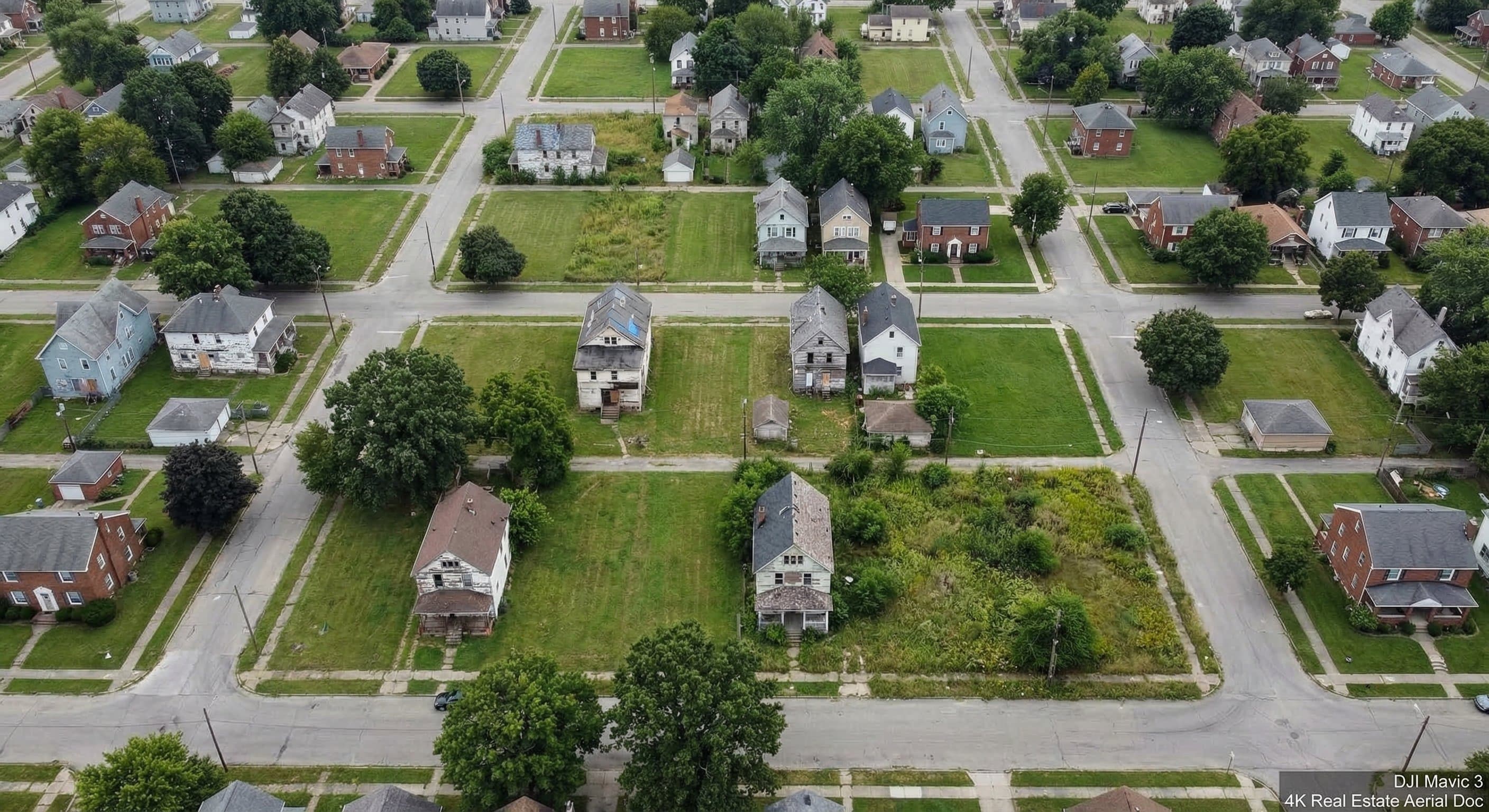
Ohio has a vacancy problem that most investors haven't fully mapped yet. Statewide, roughly 1 in 8 housing units sits empty — a figure that climbs above 1 in 5 in markets like Youngstown and parts of Cleveland's east side. These aren't just blighted teardowns; they're a mix of absentee-owned rentals, probate-tangled estates, tax-delinquent properties heading toward tax sale, and homes whose owners simply disappeared.
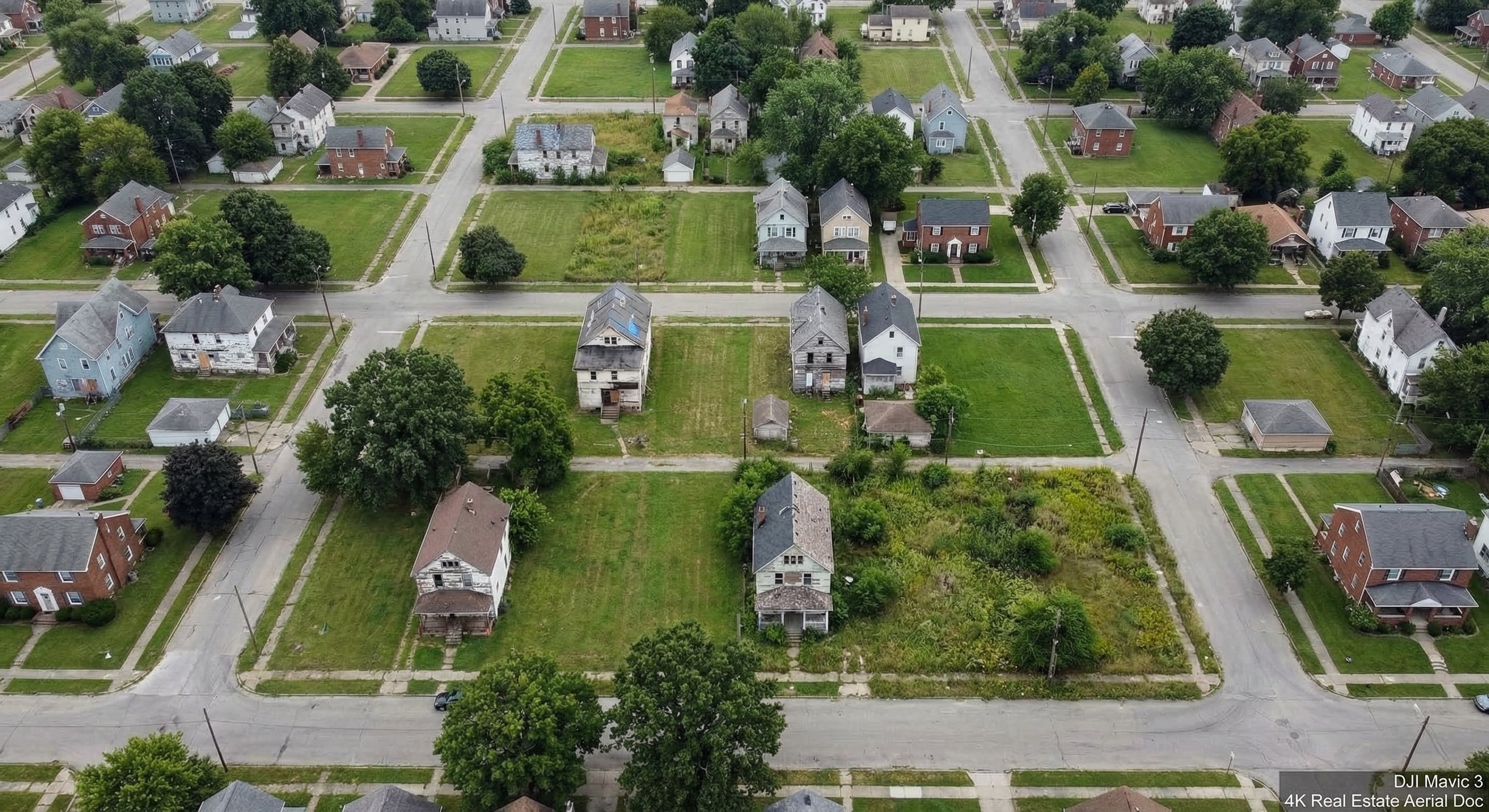
That concentration creates an unusually rich hunting ground — if you know where to look and which signals to trust.
Why Ohio Has More Vacant Properties Than Most States
Ohio's vacancy story is fundamentally a deindustrialization story. Cities that grew up around steel, auto parts, and rubber manufacturing saw mass outmigration when those industries contracted. Youngstown lost roughly 60% of its peak population. Cleveland lost nearly the same. Dayton and Toledo followed similar arcs over longer timelines.
What that leaves behind isn't just demographic data — it's hundreds of thousands of properties caught in various stages of neglect, distress, and institutional limbo.
Several overlapping factors keep Ohio's vacancy rate high:
Population decline without proportionate demolition. Housing stock doesn't disappear just because residents do. Ohio's housing inventory still reflects its industrial-era population, while the actual resident count is substantially lower in many metros.
Long judicial foreclosure timelines. Ohio is a judicial foreclosure state. The average contested foreclosure takes well over a year from filing to sheriff's sale. That means properties can sit vacant for 18–30 months before the title situation resolves — plenty of time for deterioration and plenty of time for an investor to reach the owner before the clock runs out.
Fragmented absentee ownership. Many Ohio rental properties are owned by out-of-state investors or inherited by heirs who never intended to become landlords. When a tenant leaves, these owners often don't respond quickly — and some properties simply drift into vacancy indefinitely.
High tax delinquency rates. In counties like Cuyahoga, Lucas, and Mahoning, property tax delinquency often correlates directly with vacancy. The owner stopped paying taxes because they stopped caring about the asset — or can no longer afford to maintain it.
Understanding these drivers helps you identify which vacant properties are worth pursuing versus which ones are in institutional holding patterns that won't resolve anytime soon.
Where Vacant Property Leads Come From in Ohio
Ohio investors use a layered approach to source vacant property leads. No single source is complete on its own — the best leads come from combining multiple data points.
County Auditor Records (Public, Free)
Every Ohio county maintains a parcel database through the county auditor's office. These records show ownership information, assessed value, tax payment status, and in many counties, an exemption status field that can indicate vacant/abandoned classification.
Key counties and their systems:
- Cuyahoga County — the CCAO (County Auditor) maintains a searchable portal with ownership data, transfer history, and tax delinquency status
- Franklin County — the Auditor's office at auditor.franklin.county.ohio.gov provides full parcel data including absentee owner identification
- Hamilton County — the Auditor's Real Estate Division maintains public records including current mailing address vs. property address (absentee indicator)
- Summit County — Akron-area records searchable through the Auditor's portal
- Montgomery County — Dayton-area records with public access to current owner mailing address
The limitation: raw auditor data tells you about ownership but doesn't tell you whether a property is currently occupied. Cross-referencing with utility shutoff data, postal vacancy flags, or visual driving-for-dollars checks is necessary to confirm vacancy.
Ohio Vacant Property Registration Ordinances
Many Ohio municipalities require property owners to register vacant properties and pay annual registration fees. These registries are public record and represent legally confirmed vacancies.
Cities with active vacant property registries include Cleveland, Columbus, Cincinnati, Akron, Toledo, Dayton, Youngstown, Lorain, and dozens of smaller municipalities. Registration typically kicks in 30–90 days after a property becomes vacant.
To access these lists: contact the municipal housing or building department directly. Some cities post vacancy registry data online; others require a public records request under Ohio Revised Code 149.43.
The advantage of registration data is certainty — if a property is on the registry, it's legally confirmed vacant. The disadvantage is timing: properties often appear on registries only after extended vacancy, by which point competition from other investors may have increased.
Ohio Land Bank Inventory
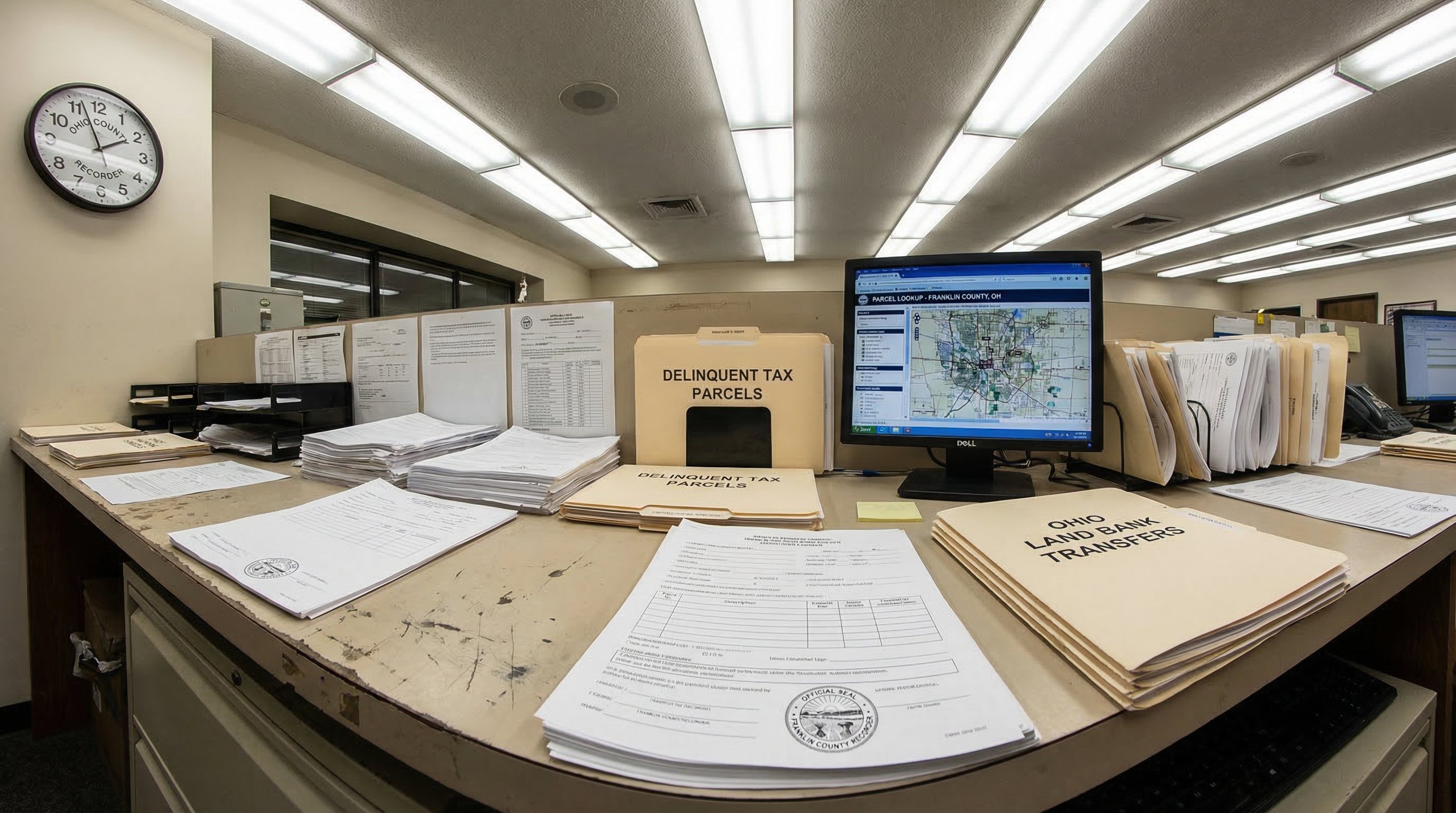
Ohio has one of the most sophisticated land bank systems in the country. Land banks are government entities authorized to acquire tax-delinquent and vacant properties, clear title, and resell them for productive reuse.
Major Ohio land banks include:
Cuyahoga Land Bank (Western Reserve Land Conservancy) — nationally recognized as a model program. Has acquired and returned thousands of properties to productive use. Publishes available inventory online at cuyahogalandbank.org.
Franklin County Land Bank — covers Columbus metro. Properties acquired include both residential and commercial vacants.
Lucas County Land Bank — Toledo-area operation. Active in both residential acquisition and demolition programs.
Mahoning County Land Reutilization — Youngstown-focused operation dealing with some of the highest vacancy concentrations in Ohio.
Hamilton County Land Bank — Cincinnati area. Smaller portfolio but growing.
For investors, land bank inventory is a direct pipeline to clear-title acquisitions — but competition is real, and land banks often have community-benefit requirements attached to transfers. Many land banks run application processes rather than open auctions.
Beyond buying direct from land banks, studying land bank acquisition patterns tells you which areas have the deepest vacancy concentrations — useful intelligence for identifying owner-owned vacants nearby that haven't hit the land bank yet.
Driving for Dollars (The Old Standard)
The original vacant property sourcing method still works: drive target neighborhoods, photograph properties showing vacancy indicators (boarded windows, overgrown yards, no mail pickup, notices on doors), and skip trace the ownership.
Apps like DealMachine or PROPSTREAM allow you to tag properties while driving and pull owner information immediately. The limitation: time cost is high and geographic coverage is limited to what you can physically reach.
For Ohio investors, focus driving-for-dollars efforts on inner-ring Cleveland suburbs (Euclid, East Cleveland, Cleveland Heights, Garfield Heights), Youngstown's west side, Dayton's northwest neighborhoods, and the older east-side Columbus zip codes.
Multi-Signal Data Platforms (The Fastest Route to Qualified Leads)
The challenge with all of the above methods is that none of them alone tells you why the property is vacant or how motivated the owner is to sell. That's where stacking signals becomes essential.
How Signal Stacking Transforms Ohio Vacant Property Leads
A vacant property is only a lead if there's an owner who might sell. Vacancy alone doesn't create motivation — it just flags opportunity. The real question is: what else is happening with this property?

The most motivated Ohio vacant property owners typically show multiple simultaneous signals:
Vacancy + Tax Delinquency — The property is empty AND the owner hasn't paid taxes. This is the clearest sign of abandonment versus intentional vacancy. Ohio's tax foreclosure process (governed by ORC 323.65-323.79) can move relatively quickly for non-owner-occupied properties, so these owners have real urgency.
Vacancy + Lis Pendens — A foreclosure action has been filed. The property may be in pre-foreclosure while sitting empty. The owner is under legal pressure with a specific timeline. These leads are time-sensitive but highly motivated.
Vacancy + Absentee Ownership + High Equity — Out-of-state owner, vacant property, substantial equity built up. No current distress signal, but the combination suggests a landlord who has mentally checked out of the asset. These respond well to outreach framing around "we handle everything, no repairs needed."
Vacancy + Probate — Owner died, property is sitting while estate settles. Heirs may have no attachment to the property and want to liquidate quickly. Ohio probate typically takes 6–12 months; estates with real property regularly drag longer.
DistressIQ surfaces all 31 signal types — including vacancy flags sourced from county-verified data — and lets you filter specifically for Ohio properties showing multiple stacked signals. Instead of chasing every vacancy, you focus on the owners with real urgency.
The platform covers 3,200+ counties nationwide, including all 88 Ohio counties, and updates multiple times daily from county sources. Search by county, zip, or custom radius, and export contact-ready leads for your outreach campaigns.
Founding member spots are still open: Starter $89/mo, Pro $174/mo, Elite $349/mo — 30% off locked for life. Start finding Ohio vacant leads →
Free Weekly Alerts
See What's Distressed in Your Market
Get free weekly alerts — new distressed properties, motivation scores, and hot neighborhoods in your area. Addresses and contact info available inside DistressIQ.
Free forever · No credit card · Unsubscribe anytime
Working Vacant Property Leads in Ohio: Step by Step
Once you have a list of verified vacant properties with stacked signals, here's the workflow that works in the Ohio market:
Step 1: Verify and Triage
Before reaching out, confirm:
- Is the property still vacant? (Street View, recent driving, or field verifier)
- What's the tax status? (Ohio county auditor portal — free and searchable)
- Is there an active foreclosure or lis pendens? (County courthouse records or DistressIQ)
- What's the estimated equity position? (Auditor assessed value × 0.85 as rough ARV proxy, minus mortgage from deed records)
Properties with high equity, confirmed vacancy, and active tax delinquency are your top tier. Work those first.
Step 2: Skip Trace and Contact
Ohio vacant property owners often use different mailing addresses from the property address (absentee owners) or have moved without forwarding. Ohio's auditor records show the current mailing address on file — start there.
For best results: multi-channel outreach. Direct mail first (postcards or handwritten letters get opened), followed by phone if skip tracing reveals a number. Keep the messaging human and empathetic — especially for probate-adjacent situations where a recent loss may have created the vacancy.
Step 3: Understand the Ohio-Specific Title Situation
Before making an offer, understand what you're dealing with:
Clean title vacants — Owner is alive, identifiable, and has clear title. Straightforward acquisition. Use a title company familiar with Ohio "open chain of title" issues.
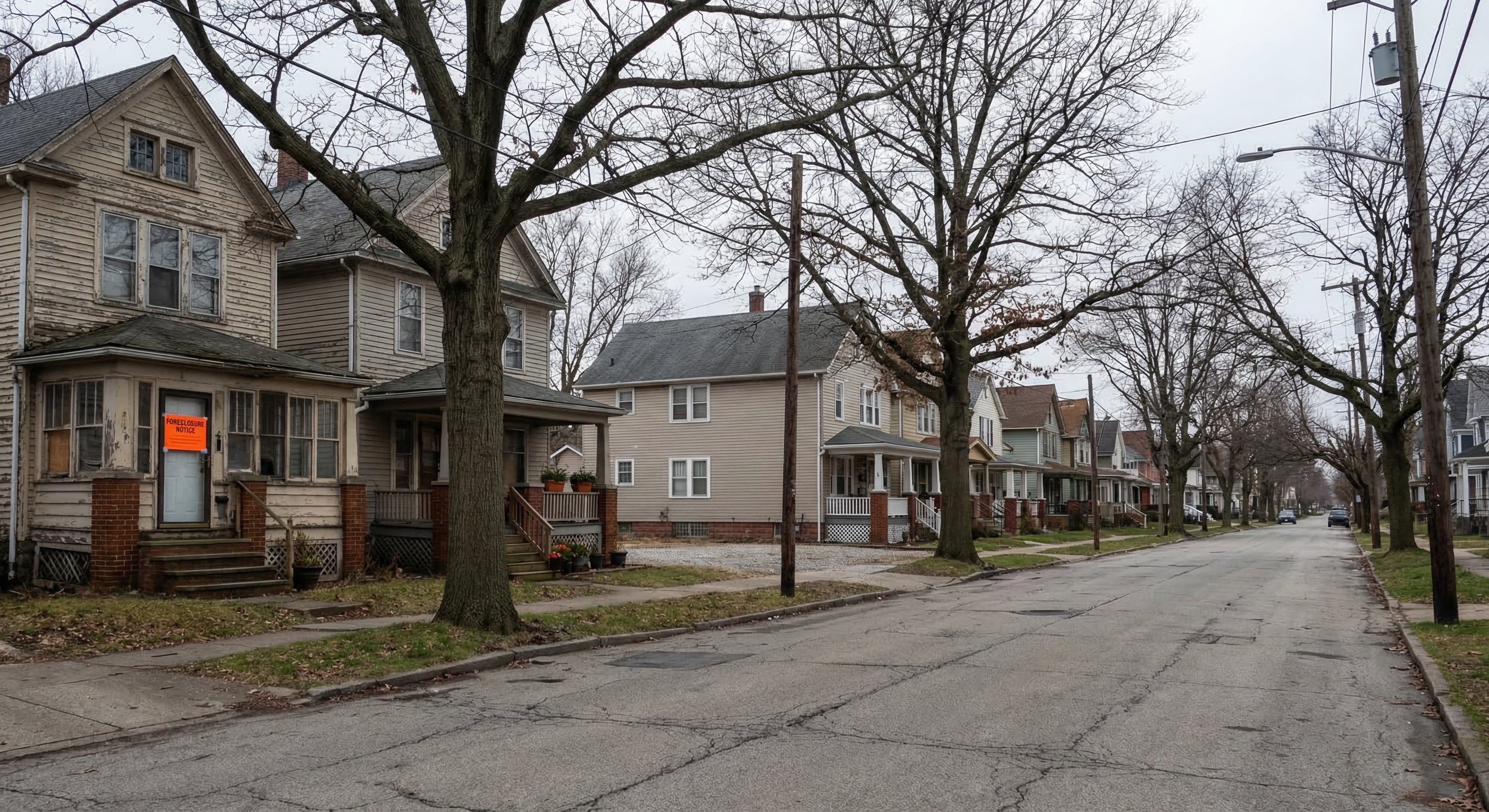
Tax-delinquent pre-foreclosure — Owner still holds title but taxes are in arrears. You can buy from the owner before the county completes tax foreclosure, but make sure the purchase price accounts for paying off tax liens.
Land bank candidates — If taxes are severely delinquent and property is in severe disrepair, the county may be moving to acquire it through ORC 323.65 expedited foreclosure. Don't waste time on negotiations if the county is 60 days from filing.
Probate-held properties — Estate properties require working through the executor or administrator. Get the probate case number from the county probate court and understand where the estate is in the process.
Step 4: Structure the Deal
Ohio is an investor-friendly closing state — title companies can close quickly, and Ohio law doesn't require attorney closings (unlike some states). Typical Ohio vacant property deals close in 21–45 days.
For severely distressed properties: factor in the cost of obtaining a new certificate of occupancy in municipalities that have inspection requirements triggered on property transfer (Columbus and Cleveland both have transfer inspection requirements).
Key Takeaways
- Ohio has one of the highest residential vacancy rates in the US — the Rust Belt cities drive concentrated opportunities in Cuyahoga, Mahoning, Lucas, and Montgomery counties
- County auditor records, municipal vacant property registries, and Ohio's land bank inventory are the primary free sourcing channels
- Ohio's judicial foreclosure timeline (12–24+ months) creates a long window to reach owners before sheriff's sale
- Vacancy alone doesn't indicate motivated sellers — stack signals (vacancy + tax delinquency + lis pendens + absentee ownership) to find owners with real urgency
- Ohio has 88 counties; the highest-concentration vacancy markets are Cleveland (Cuyahoga), Youngstown (Mahoning), Dayton (Montgomery), and Toledo (Lucas)
- Land bank programs are active in every major Ohio metro — study their acquisition patterns to identify non-land-bank vacants in the same zones
Frequently Asked Questions
Q: Where can I get a free list of vacant properties in Ohio?
County auditor portals provide ownership and tax status data at no cost, but they don't directly flag vacancy. Municipal vacant property registries (maintained by city housing departments) list legally confirmed vacancies and are available via public records request under ORC 149.43. The most complete picture comes from combining county auditor data with utility shutoff records, postal vacancy flags, and visual confirmation.
Q: How do Ohio land banks work for investors?
Ohio land banks are county government entities that acquire tax-delinquent or abandoned properties, clear title through expedited tax foreclosure (ORC 323.65), and offer them for reuse at below-market prices. Most land banks run an application process — you submit a reuse plan and purchase price offer. Land banks often prefer buyers with demonstrated renovation capacity and may attach deed restrictions requiring rehabilitation within a set timeframe. Major Ohio land bank websites: cuyahogalandbank.org, franklincountylandbank.org, lucascountylandbank.org.
Q: What signals indicate a vacant Ohio property owner is ready to sell?
The strongest combination: vacancy + property tax delinquency (2+ years) + no mortgage activity + absentee ownership (owner's mailing address is out of state or out of county). Add a lis pendens to that stack and you have a seller with legal urgency. Probate filings in the county probate court also indicate estate-held vacant properties where heirs often want to liquidate.
Q: Is Ohio a tax lien or tax deed state?
Ohio is a tax lien state — the county places a lien on delinquent properties before moving to foreclosure. Ohio's expedited tax foreclosure process under ORC 323.65-323.79 applies to non-owner-occupied properties and can move faster than standard judicial foreclosure. Investors can purchase tax lien certificates at annual county tax sales, though the redemption period must run before taking ownership.
Q: Which Ohio counties have the most vacant property leads?
Cuyahoga County (Cleveland) consistently leads — high vacancy, active land bank, and a large universe of absentee-owned rentals. Mahoning County (Youngstown) has the highest per-capita vacancy rate. Lucas County (Toledo) and Montgomery County (Dayton) have significant vacancy concentrations in their urban cores. Franklin County (Columbus) has lower overall vacancy but pockets of opportunity in older east-side neighborhoods. Rural Appalachian Ohio counties (Meigs, Wayne, Muskingum) also have elevated vacancy from population outmigration.
Q: What happens to vacant properties in Ohio that no one buys?
Properties that remain tax-delinquent without a buyer eventually go through the county's delinquent tax foreclosure process. Non-owner-occupied properties can be foreclosed on an expedited basis (ORC 323.65) and transferred to the county land bank. From there, the land bank either rehabilitates, sells, or demolishes. Properties with severe structural issues — common in Youngstown and older Cleveland neighborhoods — often end up demolished through OHFA's Neighborhood Initiative Program funding.
Q: How do I find absentee owner contact information for vacant Ohio properties?
Start with the county auditor's mailing address field — most auditor portals show the owner's address on file, which for absentee owners differs from the property address. From there, skip tracing services can locate current phone numbers and email addresses. Ohio Secretary of State records can help for corporate-owned properties. DistressIQ surfaces verified absentee owner data layered against vacancy and tax delinquency signals, so you can skip the manual aggregation step.
Build Your Ohio Vacant Property Pipeline Today
Ohio's vacancy concentrations aren't going anywhere in the next few years — the demographic and economic forces driving them are structural, not cyclical. That means a consistent, replenishing inventory of leads for investors who know how to find and work them.
The investors winning in the Ohio market right now aren't the ones spending 20 hours a week manually searching auditor portals. They're using county-verified signal data to find the properties where multiple distress factors stack — then reaching those owners first.
DistressIQ covers all 88 Ohio counties with 31 stacked signal types, updated multiple times daily from county sources. Street View and aerial imagery on every lead means you're evaluating condition before you ever get in your car.
Start your free trial → distressiq.ai — Founding member pricing: Starter $89, Pro $174, Elite $349/mo. Fewer than 50 spots remaining at 30% off locked for life.
Sources: Ohio Revised Code 323.65-323.79 (Expedited Tax Foreclosure); U.S. Census Bureau American Community Survey Housing Vacancy Data; Cuyahoga Land Bank Annual Report; Ohio Housing Finance Agency Neighborhood Initiative Program documentation; Ohio Secretary of State Business Entity Records.
The data behind this article
DistressIQ Monitors These Signals in Real Time
Pre-Foreclosures
NOD + NTS filings
Tax Delinquency
County treasurer records
Code Violations
Municipal inspection filings
Probate Filings
Superior Court records
Every lead is scored 0–100 for seller motivation based on signal type, duration, severity, and stacking. Nationwide coverage — every US county, updated daily.
Ready to find deals in your market?
See Live Distress Signals in Your County
Stop calling dead leads. Every lead in DistressIQ is scored 0–100 for seller motivation, with verified contact info included. Browse the free tier to see what's active in your market right now.
Browse Free Leads — No Credit Card