Vacant Property Leads Massachusetts: Where Zombie Homes and Investor Opportunities Overlap
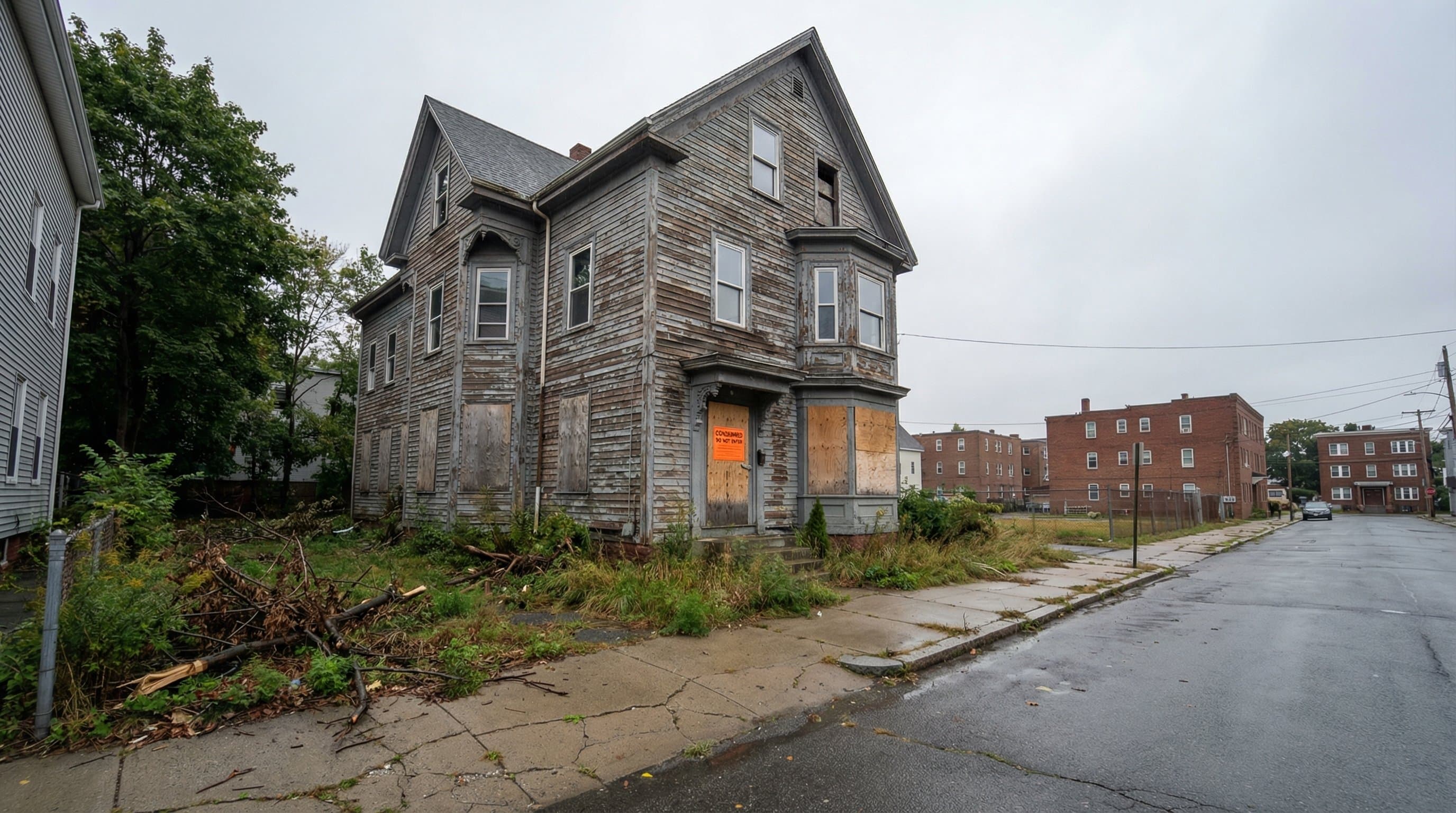
TL;DR: Massachusetts vacant property leads concentrate in post-industrial cities like Fall River, Lawrence, Holyoke, and Springfield, where population decline and housing obsolescence have created persistent vacancy problems. The state maintains municipal vacant property registries in larger cities and allows towns to enact registration ordinances that generate public records investors can search. DistressIQ combines registry data with county assessor vacancy flags, tax delinquency records, and code violation filings to surface vacant property leads that meet investor criteria.
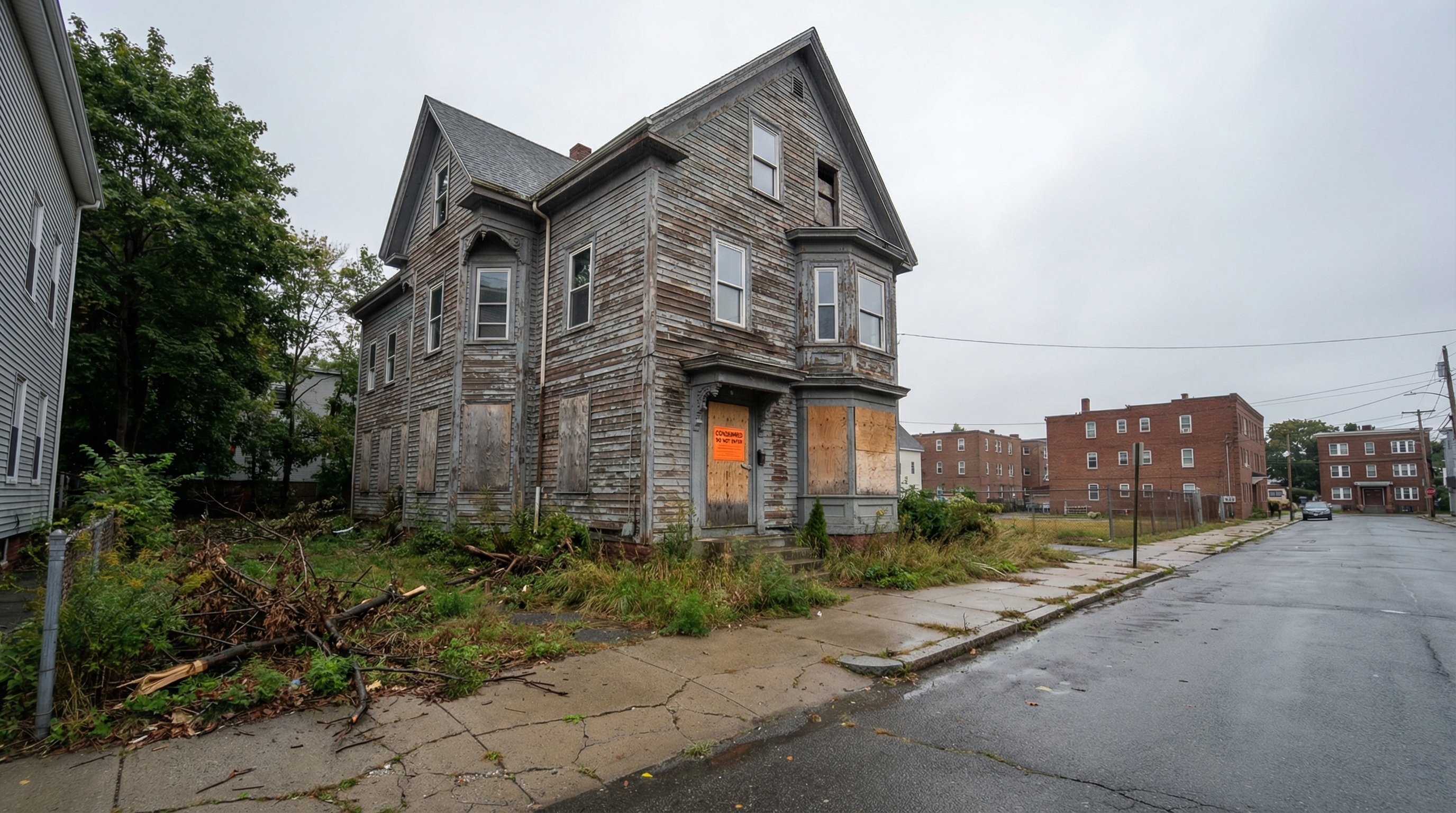
Massachusetts has a vacancy problem that most investors outside the state do not know about. The image of the Bay State as a prosperous Boston metro area obscures the reality of communities in the central and western parts of the state where housing stock is old, populations have declined for decades, and vacant properties are a persistent feature of the local landscape.
For investors who know where to look, these vacant property leads represent genuine opportunities. Properties that have sat empty for years sometimes sell for the cost of back taxes alone. The catch is finding them before the speculative buyers who specialize in this niche, and understanding which vacant properties have recoverable value versus which ones should be avoided entirely.
Why Massachusetts Has More Vacant Property Than Most Investors Assume
The story of Massachusetts vacant property is largely a story about economic geography. The state's industrial economy collapsed between 1970 and 1990, as manufacturing jobs left cities like Fall River, Lawrence, Holyoke, and Lowell. Housing that was built to shelter factory workers became surplus as populations shrank.
The result is a stock of older housing that is financially out of reach for many local buyers. Deferred maintenance accumulates. Rents decline. Eventually owners walk away or stop paying property taxes, and the property joins the ranks of vacant property leads that investors can potentially acquire at deep discounts.
This pattern distinguishes Massachusetts vacancy from Sunbelt vacancy, which is typically driven by speculative overbuilding. Massachusetts vacant properties are often structurally sound but economically orphaned. The buildings are not distressed in the sense of needing demolition; they are distressed in the sense that the local market cannot support their current assessed value.
Where Vacant Property Leads Concentrate in Massachusetts
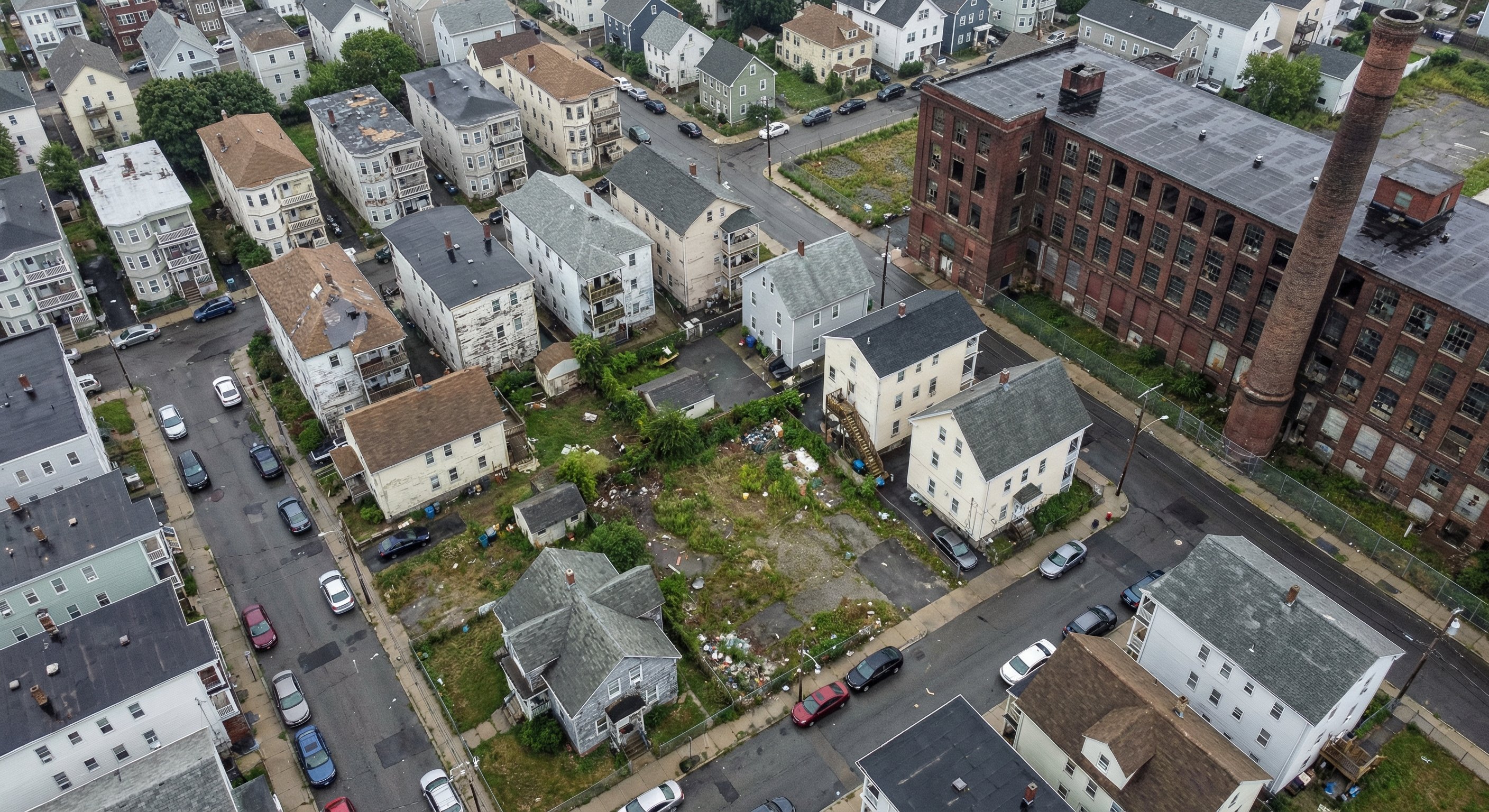
Massachusetts vacant property leads are not evenly distributed across the state. They concentrate in specific cities and neighborhoods where the combination of economic decline, aging housing stock, and weak demand creates persistent vacancy.
Fall River is one of the most vacancy-dense cities in New England relative to its population. The city was a textile manufacturing center that never recovered from the loss of factory jobs. Large sections of the city have vacancy rates that would be unremarkable in Detroit but stand out in the Massachusetts context. Properties in Fall River's older textile-era neighborhoods frequently trade for $30,000 to $80,000, often with the structure in need of more work than the purchase price suggests.
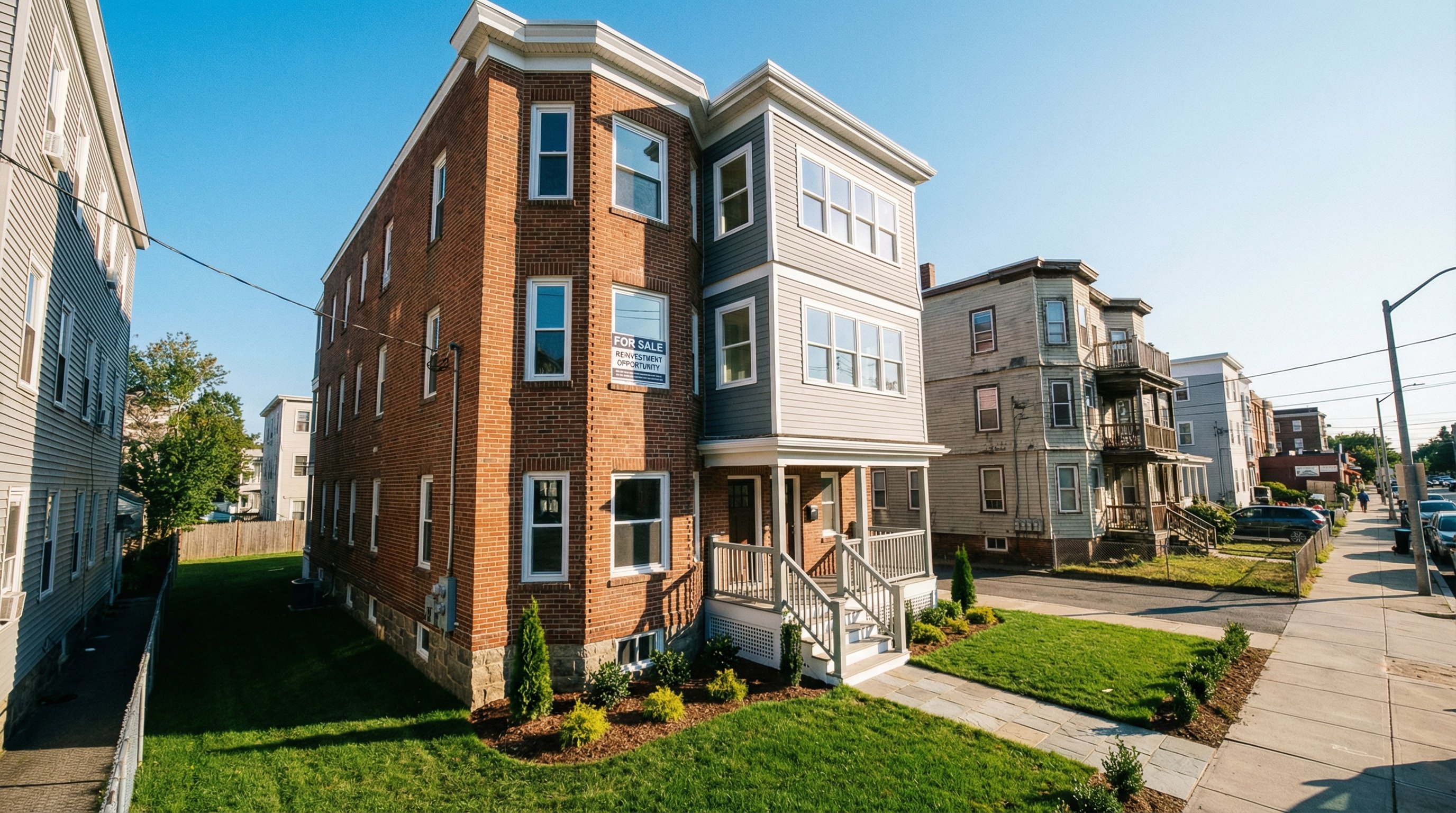
Holyoke has similar characteristics: a post-industrial city with a large stock of Victorian-era multi-family housing that has seen better days. Vacant property leads in Holyoke often involve three-decker homes that require substantial renovation to meet modern code standards.
Lawrence is another city where vacant property leads are plentiful relative to investor competition. Lawrence lost significant population in the 1990s and 2000s, and vacancy has been a persistent issue in the working-class neighborhoods south of the city center.
Springfield is the largest city in western Massachusetts and has more vacant property volume than any other city outside the Boston metro area. Springfield's vacant leads include both single-family homes in declining neighborhoods and larger multi-family buildings that institutional investors have passed on.
Worcester presents a more nuanced picture: strong demand in the immediate downtown area coexists with pockets of vacancy in the outer neighborhoods and the city's former industrial districts. Worcester's geographic position as a commuting suburb of Boston means that any distressed property near the commuter rail line has a built-in buyer pool, making pre-foreclosure leads more valuable than purely vacant leads.
Fitchburg and Leominster round out the high-vacancy corridor in north-central Massachusetts. These smaller cities have less investor activity than the larger markets, which means less competition for the vacant property leads that do surface.
How Massachusetts Municipal Vacant Property Registries Work
Many Massachusetts municipalities with significant vacancy problems maintain public registries of vacant and blighted properties. These registries exist because cities need to track properties that generate code enforcement costs and neighborhood deterioration.
The registration requirements vary by municipality, but the core data is similar across most cities that maintain them: the property address, the name and contact information of the owner or responsible party, the date of last known occupancy, and any outstanding code violations or orders to vacate.
Investor access to these registries varies. Some cities publish registry data online or provide it through a public records request. Others require visiting the city clerk's office or code enforcement department in person. Investors working the Massachusetts market build relationships with code enforcement offices in the target cities specifically to gain access to current vacancy data.

DistressIQ incorporates municipal registry data where available, cross-referencing registered vacant properties with county assessor records to identify vacant property leads that also carry tax delinquencies or code violations. Properties appearing on multiple distress signal types simultaneously represent the strongest acquisition candidates because they signal that the property has been problematical long enough that the owner has stopped maintaining compliance with multiple municipal and financial obligations.
Free Weekly Alerts
See What's Distressed in Your Market
Get free weekly alerts — new distressed properties, motivation scores, and hot neighborhoods in your area. Addresses and contact info available inside DistressIQ.
Free forever · No credit card · Unsubscribe anytime
How to Find Vacant Property Leads in Massachusetts
Beyond municipal registries, there are several systematic approaches to finding vacant property leads in Massachusetts that experienced investors use.
County assessor records include vacancy flags in most Massachusetts municipalities. Assessor data is public record and accessible through each municipality's assessor's office. A property flagged as vacant in the assessor database is a potential vacant property lead worth investigating further. Cross-referencing the assessor vacancy flag against the property's tax payment history and ownership records quickly reveals which properties have been vacant long enough to represent a serious acquisition opportunity.
Tax delinquency lists are another primary source of vacant property leads in Massachusetts. Properties with two or more years of delinquent property taxes are typically vacant or near-vacant because occupied properties rarely reach that level of delinquency without the lender stepping in. Investors who search the tax delinquency list for their target cities and filter for properties with three or more years of back taxes will find candidates that have been ignored by the mainstream investor community.
Code violation records maintained by Massachusetts municipal code enforcement departments document properties with visible signs of neglect: overgrown vegetation, exterior deterioration, broken windows, and failure to maintain code compliance. A code violation case that has been open for more than 90 days is a reliable indicator of a property that has crossed into vacant territory.
Notice of vacate filings in the context of landlord-tenant disputes are another signal worth tracking in Massachusetts. A landlord who goes through the court process to evict a tenant and then does not re-rent the property has created a de facto vacant property lead.
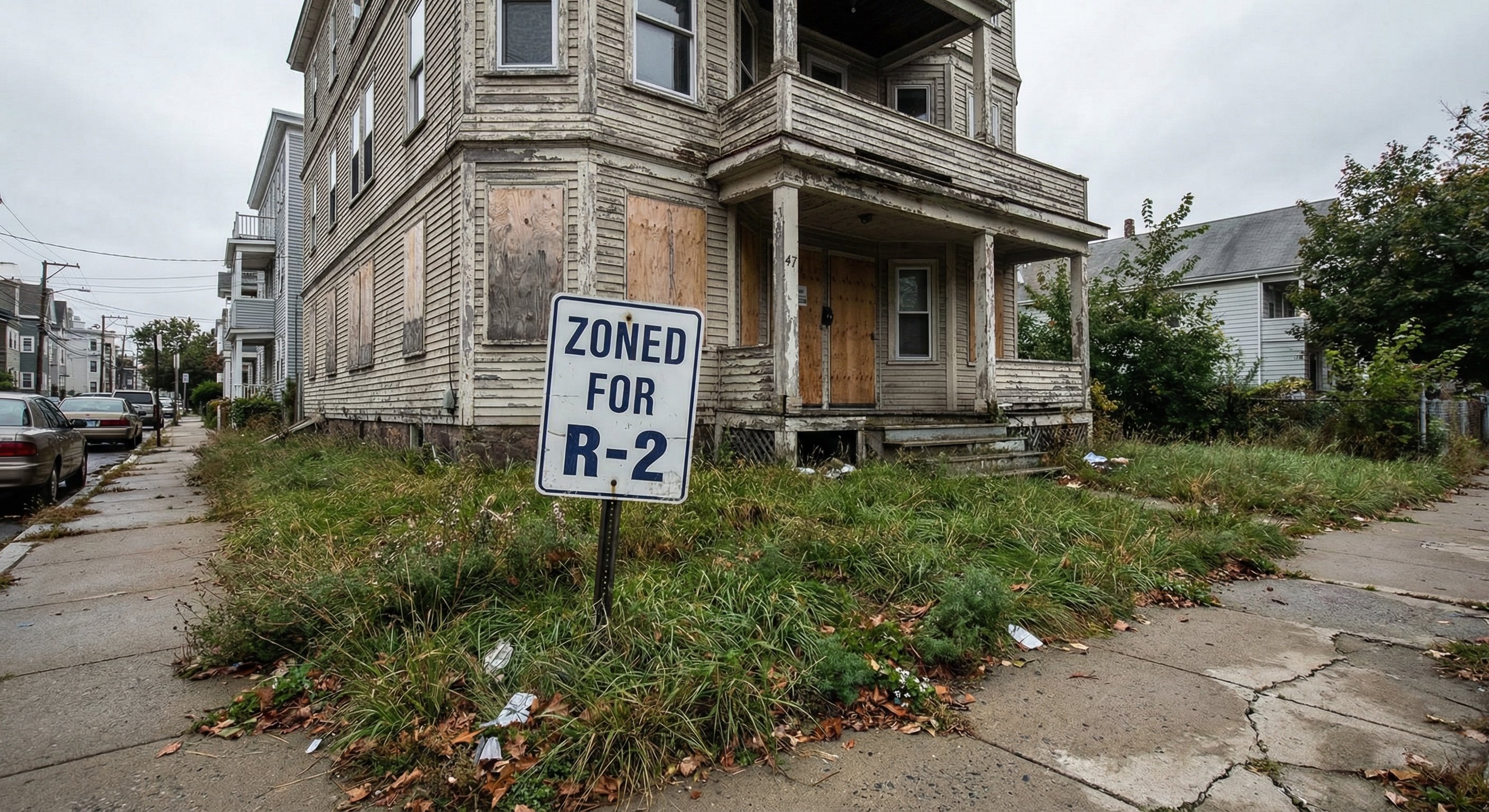
Absentee owner data from county assessor records identifies properties where the mailing address for the owner does not match the property address. Absentee owners are significantly more likely to allow a property to deteriorate to vacant condition than owner-occupants who live nearby.
DistressIQ aggregates these signals for Massachusetts municipalities and presents them in a filterable workspace. Investors searching for vacant property leads can filter by city, years of vacancy, assessed value range, and presence of tax delinquency, code violations, or other distress signals that indicate an actionable acquisition candidate.
What Makes a Vacant Property Lead Actionable in Massachusetts
Not every vacant property in Massachusetts is worth pursuing. The investor's job is to quickly separate the properties with recoverable value from the ones that will consume more capital and time than the eventual sale price can justify.
The key metric is the relationship between assessed value and estimated repair cost. In most Massachusetts markets, any property with an assessed value below $100,000 will require a detailed repair estimate before purchase, because the repair-to-value ratio can quickly become unfavorable for properties trading at very low prices. Properties assessed between $100,000 and $200,000 in viable neighborhoods are often the sweet spot for small investors seeking $30,000 to $80,000 acquisition prices with manageable renovation budgets.
Neighborhood market liquidity matters more in Massachusetts than in most other states. A vacant property in a neighborhood where comparable sales happen every 12 to 18 months is a different investment than one in a neighborhood where comparable sales happen every three years. Investors in Massachusetts need to match their vacant property leads to the realistic exit timeline for the specific neighborhood.
Title clarity is a prerequisite. Massachusetts vacant properties frequently have title complications: mechanics liens from work done by previous owners, unpaid utility liens, and code violation charges that attached to the property as a municipal lien. Investors who cannot conduct a thorough title search before closing should avoid Massachusetts vacant property leads, because the probability of encountering a title issue is high enough that skipping due diligence is not a viable strategy.
Zoning matters in Massachusetts cities. Older multi-family buildings in Massachusetts cities are often non-conforming under current zoning codes, meaning that they cannot be replicated by new construction. This is actually an investor advantage: the supply of 3-6 unit buildings in working-class Massachusetts neighborhoods is fixed, which means that a renovated building in a neighborhood with persistent rental demand will face limited new competition.
The Zombie Property Problem in Massachusetts
Massachusetts has a significant zombie property problem, particularly in the post-industrial cities of the south coast and the Merrimack Valley. Zombie properties are properties where the lender has initiated foreclosure but the process stalled, the homeowner abandoned the property, and the lender never completed the foreclosure or took possession.
The zombie property dynamic in Massachusetts is different from Sunbelt markets. In Florida or Arizona, zombie properties form because the lender foreclosed quickly and the property sat empty because the market was soft. In Massachusetts, the typical zombie property results from a lender starting foreclosure and then stopping, either because the loan was modified or because the lender decided the property was not worth the cost of completing the foreclosure in a declining market.
The result is a property that sits in limbo: the homeowner has left, the lender has not completed its foreclosure, the property continues to deteriorate, and no party has a clear legal obligation to maintain it. Municipal code enforcement eventually issues orders to the last known owner of record, but collection of fines is often impossible because the owner has no assets connected to the property.
Investors who can clear a zombie property title through the probate or tax sale process often acquire the property at a price that reflects only the land value, because the structure is effectively a liability in the lender's calculus. This requires patience and legal strategy, but the acquisition economics can be compelling.
Vacant Property Leads and the Massachusetts Tax Sale Process
Massachusetts municipalities can sell tax liens on delinquent properties to private investors through an annual tax sale process. This is particularly relevant for vacant property leads because vacant properties are disproportionately likely to have accumulated significant tax delinquencies.
The tax sale process in Massachusetts varies by municipality but generally follows a similar pattern: the city offers the lien at public auction, and the winning bidder receives a lien on the property that accrues interest at a rate set by the municipality. The property owner typically has a redemption period of six months to one year to pay the lien amount plus interest before the investor can move to foreclose the lien.
Investors who acquire tax liens on vacant properties in Massachusetts are not necessarily acquiring the property itself. The lien gives the investor a claim on the property's equity. If the owner redeems, the investor receives the lien amount plus interest. If the owner does not redeem, the investor can foreclose the lien and take title to the property.
This is an attractive structure for investors who want the option of acquiring a vacant property at a discount without committing to purchase it outright until they have verified the title and assessed the condition. The lien acquisition costs less than a direct purchase, and the redemption period gives the investor time to conduct due diligence before deciding whether to foreclose.
Frequently Asked Questions
Where does vacant property lead concentration in Massachusetts?
Vacant property leads concentrate in post-industrial cities: Fall River, Holyoke, Lawrence, Springfield, Fitchburg, and Leominster. These cities have the oldest housing stock, the deepest economic decline, and the highest rates of long-term vacancy per capita in the state.
How do I find vacant property registries in Massachusetts?
Most Massachusetts municipalities with significant vacancy maintain registries through the city clerk's office or code enforcement department. Some publish registry data online; others require a public records request. Building a relationship with code enforcement staff in target cities is the most reliable way to access current data.
What is a zombie property in Massachusetts?
A zombie property is one where the lender initiated foreclosure but stopped the process before completion. The homeowner left, the lender never took possession, and the property sits vacant. Zombie properties are common in Massachusetts because the judicial foreclosure process gives lenders multiple opportunities to stop and because the older cities have weak underlying real estate demand.
Can investors buy vacant properties before the tax sale in Massachusetts?
Yes. Vacant property leads that are current on taxes but physically abandoned can sometimes be purchased directly from the owner of record or from a lender holding the existing mortgage. Investors who monitor county assessor vacancy flags and code violation records can identify candidates before they reach the tax sale queue.
What is the biggest risk with Massachusetts vacant property leads?
Title complications are the most common risk. Mechanics liens, code violation fines that became municipal liens, and utility charges can attach to a Massachusetts property in ways that are difficult to discover without a thorough title search. Investors should treat title due diligence as a prerequisite, not an option, for any vacant property acquisition.
Looking for vacant property leads in Massachusetts and other target markets? Browse verified vacancy signals on DistressIQ and filter by city, signal type, estimated value range, and days on market.
The data behind this article
DistressIQ Monitors These Signals in Real Time
Pre-Foreclosures
NOD + NTS filings
Tax Delinquency
County treasurer records
Code Violations
Municipal inspection filings
Probate Filings
Superior Court records
Every lead is scored 0–100 for seller motivation based on signal type, duration, severity, and stacking. Nationwide coverage — every US county, updated daily.
Ready to find deals in your market?
See Live Distress Signals in Your County
Stop calling dead leads. Every lead in DistressIQ is scored 0–100 for seller motivation, with verified contact info included. Browse the free tier to see what's active in your market right now.
Browse Free Leads — No Credit Card