Pre-Foreclosure Leads Minnesota: County-by-County Guide for Investors

Pre-Foreclosure Leads Minnesota: County-by-County Guide for Investors
TL;DR: Minnesota runs a judicial foreclosure process that takes a minimum of six months from default to sheriff sale, giving investors one of the longest pre-foreclosure windows in the country. The strongest pre-foreclosure signals cluster in Hennepin County (Minneapolis), Ramsey County (St. Paul), Dakota County, and Olmsted County, where high property values and elevated mortgage debt create the most distressed inventory. County-by-county public records are accessible but require manual searching across each assessor's website, which is time-consuming at scale. A distressed property intelligence platform aggregates these signals across Minnesota's 87 counties and scores each lead by motivation level.

Every investor who has searched for pre-foreclosure leads in Minnesota has hit the same wall. The courthouse is open from eight to four, the records are kept in alphabetical files that have not been digitized since 2015, and the property you drove ninety minutes to see is listed as a "miscellaneous instrument" with no contact information for the owner. That friction is not accidental. It is structural. Minnesota's judicial foreclosure process creates a six-month runway between default and sheriff sale, and that runway is exactly where serious investors find the best opportunities before the auction crowd shows up.
This guide covers the Minnesota pre-foreclosure timeline county by county, where the distressed inventory actually concentrates, and how to find pre-foreclosure leads in Minnesota without spending afternoons in a county recorder's office.
Minnesota Foreclosure Process: Why the Timeline Matters for Investors
Minnesota is one of roughly 22 judicial foreclosure states, meaning every foreclosure must go through a court proceeding before the property can be sold at auction. That distinction is not academic. It is the entire ballgame for investors who know how to use it.
The process works like this. A homeowner defaults on their mortgage. The lender files a foreclosure by advertisement with the county sheriff, which starts the legal clock. Minnesota statute requires a minimum of six months from the date of service before the sheriff sale can occur. During that period, the homeowner has the right to reinstate the loan by paying the overdue amount plus fees, or to redeem the property after the sale by paying the full debt plus costs.
That six-month minimum is the pre-foreclosure window. It is the period during which the homeowner is actively in distress, has not yet lost the property, and may be highly motivated to negotiate a pre-foreclosure sale rather than endure a public auction. In states with non-judicial foreclosure, that window can be as short as 30 to 60 days. Minnesota gives investors roughly six months to find, research, and make contact.
The redemption period after the sheriff sale adds additional time. In most Minnesota counties, the statutory redemption period is six months, though it can extend to 12 months for agricultural land. In practice, this means the path from first default to final loss of ownership can stretch past a year, which creates multiple entry points for investors throughout the process.
The key number for investors is not the six-month minimum. It is the fact that many homeowners do not know they can sell during the redemption period, or do not understand that a short sale negotiated before the sheriff sale will fetch a better outcome than an auction. That knowledge gap is where pre-foreclosure leads in Minnesota become actionable.
Where Pre-Foreclosure Leads Cluster: Minnesota County Breakdown
Not all Minnesota counties generate pre-foreclosure activity at the same rate. The volume tracks directly to population density, median home values, and the concentration of mortgage debt. Five counties account for the majority of statewide distressed inventory, and each has its own character.
Hennepin County (Minneapolis)
Hennepin is Minnesota's most populous county with 1.26 million residents, and it carries a disproportionate share of the state's distressed property volume. The Minneapolis metro housing market sees consistent pre-foreclosure activity in neighborhoods where investment properties, multi-unit buildings, and older single-family homes overlap with financial hardship.
The county uses an online property tax search through its official assessor portal, and lis pendens filings are recorded with the county recorder. Pre-foreclosure activity in Hennepin County tends to concentrate in north Minneapolis (the Jordan and Willard-Hay neighborhoods), south Minneapolis (the Phillips and Corcoran areas), and the first-ring suburbs of Robbinsdale, Crystal, and St. Louis Park.
For investors targeting Hennepin County pre-foreclosure leads, the signal to watch is the gap between assessed value and market value. The county assessor publishes current assessed values online, and when that gap widens relative to comparable sales, it often signals financial stress before the lis pendens filing appears.
Ramsey County (St. Paul)
Ramsey County is the second-largest county in Minnesota with 550,000 residents, and its pre-foreclosure inventory skews toward lower-value properties compared to Hennepin. The city of St. Paul has a higher concentration of pre-foreclosure activity relative to its population than Minneapolis, partly because median household incomes are lower and partly because the housing stock includes a larger share of older brick row houses and smaller bungalows that carry smaller mortgages but still default.
The Eastside St. Paul neighborhoods of Payne-Phalen and Dayton-Belknap show elevated pre-foreclosure signal density, as does the Midway area near University Avenue. Investors find Ramsey County pre-foreclosure leads attractive because the median purchase price is lower than Hennepin, which means lower acquisition cost even if the property needs moderate rehabilitation.
Dakota County
Dakota County is the third-largest county by population and spans the southern Twin Cities suburbs from Burnsville and Lakeville on the south end to Eagan and Inver Grove Heights closer to the core. The pre-foreclosure profile here differs from Hennepin and Ramsey in one key way: the housing stock is newer on average, which means the distress signals tend to come from job loss or divorce rather than long-term neighborhood decline.
Dakota County pre-foreclosure leads often involve properties in subdivisions built during the 1990s and 2000s, which means the land value is relatively stable even if the structure needs work. For investors using a BRRRR strategy, Dakota County offers an interesting opportunity profile because the land-to-structure ratio is favorable for those willing to hold.
St. Louis County (Duluth)
St. Louis County covers the Iron Range and the city of Duluth in northern Minnesota, and it operates differently from the Twin Cities counties in almost every respect. The housing market is smaller and thinner, which means pre-foreclosure leads here can sit longer before attracting investor attention. The county has seen population decline in some rural areas, which can push pre-foreclosure properties into situations where the land itself is the primary value driver.
For investors willing to travel or manage properties remotely, St. Louis County pre-foreclosure leads represent a lower-competition opportunity compared to Hennepin or Ramsey. The Duluth real estate market has seen renewed interest due to outdoor recreation demand, which gives distressed properties in that corridor a relatively reliable exit through either retail buyers or short-term rentals.
Olmsted County (Rochester)
Olmsted County is home to Rochester, Minnesota, and it carries a distinctive pre-foreclosure profile shaped by the Mayo Clinic's employment base. The healthcare sector creates stable jobs, but the high cost of living in Rochester relative to other mid-sized Minnesota cities means that households on the margin of financial distress are disproportionately concentrated in the rental and lower-purchase-price segments.
Pre-foreclosure leads in Olmsted County tend to involve starter homes and modest condominiums near the city core. The county's assessor database is reasonably functional, and lis pendens filings are searchable through the county recorder.
Rural Minnesota Counties
The remaining 82 Minnesota counties generate pre-foreclosure inventory that is smaller in volume but sometimes larger in opportunity per deal. Counties like Kandiyohi (Willmar), Stearns (St. Cloud), and Crow Wing (Brainerd Lakes) see consistent pre-foreclosure activity driven by agricultural economy cycles, seasonal employment, and older housing stock that requires ongoing maintenance.
The challenge with rural pre-foreclosure leads in Minnesota is that the exit strategies are more limited. A distressed property in Todd County or Wadena County may sit on the market longer than an equivalent property in Hennepin County, which means investors need to model their holding costs carefully before making offers on rural pre-foreclosure inventory.
How to Find Pre-Foreclosure Leads in Minnesota
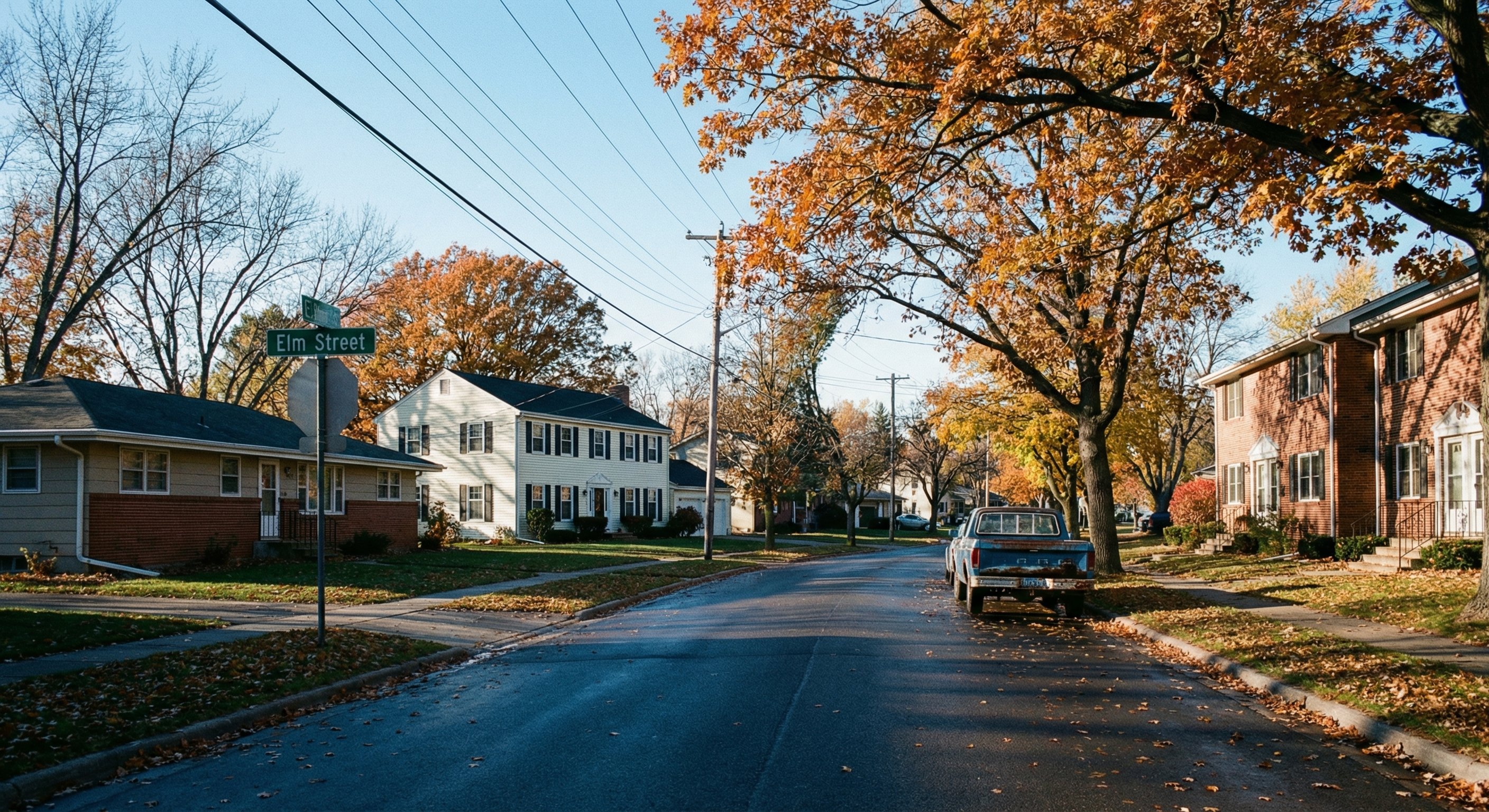
The manual path to finding pre-foreclosure leads in Minnesota starts with the county recorder or county assessor website in each of the 87 counties. Each county maintains its own system, and the search interfaces range from reasonably functional to essentially unusable. Investors who pursue this route report spending two to four hours per county on initial research, not counting the time required to drive to courthouses when digital records are incomplete.
The search sequence typically involves three steps. First, identify lis pendens filings in the county where the action is recorded. Second, cross-reference the property identification number with the assessor's database to get current owner information, assessed value, and property characteristics. Third, skip trace the owner to get a phone number or mailing address where they can be reached.
The problem is not that this process does not work. It is that it does not scale. An investor who manually searches five counties in an afternoon will find some leads, but will also spend the equivalent of a full workday doing it. When the same investor wants to monitor all 87 counties for new pre-foreclosure filings, the manual approach becomes a full-time job.
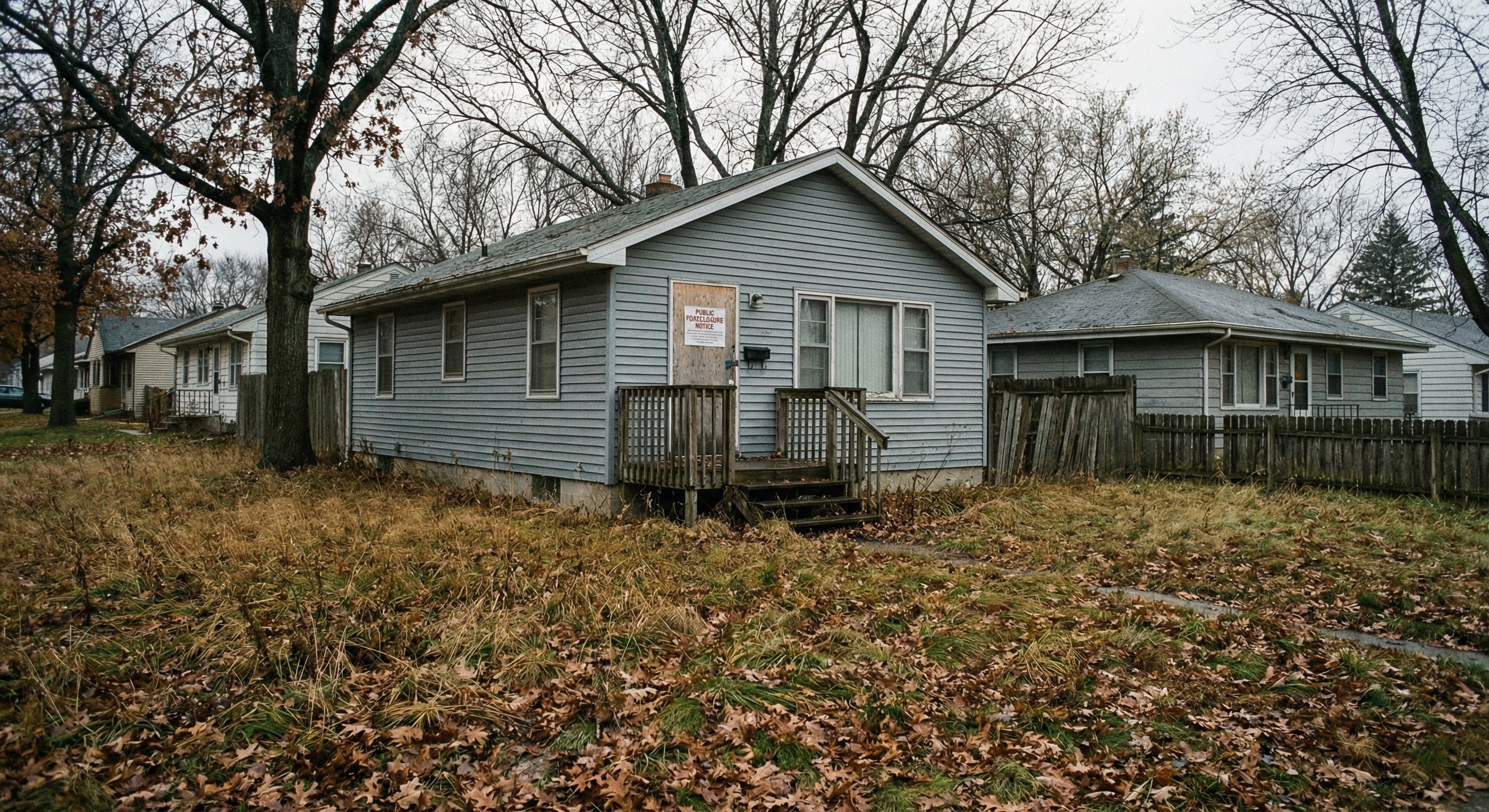
A distressed property intelligence platform aggregates county-direct data across all 87 Minnesota counties and updates it daily, flagging new lis pendens filings and pre-foreclosure activity as it appears in public records. The advantage for investors is not just speed. It is the ability to compare distress signals across counties and prioritize leads by motivation score rather than geography alone.
Free Weekly Alerts
See What's Distressed in Your Market
Get free weekly alerts — new distressed properties, motivation scores, and hot neighborhoods in your area. Addresses and contact info available inside DistressIQ.
Free forever · No credit card · Unsubscribe anytime
What Minnesota Investors Need to Know Before Making Contact
Minnesota's redemption period creates a specific dynamic that investors need to understand before they begin reaching out to pre-foreclosure homeowners. Many homeowners in Minnesota believe they have until the sheriff sale to sell their property, but the redemption period after the sale gives them additional time to find a buyer. Investors who approach homeowners in the weeks immediately following the sheriff sale often find highly motivated sellers who have not yet understood their options.
The short sale approval process in Minnesota requires lender consent, and Minnesota law requires the lender to respond to short sale requests within reasonable timeframes, though the definition of reasonable varies by lender. Investors who build relationships with loss mitigation departments at local banks and credit unions often move short sale negotiations faster than those who work only through the standard short sale portals.
Minnesota is a consumer-friendly state for distressed homeowners, which means the process takes longer than in non-judicial states. That same patience, applied by an investor who understands the timeline, converts into negotiating leverage. Homeowners who are exhausted by six months of letters from their lender are often relieved to receive a direct call from an investor who has a specific offer and a clear path to closing.
Distress Signals in Minnesota: Beyond Pre-Foreclosure
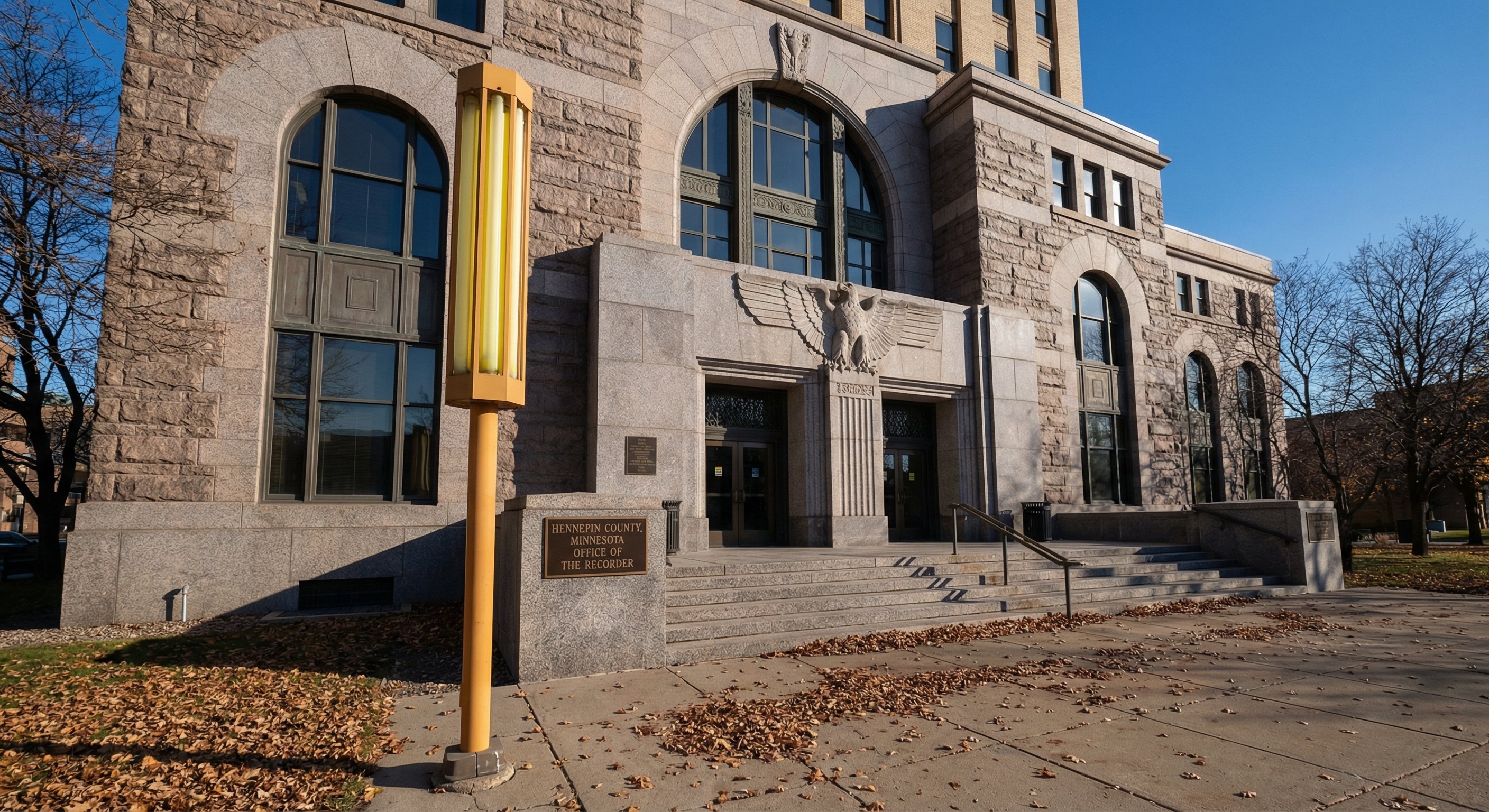
Pre-foreclosure is one signal, but Minnesota properties in financial distress often display multiple signals simultaneously. A property that is pre-foreclosure may also be tax delinquent, may have an absentee owner, or may be code violation active. Properties with stacked distress signals tend to correlate with higher owner motivation and lower competing interest from other investors.
Minnesota's extreme seasonal weather creates a specific distress pattern that out-of-state investors often miss. Properties where the owner has defaulted on a mortgage are frequently also properties where deferred maintenance has accumulated over a difficult winter. A roof that survived three Minnesota winters may fail during the fourth, and a homeowner who is already behind on their mortgage is unlikely to have the cash to replace it. Properties showing pre-foreclosure activity combined with code violation indicators in Minnesota often represent the highest-motivation sellers in any given county.
Frequently Asked Questions
Q: How long does pre-foreclosure last in Minnesota?
Minnesota requires a minimum six-month period between the date the lender serves the foreclosure notice and the sheriff sale date. After the sheriff sale, the statutory redemption period is typically six months, which can extend to 12 months for agricultural properties. In practice, the full pre-foreclosure to redemption timeline can exceed 12 months in many cases.
Q: Can you buy a property during pre-foreclosure in Minnesota?
Yes. Pre-foreclosure is the period before the sheriff sale when the homeowner still has the legal ability to sell the property independently. A pre-foreclosure sale negotiated directly with the homeowner requires lender approval (a short sale), but it typically results in a better outcome for the homeowner than a sheriff sale auction. Investors who make contact during the pre-foreclosure window have the most negotiating leverage.
Q: How do I search for pre-foreclosure properties in Minnesota?
The official method involves searching lis pendens filings at the county recorder or county assessor office in each of Minnesota's 87 counties. Each county maintains its own database with varying levels of online access. For investors who want to monitor multiple counties simultaneously, a distressed property intelligence platform that aggregates county-direct records across Minnesota provides a more scalable approach.
Q: Does Minnesota have a redemption period after foreclosure?
Yes. Minnesota has one of the longer statutory redemption periods in the country. Most residential properties carry a six-month redemption period after the sheriff sale. Agricultural properties may qualify for a 12-month redemption period. This means that even after a sheriff sale, the former owner may have up to a year to redeem the property by paying the full debt plus costs.
Q: What counties in Minnesota have the most pre-foreclosure activity?
Hennepin County (Minneapolis) and Ramsey County (St. Paul) account for the largest share of statewide pre-foreclosure inventory due to population density and property values. Dakota County, Olmsted County (Rochester), and St. Louis County (Duluth) also generate consistent pre-foreclosure volume. Rural counties have lower absolute volume but often present less competition from other investors.
The Bottom Line
Minnesota's judicial foreclosure structure is not a disadvantage for investors. It is an advantage. The six-month pre-foreclosure window exists because the law requires lenders to give homeowners time to work through their options. That same window gives investors time to find motivated sellers, conduct due diligence, and negotiate deals that work for both parties.
The investors who win in Minnesota are the ones who monitor the signal across all 87 counties and move quickly when a lis pendens filing appears in a high-opportunity county. The rest are reading about it six months later.
See live pre-foreclosure leads in Minnesota updated daily on DistressIQ.
The data behind this article
DistressIQ Monitors These Signals in Real Time
Pre-Foreclosures
NOD + NTS filings
Tax Delinquency
County treasurer records
Code Violations
Municipal inspection filings
Probate Filings
Superior Court records
Every lead is scored 0–100 for seller motivation based on signal type, duration, severity, and stacking. Nationwide coverage — every US county, updated daily.
Ready to find deals in your market?
See Live Distress Signals in Your County
Stop calling dead leads. Every lead in DistressIQ is scored 0–100 for seller motivation, with verified contact info included. Browse the free tier to see what's active in your market right now.
Browse Free Leads — No Credit Card