Pre-Foreclosure Leads Connecticut: The Law Day Window That Defines This Market
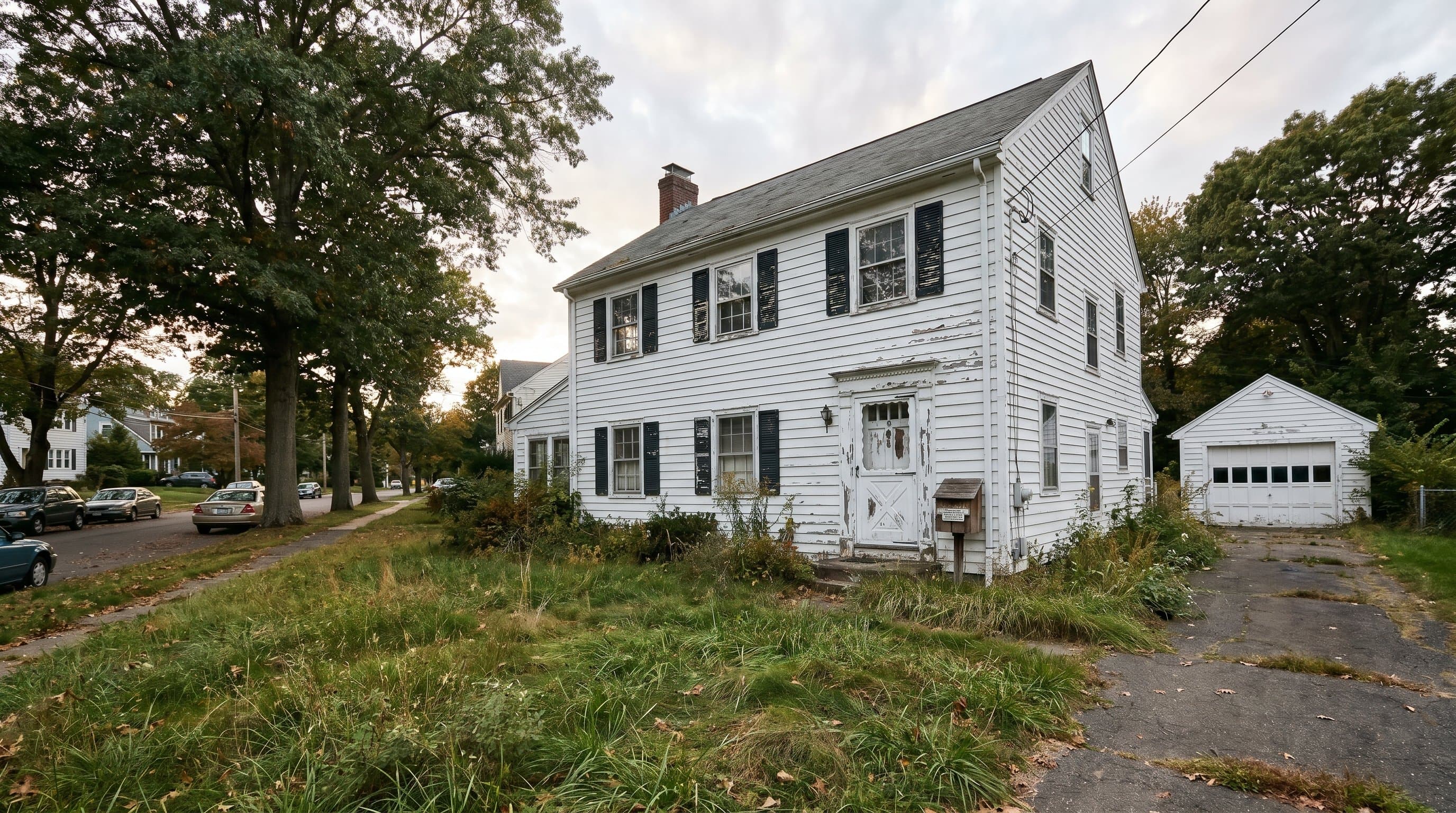
Pre-Foreclosure Leads Connecticut: The Law Day Window That Defines This Market
TL;DR: Connecticut's strict foreclosure process replaces the auction that dominates other states with a court-ordered Law Day, typically set 45 to 90 days after foreclosure judgment. The pre-foreclosure window runs from notice of default through the mediation period, giving investors roughly 120 to 210 days from first signal to the final redemption deadline. With 4,300 properties under foreclosure proceedings in 2025 and foreclosure starts concentrated in Bridgeport, New Haven, and Stamford, Connecticut rewards investors who monitor Superior Court filings before the Law Day date passes and title vests automatically in the lender.
The Number That Separates Connecticut From Every Other State
Every state handles foreclosures differently, but one number should make every real estate investor in the Northeast stop and pay attention to Connecticut: zero. Connecticut is one of only two states in the country, along with Vermont, where the standard foreclosure outcome is not a public auction. It is a court-ordered title transfer called a strict foreclosure, and it works in a way that no other major foreclosure market in the United States operates.
In a strict foreclosure, the lender files a complaint in Superior Court, proves the borrower is in default, and the judge sets a date called a Law Day. On that date, the borrower must pay the full outstanding mortgage balance, plus accrued interest, attorney fees, and court costs, or title to the property vests automatically in the lender. There is no auctioneer. There is no competitive bidding. There is no opportunity for a third party to acquire the property at a discount through the public sale process.
This is not a minor procedural difference. It changes the entire calculus of Connecticut pre-foreclosure investing, and it creates a specific window that investors who understand the state's court system can exploit while everyone else is still waiting for a foreclosure auction date that will never come.
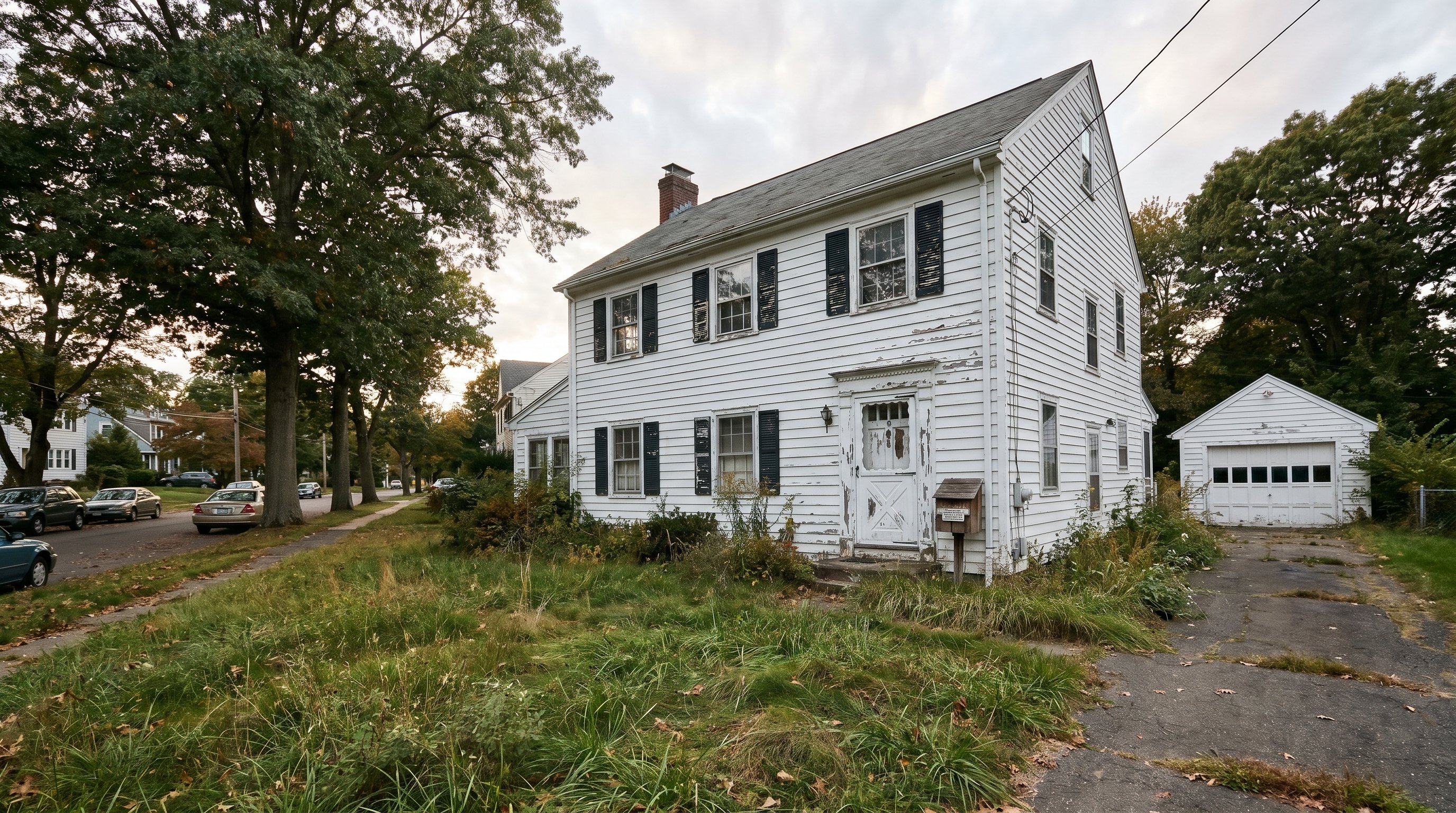
How Connecticut Foreclosure Law Actually Works
Connecticut operates exclusively through judicial foreclosure. When a borrower defaults, the mortgage servicer must wait at least 120 days under federal CFPB regulations before filing a foreclosure complaint in the Superior Court for the county where the property is located. During that 120-day period, the servicer must make good-faith contact attempts and evaluate loss mitigation options, but no court action has begun yet.
Once the complaint is filed, the lender records a lis pendens on the property, which serves as public notice that a foreclosure action is pending. Connecticut practice requires the summons and complaint to be served on the borrower, who then has an opportunity to respond. If the borrower does not respond, or if the court finds in favor of the lender, the case moves to the mediation phase.
The Connecticut Foreclosure Mediation Program is mandatory for owner-occupied properties in many cases, and it can extend the timeline significantly. Eligible borrowers can request mediation to explore options including loan modification, repayment plans, short sales, or deed-in-lieu agreements. This program was established under Connecticut General Statutes Section 49-31e and is administered through the Judicial Branch. The mediation window can add 60 to 120 days to the process, depending on court scheduling and whether the parties reach an agreement.
If mediation does not produce a resolution, the court enters a foreclosure judgment. At this point, the judge chooses between two types of foreclosure: strict foreclosure or foreclosure by sale. The lender typically requests strict foreclosure, and the judge usually grants it unless there is substantial equity in the property and junior lienholders who would benefit from a sale. In a strict foreclosure, the court appoints a Law Day. In a foreclosure by sale, the court appoints a committee of sale to conduct a public auction.
The Law Day is set in reverse order of lien priority. Junior lienholders receive their Law Days first, working up to the borrower, who receives the last and most valuable Law Day. This means the borrower has the final opportunity to redeem before title passes. Connecticut courts frequently grant extensions of Law Day upon motion, particularly when the borrower is actively pursuing a sale, refinancing, or loss mitigation. The court sets Law Day typically 21 to 45 days after the judgment, though extensions often push this to 60 to 90 days out.
Once the borrower's Law Day passes without redemption, title vests in the lender automatically by operation of law. The entire process from the first missed payment to final title transfer runs approximately 6 to 12 months, according to the Connecticut Judicial Branch and the American Default Association.
The Pre-Foreclosure Window: Where the Real Opportunity Lives
Most investors who think about foreclosure leads are looking in the wrong direction. They are watching for auction dates, bidding at sheriff's sales, and competing against other cash buyers at the courthouse steps. In Connecticut, that strategy will mostly return empty results, because the majority of Connecticut foreclosures end in strict foreclosure, not sale.
The actual opportunity sits in the pre-foreclosure period, which begins with the notice of default and runs through the Law Day assignment. That window can span 120 to 210 days depending on the speed of the servicer, the complexity of the mediation case, and how quickly the court schedules the initial return date. During this period, the property is in distress, the owner is facing significant financial pressure, and the transaction structure is negotiable in a way that it never is after title vests.
The critical insight for Connecticut investors is this: once Law Day passes and title vests, the lender owns the property and will list it as an REO. At that point, the investor is negotiating with a bank asset manager, competing with other buyers on the bank's terms. Before Law Day, the investor is negotiating with a human being who is facing the loss of their home, who may have equity they do not realize they can access, and who is highly motivated to reach a resolution before the court date arrives.
The motivated seller in a Connecticut pre-foreclosure has three paths forward: reinstate the loan, sell the property, or face strict foreclosure. Reinstatement requires coming up with the full arrearage plus late fees and attorney costs, which most distressed homeowners cannot do. Selling becomes the most viable exit, and that is where an informed investor can step in with a clean cash offer that closes quickly enough to allow the seller to pay off the mortgage and, in some cases, receive surplus proceeds.

Free Weekly Alerts
See What's Distressed in Your Market
Get free weekly alerts — new distressed properties, motivation scores, and hot neighborhoods in your area. Addresses and contact info available inside DistressIQ.
Free forever · No credit card · Unsubscribe anytime
What Connecticut's Numbers Say About the Market
ATTOM Data Solutions reported that 4,300 Connecticut properties were under foreclosure proceedings in 2025, representing one in every 356 residential properties statewide. That foreclosure rate ranked Connecticut 12th highest in the United States and second highest in the Northeast after New Jersey. While the 2025 total represented a 14 percent decline from the prior year, the absolute volume of distressed inventory remains substantial and represents a consistent pipeline of pre-foreclosure opportunities.
Foreclosure starts in February 2025 numbered 323 statewide, according to ATTOM. Completed foreclosures that month were 16, which is relatively low compared to the volume of properties in active pre-foreclosure. This disparity between foreclosure starts and completed foreclosures is characteristic of Connecticut's court-mediated process: many cases resolve through mediation, loan modification, or other loss mitigation outcomes before reaching the Law Day stage.
The concentration of activity in specific cities creates geographic advantages for targeted investors. Bridgeport led all Connecticut cities with more than 20 foreclosure auctions scheduled at any given time, followed by New Haven with nine and Hamden with eight, according to Connecticut Judiciary Branch data. Stamford, Norwalk, and Waterbury round out the top cities for foreclosure volume.
Fairfield County consistently generates the highest raw numbers due to its population size and housing stock density. The county includes Bridgeport, Stamford, and Norwalk, which together account for a disproportionate share of statewide foreclosure starts. Investors who build a workflow focused on Fairfield County pre-foreclosure filings will encounter the most inventory and the deepest pool of comparable transaction data for evaluating deal quality.
Connecticut's No-Redemption Rule Changes the Pre-Foreclosure Math
One of the most important legal facts about Connecticut foreclosures is also one of the most overlooked by out-of-state investors: there is no post-sale redemption period. In many states, a borrower who loses their home at auction has a statutory window of 30 to 180 days to redeem the property by paying the full auction price plus interest and costs. That redemption right creates a complicated title situation that can delay an investor's ability to take possession.
Connecticut eliminates this problem for strict foreclosures. Once Law Day passes and the borrower fails to redeem, title vests in the lender immediately. There is no redemption window after the Law Day. The lender can proceed directly to record the foreclosure deed and take possession.
This matters for pre-foreclosure investors in a specific way. If a buyer acquires a property from the homeowner before the Law Day date, they receive clean title through the closing. The foreclosure never completes, the lis pendens is discharged, and the new owner holds title free and clear of the foreclosure action. The investor who reaches a motivated seller in the pre-foreclosure window sidesteps the entire court process and takes title without any of the complications that come with buying at auction or buying REO properties after the fact.
The absence of a post-sale redemption period also means that once strict foreclosure is complete, the lender's path to reselling the property is relatively fast. Connecticut REO properties tend to come to market quickly after Law Day, and they tend to be priced accordingly. Investors who want REO inventory in Connecticut should monitor the Connecticut Judicial Branch's list of pending foreclosures by sale, which is published by town on the Judicial Branch website and updated regularly.
How to Find Pre-Foreclosure Leads in Connecticut
The starting point for finding Connecticut pre-foreclosure leads is the Superior Court in the target county. Every foreclosure complaint filed in Connecticut becomes a matter of public record. The court docket is accessible in person at the clerk's office or through the Connecticut Judicial Branch online case lookup system, but monitoring these dockets manually is time-consuming across all eight counties.
The lis pendens filing is recorded at the town clerk's office in the municipality where the property is located, and it is these recordings that provide the most reliable signal of a new foreclosure action beginning. Town clerk offices in Bridgeport, New Haven, Stamford, Waterbury, and other high-volume municipalities process lis pendens filings regularly, and these records are public documents.
For investors who want a more efficient workflow, DistressIQ aggregates pre-foreclosure signals across all eight Connecticut counties and delivers scored lead cards showing properties in the active pre-foreclosure window, including estimated loan positions, motivation indicators, and owner contact information. The platform surfaces these leads before the Law Day date is set, giving investors the maximum amount of time to reach the property owner and negotiate a direct purchase.
The highest-concentration starting points for Connecticut pre-foreclosure leads are Fairfield County (covering Bridgeport, Stamford, Norwalk, and surrounding towns), New Haven County (covering New Haven, Hamden, Meriden, and Waterbury), and Hartford County (covering Hartford, West Hartford, East Hartford, and Manchester). These three counties account for the majority of Connecticut's annual foreclosure volume and offer sufficient transaction density to support comparable sales analysis for repair estimates and ARV calculations.
Pre-Foreclosure Outreach in Connecticut: What Works
The pre-foreclosure outreach process in Connecticut is similar to other states in its mechanics but differs in its timing. Because the overall timeline from default to Law Day is extended by the mediation program, investors have a longer runway to make contact with property owners compared to non-judicial states where the foreclosure process moves much faster.
Direct mail remains one of the highest-response outreach methods for pre-foreclosure leads in Connecticut. A letter sent to the property address shortly after a lis pendens is recorded arrives at a moment when the homeowner is actively facing the reality of their situation and is most open to receiving a direct purchase offer. The letter should be written in plain language, acknowledge the seriousness of the situation without sensationalizing it, and offer a clear, concrete next step.
Phone outreach is most effective when paired with mail. Many homeowners in pre-foreclosure are dealing with significant stress and may not answer unknown numbers initially. A sequence that includes a personalized letter followed by a phone call three to five days later typically produces better results than cold calling alone. The phone script should open with an empathetic framing of what the investor understands about the homeowner's situation and move quickly to a genuine offer to help, not a sales pitch.
Properties with multiple distress signals in Connecticut have the most motivated sellers. An investor reviewing DistressIQ motivation scores for properties in Bridgeport or New Haven can identify cases where pre-foreclosure is compounded by code violations, tax delinquency, or vacant status. These stacked signals indicate a homeowner who has run out of options and is highly likely to be receptive to a direct purchase offer.

Why Most Investors Miss the Connecticut Window
The number one reason Connecticut pre-foreclosure leads go unexploited by investors is that they are looking for auctions instead of court filings. In states like Texas, Florida, and Georgia, the foreclosure process culminates in a public auction, and investors learn to monitor auction calendars, bid at sheriff's sales, and compete at the courthouse steps. Connecticut does not work that way. The auction is the exception, not the rule.
The second reason is that Connecticut's court process is less transparent than the non-judicial processes in other states. Foreclosure by sale auctions in Connecticut are listed on the Judicial Branch website, but strict foreclosure outcomes never appear on any auction calendar because they end in a title transfer, not a sale. This means an investor who is only watching auction listings will see only a fraction of Connecticut's actual distressed inventory.
The third reason is timing. Because the pre-foreclosure window in Connecticut runs 120 to 210 days from notice of default to Law Day, and because the mediation program can extend this further, some investors view the process as too slow. But the extended timeline is actually an advantage for the investor who is first to reach the homeowner. Every day that passes without a resolution increases the homeowner's urgency and decreases their alternatives. An investor who calls on day 90 of the pre-foreclosure process is often working with a homeowner who has already tried multiple other options and is running out of time before Law Day.
The investors who are most successful in Connecticut pre-foreclosure are those who have built a systematic monitoring workflow for new lis pendens filings in their target counties, who respond quickly with a direct mail and phone sequence, and who can close fast enough to allow the seller to pay off the mortgage before the court date arrives.
DistressIQ monitors pre-foreclosure signals across all eight Connecticut counties, updated daily from county recorder and court data. Visit DistressIQ to browse distressed properties in Bridgeport, New Haven, Stamford, and the other municipalities with active foreclosure inventory, scored by motivation and ready for direct outreach.
Frequently Asked Questions
Q: How long does pre-foreclosure last in Connecticut?
A: The pre-foreclosure period in Connecticut runs from the notice of default, which typically corresponds with the CFPB-required 120-day pre-foreclosure window, through the filing of the foreclosure complaint and the subsequent mediation period. The overall timeline from first missed payment to Law Day is approximately 6 to 12 months, according to the Connecticut Judicial Branch and American Default Association data. The actual pre-foreclosure window where a direct purchase is possible typically spans 120 to 210 days before the court sets the Law Day date.
Q: What is a Law Day in Connecticut foreclosure?
A: A Law Day is a court-assigned deadline in a Connecticut strict foreclosure proceeding. On the borrower's Law Day, the borrower must pay the full outstanding mortgage balance, plus accrued interest, attorney fees, and court costs, to redeem the property. If the borrower fails to redeem on or before their Law Day, title vests automatically in the lender without any sale or auction. Connecticut courts frequently grant Law Day extensions when borrowers are actively pursuing a sale, refinancing, or loan modification.
Q: How does Connecticut strict foreclosure differ from a foreclosure auction?
A: In a strict foreclosure, there is no public auction. The court sets a Law Day, and if the borrower does not redeem by that date, title transfers directly to the lender. In a foreclosure by sale, the court appoints a committee to conduct a public auction, similar to the sheriff's sale process in other states. Strict foreclosure is the more common outcome in Connecticut and is typically used when the property has minimal equity. Foreclosure by sale requires the court to find that a sale would benefit junior lienholders or the borrower.
Q: Can a pre-foreclosure buyer get clean title in Connecticut?
A: Yes. A buyer who purchases a property directly from the homeowner during the pre-foreclosure period receives clean title at closing. The lis pendens is discharged as part of the closing process, and the foreclosure action is terminated. This is one of the key advantages of pre-foreclosure investing in Connecticut compared to buying at auction, where title issues can linger through redemption periods.
Q: Does Connecticut have a post-foreclosure redemption period?
A: No. Connecticut does not have a statutory post-sale right of redemption for strict foreclosures. Once the borrower's Law Day passes without redemption, title vests immediately in the lender. This creates a cleaner title situation for lenders reselling REO properties compared to states with redemption rights, and it creates a clearer exit for investors who buy directly from homeowners before the Law Day date.
Q: Where in Connecticut are pre-foreclosure leads most concentrated?
A: According to ATTOM Data Solutions and Connecticut Judiciary Branch data, Bridgeport leads all Connecticut cities in foreclosure volume, followed by New Haven, Hamden, Stamford, and Norwalk. Fairfield County generates the highest raw numbers statewide due to its population and housing density. New Haven County and Hartford County are the other primary concentration areas. Investors targeting these three counties will find the most pre-foreclosure inventory and the deepest pool of comparable sales data for evaluating deals.
Q: How does the Connecticut Foreclosure Mediation Program affect pre-foreclosure investing?
A: The Connecticut Foreclosure Mediation Program, established under Connecticut General Statutes Section 49-31e, requires mediation for eligible owner-occupied properties before the court enters a foreclosure judgment. This program can extend the pre-foreclosure timeline by 60 to 120 days, which gives investors additional time to reach the homeowner and negotiate a direct purchase. Mediation cases that do not resolve proceed to judgment and Law Day assignment. Properties in active mediation represent a specific opportunity window where the homeowner is engaged with the court process and may be particularly receptive to a settlement offer.
Sources
- Connecticut Judicial Branch Law Libraries, "Prejudgment Proceedings in Connecticut Mortgage Foreclosures," jud.ct.gov, November 2024.
- ATTOM Data Solutions, "Connecticut Real Estate and Property Data," attomdata.com, February 2025.
- American Default.org, "Connecticut: Foreclosure Can Take 300 Days," americandefault.org, March 2026.
- Connecticut Judiciary Branch, "Connecticut Law About Foreclosure," jud.ct.gov.
- Upsolve, "Strict Foreclosure in Connecticut: How the Process Works," upsolve.org.
The data behind this article
DistressIQ Monitors These Signals in Real Time
Pre-Foreclosures
NOD + NTS filings
Tax Delinquency
County treasurer records
Code Violations
Municipal inspection filings
Probate Filings
Superior Court records
Every lead is scored 0–100 for seller motivation based on signal type, duration, severity, and stacking. Nationwide coverage — every US county, updated daily.
Ready to find deals in your market?
See Live Distress Signals in Your County
Stop calling dead leads. Every lead in DistressIQ is scored 0–100 for seller motivation, with verified contact info included. Browse the free tier to see what's active in your market right now.
Browse Free Leads — No Credit Card