How to Find Pre-Foreclosure Leads in California (2026 Investor Guide)
How to Find Pre-Foreclosure Leads in California (2026 Investor Guide)
TL;DR: California is a non-judicial foreclosure state where the process starts with a Notice of Default recorded at the county level, not a court filing. Investors have a minimum 90-day window between the NOD and any trustee sale. The highest-volume counties are Los Angeles, Riverside, San Bernardino, San Diego, and Sacramento. Pre-foreclosure leads in California are public record the same day they are filed, but most investors never build the system to act on them fast enough to convert.
California records roughly 30,000 to 50,000 Notices of Default in a typical year. Each one is a public document, filed at a county recorder's office, accessible to anyone willing to look. Yet most real estate investors in the state never contact a single homeowner in pre-foreclosure. The data is free. The execution is not.
The market has a structural feature that makes it unusually attractive: the median home price sits above $800,000. Even a homeowner 90 days behind on payments likely has six figures of equity. Deals are possible without short sales, without lender negotiations, and without the complexity that kills transactions in lower-equity markets.
The challenge is finding the right leads at the right time, in the right counties, before the competition does.
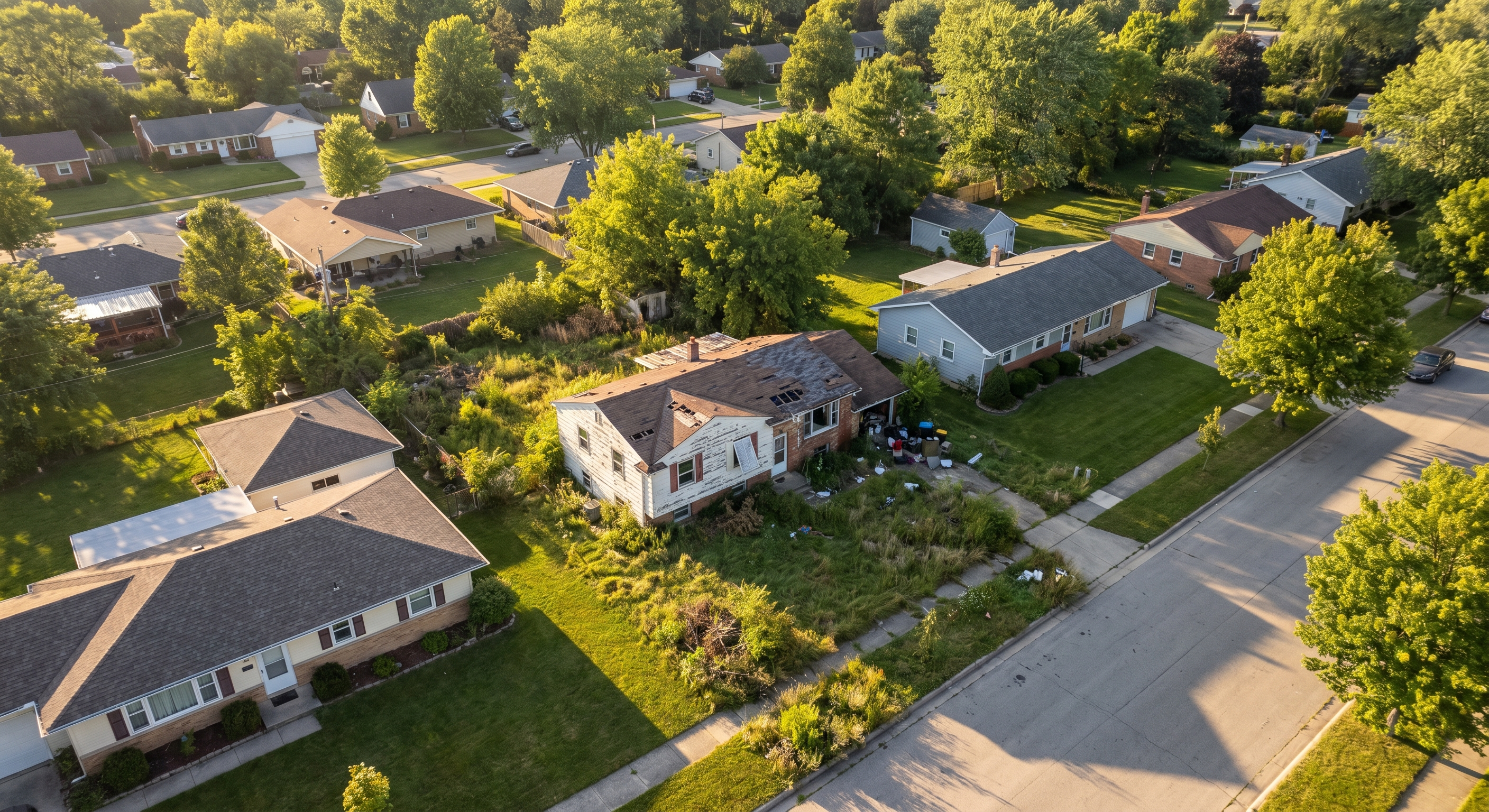
How California's Non-Judicial Foreclosure Process Works
California uses a deed of trust system with non-judicial foreclosure. No judge. No court filing. No lawsuit. The process runs through the trustee named in the deed of trust, and the trigger is the Notice of Default (NOD), governed by California Civil Code § 2924.
Notice of Default. When a homeowner falls 90 or more days behind, the lender instructs the trustee to record an NOD with the county recorder. This filing is public record the same day. Here is the detail most investors miss: the trustee must mail a copy to the borrower within 10 business days of recording, but the recording itself is what makes it public. That gap, up to two weeks between the filing date and when the homeowner receives notice, is the head start. An investor monitoring daily recordings can know about a distressed property before the homeowner does.
The 90-day reinstatement period. California mandates a minimum 90-day waiting period before the lender can take the next step. During this window the homeowner can reinstate the loan, sell the property, negotiate a short sale, or accept a cash offer. This is where deals happen.
Notice of Trustee Sale (NTS). After 90 days, the trustee records an NTS setting an auction date at least 21 days out. The homeowner's negotiating position weakens fast at this stage.
Five-day right of reinstatement. California grants the borrower the right to reinstate the loan up to five business days before the trustee sale. A deal can collapse at the very last minute if the homeowner comes up with the arrears. Investors need to account for this in every California transaction.
Trustee sale. The property goes to auction. If no one bids above the lender's opening bid, it reverts to the bank as REO.
The total timeline from NOD to sale runs 120 to 180 days on average, though delays can stretch it to six months or more.
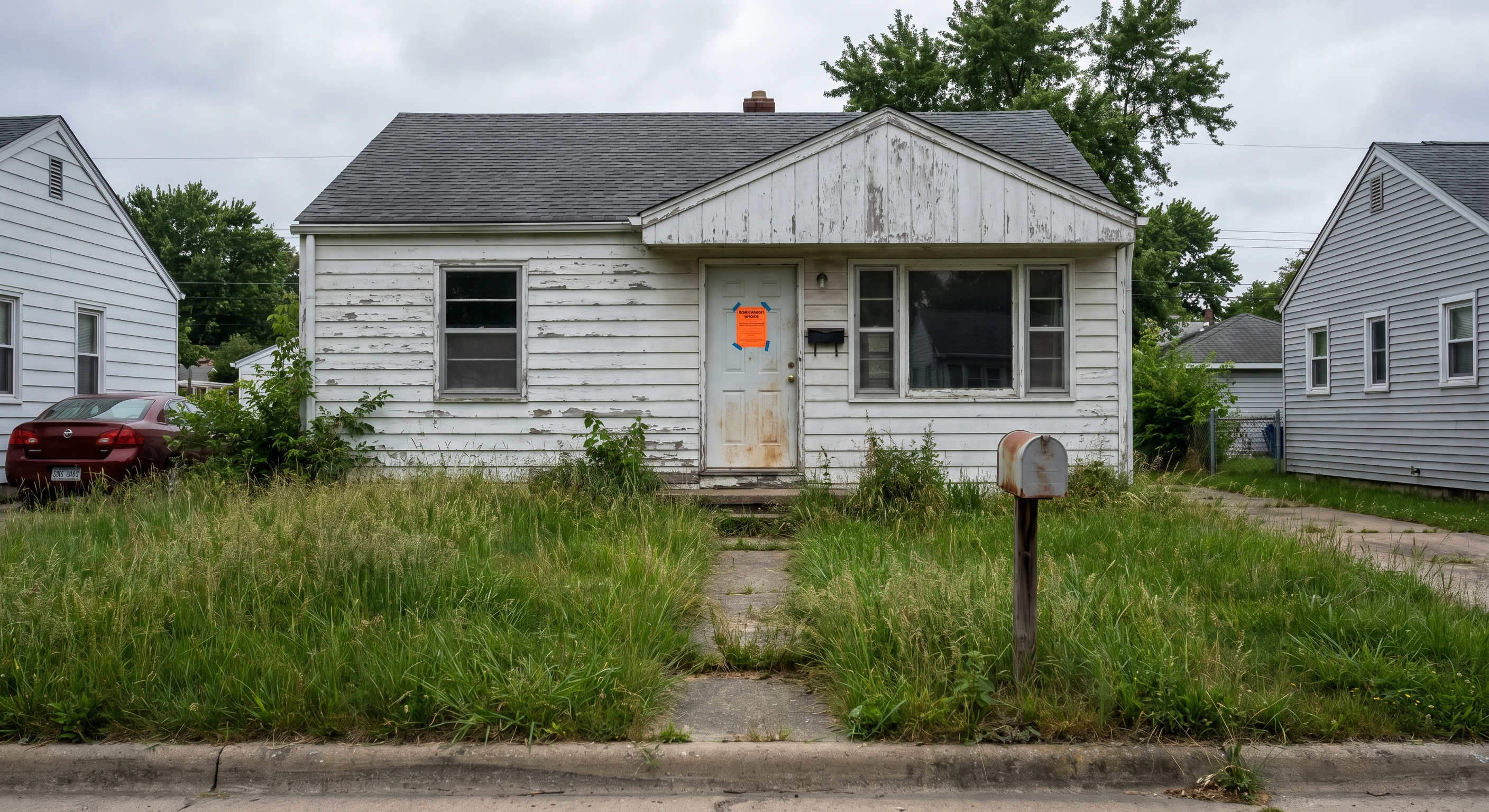
Where the Volume Is: County-Level NOD Data
Pre-foreclosure activity concentrates heavily in a handful of high-population markets.
Los Angeles County. The single largest source of NOD filings. Suburban markets like Compton, Inglewood, Palmdale, and Lancaster generate distressed inventory at price points where cash offers work.
Riverside County. Absorbed enormous migration from LA over the past decade, much of it fueled by aggressive financing. When rates spiked in 2022-2024, delinquency rates climbed sharply. Hardest-hit areas: Moreno Valley, Perris, and Desert Hot Springs.
San Bernardino County. Same Inland Empire dynamic as Riverside. NODs cluster in Fontana, Victorville, and the High Desert corridor. Strong investor activity means early contact is critical.
Sacramento County. Underrated as a pre-foreclosure market. Elk Grove, Rancho Cordova, and North Highlands generate consistent NOD volume at fix-and-flip price points.
San Diego County. High home values create equity cushions, but the real volume clusters inland in El Cajon, Vista, and Chula Vista, where median incomes do not match coastal price levels.
Central Valley (Fresno, Kern, Stanislaus). Lower incomes and agricultural exposure mean distress runs deeper. Properties sit in pre-foreclosure longer, giving investors more time. Trade-off: lower deal volume.
Coastal markets like Marin and Santa Monica have NOD volume but poor conversion. Homeowners with $600,000 in equity simply list on the MLS and sell at retail.
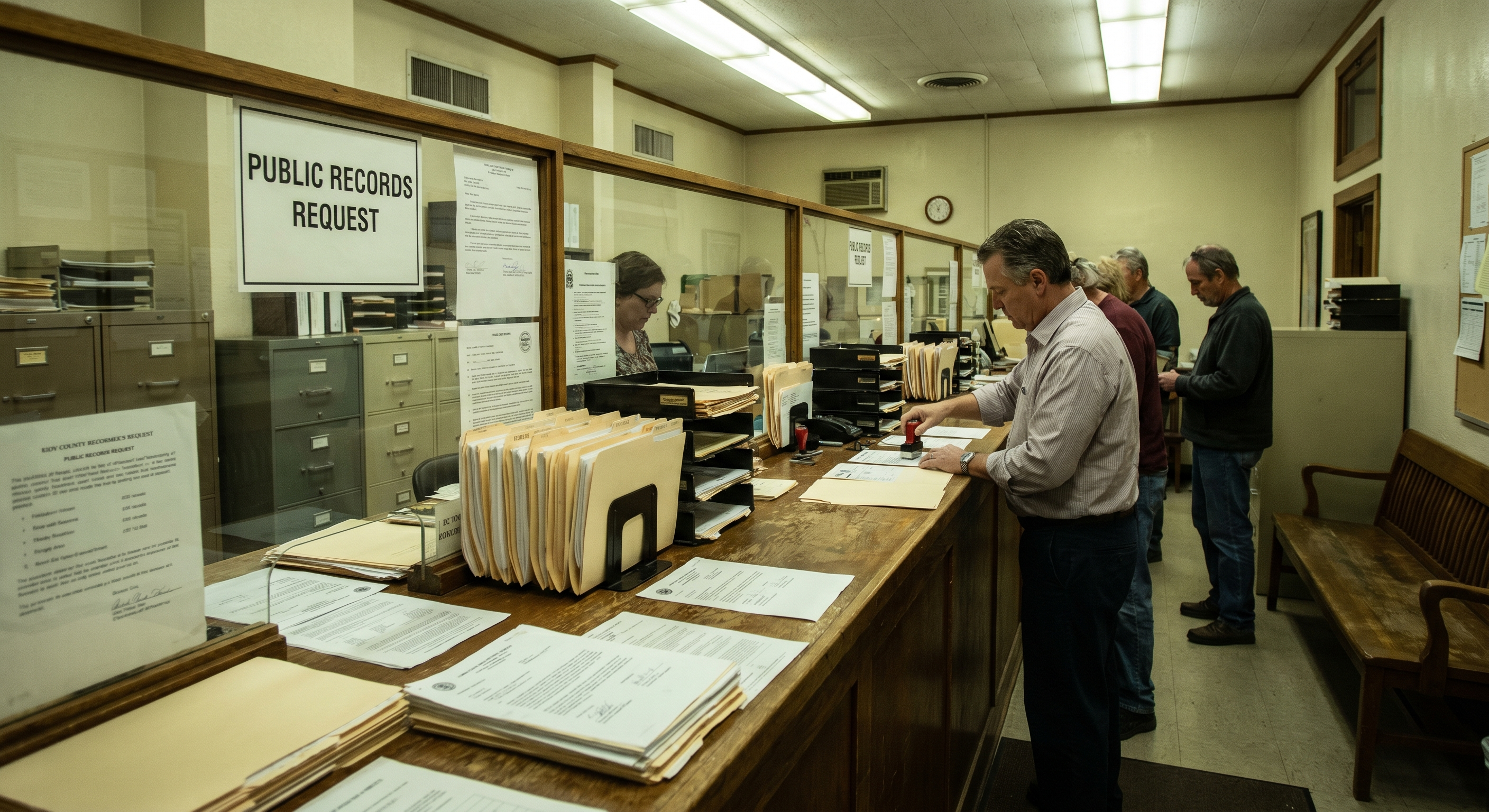
The Real Barrier: Execution, Not Data
The standard advice says to search the county recorder's website for NOD filings. In practice, LA County requires grantor and grantee name searches. Riverside has a different portal with different parameters. San Bernardino uses yet another system. Each county has its own data format and update schedule.
An investor monitoring four counties faces four separate portals, four formats, and four update cycles. Cross-referencing NOD filings against assessor data, then skip tracing for contact info, adds more steps. Doing this daily is a full-time job.
Most investors quit after two weeks. The ones who persist either build internal teams or use aggregation tools that normalize everything into a single interface. The data is public. The barrier is turning it into actionable leads fast enough to matter.
Free Weekly Alerts
See What's Distressed in Your Market
Get free weekly alerts — new distressed properties, motivation scores, and hot neighborhoods in your area. Addresses and contact info available inside DistressIQ.
Free forever · No credit card · Unsubscribe anytime
What Makes a Lead Worth Pursuing
Not every NOD deserves a phone call.
Filing recency. A lead filed 14 days ago is worth ten times one filed 89 days ago. By day 60 the homeowner has heard from attorneys, agents, other investors, and their lender. The early window, days 7 through 30, is where response rates peak.
Signal stacking. An NOD alone is one data point. An NOD combined with property tax delinquency signals compounding financial pressure. An NOD plus a code violation suggests deferred maintenance the owner cannot afford to fix. Stacked signals identify genuinely motivated sellers.
Equity position. No equity means no deal. Run the math: current value minus loan balance. Most California NOD properties carry equity because of price appreciation, but a 2021 Riverside purchase with a 3 percent down FHA loan may be underwater. Verify first.
Property condition indicators. Code violations, open permits, and tax delinquency correlate with properties that need work. These are the homes cash buyers can price below market because the seller knows the property will not survive an MLS inspection.
Building a Working Sourcing Operation
Pick two to four counties. Do not try to cover all 58. Choose markets where you know the inventory and have buyers.
Monitor daily. Leads filed today need outreach within 7 to 10 days. Weekly updates mean you are always 7 days behind.
Filter aggressively. Eliminate low-equity properties and anything outside your buy box before making a single call.
Stack signals before skip tracing. Cross-reference NODs against tax delinquency records and code violation databases. The overlap is smaller, but those leads are dramatically more motivated.
Skip trace selectively. At $0.40 to $0.80 per lookup, tracing 500 leads costs $400. Trace the 40 that passed your filters instead. Spend $30 to find the same high-quality contacts.
Start outreach at day 7. Not day 60. By day 60, someone else already has a contract.
California-Specific Mistakes That Kill Deals
Working auction lists instead of NODs. By the time a property appears on an auction site, the negotiation window is closed. You are competing on price, not negotiating with a motivated seller.
Ignoring the five-day reinstatement right. A deal that looks locked at day 85 can collapse at day 115 if the homeowner finds the money. Structure contracts accordingly.
Targeting excessive-equity markets. A homeowner in Marin with $600,000 in equity has zero reason to accept a discount. The profitable markets are where equity exists but is not so large the seller can wait for a retail offer: Inland Empire, Sacramento suburbs, Central Valley.
Relying on monthly data. A list of NODs filed 30 days ago is 30 days behind everyone monitoring daily. In California's high-volume counties, the first caller wins.
FAQ
Q: How do you find Notice of Default filings in California?
NOD filings are recorded at each county's recorder-assessor office as public documents. Each county maintains its own online portal, but search capabilities vary. Some allow document type searches, others require grantor or grantee name lookups. For investors monitoring multiple counties, checking each portal daily is impractical. Most serious operators use aggregation tools that pull from county public records and normalize the data into a single searchable interface with consistent formatting across all 58 counties.
Q: How long does the California pre-foreclosure timeline run?
California Civil Code § 2924 requires a minimum 90-day period after the NOD recording before a Notice of Trustee Sale can be filed, followed by a 21-day minimum before auction. In practice, the full timeline averages 120 to 180 days. Many properties take six months or longer due to reinstatement attempts, bankruptcy filings, or lender processing delays. The borrower also retains a five-day right of reinstatement before the sale, which can extend the timeline or collapse a deal at the last moment. Properties that enter bankruptcy can stall for a year or more while the automatic stay is in effect.
Q: Which California counties produce the most pre-foreclosure leads?
Los Angeles, Riverside, San Bernardino, San Diego, and Sacramento generate the highest NOD volume year over year. The Inland Empire, specifically Riverside and San Bernardino combined, accounts for a disproportionate share because the housing stock absorbed pandemic-era demand from buyers who stretched financially. Sacramento is quieter but consistent, with strong volume in suburbs like Elk Grove and Rancho Cordova. San Diego's NOD activity concentrates in inland communities where household incomes do not support coastal pricing.
Q: Can a homeowner stop foreclosure after the Notice of Trustee Sale is filed?
Yes. California grants the borrower a right of reinstatement up to five business days before the scheduled trustee sale. The homeowner can pay the full arrears, including fees and costs, to bring the loan current and stop the sale. This right exists even after the NTS is recorded, which means an investor cannot assume a deal will close until the five-day window has passed. This is a California-specific risk investors in other states do not face.
Q: Is it legal to contact homeowners after an NOD is filed?
Yes. The NOD is public record and no California law prohibits investor outreach to homeowners in pre-foreclosure. The California Homeowner Bill of Rights restricts dual tracking and requires lenders to engage in loss mitigation before pursuing foreclosure, but those rules apply to lenders, not to investors making purchase offers. Investors should identify themselves honestly. Misrepresenting yourself as a government agency or attorney is illegal under California Business and Professions Code.
Q: Why is California better for pre-foreclosure investing than most states?
Two reasons: equity and time. California's median home price exceeds $800,000, so even distressed homeowners typically have substantial equity, making cash offers viable without short-sale complexity. The state also has a long NOD-to-sale timeline averaging 120 to 180 days, compared to 30 to 60 days in some states. That extended window gives investors time to build rapport, negotiate, and close. Few states combine high equity with a long pre-foreclosure window.
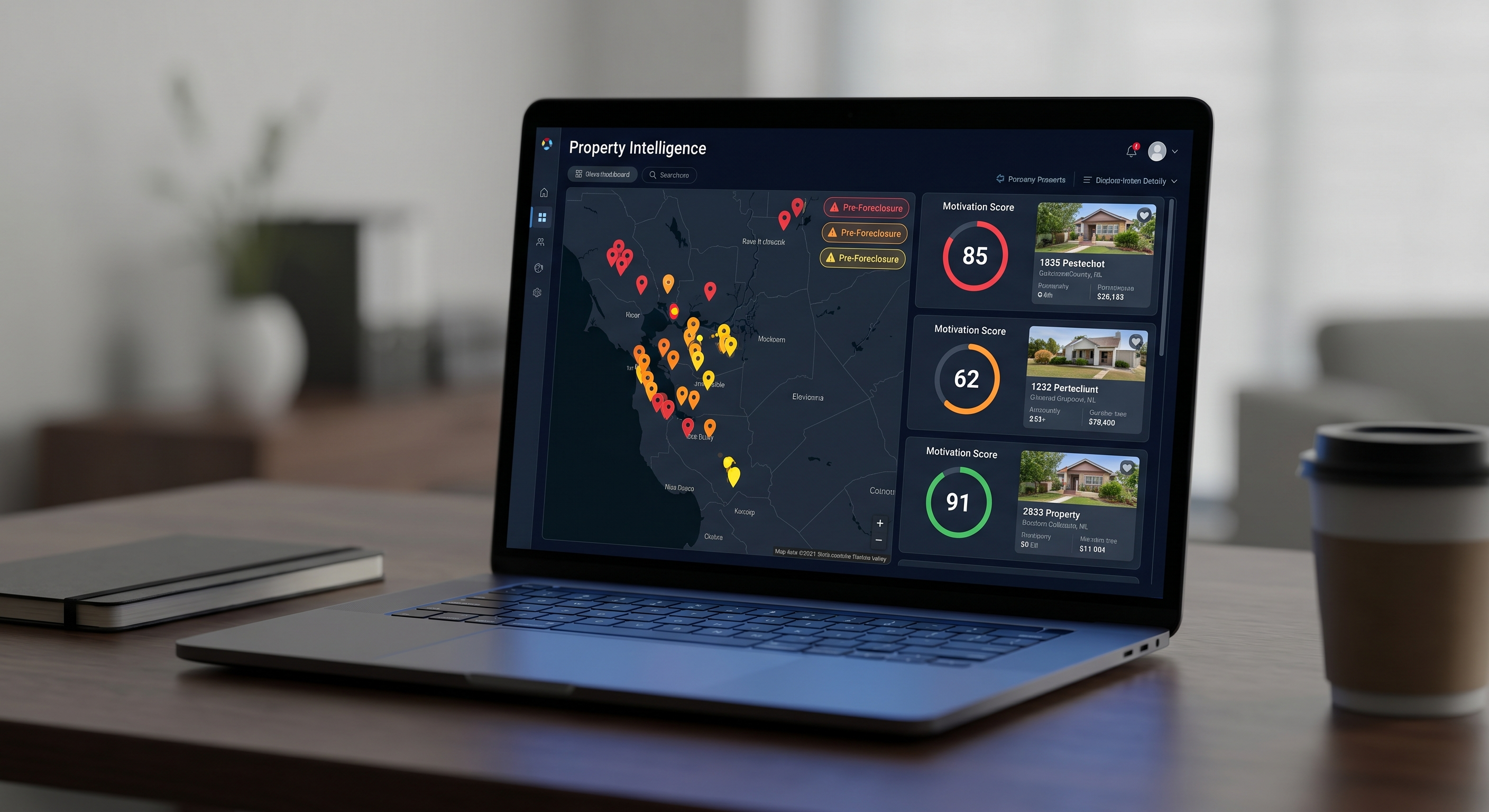
DistressIQ tracks pre-foreclosure signals across California's highest-volume counties daily, sourcing NOD filings from public records and cross-referencing them with tax delinquency, code violations, and assessor data. Every property receives a 0 to 100 motivation score so investors can prioritize the hottest leads first. Browse California pre-foreclosures free at distressiq.ai.
Sources
- California Civil Code § 2924 (Non-Judicial Foreclosure Statute): leginfo.legislature.ca.gov
- ATTOM Data Solutions, California Foreclosure Activity Report: attomdata.com
- California Association of Realtors, California Home Sales and Price Data: car.org
The data behind this article
DistressIQ Monitors These Signals in Real Time
Pre-Foreclosures
NOD + NTS filings
Tax Delinquency
County treasurer records
Code Violations
Municipal inspection filings
Probate Filings
Superior Court records
Every lead is scored 0–100 for seller motivation based on signal type, duration, severity, and stacking. Nationwide coverage — every US county, updated daily.
Ready to find deals in your market?
See Live Distress Signals in Your County
Stop calling dead leads. Every lead in DistressIQ is scored 0–100 for seller motivation, with verified contact info included. Browse the free tier to see what's active in your market right now.
Browse Free Leads — No Credit Card