Pre-Foreclosure Leads Alabama: How to Find Them Before the Auction
Pre-Foreclosure Leads Alabama: How to Find Them Before the Auction
TL;DR: Alabama uses a non-judicial foreclosure process that moves from default to auction in as little as 30 days, making early-stage pre-foreclosure leads critical for investors. Properties in Jefferson, Mobile, and Madison counties generate the highest volume of pre-foreclosure activity. Investors who identify leads during the notice of default stage have the best chance of negotiating directly with the owner before the auction. Pre-foreclosure leads in Alabama often surface through tax delinquency, HOA violations, and mortgage default records. DistressIQ aggregates these signals across all 67 Alabama counties, updated daily from county-direct sources, so investors can focus on outreach instead of courthouse research.
Why Alabama's Foreclosure Timeline Rewards Fast Investors
Every Alabama investor has heard the story: a hot lead comes through, a call gets placed, and the response is "sorry, it sold at auction last Tuesday." That is not bad luck. That is a timing problem.
Alabama's non-judicial foreclosure process does not require a court filing in most counties. Once a lender initiates foreclosure after a payment default, the timeline moves quickly. The redemption period after an auction is short by national standards, and distressed properties that miss the auction window often go straight to the next sale with no cooling-off period. For more detail on Alabama foreclosure law, the Alabama State Bar provides practitioner guidance on the statutory requirements for notice and publication.
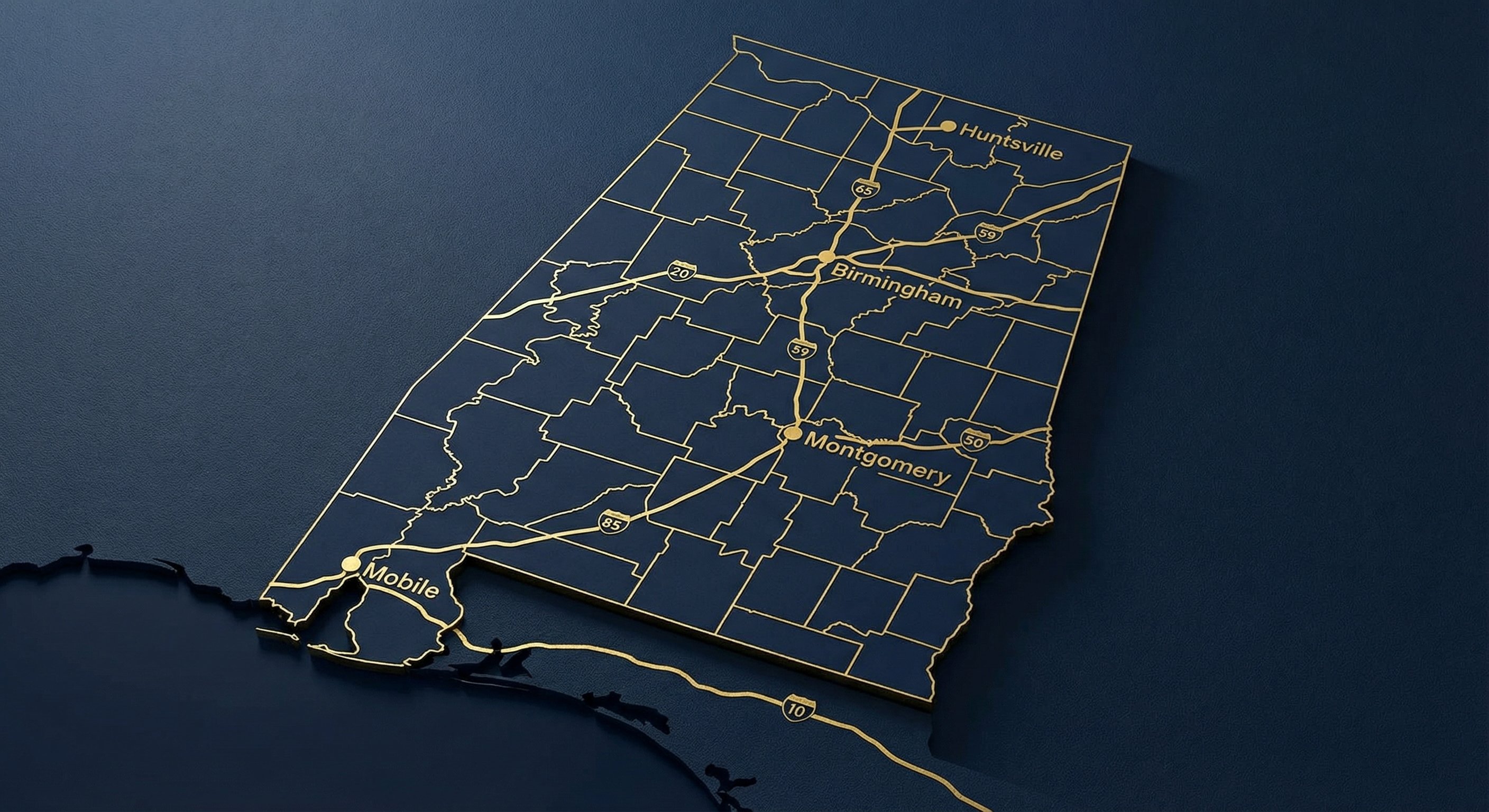
Jefferson County alone processes hundreds of foreclosure filings per year. Mobile, Madison, and Baldwin counties add significant volume. Across all 67 counties, pre-foreclosure leads Alabama investors work with exist in a narrow window between the notice of default and the auction date. In Alabama, that window can be as short as 30 to 45 days in non-judicial counties, making early identification the entire game.
The investors who close deals consistently are not working harder. They are entering the process earlier, during the stage when the owner is still actively trying to avoid foreclosure rather than after they have already lost the property.
How Alabama's Pre-Foreclosure Process Works
The Default Notice Stage
When a homeowner in Alabama falls behind on mortgage payments, the lender files a notice of default. This is the first public record of financial distress on the property. In judicial foreclosure counties, this stage also involves a court docket that is searchable through the county clerk. In non-judicial counties, the process is initiated through a power-of-sale clause in the deed of trust, with public notice published in a local newspaper.
The period between the notice of default and the auction date is the pre-foreclosure window. During this time, the homeowner is actively motivated to sell to avoid the auction. This is the optimal stage for an investor to make contact.
Non-Judicial vs. Judicial Counties in Alabama
Most Alabama counties use the non-judicial foreclosure process. This means the lender can proceed to auction without court approval once the statutory notice period expires. The key counties running judicial foreclosures require court involvement, which adds time but also creates a court docket that investors can monitor directly.
Jefferson, Mobile, and Madison counties represent the highest volume of pre-foreclosure activity. Investors working these markets should monitor both the court dockets and the newspaper publication notices that are required in non-judicial counties.
Redemption Period After Auction
Alabama provides a limited redemption period after a foreclosure auction, but the specifics depend on whether the process was judicial or non-judicial. In most cases, the redemption window is short, and properties that do not sell at auction may be returned to the lender as REO. Investors interested in post-auction opportunities should watch for lender-owned inventory in the months following a foreclosure sweep.
Where Pre-Foreclosure Signals Surface in Alabama
Pre-foreclosure leads Alabama investors should track appear across multiple public record systems. The key is knowing which signals appear earliest in the distress timeline.
Tax Delinquency Records
County tax collector offices publish annual lists of properties with delinquent taxes. In Alabama, a property with unpaid property taxes for one year can be subject to a tax sale. Many pre-foreclosure situations involve a homeowner who stopped paying property taxes after falling behind on the mortgage. Tax delinquent properties are a leading indicator of pre-foreclosure activity, often appearing 6 to 12 months before a formal foreclosure filing.
Mortgage Default and Lis Pendens Filings
When a lender initiates foreclosure, a lis pendens notice is typically filed with the county recorder. This creates a public record that a foreclosure action is pending. Properties with active lis pendens filings are in the active pre-foreclosure window and represent motivated sellers who have not yet lost the property.
HOA and Code Violation Records
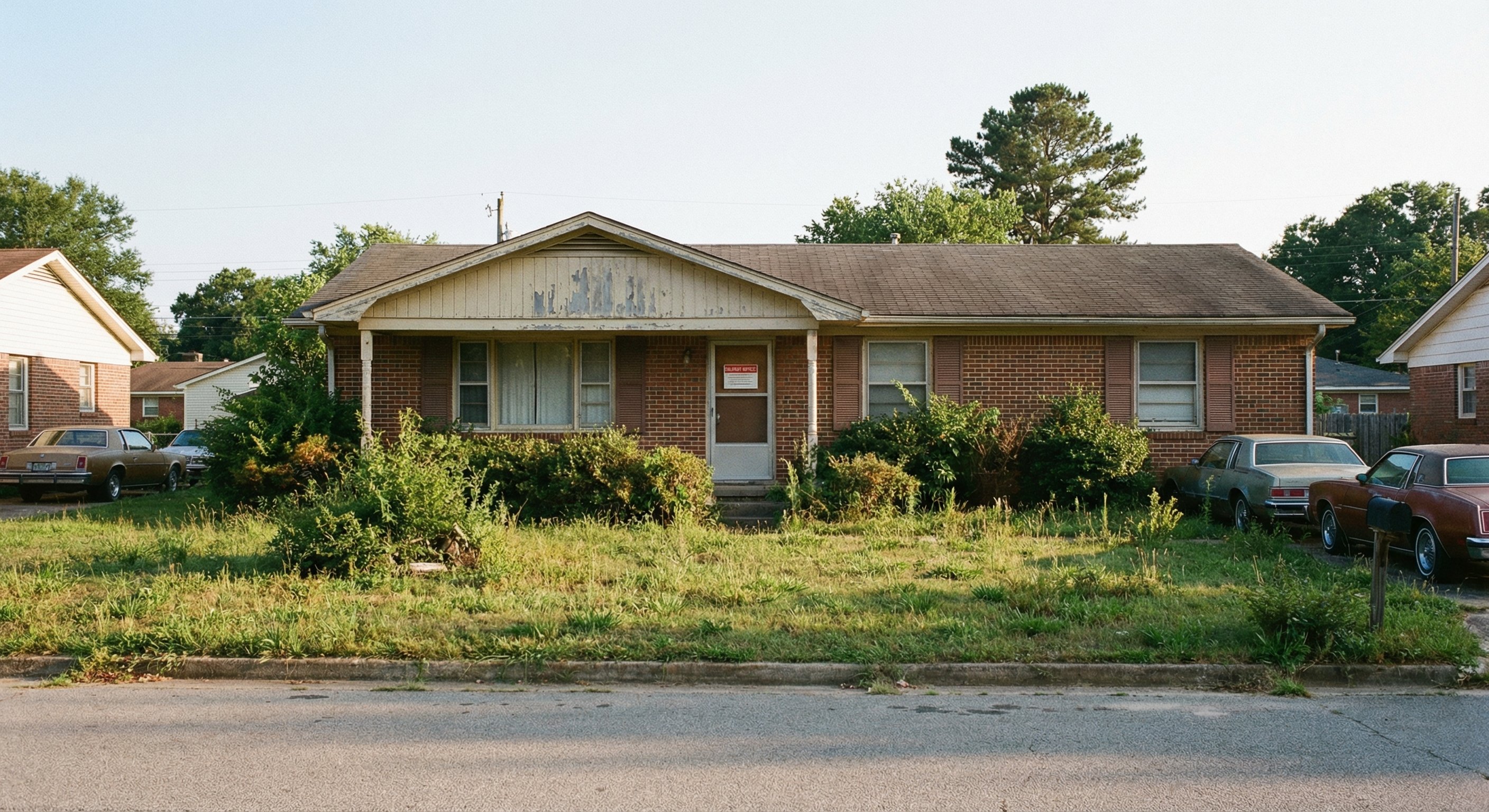
In Birmingham, Mobile, and other Alabama cities, HOA foreclosure provisions allow associations to foreclose on properties with unpaid dues. Code violation records maintained by municipal offices flag properties with safety violations, overgrown lawns, or unmaintained structures. These signals often accompany financial distress and can surface before the mortgage lender initiates formal foreclosure proceedings.
Court Docket Monitoring
In Alabama's judicial foreclosure counties, the circuit court docket is a direct source of pre-foreclosure filings. Investors who monitor these dockets can identify new filings within days of their entry, before most other investors are aware the property is in play.
Free Weekly Alerts
See What's Distressed in Your Market
Get free weekly alerts — new distressed properties, motivation scores, and hot neighborhoods in your area. Addresses and contact info available inside DistressIQ.
Free forever · No credit card · Unsubscribe anytime
How to Find Pre-Foreclosure Leads Alabama Investors Actually Work
The Courthouse Research Problem
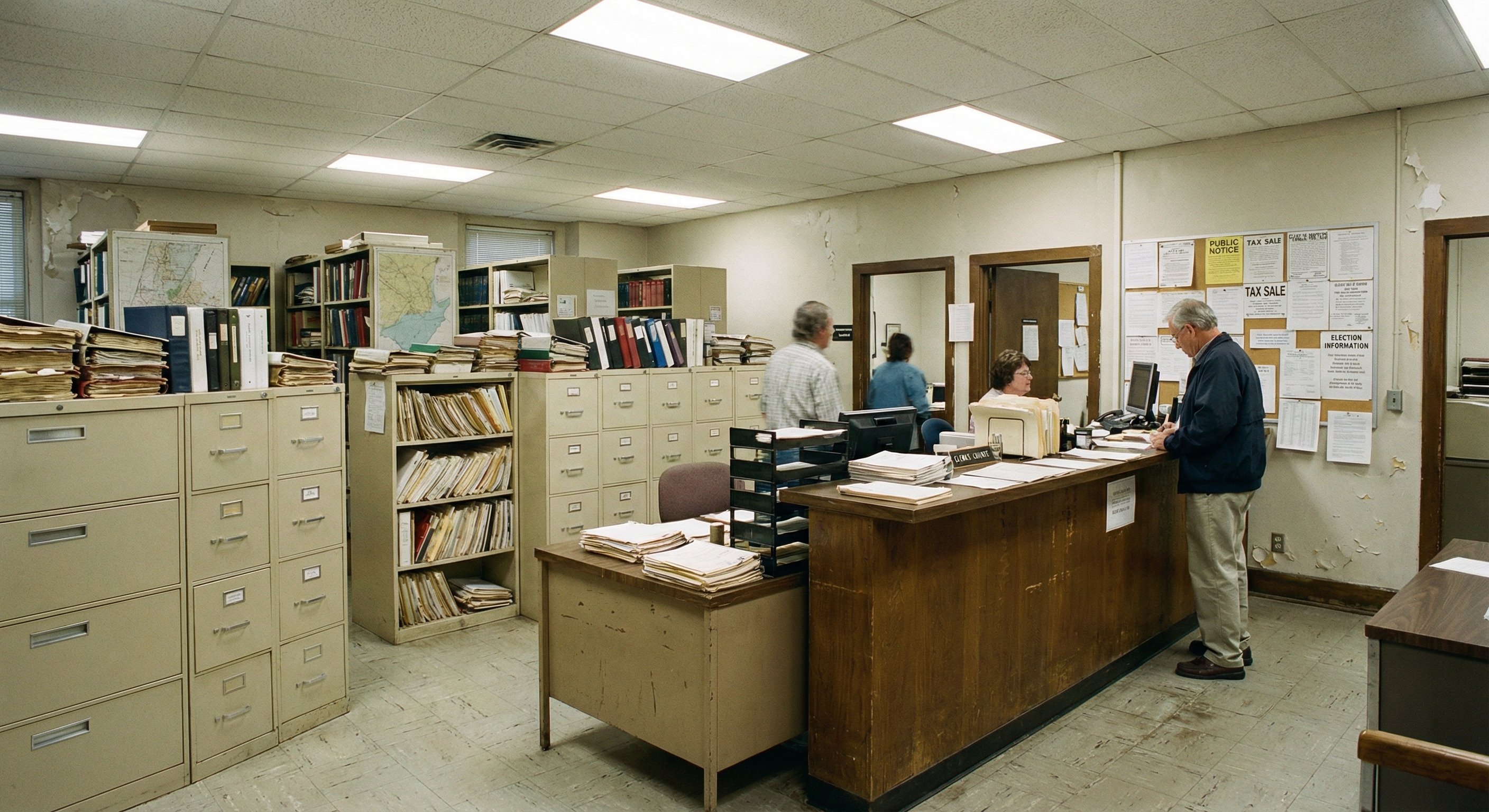
Alabama investors who rely on courthouse visits face a familiar obstacle: each county runs a different system. Jefferson County posts foreclosure filings online but the search interface is cumbersome. Mobile County maintains paper records that require an in-person visit. Several smaller counties still publish foreclosure notices in the local newspaper with no online database at all.
An investor working across five Alabama counties can spend an entire day driving between courthouses and still miss filings that entered the system that morning.
The alternative is using a platform that aggregates distress signals across all 67 Alabama counties and updates daily from county-direct sources. This removes the tab-switching problem and surfaces pre-foreclosure leads the moment they become public record.
Cross-Referencing Multiple Signal Types
The most effective Alabama investors do not rely on a single signal type. They cross-reference mortgage default records with tax delinquency data, code violation filings, and HOA foreclosure activity. A property showing up in multiple distress categories has a higher probability of an owner who is genuinely motivated to sell before the auction.
DistressIQ stacks 20-plus distress signal types per property, weighting them by recency and urgency to generate a motivation score. A pre-foreclosure lead in Jefferson County that also has an active code violation and a tax delinquency filing will score higher than a pre-foreclosure lead with a single active signal.

Segmenting by County and Price Point
Alabama's pre-foreclosure activity clusters differently by county and price segment. Birmingham's Jefferson County sees high volume across all price points. Huntsville's Madison County has significant pre-foreclosure activity driven by the military and aerospace employer base. Coastal markets like Mobile and Baldwin show seasonal and storm-related distress patterns that differ from inland counties.
Investors should segment their lead list by county and focus outreach on properties where the pre-foreclosure timeline aligns with their investment strategy.
Alabama Pre-Foreclosure vs. Neighboring States
Comparing Alabama's pre-foreclosure environment to Georgia and Mississippi reveals meaningful differences. Georgia's judicial foreclosure process is slower, giving investors a longer window to work pre-foreclosure leads. Mississippi uses a non-judicial power-of-sale process similar to Alabama but with different redemption period rules.
Alabama's advantage for active investors is the speed of the non-judicial process. Properties move through the pipeline faster, which means less time in a stale pre-foreclosure status where owners have already stopped responding to outreach. The window is narrower, but the leads that do respond tend to be more motivated because the auction is genuinely imminent.
What Smart Investors Do With Pre-Foreclosure Leads in Alabama
The investors who perform best in Alabama's pre-foreclosure market follow a consistent playbook.
First, they identify pre-foreclosure leads as early as possible, using county-direct data rather than waiting for a third-party aggregator to process filings. Early identification means reaching the owner before the property is listed publicly and before other investors begin their outreach.
Second, they bring a specific offer rather than a vague inquiry. Alabama homeowners facing foreclosure are fielding calls from multiple investors. A clean, specific offer with a quick close timeline stands out from generic mailer-driven campaigns.
Third, they understand the local valuation environment. In Alabama markets, distressed properties often trade at discounts of 15 to 35 percent below market value depending on condition and location. Investors who run accurate ARV estimates before making contact close more deals and avoid the worst-priced properties.
Fourth, they work with a title company familiar with Alabama foreclosure procedures, particularly in counties where the redemption period creates post-auction complexity.
For general guidance on foreclosure timelines and investor rights in the southeastern United States, the U.S. Department of Housing and Urban Development (HUD) provides state-specific resources.
See pre-foreclosure leads in Alabama scored by motivation — browse verified distress signals across all 67 Alabama counties on DistressIQ. Free to search, no commitment required.
Frequently Asked Questions
How does Alabama's pre-foreclosure process differ from other states?
Alabama is primarily a non-judicial foreclosure state, meaning lenders can proceed to auction without court involvement once statutory notice requirements are met. This makes the process faster than judicial states like New York or Illinois, but it also means the pre-foreclosure window is narrower. Most Alabama counties move from notice of default to auction in 30 to 45 days.
Where can I find pre-foreclosure property listings in Alabama?
Pre-foreclosure leads Alabama investors work with appear in county court dockets, county tax collector delinquency lists, and municipal code violation records. Platforms that aggregate these public records across all 67 Alabama counties provide the most efficient access. Individual county recorder websites and newspaper foreclosure notices are alternative sources, though they require more manual research.
What is the redemption period after an Alabama foreclosure auction?
Alabama's redemption period varies by county and foreclosure type. In many non-judicial foreclosures, the redemption period is six months to one year. Judicial foreclosures may have different timelines. Investors buying at auction should verify the specific redemption terms for the county where the property is located before bidding.
Are pre-foreclosure properties in Alabama a good investment?
Pre-foreclosure leads in Alabama represent motivated sellers who have not yet lost the property at auction. When properly identified and negotiated, these properties can trade at meaningful discounts to market value. Success depends on accurate property valuation, understanding local market conditions, and acting quickly given the short pre-foreclosure timeline in Alabama.
How does DistressIQ help find pre-foreclosure leads in Alabama?
DistressIQ tracks pre-foreclosure and other distress signals across every Alabama county, updated daily from county-direct sources. Properties with verified distress signals are scored by motivation, so investors can prioritize outreach on the leads most likely to engage. This removes the need to monitor multiple county systems manually.
The data behind this article
DistressIQ Monitors These Signals in Real Time
Pre-Foreclosures
NOD + NTS filings
Tax Delinquency
County treasurer records
Code Violations
Municipal inspection filings
Probate Filings
Superior Court records
Every lead is scored 0–100 for seller motivation based on signal type, duration, severity, and stacking. Nationwide coverage — every US county, updated daily.
Ready to find deals in your market?
See Live Distress Signals in Alabama
Stop calling dead leads. Every lead in DistressIQ is scored 0–100 for seller motivation, with verified contact info included. Browse the free tier to see what's active in your market right now.
Browse Free Leads — No Credit Card