Foreclosure Leads Pennsylvania: What the Judicial Process Reveals About This Market

Foreclosure Leads Pennsylvania: What the Judicial Process Reveals About This Market
TL;DR: Pennsylvania uses a judicial foreclosure process that requires lender filing through the court system, creating a longer timeline than most states and a specific window of opportunity for investors. The state has two main foreclosure tracks (judicial in most counties, statutory redemption periods that vary), with Philadelphia County representing the highest volume market. Foreclosure leads in Pennsylvania are publicly available through county court records, but aggregating across 67 counties manually is time-consuming. DistressIQ surfaces verified foreclosure leads across every Pennsylvania county with motivation scoring, updated daily from county-direct sources. Starter plan $129/mo.

Every week, a new batch of Pennsylvania homeowners receives a foreclosure filing. Most investors never see those leads. They never learned the county court system in Berks or the redemption timeline in Allegheny. They missed the window because they did not know where to look.
Pennsylvania's judicial foreclosure process is slower than the non-judicial states surrounding it, and that slowness is the opportunity. The timeline between filing and sheriff sale runs 120 to 180 days in most counties, which means more time for the property to show signs of neglect and more time for a motivated buyer to make contact.
This article covers how foreclosure leads in Pennsylvania actually work: the legal process, the county-level variation, where the best opportunities concentrate, and how experienced investors find them without spending weeks calling county prothonotaries.
The Pennsylvania Foreclosure Timeline: Judicial vs Statutory
Pennsylvania is one of a minority of states that requires lenders to file foreclosure actions through the court system. This judicial foreclosure process adds procedural steps that extend the overall timeline but also creates a documented public record at every stage.
The basic sequence:
- Missed payments trigger default notice from the lender
- Lender files a foreclosure complaint in the county Court of Common Pleas
- Homeowner is served and has 30 to 40 days to respond (the "answer period")
- If no response, lender moves for judgment. If the homeowner contests, the case proceeds toward trial
- After judgment is entered, the sheriff schedules the sale date
- Sheriff sale is advertised for at least 30 days before the auction
- Post-sale, Pennsylvania law provides a statutory right of redemption in most counties, typically lasting 9 to 12 months depending on the county and whether the lender filed for a deficiency judgment
The Pennsylvania Courts system provides public docket searches through the Common Pleas case management system, covering all 67 counties. Foreclosure filings are indexed by case type and party name, with docket entries updated as cases progress through the judicial process.
Compare that to Texas or Colorado, where non-judicial process timelines run 30 to 60 days from notice to sale. Pennsylvania gives investors more runway.
County-Level Variation: 67 Counties, 67 Different Markets
One of the most important things to understand about foreclosure leads in Pennsylvania is that the state has 67 counties, and they do not all operate the same way. The variation falls into three meaningful categories.
Philadelphia County
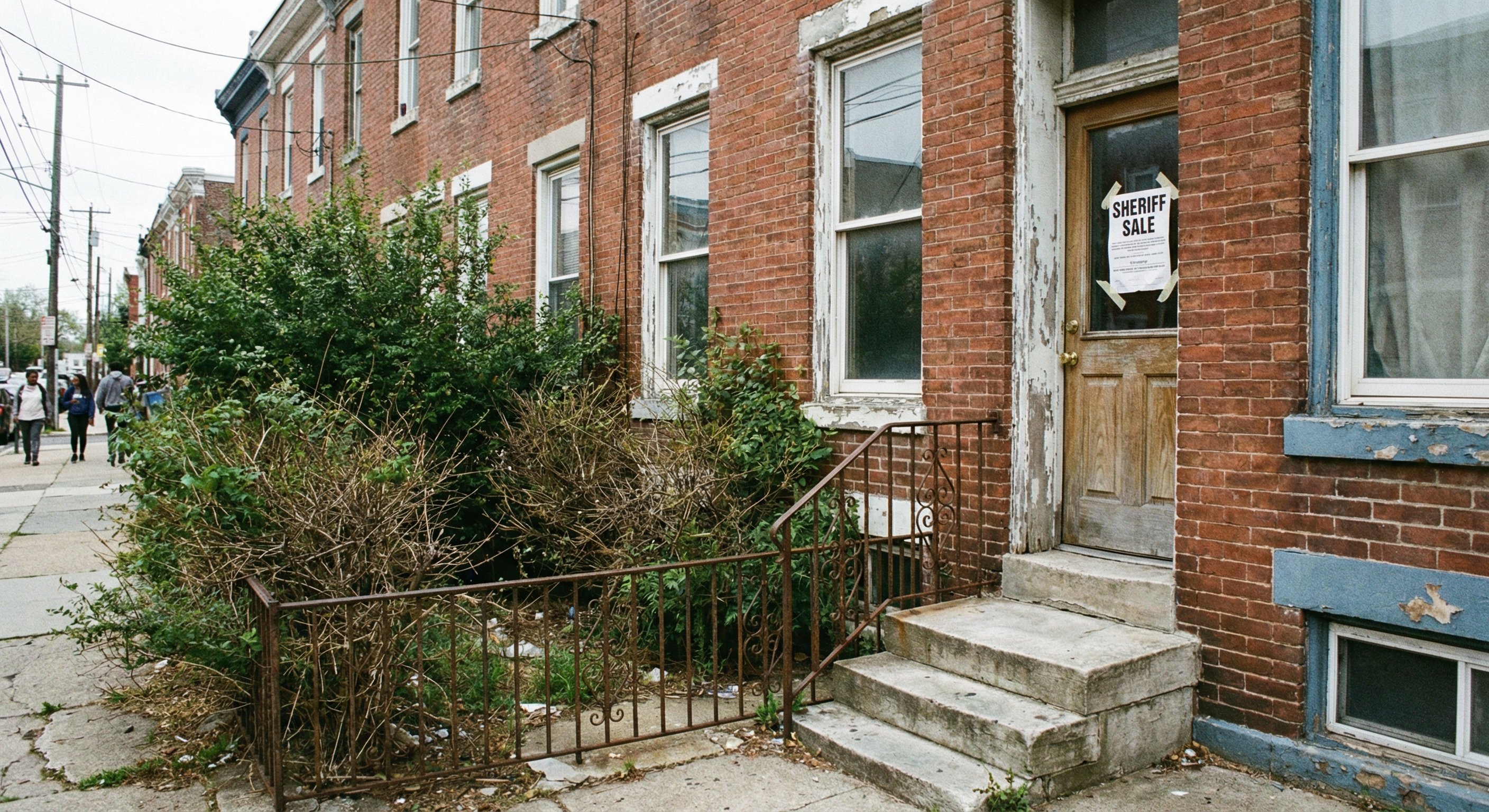
Philadelphia handles the highest volume of foreclosure filings in the state, driven by its large population, significant renter base, and a housing stock with concentrated blight in specific zip codes. The city's court system processes thousands of foreclosure cases annually, with notable clustering in North Philadelphia, Frankford, Kensington, and the lower Northeast.
Properties in Philadelphia that go to sheriff sale frequently carry code violations, back taxes, and in some cases lis pendens from prior bankruptcy filings. Investors working the Philadelphia market need to account for title complexity. A property that appears cheap at auction may carry significant lien burden.
Allegheny County (Pittsburgh)
Pittsburgh's market behaves differently from Philadelphia. The city has a higher rate of owner-occupied single-family homes relative to Philadelphia's renter-heavy stock. Foreclosure volumes are lower but the properties tend to be in better condition pre-foreclosure.
 The county also has a more established investor network, which means more competition at the sheriff sale for distressed properties in desirable neighborhoods like Squirrel Hill, Shadyside, and the South Side.
Allegheny County uses the judicial process like the rest of the state, but the redemption period and post-judgment procedures have local rules that experienced Pittsburgh investors know to check with the sheriff's office before the sale.
Rural and Mid-Size Pennsylvania Counties
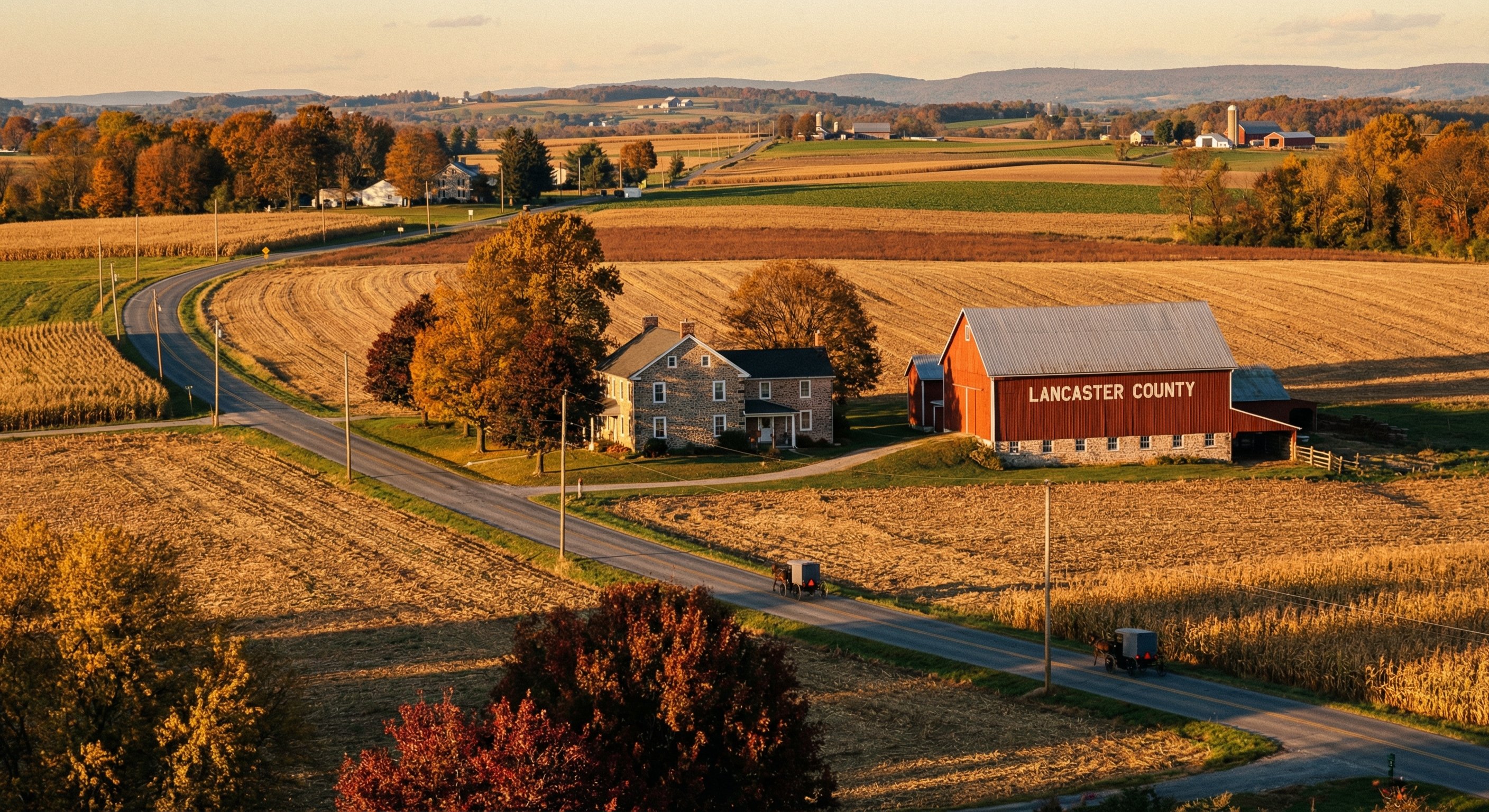
The remaining 65 counties range from Erie and Lehigh in the 200,000 to 400,000 population range down to counties like Forest (few thousand residents) where foreclosure is rare. Mid-size counties like Berks, Lancaster, York, and Northampton present the most underserved opportunities for out-of-area investors. Volumes are high enough to find consistent deal flow, but competition at the county courthouse is lower than in Philadelphia or Pittsburgh.
Where Pennsylvania Foreclosure Leads Concentrate
Foreclosure activity in Pennsylvania concentrates in five key markets.
Philadelphia metro produces the highest volume, regularly ranking among the top foreclosure markets in the northeastern US. Properties in the $50,000 to $150,000 range that need light cosmetic work are common. Cash buyers who can close quickly have consistent supply here.
Pittsburgh and Allegheny County generate moderate but steady volume with better-condition properties on average. The western Pennsylvania investor community is established, and many deals happen off-market before reaching the sheriff sale.
York and Lancaster represent central Pennsylvania opportunity. Both counties have industrial and agricultural economies producing workforce housing distress. Foreclosure leads here frequently involve properties with structural or mechanical issues that make retail buyers walk away.
Lehigh Valley (Allentown, Bethlehem, Easton) is another high-opportunity cluster. The region's proximity to New Jersey and New York has driven housing price appreciation and increased distressed inventory. Bethlehem and Easton attract investors for their lower entry prices relative to the broader metro corridor.
Free Weekly Alerts
See What's Distressed in Your Market
Get free weekly alerts — new distressed properties, motivation scores, and hot neighborhoods in your area. Addresses and contact info available inside DistressIQ.
Free forever · No credit card · Unsubscribe anytime
How to Find Foreclosure Leads in Pennsylvania
Every foreclosure filing in Pennsylvania is a matter of public record at the county Court of Common Pleas. The challenge is that the state has 67 separate court systems, each with its own indexing and retrieval process.
County prothonotary offices maintain filings electronically in most counties, but accessing complaints across multiple markets requires navigating a different system in each one. Third-party aggregators compile filings into searchable databases but are often updated weekly and show only properties already scheduled for sheriff sale rather than active complaints.
DistressIQ pulls foreclosure leads directly from county court filings across all 67 Pennsylvania counties, updated daily. Investors can search by county, filter by stage (active complaint, judgment entered, sale scheduled), and see motivation scoring that ranks leads by distress signal density. This is the most efficient path for investors who want statewide coverage.
Reading a Pennsylvania Foreclosure Filing
Four data points tell you more than the asking price ever could.
The filing date. Cases filed 12-plus months ago may be approaching the end of the redemption window. The filing date tells you how long the case has been active and whether time is working for you or against you.
The mortgage balance vs. assessed value. Pennsylvania assessments are often outdated but provide a baseline. A mortgage balance of $140,000 against an assessed value of $95,000 is worth examining. The equity gap may be larger than it appears if comparable sales are running above assessed value.
Outstanding liens. A sheriff sale price that covers the first mortgage may leave junior liens in a subordinate position. In Pennsylvania, those lienholders may receive nothing at the sale, which creates motivated sellers willing to assign their redemption rights for a fee.
Code violations and tax delinquency. Properties with active code enforcement cases or delinquent property taxes represent stacked distress signals. Multiple signal types on one property correlate with higher seller motivation and lower competing interest from retail buyers.
Working Pennsylvania Sheriff Sales
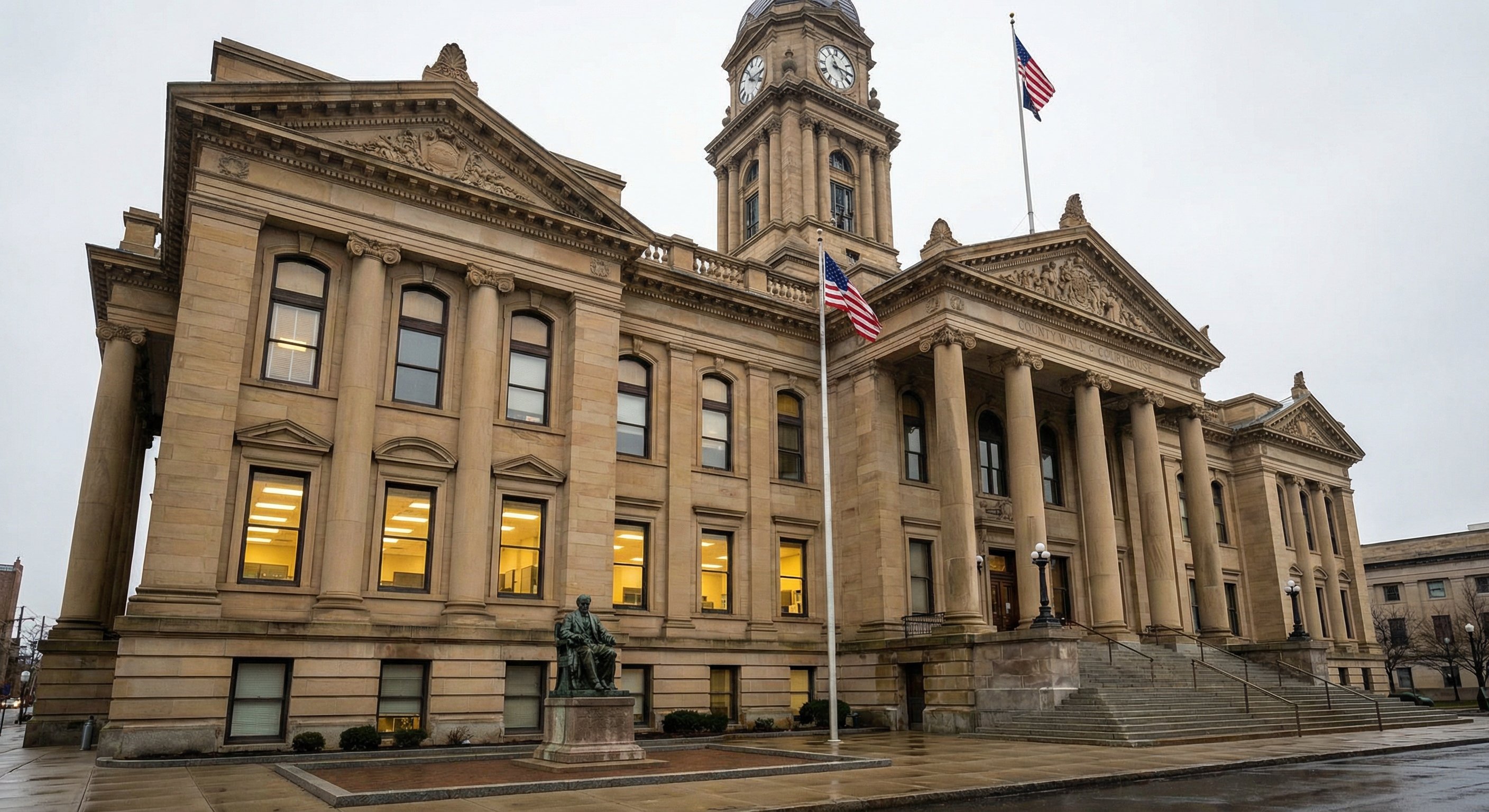
Pennsylvania sheriff sales are conducted at the county level, typically at the county courthouse. Registration requirements vary by county. Some counties require bidders to register in advance and post a deposit (usually $2,000 to $10,000). Sales are usually held on the courthouse steps or in a designated auction room, though some counties moved to online auction platforms during and after the pandemic.
Key due diligence steps before attending a Pennsylvania sheriff sale:
Title search first. Pennsylvania is a race-notice recording state, which means the first party to record wins in a title dispute. At a sheriff sale, the sale deed is recorded when payment is delivered. Investors who fail to do a title search before bidding risk inheriting a property with undisclosed liens or encumbrances. A title search costs $150 to $300 and can save investors from significant losses.
Understand the redemption right. In most Pennsylvania counties, the homeowner retains a statutory right of redemption for a period after the sheriff sale, typically nine to twelve months. During this period, the homeowner can redeem the property by paying the sale price plus interest and costs. Investors who plan to flip or rent immediately need to understand this risk. The workaround is an assignment of the redemption right or a simultaneous closing with the former owner, but these arrangements require legal guidance.
Check the property first. Pennsylvania properties at sheriff sale are typically sold as-is with no disclosures or warranties about condition. A drive-by or full inspection before bidding is essential. The courthouse does not verify occupancy status, structural condition, or tenant presence.
Common Investor Mistakes in Pennsylvania
Pennsylvania has a higher barrier to entry than non-judicial states. Three mistakes come up repeatedly.
Bidding without a title search. The auction atmosphere creates urgency, and investors who bid based on a drive-by estimate sometimes acquire properties with undisclosed six-figure liens. Pennsylvania lien priority rules require attorney-reviewed title searches.
Underestimating redemption exposure. Investors who plan an immediate rehab and flip sometimes discover the former owner is exercising the statutory redemption right six weeks later. The purchase is unwound and the deposit is lost. Model the worst case: a twelve-month redemption period with a non-responsive tenant inside.
Overpaying at auction. Properties in desirable Philadelphia and Pittsburgh neighborhoods draw multiple investor bids that push final prices close to or above retail value. Discipline on maximum bid limits before the auction is non-negotiable.
How DistressIQ Surfaces Pennsylvania Foreclosure Leads
For investors who want Pennsylvania coverage without building a county-by-county research operation, DistressIQ provides a single platform to search foreclosure leads across all 67 counties, updated daily from county court records. Each lead is scored using a multi-signal motivation engine that evaluates distress density and recency, ranking properties by seller urgency. The map view shows geographic clustering, and Street View and aerial imagery integration lets investors assess condition before making contact.
Pennsylvania's judicial process creates a longer window between filing and sheriff sale than most states. That window is the opportunity. Browse verified foreclosure leads in Pennsylvania on DistressIQ.
Frequently Asked Questions
Q: How long does foreclosure take in Pennsylvania?
The judicial foreclosure process typically runs 120 to 180 days from lender filing to sheriff sale for uncontested cases. Contested cases extend longer. The Pennsylvania Uniform Commercial Code and Common Pleas court rules govern timelines, which vary slightly by county. After the sale, Pennsylvania counties provide a statutory redemption right of 9 to 12 months in most counties.
Q: Are Pennsylvania sheriff sales available online?
Many Pennsylvania counties now conduct sheriff sales through online auction platforms. Requirements vary by county. Investors should confirm current format and registration requirements directly with the county sheriff's office before attending.
Q: Can an investor buy before the sheriff sale?
Yes. Pre-foreclosure properties can be purchased directly from the homeowner before the sheriff sale, often at a discount. Direct outreach during the pre-foreclosure window can close quickly and avoids auction competition entirely.
Q: What is the redemption period in Pennsylvania?
Most counties provide a statutory redemption right of 9 to 12 months after the sheriff sale. During this period the former owner can reclaim the property by paying the sale price plus interest and costs. Investors planning an immediate flip should consult a Pennsylvania real estate attorney before bidding.
Q: How does Pennsylvania's process compare to neighboring states?
Pennsylvania's judicial process is slower than New Jersey's non-judicial procedure but faster than New York's judicial system, which can extend 12 to 18 months. For investors working the mid-Atlantic corridor, Pennsylvania's middle position creates a relative opportunity window compared to faster markets like Maryland and Delaware.
Q: What Pennsylvania counties have the most foreclosure activity?
Philadelphia County leads in absolute volume, followed by Allegheny County (Pittsburgh), York County, Lancaster County, and Lehigh Valley. These five markets account for the majority of Pennsylvania foreclosure filings annually.
Q: Does DistressIQ cover all 67 Pennsylvania counties?
Yes. DistressIQ provides foreclosure leads across every Pennsylvania county, updated daily from county court records. Investors can search statewide or narrow to specific counties and filter by filing stage.
The data behind this article
DistressIQ Monitors These Signals in Real Time
Pre-Foreclosures
NOD + NTS filings
Tax Delinquency
County treasurer records
Code Violations
Municipal inspection filings
Probate Filings
Superior Court records
Every lead is scored 0–100 for seller motivation based on signal type, duration, severity, and stacking. Nationwide coverage — every US county, updated daily.
Ready to find deals in your market?
See Live Distress Signals in Pennsylvania
Stop calling dead leads. Every lead in DistressIQ is scored 0–100 for seller motivation, with verified contact info included. Browse the free tier to see what's active in your market right now.
Browse Free Leads — No Credit Card