Foreclosure Leads in Michigan: A Practical Guide for Real Estate Investors
Foreclosure Leads in Michigan: A Practical Guide for Real Estate Investors
TL;DR: Michigan's judicial foreclosure process creates a structured, legally supervised timeline that typically runs 6 to 12 months from default to sheriff sale, giving investors a predictable window to locate distressed properties before auction. The state requires court confirmation of all foreclosure sales, which protects investors by preventing below-market sweeps. Foreclosure leads in Michigan cluster most heavily in Wayne, Oakland, Macomb, and Kent counties, and DistressIQ aggregates distress signals across these markets so investors can target motivated sellers weeks before the county publishes official auction lists.
Why Michigan's Foreclosure Market Deserves Your Attention
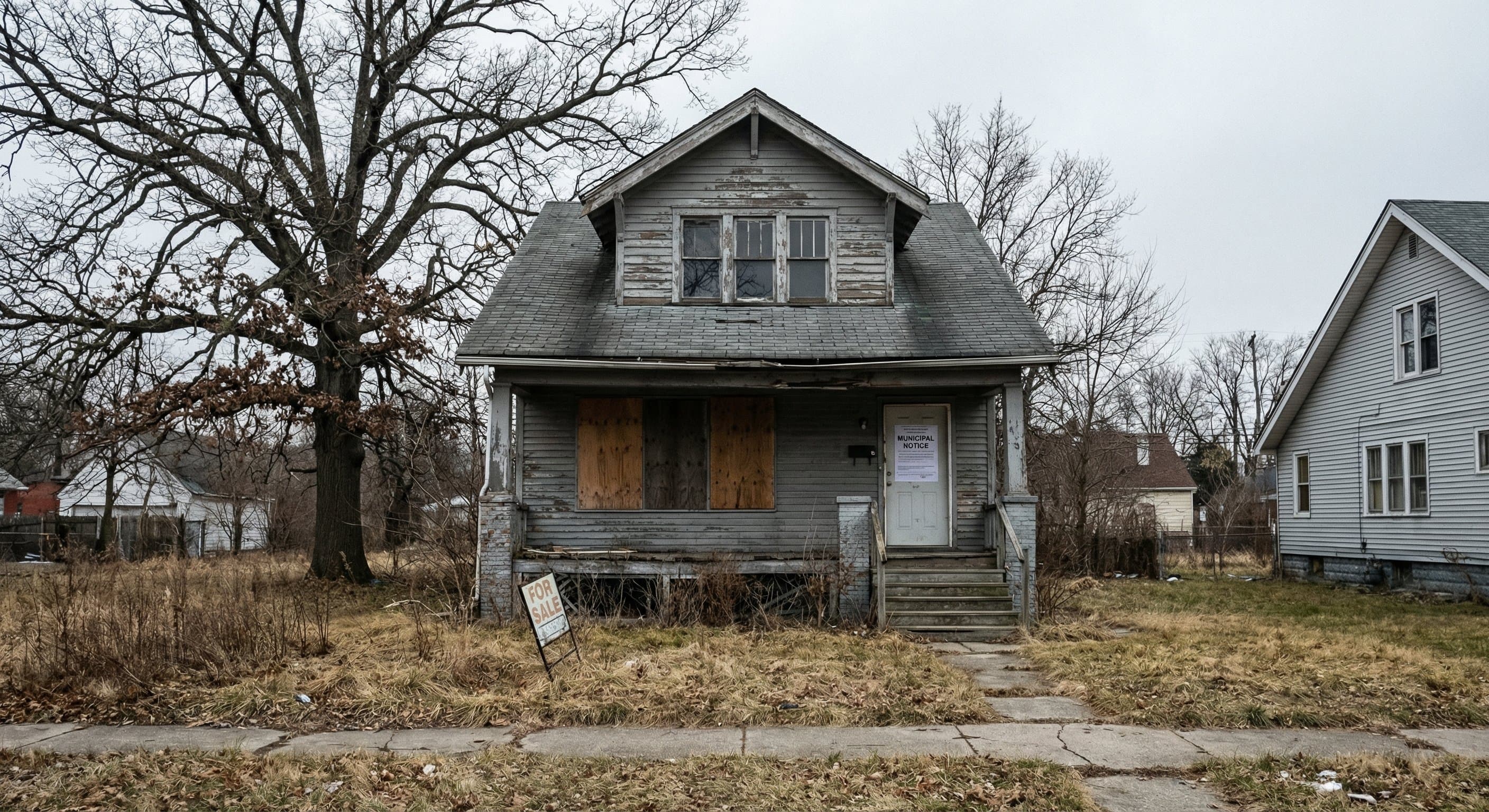
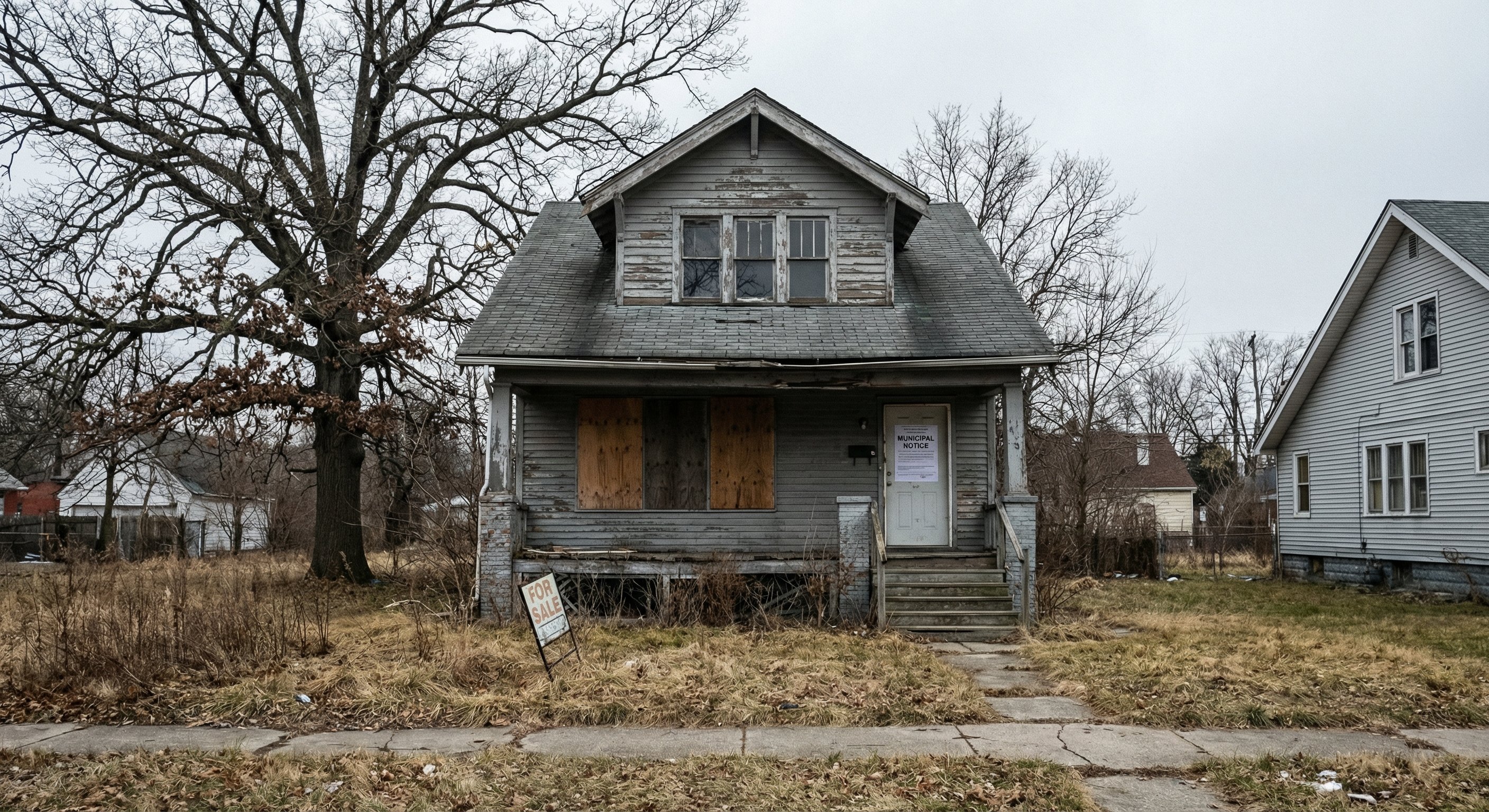
Every investor has heard the Detroit horror stories. Foreclosure lists that seem infinite, properties selling for fractions of assessed value, neighborhoods that look like post-industrial wastelands. And it is true that Michigan carries one of the highest foreclosure rates in the country relative to its population. But that framing misses the actual opportunity.
The investors quietly making money in Michigan right now are not the ones chasing the cheapest properties in the most distressed blocks. They are the ones who understand the judicial foreclosure timeline, know which counties publish the most reliable pre-foreclosure data, and have a system for reaching homeowners before the sheriff sale date. That combination turns a high-volume market into a selective, high-conversion lead pipeline.
This guide covers what actually matters: how Michigan foreclosure law works, which counties produce the most actionable leads, what the pre-foreclosure window looks like in practice, and how to find foreclosure leads in Michigan without spending every morning tab-switching through county court websites.
Michigan Foreclosure Law: What Makes This State Different
Michigan is a judicial foreclosure state. That means every residential foreclosure must go through the court system before a sheriff sale can proceed. The lender files a complaint in the circuit court of the county where the property is located, a judge issues a judgment of foreclosure, and only then can the property move to auction.
This matters enormously for investors. In non-judicial states like California or Texas, the foreclosure timeline is dictated entirely by the lender. In Michigan, the court acts as a gatekeeper. That court involvement creates a structured timeline that is publicly accessible, which means the pre-foreclosure window is discoverable if you know where to look.
The standard timeline from default to sheriff sale in Michigan runs 6 to 12 months, depending on the county court's docket and whether the borrower files for bankruptcy (which automatically pauses the process under the Federal Bankruptcy Code). The judicial process also means the county publishes a legal notice in a local newspaper before the sale, and those notices are a public record that investors can search.
The most important investor protection in Michigan is the confirmation hearing. After the sheriff sale, the court must confirm the sale and validate that the winning bid meets minimum bid requirements. This prevents the below-market sweeps that happen in non-judicial states where lenders can accept nominal bids and immediately move to evict. In Michigan, if the winning bid is too low, the court can reject the sale and order a new auction.
The Pre-Foreclosure Window: Why It Matters More Than the Auction List
Most investors fixate on sheriff sale lists. They wait for the county to publish the auction calendar and then scramble to research properties in the 48 hours before the sale date. That approach works in some states, but it is the wrong strategy in Michigan, and here is why.
The pre-foreclosure window in Michigan is 6 to 12 months long, and during that entire period, the homeowner is actively trying to avoid foreclosure. They are negotiating with the lender, filing for bankruptcy, seeking loan modifications, or simply hoping the problem resolves itself. This is the period when a cash buyer offering to purchase the property at a discount is most valuable to the seller. The homeowner avoids the auction, the lender avoids a lengthy court confirmation process, and the investor gets a deed instead of bidding at auction against everyone else who waited for the list.
DistressIQ tracks pre-foreclosure filings across all Michigan counties as part of its distress signal database, alongside tax delinquency, code violations, probate, and other motivation indicators. Investors who monitor these signals can identify a pre-foreclosure lead in Michigan County the moment it appears, before the official sheriff sale list is published and before the phone calls from every other investor in the state start flooding in.
Free Weekly Alerts
See What's Distressed in Your Market
Get free weekly alerts — new distressed properties, motivation scores, and hot neighborhoods in your area. Addresses and contact info available inside DistressIQ.
Free forever · No credit card · Unsubscribe anytime
The Counties That Matter Most
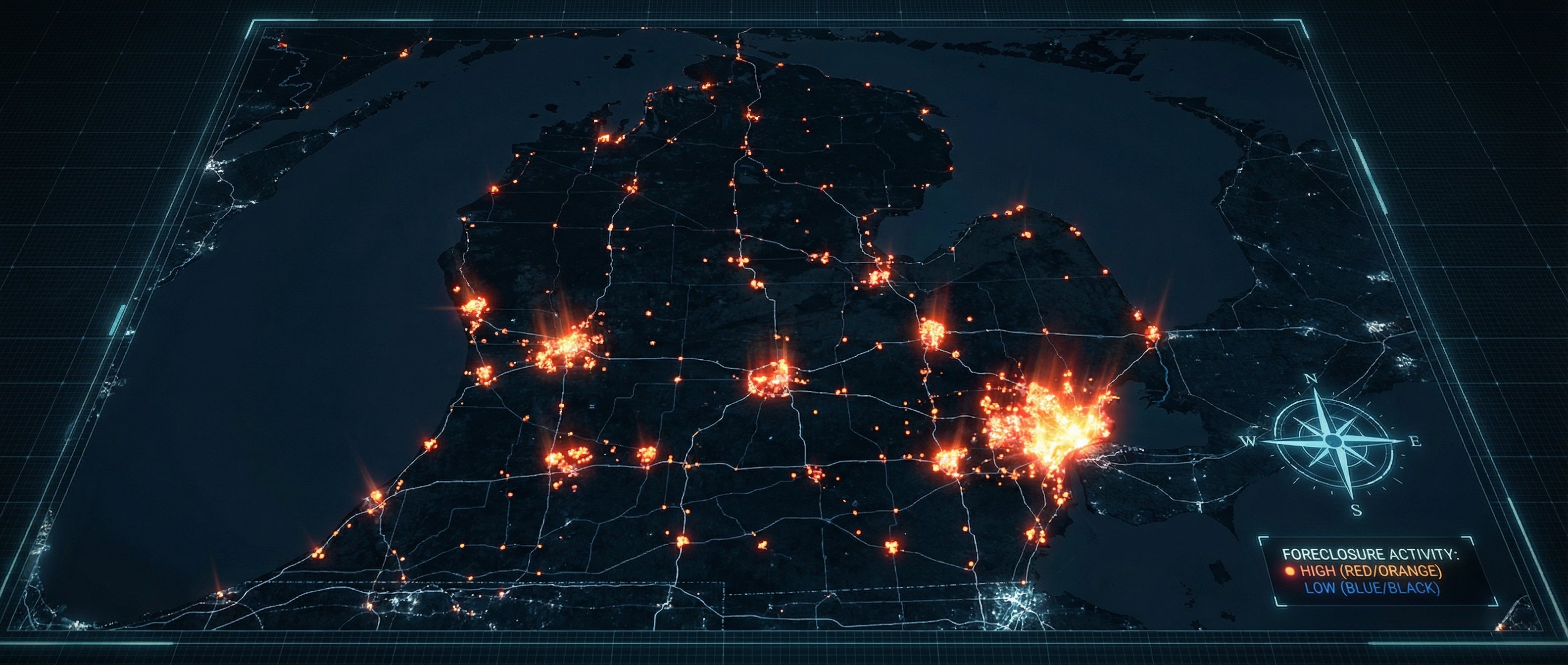
Michigan foreclosure volume is not distributed evenly across the state. The majority of distressed inventory concentrates in a handful of counties that collectively account for the vast majority of annual filings. Understanding these markets is essential for targeting your outreach effectively.
Wayne County is the largest single source of Michigan foreclosure leads. Detroit's housing crisis has been well-documented, but what gets less attention is the split in the market between properties in the city proper, where structural conditions and long-term vacancy are the primary drivers, and the suburban communities in Wayne County like Dearborn, Livonia, and Taylor, where job loss and adjustable-rate mortgage resets have triggered filings among middle-income homeowners who purchased homes in the mid-2000s refinancing wave.
Oakland County, north of Detroit, represents a fundamentally different investor profile. This is a wealthier suburban market where foreclosure filings tend to involve higher-value properties. A foreclosure lead in Birmingham, Royal Oak, or Troy often represents a motivated seller with significant equity who encountered a short-term liquidity problem. These leads require a different outreach approach, higher purchase prices, and a more sophisticated negotiation, but the margins on successful deals reflect that sophistication.
Macomb County sits between Wayne and Oakland. The market skews working and middle-class, with communities like Warren, Sterling Heights, and Clinton Township producing a consistent volume of pre-foreclosure and sheriff sale activity driven by manufacturing sector employment volatility. Properties here tend to be owner-occupied single-family homes in reasonable condition, making them ideal for fix-and-flip or buy-and-hold strategies targeting rental income.
Kent County, anchored by Grand Rapids, is the economic engine of West Michigan. The foreclosure rate here is lower than the Detroit metro area, but the properties that do come to market tend to be well-maintained homes in stable neighborhoods. Kent County foreclosure leads often represent the highest-quality distressed inventory in the state from a condition standpoint.
Genesee County (Flint) and Saginaw County round out the top tier. Both are smaller markets but with consistently elevated distress signals. Flint's well-documented water crisis created a long-tail inventory problem where distressed properties sit for extended periods before clearing through the market, creating buying opportunities for investors willing to navigate the specific local conditions.
Michigan's Redemption Period and What It Means for Your Exit Strategy
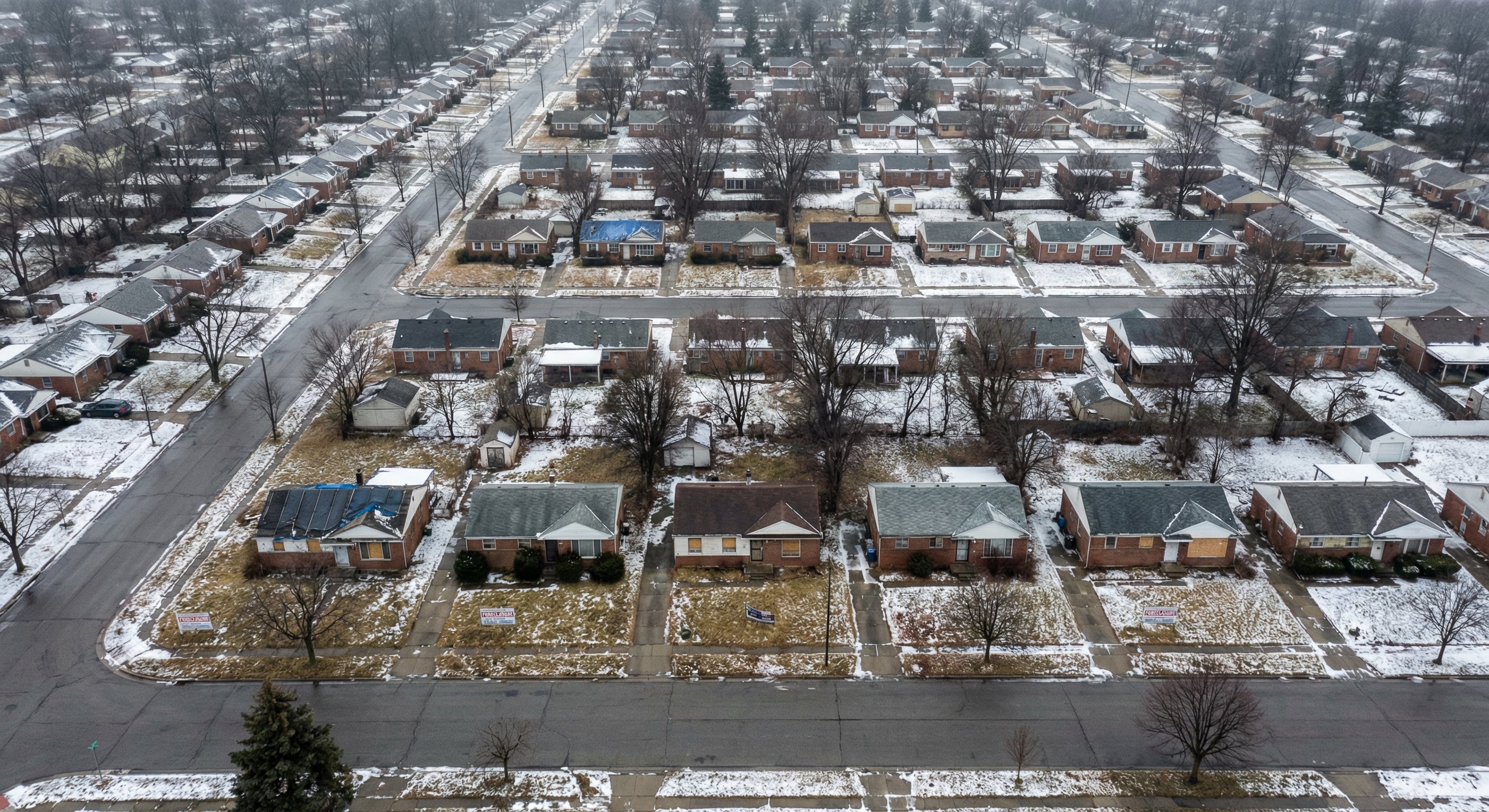
One of the most consequential features of Michigan foreclosure law for investors is the redemption period. After a sheriff sale, the former homeowner has the right to redeem the property by paying the full foreclosure judgment amount plus costs and interest within a statutory period. In Michigan, this period is typically 6 months for the borrower, though it can be extended in certain circumstances.
This has direct implications for your investment strategy. If you purchase a property at the sheriff sale, you are not necessarily able to take possession or begin renovation immediately. The redemption period means the previous owner can reclaim the property by paying off the debt. Most sophisticated investors prefer to work directly with pre-foreclosure homeowners to purchase the property via a short sale or direct deed transfer before the auction, which eliminates the redemption period risk entirely.
From a lead quality standpoint, DistressIQ flags properties where the pre-foreclosure timeline is advancing toward the sheriff sale date, giving investors a practical window to reach homeowners who are most urgently motivated to sell before the redemption period clock starts running.
Finding Foreclosure Leads in Michigan Without Manual Research
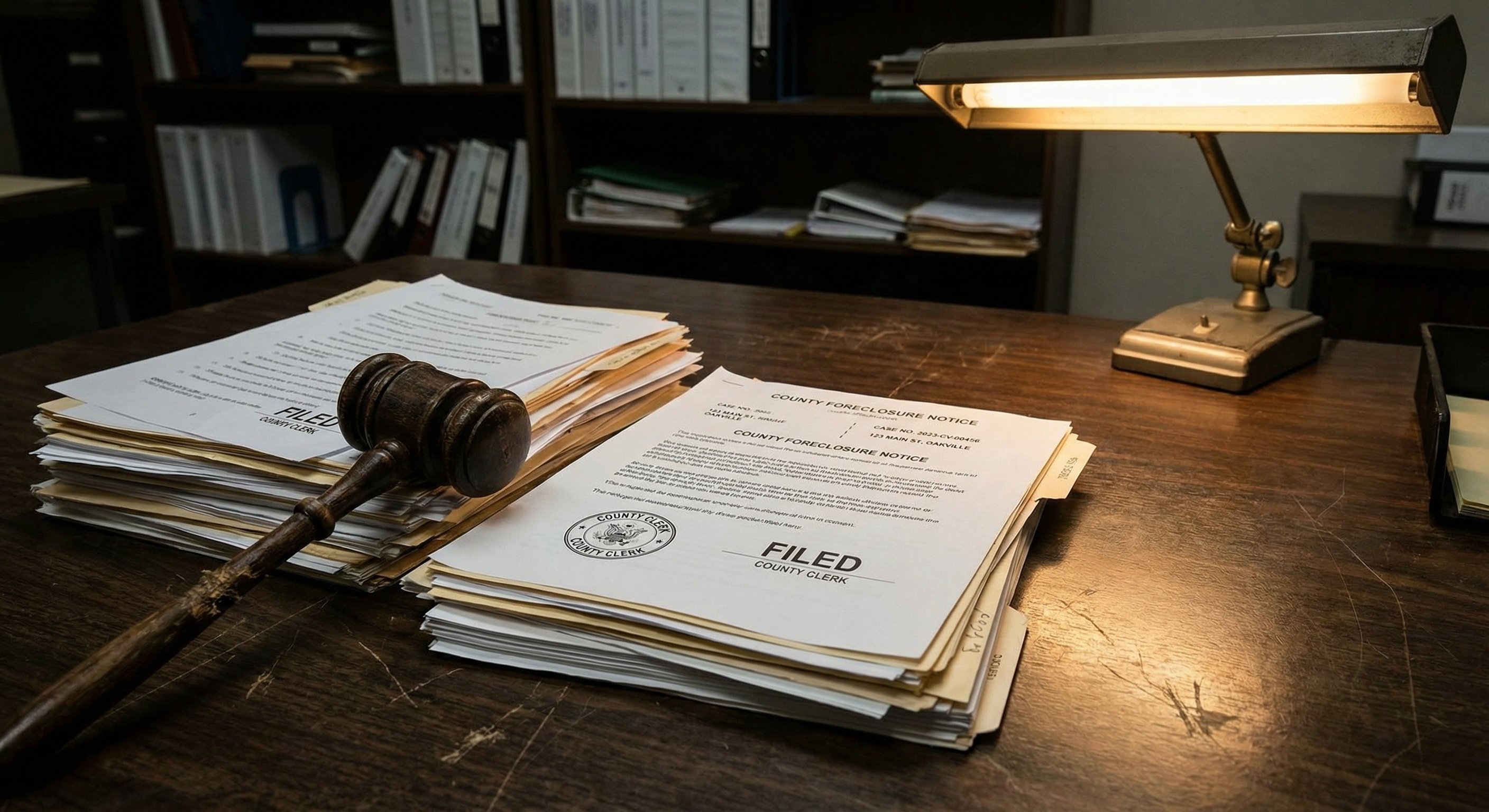
The county court system publishes legal notices before each sheriff sale, typically in a local newspaper designated by the court. In practice, this means investors who want to find foreclosure leads in Michigan manually must check multiple county court websites, reconcile the data with published legal notices, and then do property record research to determine which properties are worth pursuing. For one county, this might take an afternoon. For a statewide portfolio, it is a full-time job.
DistressIQ aggregates distress signals from Michigan county records and updates them continuously, so investors can search pre-foreclosure leads, tax delinquent properties, code violations, and other motivation indicators across all Michigan counties from a single interface. Each property is associated with a motivation score based on the density and recency of its distress signals, helping investors prioritize which leads to pursue first.
The practical difference is significant. Investors using county websites directly might identify 15 to 20 pre-foreclosure leads in Wayne County on a busy month. Investors using DistressIQ see all active signals across all Michigan counties simultaneously, with property details, owner information (where publicly available), and motivation scoring to guide outreach sequencing.
What to Do After You Find a Michigan Foreclosure Lead
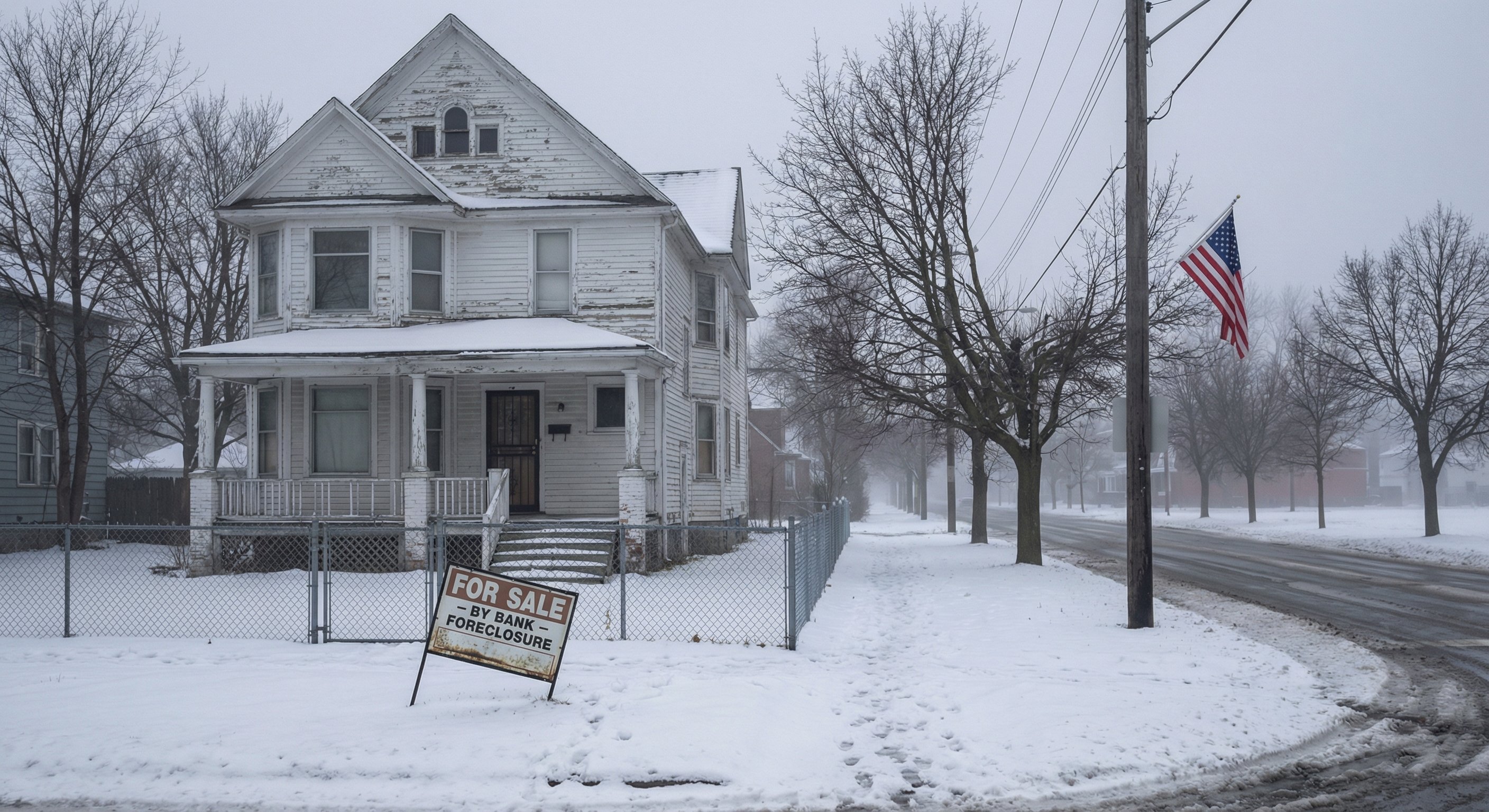
Identifying a foreclosure lead is only the beginning. The outreach strategy matters more than the lead source in Michigan because the pre-foreclosure window creates a specific type of motivated seller: someone who knows they are in trouble, is actively dealing with the emotional and financial stress of that situation, and is open to offers from buyers who can close quickly without adding to their legal costs.
A direct mail letter works for some sellers, particularly those who have already received multiple offers from other investors. A phone call, when you can find a working number, tends to move faster because the timeline on a foreclosure is genuinely urgent. The best investors in this market combine both: a personalized letter that references the specific property address and situation, followed by a phone call within 5 to 7 days.
The offer framework that works in Michigan pre-foreclosure is straightforward: you are offering to purchase the property for cash, as-is, with a quick close. The homeowner avoids the public auction, protects their credit slightly better than a completed foreclosure, and gets a clean exit from a difficult situation. In exchange, you receive a property below market value with a motivated seller who has every reason to cooperate with the transaction.
For properties that do go to sheriff sale, the due diligence checklist is standard but critical: verify the opening bid amount against the outstanding loan balance, confirm the redemption period status, research the property tax history, and inspect the exterior and public records for code violations that could affect the post-sale renovation budget.
Find Michigan foreclosure leads scored by motivation — browse pre-foreclosure, tax delinquent, and sheriff sale properties across Wayne, Oakland, Macomb, Kent, and all other Michigan counties. See Michigan leads on DistressIQ →
Frequently Asked Questions
Q: How long does the foreclosure process take in Michigan?
In Michigan, the judicial foreclosure process typically runs 6 to 12 months from the initial default filing to the sheriff sale date, assuming the borrower does not file for bankruptcy. After the sheriff sale, the redemption period adds another 6 months during which the former owner can reclaim the property by paying the full judgment amount. For investors pursuing pre-foreclosure deals, the most actionable window is the 6 to 12 months before the sheriff sale, when the homeowner is actively motivated to sell and a direct purchase can close before the auction.
Q: Is Michigan a judicial or non-judicial foreclosure state?
Michigan is a judicial foreclosure state, meaning all residential foreclosures must go through the circuit court system. The lender files a complaint, the court issues a judgment, and only then can the property proceed to sheriff sale. This judicial oversight creates a more structured, publicly accessible timeline than non-judicial states and includes a court confirmation requirement that prevents the lender from accepting nominal bids at auction.
Q: Which Michigan counties have the most foreclosure activity?
Wayne County (Detroit metro) produces the highest volume of foreclosure filings in Michigan, followed by Oakland County (wealthy suburban Detroit), Macomb County (working/middle-class suburban Detroit), Kent County (Grand Rapids), Genesee County (Flint), and Saginaw County. Investors targeting the highest volume should focus on Wayne, Oakland, and Macomb. Those seeking the best property quality relative to price should look at Kent County and the suburban communities within Oakland County.
Q: Can you buy a foreclosed property directly from the homeowner in Michigan?
Yes, and in many cases this is preferable to purchasing at the sheriff sale. A pre-foreclosure purchase (also called a short sale or direct deed transfer) allows the investor to negotiate directly with the motivated homeowner before the auction, eliminate the redemption period risk, and avoid competing bids at the sheriff sale. The homeowner benefits by avoiding a completed foreclosure on their credit report and a public auction. DistressIQ tracks pre-foreclosure signals across all Michigan counties to help investors identify these opportunities before the official auction list is published.
Q: What is the redemption period for Michigan foreclosures?
After the sheriff sale, Michigan law allows the former property owner a redemption period during which they can reclaim the property by paying the full foreclosure judgment amount plus costs and interest. The standard redemption period is 6 months. If the former owner files for bankruptcy, the redemption period is automatically paused under the Federal Bankruptcy Code. For investors, purchasing a property before the sheriff sale via a pre-foreclosure short sale eliminates redemption period risk entirely, which is why pre-foreclosure outreach is the preferred strategy in Michigan.
The data behind this article
DistressIQ Monitors These Signals in Real Time
Pre-Foreclosures
NOD + NTS filings
Tax Delinquency
County treasurer records
Code Violations
Municipal inspection filings
Probate Filings
Superior Court records
Every lead is scored 0–100 for seller motivation based on signal type, duration, severity, and stacking. Nationwide coverage — every US county, updated daily.
Ready to find deals in your market?
See Live Distress Signals in Michigan
Stop calling dead leads. Every lead in DistressIQ is scored 0–100 for seller motivation, with verified contact info included. Browse the free tier to see what's active in your market right now.
Browse Free Leads — No Credit Card