How to Find Foreclosure Leads in California (2026 Investor Guide)
How to Find Foreclosure Leads in California (2026 Investor Guide)
TL;DR: California runs a non-judicial foreclosure system governed by Civil Code § 2924. A Notice of Default filed at the county recorder becomes public record the same day, starting a 90-day clock before the lender can file a Notice of Trustee Sale. The auction follows in as few as 20 days after that. The total timeline runs 180 to 270 days in practice, far faster than judicial states. That speed keeps REO inventory low, making the NOD stage the prime window for investor outreach.
California logged over 34,000 foreclosure filings in 2025 across its 58 counties. The investors who consistently close deals are not the ones showing up at the courthouse steps. They found the homeowner months before the auction, back when the only public signal was a single document recorded at the County Recorder: the Notice of Default.
The foreclosure leads California investors convert come from understanding the deed-of-trust pipeline, knowing which counties produce the highest volume, and stacking distress signals to prioritize outreach. Here is how that works.
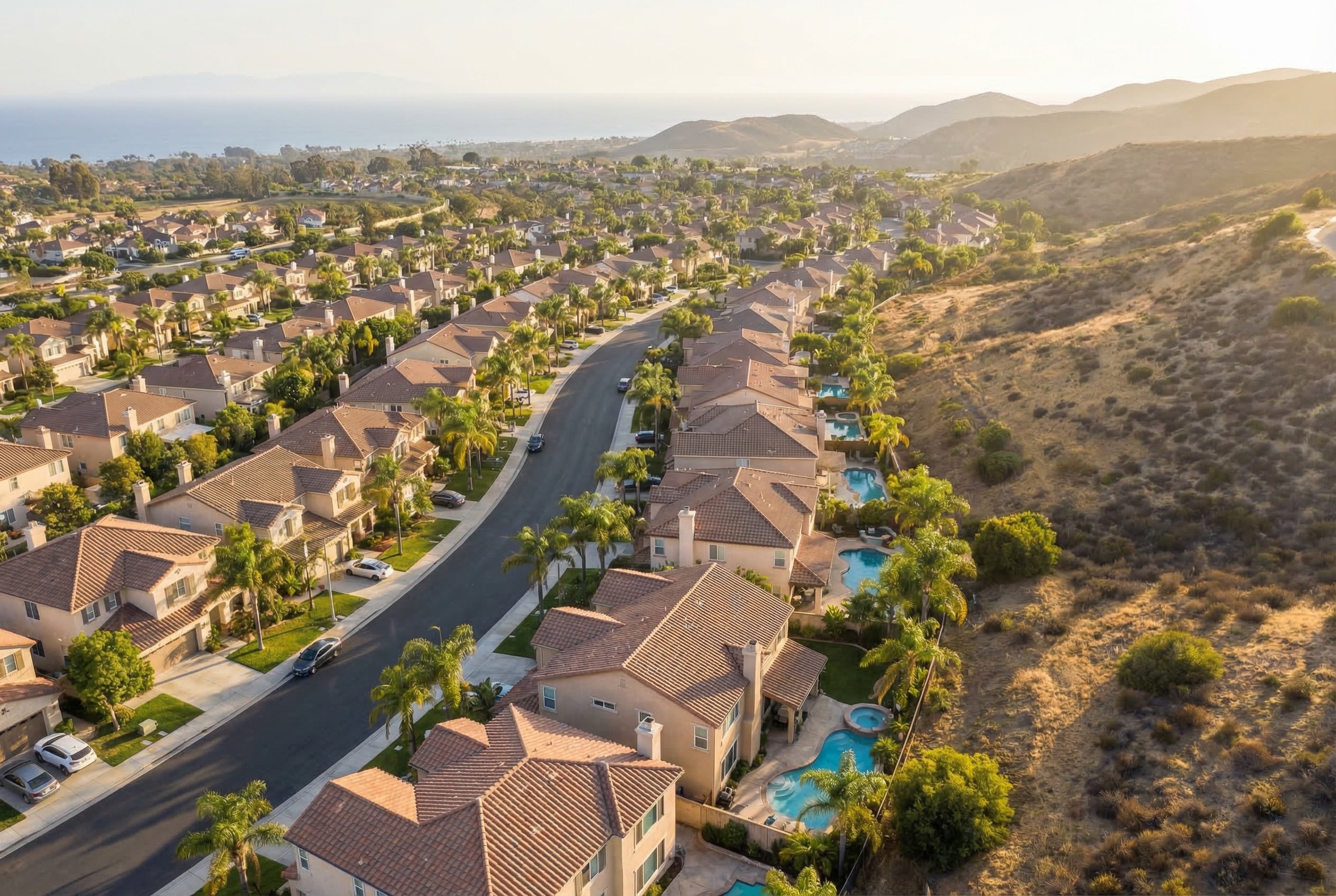
How California's Non-Judicial Foreclosure Process Works
California is a non-judicial foreclosure state. The lender uses a deed of trust rather than a traditional mortgage, naming a third-party trustee to hold a security interest in the property. When the borrower defaults, the trustee manages the foreclosure on behalf of the lender. No judge, no courtroom, no litigation docket.
The entire process is governed by California Civil Code § 2924, and it unfolds through three recorded documents.
Notice of Default (NOD). The first public signal. Filed with the County Recorder after the borrower falls 90 or more days behind on payments. This document becomes public record the moment it is recorded. The homeowner then has a minimum 90-day reinstatement period before the lender can escalate.
Notice of Trustee Sale (NTS). Filed after the 90-day waiting period. Sets an auction date no sooner than 20 days out. The borrower retains a 5-business-day right of reinstatement before the trustee sale.
Trustee Sale (Auction). Public auction at the county courthouse steps or through an online platform. Cash only, no contingencies, no interior access. If no outside bidder exceeds the lender's credit bid, the property reverts to the bank as REO.
The minimum timeline from NOD to sale is roughly 120 days. In practice, especially for owner-occupied properties covered by the Homeowner Bill of Rights, lenders often take 180 to 270 days. That is still dramatically faster than judicial states like Florida or New York, where the process can stretch one to three years.
This speed has a direct consequence: REO inventory stays low. Properties move through the pipeline fast enough that few sit in bank portfolios. The prime window is not the REO stage. It is the pre-NOD and NOD stage, when the homeowner is in trouble but the clock has not yet run out.
Where California Foreclosure Activity Is Concentrated
Not all 58 counties produce equal opportunity. Los Angeles, San Diego, Riverside, San Bernardino, Sacramento, and Fresno account for the majority of NOD filings, but dynamics inside each differ.
Los Angeles County. Ten million residents, 88 cities. NOD volume is high but spread across drastically different economies. Compton, Lancaster, and Palmdale produce more actionable leads per capita than Pacific Palisades or Santa Monica. The eastern San Gabriel Valley and South LA are where loan-to-value ratios are tightest.
Riverside and San Bernardino Counties. The Inland Empire has historically been one of California's most active foreclosure markets. Lower price points relative to coastal counties create better investor margins, and steady population growth supports rental demand.
San Diego County. Foreclosure activity clusters in inland zip codes rather than coastal areas. The Assessor/Recorder portal at arcc.sdcounty.ca.gov has functional document search.
Sacramento County. The state capital sees consistent NOD filing activity. Sacramento's mix of government employment and suburban expansion creates pockets of distress in newer developments where buyers stretched on price.
Fresno and the Central Valley. Fresno, Kern, Tulare, and San Joaquin Counties produce some of the highest NOD-to-sale completion rates in California. Agricultural and blue-collar economies, lower property values, and limited refinance access mean more properties actually reach the auction stage.
Bay Area Counties. Santa Clara, Alameda, Contra Costa, and San Francisco see lower NOD volume per capita but enormous dollar discounts when deals do surface. These markets require more capital and patience, but the deals that close can be significant.
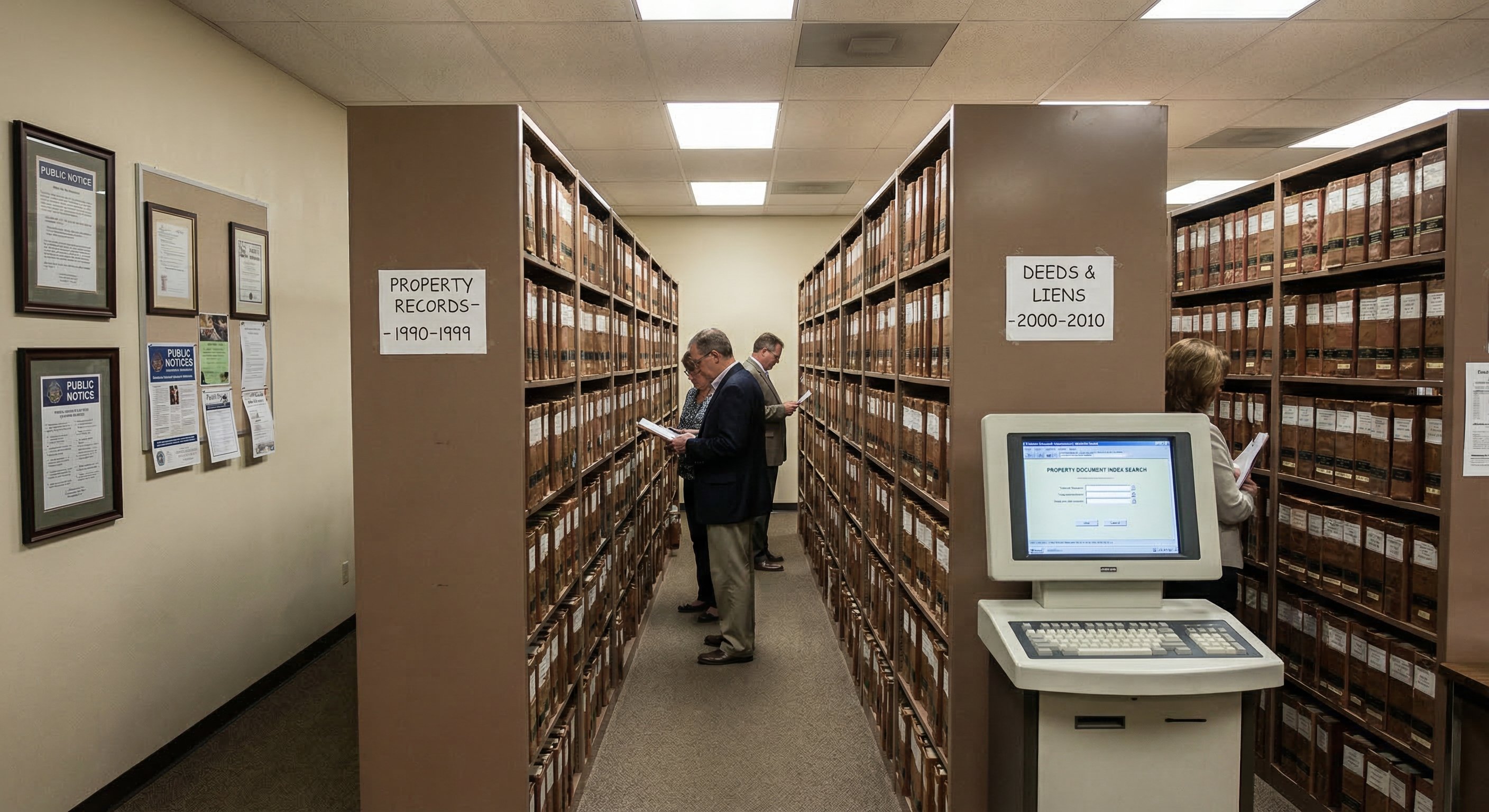
The Signal-Stacking Strategy: Why Raw NOD Lists Waste Time
A raw NOD list treats every filing as equal. They are not.
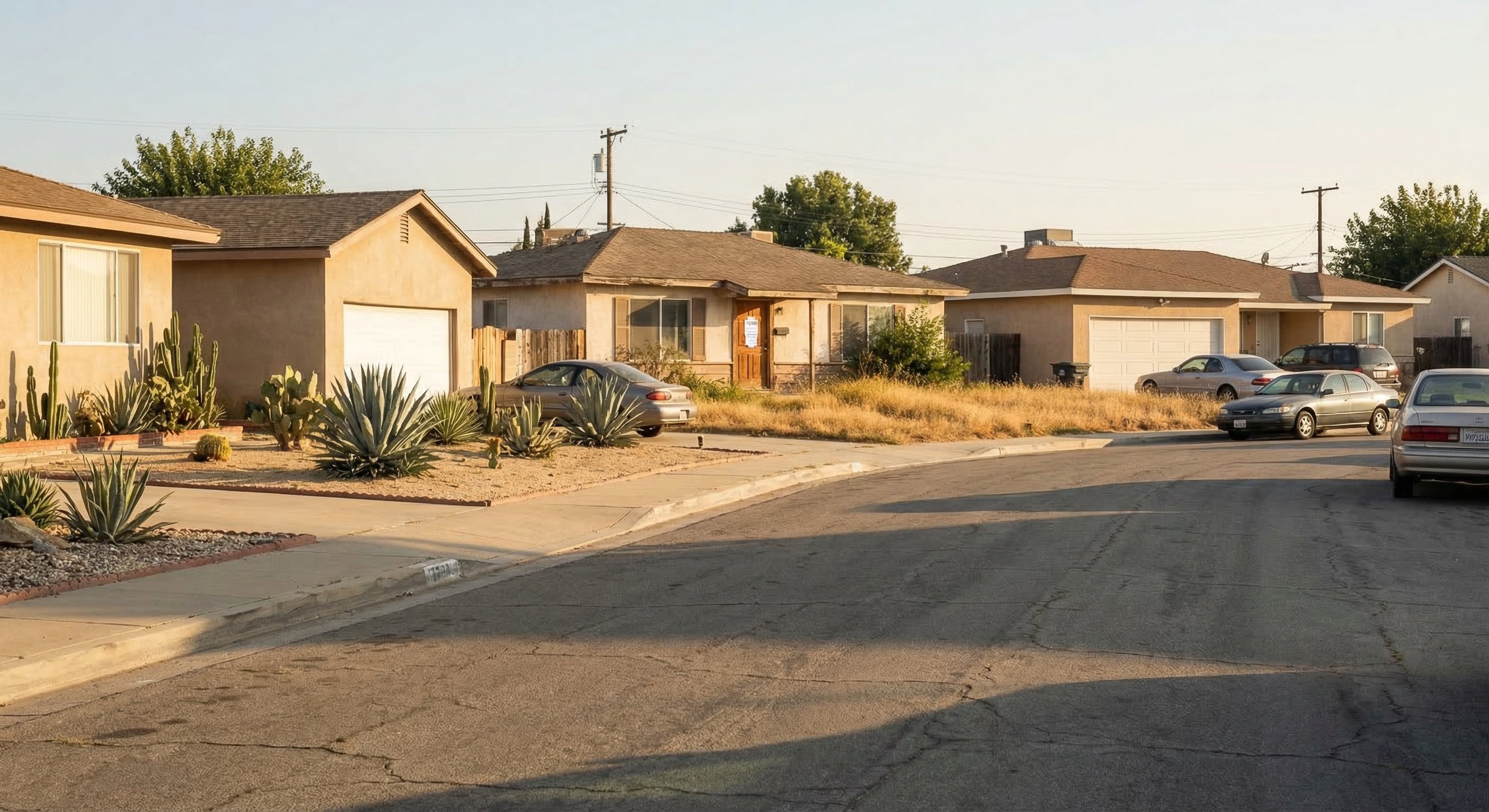
A homeowner in Irvine who received an NOD on a $700,000 loan against a $950,000 property has equity and refinancing options. Low priority. A homeowner in Fresno with an NOD on a $260,000 property, $11,000 in unpaid taxes, and an open code violation has no clean exit through conventional channels. High priority.
Signal stacking is the practice of cross-referencing multiple distress indicators on a single property to identify which homeowners are most likely to accept a fast, cash offer. The highest-conversion properties carry at least two of the following simultaneously:
- NOD plus tax delinquency. Two separate financial problems at once. The owner is behind on the mortgage and the county tax bill. Motivation to sell quickly is high.
- NOD plus code violation. The property has a documented condition issue. Traditional buyers face financing hurdles on homes with open violations. Cash buyers solve the problem.
- NOD plus out-of-state owner. An absentee owner who inherited the property or bought as a rental is often willing to accept a clean, fast offer rather than manage a default from another state.
- NTS filed plus multiple signals. By the time the Notice of Trustee Sale is recorded, the homeowner is deep in the pipeline. Properties with an NTS and stacked signals are often the most motivated sellers in their zip code at that moment.
Cross-referencing a single property across NOD filings, tax records, assessor data, and code enforcement takes 20 or more minutes per property manually. At scale, that is a full-time research operation before a single phone call.
Free Weekly Alerts
See What's Distressed in Your Market
Get free weekly alerts — new distressed properties, motivation scores, and hot neighborhoods in your area. Addresses and contact info available inside DistressIQ.
Free forever · No credit card · Unsubscribe anytime
California Regulations That Shape Deal Strategy
California has some of the most homeowner-protective foreclosure laws in the country. Understanding these rules is not optional. They determine which deals are possible and how to structure them.
SB 1079: Tenant and Nonprofit Right to Purchase. Enacted in 2020, this law gives tenants and eligible nonprofits a 45-day window after a trustee sale to purchase the property at the winning bid price. Investors who buy at auction can lose the deal. A direct purchase from the homeowner before the trustee sale is a conventional transaction. SB 1079 does not apply.
Homeowner Bill of Rights (HBOR). HBOR restricts dual tracking, meaning lenders cannot proceed with foreclosure while a loan modification application is pending. The practical effect: lenders move more slowly from NOD to NTS on owner-occupied homes, giving investors more time in the high-conversion window.
Anti-Deficiency Rules. For non-judicial trustee sales, California lenders generally cannot pursue a deficiency judgment. The non-recourse protection on purchase-money first mortgages reduces some pressure to sell, but the credit damage from a completed foreclosure remains a strong motivator for homeowners.
HOA Lien Foreclosures. California HOAs can foreclose independently for unpaid dues exceeding $1,800 or 12 months delinquent. An HOA delinquency combined with a mortgage NOD creates a multi-lien situation cash investors are positioned to resolve.
How to Work Foreclosure Leads California Investors Actually Close
Start at the NOD, not the auction. The NOD stage, when the borrower has the mandatory 90-day reinstatement period, is where proactive outreach makes the biggest difference. By the time an NTS is filed and a sale date is set, competition from other buyers increases sharply.
Evaluate equity before calling. Many California NOD properties have substantial equity. A homeowner 90 days behind on a $450,000 loan with a $700,000 property may be buying time before a conventional sale. Focus on situations where equity is thin or multiple signals suggest urgency.
Target the Central Valley and Inland Empire. Fresno, Bakersfield, Stockton, Riverside, and San Bernardino produce higher NOD volume per capita and higher completion rates than coastal markets. Lower property values and economic volatility create genuinely distressed situations where homeowners cannot extract equity through a conventional sale.
Track NTS cancellations. When an NTS is filed and then cancelled, typically due to a loan modification, bankruptcy filing, or forbearance agreement, that property often re-enters the NOD cycle within 12 to 24 months. Investors who maintain contact with these homeowners after a cancellation are positioned ahead of the market when the situation escalates again.
Verify title before committing. California properties frequently carry layered lien positions: first mortgage, HELOC, HOA liens, contractor liens, and IRS tax liens. A property in NOD with a $280,000 first mortgage might also carry a $90,000 HELOC, a $14,000 HOA delinquency, and a $22,000 contractor lien. Know the full picture before making an offer.
Look for inherited properties with NODs. When an NOD lands on an out-of-state heir or a family trust, the result is often a genuinely motivated seller. The heir has no emotional attachment and may be balancing grief with the practical burden of a default. A clear offer with a fast close solves a real problem.
DistressIQ aggregates NOD filings, NTS filings, code violations, and tax delinquency data from all 58 California counties into a single searchable map, scored by stacked motivation signals. Properties carrying multiple simultaneous distress indicators rank highest, so outreach time goes to the leads most likely to convert. Browse the map at no cost. Unlock contact details only when ready to act.
FAQ
Q: Is California a judicial or non-judicial foreclosure state?
California is primarily a non-judicial foreclosure state. The vast majority of foreclosures proceed through the deed of trust and trustee sale process without court involvement, governed by California Civil Code § 2924. Judicial foreclosure is available but rarely used because it is slower and costlier for lenders. For investors, public records like NODs and NTS filings are found at County Recorder offices, and the timeline from default to sale is far shorter than in judicial states.
Q: How long does the foreclosure process take in California?
California law requires a minimum 90-day period from NOD filing before a Notice of Trustee Sale can be recorded. After the NTS, there is a minimum 20-day wait before the auction. The borrower retains a 5-business-day right of reinstatement before the sale. The absolute minimum is roughly 120 days. In practice, lenders often take 180 to 270 days, especially on owner-occupied properties subject to the Homeowner Bill of Rights. Bankruptcy filings and loan modification applications can extend this further.
Q: Where are California trustee sales held?
Trustee sales are traditionally held at the county courthouse steps, though many counties have moved online. Auction.com and Bid4Assets are the primary platforms. Bidders must register in advance, provide proof of funds, and pay the full price upon winning. There are no financing contingencies and typically no interior access.
Q: What is a Notice of Default and how can investors access them?
A Notice of Default is a recorded document filed with the County Recorder after a borrower falls 90 or more days delinquent on a deed of trust. It is the first formal public signal in California's non-judicial process. NODs are available at each county's Recorder office, through online portals or in person. Many counties offer partial online access, while others require subscriptions to data aggregators like DataTrace or First American.
Q: How does SB 1079 affect buying foreclosures at auction?
SB 1079 grants tenants and eligible nonprofits a 45-day window after a trustee sale to purchase at the winning bid price. This can override an auction buyer's purchase. Pre-foreclosure acquisitions, meaning purchases directly from the homeowner before the trustee sale, are not affected because the transaction is conventional. This is why many experienced California investors focus on NOD-stage deals.
Q: Why is REO inventory low in California compared to other states?
California's non-judicial process moves properties from NOD to trustee sale in 180 to 270 days on average, far faster than the one to three years common in judicial states. Because properties move quickly, few end up as REO inventory. The most productive stage for outreach is the pre-NOD and NOD window. Investors who wait for REO listings compete for a smaller, picked-over pool.
Find foreclosure leads across all 58 California counties with stacked distress signals, daily updates, and motivation scoring at distressiq.ai.
Sources
- California Civil Code § 2924: Non-Judicial Foreclosure Statute
- California Homeowner Bill of Rights (HBOR), Civil Code § 2923.4 et seq.
- SB 1079 (2020): Tenant and Nonprofit Right to Purchase After Foreclosure Sale
The data behind this article
DistressIQ Monitors These Signals in Real Time
Pre-Foreclosures
NOD + NTS filings
Tax Delinquency
County treasurer records
Code Violations
Municipal inspection filings
Probate Filings
Superior Court records
Every lead is scored 0–100 for seller motivation based on signal type, duration, severity, and stacking. Nationwide coverage — every US county, updated daily.
Ready to find deals in your market?
See Live Distress Signals in Your County
Stop calling dead leads. Every lead in DistressIQ is scored 0–100 for seller motivation, with verified contact info included. Browse the free tier to see what's active in your market right now.
Browse Free Leads — No Credit Card