Foreclosure Leads Alabama: What Smart Investors Miss About the Yellowhammer State
Foreclosure Leads Alabama: What Smart Investors Miss About the Yellowhammer State
TL;DR: Alabama's non-judicial foreclosure process completes in two to three months, among the fastest in the country. Most mortgages contain power-of-sale clauses that let lenders skip court entirely, keeping attorney fees around $2,275 per filing. Properties first appear publicly during the three-week newspaper publication window before auction, and that narrow gap is where motivated sellers and informed investors connect. With 615 foreclosure filings in February 2026 and a 12-month post-sale redemption period that suppresses auction prices, Alabama presents a structurally distinct opportunity for investors who know the timeline.
The Two-Month Window Most Investors Never See
Here is a fact that should concentrate the minds of every real estate investor in the Southeast: when a homeowner in Alabama falls behind on their mortgage, the path from first missed payment to completed auction sale takes roughly two to three months. Alabama moves faster than almost every other state in the country on foreclosures.
Compare that to a judicial state like Illinois, where the same process routinely stretches past 300 days, or Florida, which typically runs six months or longer. Alabama relies almost entirely on non-judicial foreclosure using power-of-sale clauses, and the machinery is built for speed.
This matters for investors. Most are watching the wrong part of the pipeline, looking at properties on MLS after the auction when they must compete with every other buyer who arrived the same way. The actual opportunity sits upstream, during the newspaper publication window when the notice of sale runs for three consecutive weeks before the auction date. That is when a homeowner has not yet lost their property, may have equity they do not realize they can access, and is often motivated to avoid a public foreclosure auction.
For those who know how to find foreclosure leads in Alabama during that three-week window, the deal dynamic is fundamentally different from buying off an MLS listing after the fact.
How Alabama Foreclosure Law Works
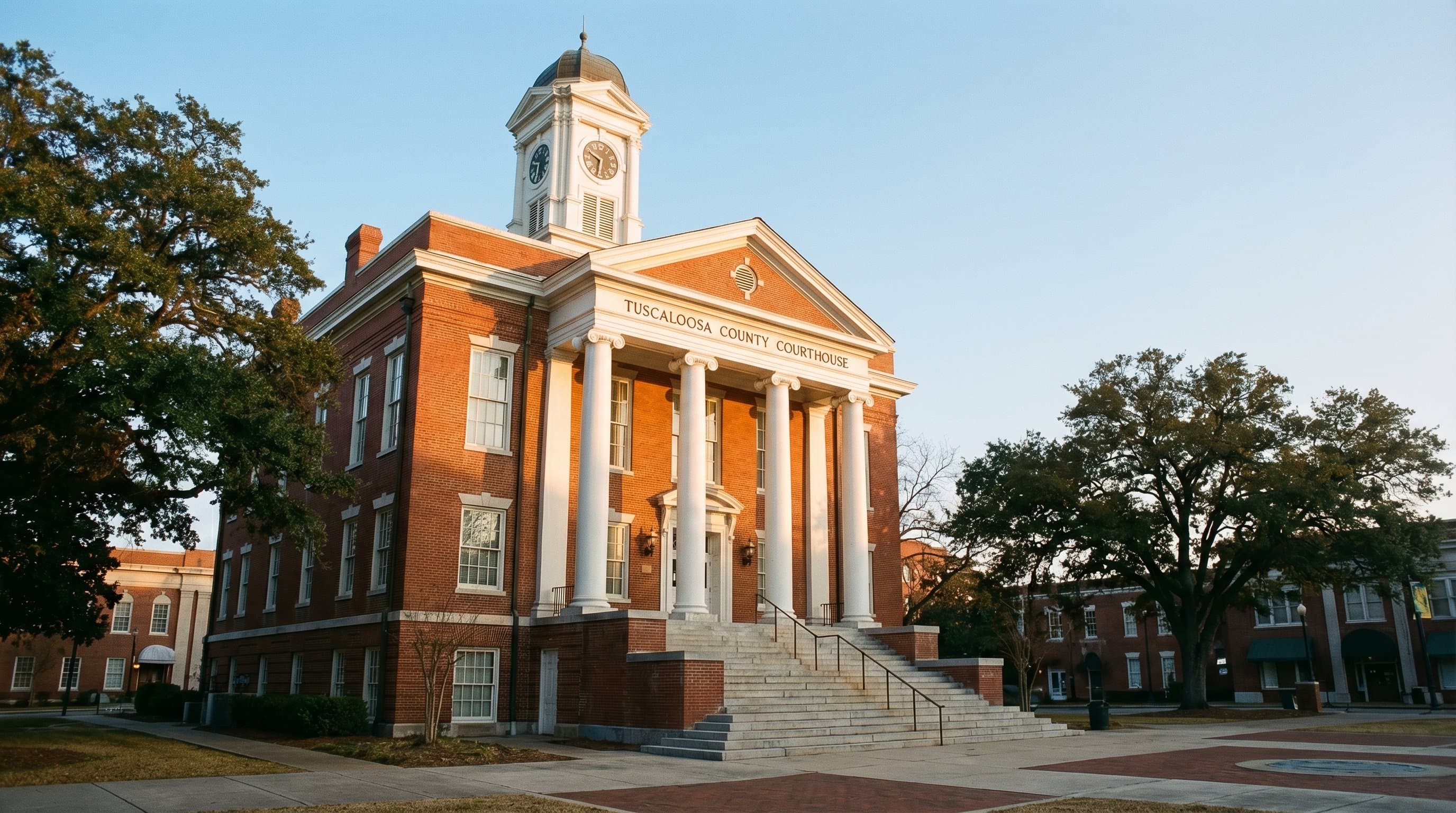
Alabama is a non-judicial foreclosure state. When a mortgage contains a power-of-sale clause, the lender can sell a defaulted property without going through the court system, which covers the vast majority of residential mortgages in the state.
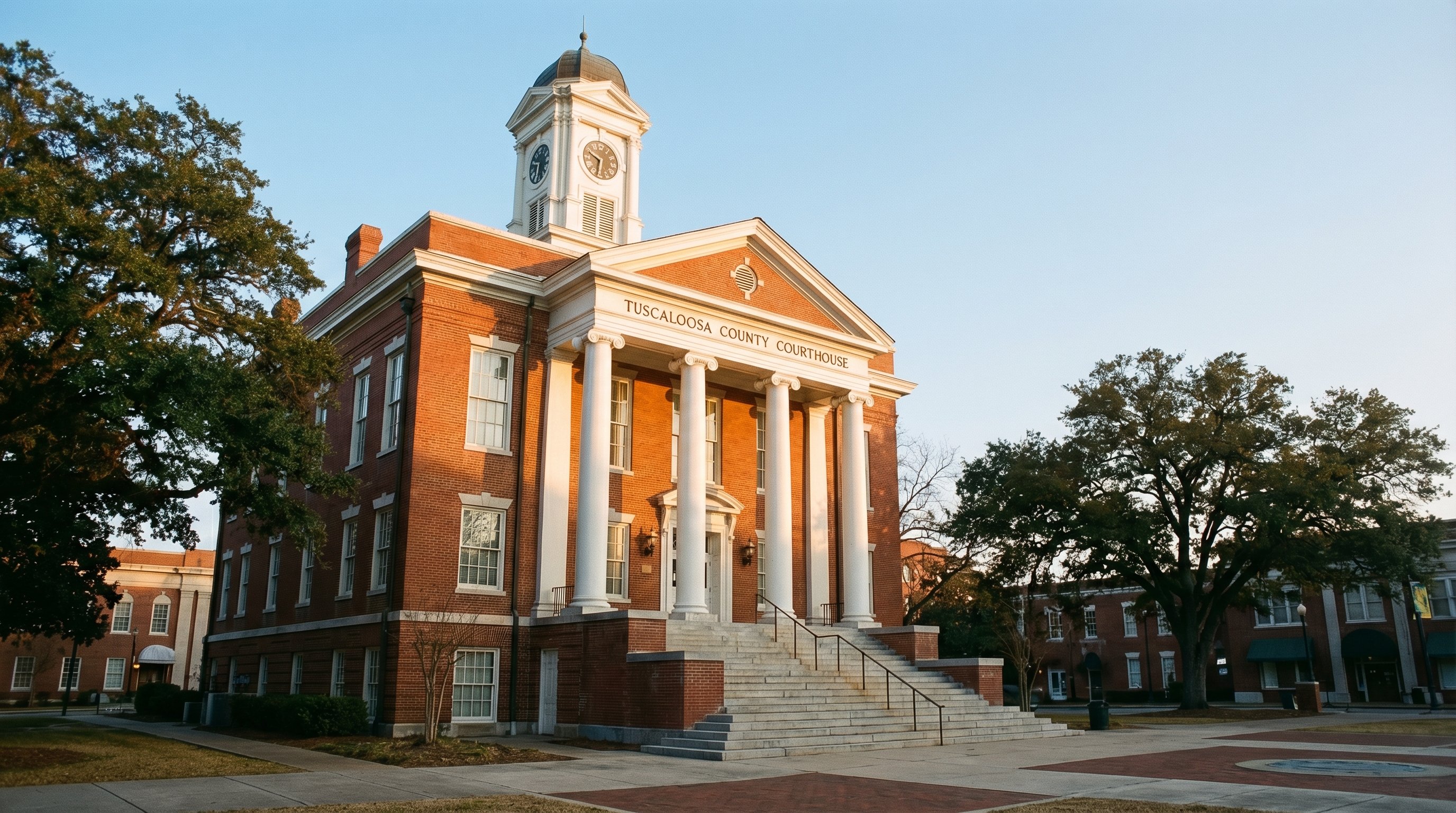
Once the homeowner is at least 120 days past due, the lender instructs an attorney to file a notice of sale, beginning a mandatory 21-day publication period in the local newspaper. The auction then takes place at the county courthouse, and the winning bidder pays in cash or certified funds immediately.
The practical consequence is that the three-week publication window, not the auction itself, is the most important date for an investor trying to reach a motivated seller. The non-judicial structure also keeps legal costs low. USDA fee schedules show Alabama attorney fees for non-judicial foreclosure average approximately $2,275, compared to $5,000 or more in states like Connecticut or New Jersey requiring judicial proceedings. Lower transaction costs mean lenders move forward on lower-balance properties rather than holding them indefinitely, creating a steadier flow of distressed inventory.
The Publication Period: The Real Investing Window
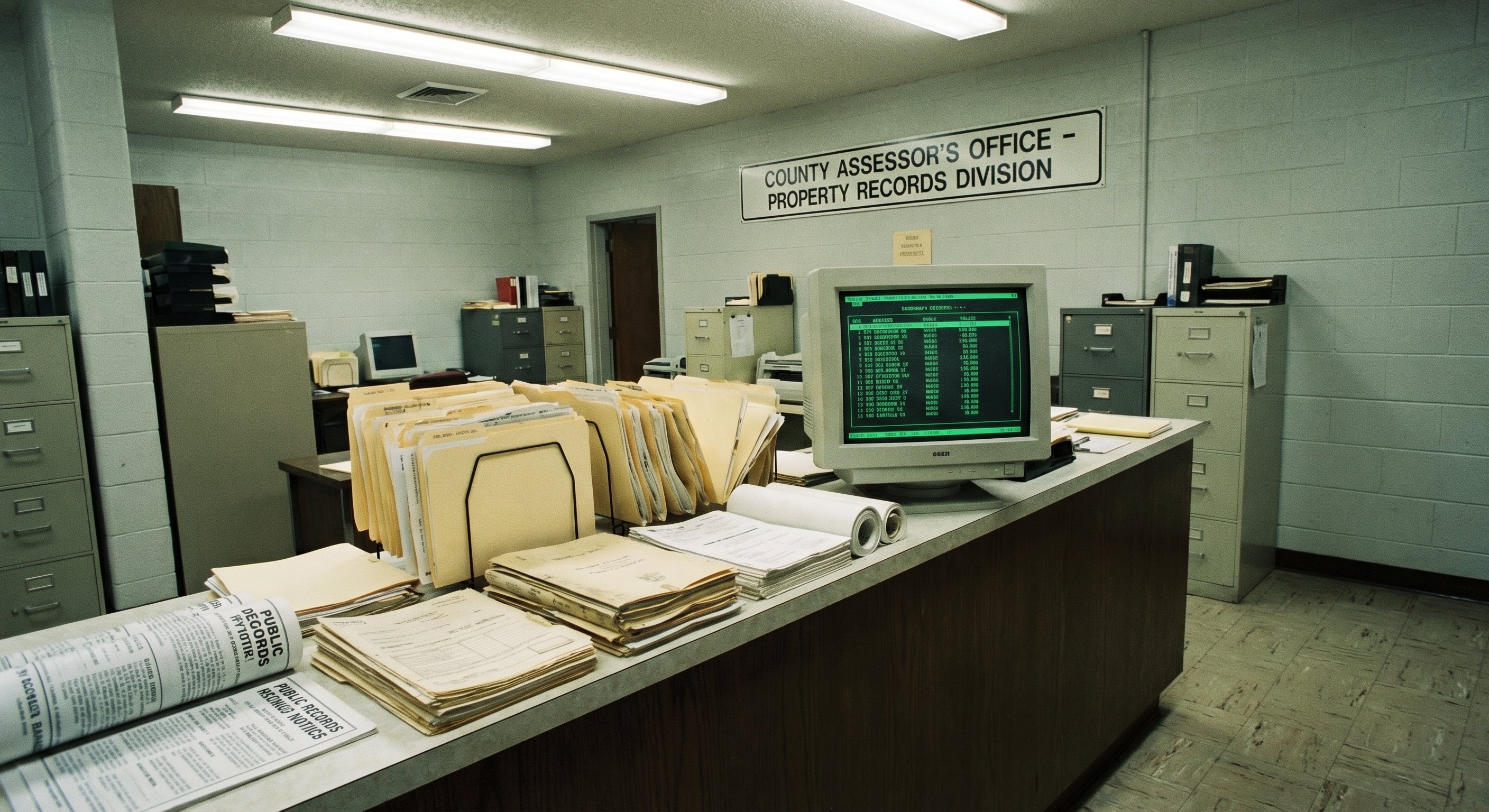
Every foreclosure sale in Alabama must be announced in the local newspaper for three consecutive weeks before the auction date. The publication notice includes the property address, the amount claimed to be owed, and the auction date. It does not go into any centralized state database or appear on any national portal. It runs in the designated newspaper of record for the county, and that is where the trail begins.
Most retail buyers and novice investors never see these notices. They are looking at MLS or county assessor websites after the property has already moved through the auction, when the window for a direct negotiation has closed. The three-week publication period is when the property is simultaneously distressed enough to attract investor interest and still reachable enough that the owner can make a different choice.
This is the stage at which DistressIQ identifies properties and delivers them to investors before the publication date arrives. By pulling from county recorder sources and cross-referencing with mortgage servicing data, the platform surfaces properties in the pre-foreclosure window while the notice of sale is still forthcoming or has just been filed. Investors receive a scored lead card with property details, estimated loan position, and motivation indicators before the newspaper notice runs.
Free Weekly Alerts
See What's Distressed in Your Market
Get free weekly alerts — new distressed properties, motivation scores, and hot neighborhoods in your area. Addresses and contact info available inside DistressIQ.
Free forever · No credit card · Unsubscribe anytime
Why the Redemption Period Is an Investor's Friend
Alabama gives homeowners the right to redeem their property for up to 12 months after the foreclosure auction. For mortgages originated after January 1, 2016, under certain conditions, the redemption period is 180 days. During this window, the winning bidder at the auction cannot take possession. If the former owner comes up with the full auction price plus statutory interest, they reclaim the property.
At first glance, a 12-month redemption period sounds like a complication. It is actually a structural feature that suppresses auction prices. Because title is not clear until the redemption period expires, bidders factor in the risk of holding an unclеared property for up to a year. This risk discount gets priced into opening bids, meaning properties regularly sell below what a direct negotiation with a motivated seller would produce.
An investor who understands the redemption dynamic and has access to capital can bid strategically at auction, knowing that a prompt redemption produces a risk-free return at the statutory interest rate, which has historically ranged from 6 to 10 percent annually in Alabama. An investor who buys at auction expecting a redemption is not speculating. They are lending to the former owner secured by the real property.
The redemption period also rewards investors who approach homeowners during the pre-foreclosure window. If a seller can be convinced to do a short payoff or cash sale before the auction, the redemption clock never starts and the investor receives clean title immediately. Pre-foreclosure deals in Alabama tend to price at a meaningful discount to post-auction deals, not because the property condition differs, but because the transaction structure and title clarity are superior.
Where Foreclosure Leads in Alabama Are Concentrated
Foreclosure activity in Alabama is not evenly distributed. According to ATTOM Data Solutions, Alabama recorded 615 foreclosure filings in February 2026, ranking 17th nationally by foreclosure rate. The affected properties concentrate in a handful of counties that historically drive the bulk of distressed inventory.
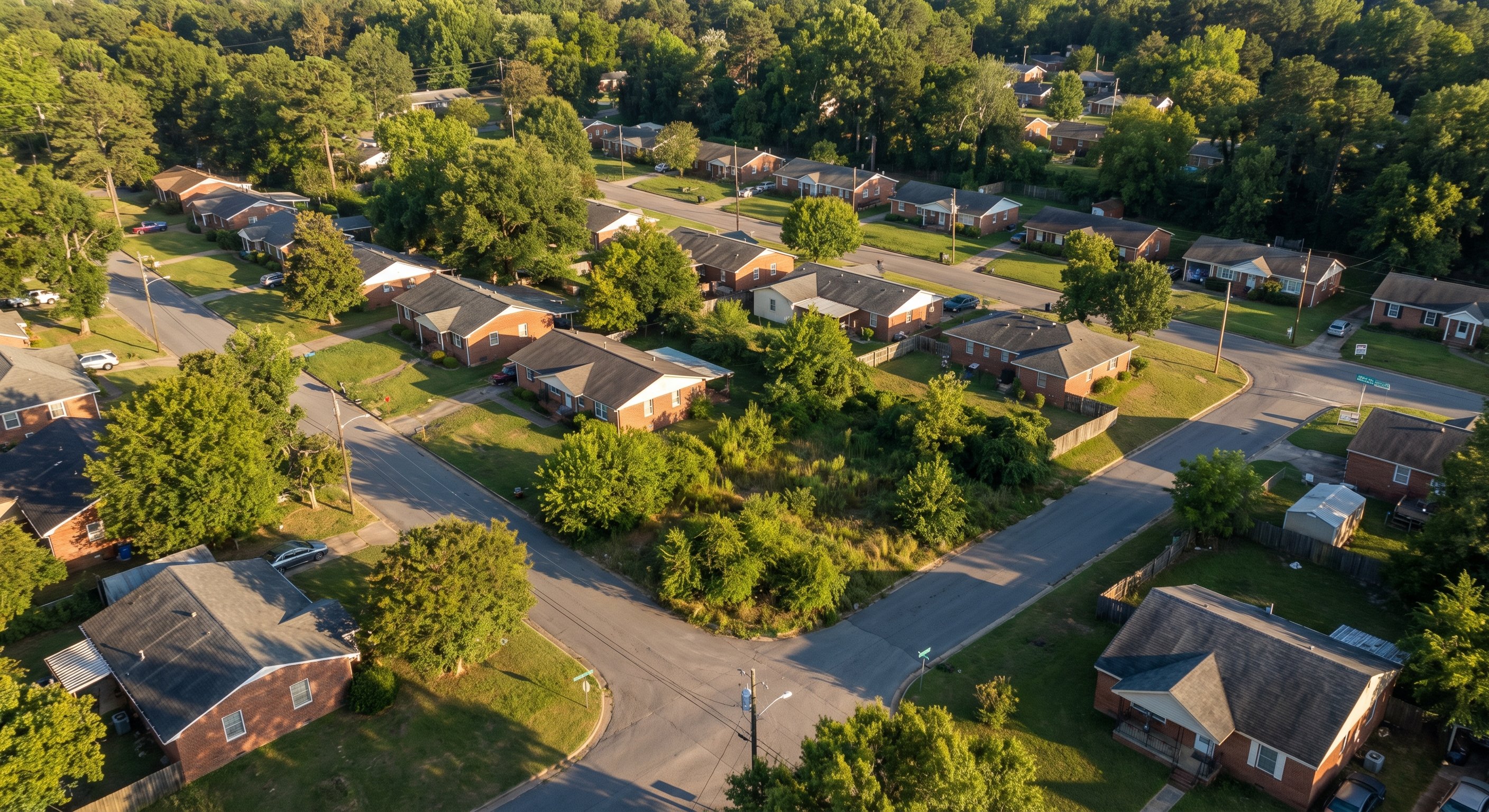
Jefferson County, home to Birmingham, consistently posts the highest foreclosure counts in the state. The county's large population base, substantial rental market, and history of economic volatility make it a persistent source of distressed properties. Investors targeting Jefferson County have access to the most transaction volume and the deepest pool of comparable sales data for evaluating repair and after-repair value.
Mobile County and Baldwin County along the Gulf Coast represent another concentrated zone. Baldwin County has seen elevated activity as the regional housing market absorbed Hurricane Zeta's aftermath and subsequent insurance cost increases, creating financial distress for some property owners.
Outside the metro areas, rural Alabama produces a different type of opportunity. Properties in the Black Belt counties tend to have lower absolute values and purchase prices at auction, and the county court structure is simpler to navigate. Investors willing to work outside Birmingham and Mobile can find motivated sellers in counties with minimal competition from other active investors.
Pre-Foreclosure Outreach: The Alabama Advantage
The pre-foreclosure window in Alabama runs from the point a homeowner falls 120 days delinquent to the filing of the notice of sale. The practical window for effective outreach is tighter than it sounds: once publication begins, the auction date is typically 60 to 90 days away. The pre-foreclosure period is when homeowners are most reachable and most motivated to sell before the public auction stage.
Properties with multiple distress signals tend to have the most motivated sellers. An investor reviewing distressed property signals across Jefferson or Mobile County can identify properties where multiple indicators are stacking simultaneously.
Direct mail and phone outreach are the two most common pre-foreclosure strategies in Alabama. The language matters. A homeowner in pre-foreclosure is not looking to be sold a deal. They are looking for someone who understands their situation and can offer a clean way out.
How to Get Started
The first practical step is selecting one or two target counties based on volume and existing market knowledge. Jefferson County and Mobile County are the highest-volume starting points, with sufficient transaction activity to support comparable analysis for repair estimates.
The second step is setting up a monitoring system for new notice of sale filings. For investors using DistressIQ, this process is automated across all 67 Alabama counties, with new leads appearing as they surface in county recorder data. Each lead card includes the motivation score, estimated loan-to-value position, distress signal summary, and owner contact information, enabling direct outreach within days of a new filing.
The third step is developing a direct outreach workflow. Phone scripts that open with an empathetic framing of the homeowner's situation, mail templates that can be personalized for each property, and a follow-up cadence that respects the homeowner's timeline without losing the opportunity.
DistressIQ tracks foreclosure signals across every Alabama county, updated daily. Visit DistressIQ to browse distressed properties in Jefferson County, Mobile County, and the other 65 counties with signal coverage, scored by motivation and ready for direct outreach.
Frequently Asked Questions
Q: What is the timeline for a foreclosure in Alabama?
A: Once a homeowner is 120 days past due, the lender files a notice of sale, which begins a 21-day newspaper publication period before the auction takes place. The auction itself typically occurs within 60 to 90 days of the notice of sale filing. The entire process from first missed payment to completed auction runs approximately six to seven months, which makes Alabama one of the fastest foreclosure states in the country.
Q: Can a lender pursue a deficiency judgment after an Alabama foreclosure sale?
A: Yes. Alabama allows deficiency judgments when a foreclosed property sells for less than the outstanding mortgage balance. However, lenders must file a separate circuit court lawsuit in non-judicial foreclosures, which adds legal costs. Investors buying at auction typically pay below market value, making deficiency judgments less of a concern than in judicial states.
Q: What does a property look like in pre-foreclosure in Alabama?
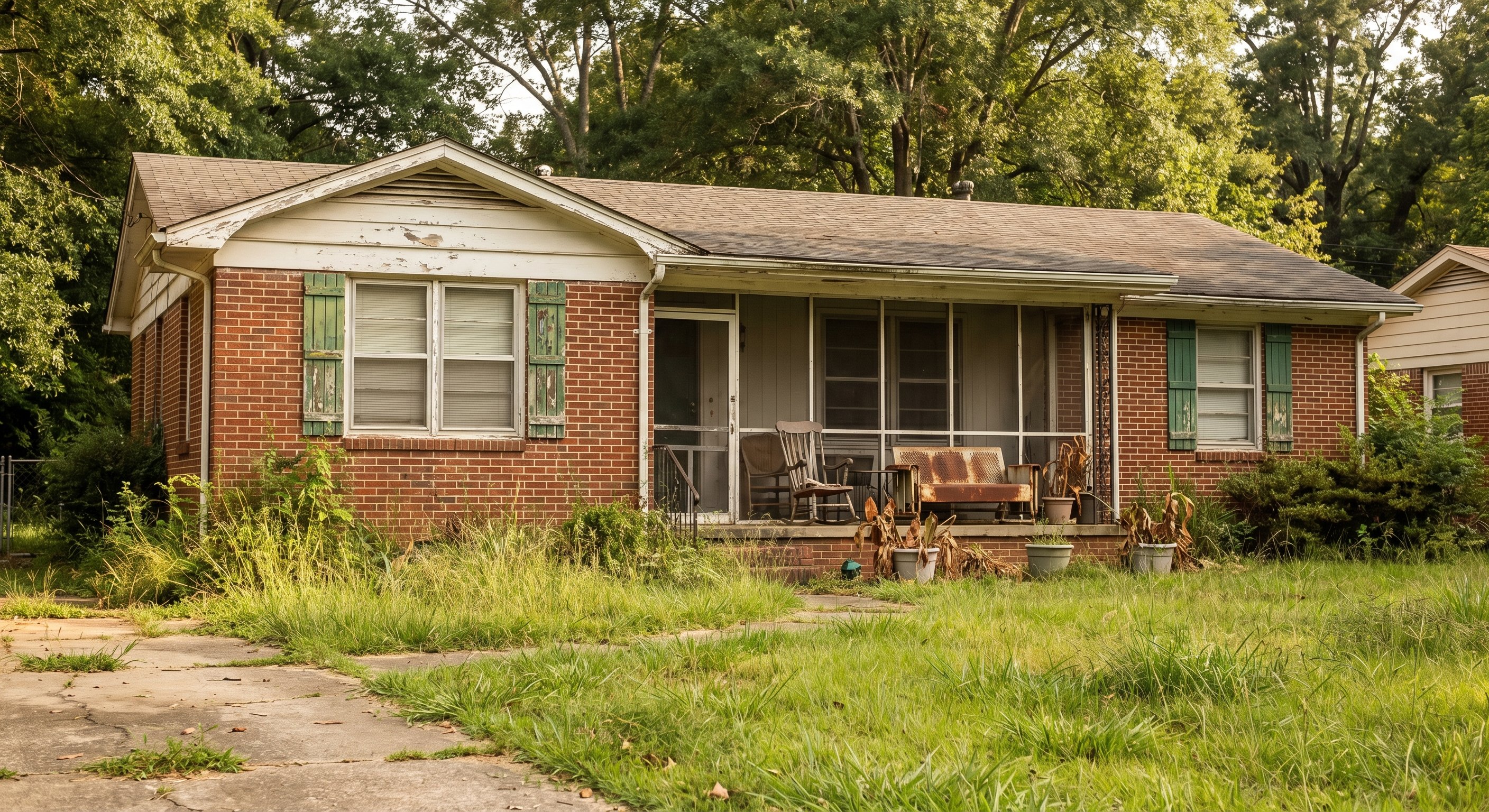
A: A homeowner in pre-foreclosure has typically missed 120 or more days of mortgage payments but the lender has not yet filed the notice of sale. The property may show signs of neglect or financial stress, but it is not yet publicly listed as a foreclosure. This is the window when a direct outreach offer can be most effective, particularly if the owner has equity they are unaware of or does not understand their options.
Q: How does the post-auction redemption period work in Alabama?
A: After the auction, the previous owner has up to 12 months to redeem the property by paying the full auction price plus statutory interest. For mortgages originated after January 1, 2016, under certain conditions, the redemption period is 180 days. During this period, the winning bidder cannot take possession. This structure depresses auction prices and creates a buying opportunity for investors with the capital to wait through the redemption window.
Q: Can foreign investors buy properties at Alabama foreclosure auctions?
A: Yes. There are no state residency requirements for purchasing at Alabama foreclosure auctions. Out-of-state and foreign investors can bid and hold properties through the same process as local investors. All transactions go through the county sheriff's office or designated trustee in cash or certified funds.
Q: How do I find foreclosure leads in Alabama today?
A: The starting point is the county recorder or county courthouse in the target county. All foreclosure auctions are published in the designated newspaper of record for three consecutive weeks before the sale date, which is how most investors initially identify properties. For a faster approach, DistressIQ provides a daily-updated map of foreclosure signals across all 67 Alabama counties, with motivation scores and contact information for each lead.
The data behind this article
DistressIQ Monitors These Signals in Real Time
Pre-Foreclosures
NOD + NTS filings
Tax Delinquency
County treasurer records
Code Violations
Municipal inspection filings
Probate Filings
Superior Court records
Every lead is scored 0–100 for seller motivation based on signal type, duration, severity, and stacking. Nationwide coverage — every US county, updated daily.
Ready to find deals in your market?
See Live Distress Signals in Your County
Stop calling dead leads. Every lead in DistressIQ is scored 0–100 for seller motivation, with verified contact info included. Browse the free tier to see what's active in your market right now.
Browse Free Leads — No Credit Card