Divorce Leads in California: How to Find Motivated Sellers Before They Hit the MLS
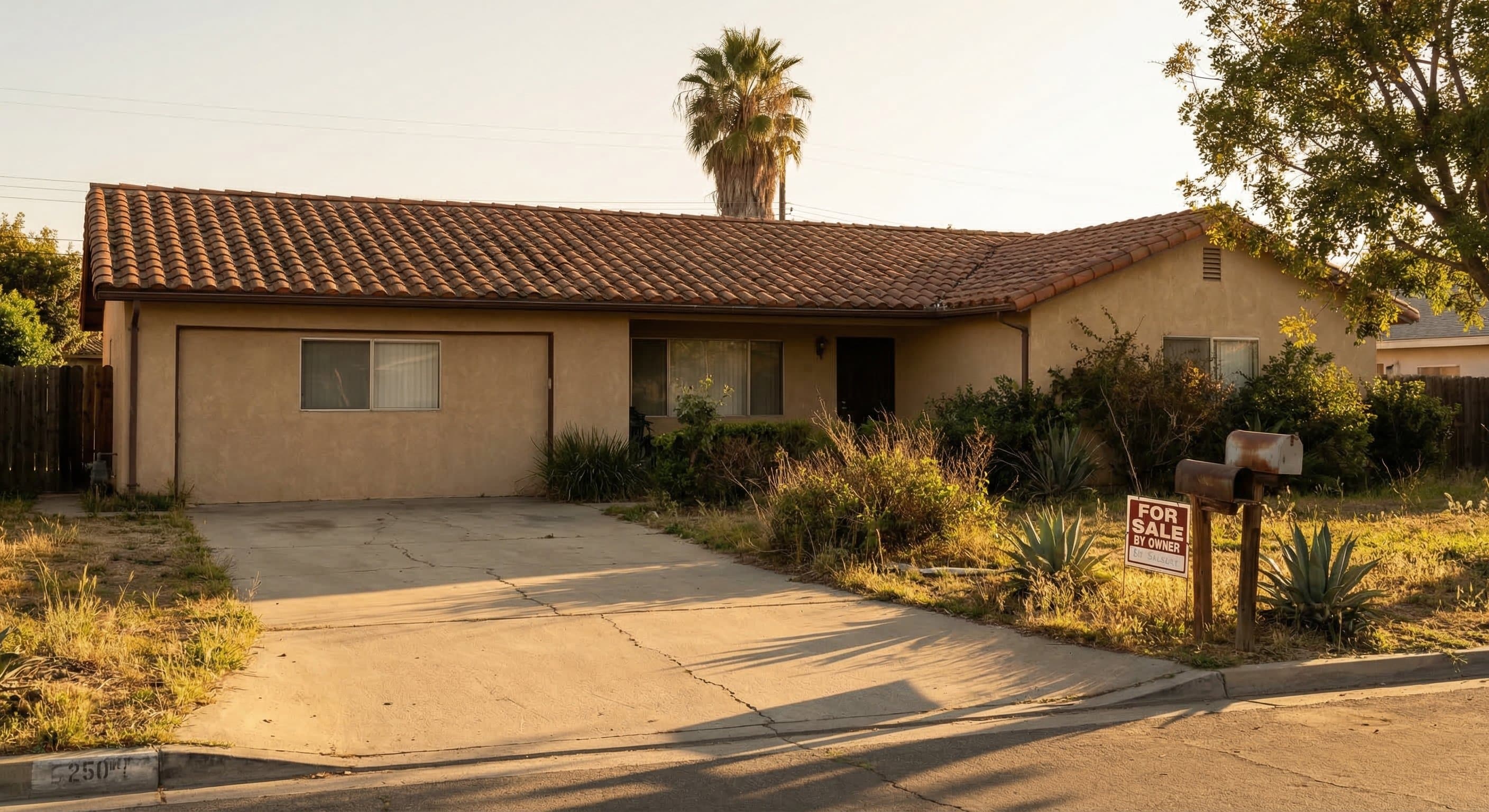
Divorce Leads in California: How to Find Motivated Sellers Before They Hit the MLS
TL;DR: California divorce leads are one of the most reliable sources of motivated sellers for real estate investors. Under California's community property laws, most marital homes must be equitably divided — and fast cash sales are often the cleanest solution. You can find these leads through Superior Court divorce filings (available county by county), Notice of Lis Pendens records, and stacked distress signal data from platforms like DistressIQ. This guide covers the full process: where to look, what signals to stack, how to approach sellers with empathy, and how to close before the property ever hits the MLS.
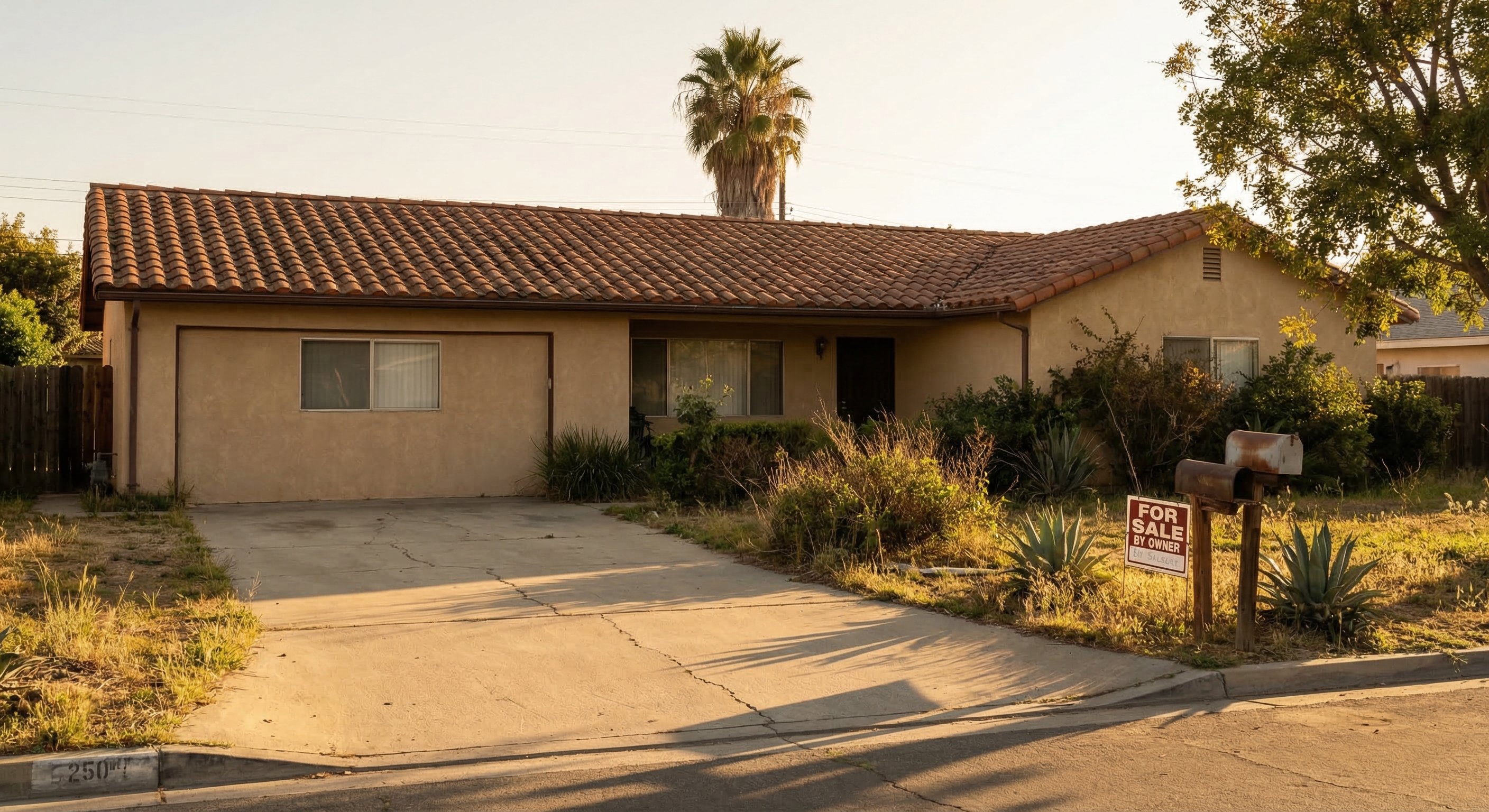
California has the highest divorce rate of any large state by raw volume. With over 100,000 divorces filed annually and a median home value north of $700,000, the state is also home to some of the most financially complex property splits in the country. That combination — high divorce volume, high home equity, and complicated community property laws — creates a steady pipeline of motivated sellers that most investors completely overlook.
Most of the competition is chasing the same tired foreclosure lists. Smart investors are watching the courthouse instead.
Why California Divorce Leads Are Different
California is a community property state. That means almost everything acquired during the marriage — including the family home — is legally owned 50/50 by both spouses. When a couple divorces, the court must divide marital assets. Most of the time, that means the house has to go.
There are only a few ways to handle it:
- One spouse buys out the other (requires financing the buyout, which many can't do)
- Both spouses continue owning it temporarily (rare, usually short-lived)
- The house is sold and proceeds are split
Option 3 is almost always the default. And here's the investor angle: divorcing spouses who need a quick, certain close — no contingencies, no open houses, no strangers walking through their home while their life is falling apart — are often receptive to a fair off-market offer.
The seller motivation isn't desperation. It's clarity. They want it over.
California vs. Other States
Unlike equitable distribution states (where courts have discretion on how to split assets), California's 50/50 default creates a predictable outcome: the house sells. That predictability is valuable for investors building a lead pipeline.
Also worth noting: California has one of the longest divorce timelines in the country. California law requires a minimum 6-month waiting period from service of petition to final judgment. That means you often have a multi-month window to connect with sellers before they're forced to list on the open market under time pressure.

Where to Find California Divorce Filings
California divorces are filed in Superior Court at the county level. There are 58 counties — each runs its own records system. Here's how to find filings in the major markets:
Los Angeles County
LA Superior Court (lacourt.org) has a public case search where you can search by case type (Family Law = FL prefix). New divorce filings are searchable within a few days of being docketed. LA County processes tens of thousands of divorce cases per year — the volume is unmatched anywhere in the state.
San Diego County
The San Diego Superior Court (sdcourt.ca.gov) has a public case access portal. Filter by case category "Family" and case type "Petition for Dissolution of Marriage." San Diego's investor market is strong but the competition is lower than LA.
Orange County
Orange County Superior Court (occourts.org) maintains searchable family law filings. Orange County has one of the highest median home values in the state — divorce leads here often mean significant equity.
Bay Area Counties (Alameda, Santa Clara, Contra Costa, San Francisco)
Each county has its own portal. Alameda (alameda.courts.ca.gov), Santa Clara (scscourt.org), and San Francisco (sfsuperiorcourt.org) all provide public case lookups. Bay Area equity levels are extraordinary — a 2-bedroom in San Jose can be worth $1.5M+. These leads are worth pursuing even at smaller volume.
Riverside and San Bernardino (Inland Empire)
These two counties are ground zero for California's affordable investor market. Both are high-volume divorce courts with more accessible price points. Check Riverside Superior Court (riverside.courts.ca.gov) and San Bernardino Superior Court (sb-court.org).
Fresno, Sacramento, and Central Valley
Often overlooked by LA-focused investors. Sacramento County Superior Court (saccourt.ca.gov) is publicly searchable. Central Valley counties have strong renter populations and distressed property volume.
Stacking Divorce Signals with Other Distress Indicators
A raw divorce filing alone doesn't tell you much about urgency. You need to know: Is there financial stress on top of the divorce? Is the property already distressed? Are there other signals stacking?
The most actionable California divorce leads have at least 2-3 overlapping signals:
| Signal Stack | What It Means |
|---|---|
| Divorce filing + tax delinquency | Court battle + financial stress = highly motivated |
| Divorce filing + lis pendens | Someone already filed a foreclosure notice — urgency is real |
| Divorce filing + code violations | Property neglected during marriage crisis — likely needs work = investor opportunity |
| Divorce filing + absentee ownership | One spouse moved out; property sitting vacant |
| Divorce filing + recent short-term rental de-listing | Couple was renting it; now it's empty |
Single-signal lists miss all of this. When DistressIQ stacks 31 signal types against every address, a property with three overlapping distress markers gets surfaced immediately — before it ever shows up in traditional foreclosure databases or the MLS.

Free Weekly Alerts
See What's Distressed in Your Market
Get free weekly alerts — new distressed properties, motivation scores, and hot neighborhoods in your area. Addresses and contact info available inside DistressIQ.
Free forever · No credit card · Unsubscribe anytime
California Divorce Timeline: Your Window of Opportunity
Understanding the California divorce process helps you time your outreach correctly:
Month 1–2: Petition filed, respondent served This is when the divorce first enters the public record. If you're monitoring filings, you can identify the property at this early stage — but the sellers aren't usually ready to talk yet. Initial emotional stress is highest here.
Month 3–4: Discovery, financial disclosures Both parties are required to file detailed financial disclosures (Form FL-142, Schedule of Assets and Debts). At this stage, the home's value is formally on the table. Both attorneys are aware of the property.
Month 4–6: Negotiation window This is often when motivated sellers become most receptive to off-market offers. The reality of going to trial (expensive) vs. settling (faster) becomes clear. A clean cash offer that removes the property from the negotiating table is often welcomed.
Month 6+: Final judgment entered California's mandatory waiting period ends. The court can issue final judgment ordering the property sold. By this point, if the property hasn't been sold off-market, it typically goes to the MLS with court-mandated listing requirements.
Your sweet spot: Month 3–5. Sellers have accepted the reality of the divorce, understand the financial picture, and are open to solutions — but haven't been pushed into a court-ordered sale yet.
How to Approach California Divorce Sellers
This is where most investors get it wrong. Divorce situations require a different tone than standard investor outreach.
What not to do:
- Lead with the divorce. They know why they're selling — you don't need to reference it.
- Reference court records or "I saw you were going through something." That's invasive.
- Make lowball offers. California home values are real and sellers know it.
What works:
- Lead with the property, not their situation. "I saw your property at 1234 Main Street might be available..."
- Emphasize speed, certainty, and simplicity. No repairs, no showings, no contingencies.
- Be upfront about what you can offer and why it's worth considering.
- Let them know you've closed dozens of properties with families in transition — without being specific about what kind of transition.
A well-timed, respectful letter or call that leads with your value proposition — not their pain — converts far better than aggressive direct mail that references court records.
California-Specific Legal Considerations
A few things to know before you close:
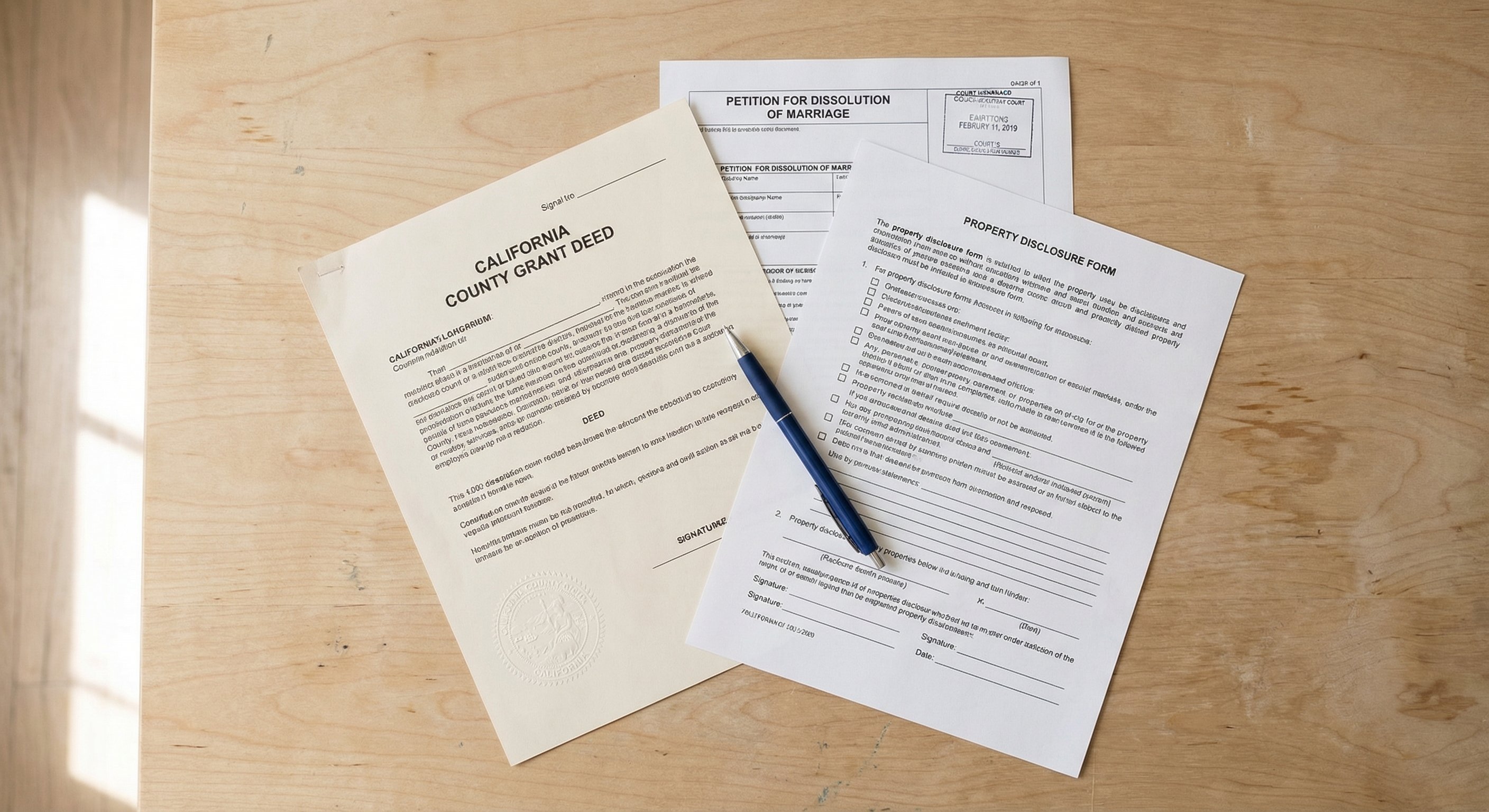
Both spouses must sign. In a community property state, both parties must sign the grant deed. If the divorce is final and one spouse has sole title by court order, verify the final judgment language. If divorce is pending, you need both signatures — or a court order authorizing one party to execute.
Lis pendens cuts both ways. If a lender or another party has already filed a lis pendens, you need to review that before closing. California foreclosure timelines are relatively long (non-judicial average is 200+ days from NOD to sale), so there's often still time.
Community property agreements. Some couples have prenuptial or transmutation agreements that change the default 50/50 split. Your title company will flag this — but know it can complicate a clean close.
1031 exchange timing. Some sellers may want to do a 1031 exchange on the sale proceeds. Being aware of this going in (and having a referral to a qualified intermediary ready) can be a closing differentiator.
Building a California Divorce Lead System
Ad-hoc searching doesn't scale. Here's how to build a repeatable system:
Step 1: Set up county court alerts. Most California Superior Court portals allow you to set up email alerts for new case filings by case type. Set up alerts in the top 5–7 counties you're working in.
Step 2: Cross-reference addresses with assessor data. When you find a divorce filing, the petition typically lists the family home address. Pull the assessor record to verify ownership, assessed value, equity, and whether there are any tax delinquencies.
Step 3: Stack signals using DistressIQ. Pull the address into DistressIQ. See what other signals are stacking. A property with a divorce filing, a notice of default, and 6 months of tax delinquency is a completely different conversation than a divorce-only filing.
Step 4: Time your outreach. Month 3–5 of the filing window is your best window. Earlier is usually too raw emotionally. Later and you're competing with court-ordered listings.
Step 5: Track your pipeline by county. California is enormous. Focus your first 90 days on 2–3 counties, master those markets, then expand. LA alone could occupy a full-time investor operation.
Key Takeaways
- California is a community property state — divorcing couples almost always must sell the marital home
- 100,000+ divorces are filed annually in California, representing significant investor pipeline
- Divorce leads + stacked signals (tax delinquency, lis pendens, code violations) = highest urgency sellers
- The optimal outreach window is months 3–5 of the divorce process
- Both spouses must sign in community property situations — verify ownership status before making offers
- California's 6-month mandatory waiting period gives investors a window to find deals before court-ordered MLS listings
Ready to find California divorce leads with stacked distress signals — not just raw filings? DistressIQ gives you 31 signal types layered over assessor-verified data, updated daily from county sources across all major California markets. Founding member pricing ends soon: Starter at $89, Pro at $174, Elite at $349/mo — locked for life. See California coverage at DistressIQ →
Frequently Asked Questions
Q: Are California divorce court records public?
Yes. California Superior Court divorce filings (Petition for Dissolution of Marriage) are public records, accessible through each county's Superior Court portal. The filings include the case number, names of both parties, date filed, and often the property address when real estate is involved in the dissolution.
Q: Does one spouse have the right to sell the house during a California divorce?
Generally, no. During a divorce proceeding, there are automatic temporary restraining orders (ATROs) that prevent either party from unilaterally selling community property without the other's written consent or a court order. Both spouses typically need to agree to any sale — which is why investor outreach that works for both parties simultaneously is more effective.
Q: How does community property affect my offer price?
Both spouses own exactly 50% of the equity. Any offer needs to result in a fair split that both parties agree to. This doesn't mean you can't negotiate a fair discount — it means both parties need to feel they received a fair deal. Coming in with a realistic offer (not a lowball) that respects California market values moves deals forward.
Q: What's the best California county for divorce leads?
Los Angeles County has the highest volume by far — tens of thousands of divorces per year, enormous housing stock, and a wide range of price points from mid-range Inland Empire overflow to multi-million dollar estates. For focused entry with less competition, consider San Bernardino, Riverside, Sacramento, or Fresno counties.
Q: How does DistressIQ surface divorce leads in California?
DistressIQ monitors county assessor data, court filings, and 29 other distress signal types across California's major markets. When a property shows a divorce-related filing alongside other indicators (tax delinquency, lis pendens, code violations), it gets surfaced with a stacked signal score — so you prioritize the most motivated sellers, not just the most recent filers.
Q: Is it legal to contact sellers going through a divorce?
Yes. There are no restrictions on contacting property owners via mail or phone regardless of their personal circumstances. Standard real estate investor outreach (direct mail, cold call, text with proper opt-out) is legal statewide. California has strong consumer protection laws (e.g., CCPA, DNC registry compliance) — make sure your outreach follows standard compliance rules.
Q: How long does a California divorce take?
California law requires a minimum 6-month waiting period from the date the respondent is served before a final judgment can be entered. Most contested divorces take 12–18 months. This extended timeline is actually an advantage for investors — it creates a window for off-market outreach before the property is court-ordered to the MLS.
Looking for distressed property data in other California markets? See our guides on how to find pre-foreclosure leads in California and tax delinquent properties in California. For national context, see how to find divorce leads in real estate.
External sources: California Courts — Divorce Overview, California Family Code §760 (Community Property), American Community Survey — California Marriage/Divorce Statistics
The data behind this article
DistressIQ Monitors These Signals in Real Time
Pre-Foreclosures
NOD + NTS filings
Tax Delinquency
County treasurer records
Code Violations
Municipal inspection filings
Probate Filings
Superior Court records
Every lead is scored 0–100 for seller motivation based on signal type, duration, severity, and stacking. Nationwide coverage — every US county, updated daily.
Ready to find deals in your market?
See Live Distress Signals in Your County
Stop calling dead leads. Every lead in DistressIQ is scored 0–100 for seller motivation, with verified contact info included. Browse the free tier to see what's active in your market right now.
Browse Free Leads — No Credit Card