Distressed Properties in Clark County NV: Las Vegas Investor Guide for 2026
Distressed Properties in Clark County NV: Las Vegas Investor Guide for 2026
TL;DR: Clark County processes more than 700,000 parcels across Las Vegas, Henderson, and North Las Vegas. Nevada's non-judicial foreclosure timeline runs roughly four months from Notice of Default to trustee sale, one of the fastest in the West. Investors who stack multiple distress signals and target the five highest-distress ZIP codes east of the Strip find the most motivated sellers in this metro of 2.3 million residents.
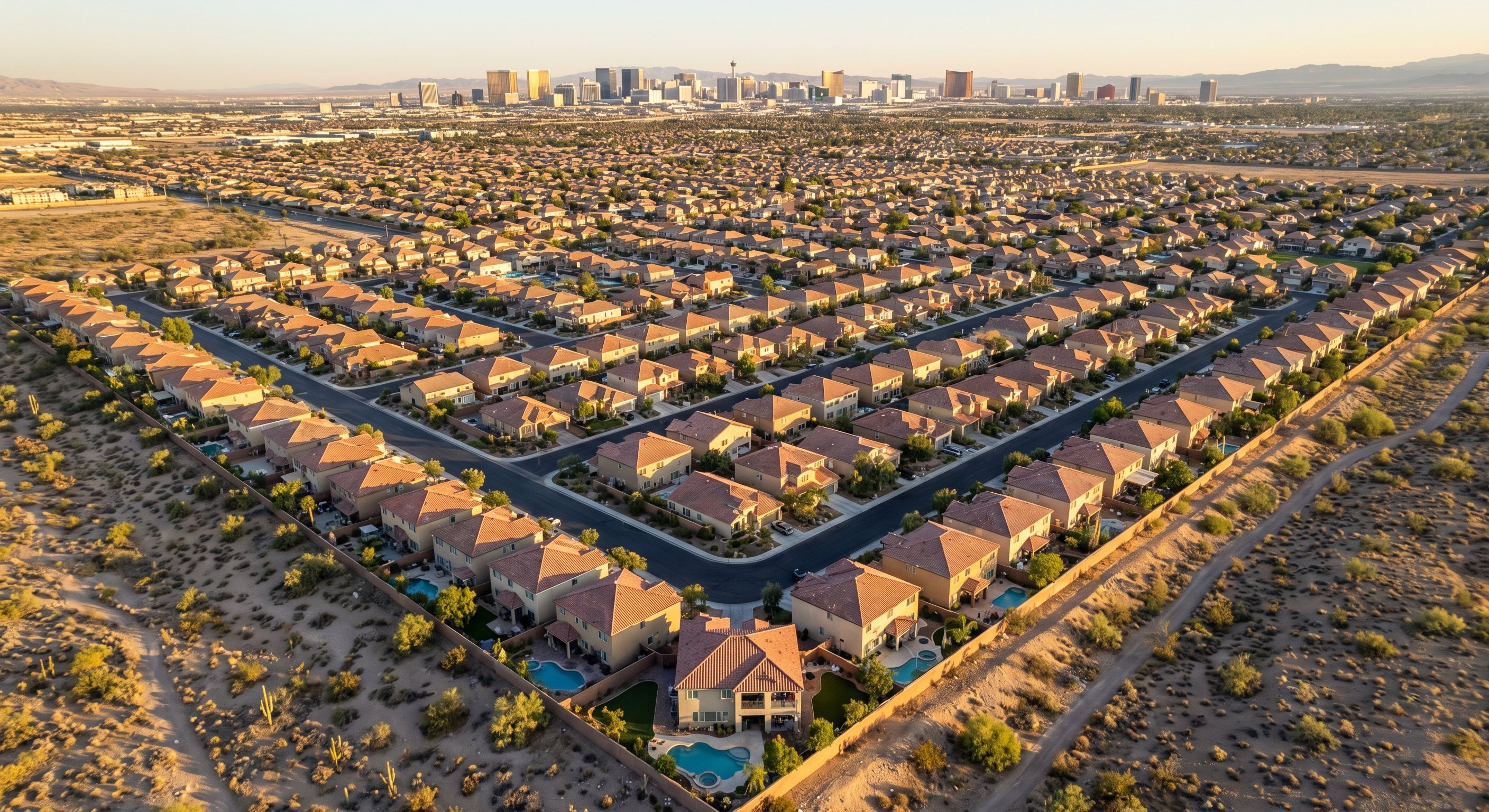
Clark County recorded one of the highest foreclosure rates in the United States between 2008 and 2012. The collapse hit harder here than in almost any other metro area, and the patterns left behind still shape where distress concentrates today. Legacy pockets of financial fragility persist in neighborhoods east of the Strip, where housing stock is older, incomes are lower, and investor turnover remains elevated.
For real estate investors working the Las Vegas metro in 2026, those historical patterns are an advantage. They make the market more predictable than most, provided the investor understands how Nevada's legal framework, county-level record systems, and local competition actually work.
How Nevada's Foreclosure Timeline Works
Nevada is a non-judicial foreclosure state. Lenders do not need to file a lawsuit to foreclose, and the process runs through a deed of trust system that moves faster than states like Florida or New York.
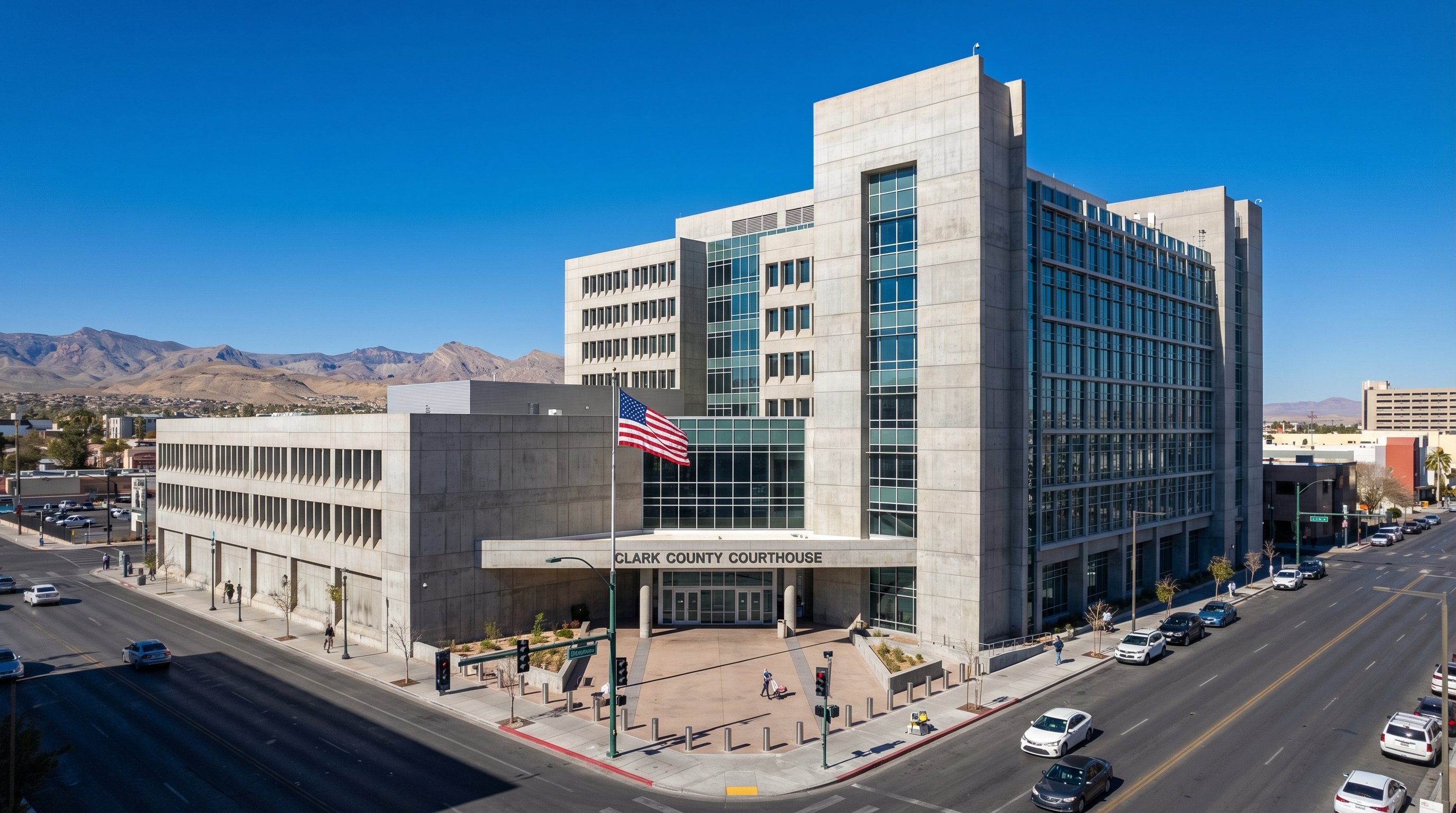
The timeline works as follows. The lender records a Notice of Default (NOD) with the Clark County Recorder, which publishes the filing as public record from day one (searchable at clarkcountynv.gov/recorder). A mandatory three-month waiting period follows. Once it expires, the lender records a Notice of Trustee Sale, and the sale must occur within 21 days. The total minimum timeline from NOD to sale runs approximately four months, one of the fastest foreclosure timelines in the western states.
Tax Delinquency and the Clark County Tax Lien System
Nevada uses a tax lien sale system rather than a tax deed system. When a property owner falls behind on taxes, the Clark County Treasurer sells the lien to an investor at auction. The lien earns interest at rates that can reach 12 percent annually. Property owners then have a two-year redemption period to reclaim the property by paying the outstanding taxes, interest, and penalties.
For distressed property investors, this means the delinquent owner still holds title during the redemption period, creating an acquisition window. Homeowners who cannot cover a median annual tax bill of $1,800 to $2,400 are typically dealing with broader financial stress, and many are open to a sale before the situation escalates. The Clark County Treasurer holds tax lien auctions in late spring, but the better opportunity comes from identifying delinquent homeowners before the auction and approaching them directly.
Where Distress Concentrates: The Five Highest-Risk ZIP Codes
Not all parts of Clark County produce distressed inventory at the same rate. Five ZIP codes consistently generate the highest concentration of distress signals in the metro area.
89101, 89104, and 89106 (Downtown and East Las Vegas corridor): The oldest housing stock in the valley, largely built before 1980. Deferred maintenance is widespread and code violation density runs higher here than anywhere else in the county. Gentrification pressure from the Arts District creates flip potential.
89110 (East Las Vegas): Working-class neighborhood with high rental density and significant absentee ownership. Landlords who purchased during the 2010 to 2012 post-crash window are now facing deferred capital expenditure they cannot afford.
89121 (Southeast Las Vegas): Aging multifamily stock and high investor turnover. Pre-foreclosure filings cluster here during any economic softening, making it a reliable barometer for broader distress trends.
Free Weekly Alerts
See What's Distressed in Your Market
Get free weekly alerts — new distressed properties, motivation scores, and hot neighborhoods in your area. Addresses and contact info available inside DistressIQ.
Free forever · No credit card · Unsubscribe anytime
The Post-2008 Legacy
Between 2008 and 2012, Clark County experienced foreclosure rates that ranked among the top five metro areas in the country. Entire subdivisions in North Las Vegas and the east valley went through foreclosure, sometimes multiple times. Submarkets hardest hit still carry elevated investor ownership, lower owner-occupancy rates, and higher turnover. These are the same ZIP codes where distress concentrates today, and the pattern is consistent enough that experienced investors can predict where motivated sellers will appear based on stacked signals.
The iBuyer Problem
Las Vegas has one of the heaviest institutional and iBuyer presences in the western United States. Opendoor and Offerpad operate aggressively in the median price range, making cash offers within days of listing. The most obvious motivated sellers who list on the MLS get picked off quickly. The plays that still work for independent investors involve properties iBuyers pass on: homes needing renovation, properties with title complications, probate situations, and off-market leads identified through distress data before the owner lists publicly.
Short-Term Rental Distress: A 2026-Specific Signal
A growing source of motivated sellers in Clark County comes from short-term rental investors who purchased at peak prices during 2021 and 2022. Las Vegas saw massive buildout of Airbnb and VRBO properties during those years.
Occupancy rates for Las Vegas short-term rentals have since normalized, and many investors are now underwater. These properties may appear on the MLS as conventional listings, but the sellers behind them are often highly motivated: not emotionally attached and needing out of a losing investment.
Identifying former STR properties requires checking county records for 2021 to 2022 purchase dates, comparing the purchase price to current estimated value, and cross-referencing with short-term rental platform listings. Properties that show up as former STRs with a pre-foreclosure filing or tax delinquency are among the most motivated leads in Clark County right now.
The Distress Signals That Matter Most in Clark County
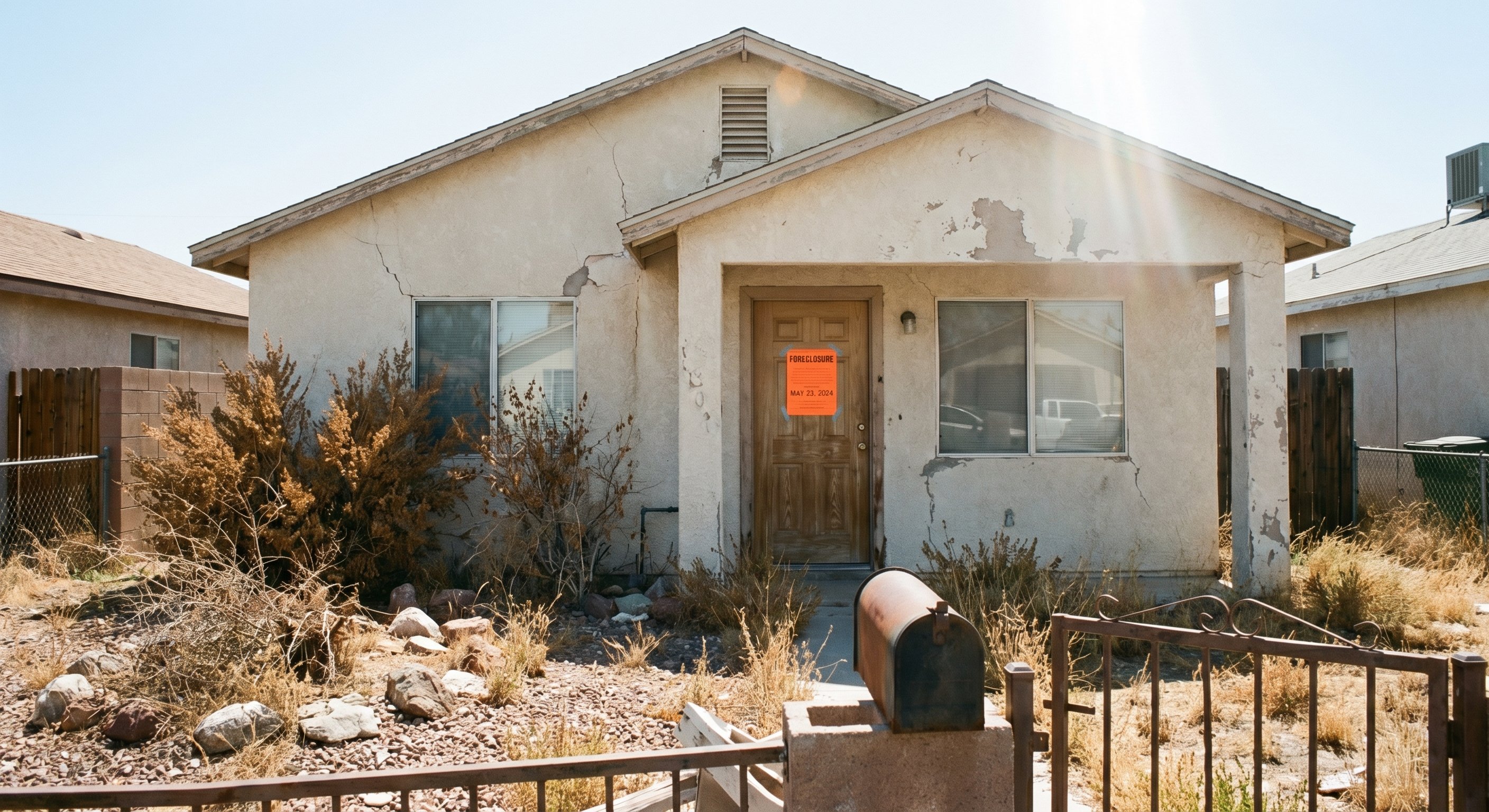
Notice of Default (Pre-Foreclosure): The NOD is recorded at the Clark County Recorder and becomes public immediately. With a four-month timeline to trustee sale, this signal has urgency built in.
Lis Pendens: A pending lawsuit affecting title, often related to HOA disputes, divorce proceedings, or creditor claims. Nevada's HOA super-lien statute (NRS 116.3116) gives associations priority for up to nine months of unpaid assessments, which can supersede even a first mortgage.
Tax Delinquency: Property tax delinquency in Clark County signals broader financial distress. When tax delinquency stacks with other signals, the probability of reaching a motivated seller increases significantly.
Code Violations: Four separate jurisdictions (Clark County, City of Las Vegas, Henderson, North Las Vegas) maintain independent code enforcement. Common violations include unmaintained pools, overgrown vegetation, and structural neglect, all signaling an owner who has disengaged.
Probate: Many retirees moved to Nevada for its lack of state income tax, and their heirs often live out of state. These heirs are typically motivated to sell quickly rather than manage a property thousands of miles away.
How Motivation Scoring Works
A single distress signal suggests a property worth investigating. Multiple overlapping signals indicate a seller ready to talk. Motivation scoring weights each distress type by severity and recency, then ranks properties from most to least motivated.
In Clark County, the highest-scoring leads typically combine three or more signals: an active NOD filing, tax delinquency, and a code violation or vacancy indicator. These are properties where the owner has run out of options.
Investment Strategies for Clark County in 2026
Wholesale pre-foreclosures in East Las Vegas: Target ZIP codes 89101, 89104, 89106, and 89110. The four-month foreclosure timeline creates urgency, and properties with stacked signals (NOD plus tax delinquency plus vacancy) are the highest-probability wholesale targets in the county.
Probate acquisitions in Henderson: The retirement communities in 89012 and 89074 produce probate leads with well-maintained homes and motivated out-of-state heirs. These deals support healthy flip margins and strong rental yields.
Former STR conversions: Properties purchased during the 2021 to 2022 short-term rental boom that now show distress signals are acquisition targets. These homes often need cosmetic work but are structurally sound, and the sellers are investors who want out, not homeowners who need convincing.
Buy-and-hold in working-class neighborhoods: The 89110 to 89121 corridor offers some of the best rent-to-price ratios in the metro. Acquiring from tired landlords who have tax delinquency gives buyers built-in equity from closing day.

FAQ
Q: How long does the foreclosure process take in Clark County?
Nevada's non-judicial foreclosure process runs approximately four months from start to finish. The lender records a Notice of Default with the Clark County Recorder, waits a mandatory three months, then records a Notice of Trustee Sale. The actual sale occurs within 21 days of that notice. This is one of the faster foreclosure timelines in the western states, which means investors tracking pre-foreclosure leads need to move quickly once a filing appears. The entire process is a matter of public record from the day the NOD is filed.
Q: What are the highest-distress ZIP codes in Clark County?
The five ZIP codes with the highest concentration of distress signals are 89101, 89104, 89106, 89110, and 89121. These cover the downtown and east Las Vegas corridor, where housing stock is older, incomes are lower, and the legacy of the 2008 to 2012 foreclosure crisis still influences ownership patterns. Investors who focus on these ZIP codes find more motivated sellers per hour of effort than in any other part of the county. The predictability of distress in these neighborhoods is what makes Clark County one of the more efficient markets for distressed property acquisition.
Q: How does Nevada's tax lien system differ from a tax deed system?
In a tax deed state, the county sells the actual property at auction when taxes go unpaid. In Nevada, the county sells the lien instead. The delinquent owner retains title and has a two-year redemption period to reclaim the property by paying the outstanding amount plus interest. For investors, this means tax-delinquent properties in Clark County represent an acquisition opportunity during the redemption period, not a direct purchase at auction. The property owner is still the person to negotiate with during that window.
Q: Why are short-term rental properties showing up as distressed in Las Vegas?
Investors who purchased properties during the 2021 to 2022 peak to operate as short-term rentals are now facing normalized occupancy rates that do not cover their debt service. Many of these buyers overpaid relative to rental income potential, and as Las Vegas STR occupancy returned to sustainable levels, their cash flow turned negative. These properties appear on the MLS and in pre-foreclosure filings with sellers who are financially motivated to exit quickly. Recognizing this signal gives buyers an edge in negotiations because the seller is an investor liquidating a failed bet, not a homeowner resisting a below-market offer.
Q: How does motivation scoring help investors in Clark County?
Motivation scoring weights multiple distress signals by severity and recency to produce a ranked list of leads. Instead of calling 200 unsorted properties alphabetically, an investor using motivation scoring calls the top 20 highest-ranked leads first. In Clark County, where the highest-scoring leads often combine three or more signals in ZIP codes 89101 through 89121, this approach concentrates effort on the properties most likely to convert into deals. The result is fewer wasted calls and more closed contracts per hour of prospecting.
Q: What risks should investors watch for in Clark County?
Clark County has aggressive HOAs with enforcement power, including super-priority liens that can wipe out a first mortgage. Flash flooding in desert wash zones causes damage that may not appear in standard inspections. Water allocation restrictions from the Southern Nevada Water Authority could affect property values in unincorporated areas. Title complications from the HOA super-lien statute and Nevada's non-judicial foreclosure process require thorough title search and insurance on every acquisition.
Distressed property data for Clark County, scored by seller motivation and updated daily, is available at distressiq.ai. Browse the interactive map, filter by ZIP code, and identify the leads with the highest motivation scores before the competition does.
Sources
- Clark County Recorder, clarkcountynv.gov/recorder: public records for Notice of Default and trustee sale filings
- Clark County Treasurer, clarkcountynv.gov/treasurer: tax lien sale schedules and delinquency data
- Nevada Revised Statutes 116.3116: HOA super-priority lien statute
The data behind this article
DistressIQ Monitors These Signals in Real Time
Pre-Foreclosures
NOD + NTS filings
Tax Delinquency
County treasurer records
Code Violations
Municipal inspection filings
Probate Filings
Superior Court records
Every lead is scored 0–100 for seller motivation based on signal type, duration, severity, and stacking. Nationwide coverage — every US county, updated daily.
Ready to find deals in your market?
See Live Distress Signals in Your County
Stop calling dead leads. Every lead in DistressIQ is scored 0–100 for seller motivation, with verified contact info included. Browse the free tier to see what's active in your market right now.
Browse Free Leads — No Credit Card