Bankruptcy Leads Pennsylvania: How to Find Chapter 13 Filings Across the Keystone State

Bankruptcy Leads Pennsylvania: How to Find Chapter 13 Filings Across the Keystone State
TL;DR: Bankruptcy leads in Pennsylvania come from Chapter 13 repayment plan filings in the Eastern District (Philadelphia) and Western District (Pittsburgh). These filings, visible through federal court records via PACER, identify property owners with court-supervised debt restructuring and a legal requirement to address their mortgages. Investors find value when debtors need to sell property to fund their repayment plans or when bankruptcy protections have expired and foreclosure resumes. DistressIQ aggregates bankruptcy filings alongside 31 other distress signal types to help investors identify properties most likely to sell below market value.

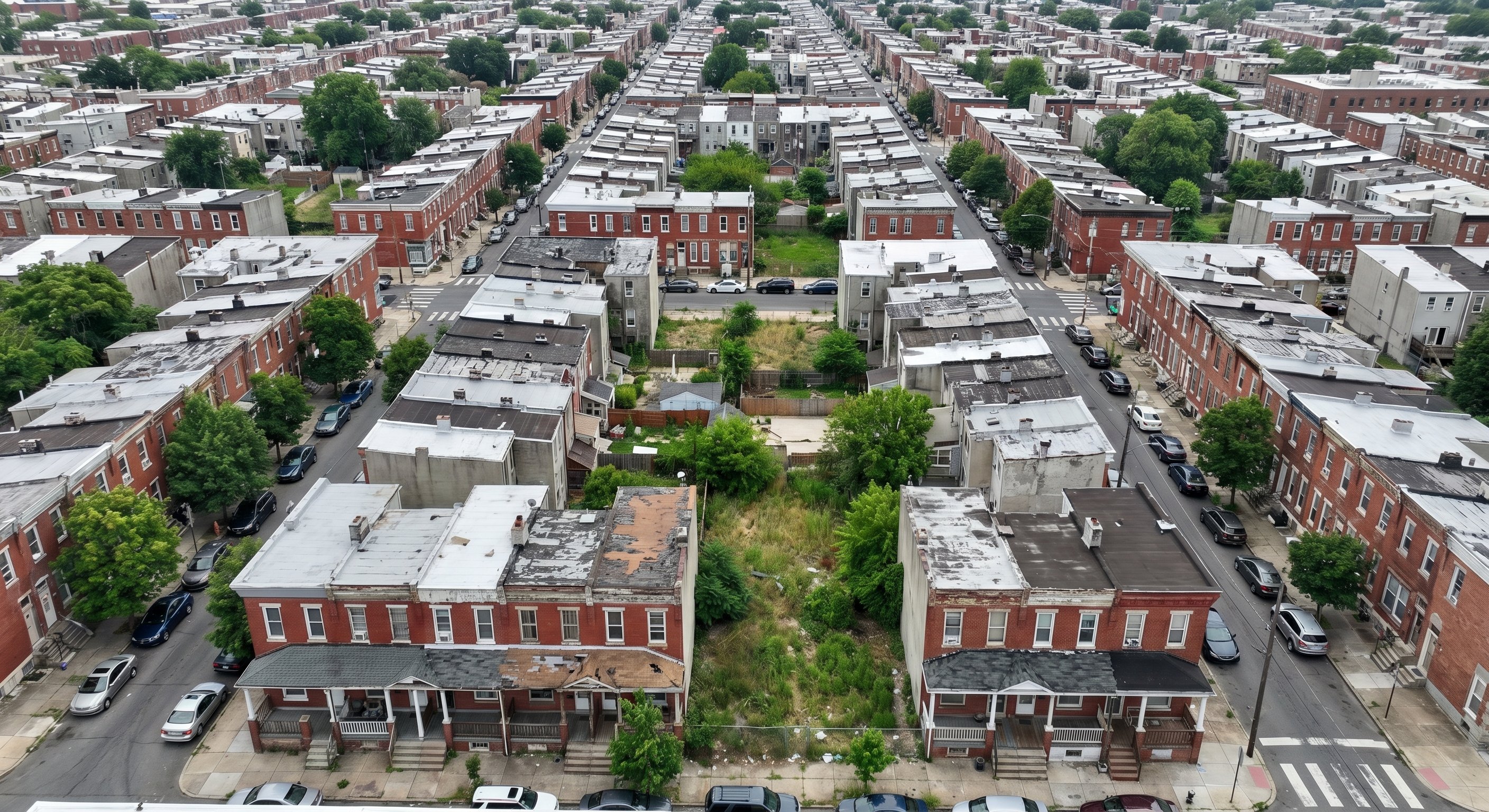
Walk any block in North Philadelphia, Braddock, or parts of Reading and you will find them: properties where the owner filed Chapter 13 bankruptcy, the court is now supervising their debt repayment, and the property is effectively trapped in a legal process that most investors do not know how to enter. That knowledge gap is the edge.
Bankruptcy leads Pennsylvania differ from tax delinquent or code violation leads in one fundamental way. The federal bankruptcy court is now a party to the transaction. That changes everything about how you find these properties, how you approach the owner, and what your deal looks like when you get it. Here is how it works.
What a Bankruptcy Lead Reveals About a Property Owner
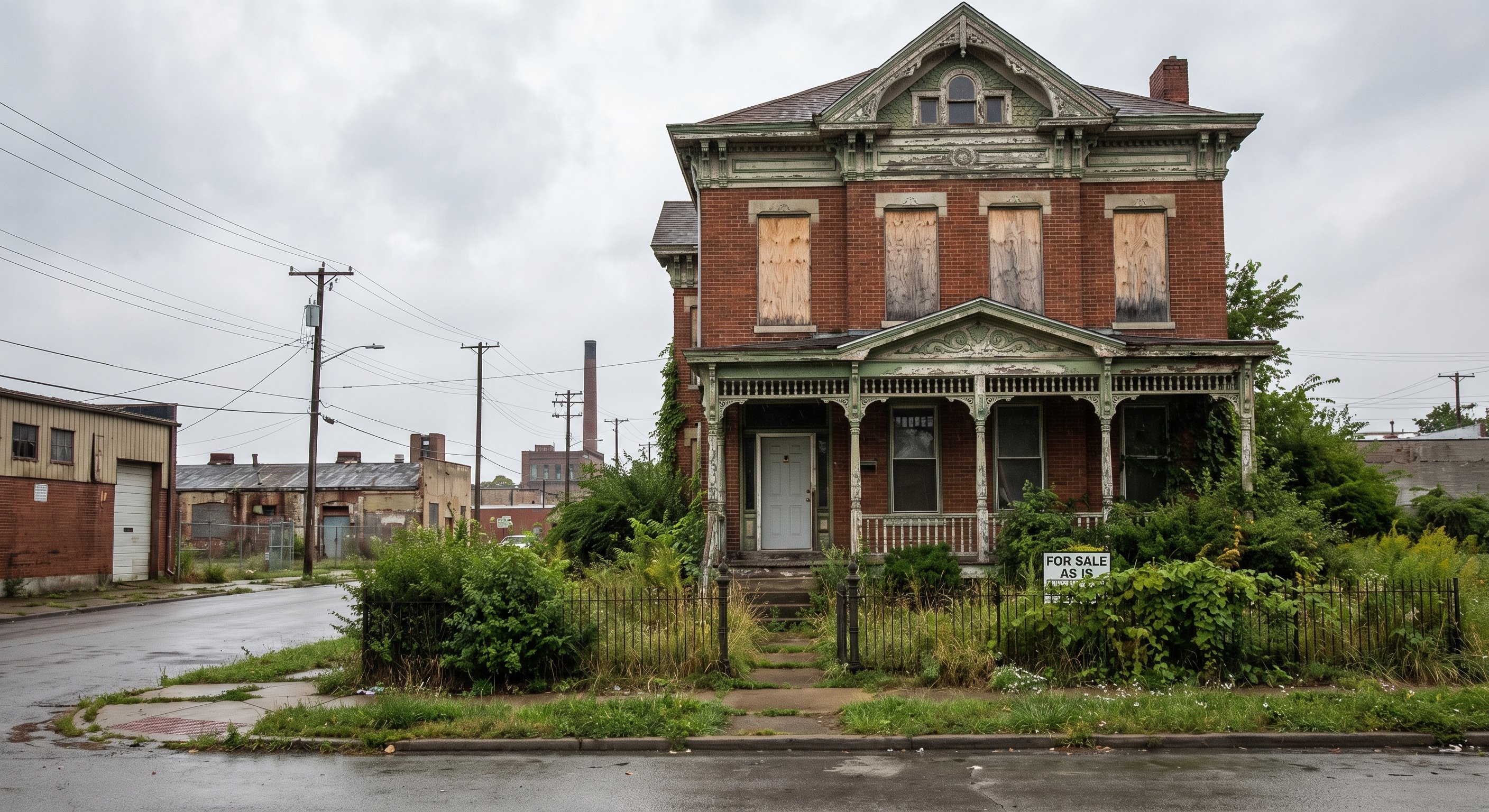
When a Pennsylvania property owner files Chapter 13 bankruptcy, they submit a repayment plan to the U.S. Bankruptcy Court proposing to repay creditors over three to five years. The filing triggers an automatic stay that halts foreclosure proceedings, giving the debtor time to catch up on missed mortgage payments through the court-supervised plan.
For real estate investors, this signals something specific. The owner has demonstrated two things simultaneously: they have significant unsecured or secured debt, and they have enough regular income to propose a repayment plan that the court will accept. That combination means the owner is not broke in the abstract. They are cash-flow constrained and have a legal obligation to address their property-related debts, including any mortgage arrears, through a court-administered process.
Some of these owners will complete their Chapter 13 plans and emerge with their properties intact. Others will fall behind on plan payments within 12 to 24 months, have their cases dismissed or converted to Chapter 7 liquidation, and face the resumption of foreclosure. A third group files Chapter 13 specifically to buy time, knowing they cannot sustain payments, and they are actively looking for a way out.
That third group is where investors find the best opportunities. These are owners who are months away from losing the property anyway, who have already committed to a sale, and who need to close before the case collapses. The distress signal is not theoretical.
How to Find Bankruptcy Leads in Pennsylvania
The primary tool for locating Chapter 13 filings in Pennsylvania is PACER, the federal courts' Public Access to Court Electronic Records system. PACER is not a real estate platform. It is the system that attorneys, trustees, and creditors use to monitor bankruptcy case activity across all 94 federal judicial districts.
To search Pennsylvania bankruptcy records, you create a PACER account at PACER. Usage fees are nominal (currently $0.10 per page for case docket searches) and manageable for targeted investor use. The search interface allows you to filter by:
- Case type (Chapter 13)
- Date filed (custom range)
- County or zip code (to isolate specific Pennsylvania markets)
The resulting docket report shows the case number, filing date, debtor name, and a running log of court activity including plan payments, motions filed, and any motions to sell property. The schedules and property valuation documents, filed at the outset of every Chapter 13 case, list the debtor's real property holdings including estimated values and any encumbrances like mortgages or liens.
Philadelphia Bankruptcy Court for the Eastern District of Pennsylvania is one of the busiest bankruptcy dockets in the country. The court handles cases from Philadelphia, Montgomery, Delaware, Chester, Bucks, and surrounding suburban counties. The Western District covers Allegheny County (Pittsburgh), Beaver, Washington, and the western tier of the state. Both districts maintain local rules and case management procedures that differ in minor but consequential ways.
Pennsylvania Bankruptcy Districts: Eastern vs. Western
Pennsylvania splits federal bankruptcy jurisdiction between two districts, and understanding which one covers your target county matters for data access and case timing.
The Eastern District of Pennsylvania (Philadelphia) covers the southeastern population corridor from Philadelphia through its suburbs. The court is located at the James A. Byrne U.S. Courthouse at 601 Market Street. This is a high-volume court. Chapter 13 cases here are common among suburban homeowners with underwater mortgages, second lien positions from home equity lines of credit, and income disrupted by job changes or medical events.
The Western District of Pennsylvania (Pittsburgh) covers Pittsburgh, the Monongahela Valley, and the western rural counties. The court is at the U.S. Courthouse on Grant Street in Pittsburgh. The filing profile here skews toward industrial and manufacturing communities where wage stagnation and economic restructuring have created persistent mortgage stress. Cases tend to involve lower property values, which changes the deal math significantly.
Key procedural difference: Both districts run Chapter 13 confirmation hearings on a rolling schedule, but the trustee assignment process and local motion practice vary. Investors working properties in both districts should pull separate searches for each. A property in Erie County is in the Western District. A property in Lehigh County is in the Eastern District. Mixing up the district means filing motions in the wrong court, which costs time you do not have.
Free Weekly Alerts
See What's Distressed in Your Market
Get free weekly alerts — new distressed properties, motivation scores, and hot neighborhoods in your area. Addresses and contact info available inside DistressIQ.
Free forever · No credit card · Unsubscribe anytime
What Chapter 13 Filings Tell You About the Real Estate
The bankruptcy schedules contain the information that matters most for evaluating a real estate lead. The Schedule A/B form lists real property owned by the debtor, including the property address, estimated value, and any mortgage or lien holder. The Schedule D identifies secured creditors, primarily the first and second mortgage holders. The Chapter 13 Plan states the proposed repayment amount and how the debtor intends to cure mortgage arrears over the plan term.
A few specific signals in these documents merit attention. If the estimated property value in Schedule A/B is significantly below comparable sales in the neighborhood, the debtor may be underwater on the mortgage and have little incentive to fight foreclosure if the case fails. If the Schedule shows a second mortgage or home equity line of credit that is wholly unsecured due to declining property values, the second lien can be stripped off in Chapter 13, which changes the financing picture for any buyer.
The plan payment history tells you whether the debtor is current on their Chapter 13 obligations. A debtor who has missed three consecutive plan payments faces dismissal. Investors who identify this pattern early can approach the owner at exactly the moment when they are most motivated to sell.
How Investors Work Bankruptcy Leads in Pennsylvania
Approaching a homeowner in an active Chapter 13 case requires more care than a standard motivated seller conversation. The debtor is operating under court supervision, and any transaction involving the property requires court approval in most cases. This is not a complication to fear. It is a process to learn.
When a debtor wants to sell their property during an active Chapter 13 case, they file a Motion to Sell Property with the bankruptcy court. The motion describes the proposed sale terms, the purchase price, and how the proceeds will be distributed. The Chapter 13 trustee reviews the motion and raises objections if the sale does not adequately protect the estate's interests. The court holds a hearing and enters an order authorizing the sale, which typically takes 30 to 60 days from motion to order.
For investors, this means the timeline is longer than a standard flip. The transaction is not complete when you sign the purchase agreement. It is complete when the bankruptcy judge signs the order. Experienced investors factor this 45-to-60-day approval window into their acquisition timeline and their financing structure.
The other constraint is that all sale proceeds flow through the Chapter 13 trustee. The debtor does not receive a check at closing. The trustee distributes proceeds according to the priority waterfall established by the bankruptcy code, paying administrative costs first, then secured creditors, then unsecured creditors up to the plan payment amount. Investors need to understand where their purchase price falls in that waterfall and whether there will be any surplus after secured claims are paid.
Philadelphia properties present additional complexity. The Philadelphia Sheriff's Office conducts sheriff sales for properties on which foreclosure has been completed. When a Chapter 13 case is active, the automatic stay prevents the sheriff sale from proceeding. Once the case is dismissed or the stay lifts, the sale can resume. Investors watching Philadelphia sheriff sale dockets should cross-reference active bankruptcy filings to identify properties where the stay has recently lifted and the foreclosure clock has restarted.
Stacking Bankruptcy With Other Distress Signals
Bankruptcy filings on their own reveal financial distress. Bankruptcy filings stacked with tax delinquency, code violations, or prolonged vacancy reveal a property with compounding problems that most buyers will not touch. That is exactly the profile that creates the best investor opportunities.
A property where the owner filed Chapter 13, owes two years of back property taxes to the county, and has code enforcement violations open is a property where the owner is operating under multiple simultaneous legal and financial pressures. The Chapter 13 plan payment, the tax bill, and the code violation fines are all competing for the same limited cash. When one fails, the others accelerate. These are properties most likely to be abandoned, sold below market value, or available at a price that reflects the complexity of the situation.
DistressIQ tracks bankruptcy filings alongside 31 other distress signal types, cross-referenced at the property level. Rather than searching PACER for bankruptcy cases and then cross-checking county tax records separately, investors can view all signals on a single property map. The motivation score aggregates the signal density to surface properties with the highest likelihood of a motivated seller.
What to Look for in Pennsylvania Specifically
Philadelphia accounts for a disproportionate share of Pennsylvania bankruptcy filings given its population density and the concentration of low-and-moderate-income households in the city proper. The Philadelphia Bankruptcy Court for the Eastern District handles cases from a nine-county region. Investors focused on the Philadelphia metro should monitor both the city court docket and the suburban county sheriff sale schedules, particularly in Delaware, Montgomery, and Chester counties where foreclosure timelines have compressed.
Pittsburgh and the Western District present different opportunities. Property values in many Pittsburgh neighborhoods remain below replacement cost following decades of population loss in legacy industrial areas. Properties that qualify for Chapter 13 repayment plans in those markets often have assessed values under $100,000, which means the deal sizes are smaller but so is the competition. Investors with lower minimum deal thresholds can find motivated sellers in Braddock, Rankin, Homestead, and similar post-industrial communities where a homeowner who cannot make their $350 monthly Chapter 13 payment will sell for $15,000 to $25,000 rather than lose the property.
The redemption period in Pennsylvania following a completed foreclosure varies by county. In most Pennsylvania counties, the redemption period runs from the date of the sheriff sale and is typically six to twelve months, though certain counties have shorter periods. Properties emerging from the redemption period without redemption represent the clearest signal that the former owner has exhausted all legal options and the property is approaching market availability.
Evaluating the Data When You Find a Bankruptcy Lead
Not all Chapter 13 cases represent equal opportunities. The data quality in bankruptcy schedules depends on the accuracy of the debtor's self-reported information. Property values listed in Schedule A/B are the debtor's estimates, not certified appraisals, and they can be significantly wrong in either direction. Investors should treat the filing values as a starting point, not a final assessment, and pull county assessor records independently.
The case number and court docket number are the critical data fields for verification. Cross-referencing the case number directly in PACER confirms the filing is current, active, and not already dismissed or converted to Chapter 7. Case status changes happen quickly. A case that was active and promising last month may have been dismissed for nonpayment last week.
The Chapter 13 plan filed with the court specifies the proposed plan duration (typically 36 months for debtors below median income, 60 months for those above). Reviewing the plan term and comparing it against the filing date tells you how close the debtor is to a critical juncture: completion of the plan discharges the remaining mortgage debt, while dismissal reinstates the original loan terms and the foreclosure that was paused.

Frequently Asked Questions
Q: How do I find bankruptcy leads in Pennsylvania?
Use PACER (PACER) to search Chapter 13 cases by county and filing date in either the Eastern District (Philadelphia) or Western District (Pittsburgh) of Pennsylvania. Create an account, run a case search filtered to Chapter 13 and your target counties, and review the schedules and plan documents for properties that match your investment criteria. Platforms like DistressIQ aggregate bankruptcy signal data alongside other distress indicators for faster triage.
Q: What is Chapter 13 bankruptcy for real estate investors?
Chapter 13 is a federal bankruptcy mechanism where a debtor proposes a court-supervised repayment plan lasting three to five years to catch up on secured debts, primarily mortgages. It differs from Chapter 7 (liquidation) in that the debtor keeps their property as long as they maintain plan payments. For real estate investors, Chapter 13 signals financial pressure, legal involvement in the property transaction, and a structured process that creates both timeline constraints and motivated sellers. For official Chapter 13 forms and procedures, see the U.S. Courts bankruptcy forms page.
Q: Does bankruptcy stop foreclosure in Pennsylvania?
Yes. When a debtor files Chapter 13, an automatic stay goes into effect immediately, halting all collection actions including foreclosure proceedings. The stay remains in place as long as the case is active and the debtor is making plan payments. If the case is dismissed or the debtor converts to Chapter 7, the stay lifts and the foreclosing lender can resume. In Pennsylvania's judicial foreclosure counties, this creates a window where the property is protected from sheriff sale but the underlying financial problem is not resolved.
Q: Can I buy a property that is in Chapter 13 bankruptcy?
Yes, but the purchase requires court approval. The debtor must file a Motion to Sell Property with the bankruptcy court, and the trustee and creditors have an opportunity to object. The court typically approves sales that generate proceeds adequate to pay down secured claims. The purchase proceeds flow through the Chapter 13 trustee, and the transaction timeline is typically 45 to 60 days from signed purchase agreement to court order.
Q: How does Pennsylvania's dual bankruptcy district affect investor research?
Pennsylvania has two federal bankruptcy districts. The Eastern District (Philadelphia) covers southeastern counties including Philadelphia, Montgomery, Bucks, Chester, and Delaware. The Western District (Pittsburgh) covers Pittsburgh and the western tier of the state. Investors must search the correct district court for the county where the property is located. Searching the wrong district returns zero results, not a different result.
Q: How does bankruptcy compare to other distress signals for finding motivated sellers?

Bankruptcy is one of the strongest distress signals because it is court-filed and carries legal consequences for non-compliance. Unlike self-reported financial hardship or marketing-based motivated seller lists, a bankruptcy filing means a federal court is actively supervising the debtor's financial situation. Bankruptcy works best when stacked with other signals: a property with a Chapter 13 filing, tax delinquency, and open code violations has compounding financial pressure that creates urgency most other signals do not match.
Finding bankruptcy leads in Pennsylvania requires knowing how the federal bankruptcy court system works, understanding the Chapter 13 process, and having access to current case data across both the Eastern and Western districts. The research is more involved than pulling a tax sale list, but the motivated seller profile is sharper and the deal structures are more predictable once you understand the process.
Browse distressed properties with verified bankruptcy signals and 31 other distress types on DistressIQ. Filter by county, signal type, and motivation score to identify the best Pennsylvania leads for your investment strategy. Starter plans start at $129 per month with 2,000 lead detail views included.
The data behind this article
DistressIQ Monitors These Signals in Real Time
Pre-Foreclosures
NOD + NTS filings
Tax Delinquency
County treasurer records
Code Violations
Municipal inspection filings
Probate Filings
Superior Court records
Every lead is scored 0–100 for seller motivation based on signal type, duration, severity, and stacking. Nationwide coverage — every US county, updated daily.
Ready to find deals in your market?
See Live Distress Signals in Your County
Stop calling dead leads. Every lead in DistressIQ is scored 0–100 for seller motivation, with verified contact info included. Browse the free tier to see what's active in your market right now.
Browse Free Leads — No Credit Card