Bankruptcy Leads Missouri: How Investors Find Chapter 13 Filings Before the Market Does
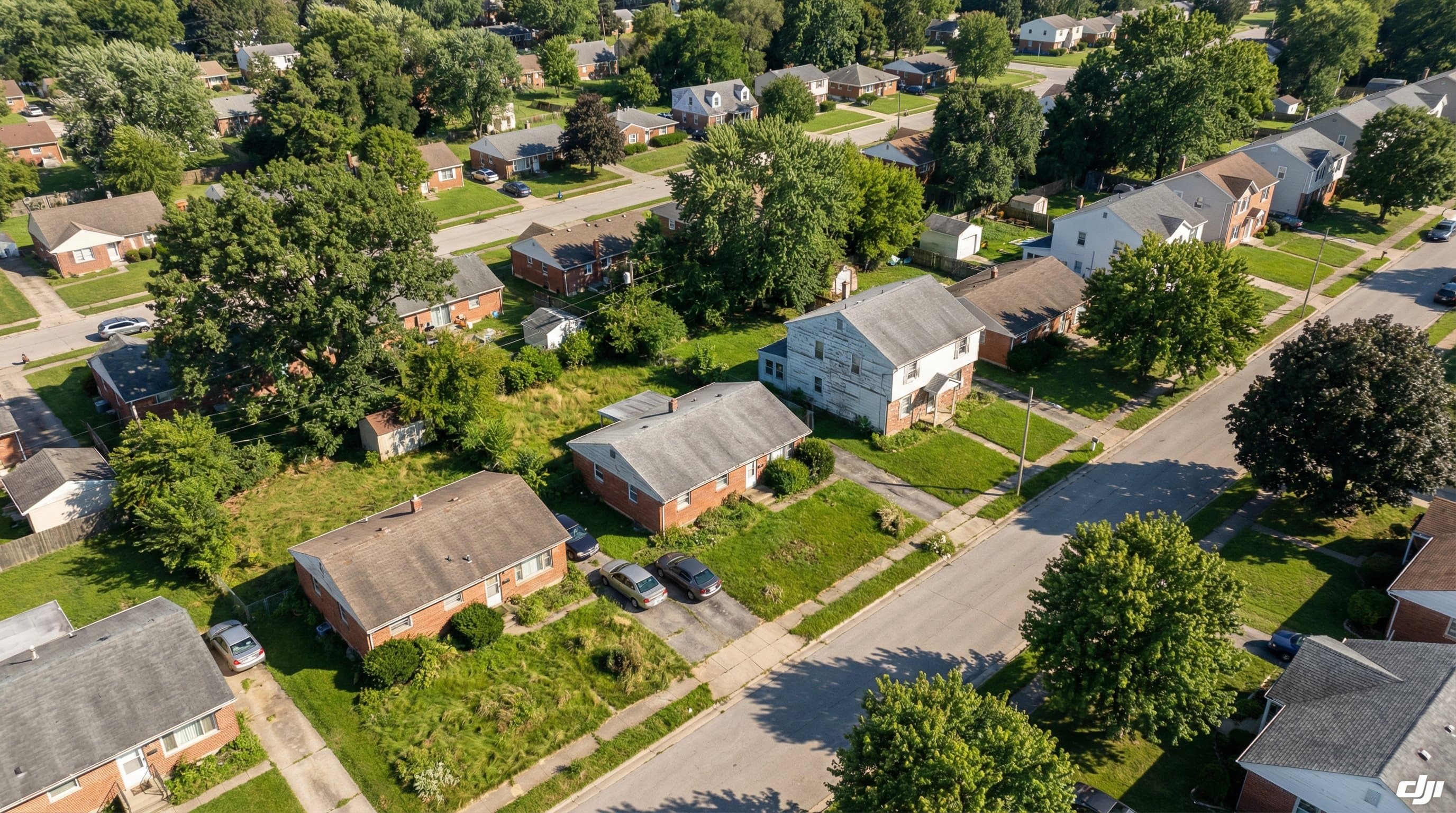
TL;DR: Missouri bankruptcy court filings (Eastern and Western Districts) create a verifiable window of motivated-seller activity that precedes most other distress signals. Chapter 13 cases, which dominate Missouri filings, involve confirmed repayment plans that signal genuine homeowner distress, not just late payments. Investors who monitor PACER directly, cross-reference with county assessor records, and time outreach to the 90-day confirmation period consistently outperform those using generic lead lists. DistressIQ aggregates these signals across Missouri's 114 counties, flagging bankruptcy court activity alongside tax delinquency, code violations, and pre-foreclosure status on every lead.
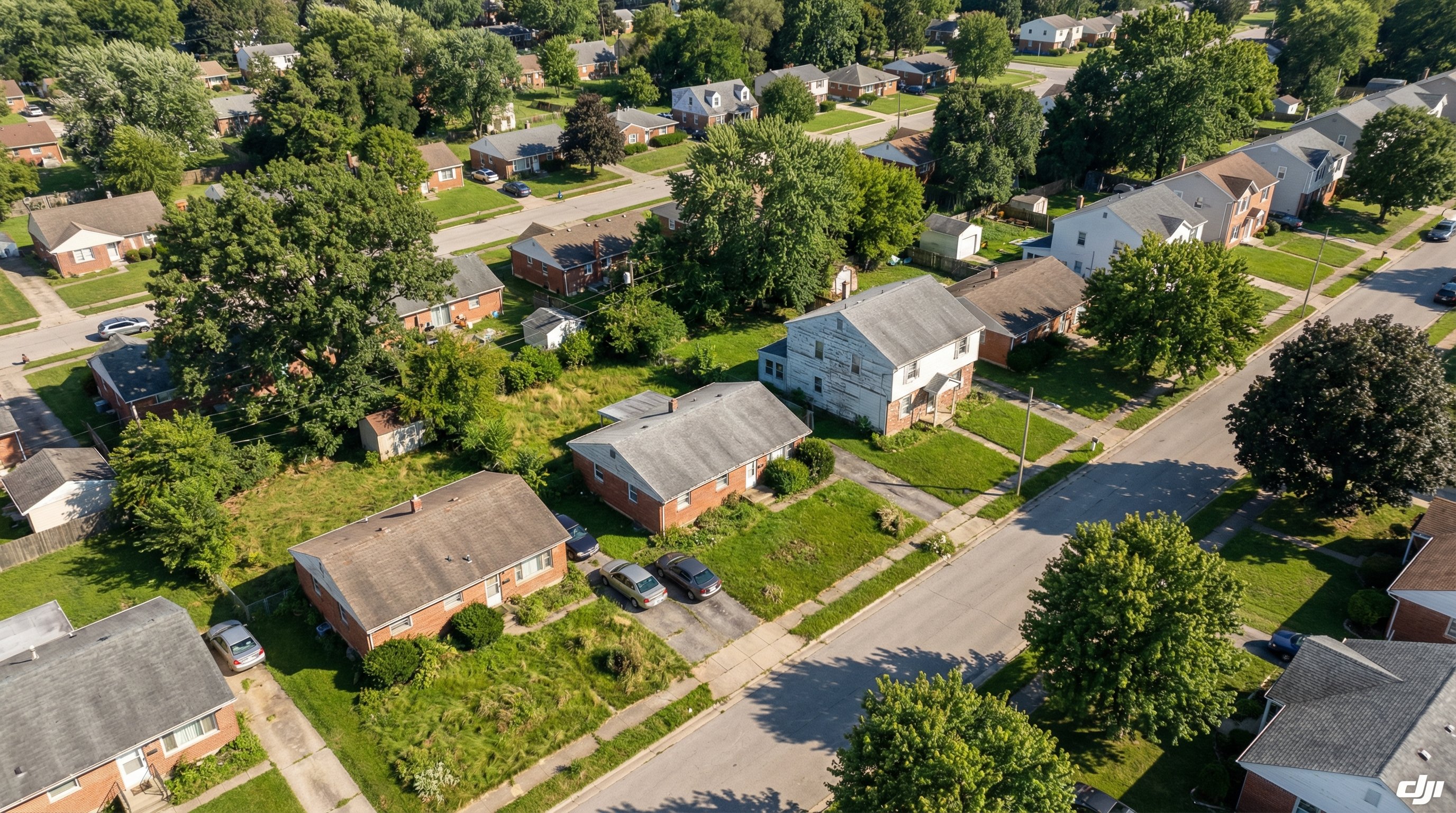
Bankruptcy is not the first signal most investors look for. It should be. Chapter 13 filings in Missouri generate a documented paper trail of homeowner financial distress that predates tax default, pre-foreclosure, and most code violations. By the time a property surfaces on a standard lead list, the investor who found the bankruptcy filing is already three steps ahead.
Missouri saw approximately 36,000 bankruptcy filings in 2025, the majority Chapter 13 cases concentrated in the Eastern District (St. Louis, St. Charles, Jefferson counties) and the Western District (Jackson CountyKansas City metro, Clay, Platte). Each case names real property, establishes a confirmed repayment plan, and sets a timeline that competent investors can read like a calendar.
What Makes Missouri Bankruptcy Filings Different for Investors
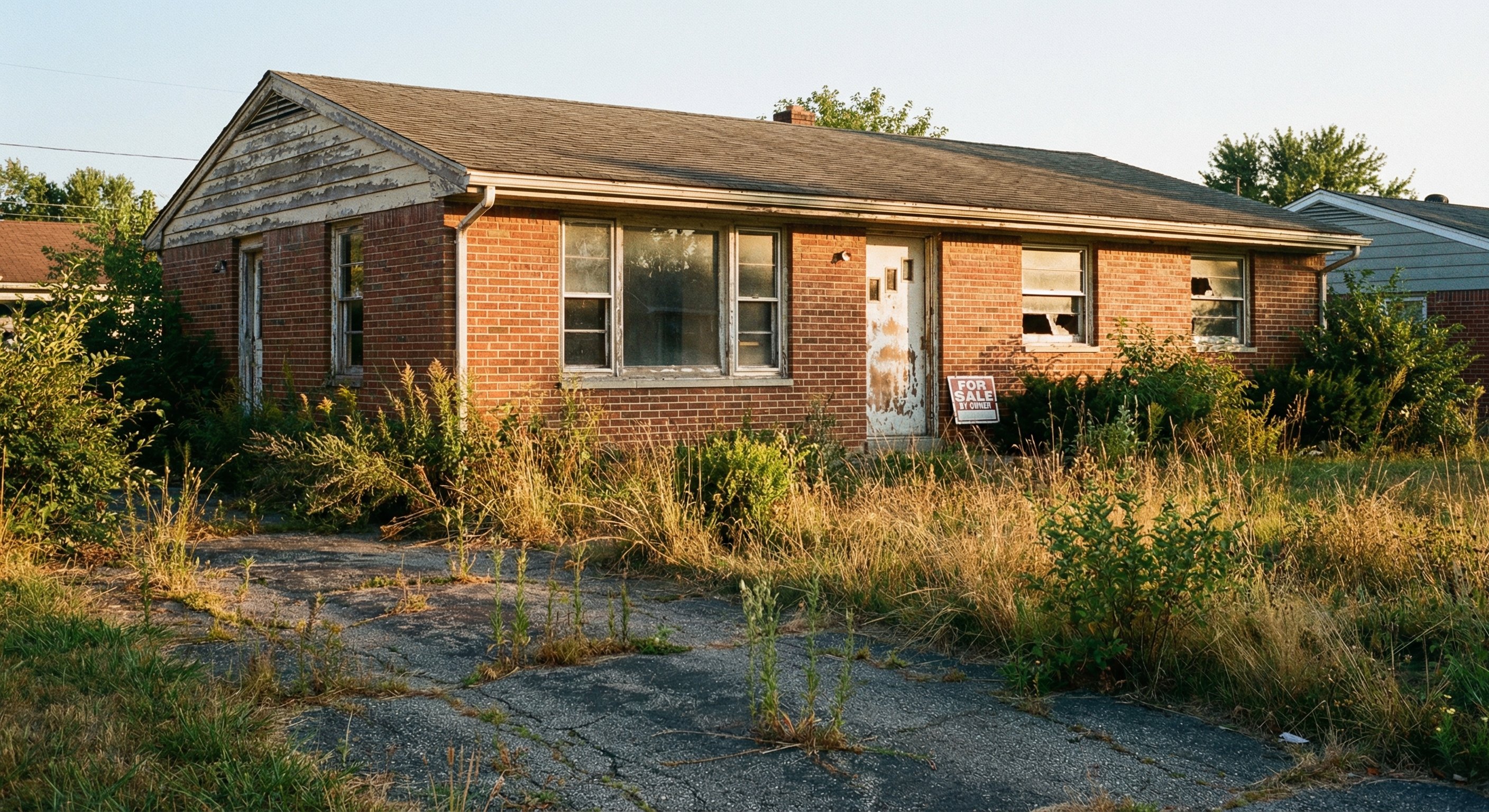
Most investors associate bankruptcy with failure. The smarter ones associate it with a predictable timeline.
Chapter 13 bankruptcy is a reorganization filing. The homeowner proposes a court-confirmed plan to repay creditors over three to five years. During that period, the automatic stay protects the property from foreclosure as long as the debtor makes plan payments. The moment a payment is missed, the trustee can file a motion to lift the stay and allow the lender to proceed with foreclosure.
That gap, between the first missed plan payment and the actual foreclosure filing, is the window. It varies by case but typically runs 60 to 120 days. Investors who identify filings during this window are calling homeowners who are legally prevented from selling the property without court approval but are simultaneously facing a cascade of consequences for non-payment.
Missouri's homestead exemption is relatively limited compared to states like Texas, which has no cap on homestead protection. Under Missouri law, homeowners can exempt up to $125,000 in equity in their primary residence. In a distressed market or a property with significant equity, this creates a class of bankruptcy filers who have options and motivation in roughly equal measure.
The Eastern District also moves faster than most jurisdictions on motion-to-lift-stay proceedings. Trustees in St. Louis handle heavy caseloads, and experienced bankruptcy attorneys know exactly how to accelerate or delay these timelines. A connected investor who works with a bankruptcy attorney referral network gains a significant advantage over one relying on generic distressed property lists.
How to Find Missouri Bankruptcy Court Filings
The federal court system maintains PACER (Public Access to Court Electronic Records) as its document database. Searching Missouri bankruptcy filings by county or ZIP code reveals properties tied to active Chapter 13 cases.
The search process requires a PACER account, which costs $0.10 per page for queries. For an investor running 20 to 30 searches per week, the cost is negligible. The value is not.
The critical field is the Schedule D and Schedule A/B, which list secured creditors and personal property. A Schedule A/B showing a mortgage lien against the subject property confirms the homeowner has a secured debt they are trying to restructure. This is categorically different from unsecured debt filing. The property is in the bankruptcy.
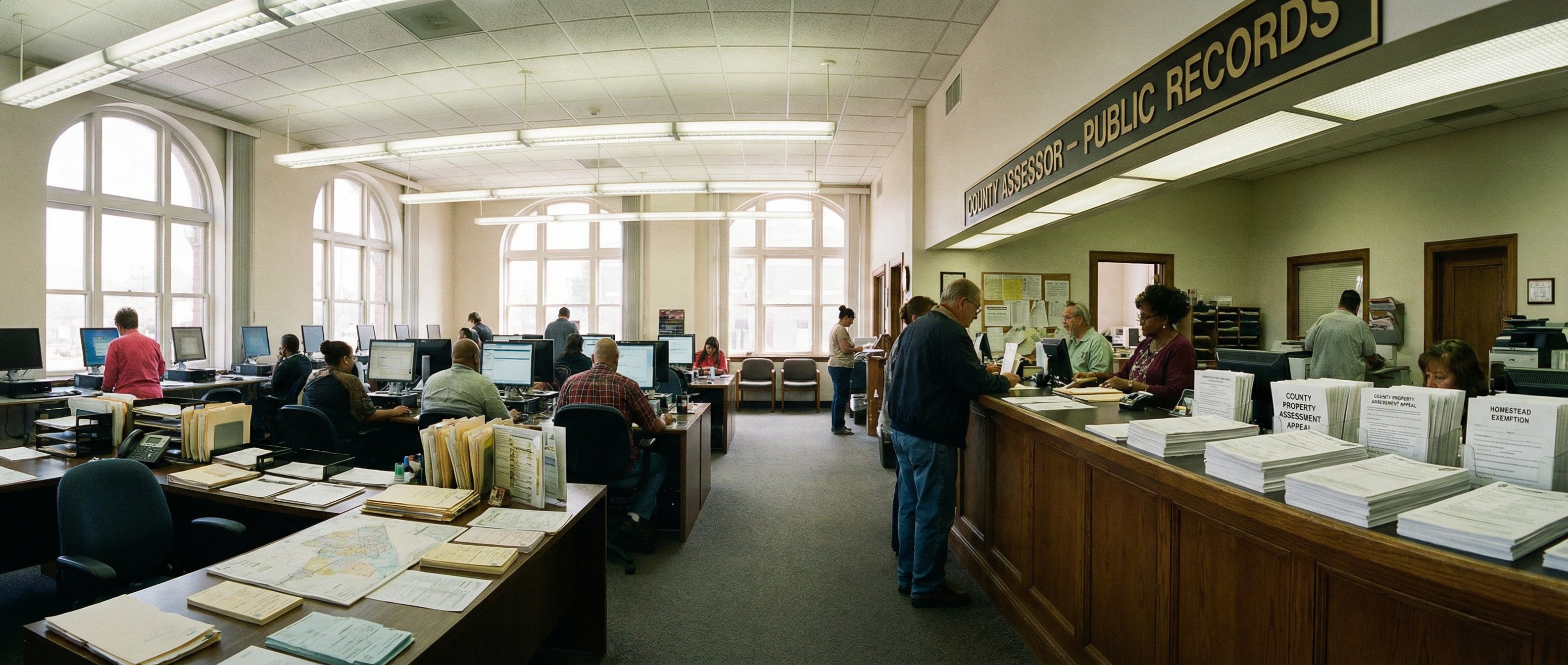
Cross-referencing the case number with the county assessor's database confirms the filing matches the property address. Most Missouri counties publish assessor data online, and a ZIP code search reveals whether the assessed value is materially higher or lower than the outstanding mortgage balance. A property assessed at $210,000 with a $175,000 mortgage balance and a Chapter 13 filing represents a fundamentally different opportunity than the same filing on a property assessed at $175,000 with a $230,000 mortgage balance.
The equity position determines whether the homeowner can sell the property during the bankruptcy without court permission. Missouri homeowners with exempt equity often have flexibility to negotiate a short sale or cash purchase as part of their plan. Those with underwater properties face a narrower path and may be more motivated to find an investor buyer who can close quickly enough to meet court deadlines.
The Chapter 13 Timeline: A Window, Not a Guarantee
Missouri Chapter 13 plans run 36 to 60 months. The plan must be confirmed by the bankruptcy court, which typically occurs 30 to 45 days after filing, assuming no objections from creditors per U.S. Courts Chapter 13 guidelines. Once confirmed, the debtor makes regular payments to the trustee, who distributes funds to secured creditors.
The first sign of trouble is a Notice of Delinquency filed by the Chapter 13 trustee. These notices indicate a missed payment and trigger a 21-day window for the debtor to cure the default before the trustee files a Motion to Lift Stay. Investors who monitor these filings in real time can approach homeowners during this gap, before the lender has received anything and before the homeowner has exhausted their options.
The confirmation hearing at the 45-day mark is the second milestone. At this point, the court has approved the repayment plan and the automatic stay is fully operative. A homeowner at this stage who is still current on plan payments has bought themselves time but faces three to five years of supervised debt repayment. Many will look for an exit.
The third milestone is plan completion. When a debtor completes all plan payments, the court enters a discharge order. At that point, the automatic stay lifts entirely and the homeowner regains full authority to sell the property. Investors who track case dockets and identify filings approaching the completion window can approach homeowners before the discharge is entered, negotiating a purchase that the homeowner can execute immediately after discharge.
Free Weekly Alerts
See What's Distressed in Your Market
Get free weekly alerts — new distressed properties, motivation scores, and hot neighborhoods in your area. Addresses and contact info available inside DistressIQ.
Free forever · No credit card · Unsubscribe anytime
Cross-Referencing Bankruptcy With Other Distress Signals
Bankruptcy alone is not a guarantee of motivation. The homeowner may have filed due to medical debt, divorce, or job loss, and still intends to keep the property. Cross-referencing bankruptcy filings with tax delinquency data, code violation records, and pre-foreclosure filings separates the actionable leads from the noise.
A property with a Chapter 13 filing AND a 14-month tax delinquency presents a very different profile than a Chapter 13 filing alone. The tax delinquency signals that the homeowner is struggling to manage ongoing obligations, not just restructuring old debt. The combination of restructuring debt and failing to pay property taxes is the profile of a homeowner who is three to six months from either losing the property at auction or accepting a cash offer.
Missouri's 114 counties each maintain their own tax sale calendar. Most counties sell tax certificates in late summer or early fall. A Chapter 13 filing in April paired with a tax delinquency that goes unpaid through August puts the property on a collision course with the county tax sale. An investor who identifies this combination in June has a four-month window to negotiate a purchase.
Code violations are another strong cross-reference. A homeowner in bankruptcy who also has an open code violation case is managing multiple legal obligations simultaneously. The code violation case, if unresolved, can result in municipal liens that survive bankruptcy discharge. These homeowners are often highly motivated to sell before the violation results in fines or a municipal lien that attaches to the property.

The Investor Approach: Timing and Framing
Outreach to a homeowner in active Chapter 13 requires a different conversation than outreach to a pre-foreclosure lead. The homeowner is operating under court supervision and may not be free to discuss financial terms freely. The automatic stay means any contact that could be construed as creditor harassment carries legal risk.
The appropriate approach is a direct, factual conversation: "Finding a Chapter 13 filing and working with homeowners in your situation. If you're looking for a way to resolve the property before the plan completion date, there may be a path forward." No promises about court outcomes, no discussion of debt amounts, no pressure.
Framing is everything. The homeowner is already in a structured process. They are not looking for someone to consolidate their debt. They want a clean exit, and an investor who can provide that is valuable to them.
The best leads from Missouri Chapter 13 cases are homeowners who filed due to a temporary income disruption and have since recovered but are locked into a three-year plan they want to exit. These filers have income, recovered stability, and a clear-eyed desire to sell but cannot do so freely without addressing the bankruptcy first.
A second strong profile is the homeowner in a high-equity property who filed Chapter 13 to stop a foreclosure but cannot sustain plan payments long-term. Their equity position gives them negotiating room, and their long-term financial picture makes a clean sale the rational outcome.
Why Most Investors Miss These Leads
Generic distressed property lists do not include bankruptcy filings. The data is federal court records, not MLS or county assessor databases. It requires a separate search process and a working knowledge of PACER and federal court procedures.
The investors who capitalize on bankruptcy leads in Missouri tend to be either bankruptcy attorneys (who see the filings through their legal practice) or investors who have built direct relationships with Chapter 13 trustees and bankruptcy attorneys who refer clients at the discharge stage.
For investors without those relationships, the alternative is monitoring bankruptcy court dockets proactively and cross-referencing filings against county property records. This takes four to six hours per month for meaningful coverage of the Kansas City and St. Louis metro markets. It is a small investment for access to a lead category that most wholesalers never see.
The failure mode is treating bankruptcy leads like pre-foreclosure leads. The legal constraints are different, the timelines are different, and the homeowner psychology is different. An investor who adjusts their approach accordingly finds that Chapter 13 filers are among the most cooperative and transaction-ready leads they will encounter. They filed bankruptcy because they wanted to save their property. When that effort becomes unsustainable, they want a clean resolution.
Frequently Asked Questions
Q: How are bankruptcy filings different from pre-foreclosure leads in Missouri?
A: Pre-foreclosure begins when the lender files a notice of default with the county. Bankruptcy is a federal court filing that creates an automatic stay, temporarily halting creditor action including foreclosure. A property in Chapter 13 is legally protected from foreclosure as long as the homeowner sustains plan payments, whereas pre-foreclosure has no such protection and moves faster in most Missouri counties.
Q: Can a homeowner sell their property while in an active Chapter 13 case?
A: Yes, but only with court approval. The homeowner must file a Motion to Sell and demonstrate that the sale price covers the allowed secured claim. The process takes 30 to 45 days. Investors who understand this timeline can close while the rest of the market remains unaware the property is available.
Q: What is the best time to approach a Missouri bankruptcy filer?
A: The period between the trustee's Notice of Delinquency and the Motion to Lift Stay filing is the highest-motivation window. This is typically 60 to 90 days after a missed plan payment. The period approaching plan discharge completion is the second-best window, as the homeowner has a clear path to sell freely and often wants to avoid the administrative burden of managing the property post-discharge.
Q: How does Missouri's homestead exemption affect bankruptcy lead quality?
A: Missouri's $125,000 homestead exemption applies to equity in primary residences. Homeowners with exempt equity have more negotiating flexibility and may be able to contribute funds to a sale. Underwater homeowners have less protection and fewer options, making them more motivated to find a buyer who can close quickly. Both profiles can be viable, but they require different deal structures.
Q: Where in Missouri should investors focus bankruptcy lead searches?
A: The Eastern District (St. Louis metro, St. Louis County, St. Charles County, Jefferson County) and the Western District (Jackson CountyKansas City metro, Clay, Platte counties) account for the majority of Missouri Chapter 13 filings. St. Louis County alone generates more filings than many entire states.
Q: How does bankruptcy data integrate with other distress signals on DistressIQ?
A: DistressIQ cross-references federal court bankruptcy filings with county-level tax delinquency records, code violation databases, and pre-foreclosure filings. Every property listing includes its full signal history, so investors can immediately identify whether a Chapter 13 filing is isolated or paired with other distress indicators that compound the urgency.

See live bankruptcy leads cross-referenced with tax delinquency, code violations, and pre-foreclosure signals across Missouri's 114 counties on DistressIQ. Browse the map free, then export verified leads with skip-traced contact information when you are ready to reach out.
Explore Missouri bankruptcy leads on DistressIQ or browse the full distressed property map to find the next deal before it surfaces anywhere else.
The data behind this article
DistressIQ Monitors These Signals in Real Time
Pre-Foreclosures
NOD + NTS filings
Tax Delinquency
County treasurer records
Code Violations
Municipal inspection filings
Probate Filings
Superior Court records
Every lead is scored 0–100 for seller motivation based on signal type, duration, severity, and stacking. Nationwide coverage — every US county, updated daily.
Ready to find deals in your market?
See Live Distress Signals in Your County
Stop calling dead leads. Every lead in DistressIQ is scored 0–100 for seller motivation, with verified contact info included. Browse the free tier to see what's active in your market right now.
Browse Free Leads — No Credit Card