Probate Leads New Jersey: How Investors Find Estate Properties Before the Market Does
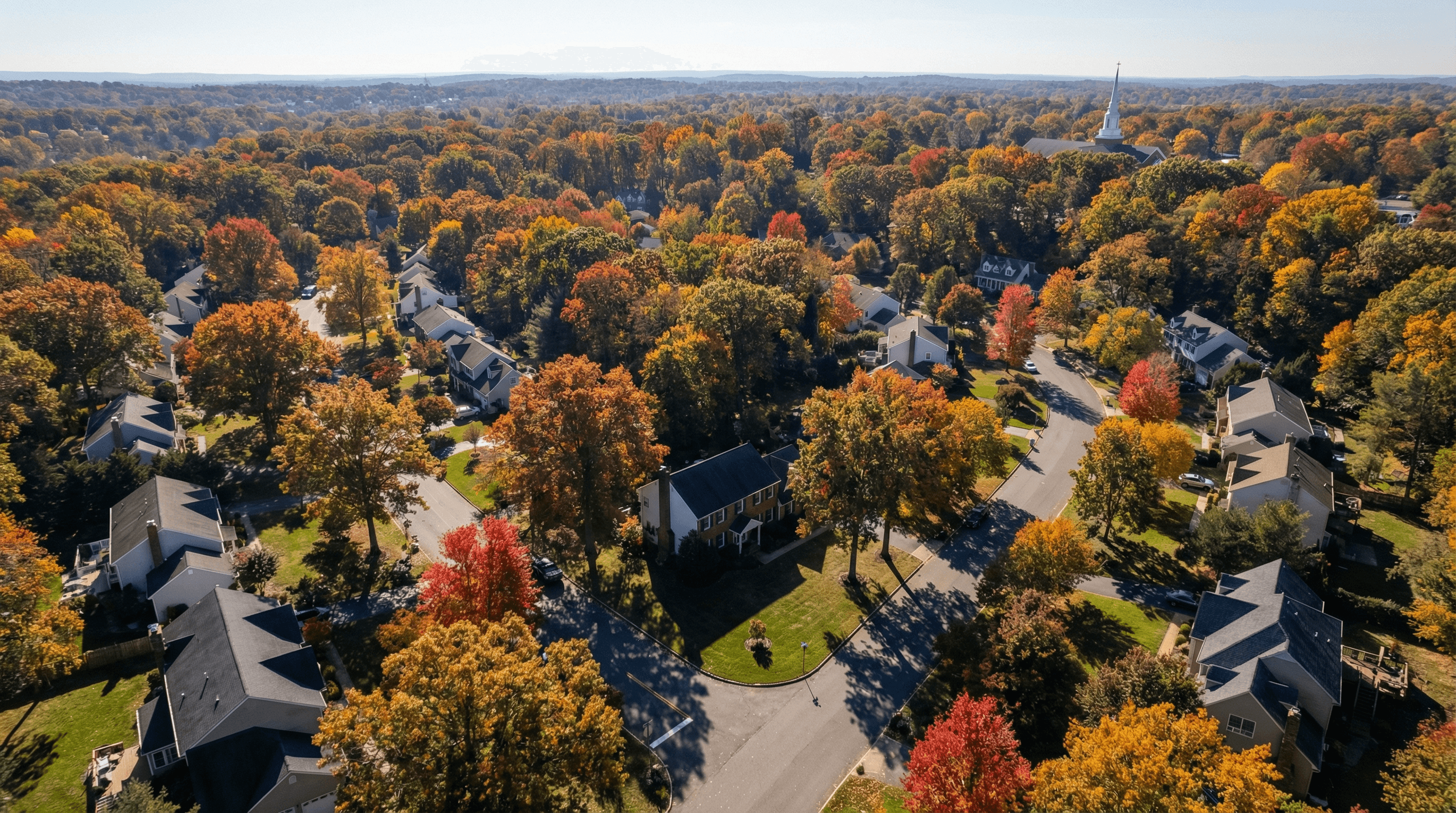
Probate Leads New Jersey: How Investors Find Estate Properties Before the Market Does
TL;DR: Probate leads in New Jersey arise when a property owner dies without a designated buyer. Heirs often need to sell quickly to settle the estate, especially when properties carry mortgages, liens, or maintenance costs. New Jersey's judicial foreclosure process gives investors a longer window to find probate properties in pre-foreclosure compared to non-judicial states. DistressIQ aggregates probate and other distress signals across all New Jersey counties, letting investors find motivated sellers before competing buyers do.
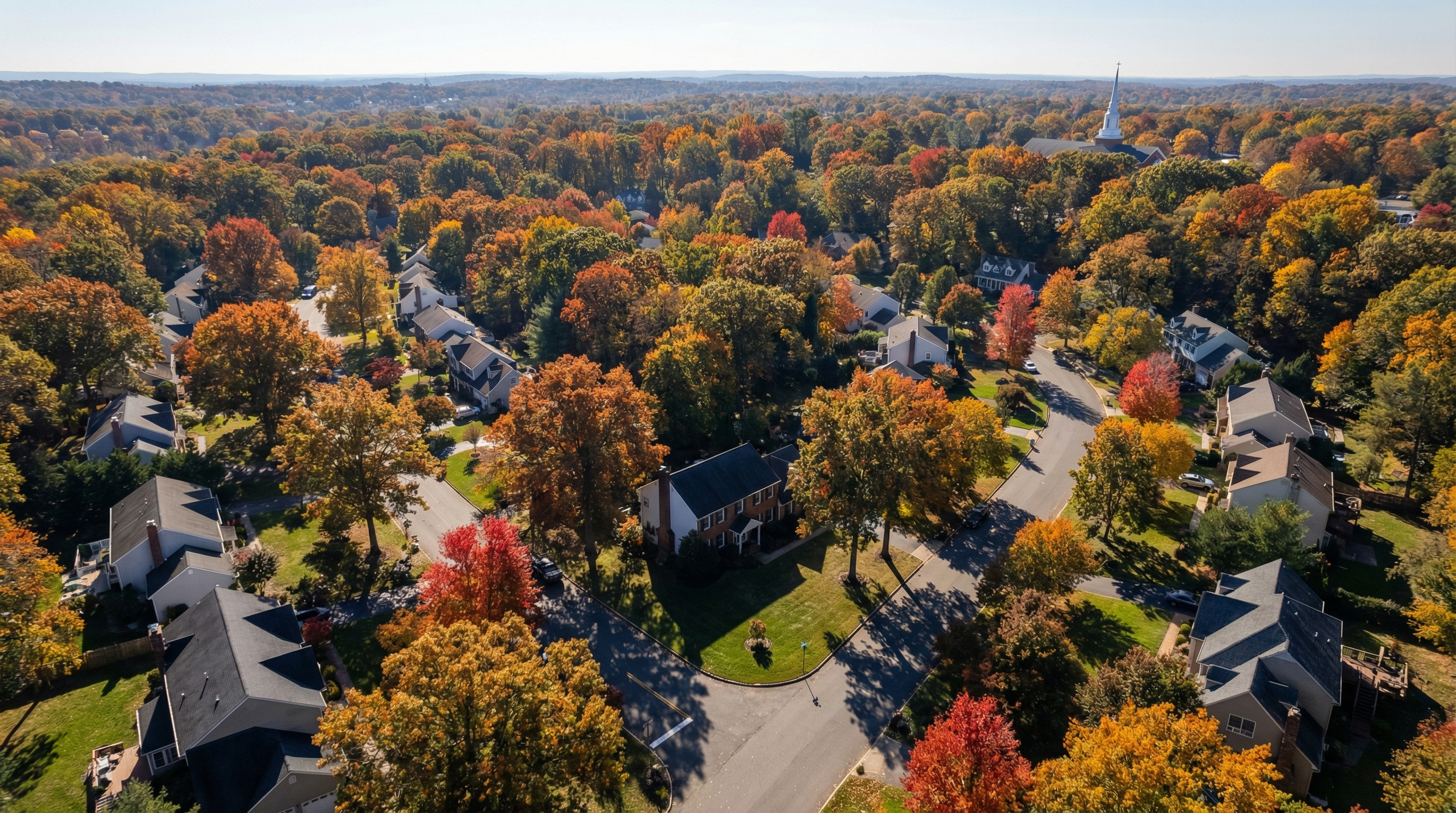
When someone dies in New Jersey and leaves behind real estate, the property enters a legal process that most investors ignore entirely. That is a mistake. Probate leads New Jersey present a specific kind of motivated seller: an heir who did not choose to sell, who often has no emotional attachment to the property, and who needs a clean transaction more than a high sale price. The question is not whether these leads exist. The question is how fast you can find them after the filing.
Most investors never learn about probate leads New Jersey until the property has already been listed on the MLS, which means they are competing with every other buyer and paying retail price. The investors who build systems to surface probate leads New Jersey early are the ones who consistently find motivated sellers at prices that make deals work.
How Probate Works in New Jersey
Probate in New Jersey follows the Surrogate's Court process, which handles the administration of a deceased person's estate. When a New Jersey resident dies with property titled solely in their name, that property must go through probate before it can be sold.
The timeline is not arbitrary. New Jersey law requires that creditors be given notice and an opportunity to make claims against the estate. Under the New Jersey Rules of Court, creditors typically have a window to file claims, and the executor or administrator cannot distribute assets or close the sale until those claims are resolved or expire.
For an investor, this creates a specific operational reality. The probate process in New Jersey typically takes between six months and eighteen months to complete, depending on whether the estate is contested, whether the will is disputed, and whether the Surrogate's Court docket is congested. Bergen County and Essex County, the state's two most populous counties, frequently have backlogs that extend timelines.
That extended timeline is not a disadvantage. It is the window. An heir who inherits a property in February may not be legally permitted to sell until September or later. But that same heir has been paying the mortgage, the property taxes, and the maintenance costs since February. Many of these heirs are not wealthy. They are holding an asset they cannot use and cannot afford. They want out.
The Executor or Administrator Is the Decision Maker
In a New Jersey probate case, the person responsible for managing the estate is either the executor named in the will or an administrator appointed by the Surrogate's Court if there is no will. That person controls whether the property is sold, at what price, and to whom.
Finding probate leads New Jersey means finding that executor or administrator, not the deceased. The executor's name appears in the probate filing at the county Surrogate's Court. In New Jersey's 21 counties, the Surrogate's Court maintains these records and they are public.
Once you know who the executor is, the conversation changes. They are not emotionally attached to the property in the way a homeowner who has lived there for 30 years might be. They are managing a legal obligation. If a cash offer arrives with a quick closing and no financing contingencies, many executors will take it, particularly if the estate has debt or multiple heirs with competing interests.

Why New Jersey Probate Properties Stay Off the Market Longer
The MLS is not where probate leads New Jersey are hiding. Most executors do not list the property immediately after a death. They are managing grief, legal requirements, family dynamics, and property maintenance simultaneously. Many wait until they have consulted with an estate attorney, received an appraisal, or simply reached a point where the property becomes too burdensome to manage.
This creates a gap. Between the death and the listing, there is a period where the executor functions as a motivated seller with no marketing presence. That gap is where the smartest investors operate.
New Jersey's judicial foreclosure process adds another layer. If the deceased owned the property with an existing mortgage, and the estate lacks sufficient liquid assets to pay it off, the lender may initiate foreclosure. New Jersey is a judicial foreclosure state, which means the lender must go through the court system. That process can take 12 to 24 months from the initial default to the auction. Any investor who finds the probate lead early enough can potentially work with the executor to sell the property before the lender forecloses, which benefits everyone. The executor avoids a foreclosure on their credit history, the lender avoids the cost of a foreclosure action, and the investor acquires the property at a discount.
Free Weekly Alerts
See What's Distressed in Your Market
Get free weekly alerts — new distressed properties, motivation scores, and hot neighborhoods in your area. Addresses and contact info available inside DistressIQ.
Free forever · No credit card · Unsubscribe anytime
How to Find Probate Leads in New Jersey
There are three primary methods for finding probate leads New Jersey, and they vary significantly in speed, cost, and competitive exposure.
The Surrogate's Court method. Every county in New Jersey has a Surrogate's Court that maintains probate filings. You can visit the Surrogate's Court in person or check whether the county offers online case searches. Bergen County, Middlesex County, and Monmouth County all have varying degrees of online access. This method gives you the most current data, but it requires manual legwork across 21 different county systems. Most investors find this time-consuming and slow.
The newspaper method. New Jersey law requires that probate notices be published in designated newspapers, typically county-level legal publications. These notices are another way to track newly filed estates. Subscribing to legal notice publications or monitoring them manually is possible, but it requires sustained effort and does not scale well if you are working across multiple counties.
The data aggregation method. Platforms like DistressIQ aggregate probate and other distress signals across all New Jersey counties and present them in a single interface. Instead of checking 21 separate Surrogate's Court systems, investors can view probate leads New Jersey alongside tax delinquent properties, code violations, lis pendens filings, and other distress signals. Every property is scored by motivation, so the highest-probability leads surface first. This is the fastest path to finding motivated probate sellers before the listing hits the MLS.
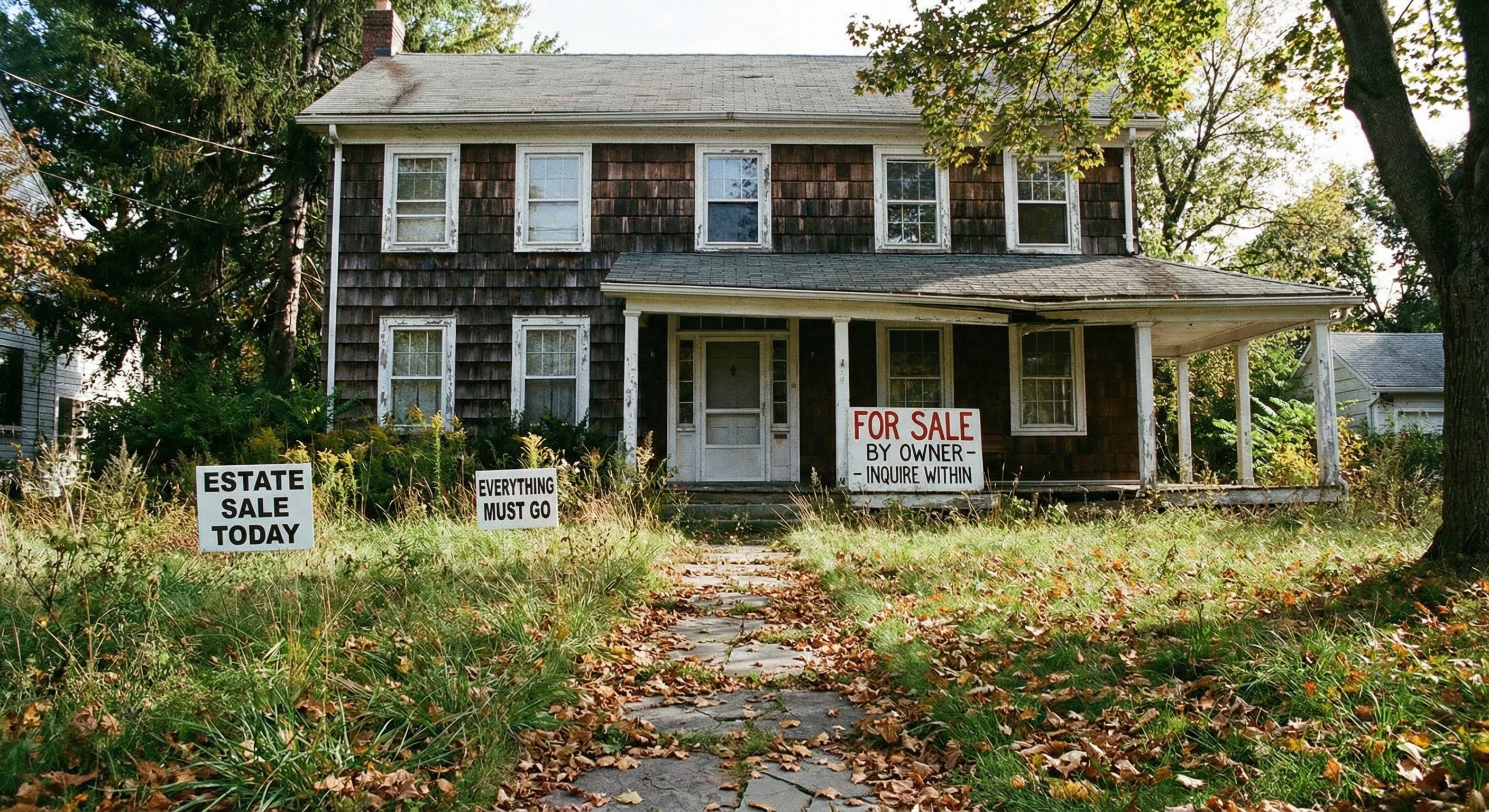
What New Jersey Investors Need to Know About the Probate Sale Process
If you find a probate lead and the executor agrees to a sale, the transaction must go through the Surrogate's Court in most cases. New Jersey law requires that sales of real property in a probate estate be approved by the Surrogate unless the will explicitly grants the executor the authority to sell without court approval.
This court confirmation process is not complicated, but it adds steps. The executor must file a motion for approval, provide an appraisal, and demonstrate that the sale price is fair and in the best interest of the estate. In practice, courts routinely approve sales that are at or near appraised value as long as the executor has acted prudently. Cash offers with quick closings are often viewed favorably because they reduce risk and cost for the estate.
The executor's attorney typically handles the court approval process. As an investor, your job is to make the transaction as simple as possible for that attorney. Provide a clear contract, proof of funds, and a realistic closing timeline. Anything that reduces the attorney's administrative burden accelerates the process.
There is one more New Jersey-specific consideration worth knowing. New Jersey has a mansion tax for residential purchases over one million dollars, which adds a one percent transfer tax on the portion of the purchase price above that threshold. This does not apply to most probate deals since distressed properties typically sell below market value. But if you are targeting higher-value estates in Bergen County or along the Jersey Shore, factor this into your offer calculation.
Stacking Signals: Why Probate Alone Is Not Enough
Probate is a strong signal, but it becomes far more powerful when combined with other distress indicators. A property that is both in probate and tax delinquent has an executor who is dealing with a legal obligation and a financial obligation simultaneously. A probate property with a code violation from the municipality means the heir is paying legal fees on top of maintenance costs. These stacked situations produce the most motivated sellers.
DistressIQ stacks 31 signal types per property, including probate, tax delinquency, code violations, lis pendens, and others. When you filter New Jersey probate leads for additional distress signals, you find the properties where the executor is under the most pressure and the discount potential is highest. This is the difference between a motivated seller and a desperate one, and it shows up in the numbers.
When to Reach Out After a Death
Timing matters in probate leads New Jersey. Call an executor two weeks after a death and they will hang up on you. They are not ready, they are grieving, and they do not yet know what the property situation actually looks like.
The optimal window is typically 60 to 90 days after the death, when the executor has had time to retain an attorney, receive the initial appraisal, and understand the estate's financial position. By then, the reality of the property burden has started to set in. The mortgage payment is due. The winter heating bill arrived. The roof leaked and the repair estimate was five figures.
Executors who have had the property for six months or more without listing it are often the most motivated. They have been living with the property as a problem for half a year and have not found a buyer through their own network. A polite, professional outreach at this stage is welcome.

What to Say to an Executor in New Jersey
The conversation with a probate lead New Jersey is different from any other investor outreach. Do not open with a offer or a price. Open with empathy and information.
A script that works: "I work with families who have inherited properties in New Jersey. I know this is a difficult time, and I am not here to pressure you. I wanted to reach out because sometimes families find it helpful to know what their options are before they commit to listing. There is no cost and no obligation to talk with me. Would it be useful if I sent over some information about how a cash sale works for estate properties?"
This approach respects the executor's position, does not push for an immediate decision, and opens the door to a relationship. Executors who are grateful for the information often call back when they are ready. That is how investors build a reputation in a market. Word travels fast in New Jersey's suburban neighborhoods. Treat executors well and they tell their neighbors. Treat them poorly and they tell their attorneys.
Frequently Asked Questions
How long does probate take in New Jersey?
Probate in New Jersey typically takes six to eighteen months, depending on the county Surrogate's Court docket, whether the estate is contested, and whether the will has been disputed. Bergen County and Essex County tend to have the longest backlogs due to case volume.
Can you sell a house during probate in New Jersey?
Yes. The executor can sell the property during probate, but the sale must be approved by the Surrogate's Court unless the will explicitly authorizes private sales without court approval. Cash offers with quick closings are viewed favorably by courts because they reduce risk and cost for the estate.
How do I find probate records in New Jersey?
Probate records are filed at the Surrogate's Court in the county where the deceased resided. Each of New Jersey's 21 counties maintains its own Surrogate's Court. Records are public, though accessing them requires visiting each county courthouse or using their online case search system if available.
When is the best time to contact a probate lead in New Jersey?
The optimal window is typically 60 to 90 days after the death. At this point, the executor has had time to understand the estate's financial position and the property's condition. Calling earlier comes across as insensitive and less likely to generate a productive conversation.
Does New Jersey have an estate tax?
New Jersey eliminated its estate tax in 2018, so there is no state-level estate tax liability for New Jersey estates. Federal estate tax applies to estates exceeding the annual exclusion threshold, which is updated annually by the IRS.
What is the mansion tax in New Jersey?
New Jersey's mansion tax applies to residential purchases where the price exceeds one million dollars. It adds a one percent transfer tax on the amount above that threshold. Most probate properties sell below market value and fall below this threshold, but higher-value estates in affluent counties should account for this.
How does DistressIQ help find probate leads in New Jersey?
DistressIQ aggregates probate and other distress signals across all 21 New Jersey counties into a single, scored interface. Instead of checking each Surrogate's Court separately, investors can view probate leads ranked by motivation score, filter by county, and stack additional distress signals to find the most motivated sellers.

The Bottom Line
Probate leads New Jersey represent one of the most consistently overlooked opportunities in the state for real estate investors. The combination of New Jersey's judicial foreclosure process, its extended Surrogate's Court timelines, and the financial pressure that heirs face when inheriting a property they cannot maintain creates motivated sellers who are not yet on anyone's radar.
The investors who win in this space are the ones who build systems to surface probate leads New Jersey early, stack additional distress signals to identify the most pressured sellers, and approach executors with professionalism and patience. The deals are there. The question is whether you have the infrastructure to find them before the MLS listing goes live.
See verified probate and multi-signal distressed properties across all 21 New Jersey counties on DistressIQ. Browse the map, filter by distress type, and find motivated sellers before the competition does at distressiq.ai.
The data behind this article
DistressIQ Monitors These Signals in Real Time
Pre-Foreclosures
NOD + NTS filings
Tax Delinquency
County treasurer records
Code Violations
Municipal inspection filings
Probate Filings
Superior Court records
Every lead is scored 0–100 for seller motivation based on signal type, duration, severity, and stacking. Nationwide coverage — every US county, updated daily.
Ready to find deals in your market?
See Live Distress Signals in Your County
Stop calling dead leads. Every lead in DistressIQ is scored 0–100 for seller motivation, with verified contact info included. Browse the free tier to see what's active in your market right now.
Browse Free Leads — No Credit Card