Pre-Foreclosure Leads Missouri: How Investors Find and Work Pre-Foreclosure Deals in the Show-Me State

Pre-Foreclosure Leads Missouri: How Investors Find and Work Pre-Foreclosure Deals in the Show-Me State
TL;DR: Pre-foreclosure leads in Missouri represent properties where owners have received a Notice of Default but have not yet reached the auction stage. This window typically lasts 90 to 120 days, giving investors time to negotiate directly with motivated sellers. The key to finding these leads is accessing county-level public records, which include Notice of Default filings processed through the St. Louis County Circuit Court or the Jackson County Courthouse. Investors should verify occupancy status, confirm loan balances against current property values, and prioritize properties where the equity gap creates room for a win-win deal.

Missouri occupies a specific position in the pre-foreclosure landscape. The state uses a non-judicial foreclosure process for most mortgages, which means the lender can proceed to auction without court involvement once the notice of default period expires. This structure creates a predictable timeline that investors can exploit, provided they understand the milestones and know where to find the public filings that signal pre-foreclosure activity.
The pre-foreclosure window in Missouri typically runs 90 to 120 days from the Notice of Default recording to the auction date. During this period, the property owner is actively behind on payments, the lender has initiated the default process, but the property has not yet been sold at the trustee sale. This is the prime window for investor contact, because the owner still holds title, still has some equity in most cases, and is actively facing the reality of potential loss.
Understanding Missouri Pre-Foreclosure Process
Missouri foreclosure law establishes specific requirements that shape how pre-foreclosure leads behave in the state. The state is a deed of trust state, which means foreclosure proceeds through a trustee rather than directly through the courts for most residential mortgages. The trustee is responsible for publishing notice of sale in the county where the property is located and conducting the auction on the courthouse steps or at the trustee's designated location.
The Notice of Default, which triggers the pre-foreclosure window, must be recorded with the county recorder and sent to the property owner via certified mail. Missouri law requires the notice to specify the amount owed and provide the homeowner with a right to cure period. In most standard mortgage contracts, this cure period allows the homeowner 30 to 35 days to bring the loan current before the lender can proceed with the auction.
This right to cure period is critical for investors. It represents a window where the homeowner is actively considering options, including selling the property to avoid the foreclosure on their credit report. The DistressIQ platform tracks these Notice of Default filings across Missouri counties and scores them based on equity position, occupancy status, and days since filing. Properties with positive equity and confirmed owner-occupancy rank highest for investor outreach.
Where to Find Missouri Pre-Foreclosure Leads
Missouri pre-foreclosure leads come from public records that are distributed across 114 counties and one independent city. Each county recorder maintains foreclosure filings locally, and the quality of digital access varies significantly across the state. St. Louis County, Jackson County, Greene County, and St. Charles County represent the highest-volume markets for pre-foreclosure activity due to their population density and existing housing stock.
St. Louis County processes the most foreclosure filings in Missouri. The St. Louis County Recorder of Deeds maintains digital records accessible through their public portal, and Notice of Default filings for unincorporated St. Louis County properties appear there within days of recording. Jackson County, which includes Kansas City, maintains separate records through the Jackson County Courthouse Electronic Records system. Both counties have sufficient pre-foreclosure volume to support active investor prospecting.
Outside the major metros, counties like Greene County (Springfield), Boone County (Columbia), and Jefferson County represent emerging markets where pre-foreclosure volume is lower but competition from other investors is also reduced. The DistressIQ platform aggregates Notice of Default filings from all Missouri counties and normalizes them into a single lead list, removing duplicates that occur when properties straddle county lines or when multiple lenders file against the same property.
Verifying Pre-Foreclosure Lead Quality
Finding a pre-foreclosure filing is only the first step. Verification determines whether the lead is worth pursuing. The critical data points for Missouri pre-foreclosure leads include current loan balance, estimated property value, estimated equity position, occupancy status, and time remaining before the auction date.
Current loan balance against estimated property value determines whether a deal is possible. A property with a $250,000 loan balance and a $200,000 estimated value has negative equity and is only suitable for a short-sale negotiation with the lender. A property with a $180,000 loan balance and a $275,000 estimated value has positive equity and represents a standard pre-foreclosure deal where the owner can sell, pay off the loan, and avoid foreclosure. Investors should target properties where the loan balance is at or below 80 percent of estimated value to leave room for repair costs and investor margin.
Occupancy status determines contact strategy. An owner-occupied property in pre-foreclosure represents a motivated seller who is actively facing the prospect of losing their home. These owners are typically more responsive to letters and phone calls than absentee landlords who may be aware of the filing but have less emotional investment in the property outcome. The DistressIQ platform estimates occupancy status using utility data, public records cross-references, and mailing address comparisons to help investors prioritize their outreach efforts.
Days remaining before auction determines urgency. A property with 60 days until auction requires immediate contact, because the owner has less time to pursue alternatives and may be more willing to accept a lower offer to avoid the auction. A property with 90 days remaining offers more negotiation flexibility but also means the owner may still be pursuing loan modification or refinancing as an option. Both scenarios are workable, but they require different conversation approaches.
Free Weekly Alerts
See What's Distressed in Your Market
Get free weekly alerts — new distressed properties, motivation scores, and hot neighborhoods in your area. Addresses and contact info available inside DistressIQ.
Free forever · No credit card · Unsubscribe anytime
Working Pre-Foreclosure Leads in Missouri
The investor approach to Missouri pre-foreclosure leads follows a predictable sequence. First contact occurs by mail, because Missouri law requires lenders to communicate with borrowers through specific channels during the pre-foreclosure period, and homeowners are accustomed to receiving official-looking correspondence about their foreclosure status. A well-crafted letter that acknowledges the difficulty of the situation and offers a straightforward path forward typically generates response rates between 5 and 15 percent for targeted pre-foreclosure lists.
Follow-up contact should occur five to seven days after the initial letter. Phone calls work for owners who answer, but Missouri pre-foreclosure owners frequently have forwarding orders with the post office and may not receive calls at the property number. Text messaging has emerged as an effective follow-up channel, particularly for owner-occupants under 50 years old who respond more readily to text inquiries than older homeowners who prefer phone calls.
The negotiation during pre-foreclosure differs from a standard home sale. The owner is typically behind on payments and facing a deadline, but they still hold title and have rights under Missouri law. The investor must be prepared to close quickly, because most pre-foreclosure sellers need a cash offer or a fast closing to stop the auction. Contingencies that require lender approval or extended inspection periods do not work in pre-foreclosure scenarios, because the timeline does not accommodate standard real estate transaction pacing.
Missouri-Specific Market Considerations
Missouri's pre-foreclosure market has distinct characteristics that investors should understand before starting their prospecting efforts. The state's homestead exemption was eliminated in 2015, which means homeowners do not receive automatic protection of a portion of their home's value in foreclosure. This change increased the attractiveness of pre-foreclosure sales for homeowners who want to preserve any equity they have built.
St. Louis presents unique pre-foreclosure opportunities because of its aging housing stock and high rate of investor-owned properties. The city has a significant number of properties that have gone through multiple foreclosure cycles, and owners in certain neighborhoods are more familiar with investor outreach than homeowners in suburban markets where foreclosure is less common. This familiarity can work both ways, with some St. Louis owners avoiding investor contact due to previous negative experiences.
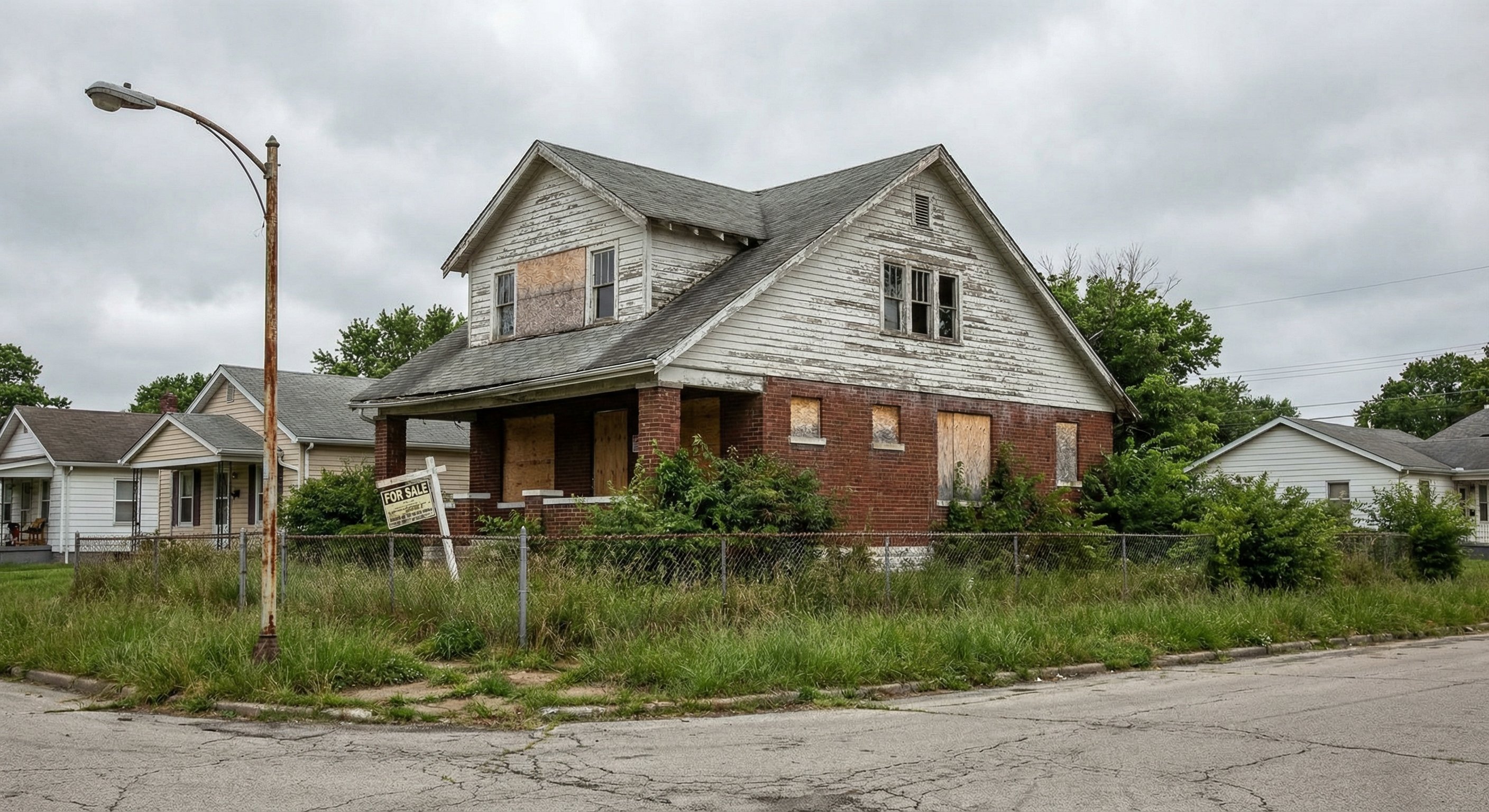
Kansas City pre-foreclosure leads tend to involve higher-value properties than St. Louis, reflecting the overall higher home values in the Kansas City metropolitan area. The $200,000 to $400,000 price range represents the bulk of pre-foreclosure activity in Jackson County and surrounding Johnson County. Investors targeting this market should be prepared to work with properties that require moderate to significant rehabilitation, because the pre-foreclosure filings frequently involve rental properties and investment homes rather than primary residences.
Building a Missouri Pre-Foreclosure Pipeline
Consistent deal flow from Missouri pre-foreclosure leads requires systematic processing of public records combined with persistent outreach. Investors who treat pre-foreclosure prospecting as a one-time project rather than an ongoing operation quickly exhaust their initial list and fail to build sustainable deal flow.
The most effective Missouri pre-foreclosure investors maintain weekly review cycles for new Notice of Default filings in their target counties. They cross-reference new filings against their existing database to avoid contacting properties they have already evaluated or contacted. They prioritize new filings based on estimated equity, occupancy, and property condition, then execute outreach within days of the filing date to reach owners while the emotional impact of the notice is still fresh.
Technology tools that monitor Missouri county recorder databases and alert investors to new filings within 24 to 48 hours of recording provide a significant competitive advantage. Manual monitoring of county websites is insufficient for active investors who compete with other investors for the same pre-foreclosure leads. The DistressIQ platform automates this monitoring across all Missouri counties and delivers scored leads directly to investor dashboards, eliminating the delay between filing and investor contact.
FAQ
Q: How long is the pre-foreclosure period in Missouri? A: Missouri's pre-foreclosure period typically runs 90 to 120 days from the Notice of Default recording to the auction date. This timeline can vary slightly based on the lender, the specific loan documents, and whether the homeowner exercises their right to cure the default.
Q: Can I stop a Missouri foreclosure by contacting the homeowner? A: Yes. If you reach the homeowner during the pre-foreclosure window and negotiate a purchase agreement, you can stop the foreclosure by completing the sale before the auction date. The sale must close or the lender must receive sufficient proceeds from the auction to stop the foreclosure process permanently.
Q: What is the right to cure period in Missouri? A: Missouri law requires lenders to provide homeowners with a right to cure period, which is typically 30 to 35 days specified in the mortgage contract. During this period, the homeowner can bring the loan current and stop the foreclosure process. After the cure period expires, the lender can proceed to auction.
Q: Are Missouri pre-foreclosure properties listed on MLS? A: Most pre-foreclosure properties are not listed on MLS, because the homeowner is still in possession and the property has not been seized by the lender. Some homeowners list pre-foreclosure properties as short sales, but the majority of pre-foreclosure deals are off-market transactions discovered through public records and investor outreach.
Q: What counties in Missouri have the most pre-foreclosure activity? A: St. Louis County, Jackson County (Kansas City), Greene County (Springfield), St. Charles County, and Jefferson County represent the highest-volume pre-foreclosure markets in Missouri. These five counties account for the majority of statewide pre-foreclosure filings.
Q: How do I verify the loan balance on a Missouri pre-foreclosure property? A: Loan balance can be estimated through the Notice of Default filing, which typically includes the amount owed at the time of filing. For precise balances, investors should order a title report or work with a title company that can provide a pay-off statement from the lender. DistressIQ provides estimated loan positions based on county records and public filing data.
Q: Is pre-foreclosure investing legal in Missouri? A: Yes. Pre-foreclosure investing is legal in Missouri. Investors may contact homeowners during the pre-foreclosure period, make offers on properties, and complete purchases. Missouri law regulates how foreclosure auctions are conducted and how notices must be delivered, but it does not restrict investors from contacting or purchasing pre-foreclosure properties.
Ready to access Missouri pre-foreclosure leads? Visit DistressIQ to search pre-foreclosure properties across all Missouri counties with verified ownership, occupancy, and equity data.


The data behind this article
DistressIQ Monitors These Signals in Real Time
Pre-Foreclosures
NOD + NTS filings
Tax Delinquency
County treasurer records
Code Violations
Municipal inspection filings
Probate Filings
Superior Court records
Every lead is scored 0–100 for seller motivation based on signal type, duration, severity, and stacking. Nationwide coverage — every US county, updated daily.
Ready to find deals in your market?
See Live Distress Signals in Your County
Stop calling dead leads. Every lead in DistressIQ is scored 0–100 for seller motivation, with verified contact info included. Browse the free tier to see what's active in your market right now.
Browse Free Leads — No Credit Card