How to Find Pre-Foreclosure Leads in Indiana (2026 Investor Guide)
How to Find Pre-Foreclosure Leads in Indiana (2026 Investor Guide)
TL;DR: Pre-foreclosure leads in Indiana come from county recorder filings (lis pendens) and trustee sales notices. Unlike judicial foreclosure states, Indiana's non-judicial system compresses timelines to roughly 60-90 days from filing to auction. DistressIQ tracks these filings across all 92 Indiana counties, updated daily from county sources, with urgency scores that identify which homeowners are most likely to sell before auction.
Most investors chasing pre-foreclosure leads in Indiana work with lists that are already 30-60 days stale. By the time they call, the property has either sold at auction or been resolved through family assistance or loan modification. The gap isn't effort—it's data freshness and the speed required to act while homeowners still have options.
Indiana's foreclosure process moves faster than most investors expect. In a judicial state like Illinois or New York, homeowners have months to respond. Indiana's non-judicial system cuts that window dramatically, creating a narrow but predictable opportunity for investors who can act quickly.
Why Indiana's Foreclosure Timeline Changes Your Strategy
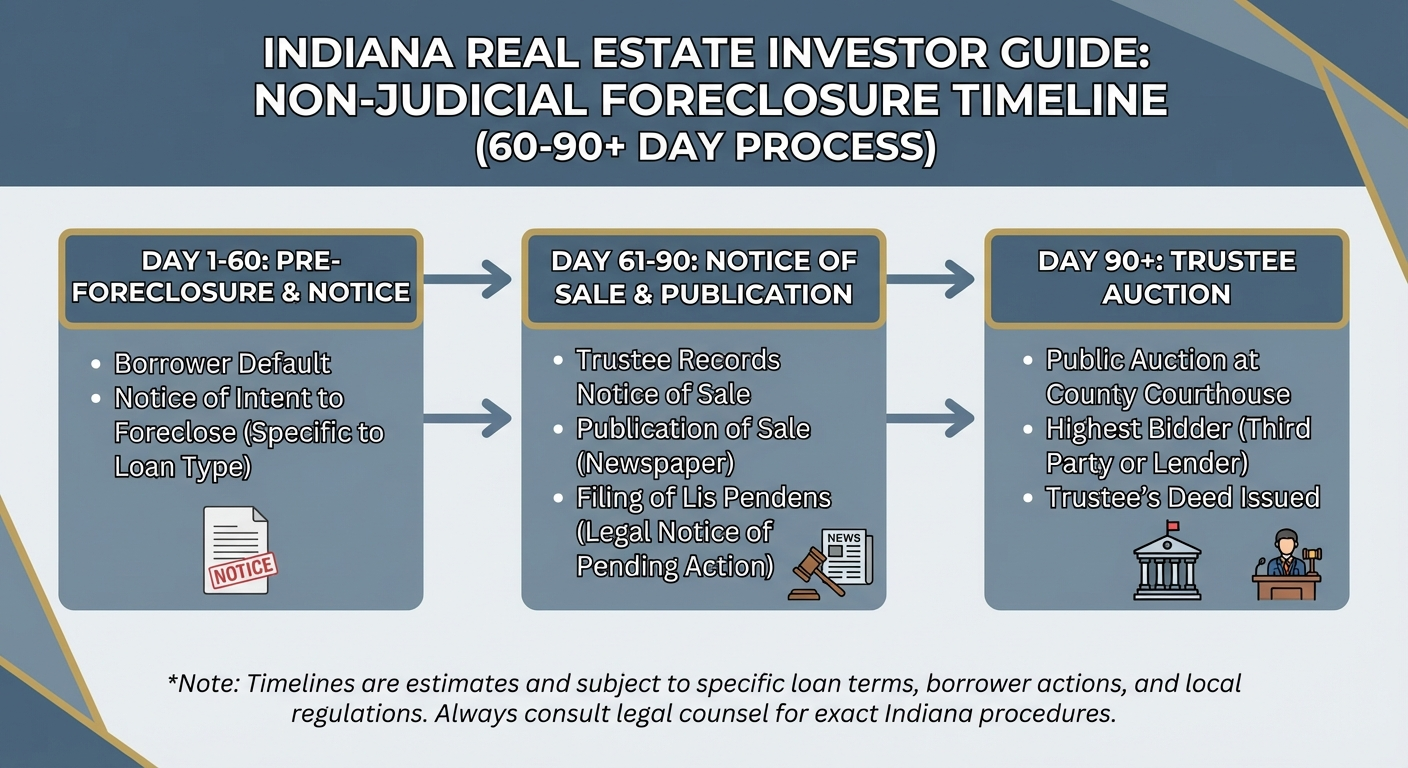
Indiana uses a non-judicial foreclosure process for most mortgages with a power of sale clause. This means:
- No court involvement — lenders proceed directly through the trustee without filing a lawsuit
- Fast timeline — typically 60-90 days from notice of default to trustee sale
- Public notice requirements — published in local newspapers and posted at the county courthouse
- Monthly sale schedule — trustee sales usually occur on the first Tuesday of each month
This compressed timeline creates opportunity for investors. Once a lis pendens (notice of pending litigation) is filed, the homeowner faces a hard deadline. That's the window where they're most motivated to explore alternatives to auction.
According to Indiana Code Title 32 (Property Law), lenders must provide statutory notice periods before proceeding to trustee sale—but those windows are significantly shorter than judicial foreclosure states.[^1] The traditional approach—waiting for sheriff sale lists or scouting published auctions—misses this critical window entirely. By then, the most motivated sellers have already been contacted by investors tracking filings in real-time.
Where Indiana Pre-Foreclosure Data Lives
Pre-foreclosure records in Indiana are public, but they're scattered across 92 county recorder offices and trustee filings. Each county maintains its own system, with varying levels of digital accessibility:
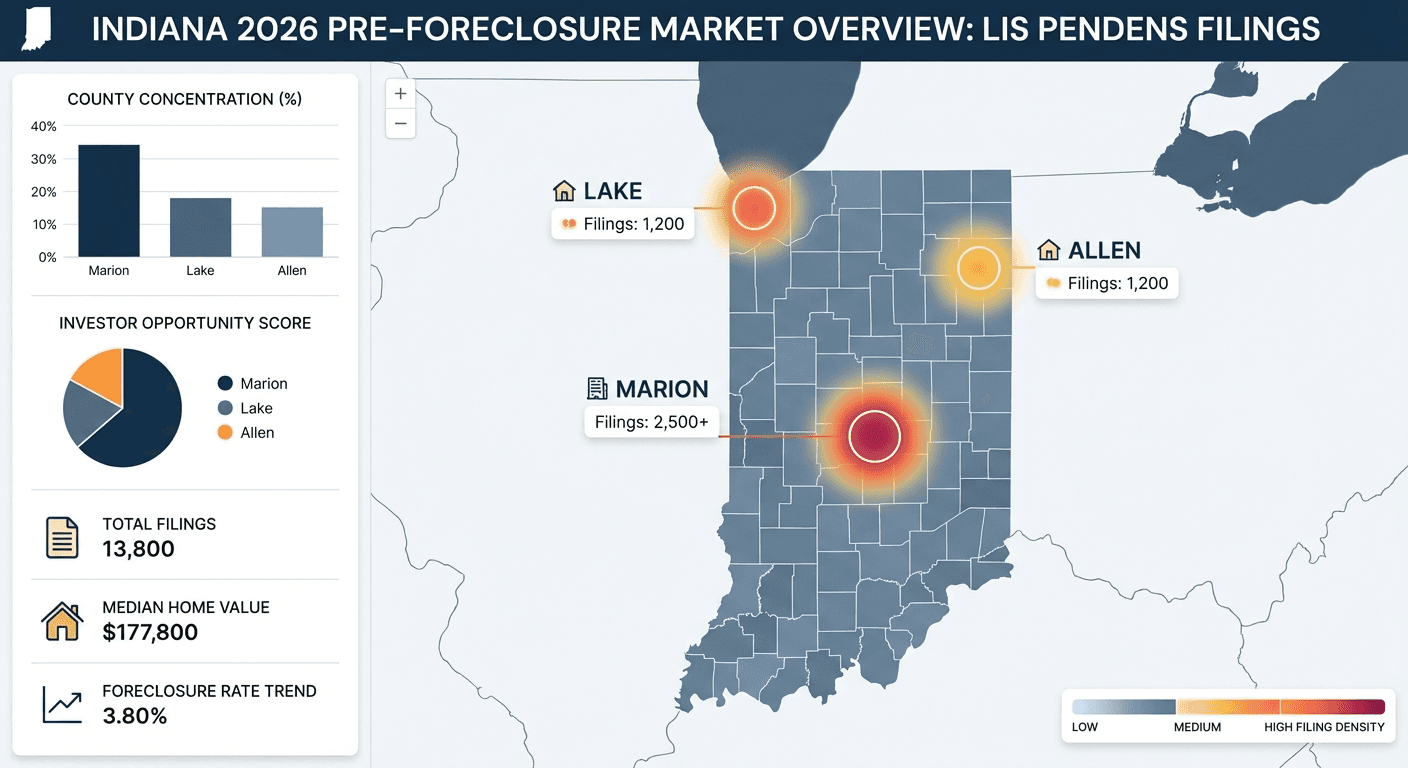
Marion County (Indianapolis) — Indiana's largest county, with over 1.8 million residents. Recorder filings are digitized and searchable online through the Marion County Recorder's website. Lis pendens documents appear within 24-48 hours of filing.
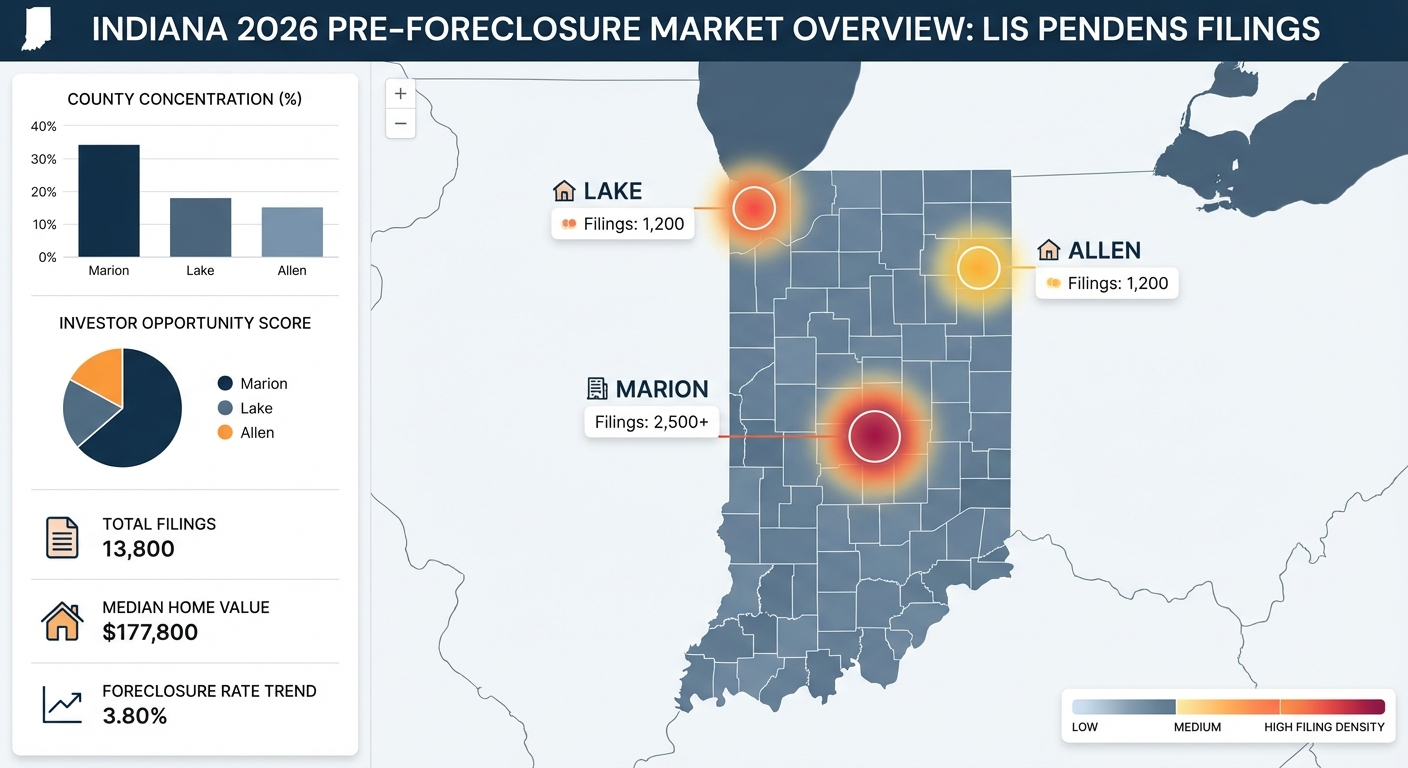
Lake County — Second-largest county by population, with strong digital records through the Lake County Clerk's office. High foreclosure volume due to proximity to Chicago and economic pressures in the region.
Allen County (Fort Wayne) — Third-largest county, with recorder records available online. Steady foreclosure activity in the Fort Wayne metro area.
Hamilton, St. Joseph, and Vanderburgh counties — These high-growth areas show consistent pre-foreclosure filings, particularly in suburban markets where property values have appreciated rapidly.
The challenge isn't access—it's scale and consistency. Checking 92 county websites manually is impossible for active investors. Most miss filings in smaller counties where motivated sellers face less competition from out-of-area investors.
How DistressIQ Solves the Indiana Pre-Foreclosure Challenge
DistressIQ tracks pre-foreclosure signals across all 92 Indiana counties, updated daily from county recorder offices. Instead of cobbling together data from monthly sheriff sale lists or third-party aggregators, you get real-time filings from the source.
Every lead on the platform includes:
Verified distress signals — Each property has a recorded lis pendens or notice of trustee sale at minimum. Most have multiple signals: tax delinquency, code violations, or absentee ownership—additional pressure points that increase motivation.
Urgency scoring (0-100) — Properties are ranked by how ready the homeowner is to act. A property with lis pendens + tax delinquency + 30 days to auction scores much higher than a recent filing with 70+ days remaining, because urgency changes the conversation.

Owner contact information — Skip-traced phone numbers and mailing addresses. Access what you need without artificial credit limits or per-contact fees.
Property details from assessor records — Square footage, lot size, year built, and assessed value sourced directly from county tax assessor data. This is ground truth, not MLS estimates that can be wildly off.
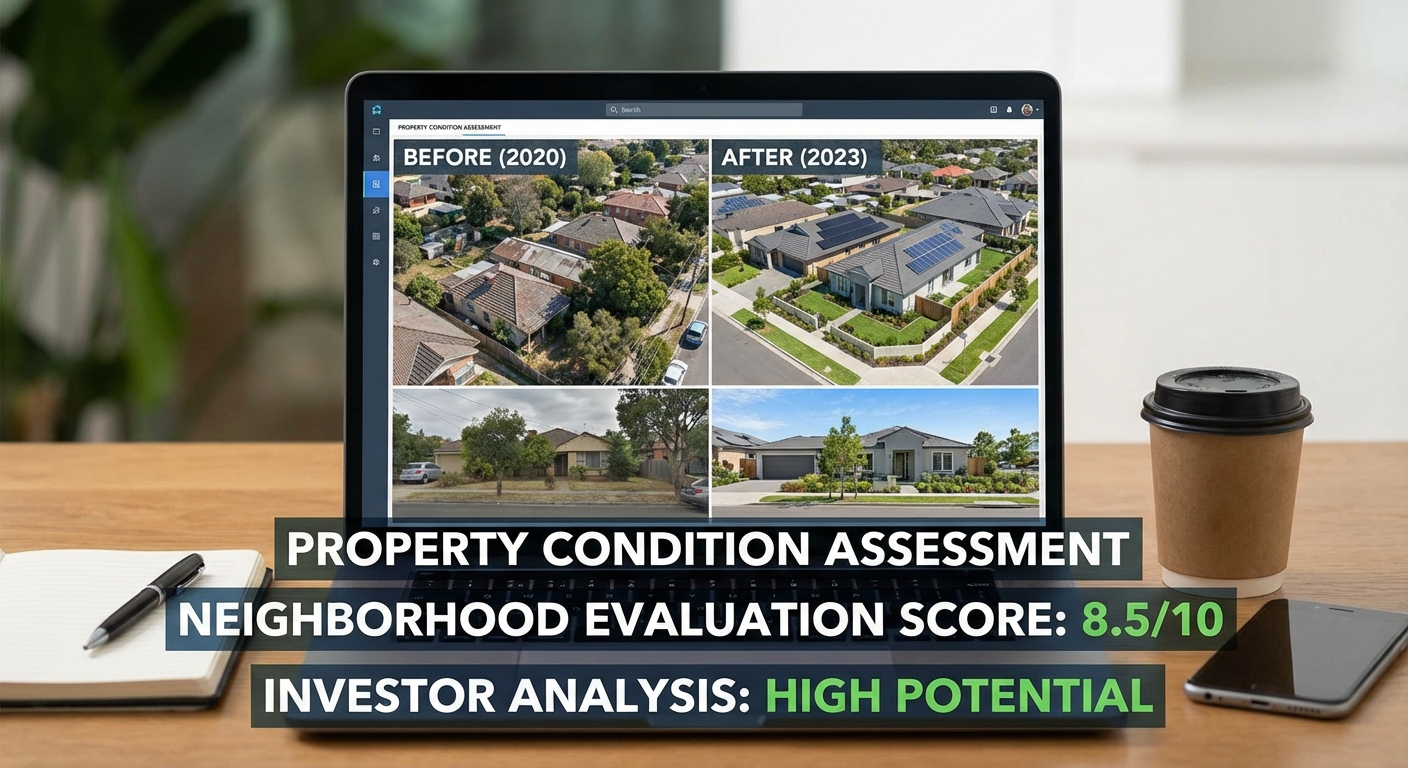
Visual context before outreach — Street View and aerial imagery let you assess property condition and neighborhood quality without visiting in person. Identify vacancy, deferred maintenance, and market positioning before dialing.
Free Weekly Alerts
See What's Distressed in Your Market
Get free weekly alerts — new distressed properties, motivation scores, and hot neighborhoods in your area. Addresses and contact info available inside DistressIQ.
Free forever · No credit card · Unsubscribe anytime
Indiana Pre-Foreclosure Market Dynamics in 2026
Indiana's real estate market has shown resilience compared to national trends, but pre-foreclosure activity remains steady across key metro areas. ATTOM's Q4 2025 U.S. Foreclosure Market Report shows Indiana among the Midwest states with consistent foreclosure filing rates, driven by economic pressures in legacy industrial markets.[^2]
Indianapolis metro (Marion, Hamilton, Boone counties) — Highest volume of pre-foreclosure filings in the state. Strong rental demand keeps investor interest high, but also means more competition for quality leads.
Fort Wayne (Allen County) — Steady market with moderate foreclosure rates. Less investor saturation than Indianapolis, creating opportunities for focused outreach.
South Bend (St. Joseph County) — Urban core shows higher pre-foreclosure activity, particularly in older neighborhoods with aging housing stock.
Evansville (Vanderburgh County) — Consistent pre-foreclosure pipeline with lower competition from out-of-state investors.
Emerging markets — Counties like Johnson, Morgan, and Shelby (south of Indianapolis) show growing pre-foreclosure activity as remote workers relocate from higher-cost markets and face financial pressures.
The key insight: Indiana's non-judicial system means pre-foreclosure isn't a long-term status. It's a narrow window where homeowners are actively weighing options. Reach them during this period, and you're offering a solution to avoid auction losses. Miss it, and the property becomes a sheriff sale with different dynamics entirely.
How to Use Pre-Foreclosure Leads Effectively in Indiana
Timing Your Outreach
The sweet spot for pre-foreclosure outreach is 15-45 days after the lis pendens filing but before the trustee sale date. During this window:
- Homeowners have had time to process the situation but haven't resigned themselves to losing the property
- They're actively exploring options beyond just waiting for auction day
- Investors who contact during this period face less competition than those calling immediately after filing
Waiting until the week before auction often means the homeowner has already committed to a course of action—either they've found a rescue option or accepted foreclosure.
Prioritize by Urgency Score
Not all pre-foreclosure leads are equally ready to act. Use the urgency score to focus your energy:
High-priority (score 70+) — Multiple distress signals (lis pendens + tax delinquency + absentee ownership) and short timeline. These homeowners face compounding pressure and are most likely to accept a solution.
Medium-priority (score 40-69) — Newer filings or single-signal properties. Worth contacting but expect longer decision cycles and more shopping around.
Lower-priority (score <40) — Recent filings with 60+ days remaining or minimal additional signals. Add these to a nurture sequence and circle back as auction date approaches.
Effective Outreach Strategies
When reaching out to pre-foreclosure homeowners in Indiana:
Lead with options, not pitch — Start by acknowledging their situation and asking what they've already explored. "I work with homeowners facing auctions to find alternatives. Have you talked to anyone else about options?" creates dialogue instead of triggering defensiveness.
Explain the auction economics — Many homeowners underestimate how much they'll lose at trustee sale. Walk them through: opening bid is often the unpaid loan balance, costs of sale (trustee fees, taxes, insurance), and potential deficiency judgment if the property sells for less.
Be the solution, not the salesman — The best pitch is clarity. "Here's what we can offer, here's the timeline, here's what you keep" beats all the closing techniques. Homeowners in distress want certainty, not more noise.
Follow up consistently but respect boundaries — First contact is rarely the yes. Build a follow-up sequence that respects their timeline while staying present as options close down.
Why Most Pre-Foreclosure Lists Don't Work in Indiana
Stale Data Misses the Window
Third-party services typically update weekly or monthly. By the time a list reaches you, the property may have already sold at auction, been resolved through loan modification, listed as a short sale, or filed bankruptcy. In Indiana's 60-90-day window, a 30-day-old list has missed the optimal contact period.
Coverage Gaps
Most lead aggregators focus on major metros—Marion, Lake, Allen counties—and skip the 80+ smaller counties where motivated sellers face less competition. A real Indiana strategy requires statewide coverage, not just Indianapolis and Fort Wayne. This is where DistressIQ's advantage is clearest: all 92 counties, daily updates.
Verification Problems
Generic lists include dead leads: properties already sold, in loan modification, or listed with realtors. Without real-time county record verification, you waste time chasing false positives while competitors with current data capture actual opportunities.
What Separates DistressIQ
Daily Updates, County-Direct
Pre-foreclosure signals come straight from county recorder and clerk offices, updated daily. No third-party aggregators, no weekly batches—just current filings from the source.
Urgency Scoring That Tells You What to Call
Instead of treating all pre-foreclosures the same, DistressIQ scores 31 different distress signal types into a single 0-100 urgency metric. It shows you which properties warrant immediate outreach versus those to nurture later as deadlines tighten.
Full-County Coverage
All 92 Indiana counties, not just the major metros. This matters because smaller counties often have less investor saturation and more motivated sellers willing to negotiate.
Property Intelligence Built In
Assessor-verified property data (square footage, assessed value, year built) plus Street View and aerial imagery for each lead. You can assess property condition and neighborhood quality before making the first call.
The Workflow: From New Filings to Closed Deals
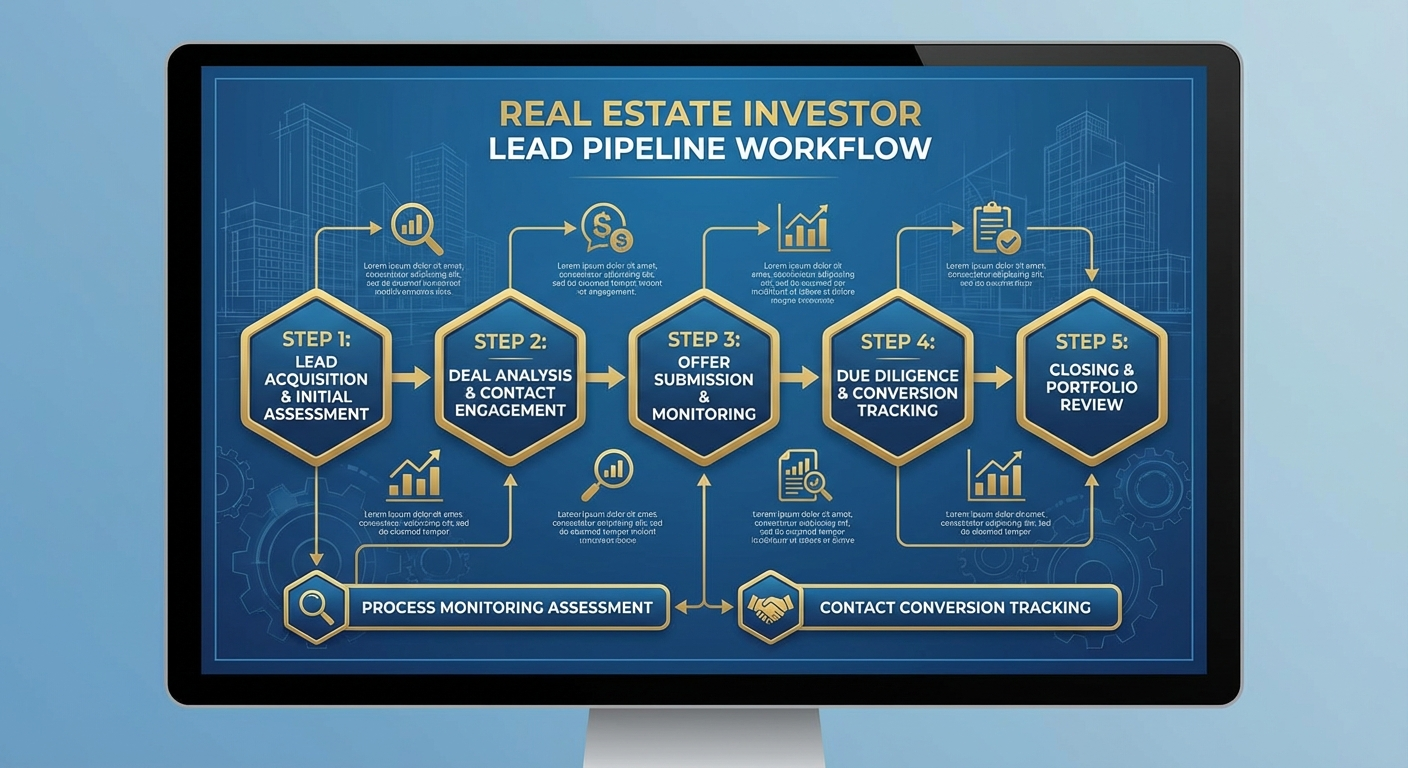
Successful Indiana investors follow this pattern:
Step 1: Daily monitoring — Each morning, check the DistressIQ feed for new lis pendens filings across all 92 counties. Filter by urgency score (70+) to identify today's best opportunities.
Step 2: Quick assessment — In minutes, review property details, owner information, and condition via Street View. Decide which leads get immediate contact versus those to add to nurture sequence.
Step 3: Fast outreach — Call high-urgency leads within 24 hours of filing, while they're actively weighing options. Personalized approach ("I see you have X situation") works better than generic pitch.
Step 4: Multi-touch nurture — Medium-priority leads get added to a weekly follow-up sequence. Many don't respond to first contact, but convert as their auction date tightens.
Step 5: Data feedback loop — Track which urgency score ranges, signal types, and outreach messages actually convert in your markets. Use real results to optimize, not hunches.
The Indiana Advantage: Speed Beats Everything
Indiana's non-judicial system creates a unique edge for investors who can move fast on current data. The compressed 60-90 day timeline means homeowners decide urgently, but also means the window to reach them is tight.
Using stale lists or partial county coverage leaves money on the table. The best leads get contacted by multiple investors simultaneously—whoever reaches them first with the right offer wins.
DistressIQ's advantage is straightforward: all 92 counties, updated daily from county sources, with urgency scoring that tells you exactly which properties are ready to move. You're not guessing; you're responding to current market signals.
The Consumer Financial Protection Bureau research shows that homeowners in foreclosure often have options they don't know about—but those options narrow fast as the auction date approaches.[^3] That's where investors add real value: by showing up early with a clear path forward.
Start Finding Pre-Foreclosure Leads in Indiana
The window is narrow but predictable. Homeowners facing trustee auction need solutions before the gavel falls, and investors who reach them during the critical pre-sale period convert the most deals.
Browse pre-foreclosure leads across all 92 Indiana counties free on DistressIQ. Track new lis pendens filings daily, filter by urgency score, and call high-priority leads while they're actively exploring options.
Pricing: Founding members lock in 30% lifetime discount—Starter $89/mo, Pro $174/mo, Elite $349/mo. Fewer than 50 founding spots remaining.
Data updates daily from county recorder offices, so you're always working the freshest leads available.
Frequently Asked Questions
Q: What is the pre-foreclosure process in Indiana?
In Indiana, most residential foreclosures follow a non-judicial process when the mortgage contains a power of sale clause. After a homeowner misses payments, the lender issues a notice of default and files a lis pendens with the county recorder. The property is then scheduled for a trustee sale, typically within 60-90 days of the initial filing. Throughout this window, homeowners retain the right to reinstate their loan or sell the property — making pre-foreclosure the critical period for both homeowners and investors.
Q: How long does pre-foreclosure last in Indiana?
Indiana's non-judicial system moves faster than most states. From initial lis pendens filing to trustee sale, the timeline is typically 60-90 days—much shorter than judicial states like Illinois or New York, where court proceedings can stretch pre-foreclosure to 12+ months. The compressed window means speed matters. A lead that's 30 days old in Indiana may already be past the optimal contact window.
Q: Where can investors find pre-foreclosure listings in Indiana?
Pre-foreclosure records are filed publicly with county recorder offices across Indiana's 92 counties. Larger counties like Marion (Indianapolis) and Allen (Fort Wayne) offer searchable online databases. Smaller counties may require manual searches or in-person visits. Platforms like DistressIQ aggregate filings from all 92 counties into a single searchable interface, updated daily from county sources, with motivation scoring to prioritize the most actionable leads.
Q: Can you buy a home in pre-foreclosure in Indiana?
Yes. Buying in pre-foreclosure means purchasing directly from the homeowner before the trustee sale occurs. This typically involves negotiating a cash purchase or assuming the mortgage, allowing the homeowner to avoid auction and potentially preserve some equity. Investors who buy pre-foreclosure often find less competition and more flexibility on price than at auction, where cash-only bidding and as-is conditions apply.
Q: What is a lis pendens and why does it matter for Indiana investors?
A lis pendens (Latin for "suit pending") is a recorded notice that a property is subject to pending legal action—in this case, foreclosure proceedings. In Indiana, it's filed with the county recorder and becomes public record. For investors, a lis pendens filing signals that a homeowner is in real distress with a hard deadline approaching. Monitoring these filings gives you early visibility into motivated sellers before auction, when they still have options and incentive to negotiate.
Q: Which Indiana counties have the highest pre-foreclosure activity?
Marion County (Indianapolis) consistently leads the state in pre-foreclosure volume, followed by Lake County (northwest Indiana, near Chicago), Allen County (Fort Wayne), St. Joseph County (South Bend), and Vanderburgh County (Evansville). Secondary markets like Johnson, Tippecanoe, and Delaware counties show steady activity with less investor competition. A comprehensive Indiana strategy requires monitoring all 92 counties, not just the largest metros.
Q: What's the difference between pre-foreclosure and a sheriff sale in Indiana?
Pre-foreclosure refers to the period between the initial default notice/lis pendens filing and the actual trustee sale. During this window, the homeowner still owns the property and can negotiate a sale. A sheriff sale (or trustee sale) is the public auction where the property is sold to the highest cash bidder. Buying pre-foreclosure typically offers better pricing, direct negotiation, and a cleaner title process compared to auction purchases, which are as-is with limited due diligence time.
[^1]: Indiana Code Title 32, Article 30 — Property: Landlord-Tenant Relations; Liens; Mortgages and Foreclosure. Indiana General Assembly. https://iga.in.gov/laws/2025/ic/titles/32
[^2]: ATTOM U.S. Foreclosure Market Report, Q4 2025. ATTOM Data Solutions. https://www.attomdata.com/news/market-trends/foreclosures/
[^3]: Consumer Financial Protection Bureau — Facing Foreclosure. https://www.consumerfinance.gov/consumer-tools/mortgages/answers/key-terms/#foreclosure
DistressIQ provides distressed property intelligence across all 3,200+ US counties. The platform tracks pre-foreclosures, tax delinquencies, probate filings, code violations, and other distress signals from county sources—updated daily and ranked by urgency.
The data behind this article
DistressIQ Monitors These Signals in Real Time
Pre-Foreclosures
NOD + NTS filings
Tax Delinquency
County treasurer records
Code Violations
Municipal inspection filings
Probate Filings
Superior Court records
Every lead is scored 0–100 for seller motivation based on signal type, duration, severity, and stacking. Nationwide coverage — every US county, updated daily.
Ready to find deals in your market?
See Live Distress Signals in Your County
Stop calling dead leads. Every lead in DistressIQ is scored 0–100 for seller motivation, with verified contact info included. Browse the free tier to see what's active in your market right now.
Browse Free Leads — No Credit Card