Foreclosure Leads Virginia: What Makes This Market Different

Foreclosure Leads Virginia: What Makes This Market Different
TL;DR: Virginia operates as a non-judicial foreclosure state under deeds of trust, meaning the entire process from default notice to auction can finish in roughly 45 days. That speed creates both urgency and opportunity for investors working foreclosure leads. Northern Virginia, Hampton Roads, and the rural central and southwestern parts of the state each have distinct foreclosure dynamics, inventory levels, and competition intensity that affect how investors should approach each market.

Most states give homeowners months to work things out. Virginia gives them weeks. A homeowner who falls behind on mortgage payments in Fairfax or Virginia Beach can face a trustee sale in as little as 45 days from the first default notice. That compressed timeline makes Virginia one of the most time-sensitive foreclosure markets in the country, and it changes everything about how investors should source and work leads.
The speed is not a quirk. It is structural. Virginia is a title-theory state that uses deeds of trust rather than traditional mortgages. The deed of trust conveys legal title to a third-party trustee at closing, and that trustee has the power to foreclose without filing a lawsuit. No judge. No court calendar. No 18-month wait. The result is a foreclosure process that rewards preparation and punishes hesitation.
How Virginia Foreclosure Actually Works
The non-judicial foreclosure process in Virginia follows a specific sequence governed by the Code of Virginia, Title 55.1, Chapters 3 and 4.
When a borrower defaults, the trustee under the deed of trust initiates foreclosure by recording a notice of sale in the county circuit court where the property is located. The trustee must also mail written notice to the borrower at least 14 days before the scheduled sale date and publish the notice in a local newspaper for at least 14 days.
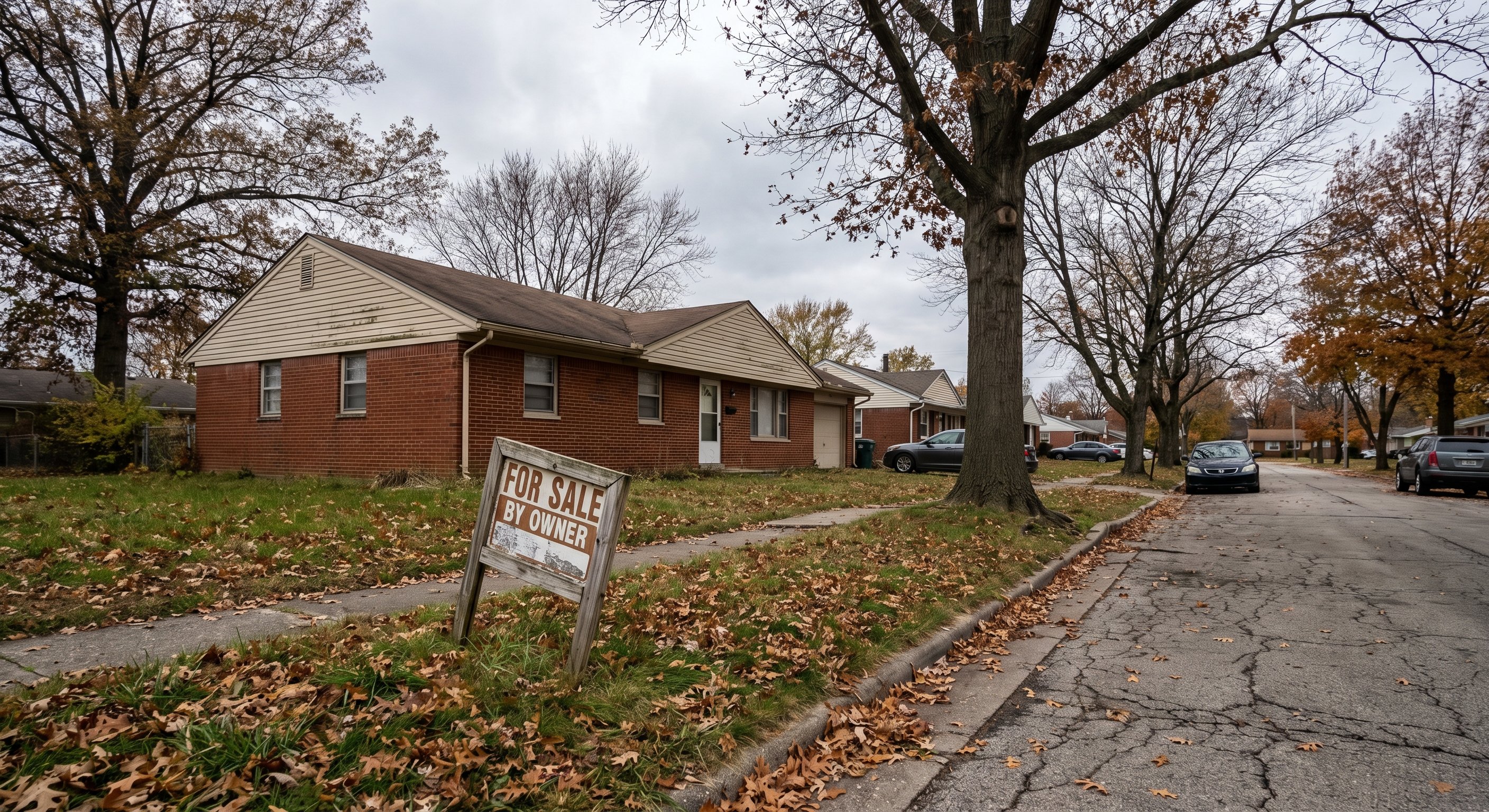
Here is the critical part for investors: once that notice of sale is recorded, the clock starts ticking. The homeowner has a narrow window to cure the default, negotiate a loan modification, or sell the property before the trustee auction. In practical terms, many Virginia foreclosures move from default to sale in 45 to 60 days. Some move faster.
Virginia does not provide a statutory right of redemption after the sale. Once the trustee's hammer falls, the sale is final. This gives auction buyers certainty, but it also means homeowners facing foreclosure are highly motivated to negotiate before the auction, not after. Investors who wait for the sale miss the window where the homeowner is most receptive.
Where Virginia Foreclosure Inventory Is Concentrated
Virginia is not one market. It is at least four, and treating it as uniform leads to bad allocation of time and money.
Northern Virginia (NoVA): Fairfax, Loudoun, Prince William, Arlington. High property values, strong employment tied to federal government and defense contracting, and relatively low foreclosure volume. When foreclosures appear here, they involve higher loan balances and more equity. Competition from institutional buyers is intense.
Hampton Roads: Virginia Beach, Norfolk, Chesapeake, Newport News, Hampton. Military presence drives a transient population with frequent relocations. Foreclosure rates here run above the state average, and the military PCS cycle creates predictable waves of distressed inventory.

Richmond Metro: Chesterfield, Henrico, and the City of Richmond. A more balanced market with moderate foreclosure activity. Property values are lower than NoVA but higher than rural areas. Good for investors seeking a middle ground between deal volume and profit margin.
Central and Southwestern Virginia: Rural counties stretching from the Blue Ridge to the Tennessee and North Carolina borders. Lower property values, thinner buyer competition, but also smaller margins. Foreclosure inventory here tends to be older housing stock with more physical deterioration. Tax delinquent properties often overlap with foreclosure leads in these areas.
The Pre-Foreclosure Window in Virginia Is Short. Act Accordingly.
In a judicial foreclosure state like New York or New Jersey, pre-foreclosure leads might sit in the pipeline for 12 to 18 months before reaching auction. Investors have time to build relationships, send multiple mailers, and wait for the right moment.
Virginia does not offer that luxury. The compressed timeline means speed of first contact matters more than frequency of follow-up. An investor who reaches a homeowner within the first two weeks of the notice of sale recording has a meaningful chance of negotiating a purchase. After that, options narrow.

Effective Virginia investors monitor filings daily and prioritize leads by motivation score and equity position rather than treating every filing equally. They have their skip tracing, comps analysis, and offer framework ready before the first call, because there is no time for a second round of research.
Free Weekly Alerts
See What's Distressed in Your Market
Get free weekly alerts — new distressed properties, motivation scores, and hot neighborhoods in your area. Addresses and contact info available inside DistressIQ.
Free forever · No credit card · Unsubscribe anytime
Finding Foreclosure Leads Across Virginia's Counties
Virginia has 95 counties and 38 independent cities. Each circuit court clerk's office handles foreclosure filings for its jurisdiction, and the recording systems, search interfaces, and fee structures vary.
Larger jurisdictions like Fairfax and Virginia Beach have modernized online record search systems. Smaller counties may require in-person visits or paid subscription access. This fragmentation makes county-level data aggregation essential for investors working multiple Virginia markets.
Beyond trustee sale notices, several other data sources signal emerging foreclosure risk in Virginia:
- Lis pendens filings in circuit court indicate a lender has initiated legal action, which in Virginia may precede or run parallel to the non-judicial foreclosure process
- Tax delinquent property lists from city and county treasurers often overlap with mortgage distress, particularly in Hampton Roads and rural markets
- Code violation records in Richmond, Norfolk, and other cities can flag properties where owner neglect suggests financial trouble
The most consistent deal flow comes from layering signals rather than relying on a single source. A property on both the tax delinquent list and flagged with a recent lis pendens filing is a stronger candidate than one with only one signal.
What Virginia Investors Get Wrong About Foreclosure Leads
Several common mistakes show up repeatedly in Virginia foreclosure investing.
Waiting for the auction. Because Virginia's trustee sales are fast and final, some investors assume the best strategy is buying at auction. In practice, competition at trustee sales in NoVA, Richmond suburbs, and Virginia Beach drives prices close to retail. Better opportunities usually sit in the pre-foreclosure window.
Ignoring military protections. Hampton Roads has a heavy military population, and the Servicemembers Civil Relief Act (SCRA) provides significant protections for active-duty service members, including interest rate caps and restrictions on foreclosure proceedings. Investors must verify military status before pursuing any purchase. The Department of Justice actively prosecutes SCRA violations in military-heavy jurisdictions.
Overlooking the independent cities. Virginia's independent cities function as their own counties for legal and recording purposes. An investor searching foreclosure filings in "Fairfax County" will miss filings recorded in the City of Fairfax, which is a separate jurisdiction. There are 38 of these independent cities, and missing them means missing leads.
Assuming low volume means low opportunity. NoVA's low foreclosure rate relative to its population does not mean the market is not worth pursuing. It means the leads that do appear are often high-value, and the investors who find them first win. Low supply with high demand rewards precision over volume.
Building a Virginia Foreclosure Lead Pipeline
The most effective approach combines speed of data access with multi-signal filtering. Daily updates on foreclosure filings, lis pendens, and tax delinquency across all 133 jurisdictions (95 counties plus 38 independent cities) matter because of the 45-day timeline.
Filter leads by motivation indicators. Properties with multiple distress signals have owners more likely to engage. A single-signal approach leaves too much room for wasted outreach.
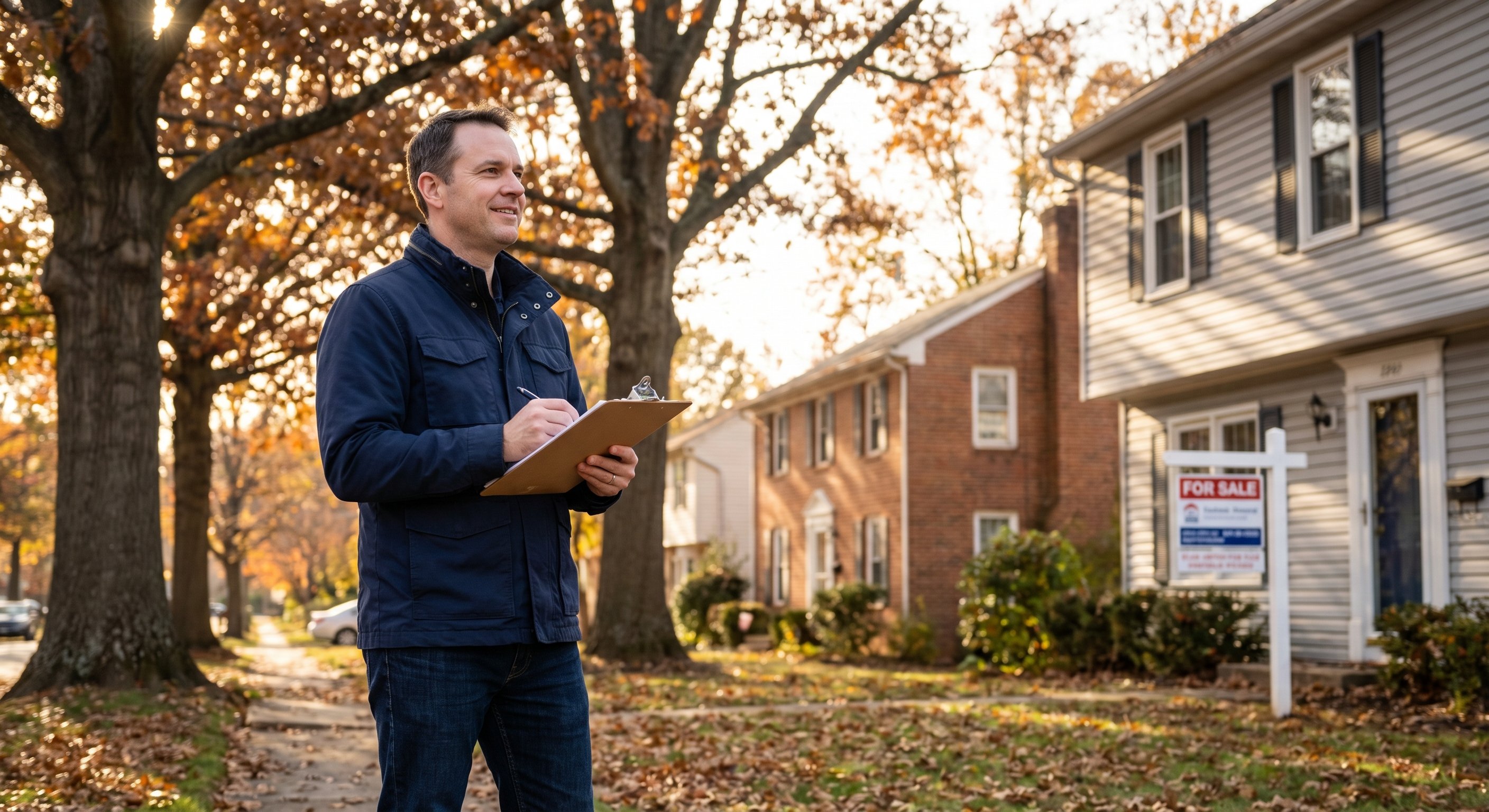
Prioritize outreach to leads where the recorded notice of sale is less than two weeks old. The homeowner is aware of the situation, the auction date is approaching, and the sense of urgency is genuine. This is not manufactured scarcity. The timeline is real.
Skip trace the property owner and initiate contact with a clear, respectful message that acknowledges the situation and offers a concrete path forward. Virginia homeowners facing trustee sales are not browsing real estate forums for advice. They are looking for a solution, and the first credible offer often wins.
DistressIQ tracks foreclosure filings, lis pendens, tax delinquency, and 20+ additional distress signal types across every Virginia jurisdiction, updated daily. Properties are scored by motivation level so investors can prioritize the leads most likely to convert. Browse the Virginia foreclosure map at distressiq.ai.
Frequently Asked Questions
Q: How fast can a foreclosure happen in Virginia?
Virginia is a non-judicial foreclosure state that uses deeds of trust. The trustee must provide at least 14 days written notice to the borrower and publish the notice for 14 days in a local newspaper before the sale. In practice, many foreclosures move from initial default to trustee sale in approximately 45 to 60 days. This is among the fastest timelines in the United States. Investors working pre-foreclosure leads in Virginia need daily access to new filings to avoid missing the narrow window between default and sale.
Q: Does Virginia have a right of redemption after foreclosure?
No. Virginia does not provide a statutory right of redemption after a trustee sale. Once the property is sold at auction, the former owner cannot reclaim it by paying the debt. This is different from states like Texas (which has a limited redemption period for certain properties) or Minnesota (which provides up to six months). The absence of redemption rights makes Virginia trustee sales more final, which reduces post-sale complications for buyers but also increases urgency for homeowners seeking to sell before the auction.
Q: What are the best Virginia markets for foreclosure investing?
It depends on the investor's strategy. Hampton Roads offers higher foreclosure volume driven by military relocations and a more transient population, making it productive for investors focused on deal flow. Northern Virginia has lower volume but much higher property values, so individual deals can be more profitable despite the competition. Richmond provides a middle ground. Rural central and southwestern Virginia has lower property values and less competition, but the profit margins per deal are thinner. Each market rewards a different approach.
Q: How do Virginia's independent cities affect foreclosure research?
Virginia has 38 independent cities that function as separate jurisdictions from their surrounding counties for legal and recording purposes. The City of Fairfax, for example, is legally distinct from Fairfax County. A foreclosure filed in the City of Richmond will not appear in Henrico County records. Investors searching leads must check filings in both the county and any independent city within their target area. Missing the independent cities means missing a meaningful portion of Virginia's foreclosure inventory.
Q: Can a homeowner stop a foreclosure in Virginia?
Yes, but the options are limited by the fast timeline. A homeowner can cure the default by paying the full amount owed, negotiate a loan modification, file for bankruptcy to trigger an automatic stay, or sell the property before the auction. The compressed 45-day window makes all of these harder to execute compared to judicial foreclosure states where the process takes months. This is why pre-foreclosure outreach from investors, when done respectfully, can provide a viable path for homeowners who need to act fast.
Q: What role do military protections play in Virginia foreclosure leads?
The Servicemembers Civil Relief Act (SCRA) provides active-duty military members with significant protections, including a 6 percent interest rate cap on pre-service mortgages and the right to have foreclosure proceedings stayed while on active duty. Hampton Roads, home to Naval Station Norfolk and other installations, has a large military population. Investors must verify whether a homeowner is an active-duty service member before proceeding. The DOJ actively enforces SCRA violations in Virginia.
Q: How does Virginia's deed of trust system differ from a traditional mortgage?
In a traditional mortgage state, the borrower holds title and the lender has a lien. Default triggers a lawsuit and the judicial process. In Virginia's deed of trust system, legal title is conveyed to a third-party trustee at closing. That trustee can initiate foreclosure without court involvement when the borrower defaults. This structural difference enables Virginia's fast non-judicial timeline and eliminates the need for a judge to approve the sale.
The data behind this article
DistressIQ Monitors These Signals in Real Time
Pre-Foreclosures
NOD + NTS filings
Tax Delinquency
County treasurer records
Code Violations
Municipal inspection filings
Probate Filings
Superior Court records
Every lead is scored 0–100 for seller motivation based on signal type, duration, severity, and stacking. Nationwide coverage — every US county, updated daily.
Ready to find deals in your market?
See Live Distress Signals in Your County
Stop calling dead leads. Every lead in DistressIQ is scored 0–100 for seller motivation, with verified contact info included. Browse the free tier to see what's active in your market right now.
Browse Free Leads — No Credit Card